A Cabinet of Philosophical Curiosities
- 306pages
- 11 heures de lecture
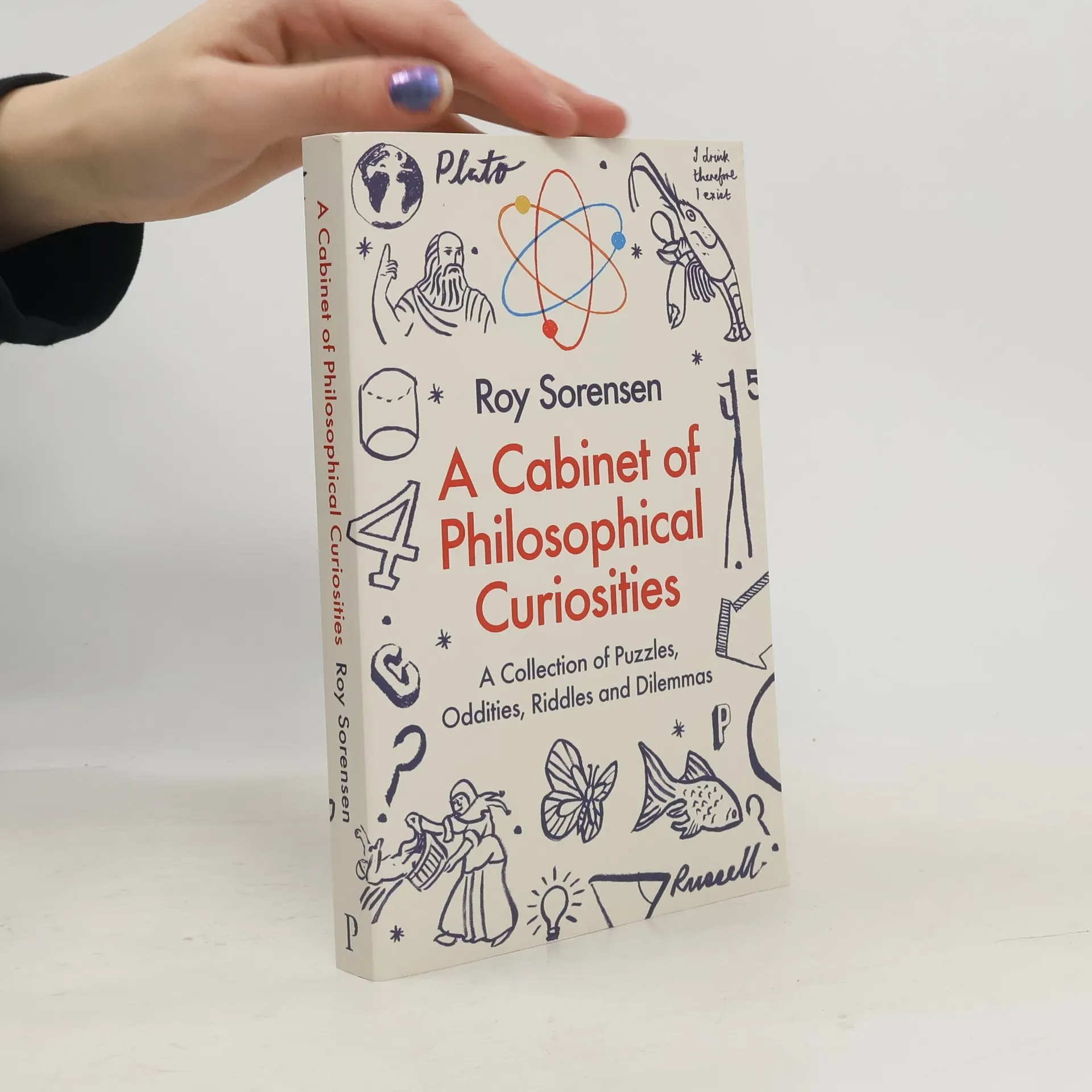
An entertaining miscellany of logical curiosities - from anecdotes and proofs to puzzles and puns - found outside the classroom.


An entertaining miscellany of logical curiosities - from anecdotes and proofs to puzzles and puns - found outside the classroom.
Readers get to follow the minds of Zeno, Socrates, Aquinas, Okham, Pascal, Kant, Hegel, and many other major philosophers deep inside the tangles of paradox."--BOOK JACKET.
An entertaining history of the idea of nothing - including absences, omissions, and shadows - from the Ancient Greeks through the 20th centuryHow can nothing cause something? The absence of something might seem to indicate a null or a void, an emptiness as ineffectual as a shadow. In fact, 'nothing' is one of the most powerful ideas the human mind has ever conceived. This short and entertaining book by Roy Sorensen is a lively tour of the history and philosophy of nothing, explaining how various thinkers throughout history have conceived and grappled with the mysterious power of absence -- and how these ideas about shadows, gaps, and holes have in turned played a very positive role in the development of some of humankind's most important ideas. Filled with Sorensen's characteristically entertaining mix of anecdotes, puzzles, curiosities, and philosophical speculation, the book is ordered chronologically, starting with the Taoists, the Buddhists, and the ancient Greeks, moving forward to the middle ages and the early modern period, then up to the existentialists and present day philosophy. The result is a diverting tourthrough the history of human thought as seen from a novel and unusual perspective.
Was war zuerst da, die Henne oder das Ei? Und ist das Glas nun halb voll oder halb leer? Philosophieprofessor Roy Sorensen präsentiert kurzweilig und amüsant ein Sammelsurium an Gedankenverdrehern, Seltsamkeiten und Dilemmata, die unser logisches Denken herausfordern und uns in die Welt von Platos Höhle, Wittgensteins Untersuchungen und Schopenhauers Intelligenztest entführen. Bei der Lektüre kommt der Leser nicht nur gehörig ins Grübeln, sondern erfährt auf charmante Art und Weise, wie Descartes einmal in einer Kneipe verschwand, was es mit der Hummer-Logik auf sich hat und wie man sich den Abwasch fair mit dem Partner teilt. Ein philosophisches Kuriositätenkabinett, das seine Leser überrascht, erleuchtet und verblüfft – vor allem aber hervorragend unterhält.