

With its Sufistic parables of the human condition, rendered in a style redolent of both the austere meditations of Borges and the dark engorged ruminations of Arthur C. Clark, Pyramid Texts engages the mind and beguiles the imagination. In a series of chapters each shorter than the last―so that, like their subjects, they taper ultimately into nothingness―the author evokes the obsessions that have drawn men over the centuries to the brooding presence of mankind’s most ancient and mysterious monuments. Among others in a procession of exotic characters, a Moroccan seeker after knowledge spends years contemplating the pyramids in the hope that one day he will understand the mysterious writing that fitfully appears on their sides. Another waits patiently for the moment when the shadow of one will diverge from its accustomed path and bestow immortality, and the Sphinx performs a celestial dance. Pyramid Texts leads us into a world of endless passages and mysterious sighing winds, a world whose claustrophobic and shadowy spaces may be illuminated by flashes of ecstasy leading to scintillating transfigurations and dizzying annihilations.
Gamal al-Ghitani Livres
Gamal El-Ghitany était un romancier égyptien acclamé dont l'œuvre se caractérisait par sa langue riche et ses profondes perspectives sur la société et l'histoire égyptiennes. Ses récits exploraient souvent les complexités de l'âme humaine et les tensions entre tradition et modernité. El-Ghitany était un maître dans la capture de l'atmosphère et de la psychologie des personnages, s'établissant comme une voix importante dans la littérature arabe. Son écriture résonne avec des thèmes intemporels d'identité, de pouvoir et de rédemption.
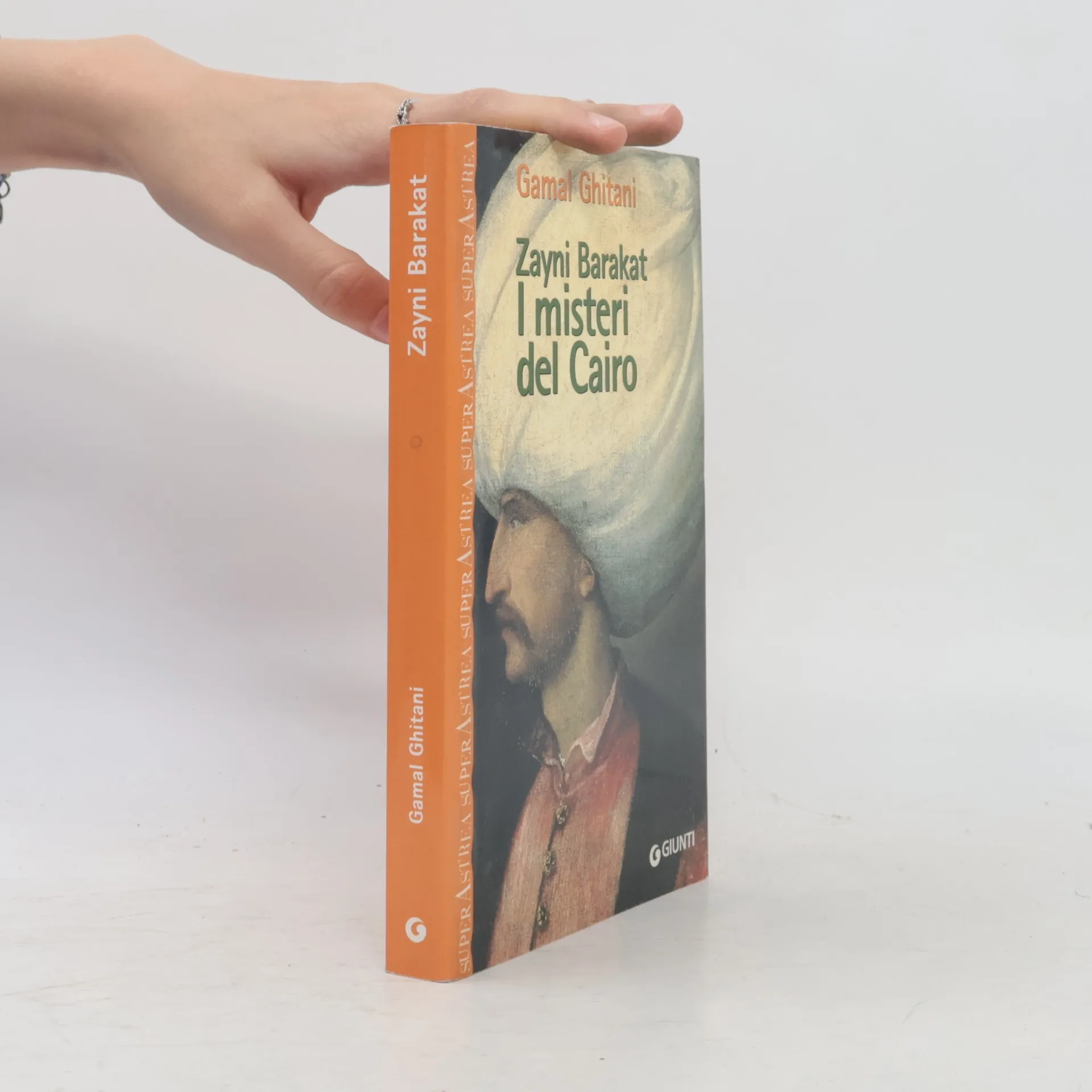

Superastrea: Zayni Barakat. I misteri del Cairo
- 352pages
- 13 heures de lecture
Gli affascinanti scenari del Cairo, popolati di mercanti e profittatori, studenti provenienti da ogni angolo dell'Islam, fomatori di hashish, cantastorie, spie al servizio della terribile polizia segreta, donne di piacere e viaggiatori, fanno da sfondo a un romanzo sui meccanismi del potere e della corruzione. Nella lotta praticata con qualsiasi strumento lecito e illecito tra lo Zayni Barakat e il capo della Polizia segreta Zakarìya, Ghitani rappresenta le aberrazioni e le sopraffazioni messe in atto da chi, per dominare ad ogni costo, piega al suo volere la religione, lo Stato, le passioni umane. Lo scrittore egiziano Gamal Ghitani è vincitore del Premio Grinzane Cavour 2006 nella Sezione Narrativa Straniera.
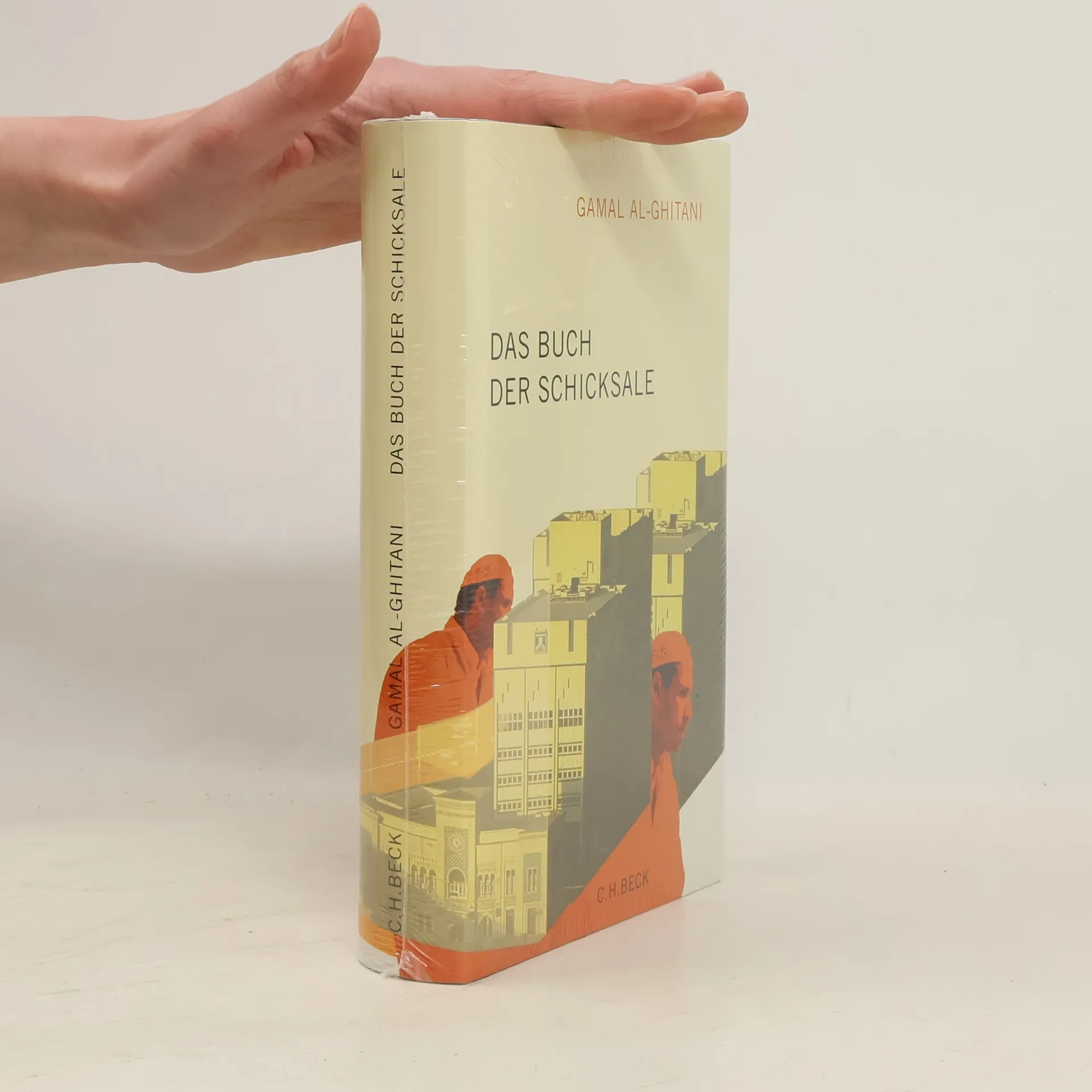
Das Buch der Schicksale: Aus d. Arab. übers. v. Doris Kilias
- 405pages
- 15 heures de lecture
Die Erzählung wird von Abdullah Abu Yahya al-Jusqi erzählt, der dem Tod nahe ist. Er berichtet von seinem Großvater, dem Bürgermeister Gharib Yusuf, der in den siebziger Jahren starb und ihm vor seinem Tod eine erstaunliche Geschichte erzählte. Der Großvater bat ihn, diese Geschichte geheim zu halten, da niemand sie glauben würde. Der Enkel hörte sie, war jedoch der Meinung, dass Wissen nicht verborgen werden sollte, auch wenn es nicht geglaubt wird. Nach dem Tod des Großvaters trug der Enkel die Last dieser Geschichte viele Jahre mit sich. Als er an einer unheilbaren Krankheit litt und sein Ende nahte, beschloss er, die Erzählung seines Großvaters aufzuschreiben und den Menschen die Freiheit zu lassen, zu glauben oder nicht zu glauben. Er sagte ihnen, wer sie nicht glaubt, könne sie als eine der Legenden betrachten und daraus Weisheit und Wissen schöpfen.