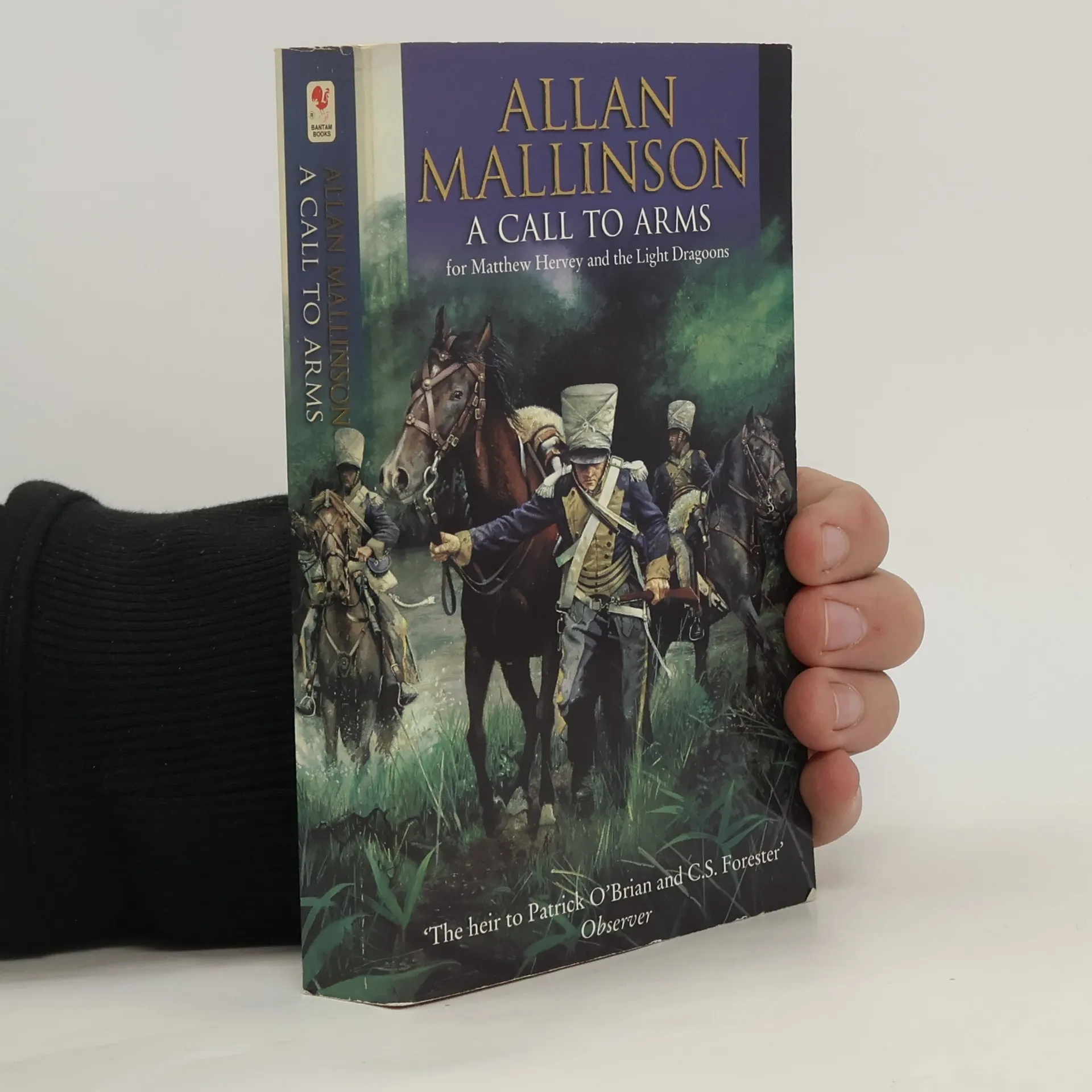
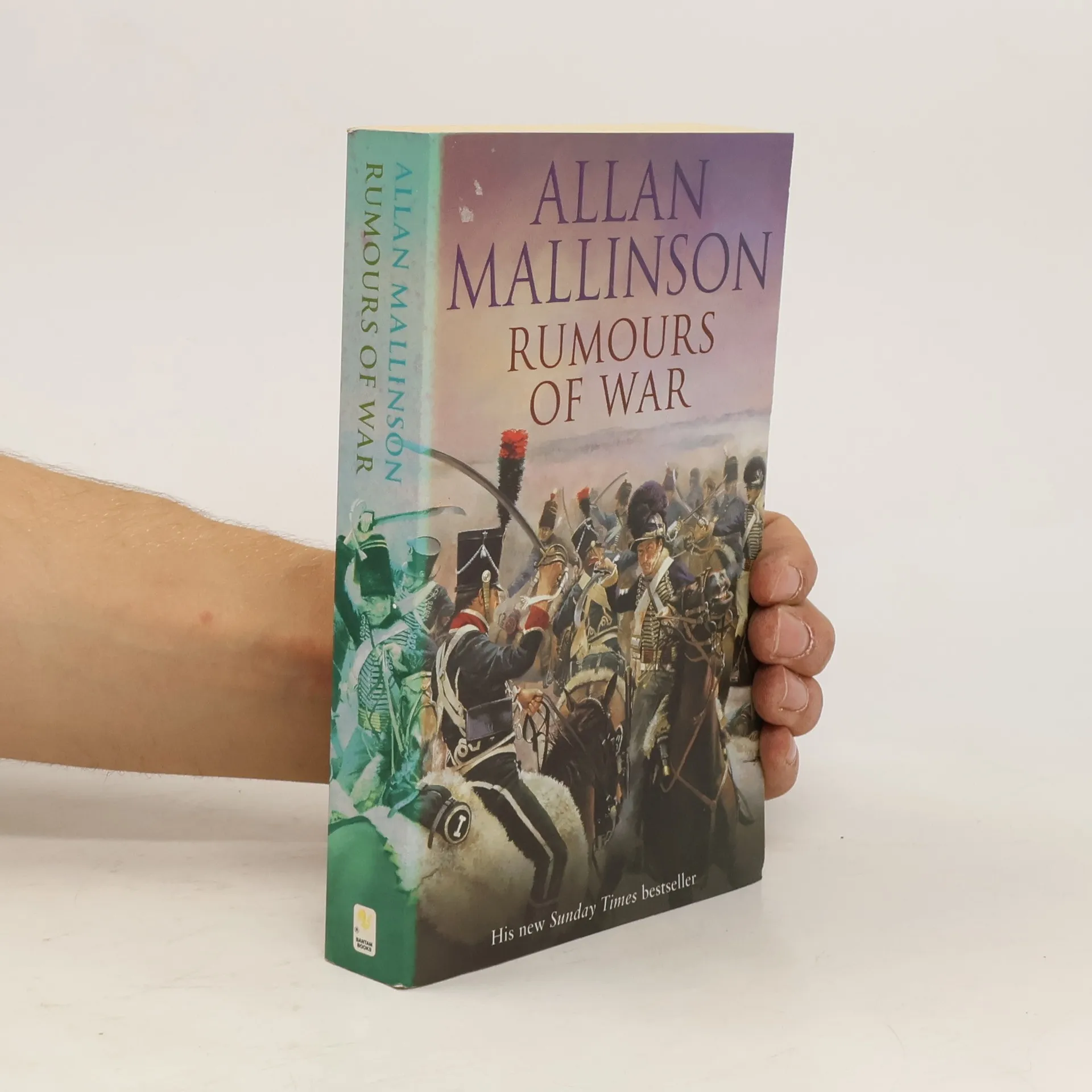
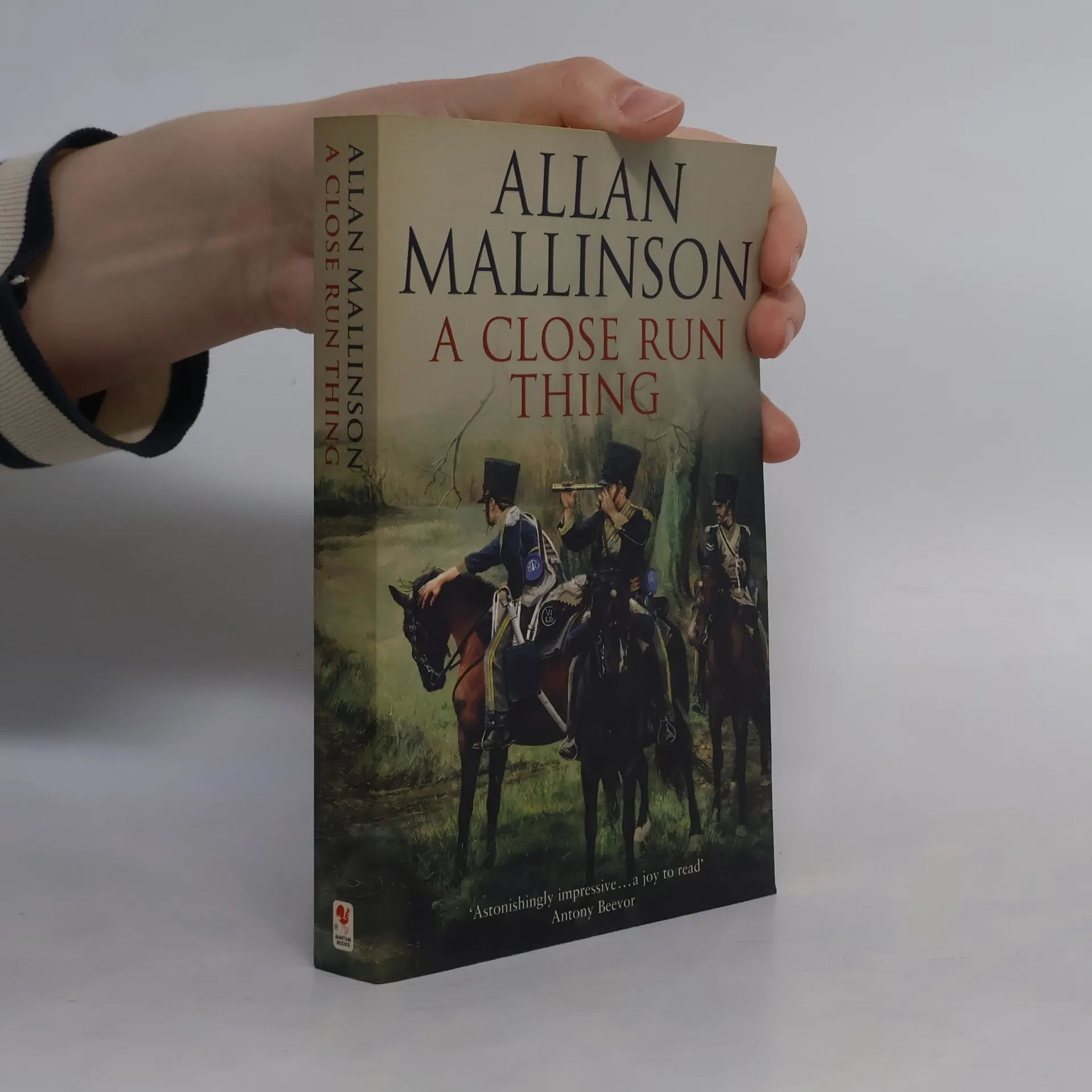
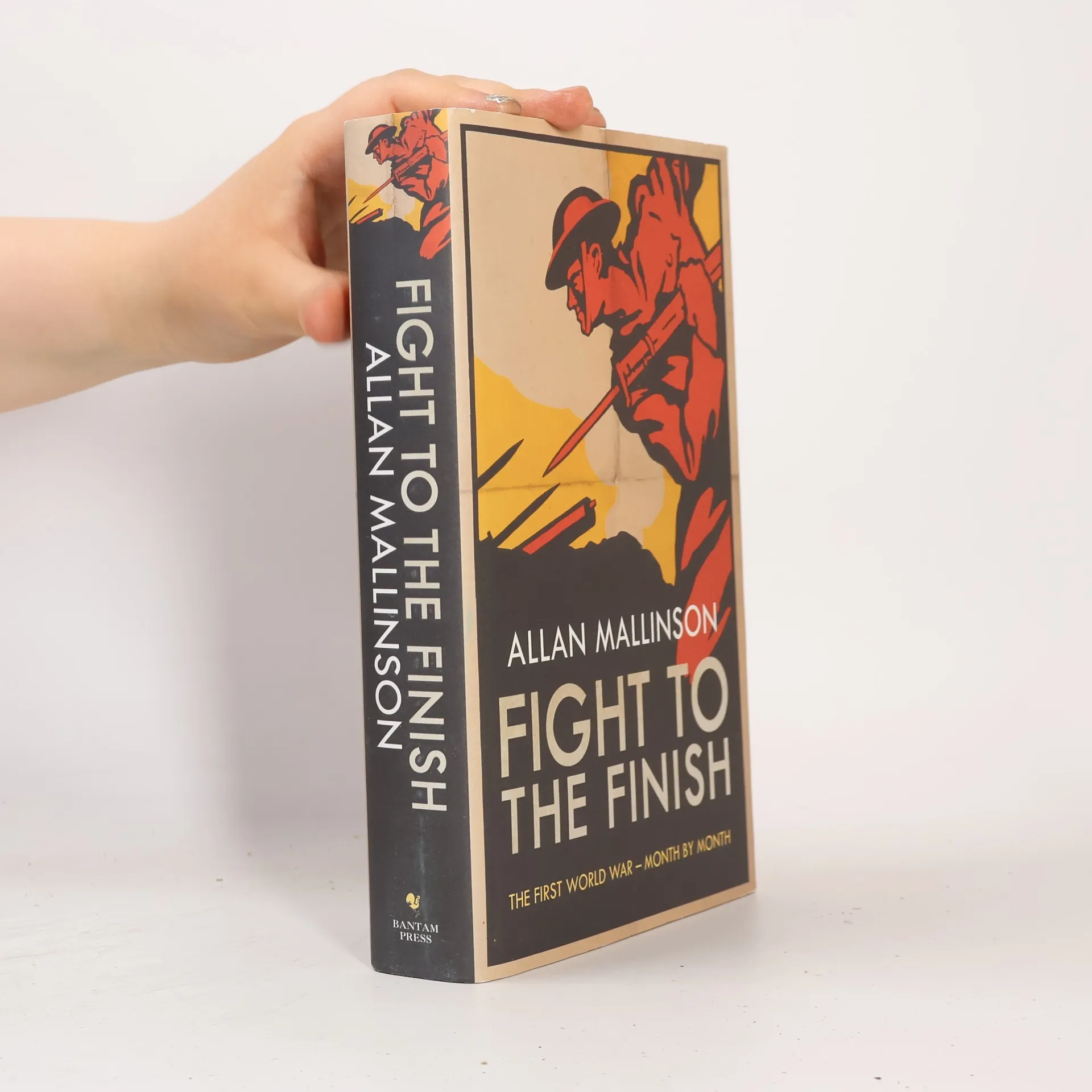
Allan Lawrence Mallinson est un auteur anglais et un ancien officier de l'armée britannique. Il est surtout connu pour sa série de romans qui retracent fictivement la vie de Matthew Hervey, un officier. Ses récits couvrent la fin des guerres napoléoniennes jusqu'aux conflits coloniaux ultérieurs en Inde, en Amérique du Nord et en Afrique du Sud. Mallinson apporte à ses œuvres une perspective authentique sur la vie militaire et les périodes historiques.
Edgehill, 1642: Surveying the disastrous scene in the aftermath of the first
battle of the English Civil War, Oliver Cromwell realizes that war can no
longer be made in the old, feudal way: there has to be system and discipline,
and therefore - eventually - a standing professional army.
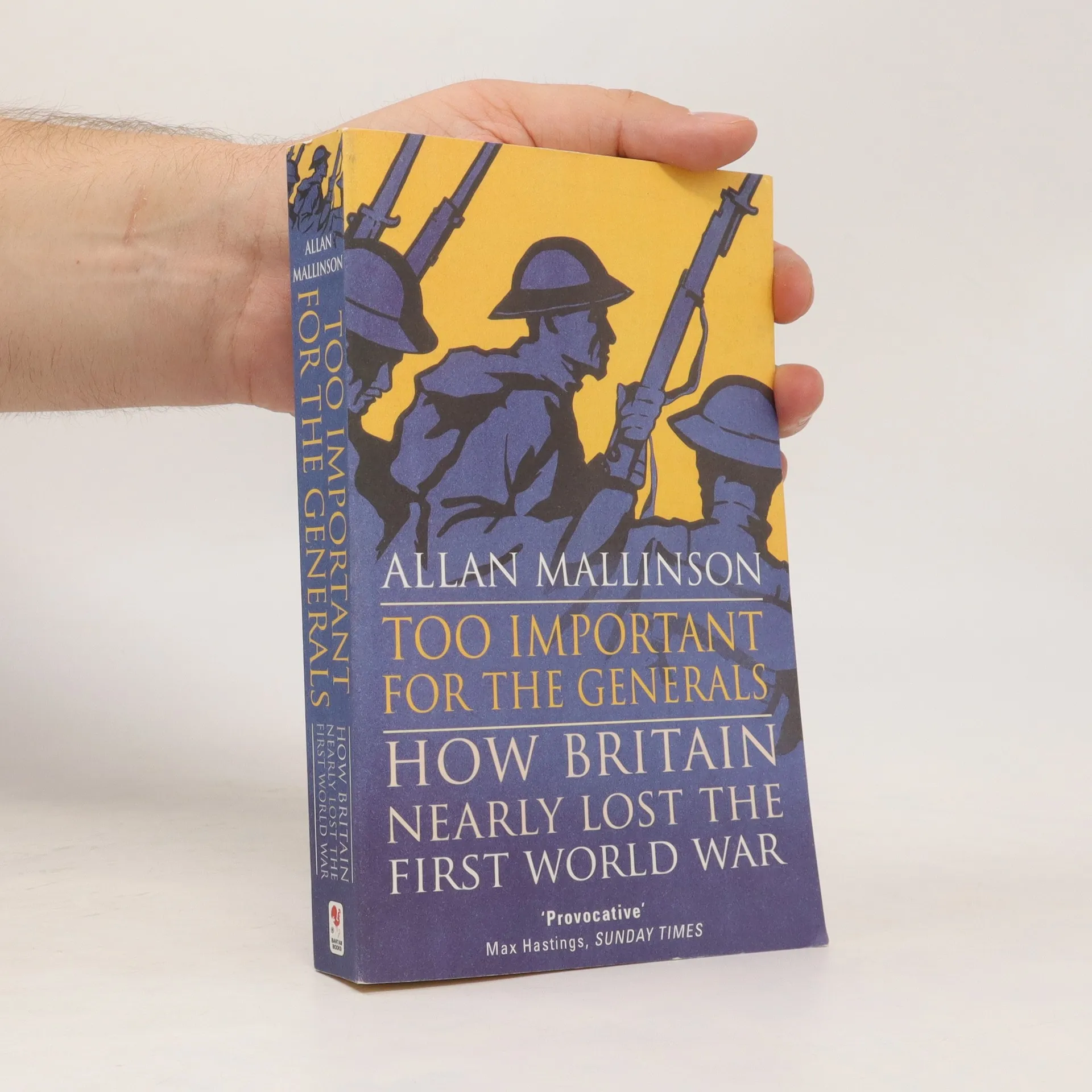
One of the great questions in the ongoing discussions and debate about the First World War is why did winning take so long and exact so appalling a human cost? The author argues that from day one of the war Britain was wrong-footed by absurdly faulty French military doctrine and paid, as a result, an unnecessarily high price in casualties.
It is 1831, riots and rebellions are widespread . Somervile has persuaded the
Court of Directors of the East India Company to approve an increase in the
Madras military establishment. The Rajah is in revolt against the East India
Company's terms and Hervey's regiment is called upon to crush the rebellion.
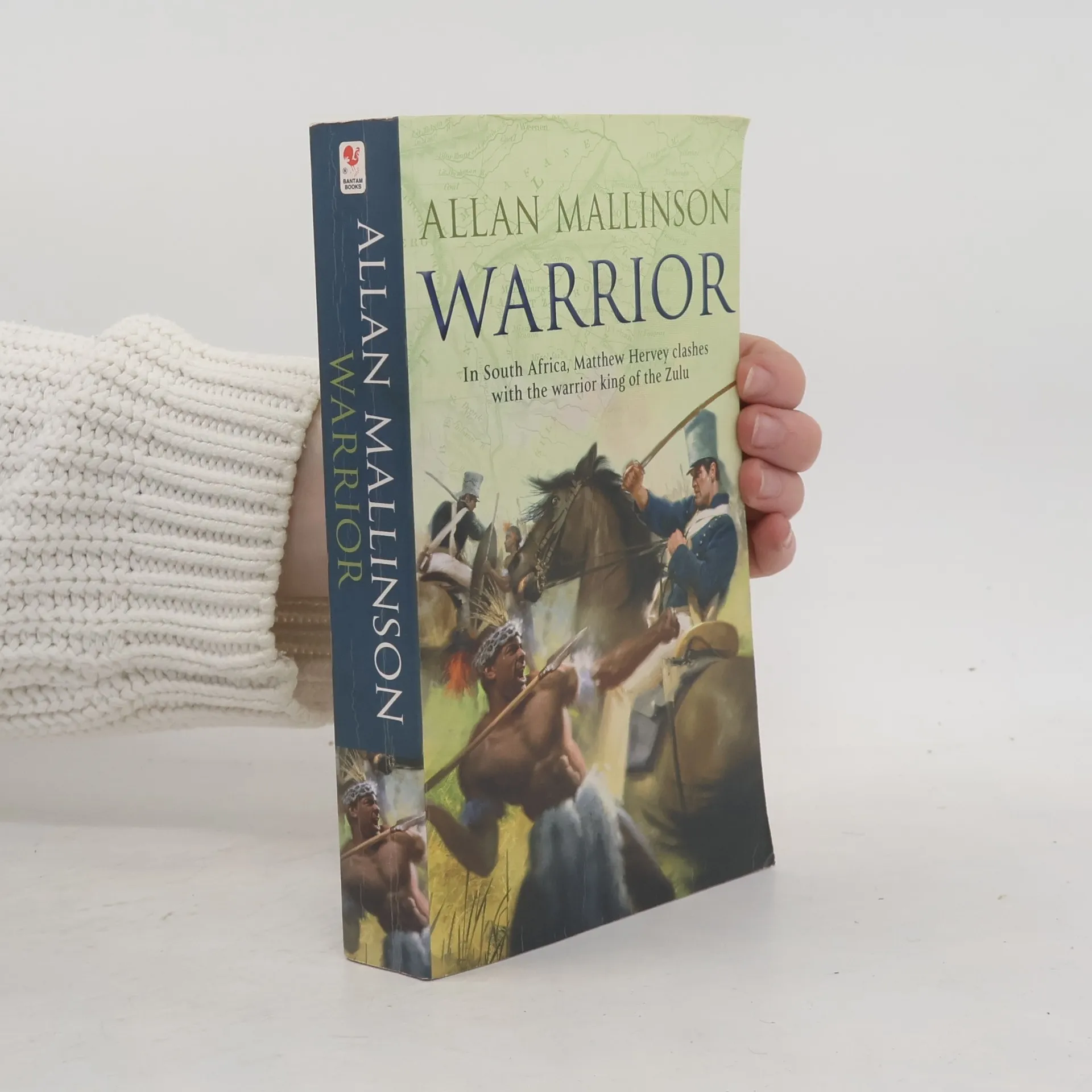
Matthew Hervey of the 6th Light Dragoons is urgently summoned to the Cape
Colony when he learns that the Zulu warrior King Shaka is about to wage war.
Separated from his troop, Hervey must lead Shaka's queen across a hostile land
where sanctuary has never seemed further away ...
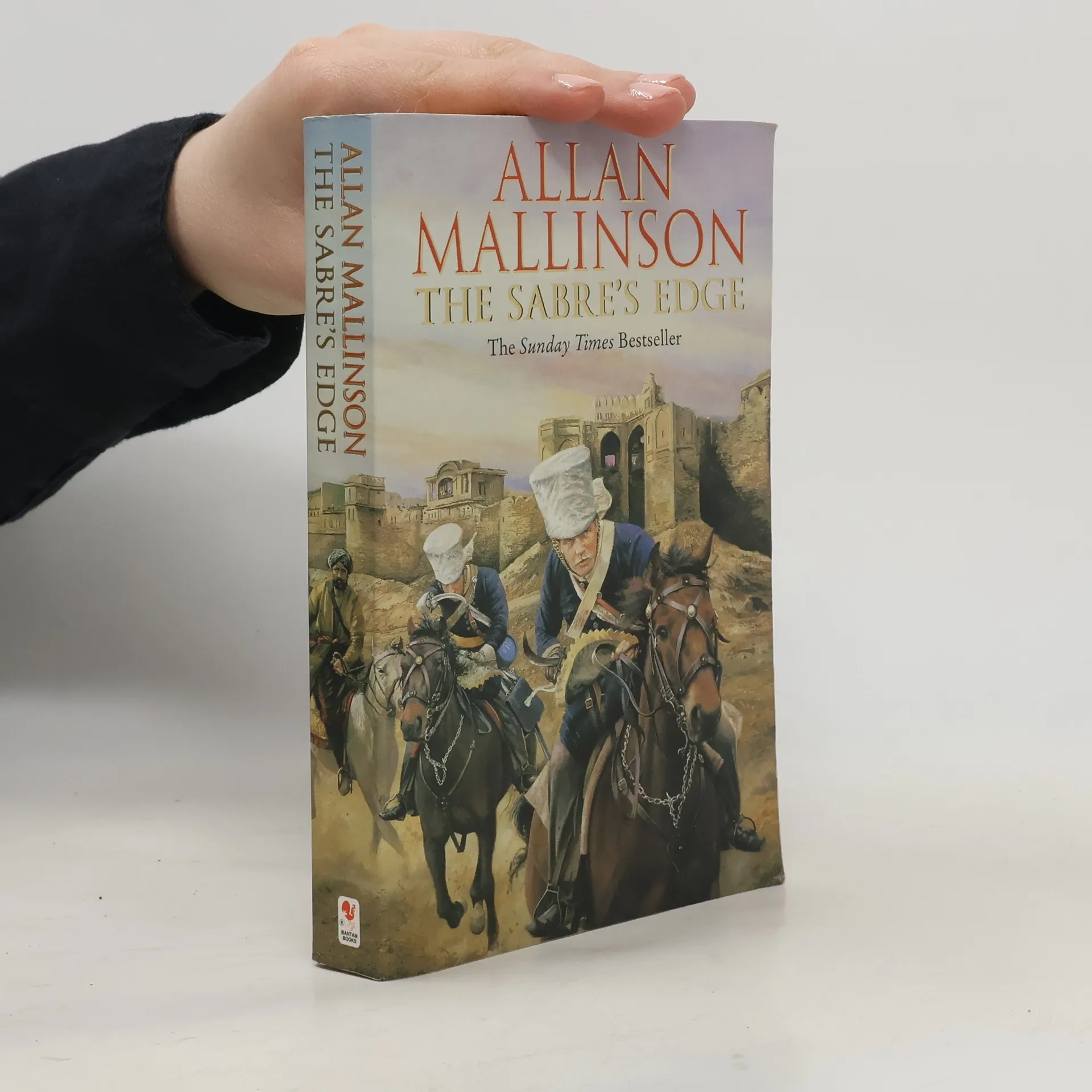
Following their successful invasion of Coorg in order to remove the state's deranged rajah, Lieutenant-Colonel Matthew Hervey is looking forward to a few months' respite for his regiment, the 6th Light Dragoons, and his family. Indeed, with his stock standing high throughout British India, he has rarely counted himself so content. But it is not to last. Lord William Bentinck, the governor-general believes that Hervey is just the man to form and lead a force of suppression against the 'thuggee' criminals who threaten the stability of both the East India Company's domains and a number of friendly princely states. And so Hervey and the Sixth embark on a campaign that will prove to be infinitely complex and very bloody - and put Hervey's own family in very real danger. Brilliantly researched, beautifully written and wholly engaging, The Tigress of Mysore is set against the backdrop of an India in transition as Allan Mallinson's series hero unwittingly takes his first steps on the tumultuous road that will ultimately lead to the Indian Mutiny . . .
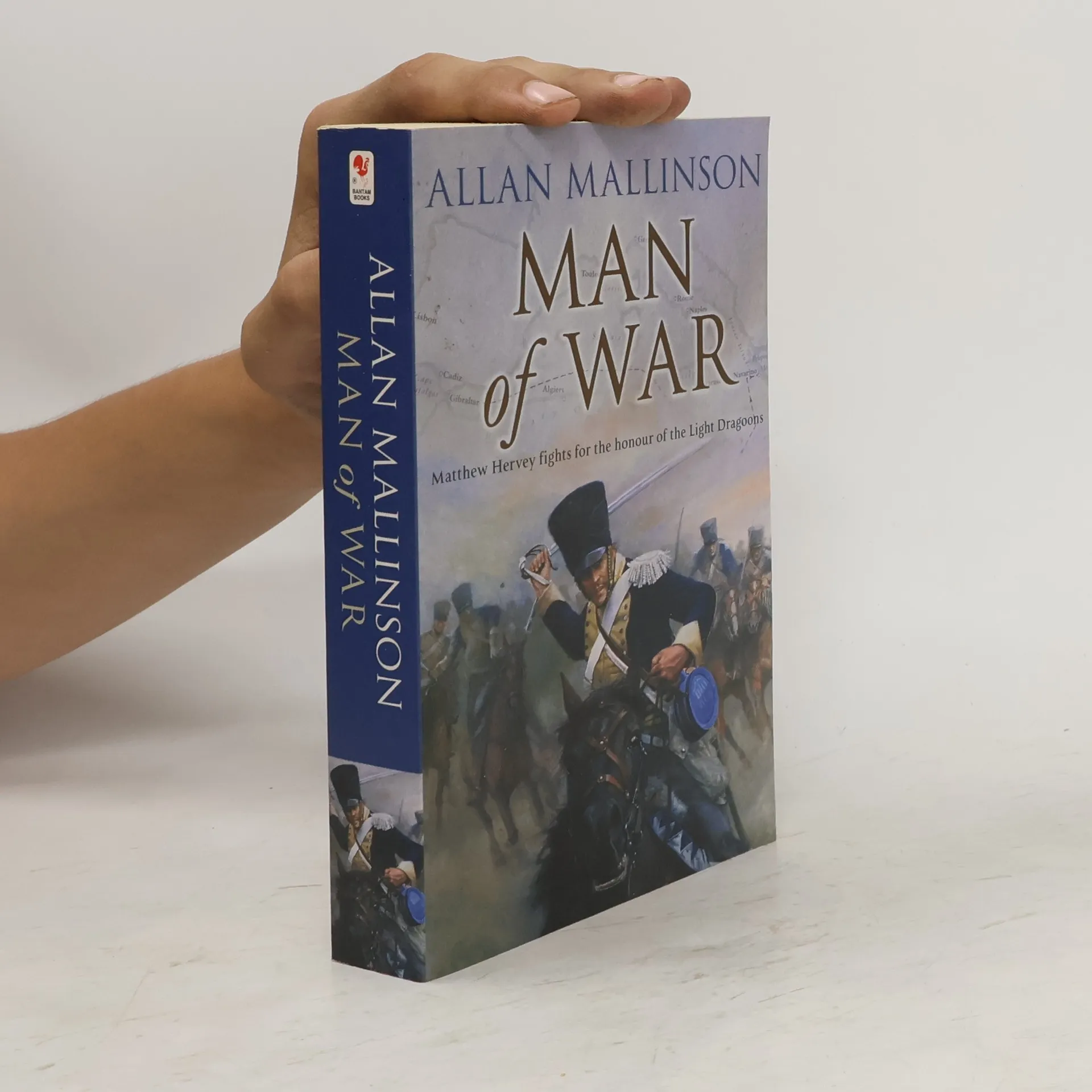
1827: Britain and the Mediterranean Captain Sir Laughton Peto, recently
engaged to Matthew Hervey's sister, is sailing his mighty line-of-battle ship
towards Navarino Bay, and war with the Turks.
THE FOURTH SPLENDID MATTHEW HERVEY ADVENTURE... It is 1819 and Matthew Hervey, in mourning for his beloved wife and disillusioned with military life, is kicking his heels in Rome when a chance encounter with an eminent English poet leads him to rethink his future. Spurred on, he is reunited with his much depleted regiment, the 6th Light Dragoons, and immediately charged with raising a new troop, for India beckons once again. But what begins as a relatively simple operation becomes a dark and dangerous march through the jungle as Hervey and his ill-equipped and inexperienced soldiers race to confront the Burmese warboats massing on the borders...
Portugal 1826Newly returned from India, Matthew Hervey joins a party of
officers sent to lend support to the Portugese regent. For it was here as a
seventeen-year-old cornet that Hervey had his first taste of military
action.'Captain Matthew Hervey is as splendid a hero as ever sprang from an
author's pen.' The Times
Waterloo, 1815As the war against Bonaparte rages to its bloody end upon the
field of Waterloo, a young officer goes about his duty in the ranks of
Wellington's army. He is Cornet Matthew Hervey of the 6th Light Dragoons - a
soldier, gentleman and man or honour, who suddenly finds himself allotted a
hero's role ... schovat popis
Every battle is unique, shaped by its context—war, campaign, and weaponry. Yet, battles throughout history share commonalities, reflecting the unchanging nature of humanity. This exploration delves into six pivotal military engagements, examining the wars and campaigns that framed them and the factors influencing their outcomes. The focus is on British battles, three of which involved allies. It begins with Hastings, a well-known date often overshadowed by its strategic significance. Next is Towton (1461), the bloodiest battle in English history during the Wars of the Roses. Waterloo follows, frequently discussed yet rarely placed in the context of the prolonged conflict that defined the careers of Wellington, Napoleon, and Blücher. D-Day is highlighted as a complex operation ('Overlord'), representing the longest-planned offensive battle in history. The lesser-known Battle of the Imjin River (1951) during the Korean War marks the British Army's last major defensive engagement. Finally, Operation Panther's Claw in Afghanistan (2009) presents a modern offensive that, despite its contemporary elements, echoes the strategies of the Middle Ages. This narrative-driven account allows the stories of these battles to unfold without imposing a specific argument.