Armoured Warfare in the First World War
- 160pages
- 6 heures de lecture
Photographic history of the tanks of the Great War with rare archive shots of tanks in action on the Western Front.

Ancien analyste de la défense fort de deux décennies d'expérience au sein des services de renseignement britanniques, cet auteur s'est imposé comme un observateur perspicace et un historien des questions de défense. Son écriture explore les conflits régionaux, la lutte contre le terrorisme et le renseignement, apportant une clarté sur des sujets mondiaux complexes. Possédant une capacité unique à communiquer efficacement tant avec les spécialistes qu'avec un public général, son travail offre des perspectives éclairées issues d'une vaste expérience internationale. Son parcours en relations internationales et en études stratégiques ancre davantage ses récits captivants dans une profonde compréhension des dynamiques géopolitiques.


Photographic history of the tanks of the Great War with rare archive shots of tanks in action on the Western Front.
Comprehensive illustrated history of the German panzers from the mid-1930s to 1945.
A visual journey through the landscape of war along the Eastern Front as never seen before.
The book delves into the crucial yet often overlooked contributions of covert teams during World War II, highlighting the vital role of codebreakers at Bletchley Park and intelligence gatherers who risked their lives for their countries. It examines significant operations like the legendary Operation Mincemeat and Operation Fortitude, which supported D-Day, as well as the activities of double agents, including Agent GARBO. Through these accounts, the narrative reveals the intricate web of espionage that shaped the outcome of the war.
Photographic history of the Arab and Israeli armoured vehicles from 1948 to the present day Includes dramatic photographs of the fighting in 1948, at Suez, during the Six Day War, the Yom Kippur War Features many of the Russian, British and American main battle tanks of the late twentieth... číst celé
Photographic history of the armoured fighting vehicles deployed by Hitler's allies on the Eastern Front and in the Balkans Over 200 archive photographs showing these rare machines in action Covers the armour deployed by the Bulgarians, Czechs and Slovaks, Finns, Hungarians, Italians, and Romanians
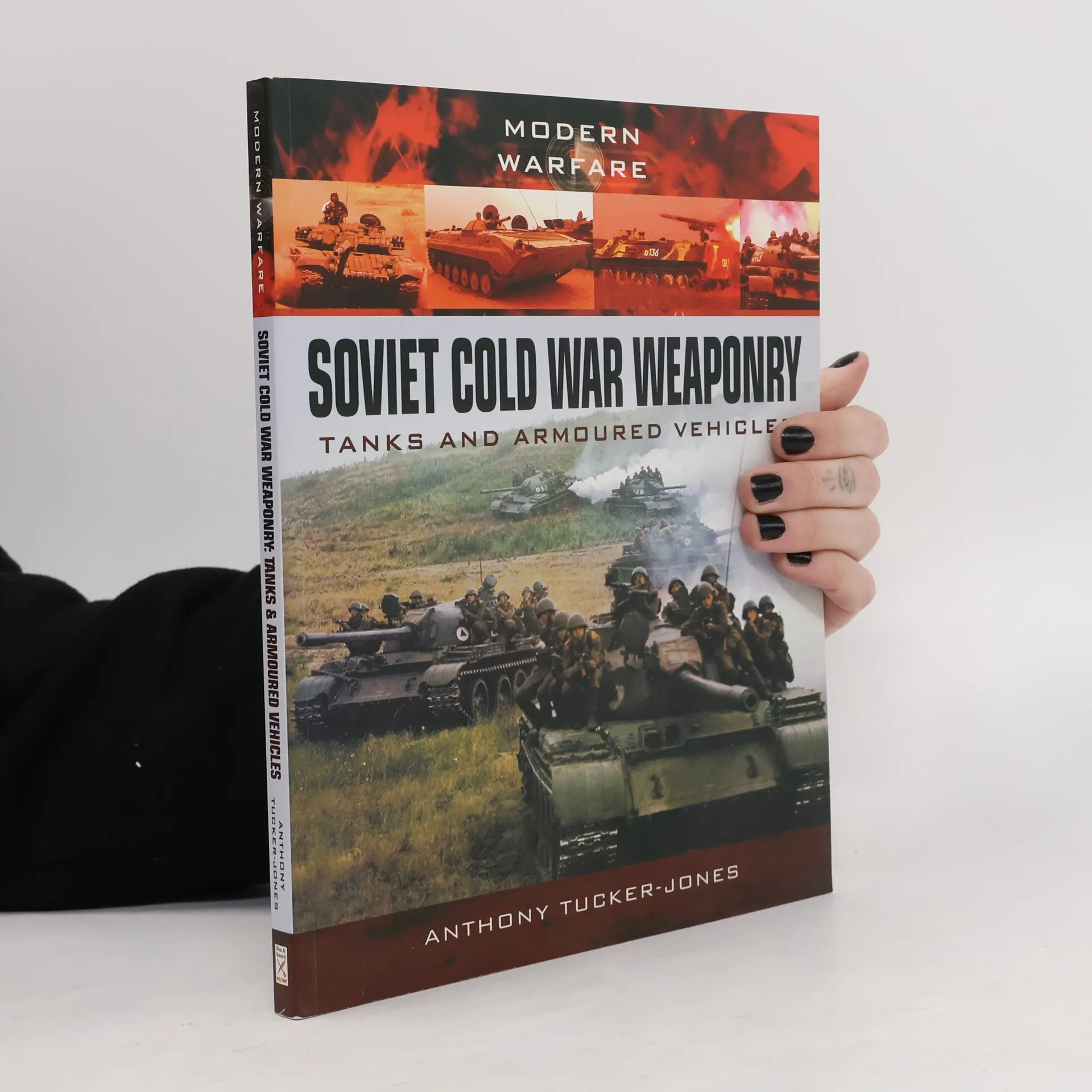
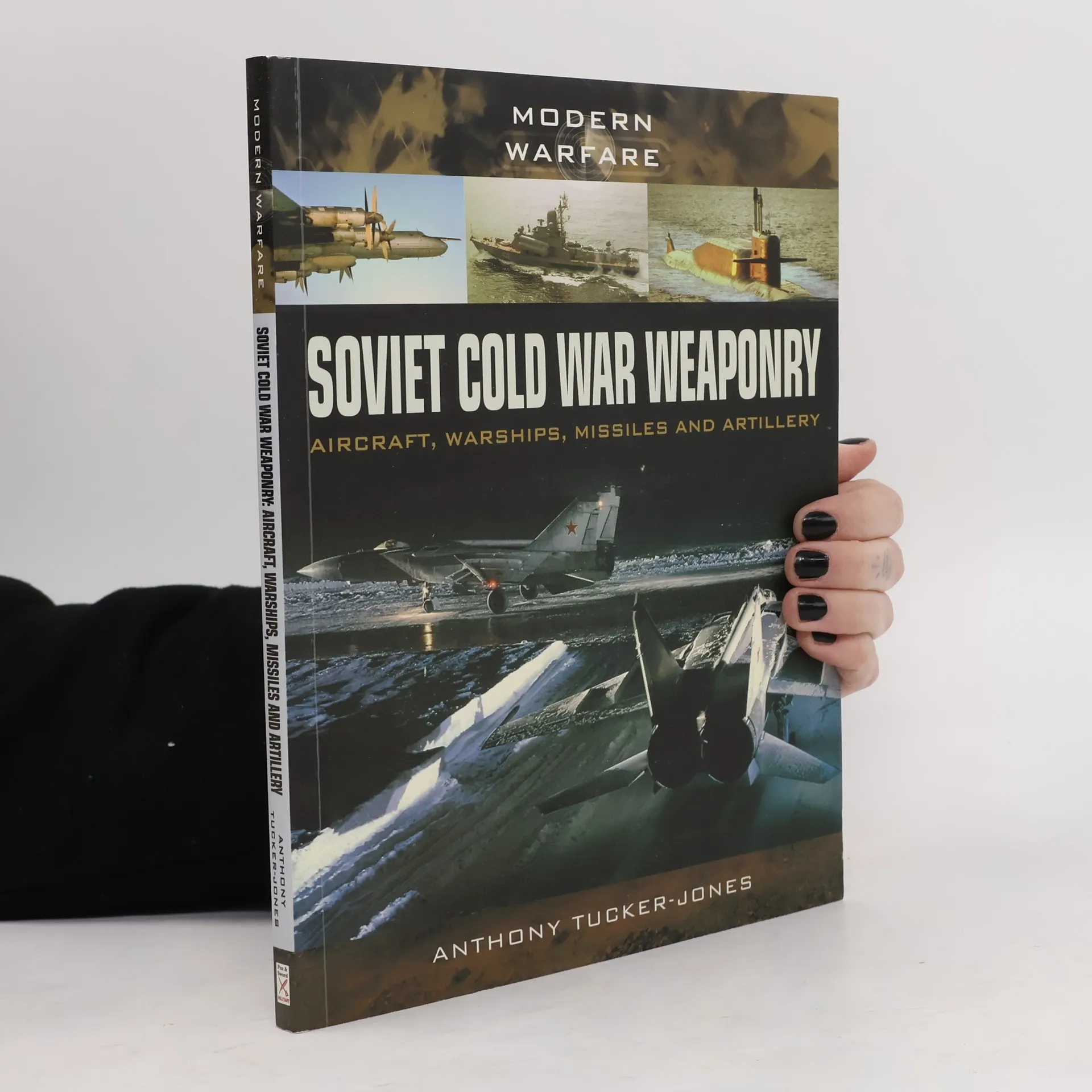
A photographic history of Soviet Cold War weaponry from the 1950s to 1980s.
Graphic account of the struggle between the Red Army and the Wehrmacht for control of the Crimean peninsula between 1941 and 1944
Detailed photographic history of German Second World assault guns
The tragic history of Warsaw during the Second World War documented in 200 graphic wartime photographs.
Comprehensive illustrated history of Allied tanks and tank forces during the Second World War.
Putting a human face and voices to the Battle of Kursk (Operation Zitadelle)
Photographic history of the Soviet-Afghan conflict of 1979-1989. Shows the guerrilla tactics of the mujahideen. Records the Soviet use of armoured fighting vehicles. Portrays the bleak experience of the Soviet soldiers and their Afghan opponents. Puts the current Afghan war in a historical perspective.
Photographs of Soviet, American and British armour in action during the Korean War Insight into the terrain and conditions faced by the tank crew on both sides Record of a neglected aspect of one of the major Cold War confrontations
A Photographic history of Soviet Cold War tanks and armoured vehicles from the 1950s to the 1980s.
Photographic history of the four battles for Kharkov during the Second World War
Photographic history of one of the most famous battles of the Second World War. číst celé
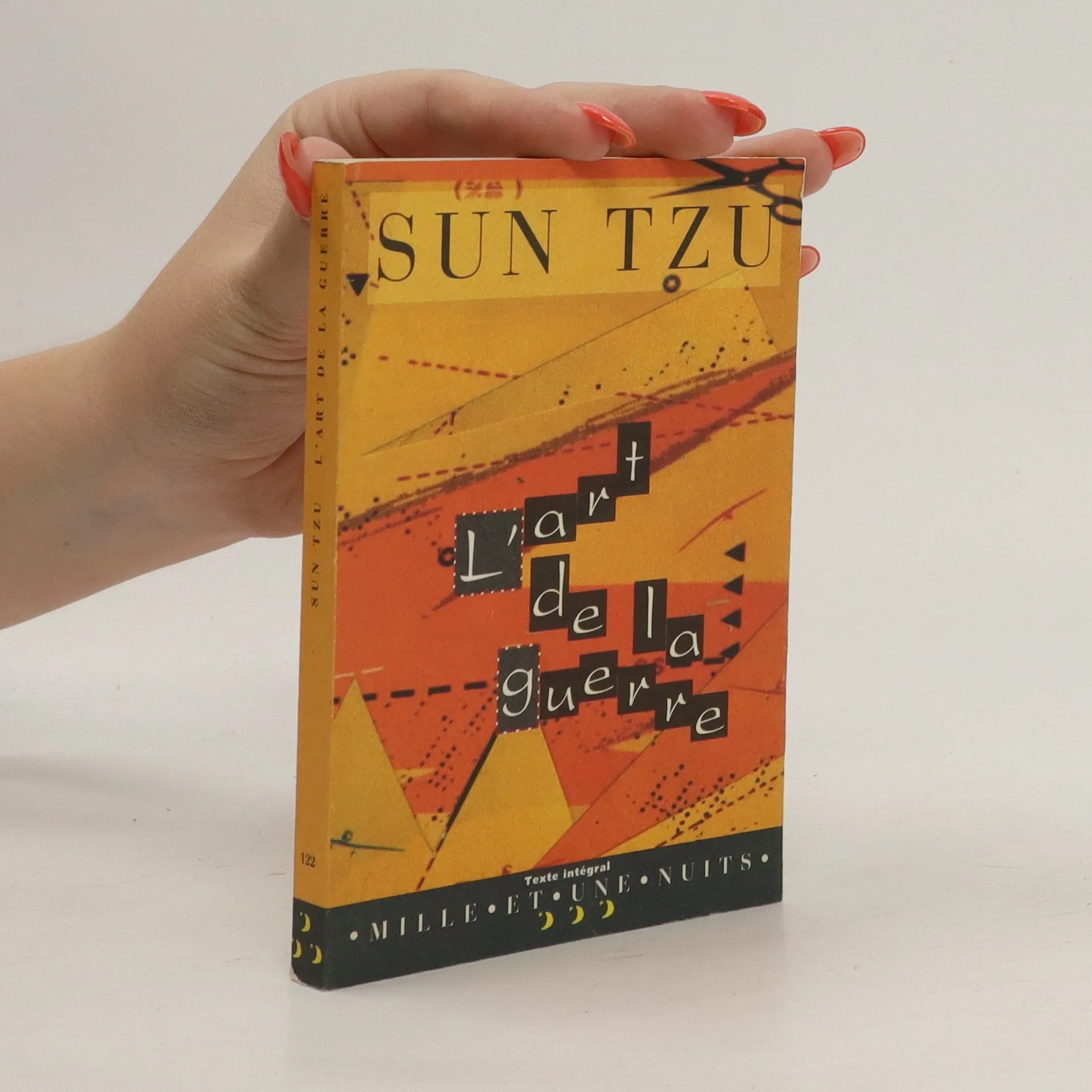
A l'égal des œuvres de Machiavel et de Clausewitz, ce traité de stratégie militaire, composé par Sun TZU (VIème-Vème siècles avant J.-C.), est un classique du genre. L'ART DE LA GUERRE OU LES TREIZE ARTICLES, où "chaque mot est une perle", pose les préceptes fondamentaux de la guerre et de la politique. Référence incontournable pour de nombreux stratèges contemporains, ce livre dangereux est un extraordinaire traité sur l'art de la tromperie et du retournement.
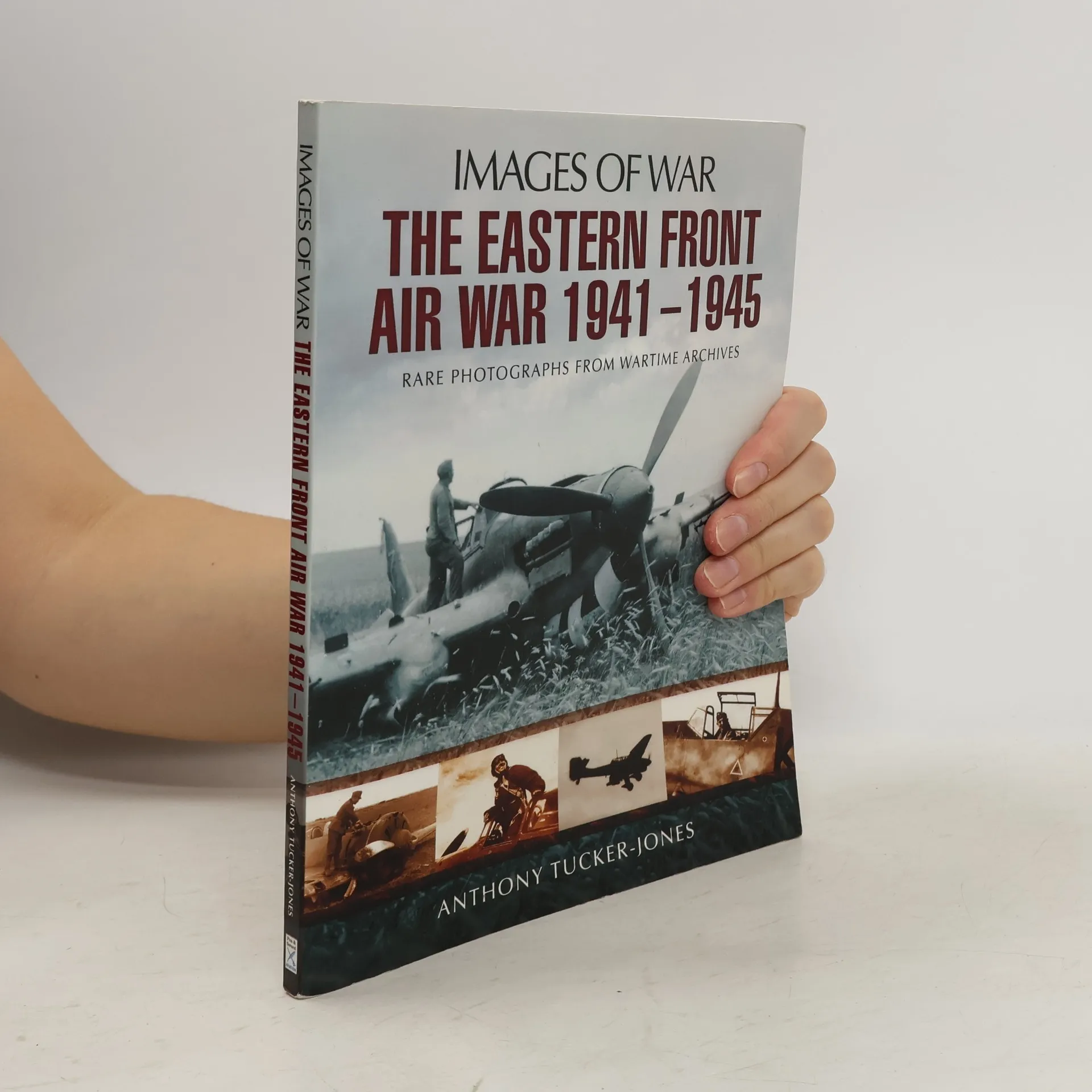
A selection of over 150 rare wartime photographs of the Luftwaffe and the Red Air Force
On the Eastern Front during the Second World War massive Soviet and German tank armies clashed in a series of battles that were unmatched in their scale and ferocity. Several of them have attained almost legendary status. But epic encounters such as these were only part of a broader story, as Anthony Tucker- Jones demonstrates in this selection of graphic photographs.
Over 150 wartime photographs of the Japanese, American, British and Russian armoured vehicles that fought in the Far East between 1937 and 1945.
Account of one of the most dramatic battles fought in the opening stages of the Cold War
Concise account of a forgotten Cold War conflict and its terrible outcome. číst celé
Focusing on the historical significance of the AK-47, this book chronicles its evolution and impact on warfare from Vietnam to the present. It provides a visual journey with a rich collection of archival photographs, highlighting the rifle's iconic status and its influence on battlefields worldwide. The narrative explores both the weapon's development and its cultural ramifications, making it a comprehensive resource for understanding the AK-47's legacy.
The remarkable photographs collected for this book show in graphic detail the role armor played in the Allied struggle to exploit the D-Day landings and liberate occupied France and the skill and tenacity of the German panzer units that confronted them. The struggle gave rise to a sequence of battles that were among the most intense, and critical, of any fought in the Second World War.
In-depth illustrated history of the most famous German heavy tanks of the Second World War
Photographic history of armoured warfare throughout the Italian campaign Axis and Allied tanks in action at Salerno, Anzio, Monte Cassino Rare photographs of the German, Italian and Allied military vehicles of the period
Rare photographs of the Allied campaign against the Germans in southern France
This engaging study delves into Winston Churchill's military career, tracing his journey from early colonial wars to his strategic command during World War II. It highlights his dual role as both political leader and military commander, showcasing his extreme risk-taking nature. Churchill is often celebrated as Britain’s greatest wartime leader, yet his approach mirrored that of contemporaries like Stalin, Hitler, and Mussolini, as he insisted on directing military strategy himself. This led to significant missteps, including disasters in Norway, North Africa, Greece, and Crete between 1940 and 1941, as well as a failed campaign in the Dodecanese in 1943. His stubbornness regarding the Italian campaign nearly resulted in his resignation and threatened the British Government. However, he also demonstrated decisive leadership during critical moments, such as refusing to surrender in 1940, the miracle at Dunkirk, and the victory in the Battle of Britain. He made tough decisions, including the destruction of the French Fleet to prevent it from falling into German hands and engaging in conflict with Vichy France. Acclaimed historian Anthony Tucker-Jones examines how Churchill's early military experiences influenced his controversial decisions in high office, assessing the successes and failures of his command during World War II.
Over 150 wartime photographs give a graphic snapshot of the dramatic tank battles fought by the Waffen-SS panzer and panzergrenadier divisions during 1944-5 on both the Eastern and Western fronts. By this stage of the Second World War these formations were at the height of their powers and took part in major armoured operations in Russia, France, the Netherlands, and Poland. As the Wehrmacht retreated the Waffen-SS played an increasingly important role. Most notably their panzers prolonged the war by staving off defeat at Arnhem and Wolomin, stabilizing both the Western and Eastern fronts at critical points in the fighting. The photographs and the accompanying narrative record the contrasting conditions they faced on each battlefront and the weapons and equipment they used, especially the armored vehicles, including the Tiger and Panther tanks, which were among the best designs the Germans produced. But they also record the crimes committed by members of the Waffen-SS against civilians and captured enemy soldiers during the series of brutal, often desperate operations mounted to stave off German defeat. Anthony Tucker-Jones's photographic history is a fascinating introduction to these elite units during the final phase of the fighting in Europe.
This fascinating title offers a new look at Operation Market Garden and the Arnhem campaign from the perspective of the German forces who defended against the Allied offensive.
This is a photographic history of the defeat of the French, Belgian and British armies in 1940. The book includes dramatic photographs of the fighting at Sedan, Dunkirk, Calais, Boulogne and across northern France. The book focuses on armoured warfare and the role of the tanks. A graphic introduction to one of the most remarkable campaigns.
Photographic history of American, British, Canadian and German armoured vehicles in action during the final stages of the Second World War Graphic insight into the conditions of armoured warfare seventy years ago
Set during the chaotic final days of World War II in April 1945, the narrative captures the intense fighting in Berlin as Soviet forces confront fanatically loyal Nazi soldiers. Despite the inevitability of defeat, Hitler and his inner circle cling to power, leading to a harrowing end marked by violence and destruction. This account offers a dual perspective, highlighting both German and Allied experiences, strategies, and key figures, complemented by contemporary photographs that vividly illustrate the turmoil of the era.
Comprehensive illustrated history of Soviet tank forces from the mid-1930s to 1945.
Photographic history of the German campaign in the Caucasus in 1942-1943. Accompanying text gives a concise introduction to Hitler's attempt to take control of the oilfields of Maikop, Baku and Grozny
Graphic account of the role key cities played in shaping the Eastern Front during the Second World War. Chapters on the fighting for Moscow, Odessa, Kharkov, Sevastopol, Leningrad, Grozny, Sta-lingrad, Belgorod, Minsk, Warsaw, Budapest, K nigsberg, Prague and Berlin.
Full history of the Waffen-SS from the early 1930s to 1945.
Based on new research, Hitler’s Winter tells the story of the Battle of the Bulge from the German perspective.
The remarkable evolution of aerial warfare from 1940 to the present day, from Spitfire to Reaper drone
Comprehensive illustrated history of tank warfare from 1948 to 1991.
In the summer of 1944 the Red Army crushed Army Group Center in one of the largest offensives in military history. Operation Bagration - launched almost exactly three years after the Nazi invasion of the Soviet Union - was Stalin's retribution for Hitler's Operation Barbarossa. Earlier battles at Stalingrad and Kursk paved the way for Soviet victory, but as Anthony Tucker-Jones demonstrates in this fascinating study, Bagration ensured that the Germans would never regain the strategic initiative. In one fell swoop the Wehrmacht lost a quarter of its strength on the Eastern Front. And in a series of overwhelming assaults, the Red Army recaptured practically all the territory the Soviet Union had lost in 1941, advanced into East Prussia and reached the outskirts of Warsaw. As he reconstructs this massive and complex battle, Anthony Tucker-Jones assesses the opposing forces and their commanders and gives a vivid insight into the planning and decision-making at the highest level. He recreates the experience of the soldiers on the battlefield by using graphic contemporary accounts, and he sets the Bagration offensive in the wider context of the Soviet war effort. He also asks why Stalin's road to retribution proved to be such a long and bloody one - for the Germans, despite their crippling losses, managed to resist for another ten months.
The book offers an in-depth illustrated history of German panzers, detailing their development and deployment from the mid-1930s through 1945. It explores the technological advancements and strategic significance of these armored vehicles during World War II, providing insights into their impact on warfare. The comprehensive visuals enhance the narrative, making it an essential resource for military history enthusiasts and those interested in the evolution of tank design and usage in the conflict.
The book explores the significance of Operation Dragoon in the liberation of Europe during World War II, highlighting its controversial nature and the disputes among military leaders. It delves into the strategic decisions made, the challenges faced during the operation, and its impact on the broader war efforts, providing a detailed analysis of this often-overlooked campaign.
Photographic history of the most important tank in the history of the Red Army. It covers the T-34/76 and the T-34/85 throughout the Second World War.
"This book provides a strategic overview of the war that is interweaved with fascinating personal accounts, its campaigns and battles." - Professor Geoffrey Roberts.In this exciting and illuminating account, Anthony Tucker-Jones explores the major campaigns across the whole Mediterranean during World War II, from the struggle for control of the Suez Canal to the Allied landings in the French Riviera in the summer of 1944. This was America's first foray into the European theater and marked a real turning point in the Allied offensive against Axis powers.• Battle for Crete• The Desert Air War• Second Battle of El Alamein• Operation Crusader• Invasion of Sicily (Operation Husky)The actions of famous generals are introduced, including Bernard Montgomery and George S. Patton, and how their strategic offensives pushed back Axis forces. Augmented by fascinating photographs and forwarded by Geoffrey Roberts, Emeritus Professor of History at University College Cork, The Battle for the Mediterranean tells the story of an all-encompassing conflict, by land, air and sea.
Re-assessing the technical and intelligence problem solving behind the Normandy campaign through the eyes of those present číst celé
Comprehensive illustrated history of Allied tanks and tank forces during the Second World War.
17 września 1944 roku, feldmarszałek Walter Model, nowy dowódca niemieckiej Grupy Armii „B”, zasiadł do obiadu w hotelu Tafelberg w Oosterbeek. Nagle usłyszał eksplozje i rozległy się telefony. Jeden z oficerów zrelacjonował, że alianci zrzucili na nich dwie dywizje spadochronowe, co oznaczało rozpoczęcie operacji „Market Garden”, największej operacji powietrznodesantowej w tej wojnie. Jej celem było opanowanie przez brytyjskich i amerykańskich spadochroniarzy kluczowych przepraw, co miało umożliwić oddziałom pancernym dotarcie do Renu w Arnhem i uderzenie na Zagłębie Ruhry, przemysłowe centrum nazistowskich Niemiec. Plan brytyjskiego marszałka Montgomery’ego, choć ambitny, okazał się zbyt optymistyczny i zakończył się fiaskiem. Anthony Tucker-Jones, były oficer brytyjskiego kontrwywiadu, przedstawia bitwę pod Arnhem z perspektywy Niemców, badając, jak mimo zaskoczenia zdołali się zorganizować, podciągnąć odwody i uniemożliwić alianckim siłom zajęcie kluczowego mostu. Książka uwzględnia również udział Polaków z 1. Samodzielnej Brygady Spadochronowej gen. Sosabowskiego.