

Bookbot

Susan Sontag

    16 janvier 1933 – 28 décembre 2004

    Susan Sontag fut une figure marquante des lettres américaines, réputée pour ses essais incisifs et ses explorations critiques de la culture, de l'art et de la politique. Son œuvre a exploré en profondeur l'interaction entre les médias, l'idéologie et l'expérience humaine, remettant en question les perceptions conventionnelles et suscitant une profonde réflexion. Sontag a apporté une rigueur intellectuelle et un engagement passionné envers les droits de l'homme à ses écrits, interrogeant constamment les forces qui façonnent notre compréhension du monde. Sa voix distinctive et son engagement audacieux face à des idées complexes continuent de résonner auprès des lecteurs cherchant à appréhender la condition contemporaine.

    Susan Sontag
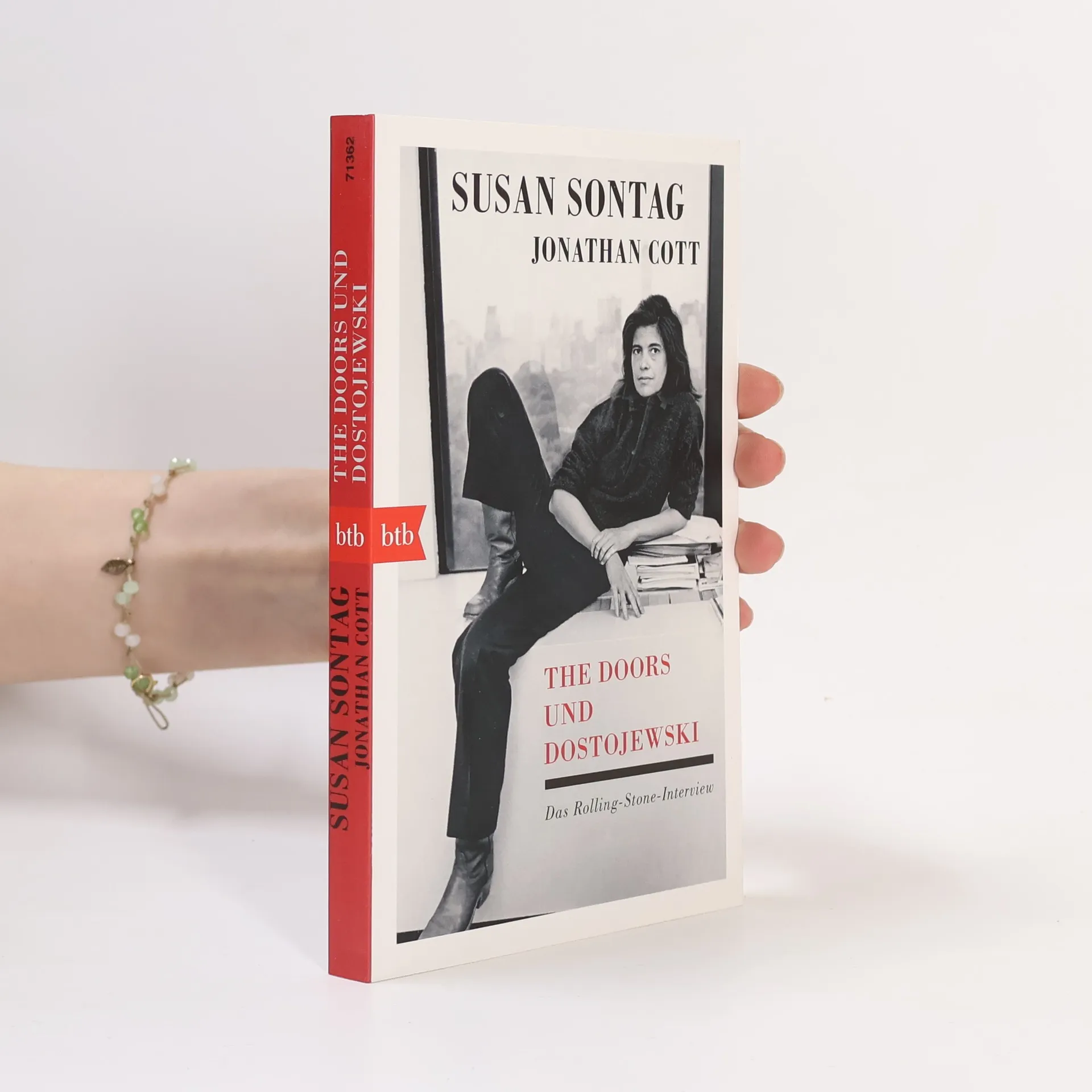
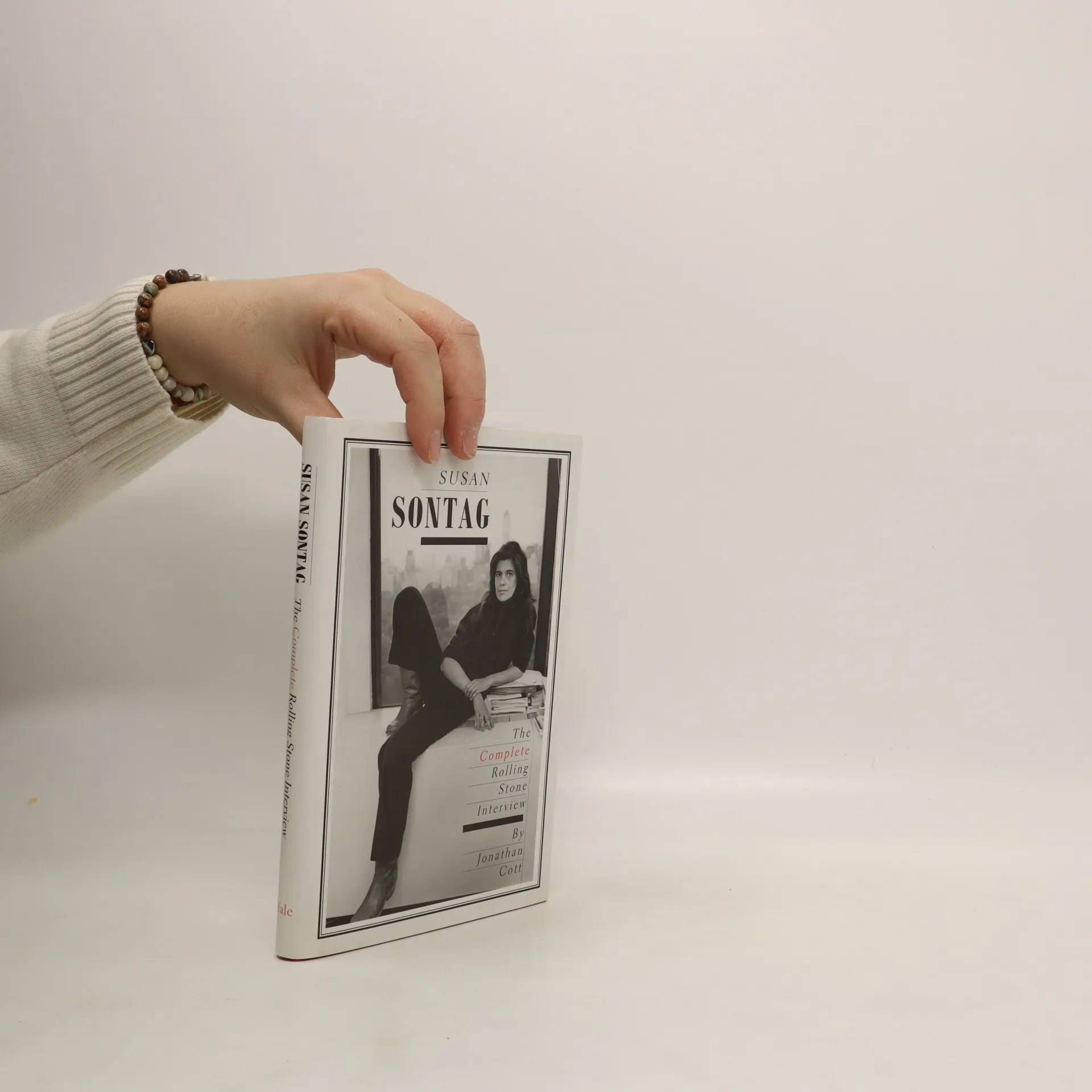
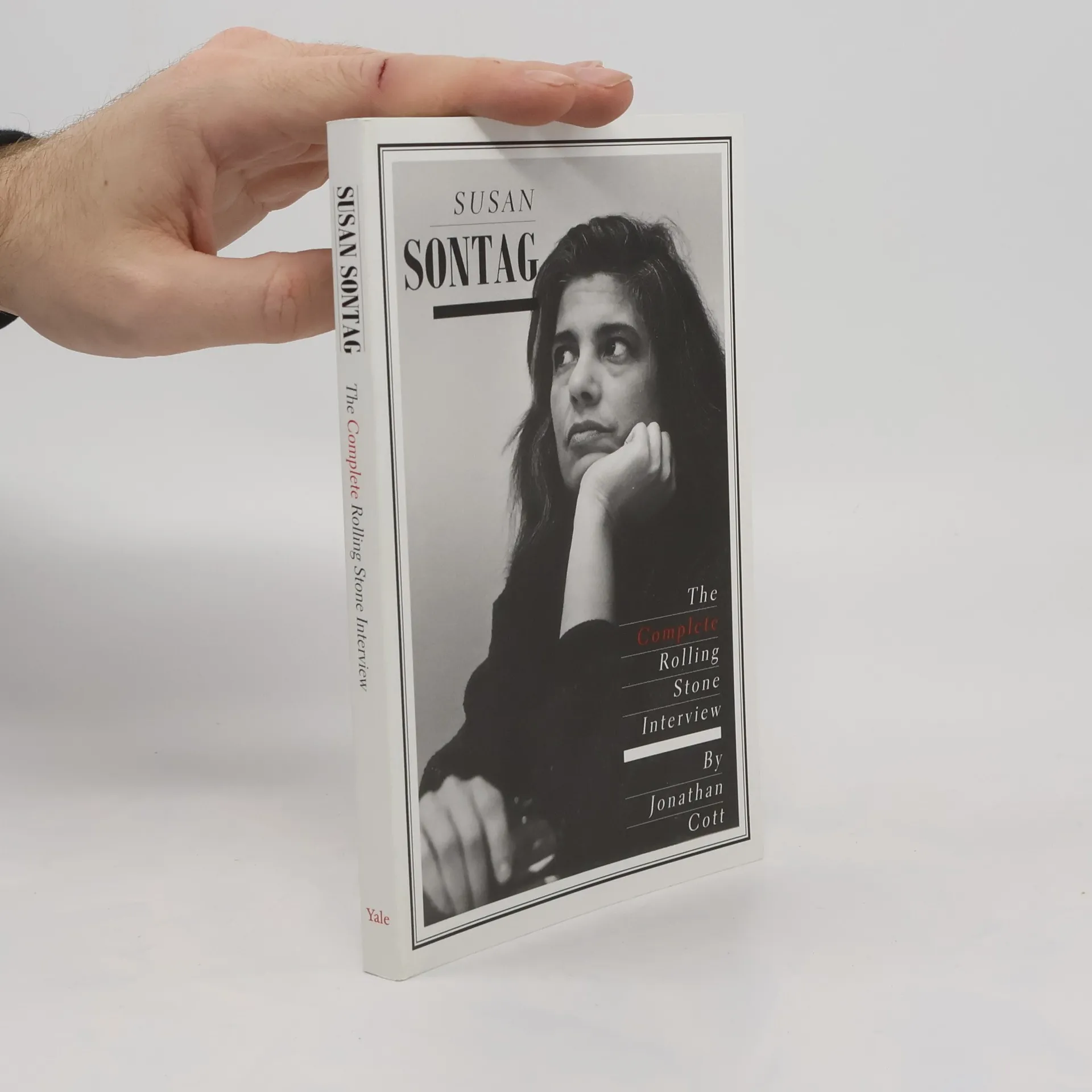
    The Complete Rolling Stone Interview
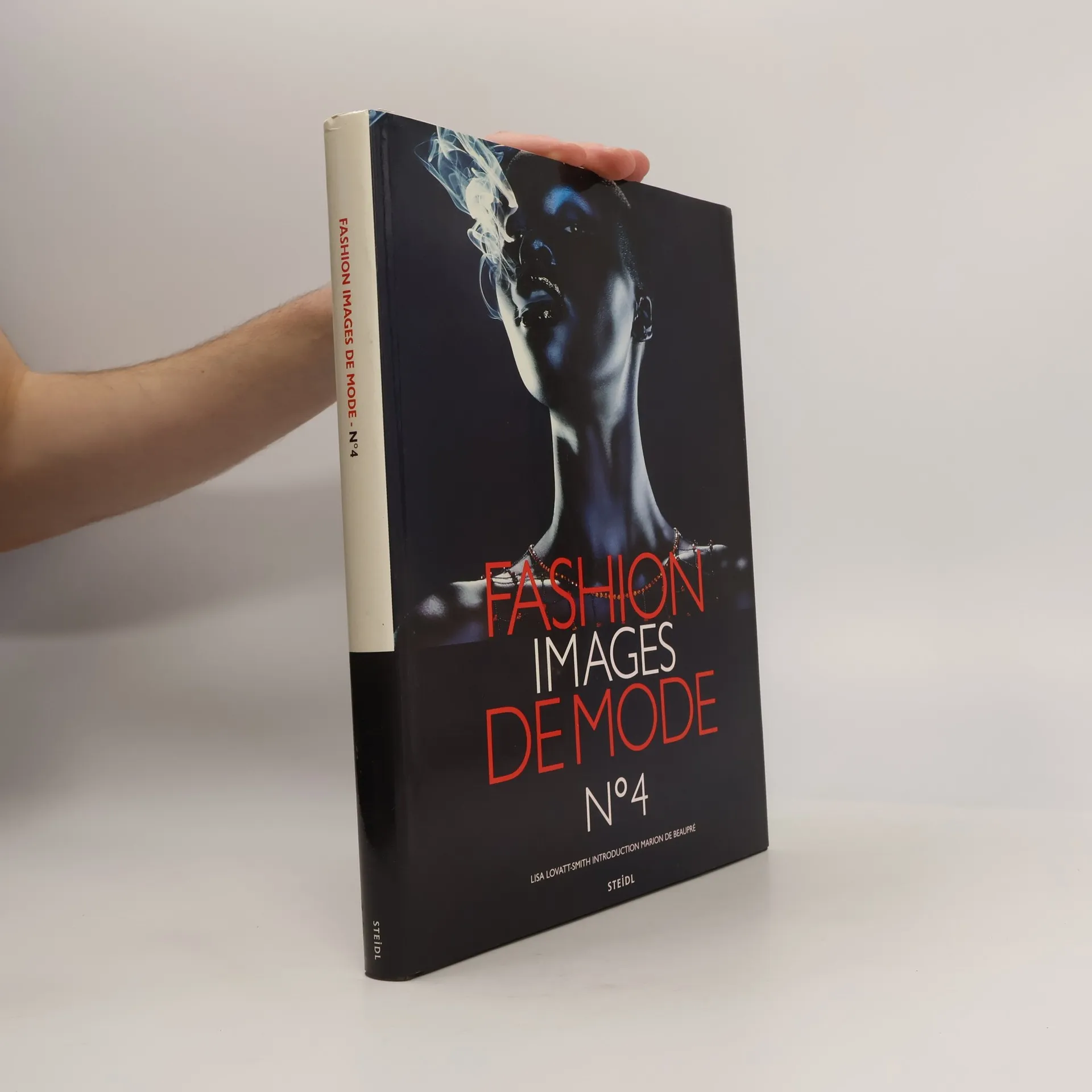
    Fashion Images de Mode No. 4
    Susan Sontag : the complete Rolling Stone interview
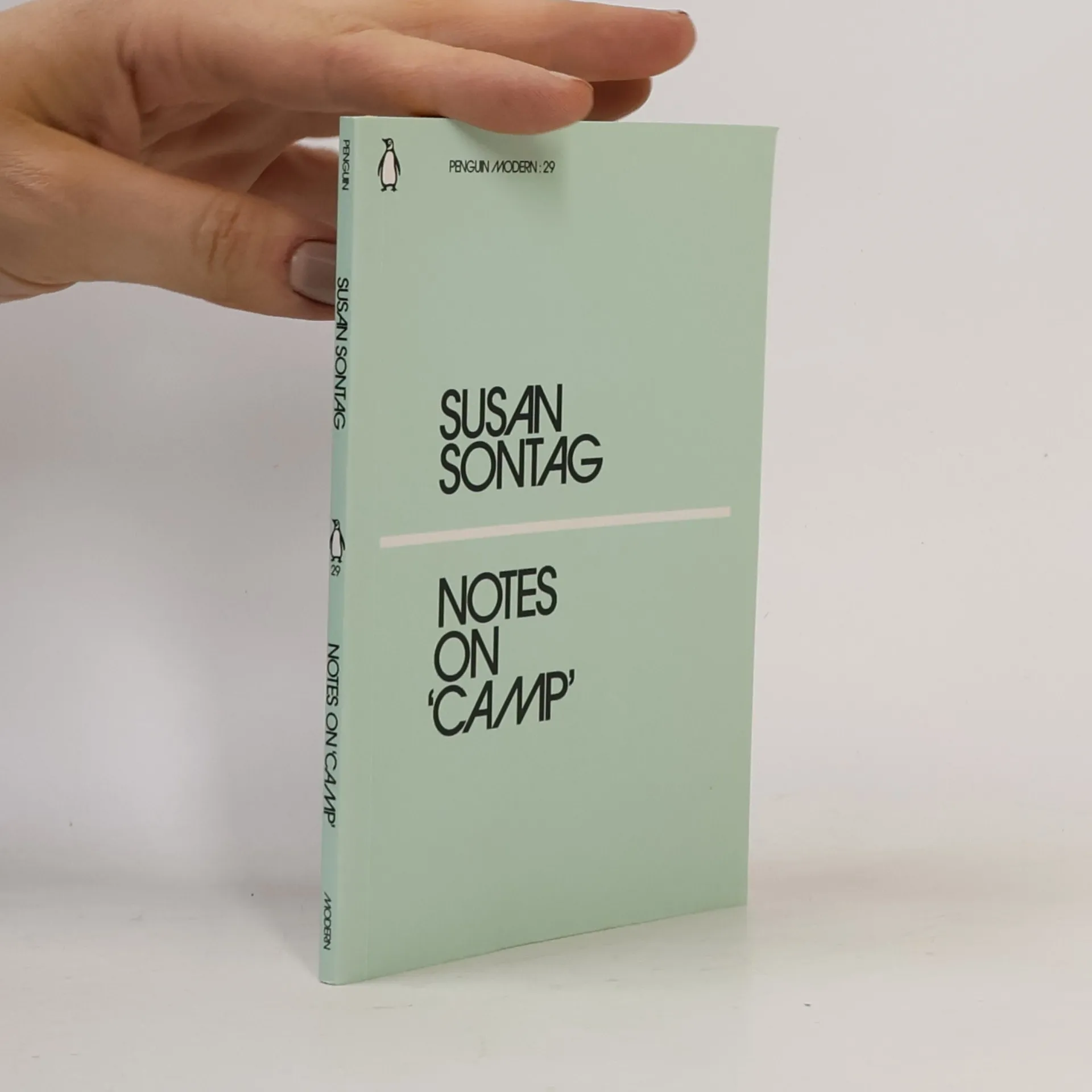
    Notes on Camp
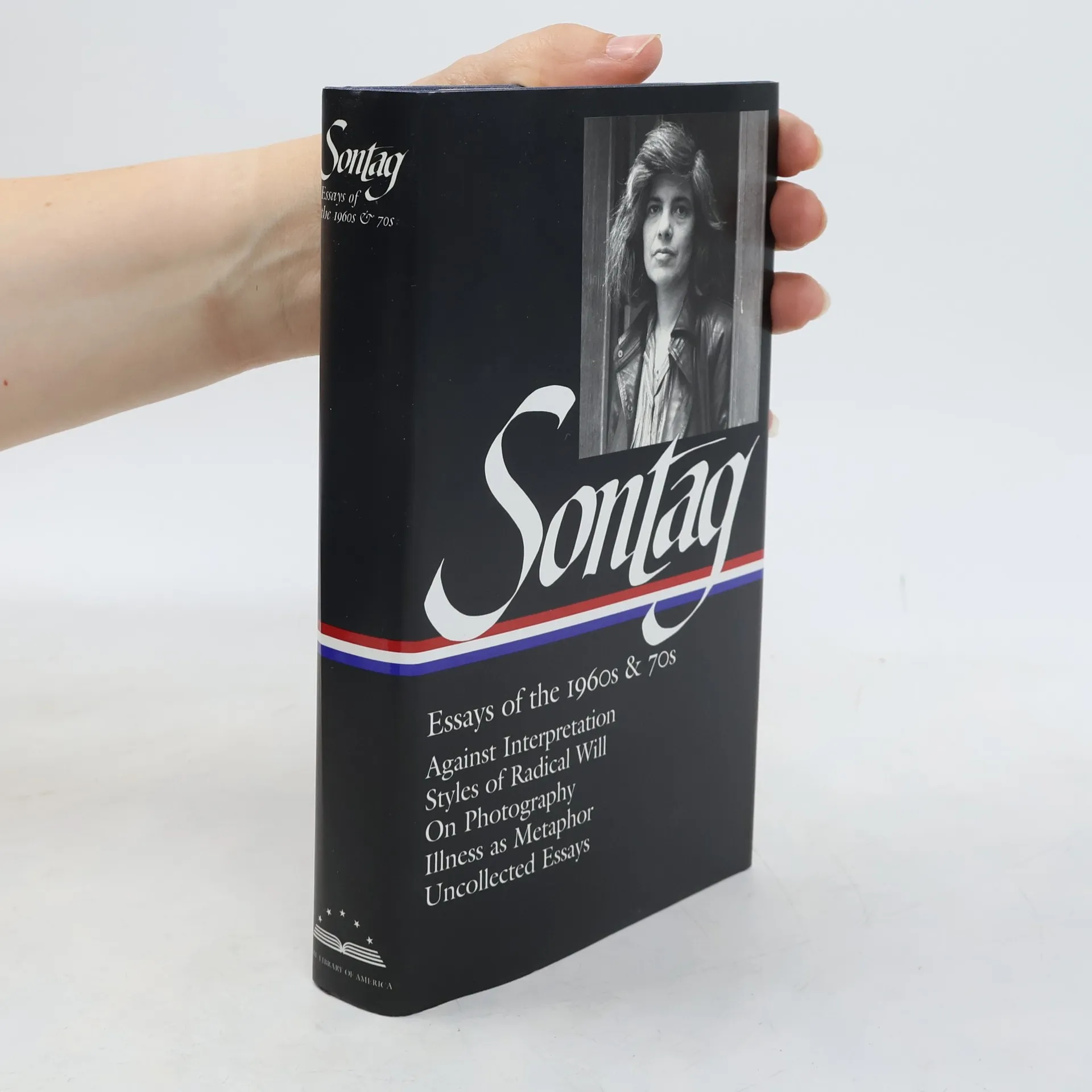
    Susan Sontag: Essays of the 1960s & 70s (LOA #246)
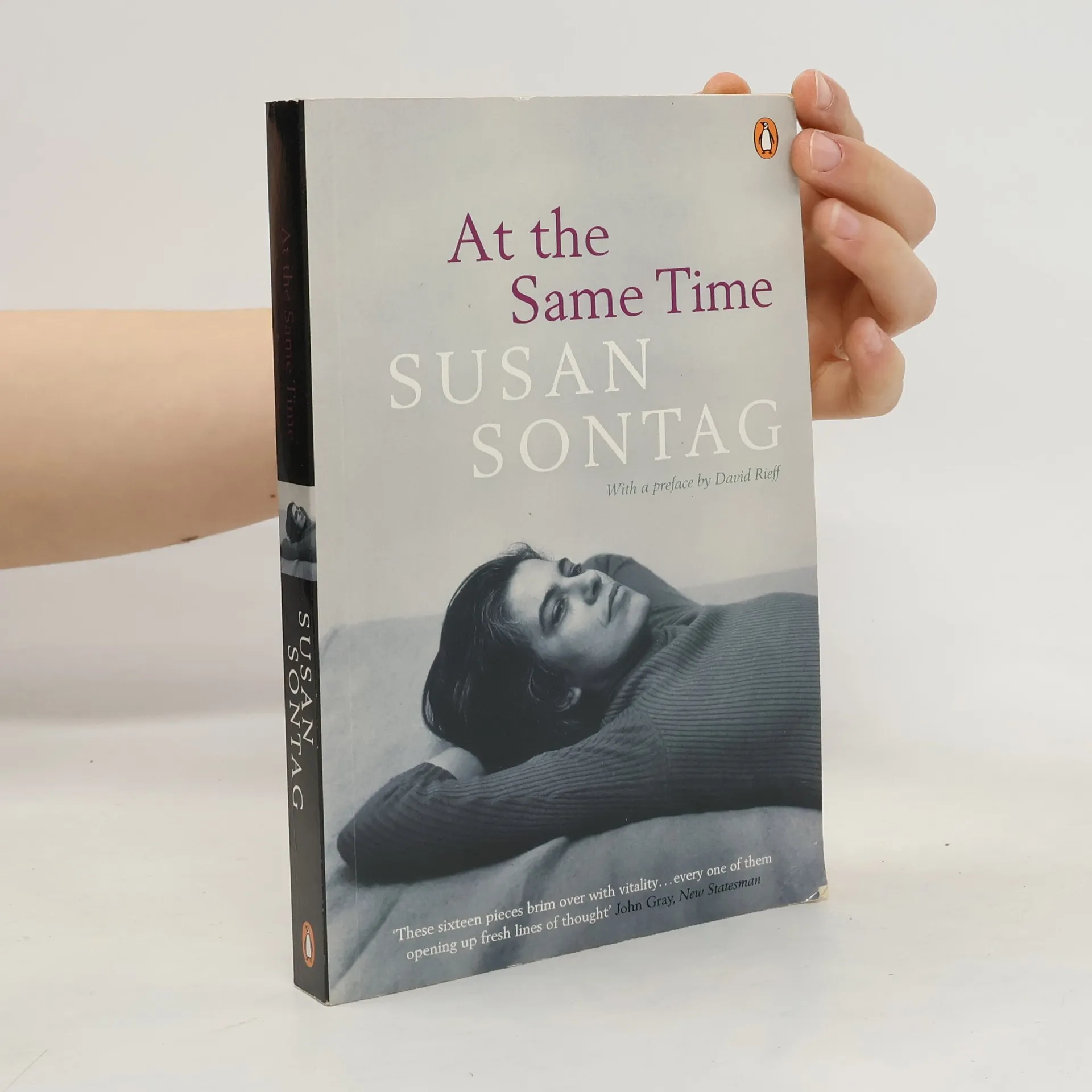
    Susan Sontag: Later Essays
    • Susan Sontag: Later Essays

      • 865pages
      • 31 heures de lecture

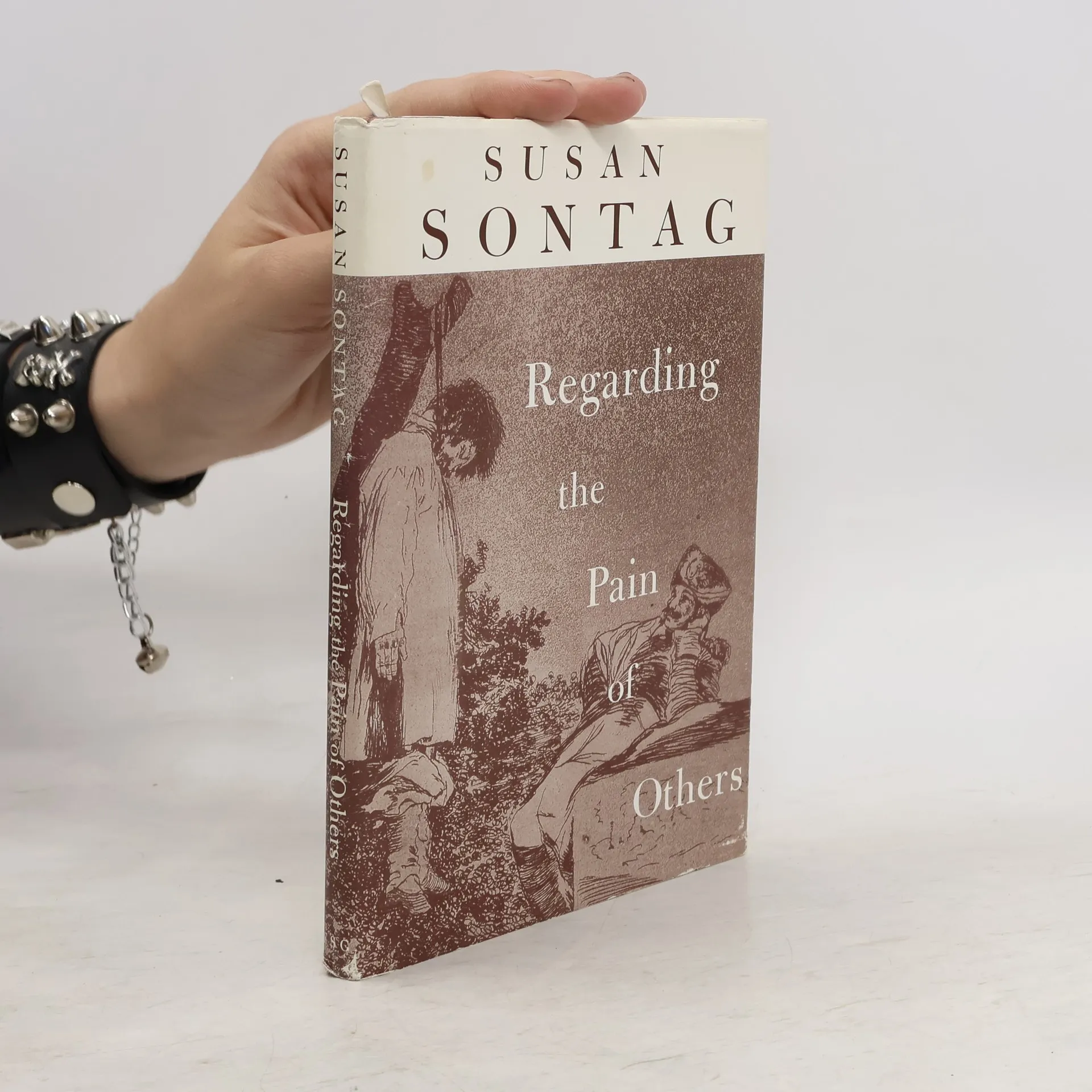
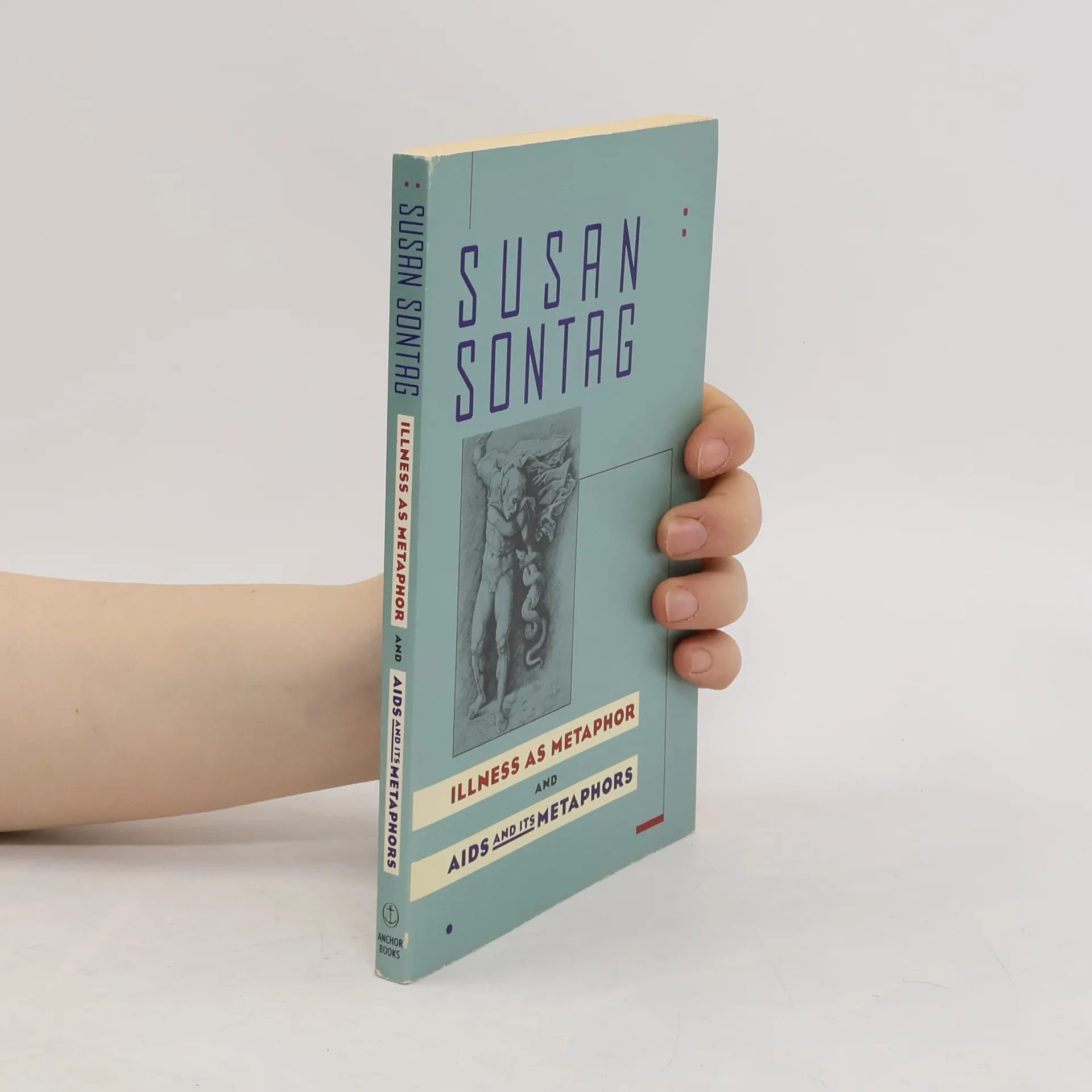
      This collection presents the later writings of a provocative critic, showcasing essays and speeches from the last quarter-century of her life. It covers a wide array of subjects, including the AIDS epidemic, 9/11, the Iraq war, and the allure of Fascism, alongside reflections on painting, dance, music, and film. The works feature literary portraits of notable figures such as Walter Benjamin, Roland Barthes, and Jorge Luis Borges, reflecting her passionate curiosity and expansive intellect. With unwavering focus and intensity, she challenges our understanding of human life, as highlighted in her acceptance speech for the Jerusalem Prize in 2000. Her experience in war-torn Sarajevo while staging Waiting for Godot becomes a profound meditation on culture and human dignity, emphasizing what people in conflict zones feel they have lost. Additionally, "AIDS and Its Metaphors" builds on the themes of her earlier work, "Illness as Metaphor," while "Regarding the Pain of Others" addresses the moral complexities of depicting violence and atrocity through photography. This collection serves as a testament to her enduring impact and insight into the human experience.

      Susan Sontag: Later Essays
      4,6
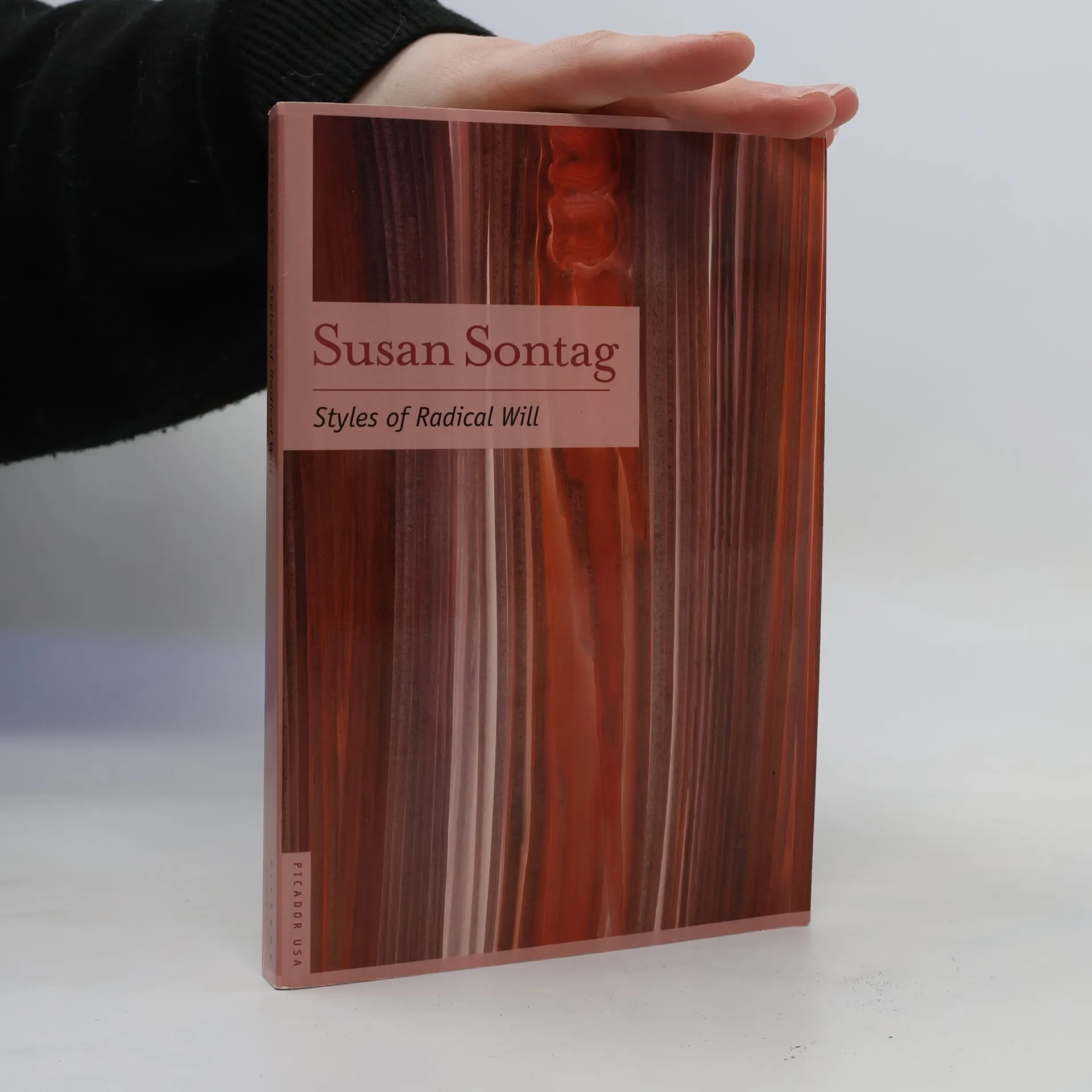
    • With the publication of her first book, Against Interpretation, in 1966, Susan Sontag placed herself at the forefront of an era of cultural and political transformation. "What is important now," she wrote, "is to recover our senses ... In place of a hermeneutics we need an erotics of art." She would remain a catalyzing presence, whether writing about camp sensibility, the films of Jean-Luc Godard and Alain Resnais, her experiences as a traveler to Hanoi at the height of the Vietnam War, the aesthetics of science-fiction and pornography, or a range of modern thinkers from Simone Weil to E.M. Cioran. She opened dazzling new perspectives on any subject she addressed, whether the nature of photography or cultural attitudes toward illness. This volume, edited by Sontag's son David Rieff, presents the full texts of four essential books: Against Interpretation, Styles of Radical Will (1969), On Photography (1977), and Illness as Metaphor (1978). Also here as a special feature are six previously uncollected essays including studies of William S. Burroughs and the painter Francis Bacon and a series of reflections on beauty, aging, and the emerging feminist movement.

      Susan Sontag: Essays of the 1960s & 70s (LOA #246)
      4,3
    • Notes on Camp

      • 64pages
      • 3 heures de lecture

      "These two classic essays were the first works of criticism to break down the boundaries between 'high' and 'low' culture, and made Susan Sontag a literary sensation."--Back cover

      Notes on Camp
      4,0
    • Susan Sontag, one of the most internationally renowned and controversial intellectuals of the latter half of the twentieth century, still provokes. In 1978 Jonathan Cott, a founding contributing editor of Rolling Stone magazine, interviewed Sontag first in Paris and later in New York. Only a third of their twelve hours of discussion ever made it to print. Now, more than three decades later, Yale University Press is proud to publish the entire transcript of Sontag’s remarkable conversation, accompanied by Cott’s preface and recollections. Sontag’s musings and observations reveal the passionate engagement and breadth of her critical intelligence and curiosities at a moment when she was at the peak of her powers. Nearly a decade after her death, these hours of conversation offer a revelatory and indispensable look at the self-described "besotted aesthete" and "obsessed moralist." Sontag proclaims a personal credo, declaring: "Thinking is a form of feeling; feeling is a form of thinking."

      Susan Sontag : the complete Rolling Stone interview
      4,3
    • Fashion Images de Mode No. 4

      • 192pages
      • 7 heures de lecture

      Fashion photography's pervasive presence has brought the intimate aesthetics of post-80s realism into everybody's lives. This year's Fashion Images de Mode, the fourth volume of an annual series, showcases emerging as well as established photographers. Editor Lisa Lovatt-Smith presents photographs which capture the new directions in current fashion media, such as an increasingly subjective photographer's eye and a heightened reliance on digital image manipulation. This edition includes an introduction by renowned writer Susan Sontag, an essay by Patrick Remy, and sections devoted to prominent photographers Steve Hiett, Phil Poynter, Sean Ellis, Anette Aurell, Ellen Von Unwerth, Mario Sorrenti, Melodie McDaniel, Nathaniel Goldberg, Terry Richardson, Jack Pierson, Peter Lindbergh, David La Chapelle, and Mario Testino.

      Fashion Images de Mode No. 4
      4,0
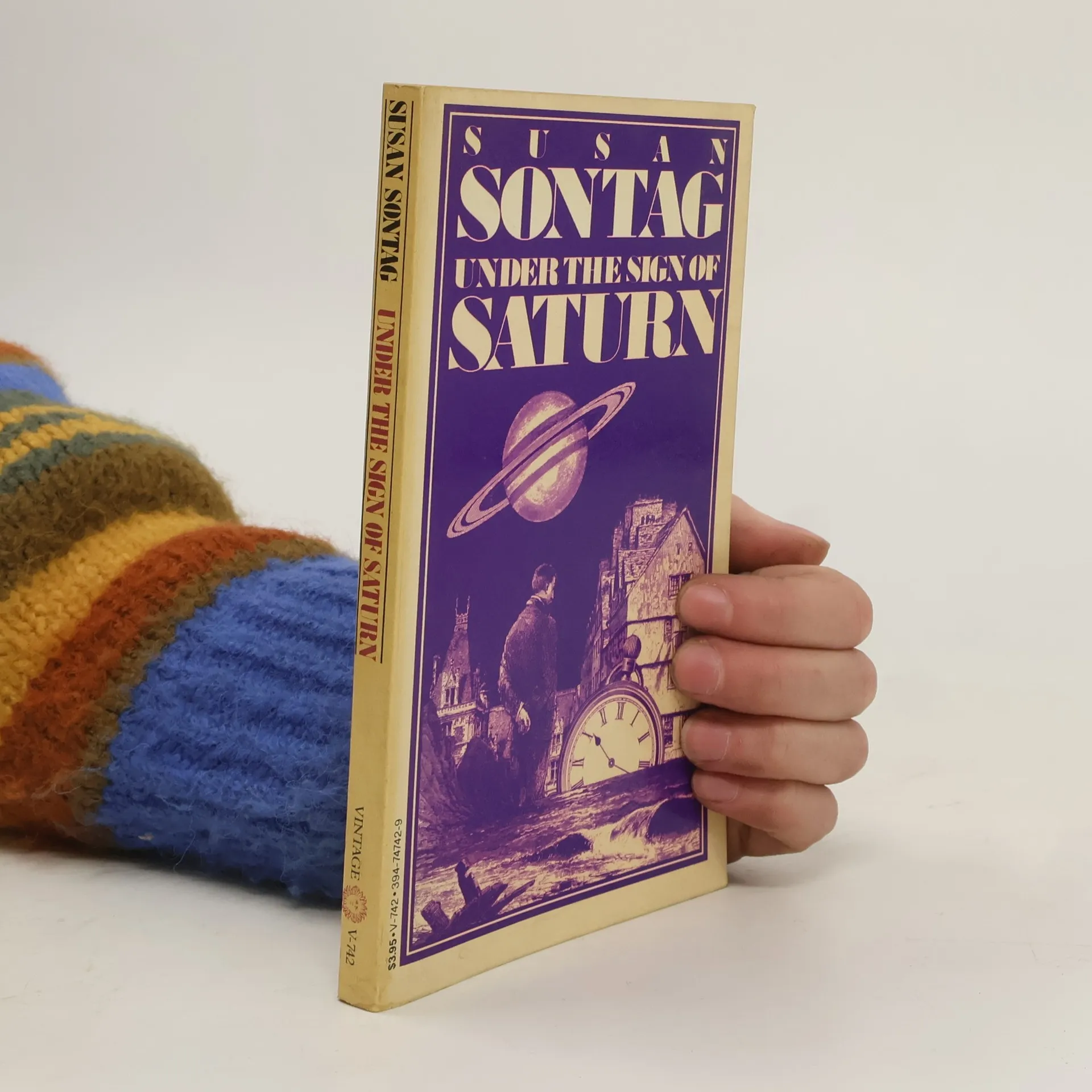
    • Under the Sign of Saturn

      • 203pages
      • 8 heures de lecture

      In her most recent collection of essays, "one of America's foremost critics" (Washington Post ) discusses the relationship between moral and esthetic ideas.

      Under the Sign of Saturn
      4,2
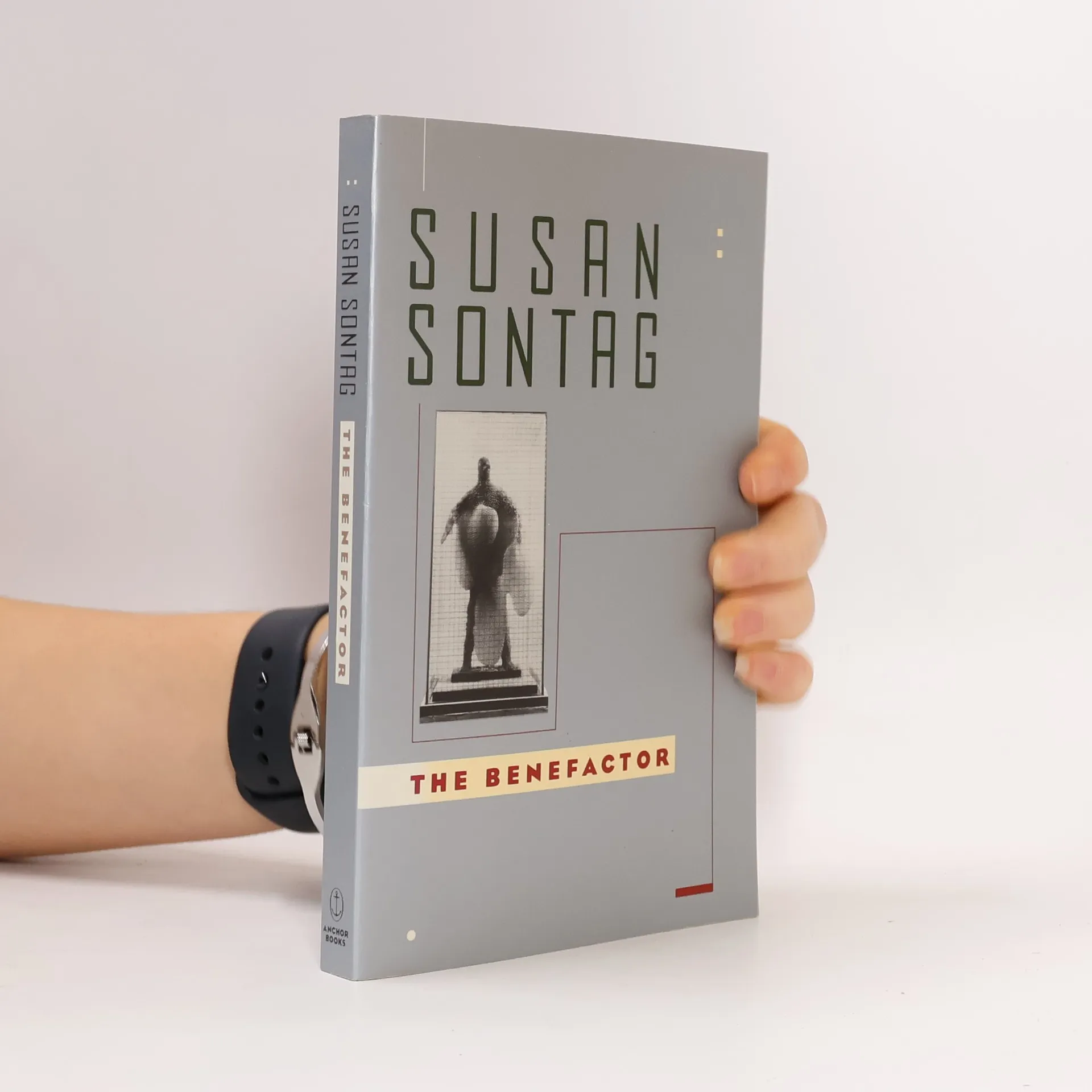
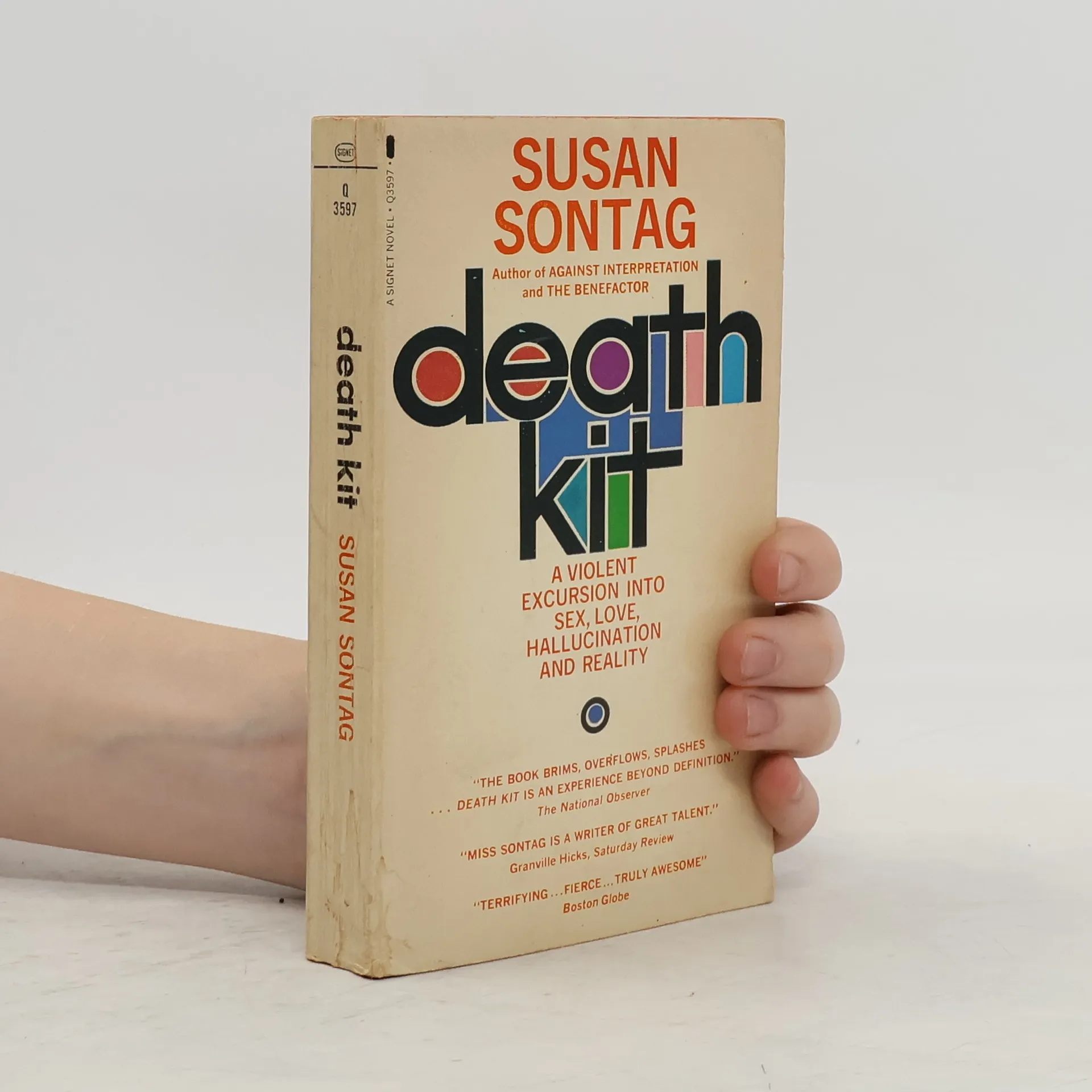
    • Susan Sontag holds a unique position in Modern American letters as a significant critic and a writer whose novels and short fiction are finally receiving due recognition. Her work exhibits an essential unity across various forms, a quality particularly evident in this curated selection of her writings. This compilation offers a chronological sampling that reflects her career and highlights the themes she cherishes. It includes excerpts from her two novels, *The Benefactor* and *Death Kit*, as well as her short story collection, *I, etcetera*. Notable essays from the 1960s, such as "Against Interpretation," "Notes on Camp," and "On Style," which helped shape cultural perspectives of that era, are featured alongside selections from her later essay collections, *Styles of Radical Will* and *Under the Sign of Saturn*. Additionally, a segment from her acclaimed *On Photography* is included. Reading these works in chronological order reveals surprising connections between different literary forms and thematic developments. The collection also features a candid interview where Sontag discusses her broader concerns and creative journey. Concluding with "Writing Itself," a previously uncollected essay on Roland Barthes, this volume serves both as a self-portrait and a key to understanding one of the most important writers of our time.
      A Susan Sontag Reader
      4,0
    • ESSAYS, JOURNALS, LETTERS & OTHER PROSE WORKS. Against Interpretation was Susan Sontag's first collection of essays and is a modern classic. Originally published in 1966, it has never gone out of print and has influenced generations of readers all over the world. It includes some of Sontag's best-known works, among them 'On Style', 'Notes on 'Camp'', and the titular essay 'Against Interpretation', where Sontag argues that modern cultural conditions have given way to a new critical approach to aesthetics. 'A dazzling intellectual performance.' Vogue.

      Against Interpretation and Other Essays
      4,2
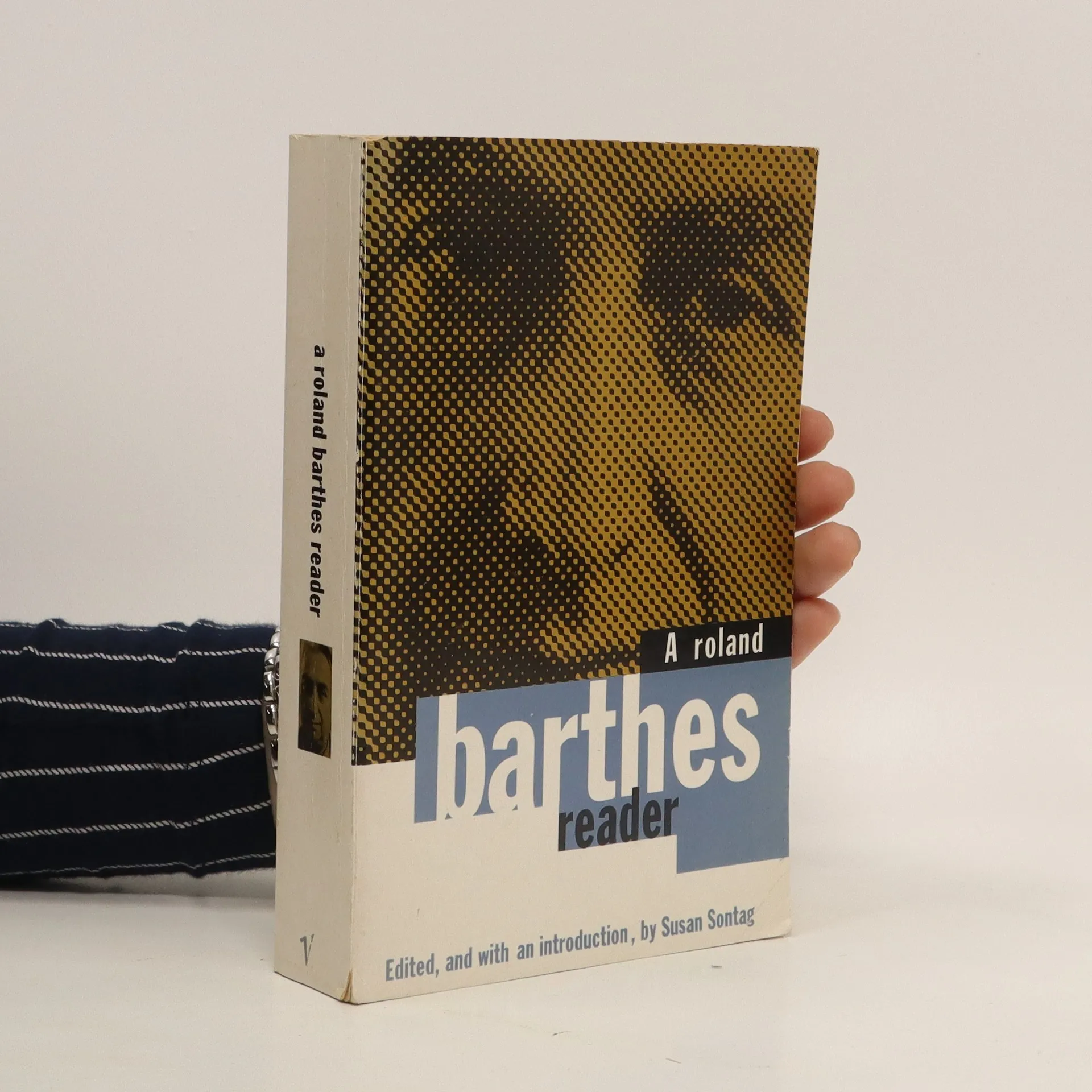
    • An introduction to the thinking of the French intellectual, Roland Barthes, as applied to such diverse topics as Gide, Garbo, striptease, photography and the Eiffel Tower. The pieces in this collection were written over a period of three decades.

      A Roland Barthes Reader
      4,1