
Bookbot

Llorenç Bonet

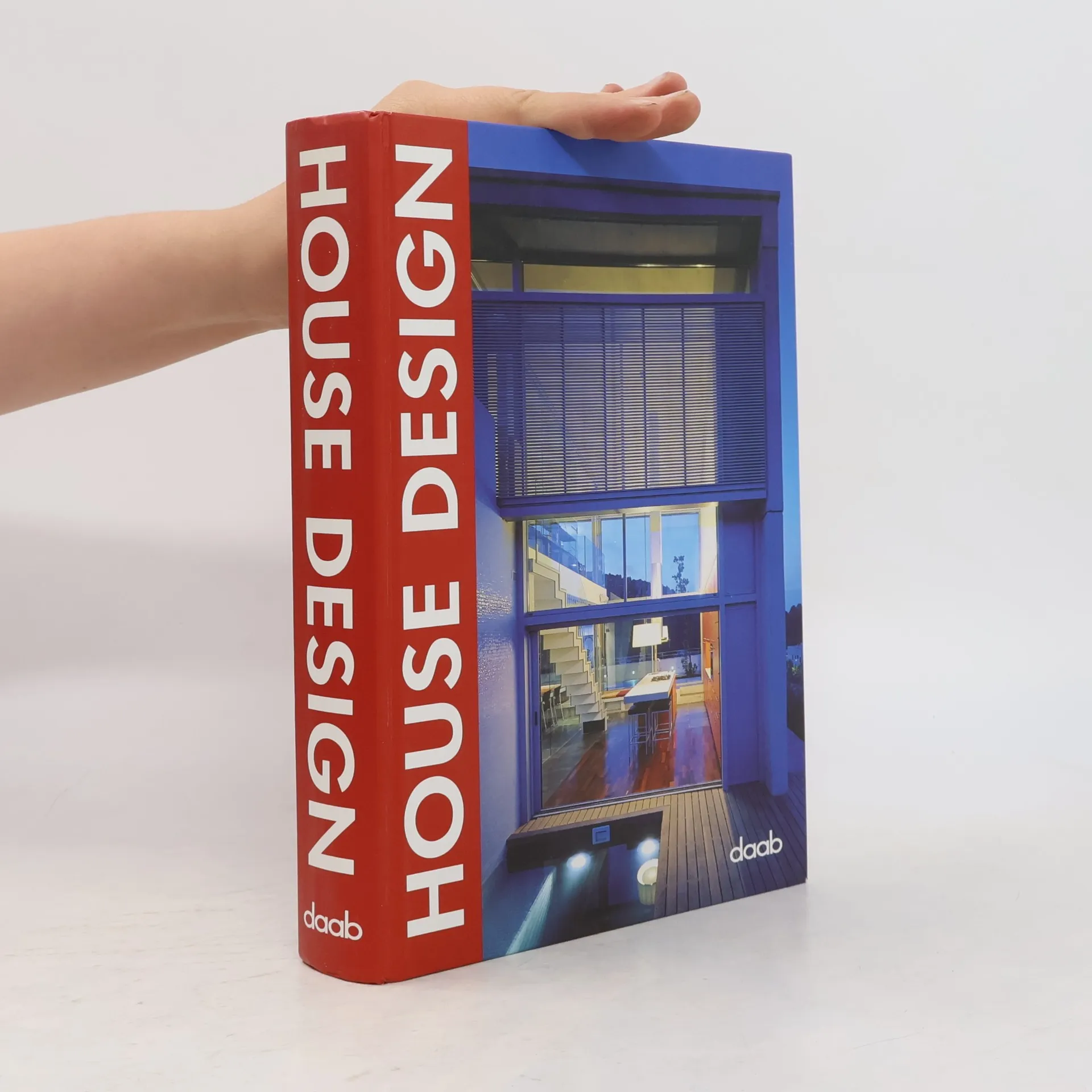
    House design
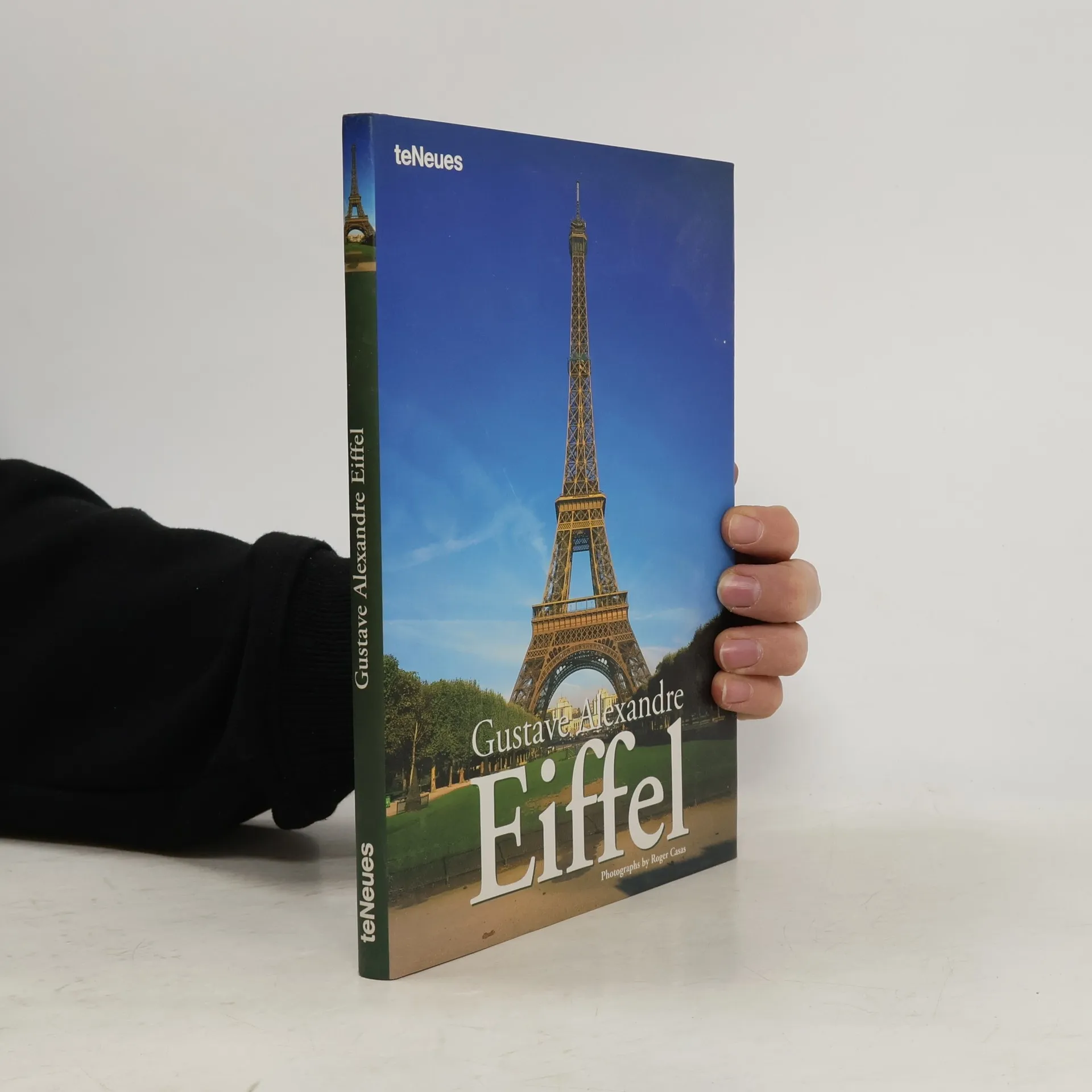
    Gustave Alexandre Eiffel
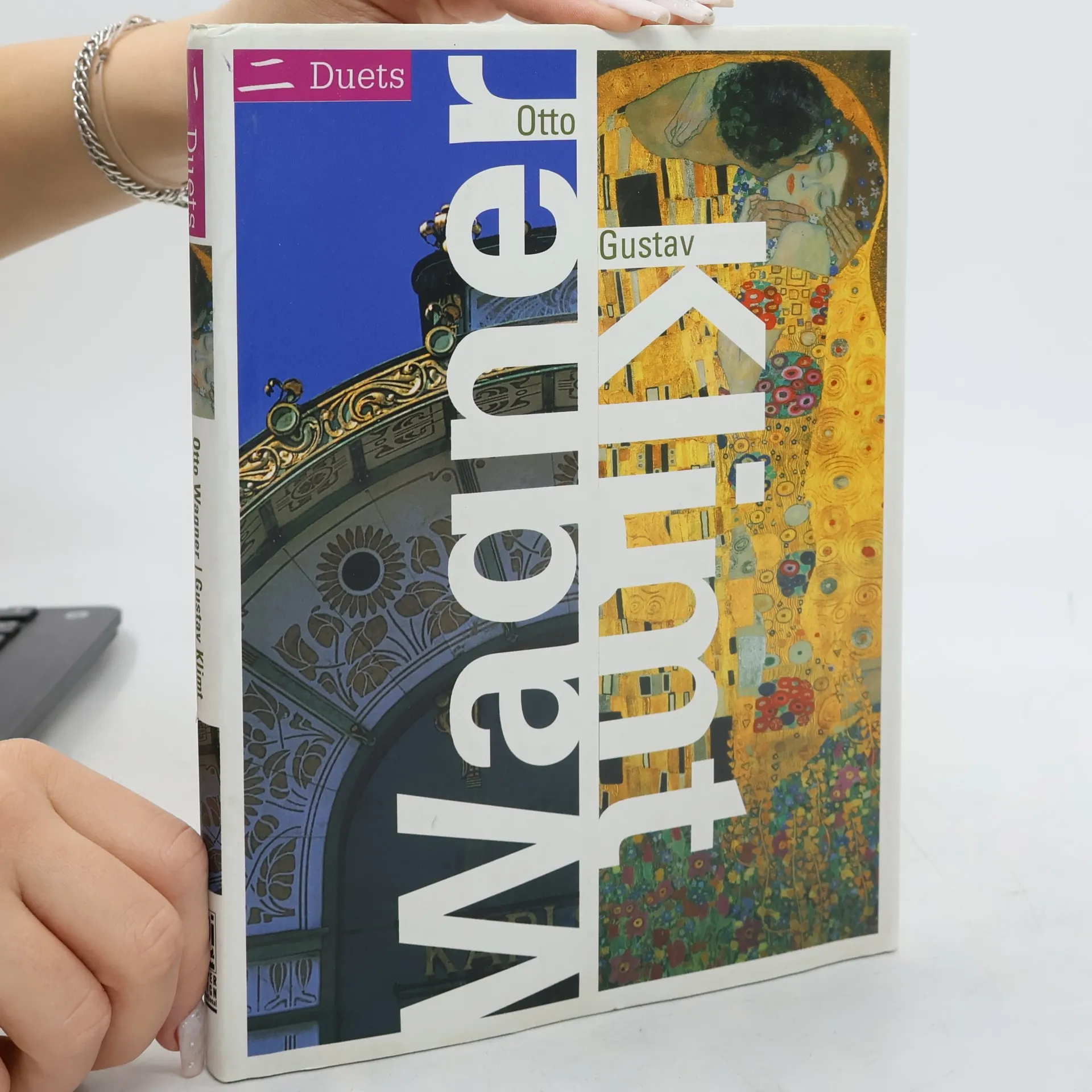
    Duets: Otto Wagner/Gustav Klimt
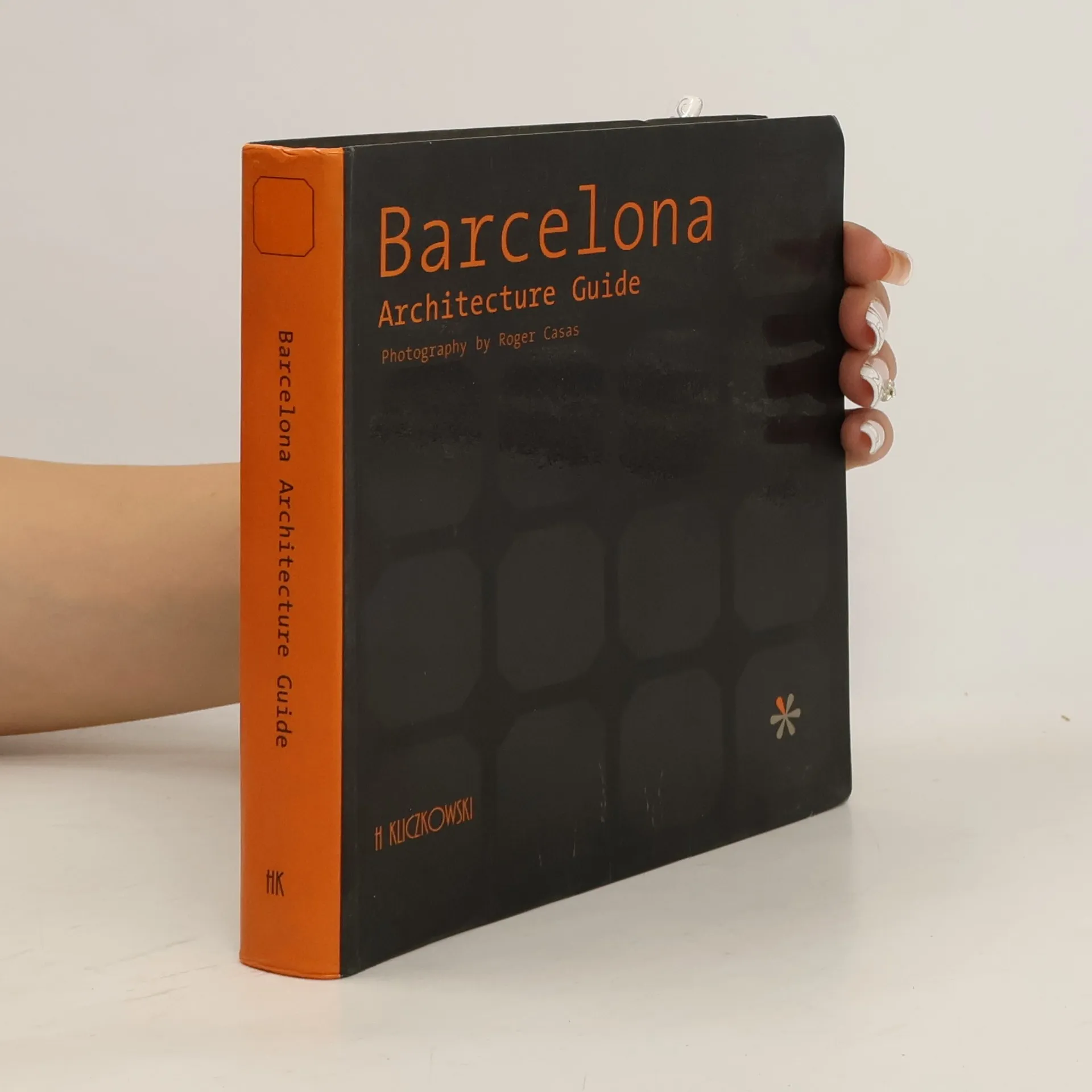
    Barcelona
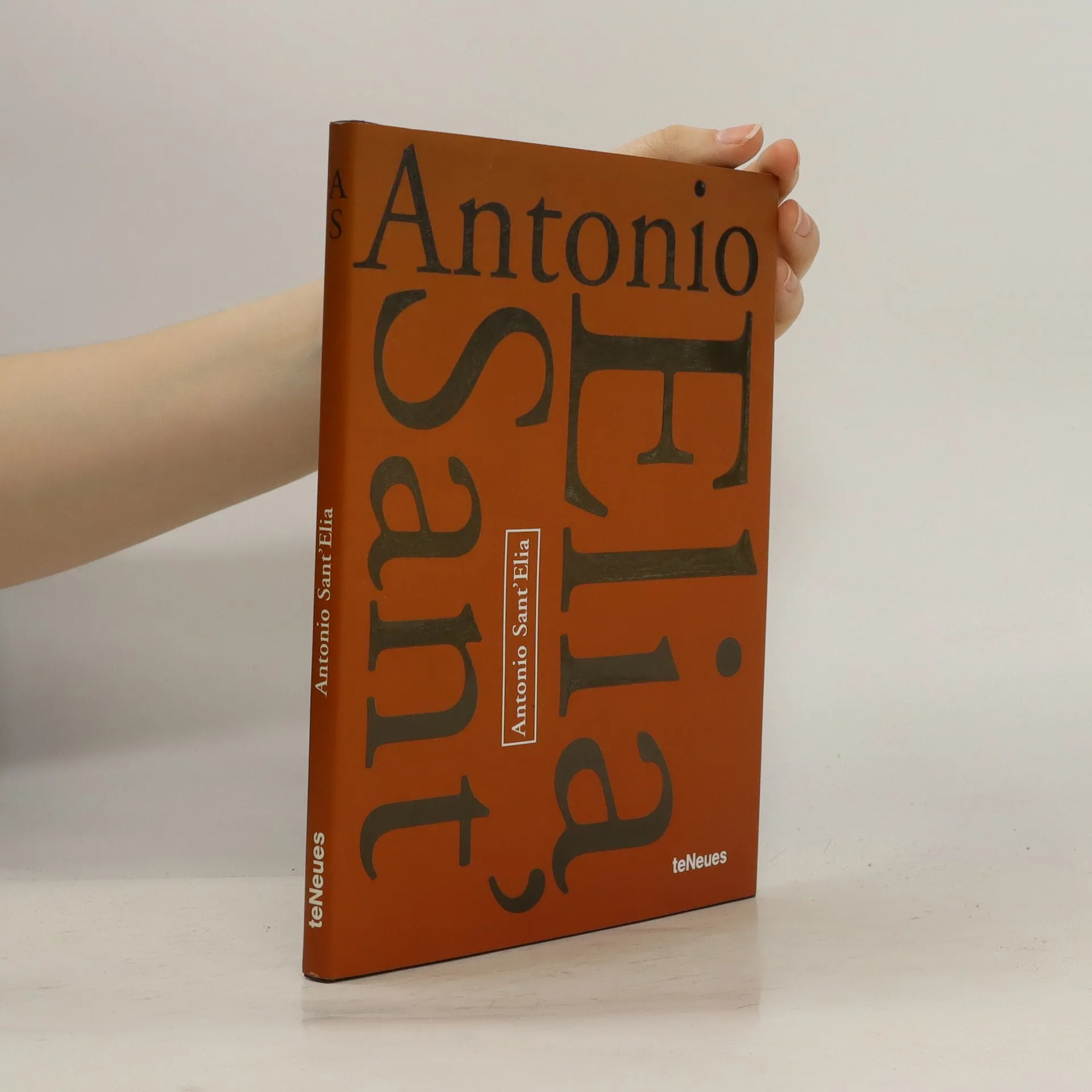
    Antonio Sant'Elia
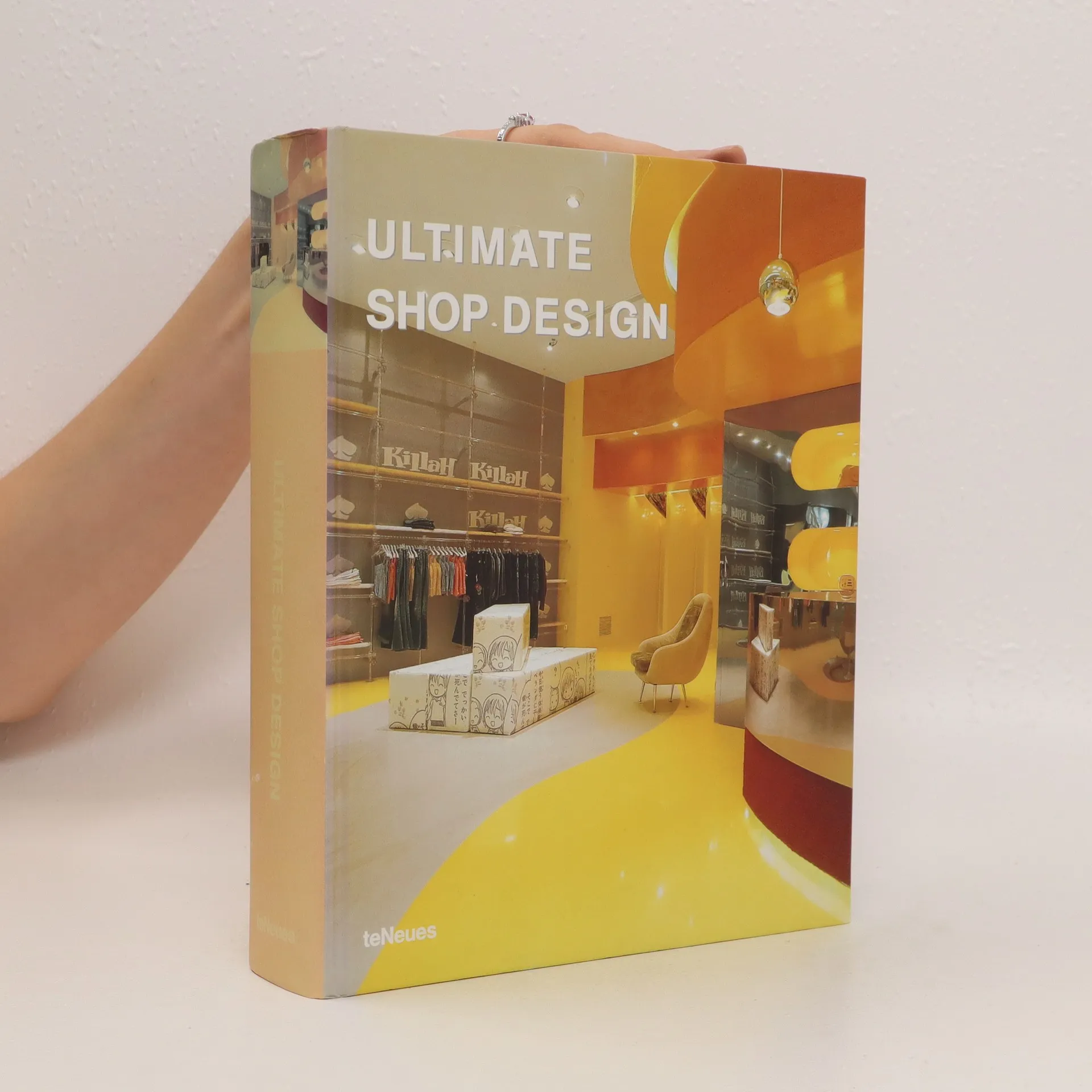
    Ultimate shop design
    • Ultimate shop design

      • 525pages
      • 19 heures de lecture

      Today, the parameters of shop design have expanded exponentially. No longer is the retail landscape just crafted for shopping convenience and to reinforce brand identity. It has evolved to reflect the role of shops as a public space where we spend a large part of our leisure time. For this reason, architects and designers are increasingly pushing the boundaries when designing shop interiors. The result: the creation of unique and spectacular spaces within the city; spaces which engage and entertain even the most jaded browsers, and add to the city's dynamism. ? This thoroughly illustrated, full color guide to shop design analyses current trends in the field and showcases examples distinguished by their power to captivate and amaze. ? A comprehensive compendium showing just how far retail spaces can evolve.
      Ultimate shop design
      4,3
    • Antonio Sant'Elia

      • 80pages
      • 3 heures de lecture

      Antonio Sant?Elia (Como 1888-Monfalcone, 1916), a notable Italian futurist architect was, especially after his early death, an important influence on the evolution of modern architecture. He studied in Milan and Bologna. He undertook few commissions and those which were completed were either later demolished or transformed. His imaginative drawings for future cities were displayed in 1914. He wrote two theoretical essays: Messagio and Manifesto dell?architettura futurista. In his projects the influence of the Vienna Secession, especially that of Otto Wagner, can be discerned, as well as the impact of the American skyscraper. His most important works were the Villa Elisi (1912), and his project for the "New City" in 1914 (la Citt? Nuova). He volunteered for the army in the First World War and died in the battle of Monfalcone.

      Antonio Sant'Elia
      4,0
    • Barcelona

      Architecture Guide

      • 288pages
      • 11 heures de lecture

      Architectural guide of Gothic, Renaissance buildings and of the Modern Architecture.

      Barcelona
      3,7
    • Duets: Otto Wagner/Gustav Klimt

      • 96pages
      • 4 heures de lecture

      At the turn of the 20th century, the Vienna Secession shook the worlds of art and design, breaking the rigid constraints of an esthetic dominated by slavish emulation of prior styles. Nowhere is this paradigm shift better exemplified than in the works of the two Austrian creators featured here. Architect Otto Wagner (1841-1918) famously rejected the eclectic imitation and combination of historical styles that had dominated European architecture, advocating instead constructions aware of modern materials, modern needs, and modern society. Painter Gustav Klimt (1862-1918) broke with an academic art style to develop an intensely personal style favoring fluid lines, bold colors, provocative imagery, and diverse media. Otto Wagner/Gustav Klimt, the third title in the Duets series, brings together the work of these two artists in order to present a rich comparative study. Essentially three volumes in one, a section on each artist presents a brief biography and an examination of some major works, with a third section that compares the images and ideas of the two artists. Art and architecture lovers will treasure this book for years to come.

      Duets: Otto Wagner/Gustav Klimt
    • Gustave Alexandre Eiffel

      • 80pages
      • 3 heures de lecture

      Gustave Alexandre Eiffel (Dijon 1832-Paris 1923). This French civil engineer and constructor, is famous for the Eiffel Tower in Paris. He studied at the École Central des Arts et Manufactures, where he demonstrated his interest in metal construction, graduated in Chemical Engineering and in 1866 founded his own company. He directed the building of an iron railway bridge at Bordeaux and the design of the movable dome of the observatory at Nice. He finished his greatest project, the Eiffel Tower, in 1889, in time for the Centennial Exposition, causing commotion and amazement among the artists of the period and the world in general. His next large-scale project was the Panama Canal.

      Gustave Alexandre Eiffel
      3,4
    • House design

      • 399pages
      • 14 heures de lecture

      Negli ultimi anni, le linee che definiscono le caratteristiche della casa moderna hanno perso la severità che le contraddistingueva in passato. Sebbene gli usi che una casa deve soddisfare - cucina, relax, igiene personale, interazione con altre persone, ecc. - rimangano gli stessi di sempre, le soluzioni per affrontarli sono ora molto diverse e varie. Di conseguenza, non è possibile stabilire una formula specifica per definire come dovrebbe essere una casa. Questo libro mostra un incrocio di esempi di designer internazionali, che hanno progettato case tenendo conto di molte considerazioni. Sono stati presi in considerazione l'adattamento al terreno e al clima, il budget e le esigenze dei futuri abitanti. Inoltre, sono state focalizzate le tre aree indispensabili della casa (cucina, bagno e camera da letto). Ad esempio, il bagno è presentato in molteplici varianti; può essere uno spazio funzionale a parte oppure può occupare un posto privilegiato accanto al giardino, con grandi finestre, espandendosi all'interno della casa fino al punto che la vasca da bagno si trasforma in una piscina interna.

      House design
      2,6