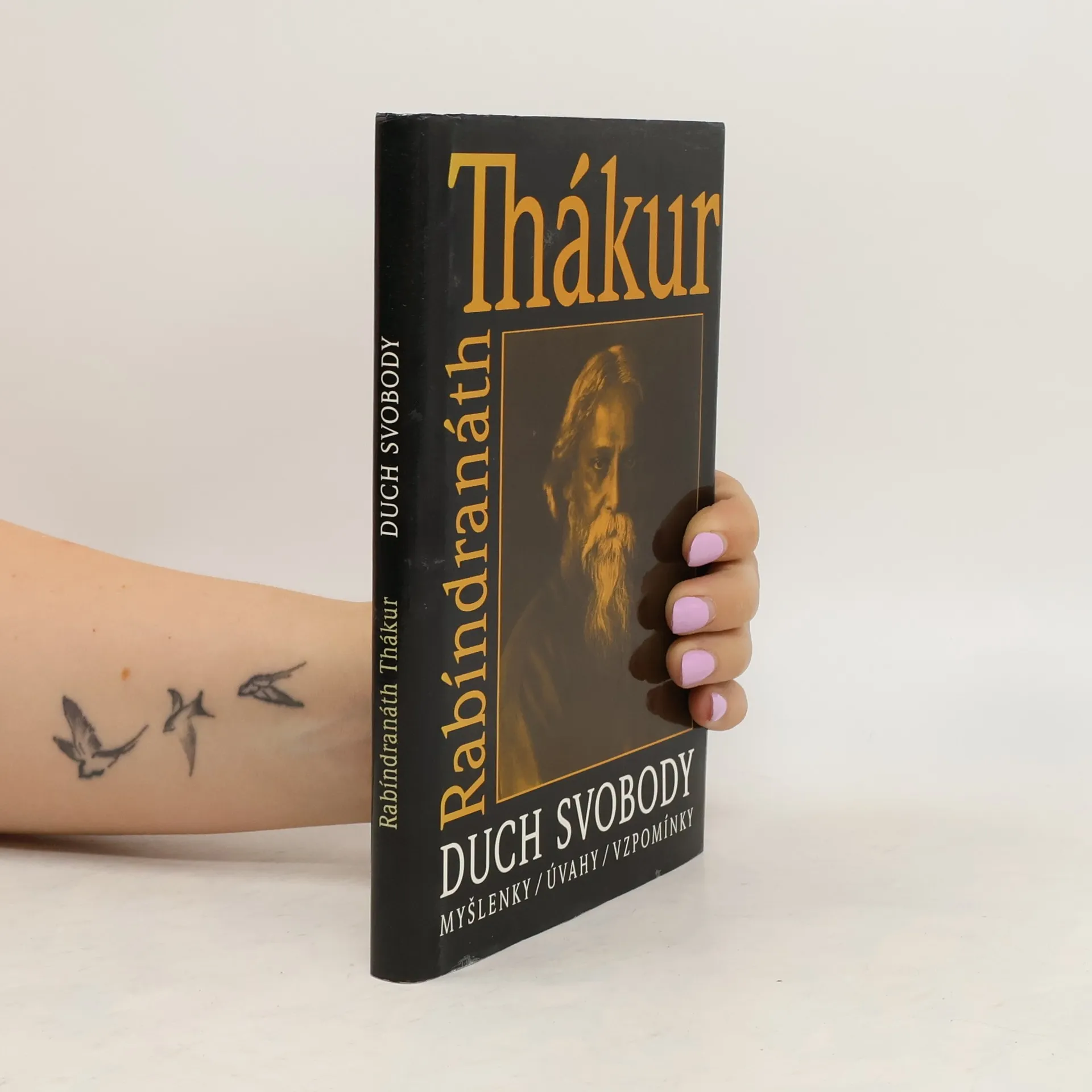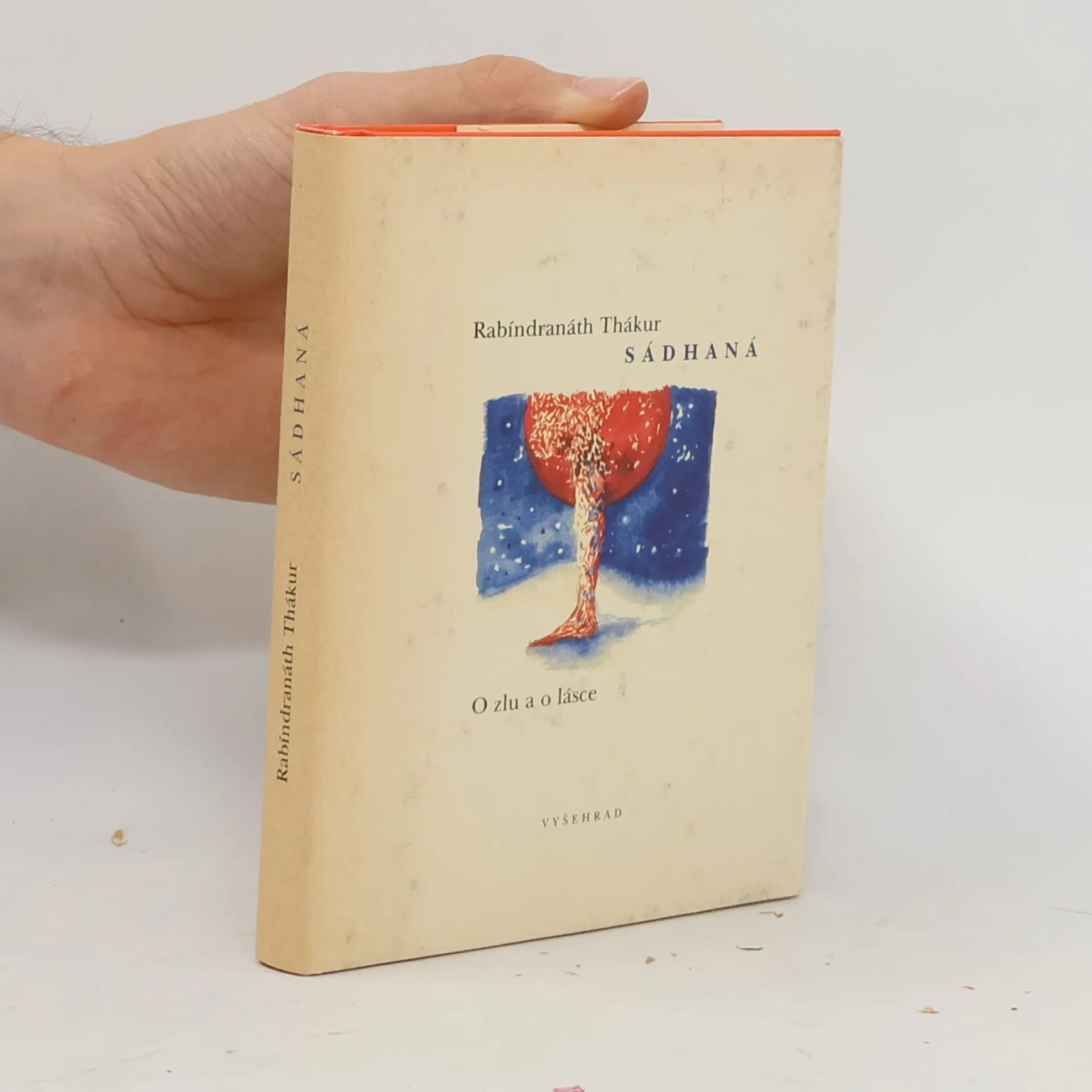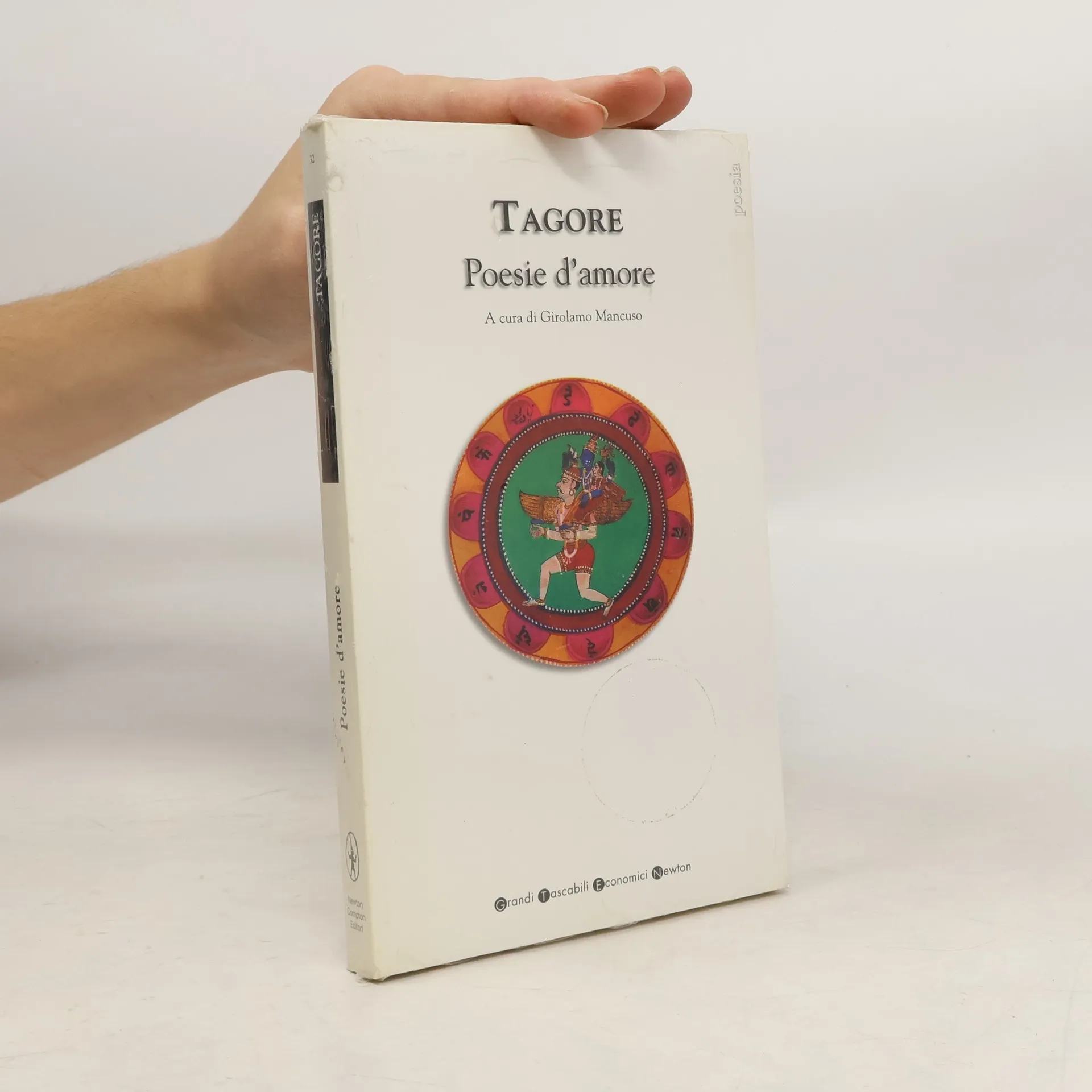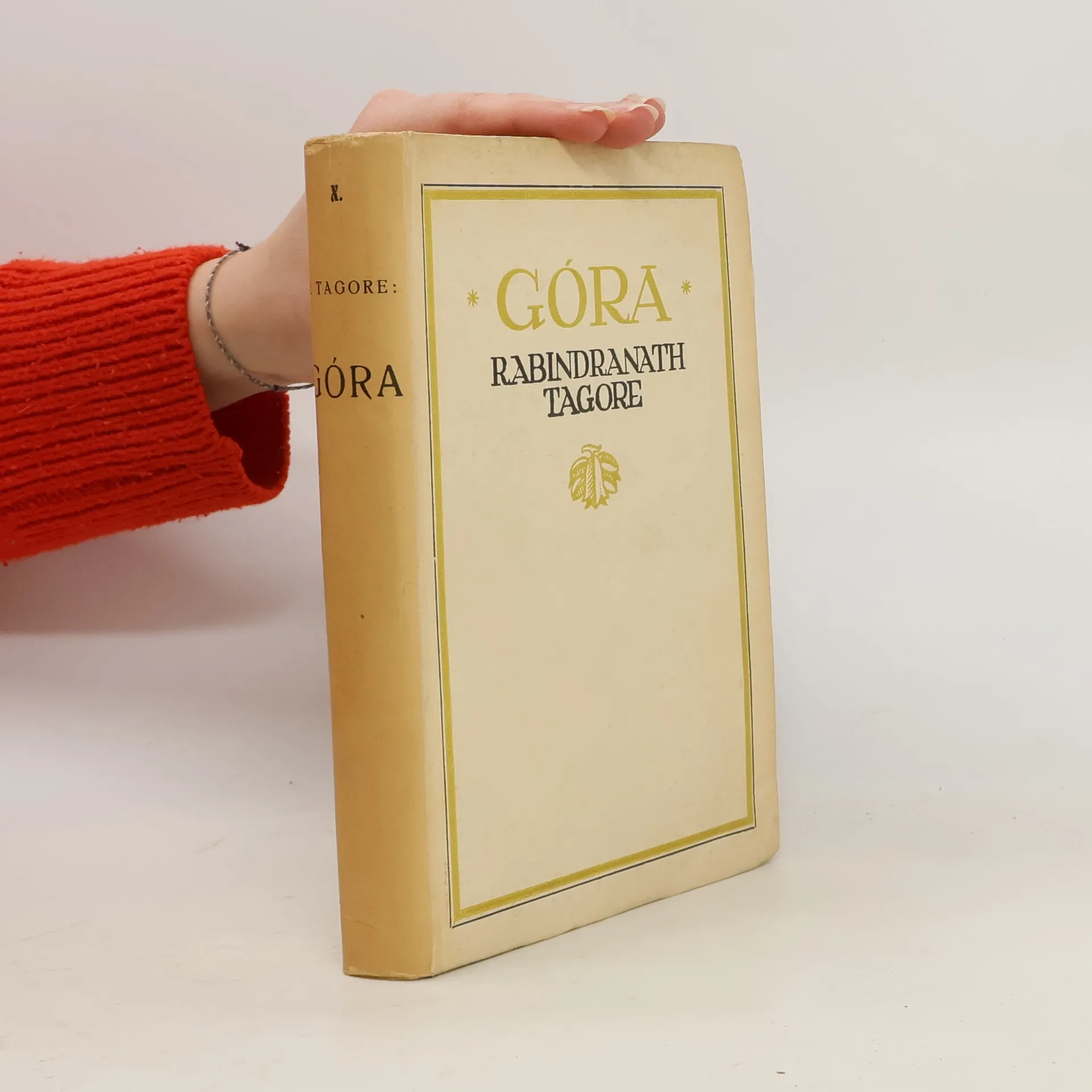
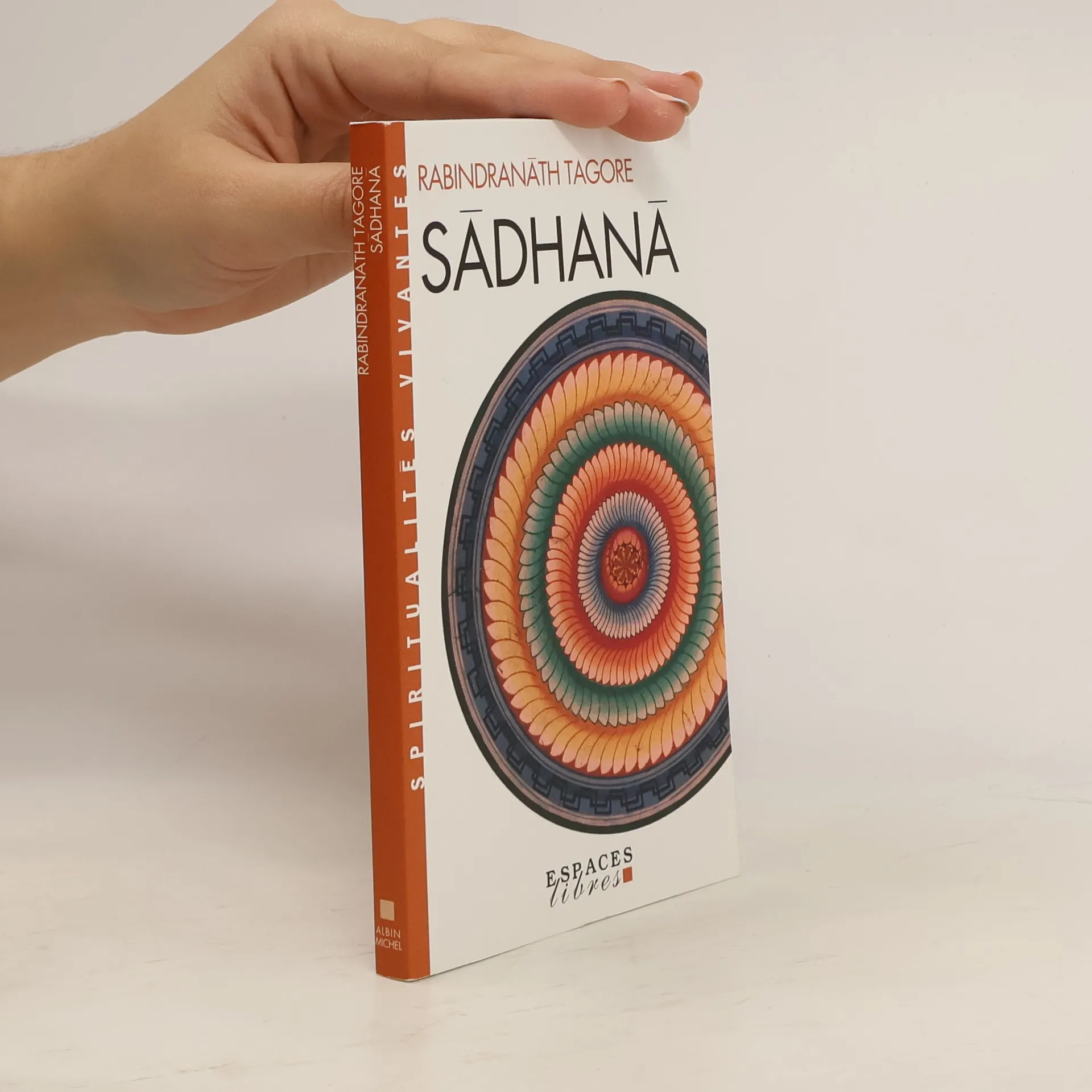
Spiritualités Vivantes: Sâdhanâ
- 192pages
- 7 heures de lecture


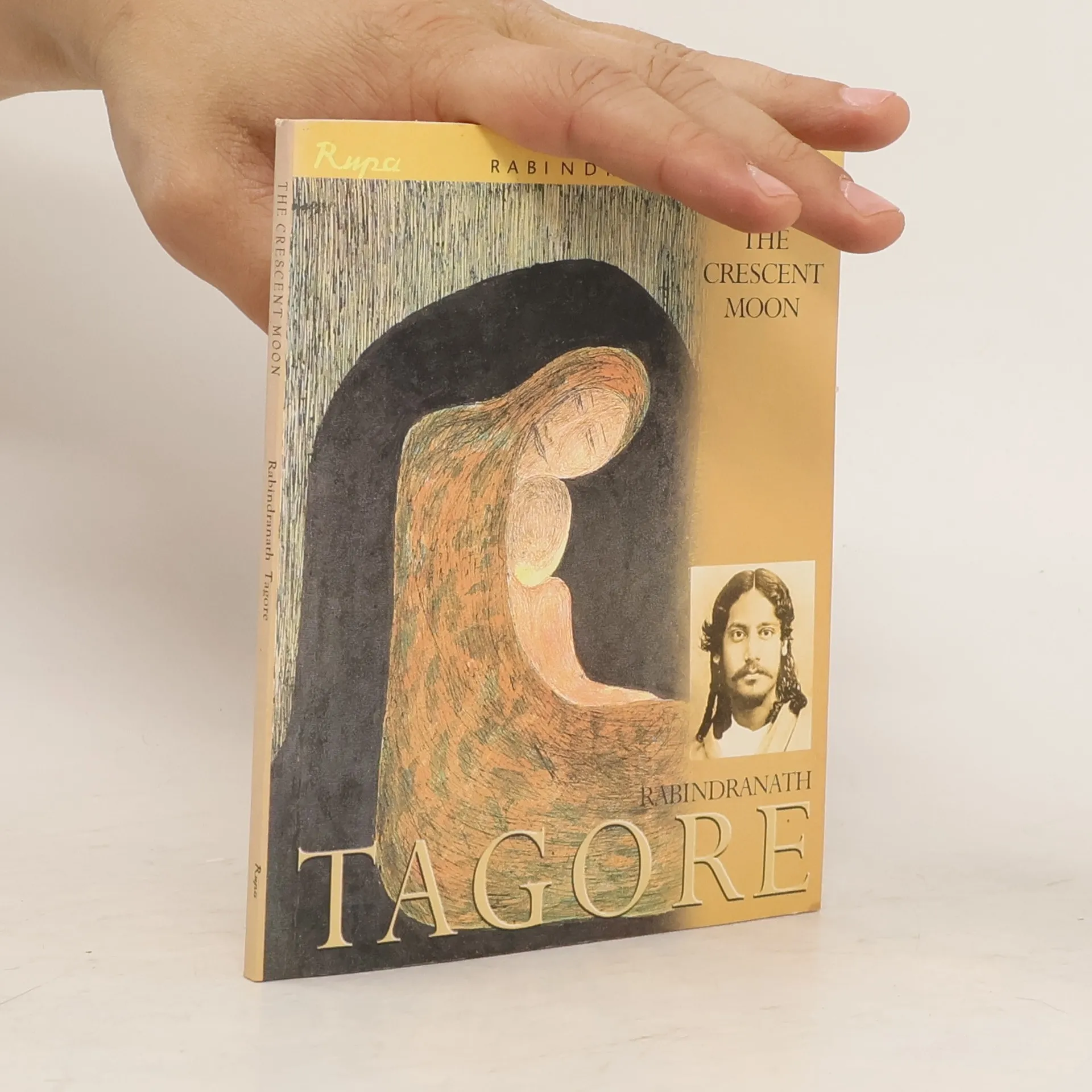
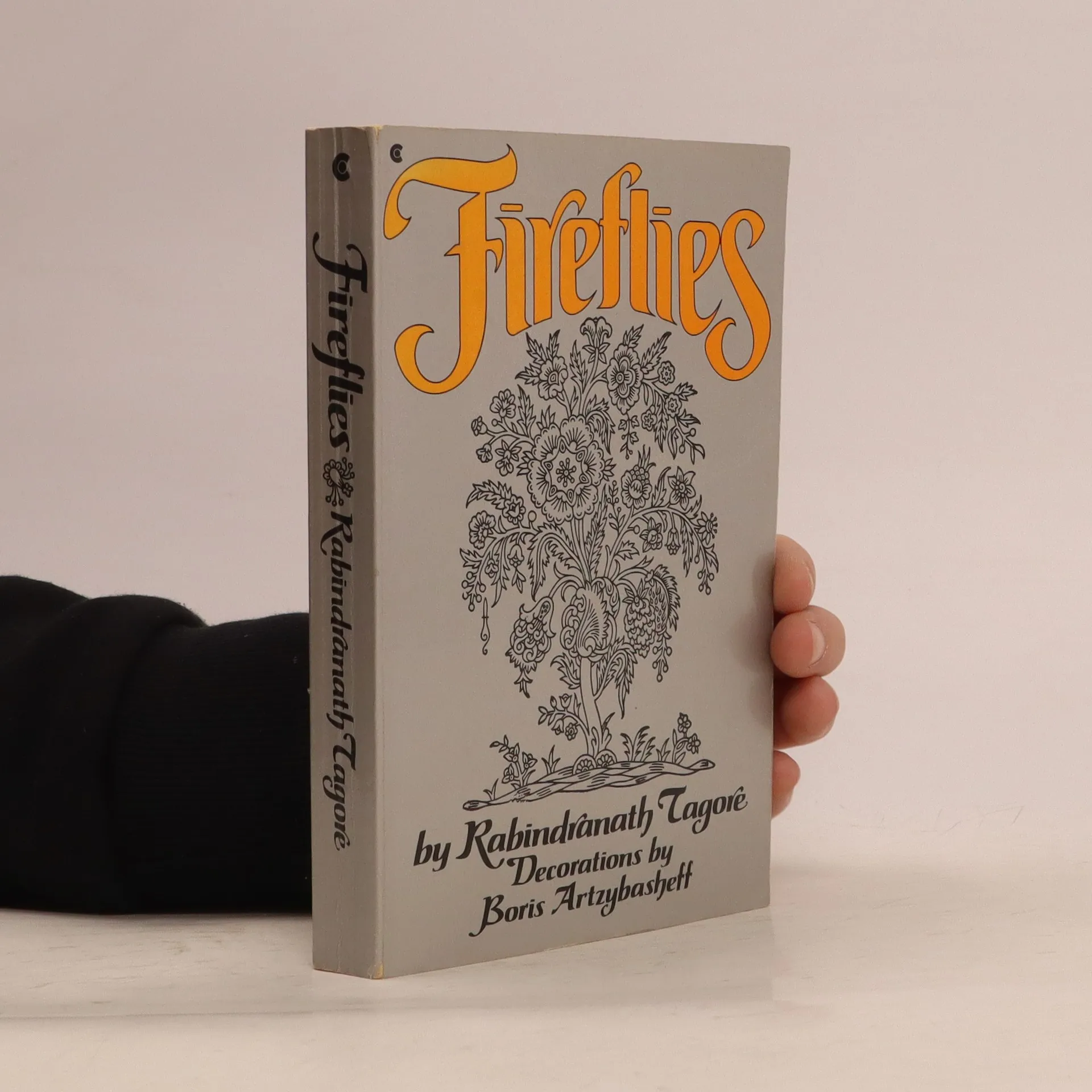
Fireflies, or brief poems, originated in China and Japan and were often written on pieces of silk. Fireflies is a collection of proverbs, aphorisms and maxims. Each firefly, rarely more than a sentence long, represents a luminous thought on love, life, beauty or God. Each page of this book contains a decorative design by Boris Artzybasheff with the short two to three line maxim of Tagore's beneath. Each page is a work of art printed in two colors.
12 Short Stories by Tagore 1. Kabuliwala 2. The Parrot's Training 3. The Rat's Feast 4. Atonement 5. The Nuisance 6. Wish Fulfilment 7. The Runaway 8. Shiburam 9. The Scientist 10. The Invention of Shoes 11. A 'Good' Man 12. Return of the Little Master
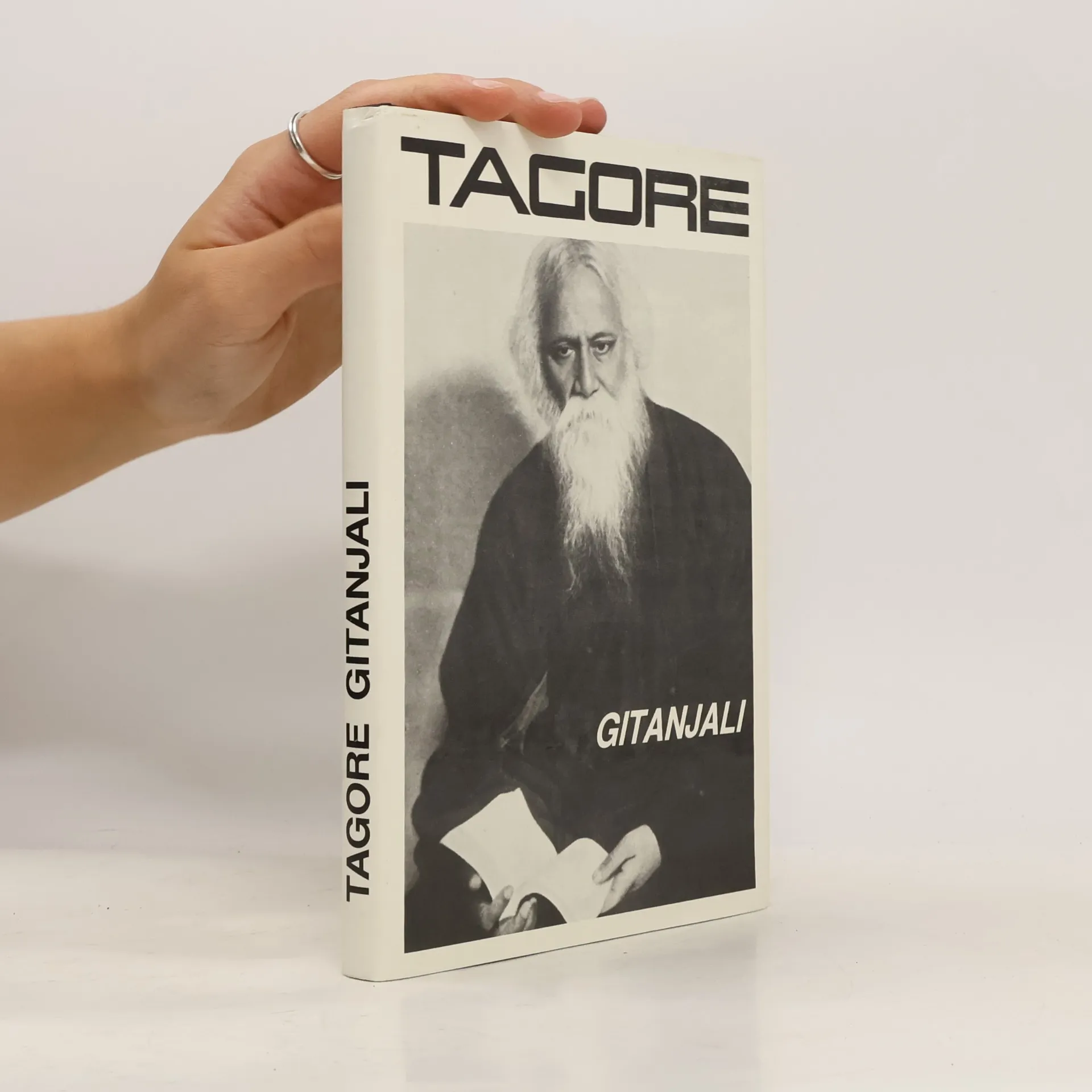
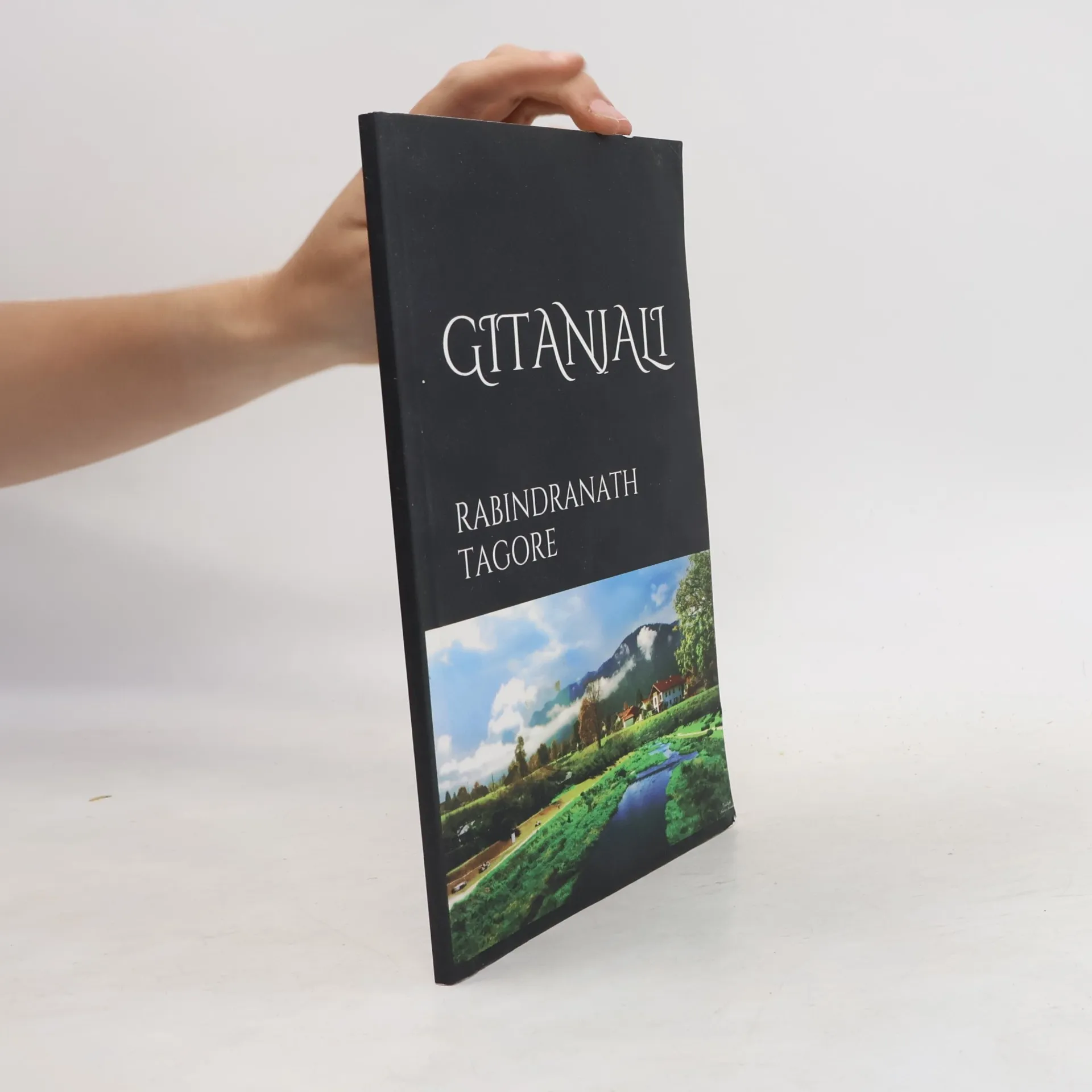
The Bengali poet Rabindranath Tagore (1861-1941) received the Nobel Prize for Literature in 1913 primarily for Gitanjali, parts of which he had rendered into the lucid, grave English prose of prayer. This title emulates the grandeur and lightness of movement of these wonderful song-poems. schovat popis
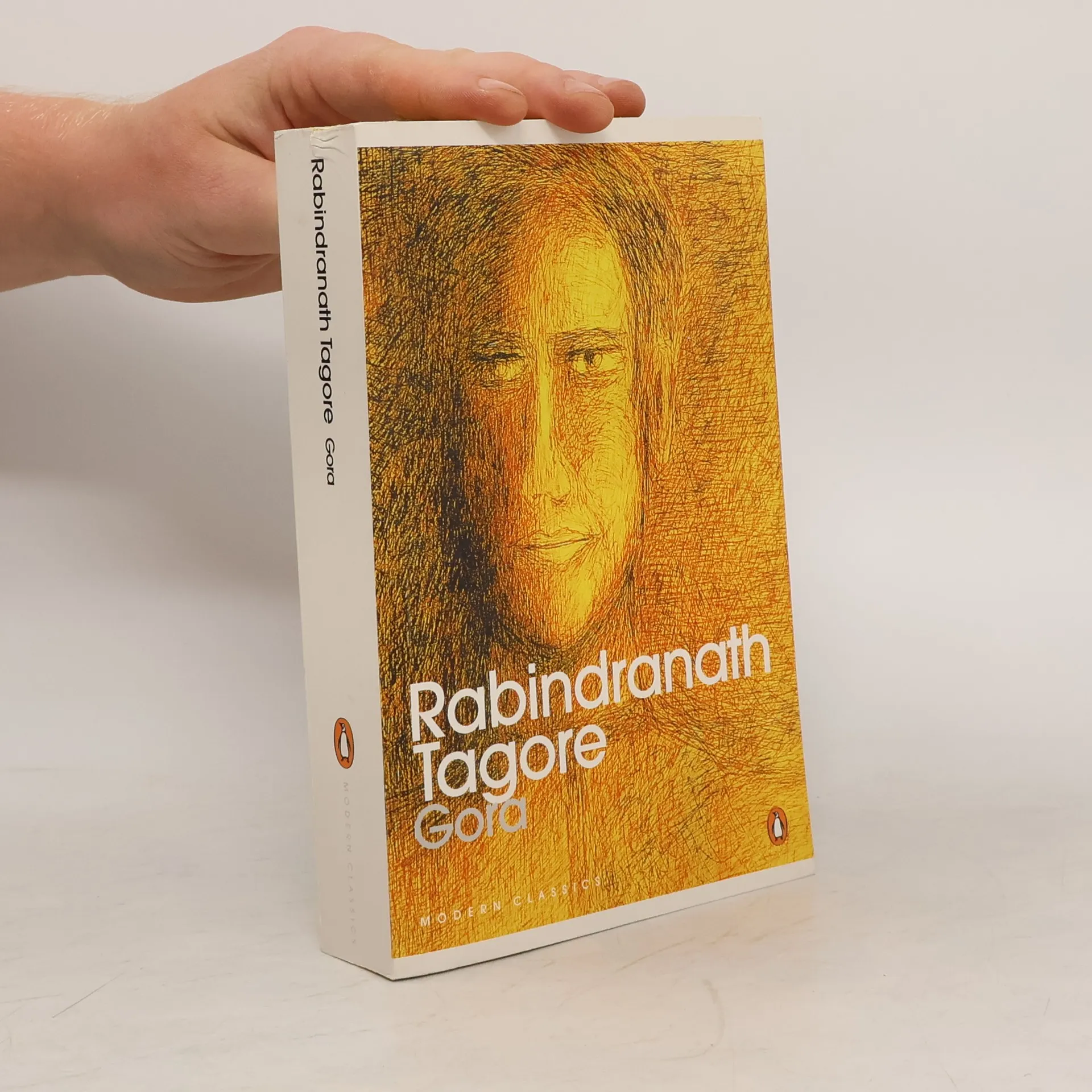
Nobel Prize-Winning Author Rabindranath Tagore&Rsquo;S Most Ambitious Work Gora Unfolds Against The Vast, Dynamic Backdrop Of Bengal Under British Rule, A Divided Society Struggling To Envisage An Emerging Nation. It Is An Epic Saga Of India&Rsquo;S Nationalist Awakening, Viewed Through The Eyes Of One Young Man, An Orthodox Hindu Who Defines Himself Against The British Colonialist Culture And Finds Himself Approaching His Nationalist Identity Through The Prism Of Organized Religion. First Published In 1907, Gora Questions The Dogmas And Presuppositions Inherent In Nationalist Thought Like Few Books Have Dared To Do. This New, Lucid And Vibrant Translation Brings The Complete And Unabridged Text Of The Classic To A New Generation Of Readers, Underlining Its Contemporary Relevance.
Stray Birds (1916) is a collection of poems by Rabindranath Tagore. Translated into English by Tagore after he received the 1913 Nobel Prize in Literature, Stray Birds is a powerful collection of short poems by a master of Indian literature. "Stray birds of summer come to my window to sing and fly away. And yellow leaves of autumn, which have no songs, flutter and fall there with a sigh." The poems of Stray Birds are a masterclass in clarity and concision. Like birds themselves, they flutter across the sky of the page before passing beyond the limit of sight. In prayer, in celebration, and in evocations of the natural world, Tagore comes as close to the truth as possible, catching a glimpse before it can fly away forever: "Let me live truly, my Lord, so that death to me become true." In plainspoken language, Tagore gives voice to the soul. With a beautifully designed cover and professionally typeset manuscript, this edition of Rabindranath Tagore's Stray Birds is a classic of Indian literature reimagined for modern readers.
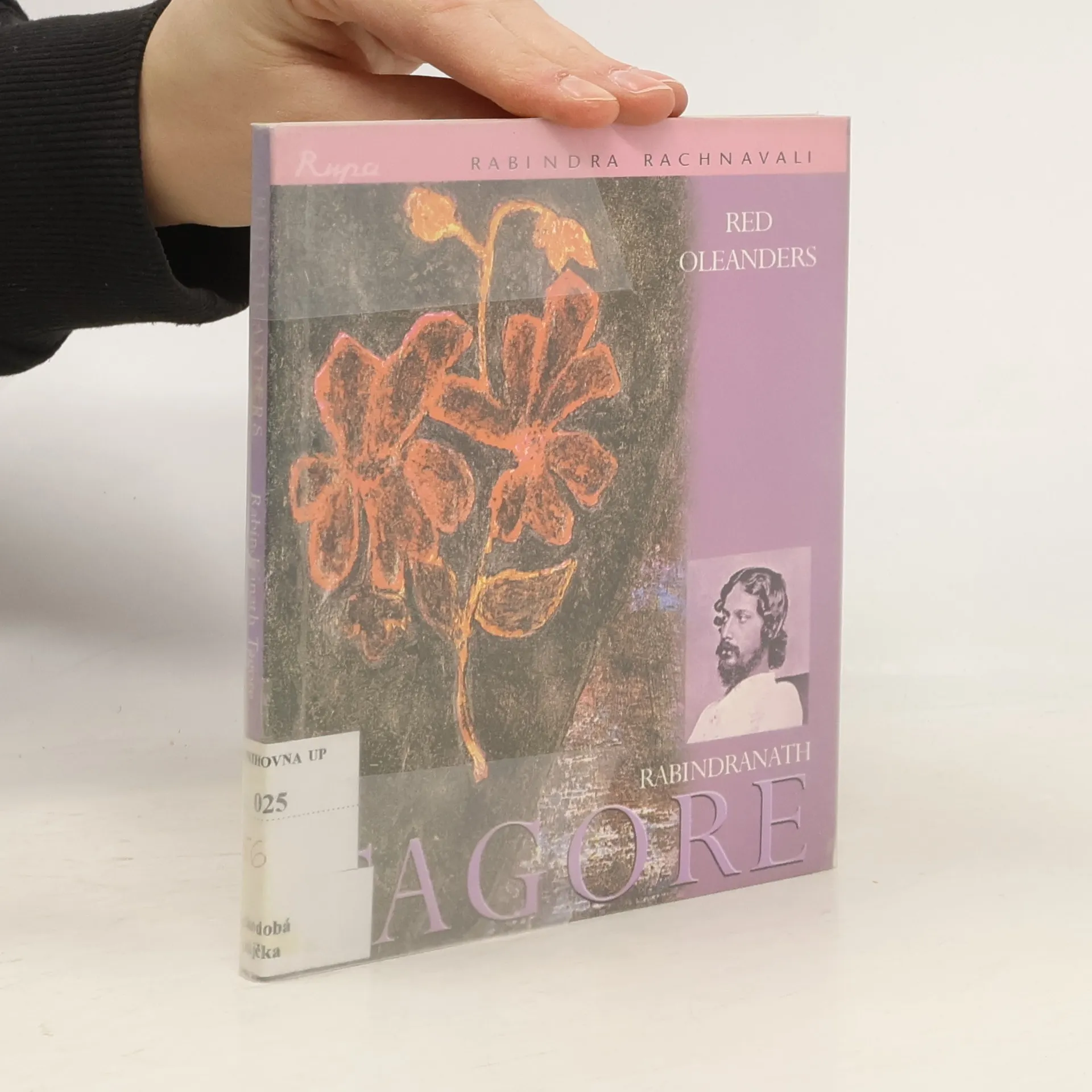
Red Oleanders, a powerful and moving play, is the story of Nandini, a girl who recognises no social barriers and taboos and who disregards them in her search for happiness. Nandini is one of those individuals who bring out the best in human nature. Entering a town where men are enslaved to mine gold, she makes them aware of their bondage and creates in them a desire to be free. Her symbol, the red oleander, can be variously interpreted as frailty or as the red badge of courage. But Nandini escapes being defined as just a symbol. The tremendous verve with which Tagore invests her, makes her a real living personality, and her death is actually a rebirth for the gold diggers. - from the back cover
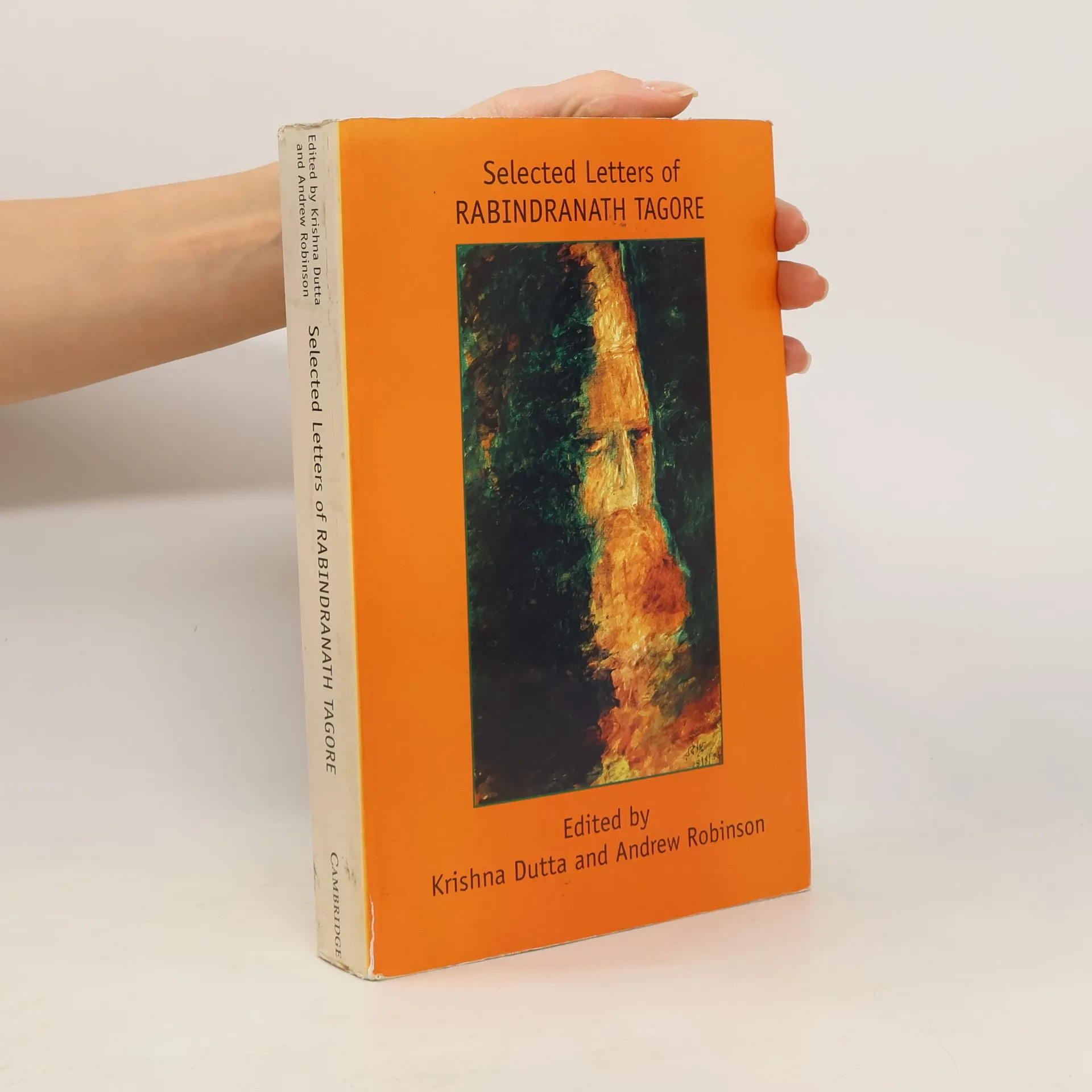
Interest in the life and work of the Nobel-Prize-winning writer, Rabindranath Tagore, is now enjoying a revival after many years of neglect outside India. This selection of some 350 letters spanning Tagore's entire life is the first to be available to English readers. The letters are intended to show as many facets of his experience, interests and ideas as possible, and will be a valuable source of information, not only for the understanding of the complexity of Tagore's personality, but also of the times in which he lived.
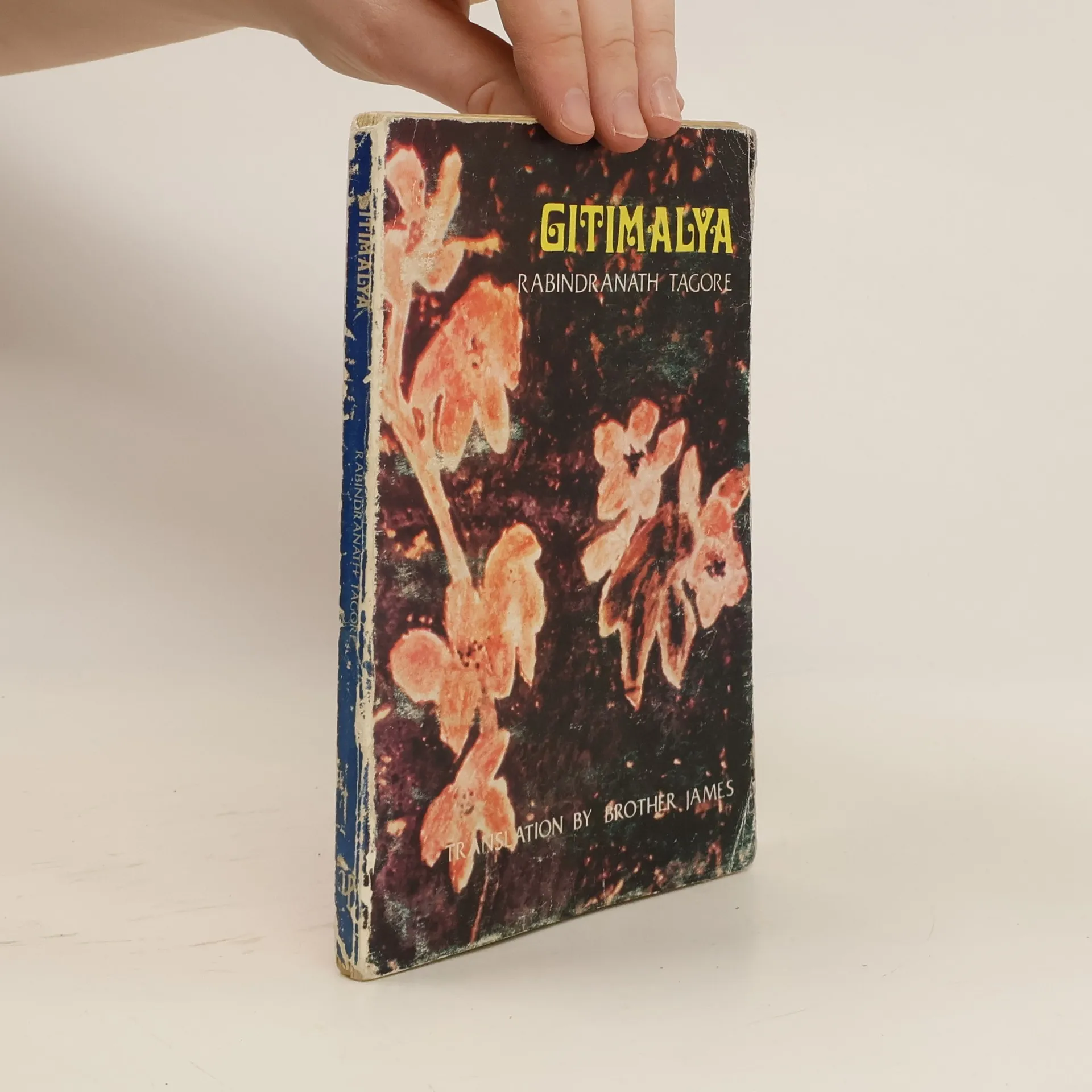
What drew Coleman Barks to bring his genius to the Gitangili of Rabindranath Tagore? Speaking of these “Song Offerings,” Barks, known and loved for his exquisite transmissions of Rumi, opens us up to the heart of the Indian mystic, Tagore, whose writings have touched poets throughout the world, among them W.B. Yeats, Hart Crane, Robert Frost, and Ezra Pound. In his introduction, Coleman Barks explains what inspired him to recreate the 1913 English translation. “I am trying to rephrase his insights in language that does not cloud their brilliance. Tagore’s mysticism feels very simple and abundant (Yeat’s adjective for it), like Wordsworth’s like Whitman’s … It is into that more current idiom that I am trying to place in Tagore’s songs.”
The author presents a personal exploration of the Upanishads, emphasizing a lived experience rather than a scholarly analysis. Raised in a family that incorporates these ancient texts into daily worship, the writer reflects on the profound spiritual connection exemplified by his father, who balanced devotion to God with worldly responsibilities. This collection aims to bridge the gap for Western readers, offering insights into the enduring spirit of India as expressed in its sacred literature and contemporary life.
This collection features a curated selection of the most significant works by the esteemed Bard of Bengal, showcasing his diverse literary contributions including poems, songs, stories, essays, novellas, and novels. As the first non-European Nobel Prize laureate in Literature, his writings reflect rich cultural themes and profound human insights, making this volume a comprehensive tribute to his enduring legacy in world literature.
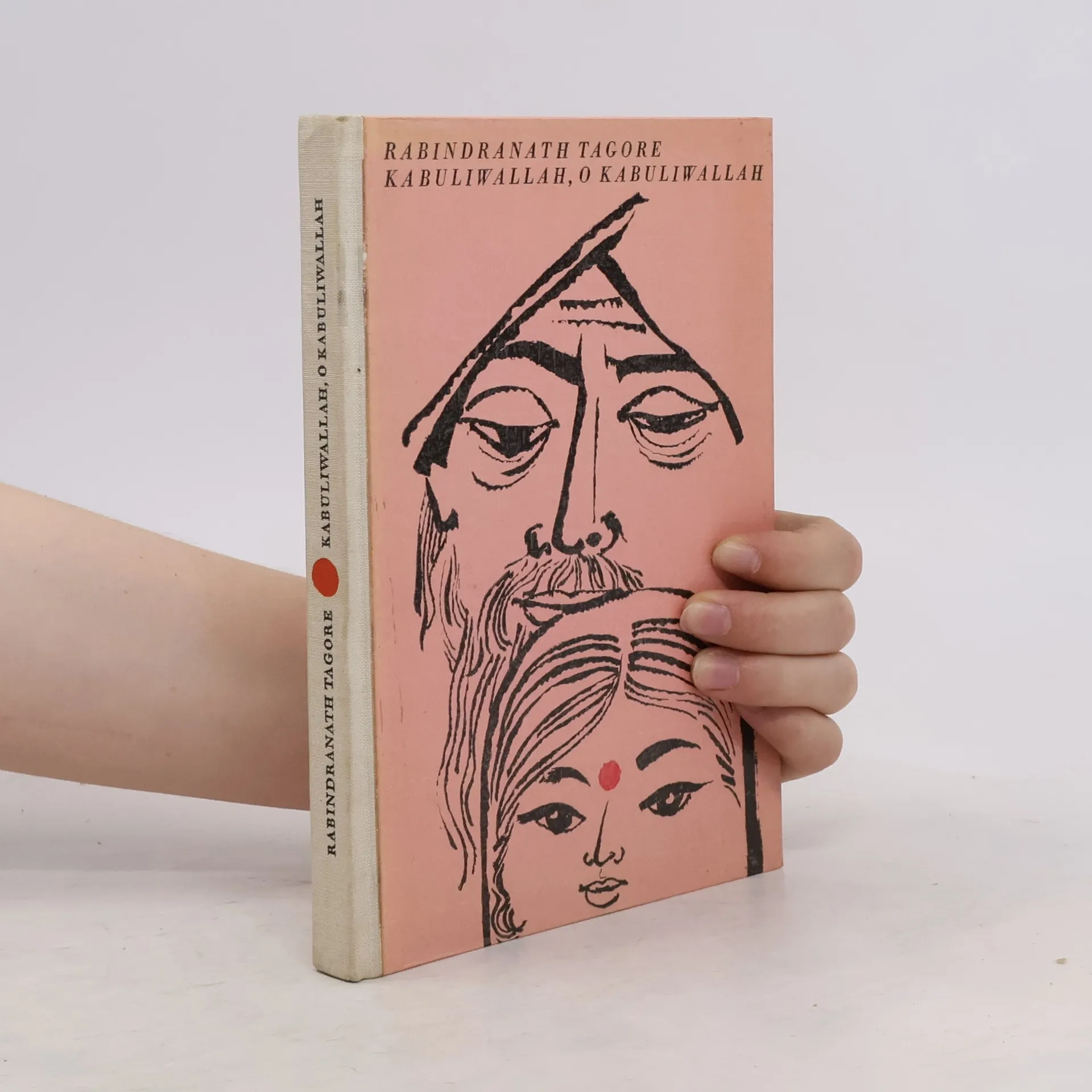
Focusing on social realism and traditionalism, this collection of short stories showcases Tagore's literary brilliance through themes of universality and the supernatural. Notable tales like "The Postmaster" and "The Cabuliwallah" highlight the struggles faced by women and girls in traditional Indian society. With its rich blend of ideologies and fantasies, this anthology promises to engage readers of all ages, offering a profound insight into human experiences and relationships.
Renowned for his profound and beautiful verse, Rabindranath Tagore was a pivotal figure in reshaping Bengali literature, music, and Indian art during the late 19th and early 20th centuries. His acclaimed work, Gitanjali, earned him the distinction of being the first non-European Nobel Prize laureate in Literature in 1913. While his poetic songs are celebrated for their spiritual quality, much of his elegant prose and enchanting poetry remains underappreciated beyond Bengal, earning him the title "the Bard of Bengal."
Set against the backdrop of early 20th-century Bengal, this novel explores the conflict between traditional Hindu values and British colonial influence. The protagonist, a young man, uses organized religion as a means to resist colonial culture. Tagore's nuanced portrayal of societal tensions between the old and the new is both captivating and thought-provoking, showcasing his signature gentle style. This authentic English translation of a classic work is essential for those seeking to engage with profound themes in Bangla literature.
The story follows a young boy yearning for freedom and adventure, longing to break away from the constraints of societal expectations and the comfort of familiar routines. His journey symbolizes a quest for liberation, challenging the rigid opinions imposed by those around him. Through this narrative, themes of individuality and the desire for exploration are poignantly explored.
These poems by Tagore written primarily to entertain the children moved many contemporary writers. The beauty and simplicity of these poems translated from the Bengali collection of poems Sishu (1903) are very moving. The Globe in its review (1913) described it as 'a revelation more profound and more subtle than that in the Gitanjali.'
Exploring the duality of human nature, the book reflects on mankind's capacity for both destruction and creation. It delves into the complexities of the human soul, emphasizing the profound understanding that elevates humanity beyond mere survival. Through the lens of Tagore's philosophy, it invites readers to contemplate the deeper meanings of existence, creativity, and moral responsibility, ultimately celebrating the potential for greatness that lies within each individual.
Set in a future where thoughts can be extracted and stored, this novel explores the ethical dilemmas and societal implications of such technology. The protagonist, a skilled extractor, grapples with personal and professional challenges as they uncover dark secrets tied to the minds of others. Themes of identity, memory, and the essence of consciousness intertwine, creating a gripping narrative that questions the boundaries of human experience and the morality of manipulating thoughts.
Combining two classic texts by Rabindranath Tagore, this special edition features a new Introduction by eminent scholar Sugata Bose.Nationalism is based on Tagore's lectures, warning the world of the disasters of narrow sectarianism and xenophobia. Home and the World is a classic novel, exploring the ever-relevant themes of nationalism, violent revolution, and women's emancipation.
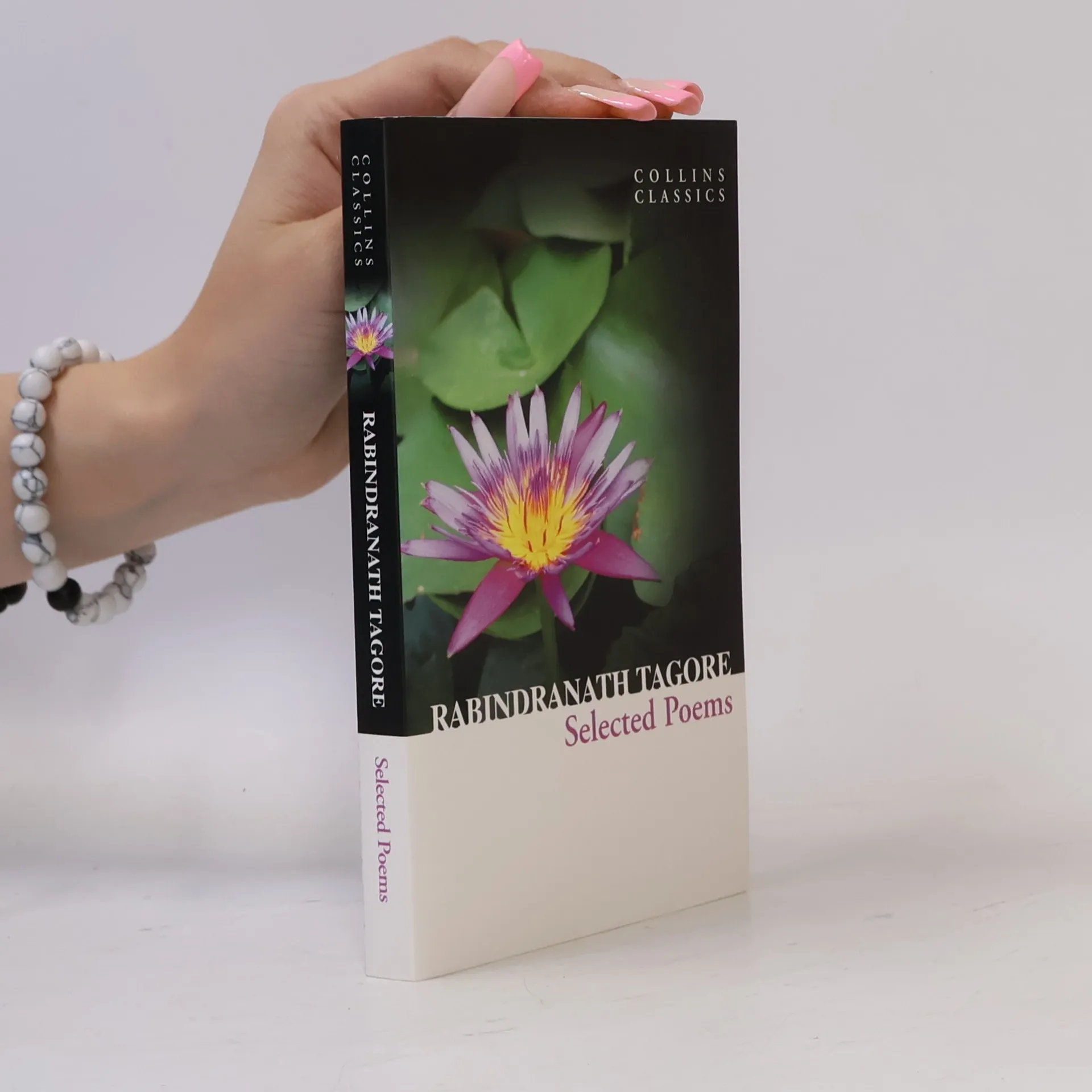
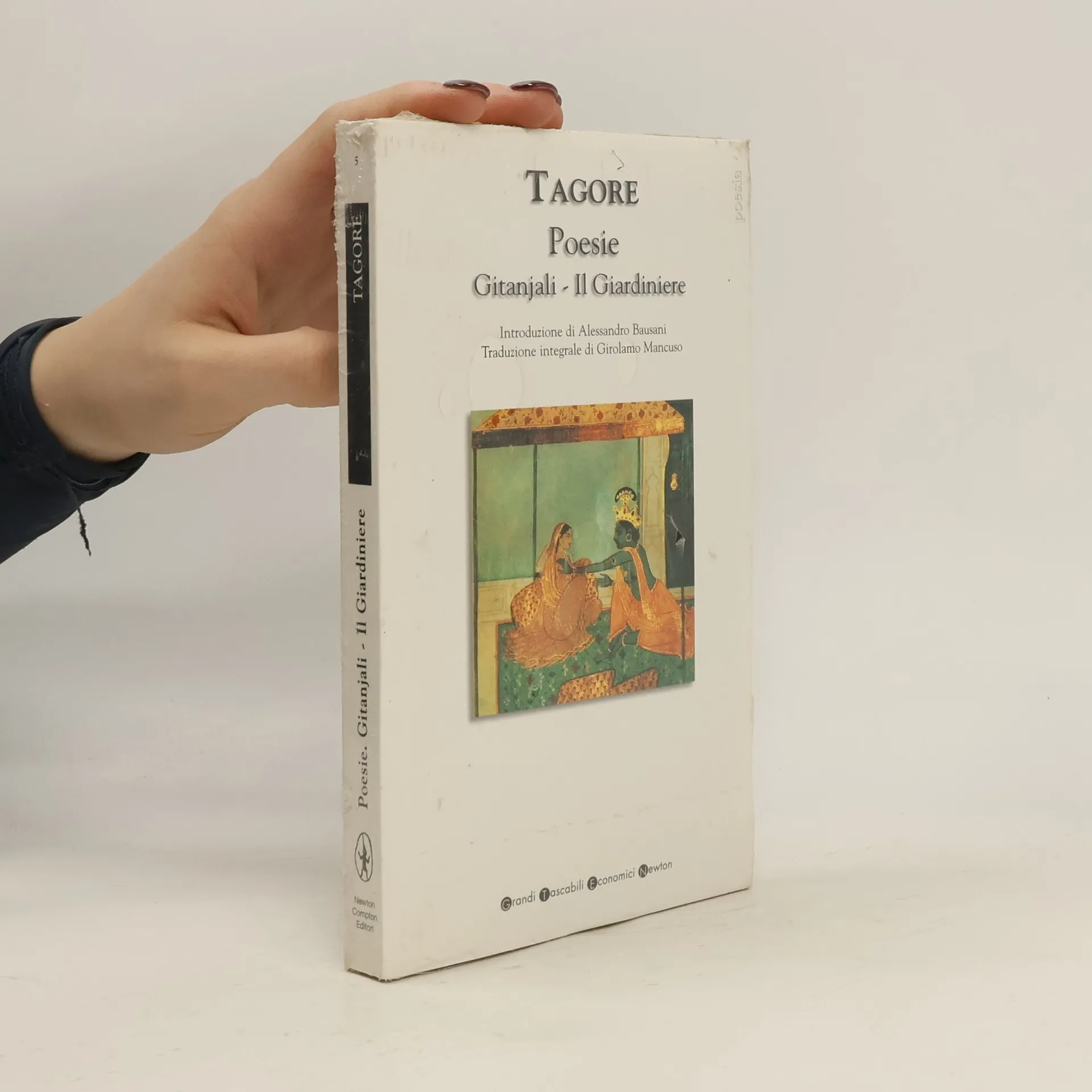
Rabindranath Tagore (1861-1941) is regarded as the most significant poet of modern India, with writings that have inspired countless readers. This collection features 102 poems that delve into life's mysteries, celebrating love, nature, and the inevitability of death. Each piece serves as a heartfelt affirmation of the divine amidst joy and sorrow, reflecting Tagore's "simple prayers of common life." Born into a wealthy family in Calcutta during British colonial rule, Tagore emerged as a distinguished writer, educator, playwright, composer, social reformer, and philosopher. He received the Nobel Prize for Literature in 1913, becoming the first non-European laureate. Alongside Mahatma Gandhi, he is recognized as a leading intellectual and spiritual advocate for India's liberation from imperialism. This expanded edition, originally compiled by Rev. Herbert Vetter, includes 25 additional poems and a foreword by Tagore scholar Bashabi Fraser, who highlights the profound wisdom and enduring significance of Tagore's work. It also features a moving preface by Nobel Peace Prize recipient Albert Schweitzer. Like the Psalms of David, these prayers transcend time, speaking directly to the human heart.
Poet, novelist, painter and musician, Rabindranath Tagore (1861-1941) is the grand master of Bengali culture. Written during the 1890s, the stories in this collection recreate vivid images of Bengali life and landscapes in their depiction of peasantry and gentry, casteism, corrupt officaldom and dehumanizing poverty.
Nobel Laureates' lectures given at Oxford toward the end of his life, edited by Tagore himself
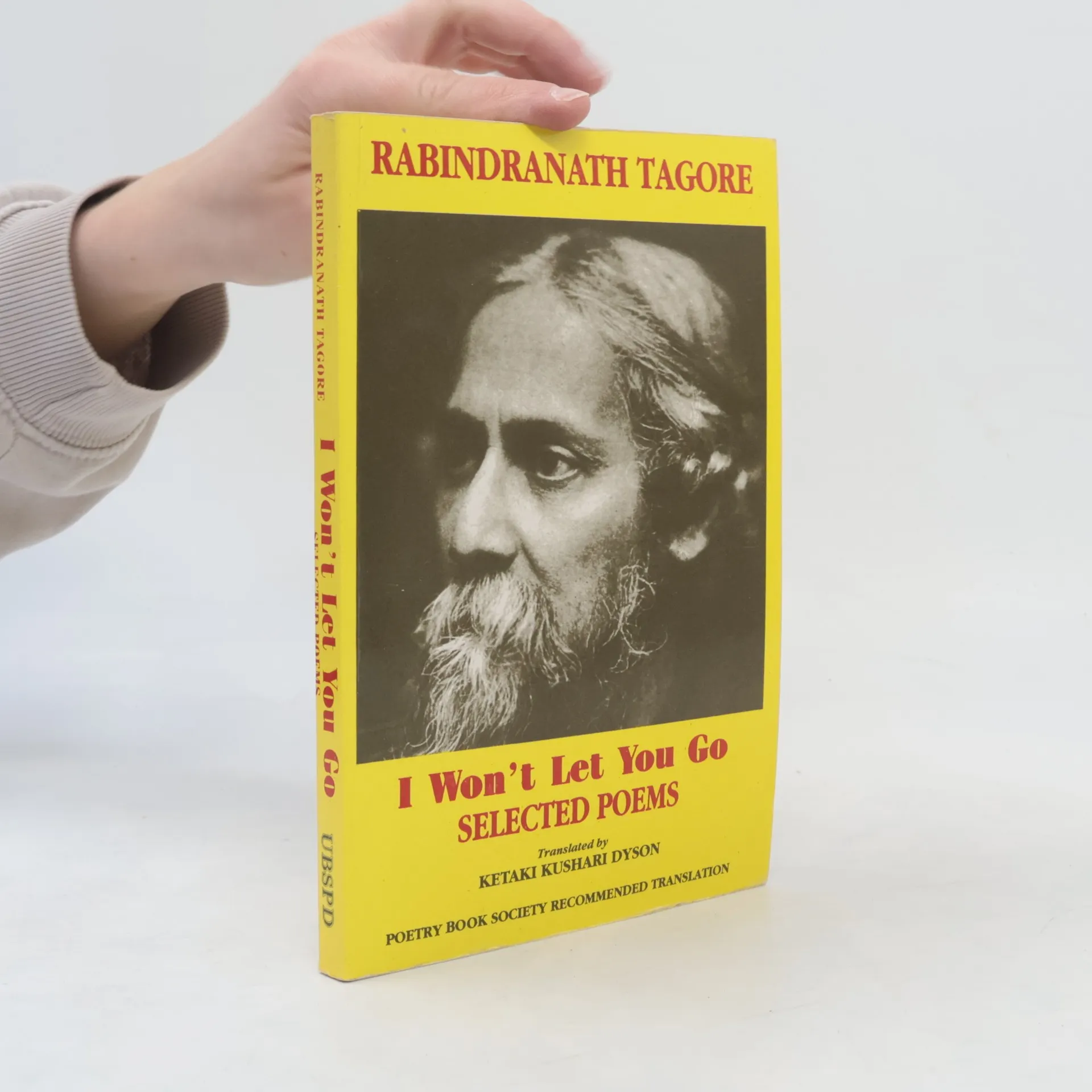
This book, the fourth in the Oxford Tagore Translations series, brings together new translations of nearly 150 poems by Rabindranath Tagore, many of them translated for the first time. The poems cover the entire span of his life, and illustrate his work in many different poetic genres and forms.
The work showcases Tagore's exceptional lyrical talent and deep understanding of the human soul. His artistry captures profound emotions and explores the complexities of human experience, making his insights both timeless and relatable. Through evocative language and rich imagery, readers are invited to reflect on their own lives and the universal themes of love, loss, and the search for meaning.
Darkly you sweep on, Eternal Fugitive, round whose bodiless rush stagnant space frets into eddying bubbles of light. Is your heart lost to the Lover calling you across his immeasurable loneliness? Is the aching urgency of your haste the sole reason why your tangled tresses break into stormy riot and pearls of fire roll along your path as from a broken necklace? Your fleeting steps kiss the dust of this world into sweetness, sweeping aside all waste; the storm centred with your dancing limbs shakes the sacred shower of death over life and freshens her growth.
This play was first published in 1914. It was translated by Kshitish Chandra sen and revised by Tagore. The play is an allegory of man's spiritual adventure.
Discusses the resurgence of the East and the challenge it poses to Western supremacy, calling for a future beyond nationalism, based instead on cooperation and racial tolerance.
The poet expresses deep longing and affection for his beloved, inviting her to stroll through his garden filled with vibrant flowers. His verses convey a sense of yearning and emotional intimacy, highlighting the sweetness of love akin to restful sleep. The relationship is marked by both desire and the playful acknowledgment of petulance, illustrating the complexities of love and connection between the lover and his beloved.
Exploring themes of love, loss, and spirituality, this collection features Rabindranath Tagore's lyrical storytelling. "The Hungry Stones" tells the haunting tale of a young man's obsession with a mysterious palace, while "The Cabuliwallah" heartwarmingly depicts a father-daughter bond. Deeply rooted in Indian culture, these stories resonate with universal human experiences, showcasing Tagore's profound insights and emotional depth. This timeless classic captivates readers and highlights the richness of India's literary heritage.
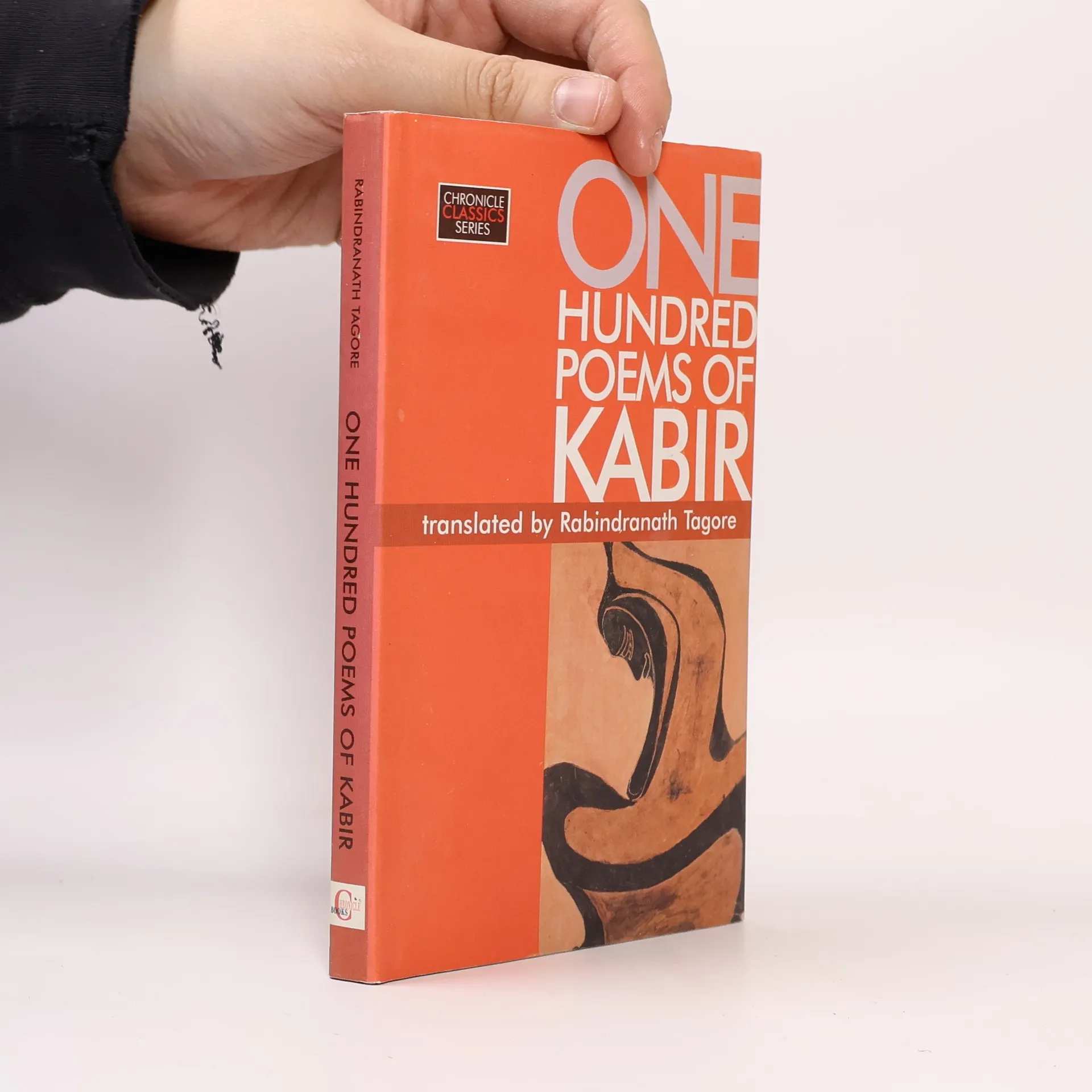
A New York Review Books Original Transcending divisions of creed, challenging social distinctions of all sorts, and celebrating individual unity with the divine, the poetry of Kabir is one of passion and paradox, of mind-bending riddles and exultant riffs. These new translations by Arvind Krishna Mehrotra, one of India’s finest contemporary poets, bring out the richness, wit, and power of a literary and spiritual master.
Renowned for reshaping Bengali literature and music, this influential figure was a poet, writer, composer, philosopher, and painter. His work, particularly the acclaimed Gitanjali, features deeply sensitive and beautiful verse, earning him the Nobel Prize in Literature in 1913 as the first non-European laureate. While his poetic songs are celebrated for their spiritual depth, his elegant prose and magical poetry remain lesser-known beyond Bengal. Often called "the Bard of Bengal," he played a pivotal role in the emergence of Contextual Modernism in Indian art.
Exploring the lives of Bimala, her husband Nikhil, and the political activist Sandip, the narrative delves into the complexities of personal relationships against the backdrop of political upheaval. Through their intertwined perspectives, the story reflects on themes of nationalism and identity, foreshadowing the eventual separation of India and Pakistan in 1947. Tagore's work intricately weaves individual struggles with broader societal changes, highlighting the emotional and ideological conflicts of the time.
The Waterfall (Muktadhara, 1922) is considered by many as one of the finest plays written by Tagore. In his own words it is a 'representation of a concrete psychology'. Abhijit, one of the principal characters, after a revelation of his castaway status, develops a belief that he has a spiritual relationship with the waterfall beside whose mouth he was discovered.
Passion and politics intertwine in Char Adhyay (1934), Rabindranath Tagore's last and perhaps most controversial novel, set in the context of the freedom struggle in pre-Independent India. Ela, a young working woman, comes under the spell of Indranath, a charismatic political activist who advocates the path of terror. She joins his band of underground rebels, vowing never to marry, and to devote her life to the nation's cause. But through her relationship with Atindra, a poet and romantic who grows disenchanted after joining the group, Ela realizes the hollowness of Indranath's machinations. The lovers now face a terrible choice. This new translation of Char Adhyay brings Tagore's text to life in contemporary idiom, while evoking the charged atmosphere of the story's historical setting.
“Love does not claim possession, but gives freedom.” A compilation of the Nobel laureates literary masterpieces, this edition contains the English translations of his Five classic short stories namely "Subha", "The Postmaster", "The Castaway", "The Son Of Rashmani" & "The Babus Of Nayanjore".Richly wrapped in vivacity and spontaneity, Selected Short Stories of Rabindranath Tagore presents the readers with varied aspects of Tagore’s writing. This book stores a casket of experiences and pleasing tales for all the readers to explore!
This collection of literature attempts to compile many of the classic works that have stood the test of time and offer them at a reduced, affordable price, in an attractive volume so that everyone can enjoy them.
Tagore's experiences with drama began very early, when he was sixteen. In the beginning, his plays included intricate subplots and extended monologues. Later, Tagore's dramas used more philosophical and allegorical themes. Table of Contents: - The Post Office - Chitra - The Cycle of Spring - The King of the Dark Chamber - Sanyasi, or the Ascetic - Malini - Sacrifice - The King and the Queen - My Reminiscences - Autobiography
An Enlightening Exploration of Spiritual Awakening and Self-Realization
Exploring themes of self-realization and spiritual enlightenment, this collection of essays by Nobel laureate Rabindranath Tagore offers profound insights into inner growth. Drawing from Vedantic and Upanishadic teachings, it invites readers on a journey to understand the essence of human existence, making it a significant work in spiritual literature.
This collection showcases the author's poetic exploration of life, nature, and human emotions through the lens of Bengali culture. Each poem reflects a deep connection to the natural world, revealing insights into personal and collective experiences. The translation retains the lyrical beauty of the original language, making it accessible to a wider audience. Themes of love, loss, and the passage of time resonate throughout, inviting readers to reflect on their own lives while appreciating the richness of Bengali literature.
This book is a reproduction of a historical work, published by Megali, a company dedicated to making literature accessible for individuals with impaired vision through large print editions. The focus on accessibility highlights the commitment to inclusivity in reading, ensuring that important historical texts can be enjoyed by a wider audience.
The book showcases Rabindrasangit, the distinctive music of Tagore, making it accessible to a global audience. It features a clear introduction by Ananda Lal, providing context and insights, alongside selected songs presented in international transcription and English translation, allowing readers to appreciate the beauty and depth of Tagore's musical heritage.
Rabindranath Tagore's essays delve into spirituality, introspection, and the human condition, emphasizing the importance of spiritual practice for understanding one's true nature. He articulates the interconnectedness of all living things and posits that realizing a higher awareness and recognizing the divine within is life's ultimate goal. The essays cover themes such as labor, knowledge, nature's beauty, and art's significance, encouraging readers to reflect on profound questions and explore their spiritual journeys. This collection offers deep insights into Tagore's philosophical beliefs and the path to self-realization.
This book is a reproduction of an original historical work, presented in large print format to enhance accessibility for readers with impaired vision. Published by Megali, a company dedicated to making historical texts more readable, it aims to ensure that important works remain available to a wider audience.
SELECTED FROM THE LETTERS OF SIR RABINDRANATH TAGORE 1885 TO 1895
A prominent figure in Bengali literature and art, Rabindranath Tagore was a versatile polymath known for his profound poetry and innovative compositions. His notable work, Gitanjali, showcases his sensitive and beautiful verse, earning him the distinction of being the first non-European Nobel Prize laureate in Literature in 1913. While his poetic songs are celebrated for their spiritual depth, his elegant prose and enchanting poetry remain lesser-known beyond Bengal, highlighting his significant yet underappreciated impact on global literature.
Exploring the themes of nature, leadership, and art, this play unfolds in a vibrant spring setting where the joyous populace contrasts with the King's despair over aging. As he grapples with his image and pressing issues like famine, the court Poet is summoned to revitalize the King's spirit through a symbolic performance. This work, translated by Tagore himself after winning the Nobel Prize, reflects on the interplay between personal and communal renewal, making it a timeless classic of Indian literature.
Translated From Bengali To English By Surendranath Tagore
Set against the backdrop of early 20th-century India, this novel explores the clash between tradition and modernity through the lives of its characters. The story revolves around a love triangle involving a young woman, her husband, and a charismatic revolutionary. Themes of nationalism, personal freedom, and the role of women in society are intricately woven into the narrative. Surendranath Tagore's translation captures the essence of Rabindranath Tagore's original work, highlighting the complexities of human relationships and societal change.
in large print
Focusing on accessibility, this publication features a large print reproduction of a historical work, aimed at enhancing readability for individuals with impaired vision. Megali, the publishing house behind this initiative, specializes in making historical texts more accessible to a broader audience, ensuring that important works are available to those who may struggle with standard print sizes.
Exploring the theme of nationalism, this collection of essays by Rabindranath Tagore delves into the complexities of national identity and cultural pride. Tagore, a renowned Bengali polymath, reflects on the impact of nationalism on society and individuals. His diverse talents as a poet, playwright, and philosopher shine through, showcasing his deep understanding of social issues. This volume not only highlights his literary prowess but also his significant influence as the first Asian Nobel laureate in Literature, marking a pivotal moment in literary history.
The author immerses himself in the emotional essence of the material, allowing language to shape the rhythm of his prose. By embodying the younger Tagore, he transcends mere recollection of childhood, creating a vivid and authentic experience. This unique approach distinguishes the work, making it a personal exploration rather than a simple narrative. The transformation into a younger version of Tagore highlights a deep connection to the past, enriching the storytelling with a sense of lived experience.
The collection features some of Rabindranath Tagore's most captivating stories, showcasing his unique storytelling style that has endured through the ages. This edition compiles tales from various works, highlighting Tagore's literary genius and his ability to weave profound themes and rich characters into engaging narratives. Readers can expect a diverse array of stories that reflect the depth and beauty of Tagore's writing.
Focusing on accessibility, this book is a reproduction of a historical work presented in large print, catering specifically to individuals with impaired vision. The publishing house Megali is dedicated to enhancing reading experiences through such reproductions, ensuring that important texts remain available to a wider audience.
The book is a reproduction of a historical work, specifically designed in large print for enhanced readability. This initiative by the publishing house Megali aims to assist individuals with impaired vision, ensuring that important texts remain accessible to a broader audience.
Exploring the complexities of human emotions, this collection features sixteen short stories by Sir Rabindranath Tagore, written between 1891 and 1917. The narratives delve into the lives of men and women grappling with the constraints of contemporary Hindu society, showcasing Tagore's deep interest in the human experience. Through his multifaceted characters, he captures the nuances of love, conflict, and societal expectations, reflecting the rich tapestry of life in his time.
This book is a reproduction of a historical work, published by Megali, a company dedicated to making literature accessible to individuals with impaired vision through large print formats. The focus on historical accuracy and readability highlights the importance of inclusivity in literature, ensuring that more readers can engage with classic texts.
Exploring the essence of creativity, Rabindranath Tagore's essays delve into its significance in art, society, and personal growth. He posits that creativity fosters connections among individuals and cultures, promoting understanding and cooperation. Through poetic language, Tagore intertwines Eastern and Western philosophies, emphasizing creativity as a transformative human capacity. Drawing on Indian spiritual traditions, he examines consciousness and the self, offering a profound perspective on how creative expression can unite humanity.
The collection features English translations of Tagore's profound songs, which capture his romantic and spiritual insights. Prof. Bose introduces these works to a global audience, beginning with 'Oceanic Songs', which recounts Tagore's travels and interactions with diverse cultures. The second part showcases a selection of songs across five genres, highlighting the artistic value and emotional depth of Tagore's music. This endeavor aims to transcend language barriers, allowing readers worldwide to appreciate the beauty of Tagore's lyrical compositions.
Exploring the profound relationship between God and humanity, this collection features 86 short poems that intertwine themes of spirituality and morality. Through the imagery of fruits and flowers, Tagore conveys his reverence for the creator and the interconnectedness of the universe. First published in 1916, the poems reflect a deep appreciation for both the divine and the natural world, offering readers a rich tapestry of insights into the human experience.
My Reminiscences (1917) is a memoir by Rabindranath Tagore. Published after Tagore received the 1913 Nobel Prize in Literature, My Reminiscences contains personal reflections on the author's youth, education, and introduction to the art of poetry. Originally published in Bengali, My Reminiscences was written by Tagore in his fiftieth year, as he prepared to embark on a journey around the world. "I know not who paints the pictures on memory's canvas; but whoever he may be, what he is painting are pictures; by which I mean that he is not there with his brush simply to make a faithful copy of all that is happening. He takes in and leaves out according to his taste. [...] In short he is painting pictures, and not writing history." In this collection of memories, Tagore is at his philosophical, poetic best, reflecting earnestly and with ease on matters public and private. Looking back on a life at the center of Indian culture, Tagore moves fluidly and fluently from youth to young adulthood, recalling family, friends, servants, and strangers with clarity and curiosity. Afloat in his houseboat, lying on a rooftop at night, or exploring the outer limits of his mind, Tagore shares his insight with us all. With a beautifully designed cover and professionally typeset manuscript, this edition of Rabindranath Tagore's My Reminiscences is a classic of Indian literature reimagined for modern readers.
Focusing on accessibility, this book is a reproduction of a historical work presented in large print. Megali, the publishing house behind this edition, aims to enhance the reading experience for individuals with impaired vision, ensuring that classic literature remains available to a wider audience.
in large print
The book is a reproduction of a historical work, presented in large print to enhance accessibility for individuals with impaired vision. Published by Megali, a house dedicated to making historical texts more readable, it aims to preserve the original content while catering to the needs of readers who benefit from larger text.
Excerpt from Glimpses of Bengal: Selected From the Letters of Sir Rabindranath Tagore, 1885 to 1895:It so happened that selected extracts from a large number of such letters found their way back to me years after they had been written. It had been rightly conjectured that they would delight me by bringing to mind the memory of days when, under the shelter of obscurity, I enjoyed the greatest freedom my life has ever known.
Exploring profound spiritual questions, this work by Rabindranath Tagore delves into the purpose of creation, the existence of evil, and the significance of beauty. Through reflections on nature and daily meditation, Tagore emphasizes the interconnectedness of life and the divine energy that uplifts us. He enriches his insights with Sanskrit verses from the Upanishads and teachings from Buddhism, offering deep wisdom that invites readers to ponder each sentence thoughtfully. The book promises a journey of joy and enlightenment.
The Spirit of Japan (1916) is a speech by Rabindranath Tagore. Published after he received the 1913 Nobel Prize in Literature, The Spirit of Japan is a powerful lecture on Japanese culture in relation to the modernizing forces of the West. Delivered at the Keio Gijuku University in Tokyo, The Spirit of Japan is a testament to Tagore's gifts as an artist and intellectual. "True modernism is freedom of mind, not slavery of taste. It is independence of thought and action, not tutelage under European schoolmasters. It is science, but not its wrong application in life, -a mere imitation of our science teachers who reduce it into a superstition absurdly invoking its aid for all impossible purposes." Invigorated by a tour of Japan, Rabindranath Tagore reflects on a culture which, to his mind, has "realized nature's secrets, not by methods of analytical knowledge, but by sympathy." Before he returns to his native country, he makes sure to warn the gathering of Japanese students who have come to hear him speak of the dangers of modernization and the encroachment of European values. With a beautifully designed cover and professionally typeset manuscript, this edition of Rabindranath Tagore's The Spirit of Japan is a classic of Indian literature reimagined for modern readers.
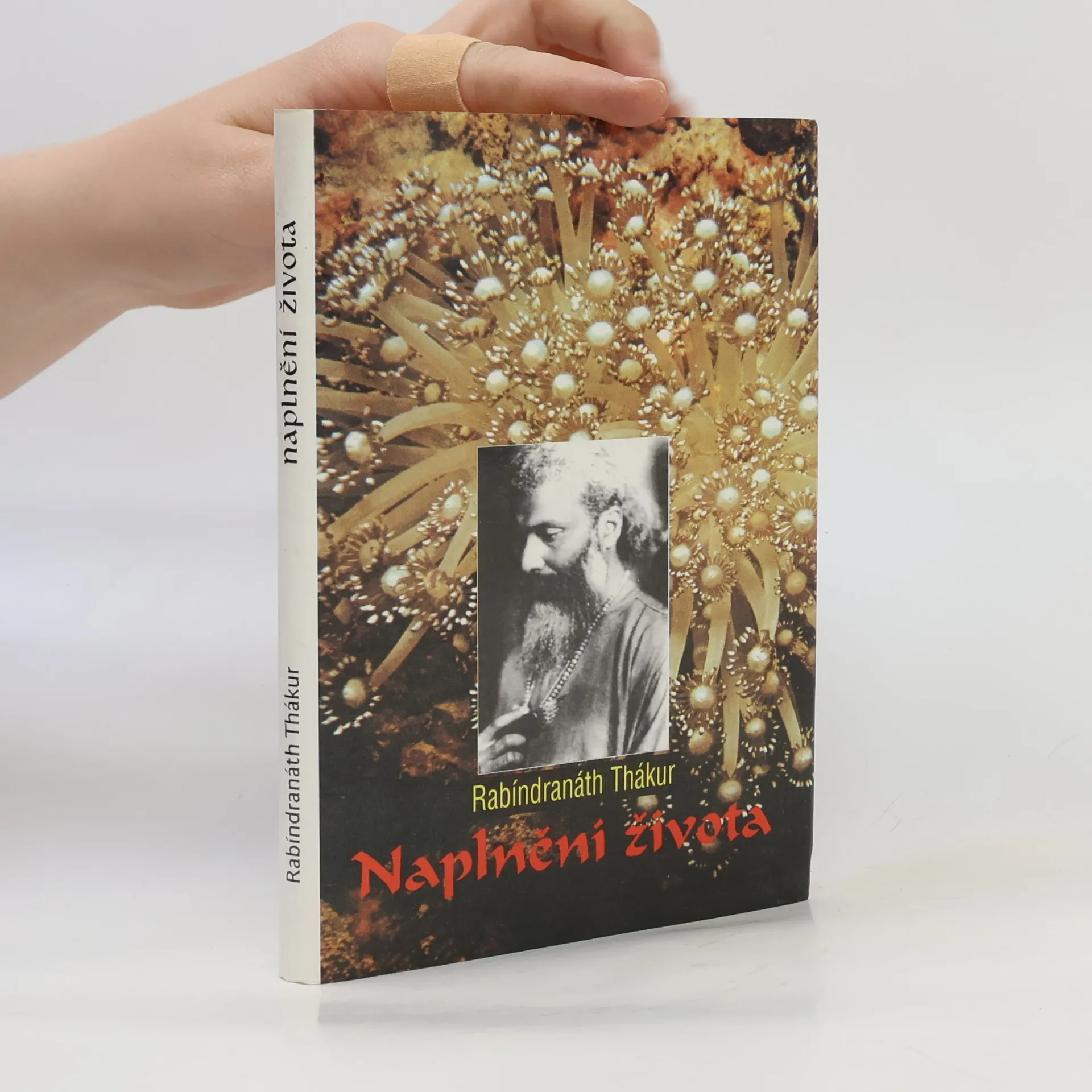
Soubor nábožensko-filozofických úvah, které Thákur anglicky přednesl v zimě 1912-1913 ve Spojených státech a na jaře roku 1913 v Anglii. Autor byl velký indický spisovatel, filozof a náboženský myslitel, nositel Nobelovy ceny za literaturu. Tato knížka je sbírkou jeho úvah, do které soustředil své filozofické a náboženské názory. Zabývá se zde základními otázkami lidské evoluce - odvěkým problémem, jak nalézt rovnováhu mezi snahou lidstva zlepšovat své materiální životní podmínky a touhou po pochopení řádu vesmíru. Hledá společné jádro různých přístupů a přitom cituje Ježíše, Buddhu a Upanišády, ale zmiňuje se také o objevech moderní fyziky. A hlavně s hlubokým citem mluví o člověku a jeho činnosti, oo lásce, svobodě a nekonečnu......
Translated by Rabindranath Tagore
This Elibron Classics edition is a facsimile reprint of a 1915 edition by Macmillan and Co., Ltd., London.
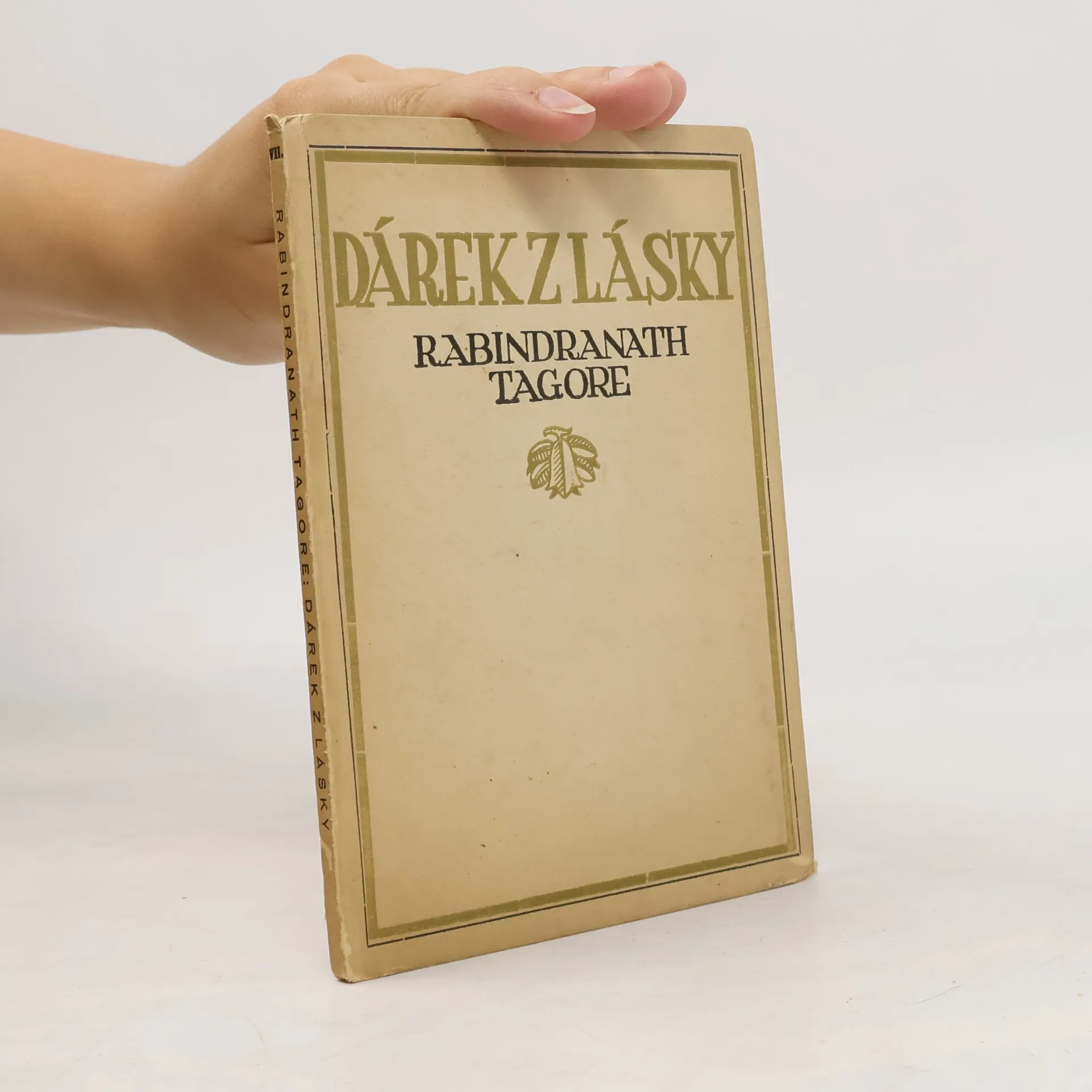
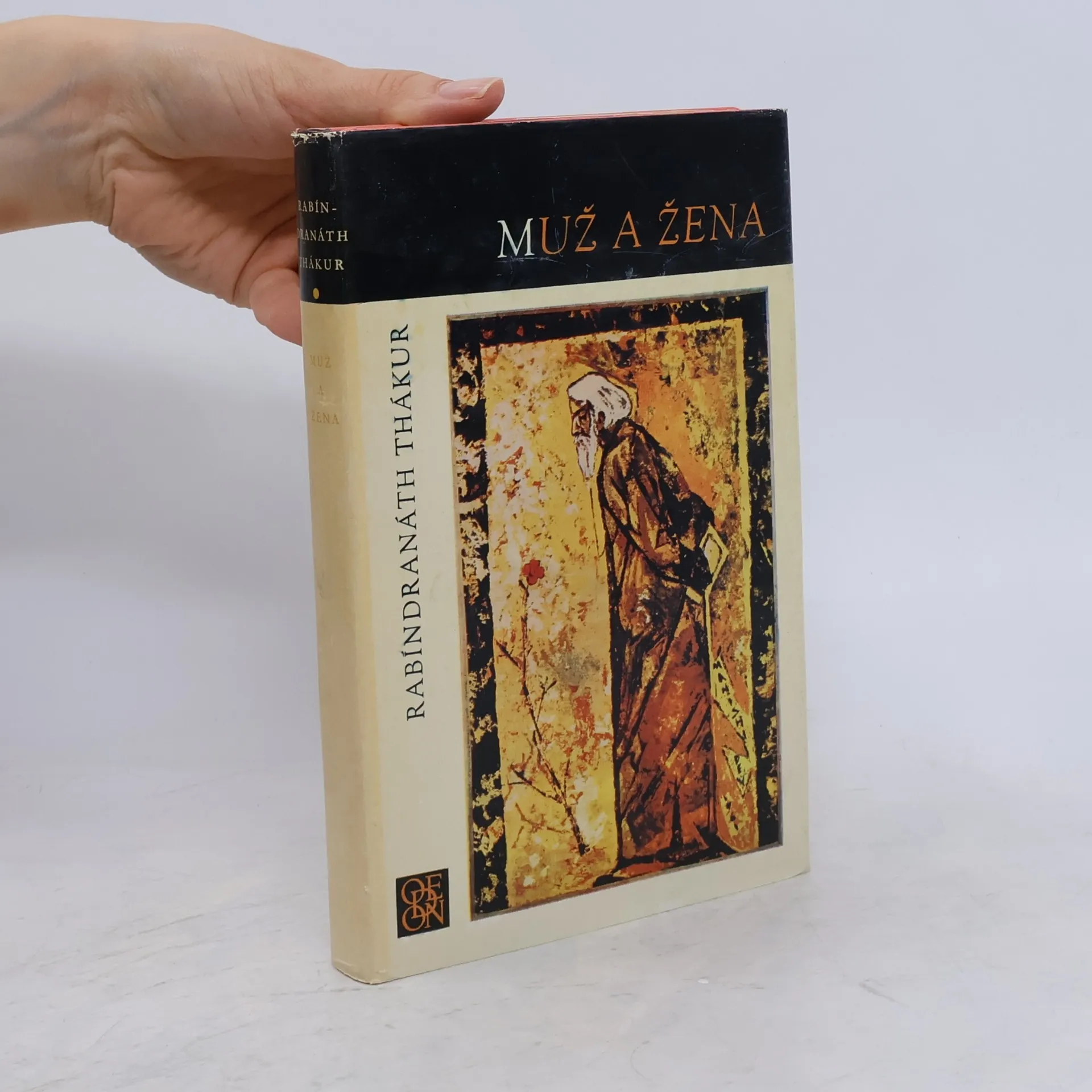
Dvě sbírky básní v próze - Zahradník a Dárek z lásky. Básník nahlíží do podstaty milostného citu a snaží se definovat poslání ženy ve vztahu k muži.
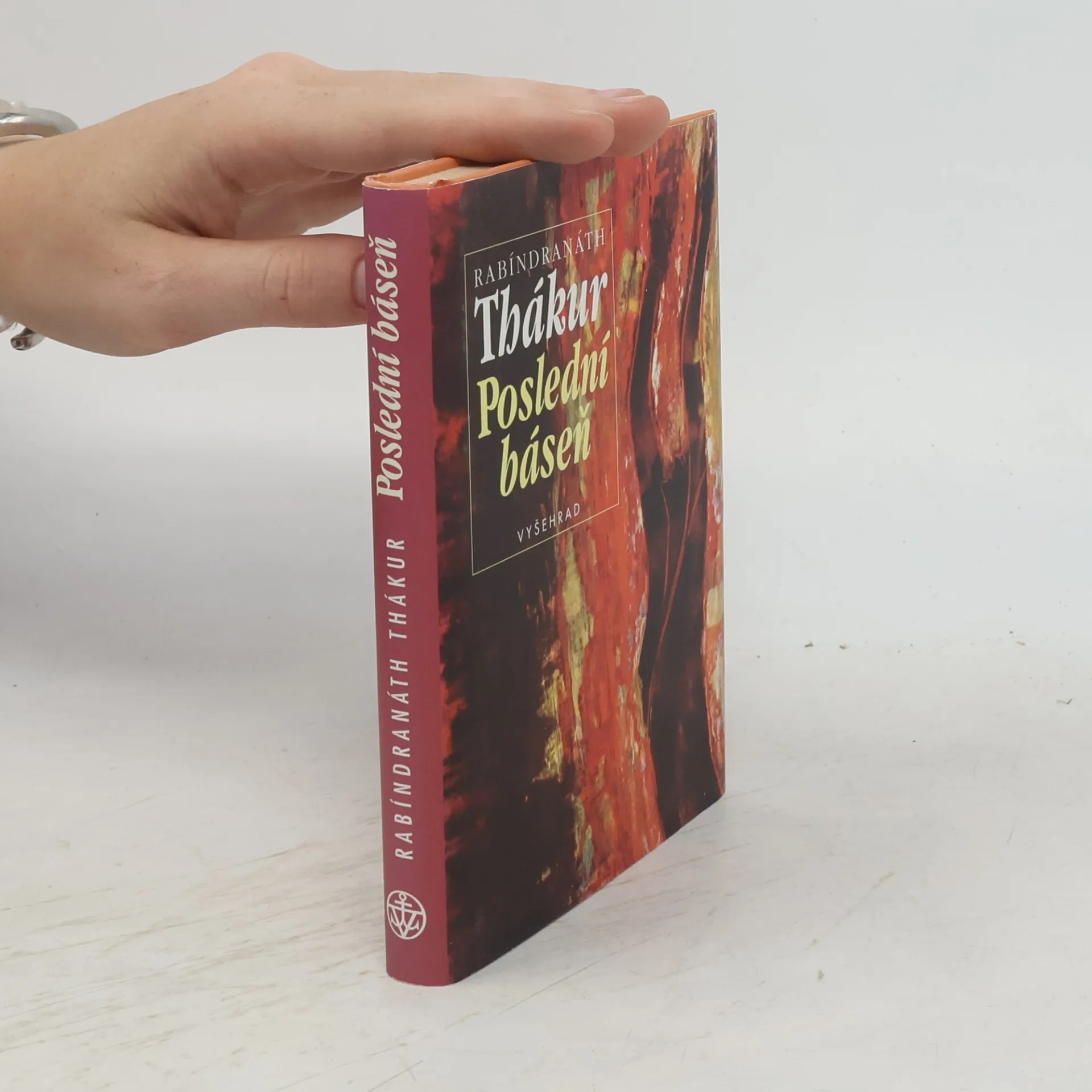
Meditativní báseň v próze, klasické dílo slavného bengálského básníka, spisovatele a filozofa.
Dieses Buch ist eine Sammlung von Liebegedichten und Liedern von Rabindranath Tagore (1861 bis 1941).
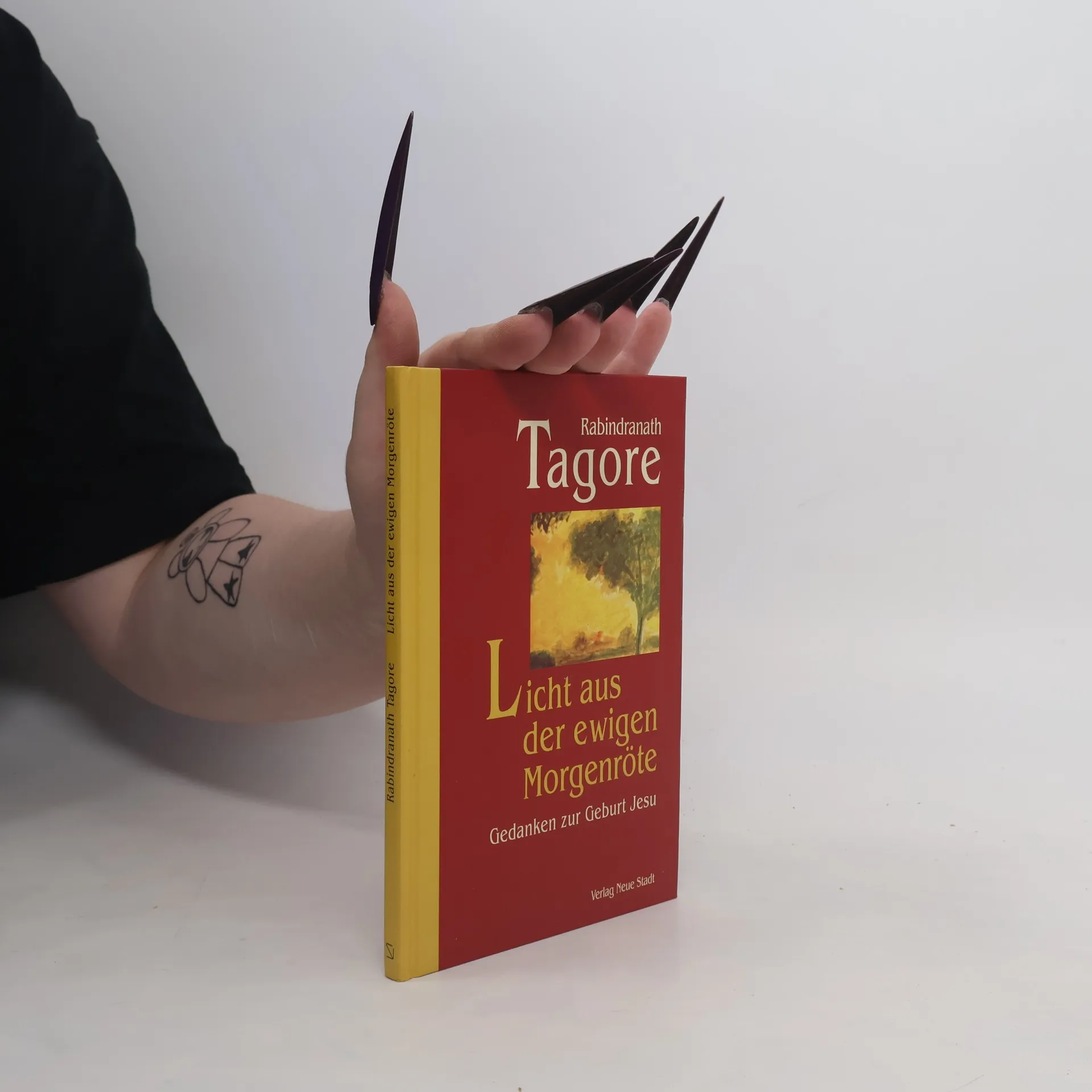
Die in diesem Band gesammelten Aphorismen, Reflexionen und Meditationen des großen indischen Schriftstellers und Philosophen Rabindranath Tagore stellen nicht nur die Essenz seines religiös-philosophischen Denkens dar, sie zeigen zugleich, wie sich das spirituelle Gedankengut Indiens mit großem Gewinn auf das Leben heute übertragen lässt, zumal er sich in seinen Texten zum Teil direkt an seine westlichen Leser wendet, um ihnen Wesen und Geist Indiens nahe zu bringen. Dabei schöpft er aus den reichen Quellen hinduistischer und buddhistischer Überlieferungen, die in seiner Familie in Andachten und praktischem Handeln lebendig gehalten wurden. Eine tägliche Quelle der Inspiration, der Ermutigung und des Trostes.
Gedichte von der Liebe und vom Leben — in einer immer wieder beeindruckenden Sprache und tiefen Einsicht, die berührender kaum sein kann und ihresgleichen sucht. Der bekannteste Gedichtband des Nobelpreisträgers Tagore.
Praha – NČVU 1962 ilustrace šesti dřevořezy vyzdobila Hermína Melicharová obálka Hermína Melicharová typo / úprava: Hermína Melicharová Z bengálštiny přeložil Dušan Zbavitel.
Rabindranath Tagore, ein vielseitiger bengalischer Schriftsteller und der erste Literaturnobelpreisträger Asiens, wird als Indiens Universalgelehrter gefeiert. Seine Werke, insbesondere die Gedichte aus "Hohe Lieder", sind heute Teil des nationalen Kulturguts Indiens. Tagore verband in seiner Kunst Philosophie, Musik und Malerei und verlieh der Literatur seines Heimatlandes neues Selbstbewusstsein. Seine poetischen Beschreibungen der Musik reflektieren eine tiefe spirituelle Verbindung und die universelle Kraft der Kunst, die alle Hindernisse überwindet.