Sean O'Casey Livres
Sean O'Casey fut un dramaturge et mémorialiste irlandais de premier plan, réputé pour ses représentations des classes ouvrières de Dublin. Issu d'une jeunesse difficile, il fut en grande partie autodidacte, un parcours qui a profondément façonné sa voix littéraire. Ses pièces, souvent de vision tragicomique, font preuve d'une flamboyante polyvalence qui transmet une grande ampleur d'esprit. Socialiste engagé, l'œuvre d'O'Casey continue de résonner avec la vie vibrante qu'il connaissait si intimement.

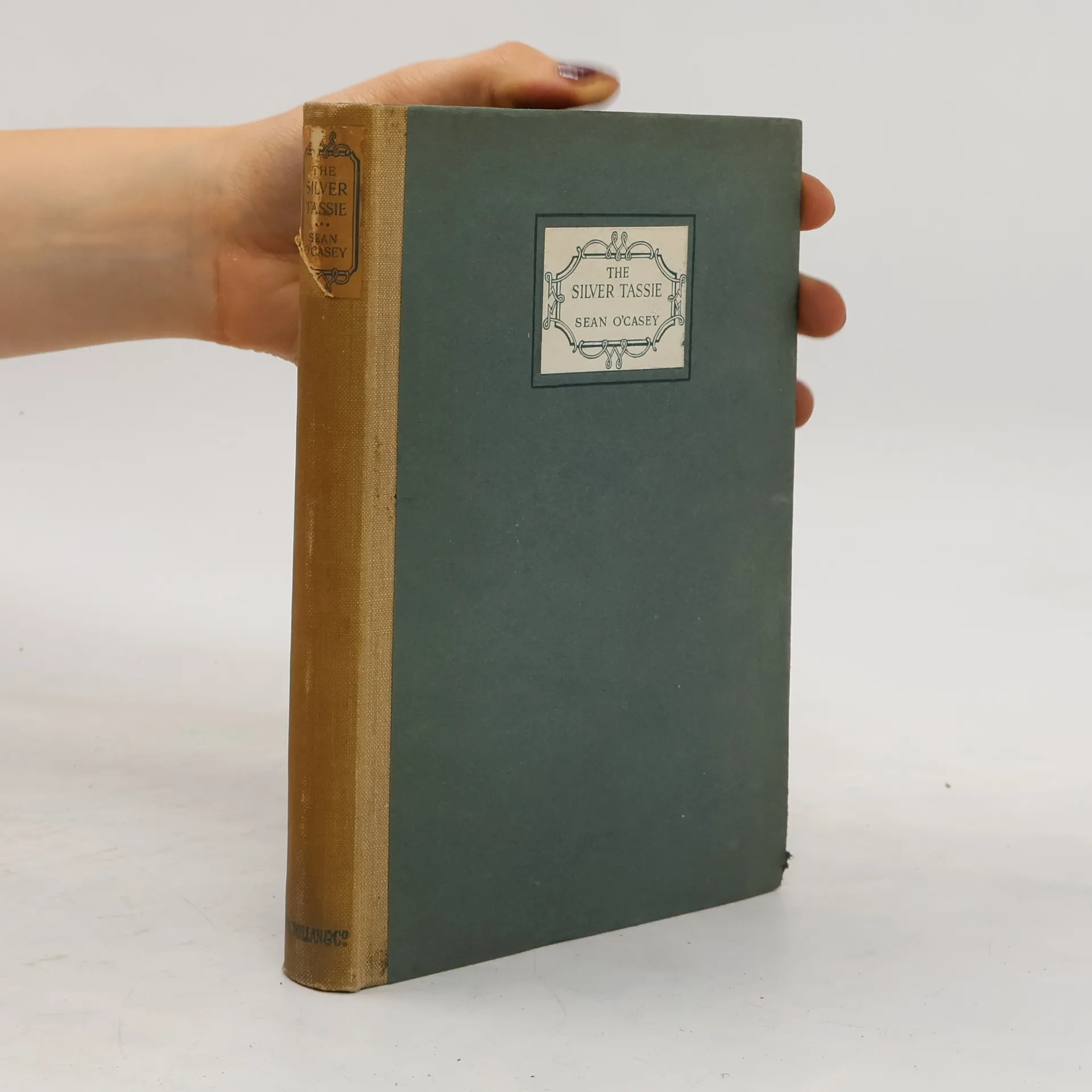
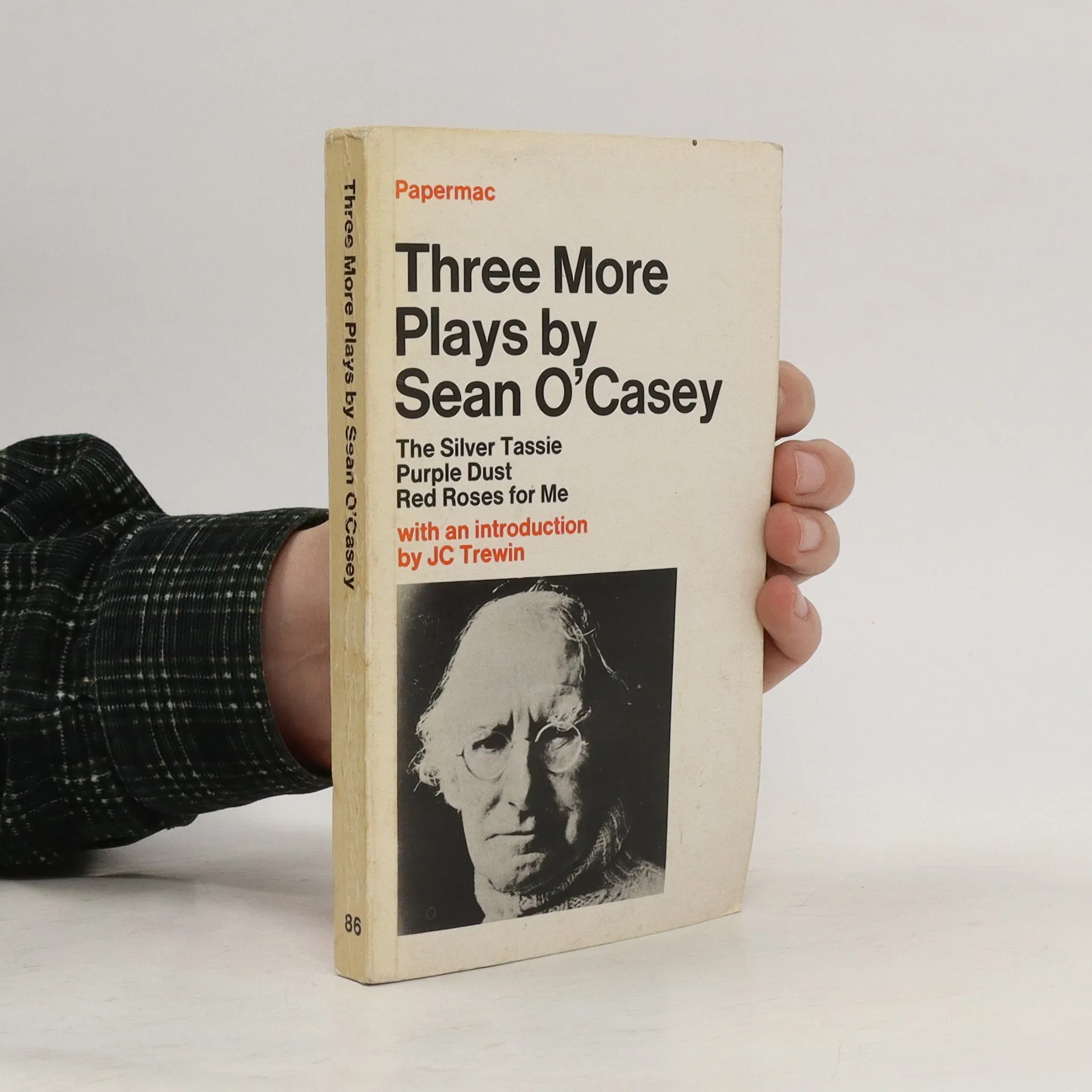

Three more plays : The Silver Tassie ; Purple Dust ; Red Roses for Me
- 317pages
- 12 heures de lecture
317 pages The Silver Tassie; Purple Dust; Red Roses for Me with and introduction be JC Trewin
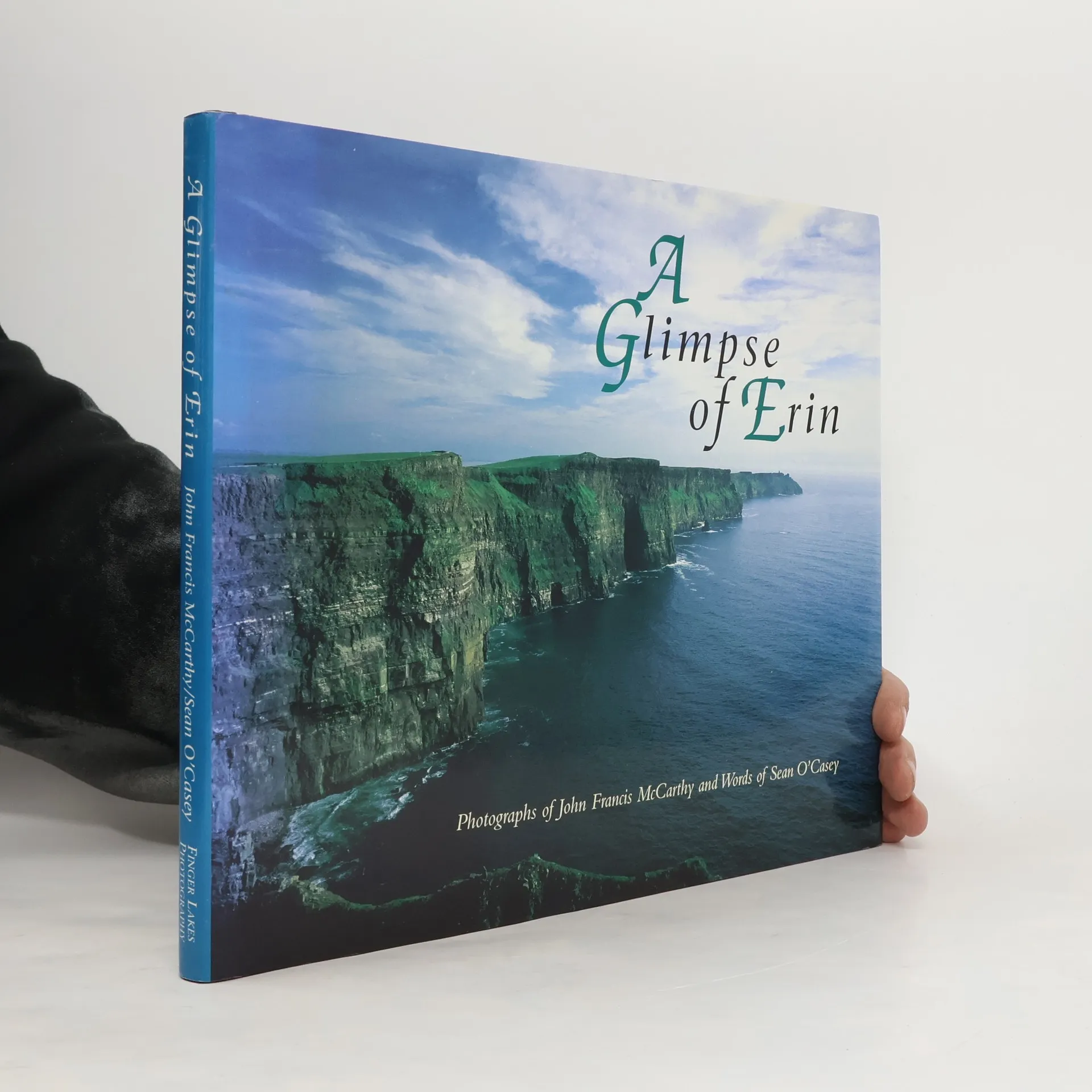
A Glimpse of Erin
- 94pages
- 4 heures de lecture
Collection of color photographs with quotes from works of Irish playwright Sean O'Casey. Work-in-progress for 25 years. A spiritual journey through Ireland. Need not be Irish to appreciate work. Photos include Northern The Giant's Causeway, Glens of Antrim, etc. Spectacular photo of Cliffs of Moher, Eyeries, a rainbow over Youghal Harbor. Intro includes author's Irish connection from youth on Tipperary Hill, Syracuse, NY site of the only traffic signal in world with green lens above red.
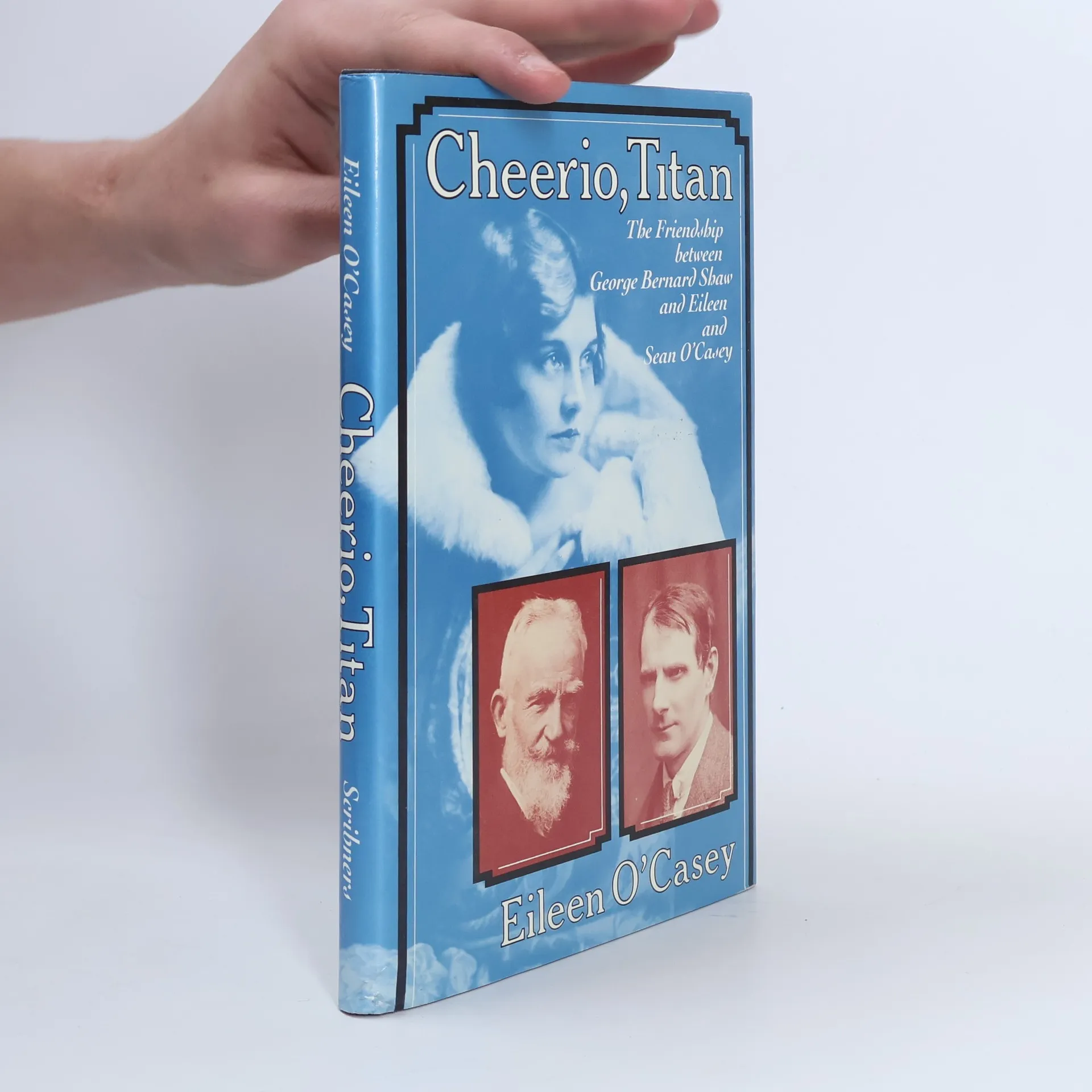
Cheerio, Titan
The Friendship Between George Bernard Shaw & Eileen & Sean O'Casey
- 143pages
- 6 heures de lecture
Eileen O'Casey, married to the great Irish playwright Sean O'Casey, has written a remarkable portrait of her & her husbands intimate friendship with George Bernard & Charlotte Shaw. In these delightfully vibrant memoirs, she's paid homage to an extraordinary relationship that was cherished by each of these modern literary giants. She gracefully interweaves personal history with a unique portrait of Great Britains cultural life in the 1st half of the century. Here's a treasure trove of celebrated personalities: W.B. Yeats, Lady Gregory, Barry Fitzgerald, T.E. Lawrence, Eugene ONeill etc.
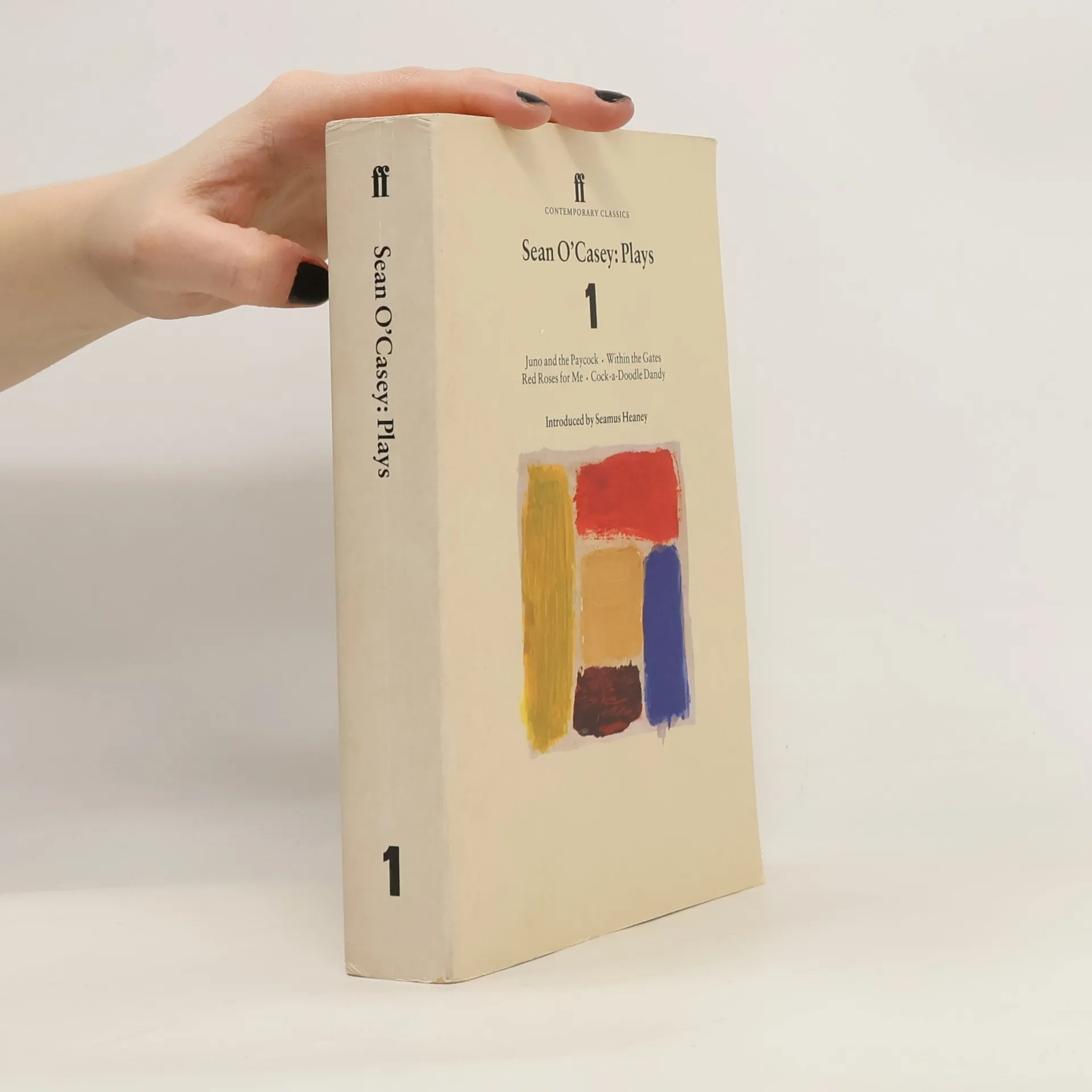
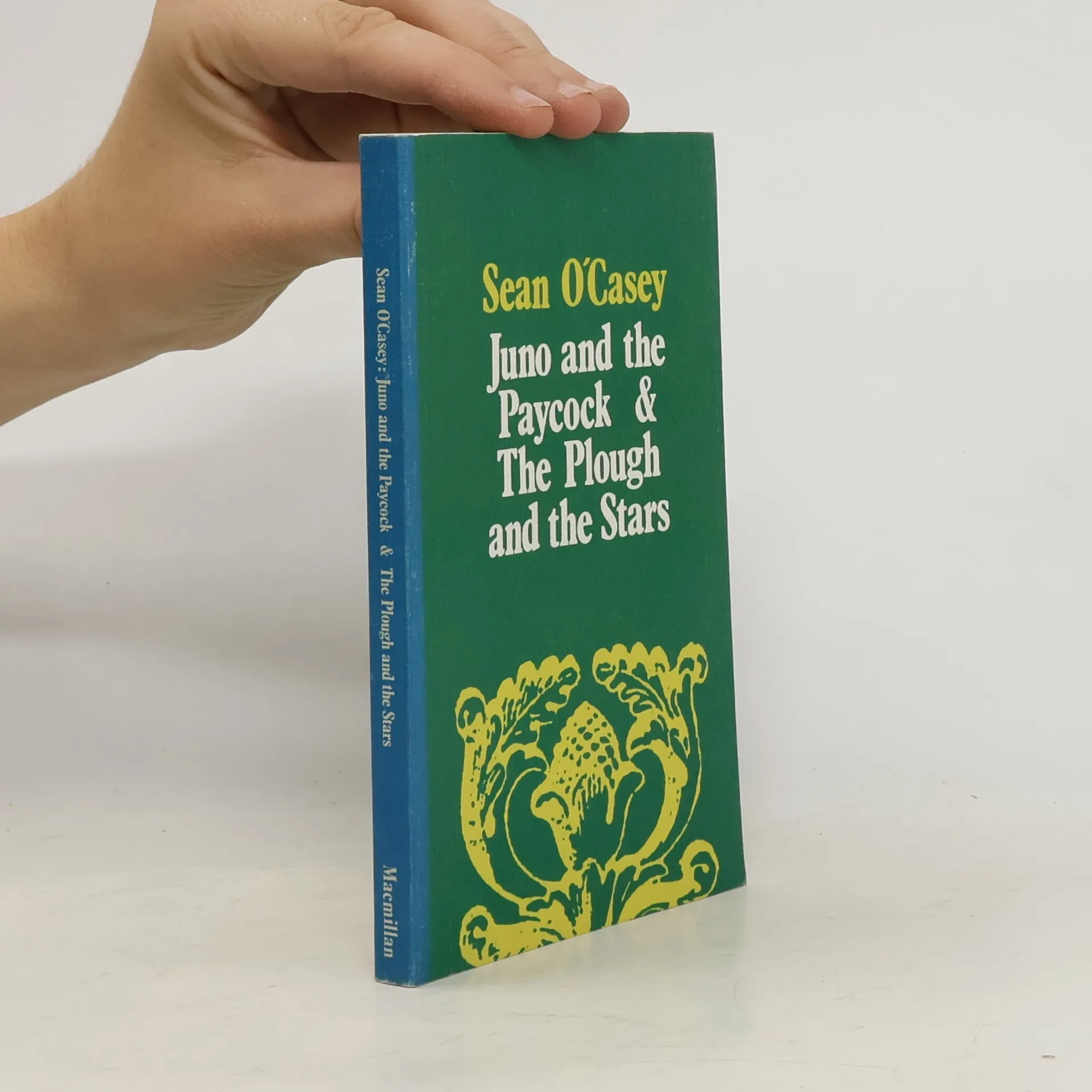
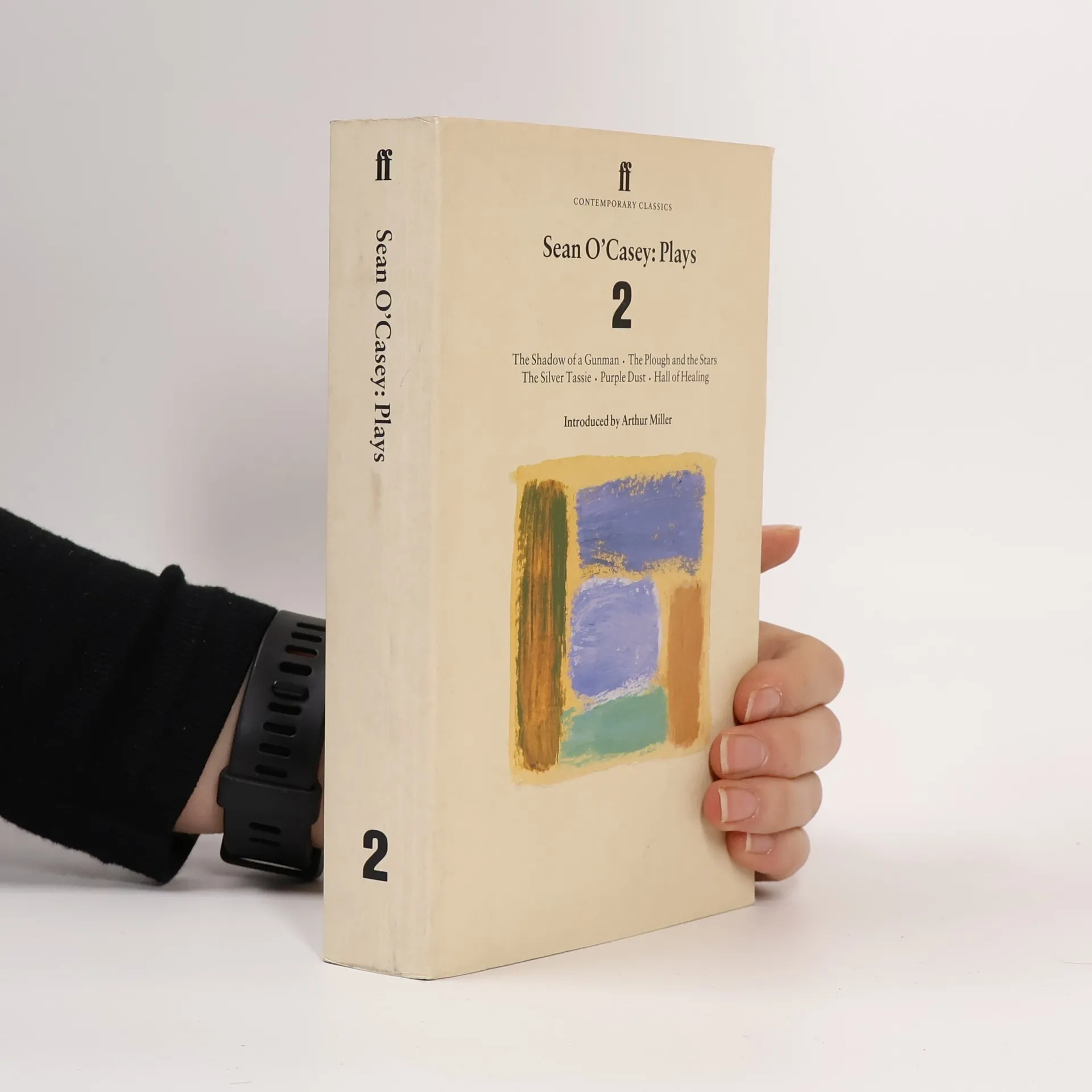
In his early forties, while continuing to support himself as a laborer, we wrote, in quick succession three realistic plays about the slums of Dublin, known as the Dublin Trilogy." Juno and the Paycock," the second installment of the trilogy, was performed in the Abbey Theatre in 1924--the Abbey theatre produced the first installment of the trilogy, "The Shadow of a Gunman" (not included in this volume) in 1923." Juno and the Paycock "deals with the unpleasantness of war and the misery of the victims during the the Irish struggle for indepenence. It was awarded the Hawthornden Prize. As his career progressed, O'Casey experiemented with expressionism and symbolism, which resulted in "Within the Gates;" "Red Roses for Me," a semiautobiographical work; and "Cock-a-Doodle Dandy," Due to an increase of nationalism during the Civil War and Irish Independence movement, his plays were received well, although, at times, with protest and restriction.
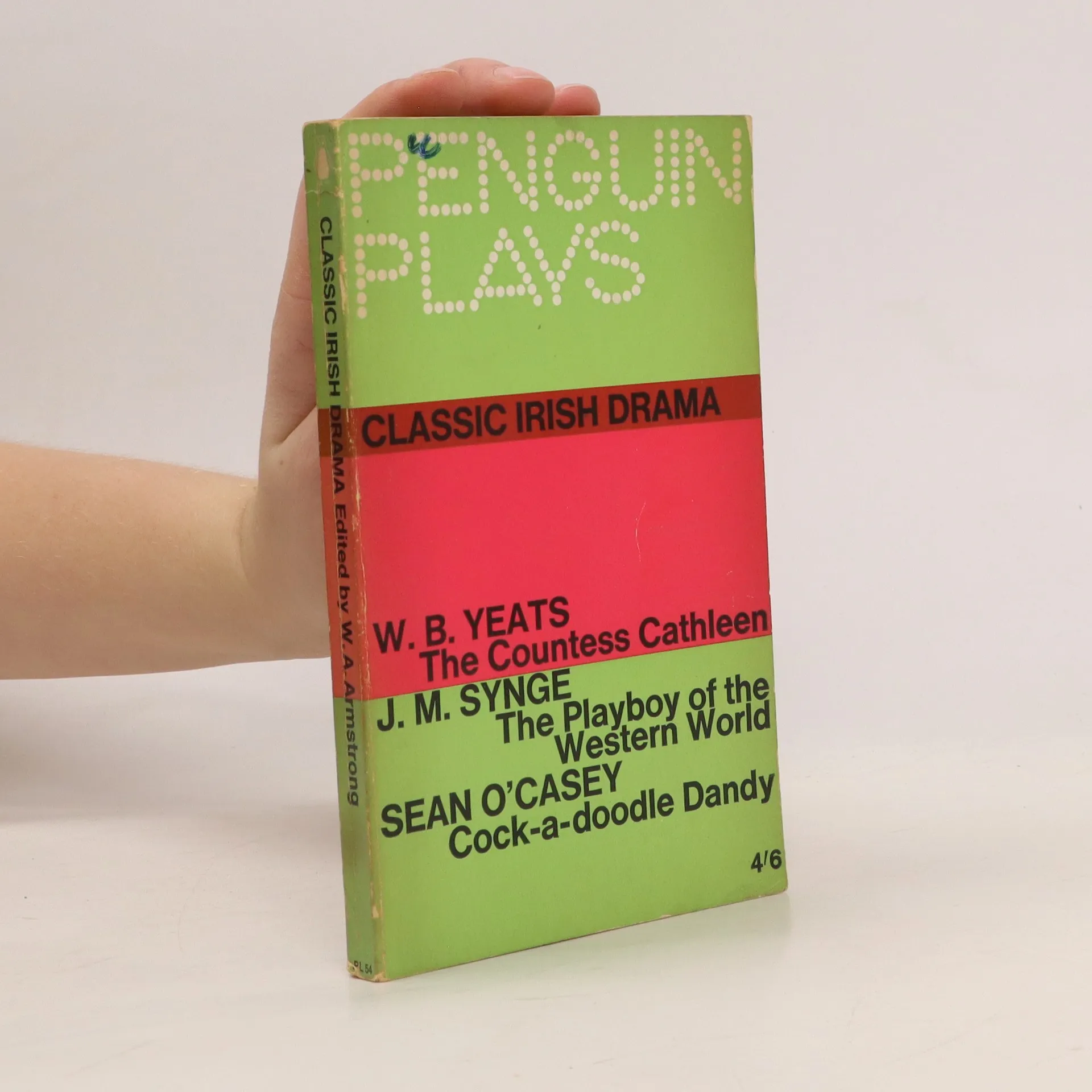
The Playboy of the Western World and Two Other Irish Plays
- 224pages
- 8 heures de lecture
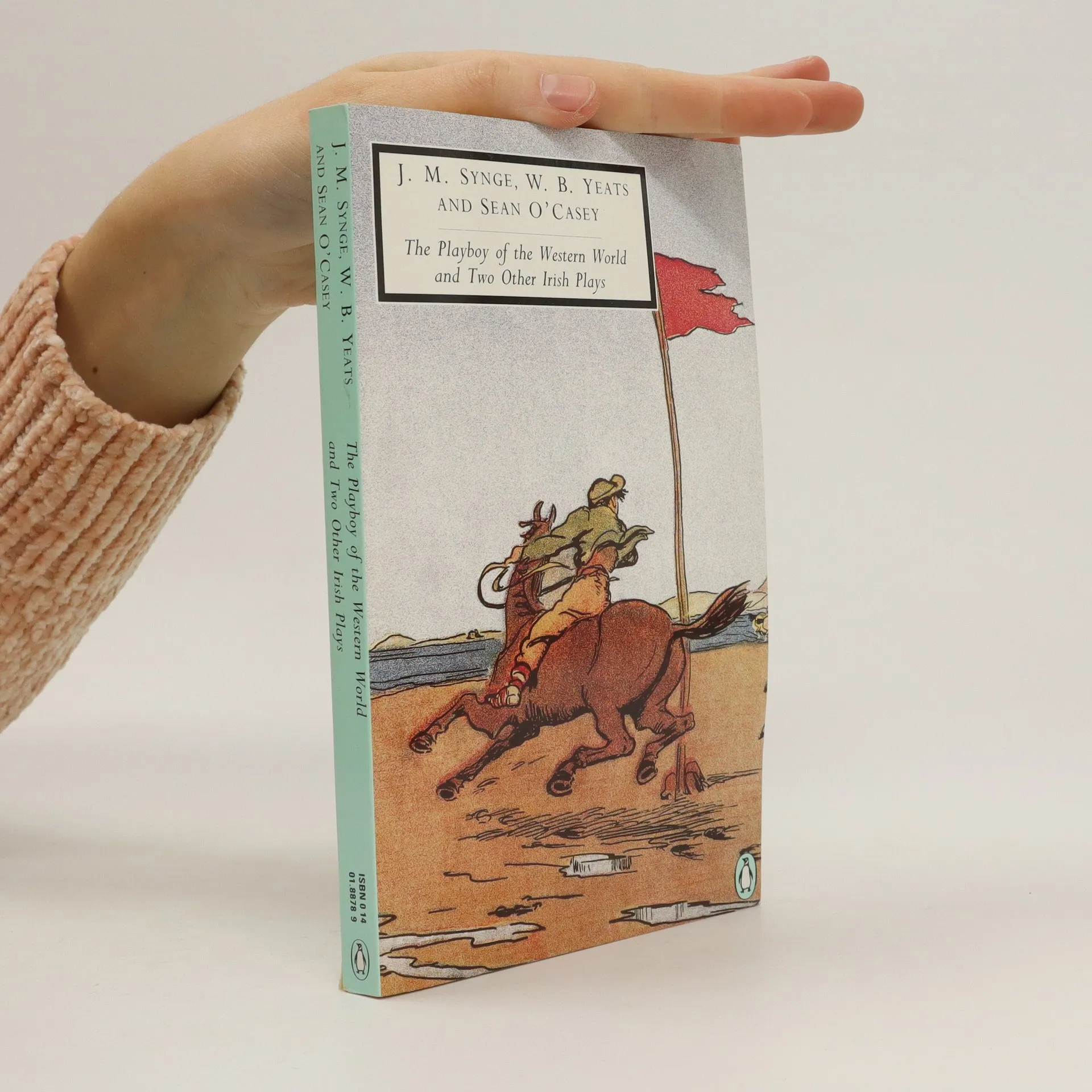
A murderer becomes the toast of the village as his charm negates his crime. A young countess saves her tenants from starvation, but only by selling her soul to the Devil. The sleepy parish of Nyadnanave sees a vision of a cockerel that dares the inhabitants to break the shackles of Church and State. All these plays were met with moral outrage and rioting in their native Ireland.Yeats's 'The Countess Cathleen' (1892), J. M. Synge's 'The Playboy of the Western World' (1907) and O'Casey's 'Cock-a-doodle Dandy' (1949) emerged from a period of traumatic change for Ireland. While the plays bear witness to the immmense social upheavals of the turn of the twentieth century, they also represent a new age of Irish drama that rose from the turmoil, and their lessons ring true to this day.
This is the story of Sean Casey's childhood, written in two acts for 4 men and 2 women. It was originally staged on Broadway as a concert reading.
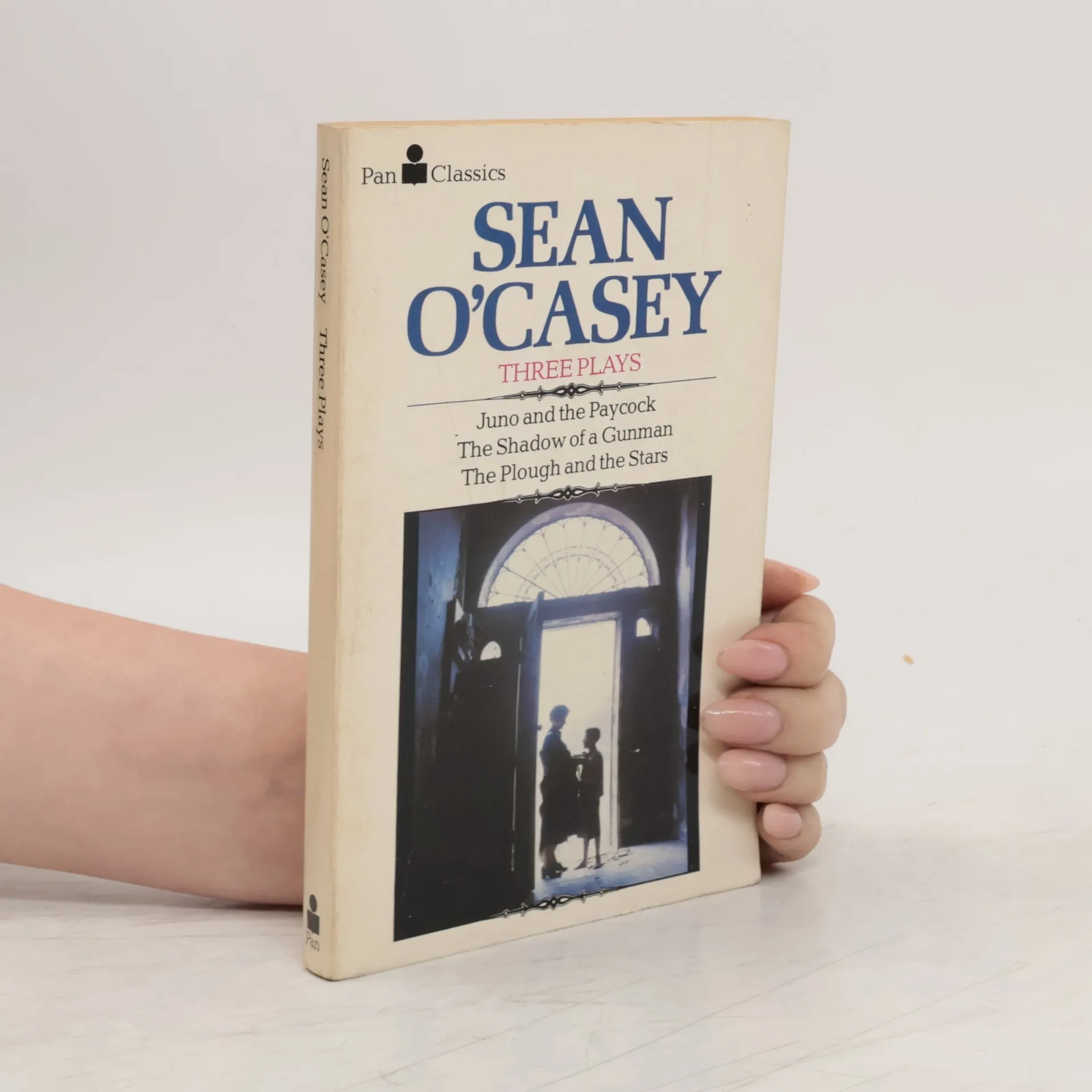
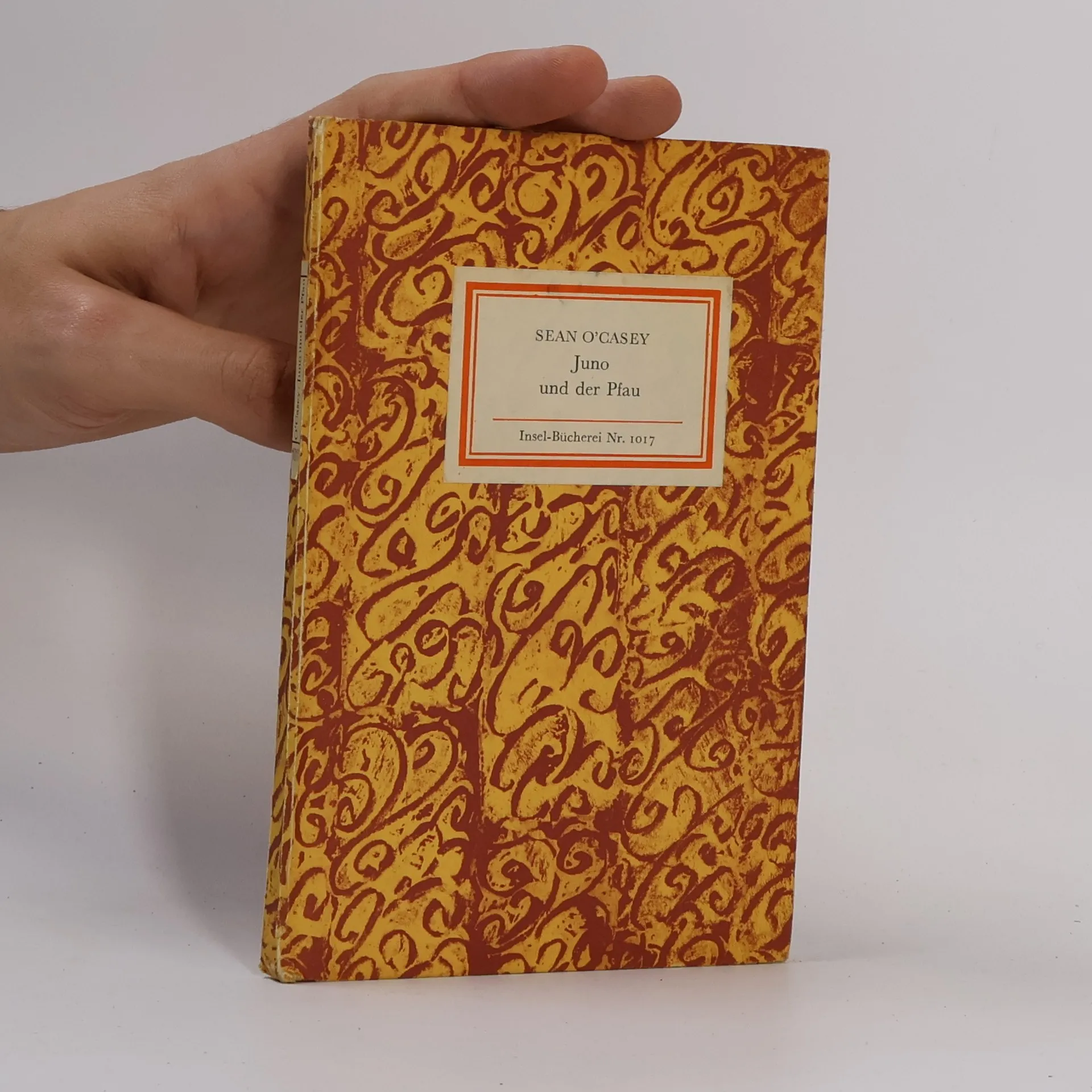
A play set in the tenements of Dublin in 1922, just after the outbreak of the Irish Civil War, revolving around the misfortunes of the dysfunctional Boyle family ("Juno and the paycock"). A tragicomedy set during the Irish War of Independence centering on the mistaken identity of a building tenant who is thought to be an IRA assassin ("The shadow of a gunman"). A play set in Dublin addressing the 1916 Easter Rising ("The plough and the stars")
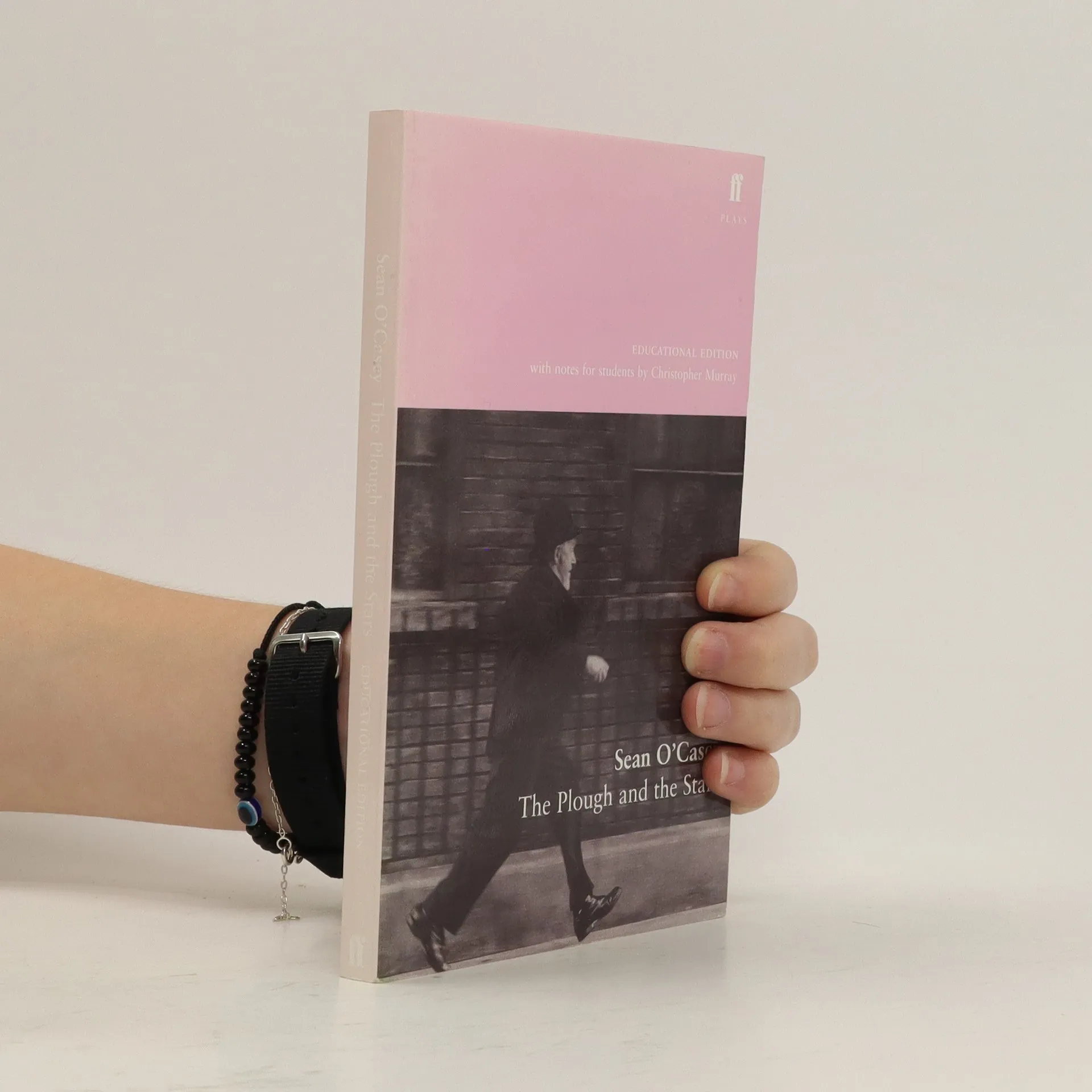
The plough and the stars
- 155pages
- 6 heures de lecture
This educational edition, with the full play text and an introduction to the playwright, features a detailed analysis of the language, structure and characters of the play, and textual notes explaining difficult words and references. It contains: - The full playtext - An introduction to the playwright, his background and his work - A detailed analysis of language, structure and characters in the play - Features of performance - Textual notes explaining difficult words and references Professor Murray's notes, to be read alongside the full playtext provided here, will enable students to better understand, appreciate, enjoy and write about O'Casey's greatest play.
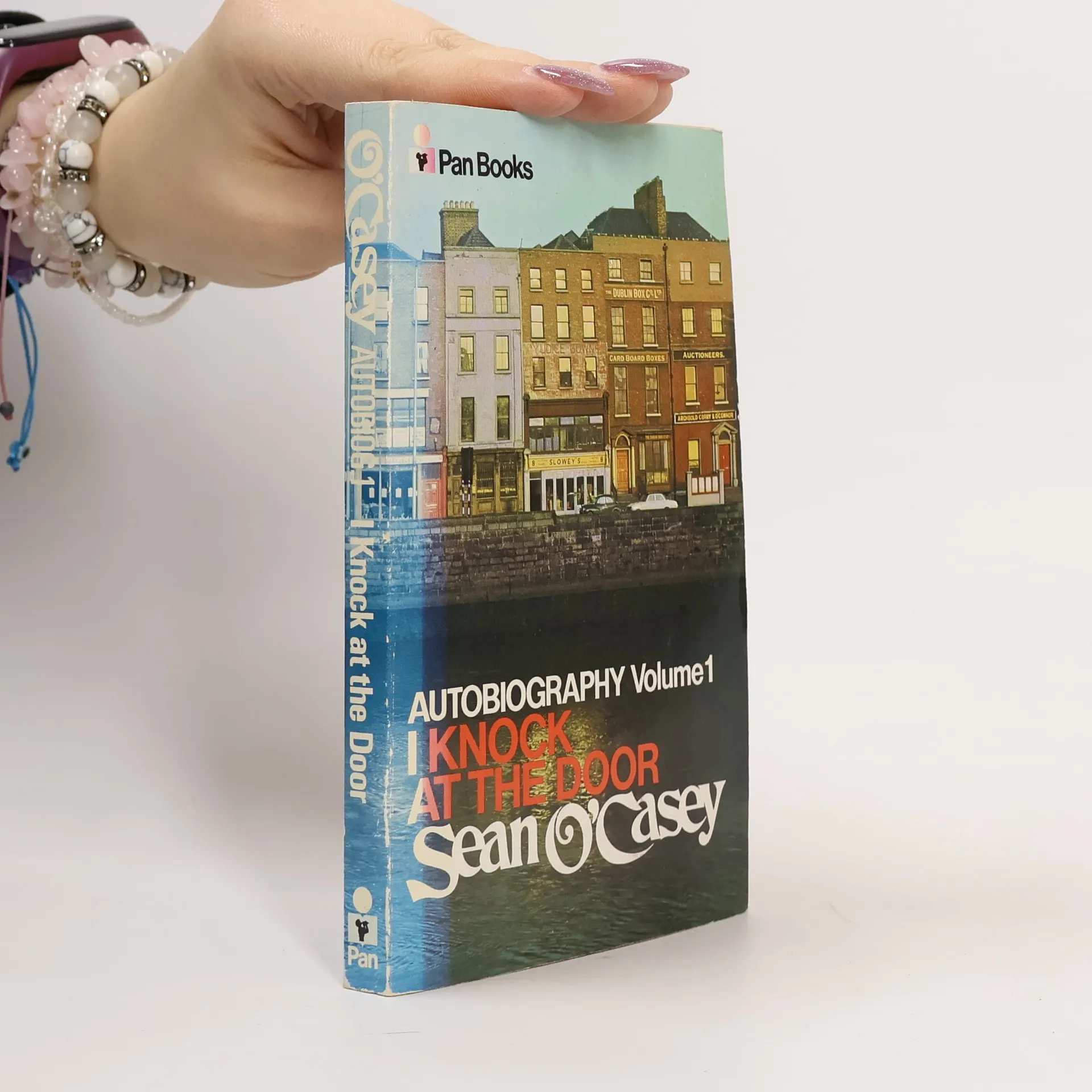
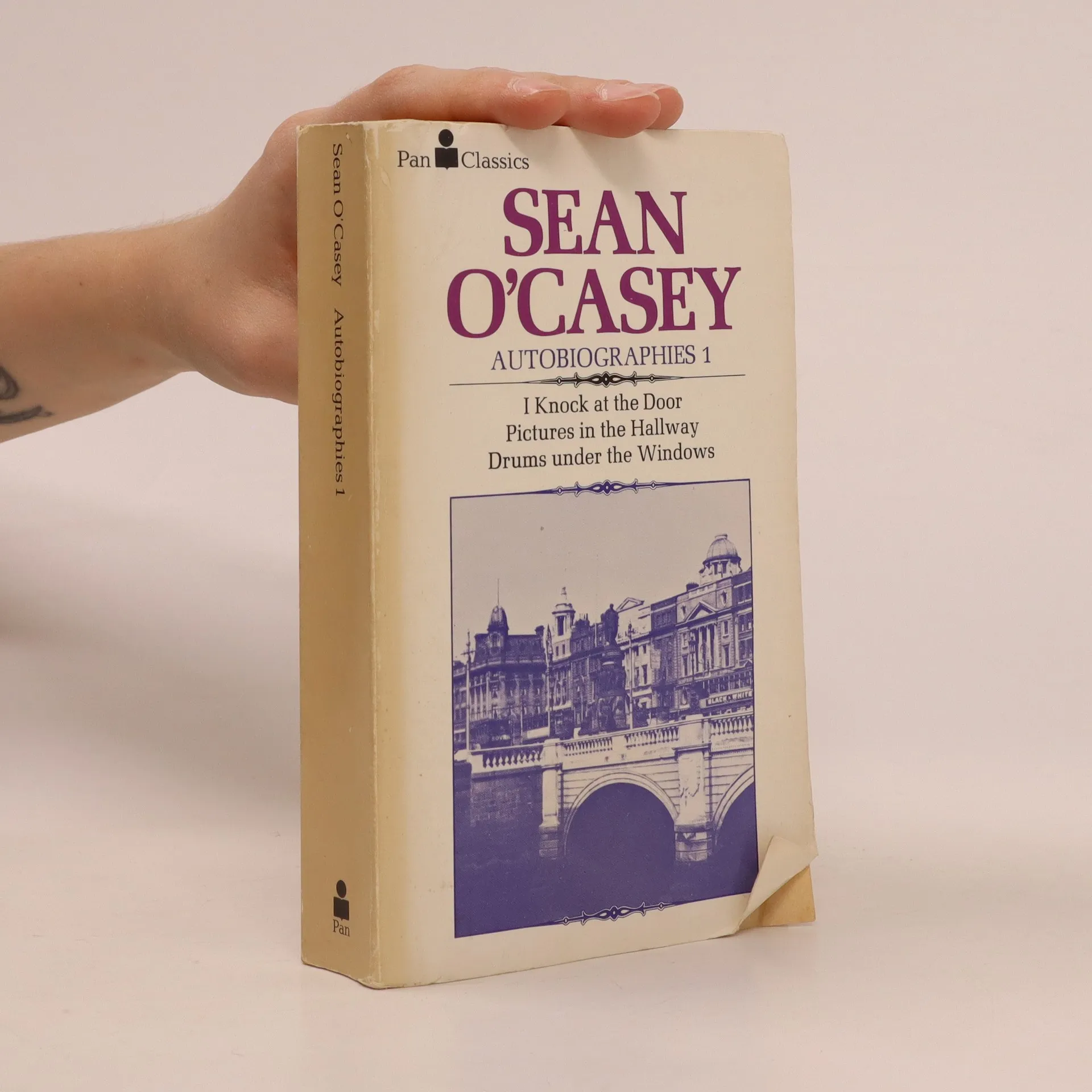
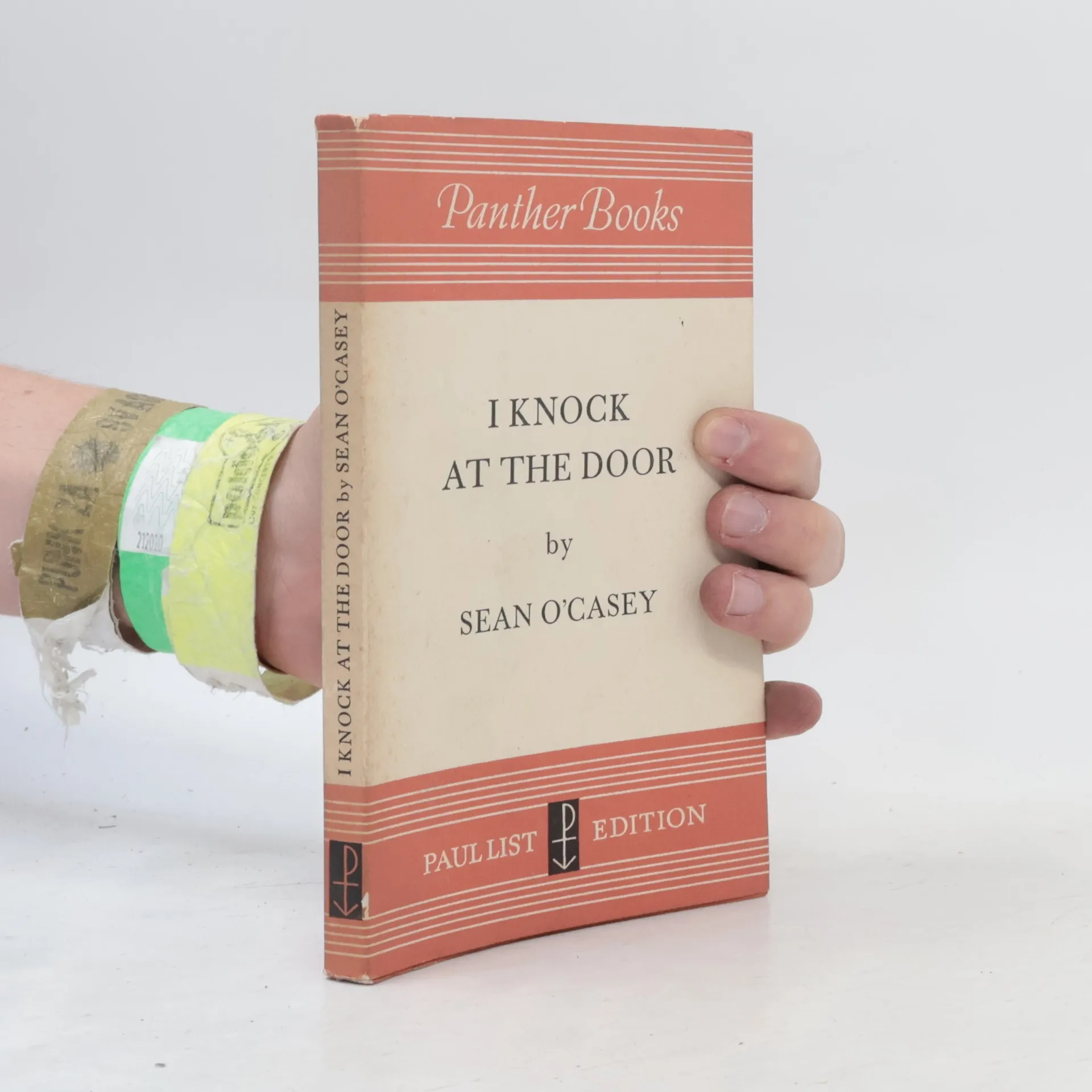
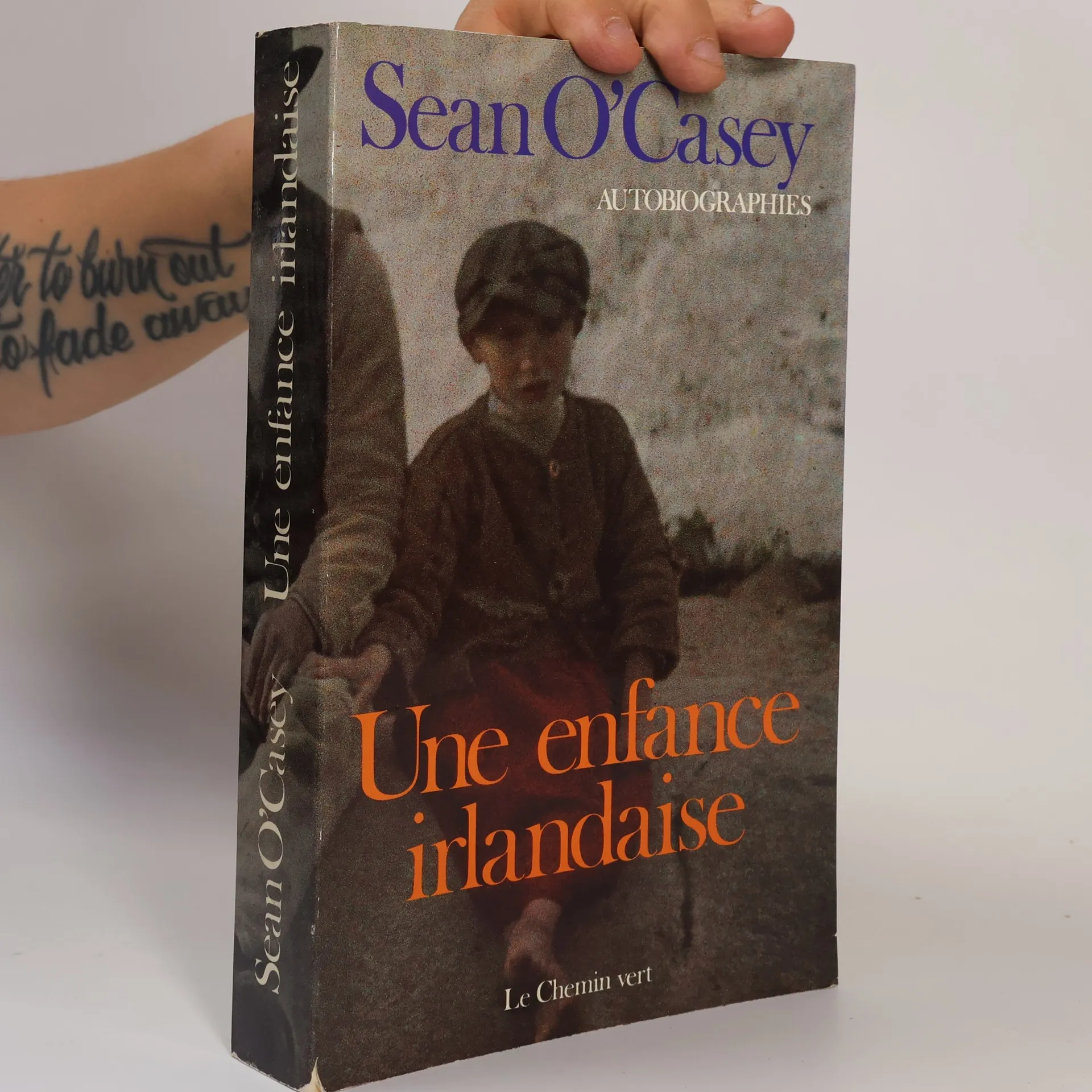
In this first volume of Sean O'Casey's collected "Autobiographies", the author recreates his Dublin childhood and paints a portrait of Ireland from 1906 to Easter 1916.
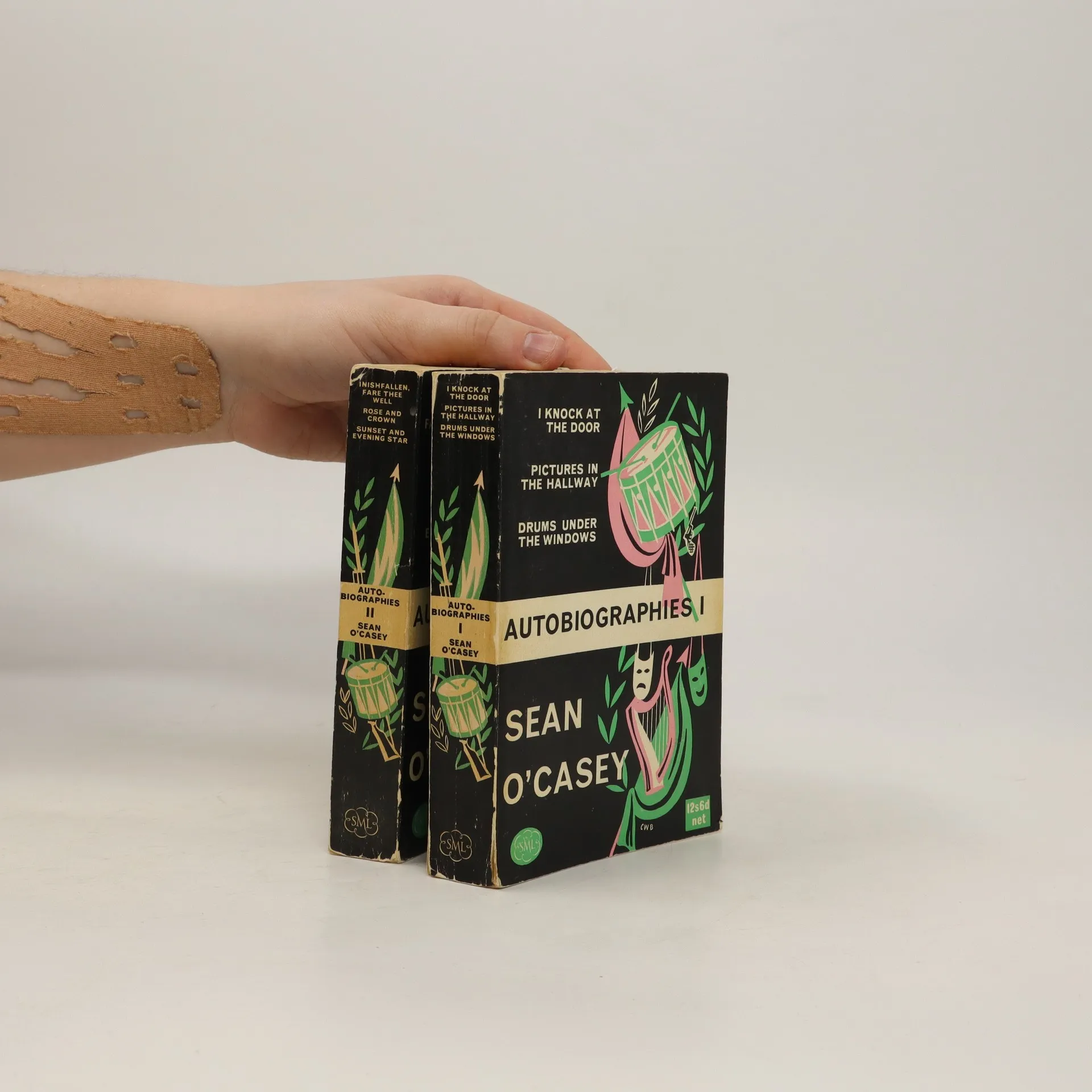
Autobiographies I. - II.
- 2volumes
Beletrizovaná autobiografie velkého irského dramatika „tlukoucího na dveře“ světa a lidského svědomí. Dílo zachycuje osudy autorovy rodiny i jeho osobní hledání na pozadí irské kulturní a politické renesance. Vzniklo z původních samostatných autobiografických próz Tluču na dveře, Obrazyv chodbě, Bubny pod oknem, Irsko, buď sbohem (vycházely od r. 1939 do r. 1949). Experimentující próza využívající nejrozmanitějších vypravěčských technik. Předmluvu napsal František Vrba.
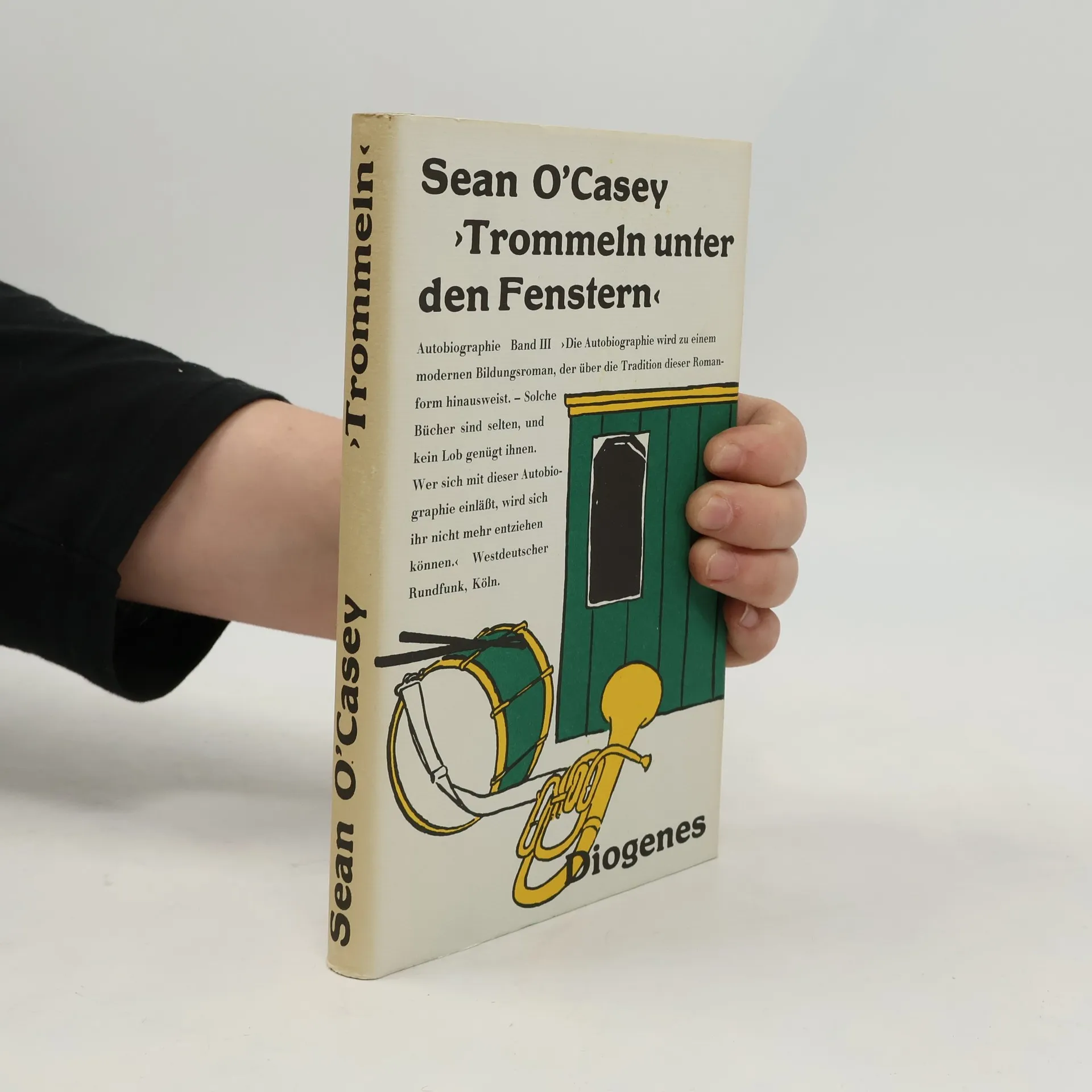
Trommeln unter den Fenstern. Autobiographie III.
- 287pages
- 11 heures de lecture
Jeder Band der eindrucksvollen und unterhaltsamen Autobiografie von Sean O'Casey ist eine wesentliche Lektüre für das richtige Verständnis dieses bedeutenden irischen Dramatikers, dessen Stücke zu den aufregendsten Entwicklungen im modernen Drama gehörten. Geboren in den Hinterstraßen von Dublin, litt er unter schwachen und kranken Augen und lebte viele Jahre in Armut und körperlicher Not. In seinen späten Teenagerjahren wurde er Arbeiter und verbrachte seine Abende damit, die Sache der Gaelic League und von Sinn Fein zu unterstützen. Er wurde Sekretär der Irish Citizen Army und Gründungsmitglied der Irish Labour Party. Obwohl sein erstes veröffentlichtes Werk 1907 erschien, gab er erst nach dem Erfolg von Juno and the Paycock im Jahr 1925 die manuelle Arbeit auf und wurde Vollzeitautor. Hier sind die nationalistischen Ansichten über sein Land und seine Landsleute von 1906 bis zu jener „seltenen Zeit des Todes in Irland“ - Ostern 1916. Aus seinem Aufenthalt im Krankenhaus entstanden Menschen und Vorfälle für The Silver Tassie, und aus seinen persönlichen Erfahrungen in Dublin während des Aufstands entstand The Plough and the Stars.
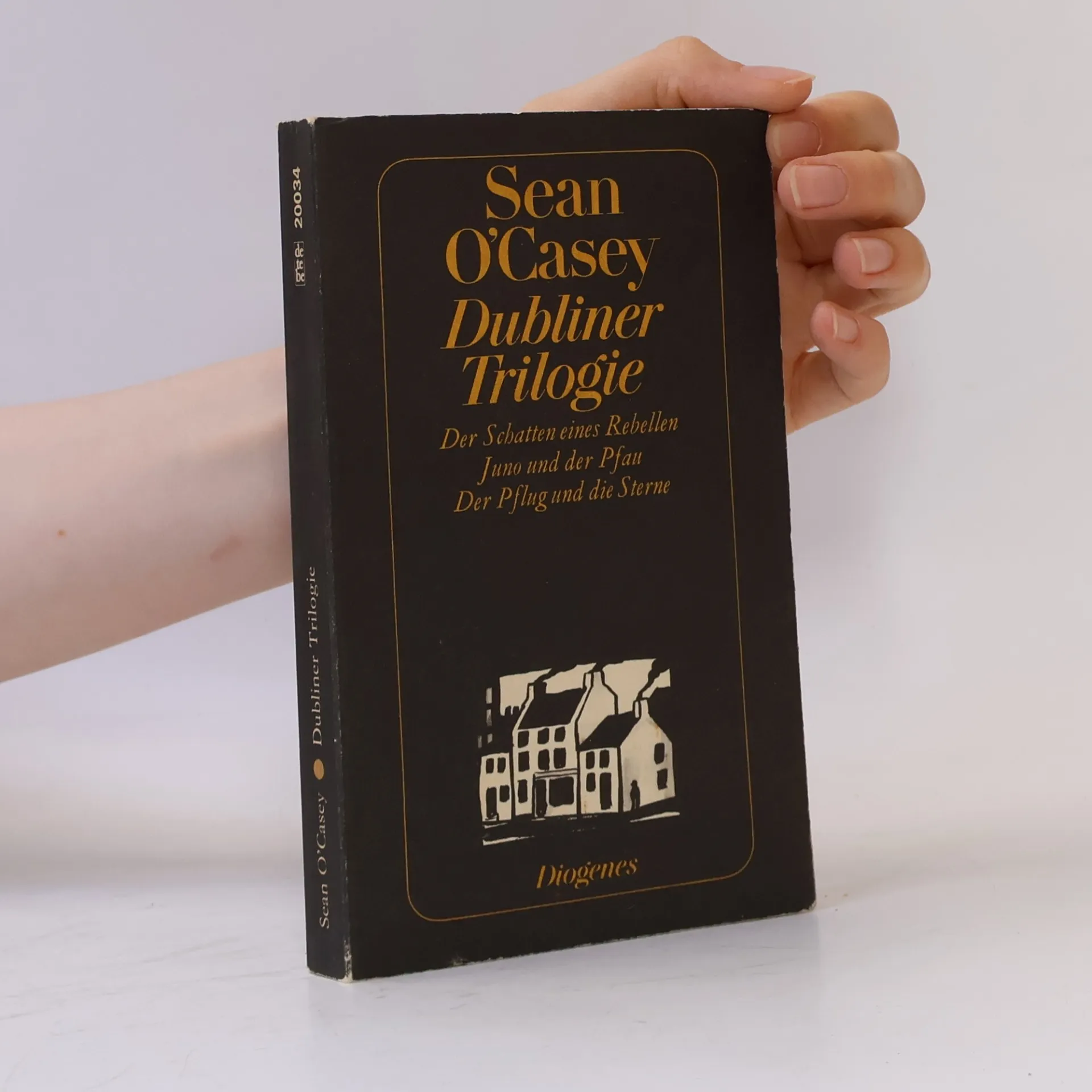
Dubliner Trilogie. Der Schatten e. Rebellen; Juno u. d. Pfau; Der Pflug u. d. Sterne
- 240pages
- 9 heures de lecture
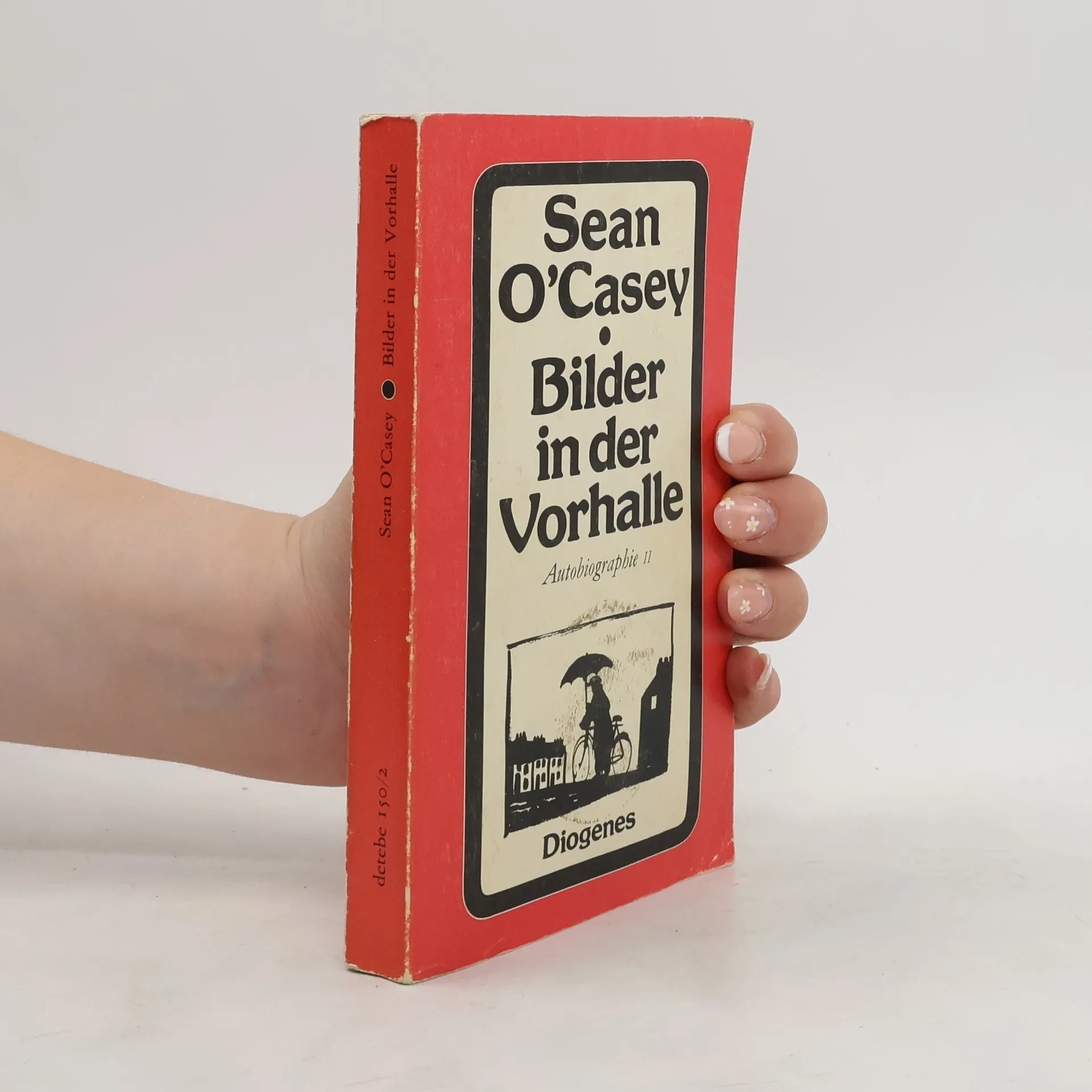
Bilder in der Vorhalle
- 300pages
- 11 heures de lecture
Rose und Krone
- 394pages
- 14 heures de lecture
Purpurstaub
- 113pages
- 4 heures de lecture
Das Sean-O'Casey-Lesebuch
- 362pages
- 13 heures de lecture
Detebe - 5: Rose und Krone
Autobiographie V
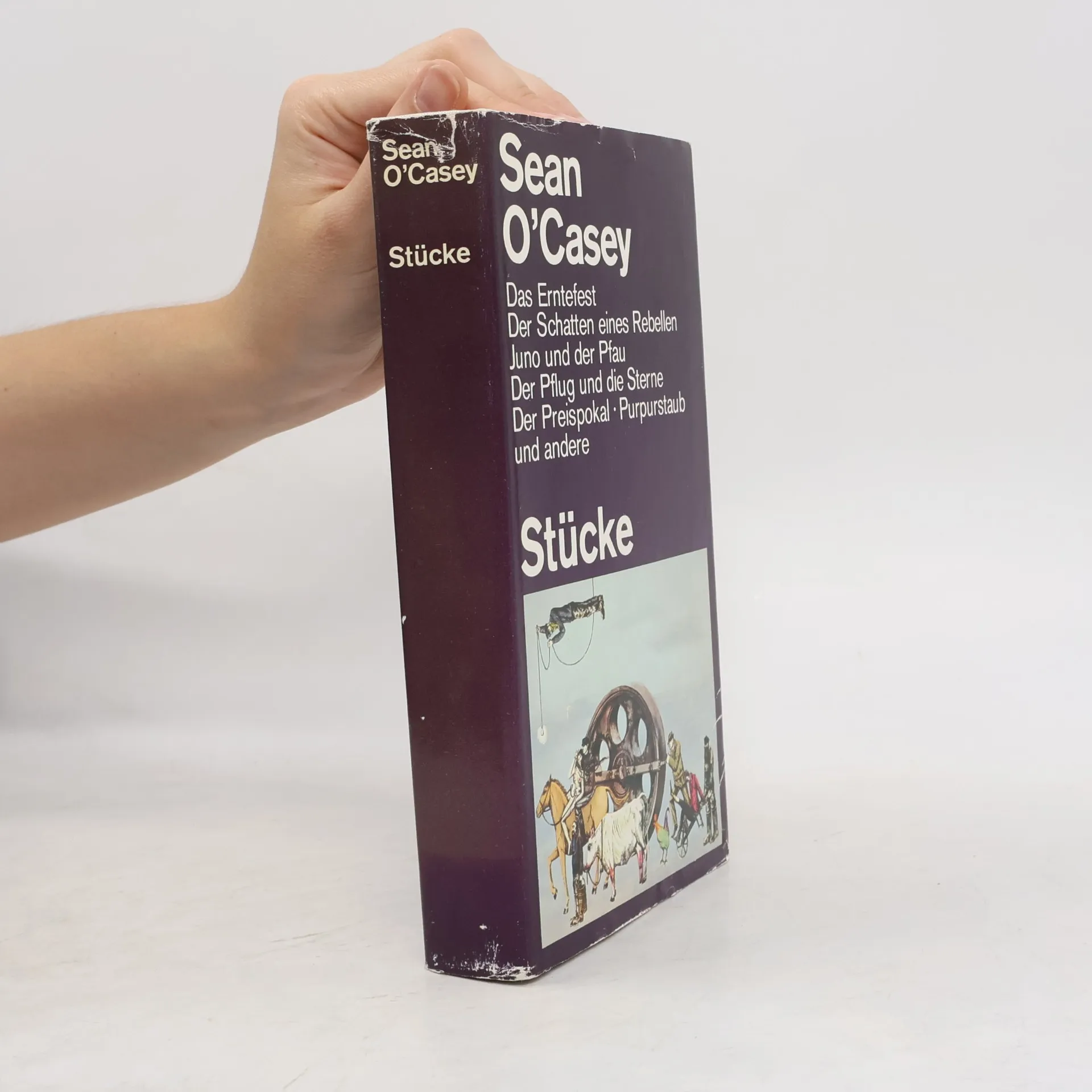
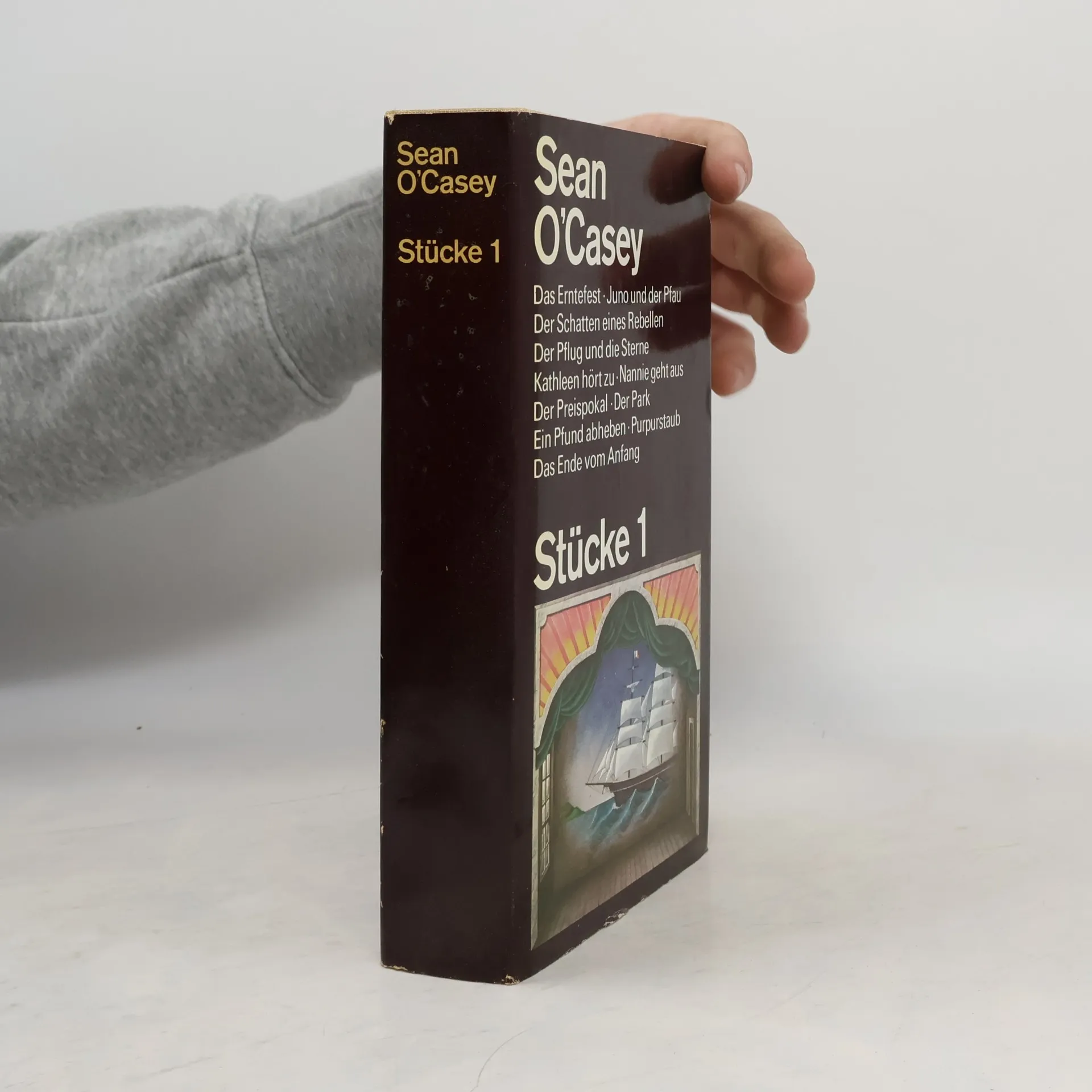
Stücke. 1. Dubliner Trilogie
- 203pages
- 8 heures de lecture
Sean O'Casey wurde 1880 geboren und erlebte eine bitter harte Kindheit in einem Mietshaus in Dublin. Er ging nie zur Schule, erhielt jedoch den Großteil seiner Bildung auf den Straßen Dublins und brachte sich selbst das Lesen im Alter von vierzehn Jahren bei. Er arbeitete nacheinander als Zeitungsverkäufer, Hafenarbeiter, Steinhauer, Eisenbahner und Bauarbeiter. 1913 half er, die Irish Citizen Army zu organisieren, die in den Straßen Dublins kämpfte, während er gleichzeitig seine dramatische Technik durch das Lesen von Shakespeare und das Anschauen der Stücke von Dion Boucicault erlernte. Seine frühen Werke wurden im Abbey Theatre in Dublin aufgeführt, und Lady Gregory hieß ihn in Coole willkommen, doch es kam zu Meinungsverschiedenheiten, und nach einem Besuch in Amerika in den späten dreißiger Jahren ließ sich O'Casey in Devonshire nieder. Dort lebte er bis zu seinem Tod 1964, wobei er weiterhin die Themen vieler seiner Stücke aus dem Leben schöpfte, das er so gut an den Ufern des Liffey kannte. Aus dem unaufhörlichen dramatischen Experimentieren in seinen Stücken schuf O'Casey eine Auffälligkeit und Vielseitigkeit, die den Eindruck einer großen Denkweise vermitteln, die untrennbar mit seiner tragikomischen Lebenssicht verbunden ist.
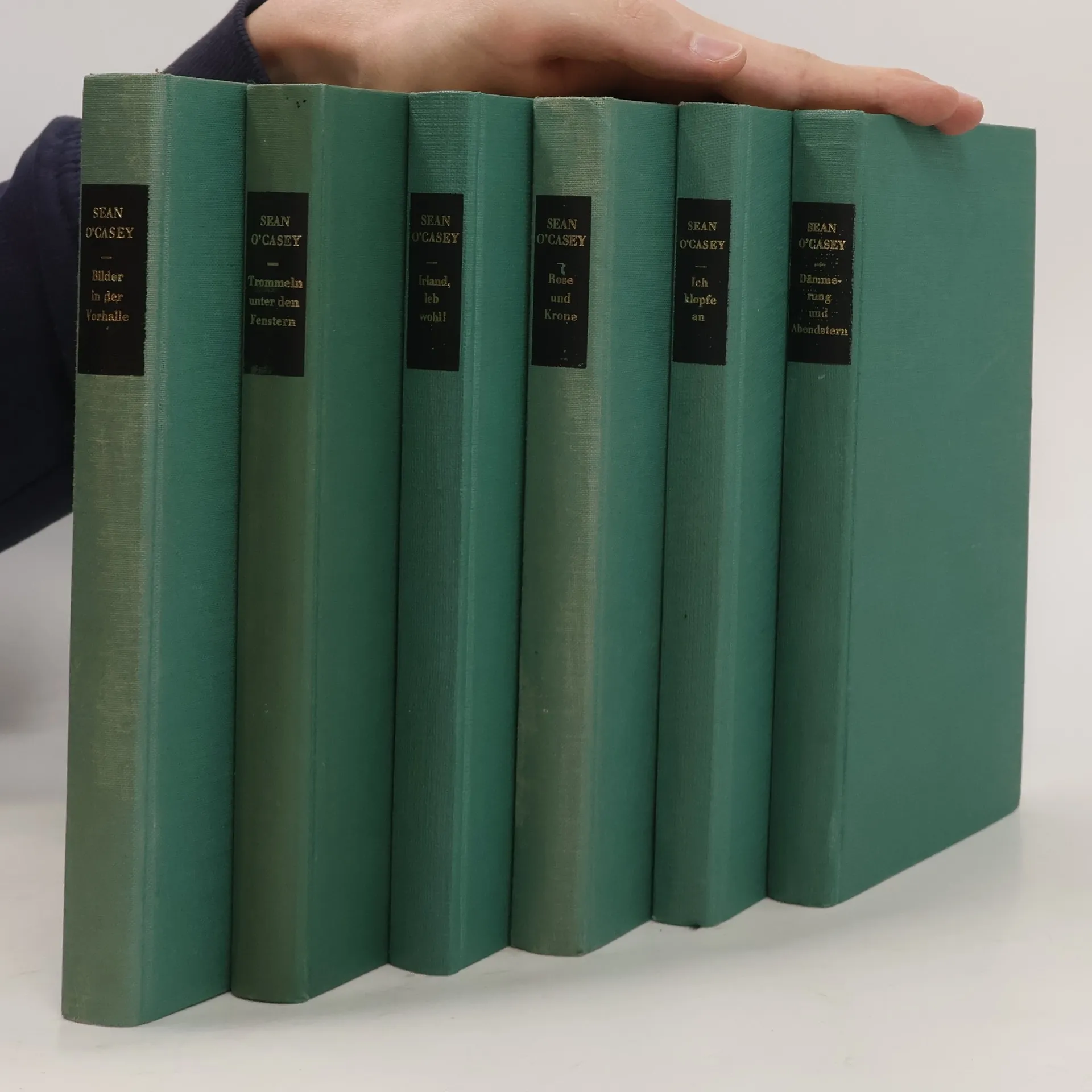
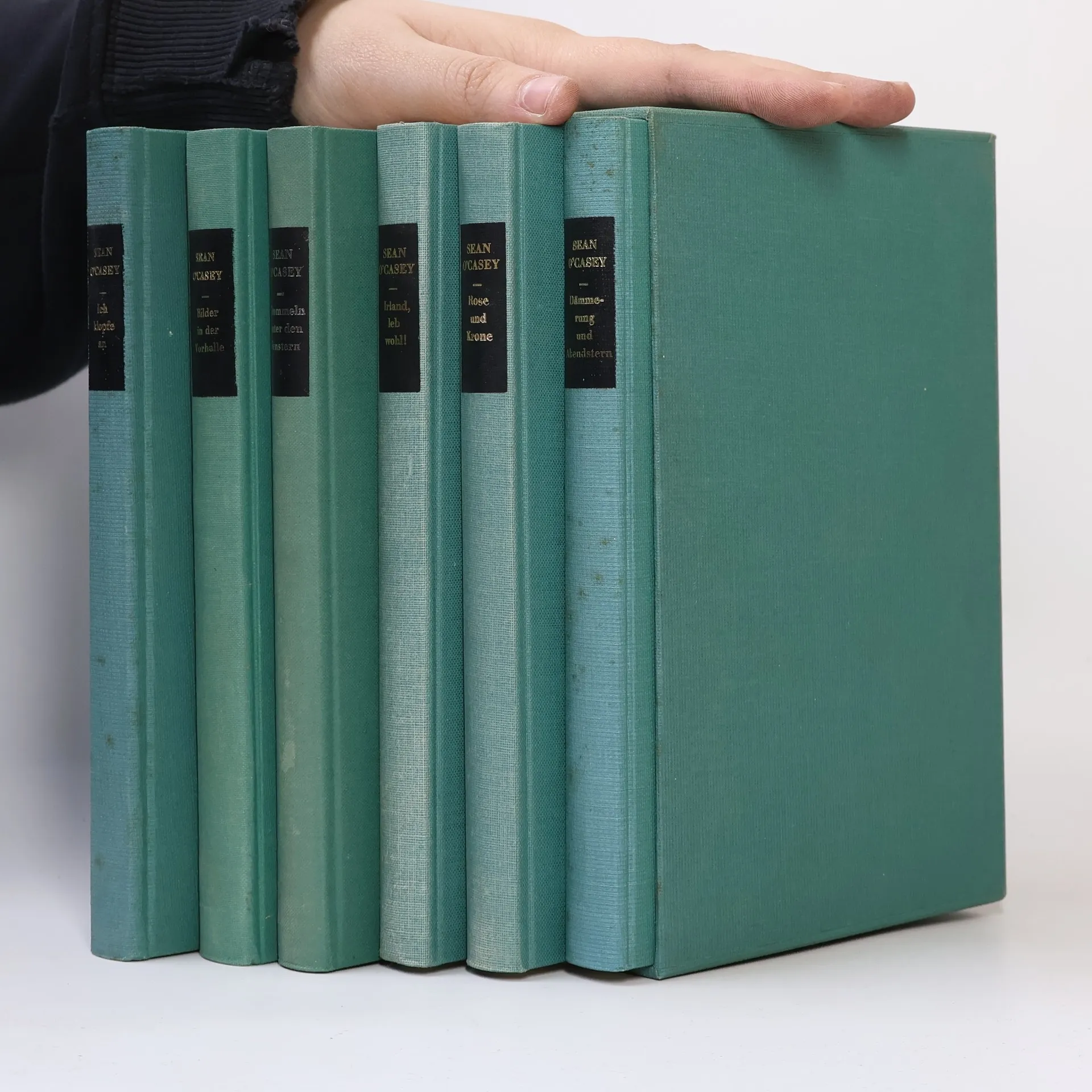
Autobiographie I-VI
Ich klopfe an. Bilder in der Vorhalle. Trommeln unter den Fenstern. Irland, leb wohl! Rose und Krone. Dämmerung und Abendstern
- 7volumes