Bookbot

Anne Applebaum

    25 juillet 1964

    Journaliste et auteure lauréate du prix Pulitzer, son travail explore les complexités du communisme et l'évolution de la société civile en Europe centrale et orientale. Ses écrits offrent des perspectives profondes sur les transformations politiques et sociales qui ont façonné la région. En tant que chroniqueuse respectée et membre du comité de rédaction d'un grand journal, elle contribue de manière significative au débat public sur des affaires internationales cruciales.

    Anne Applebaum
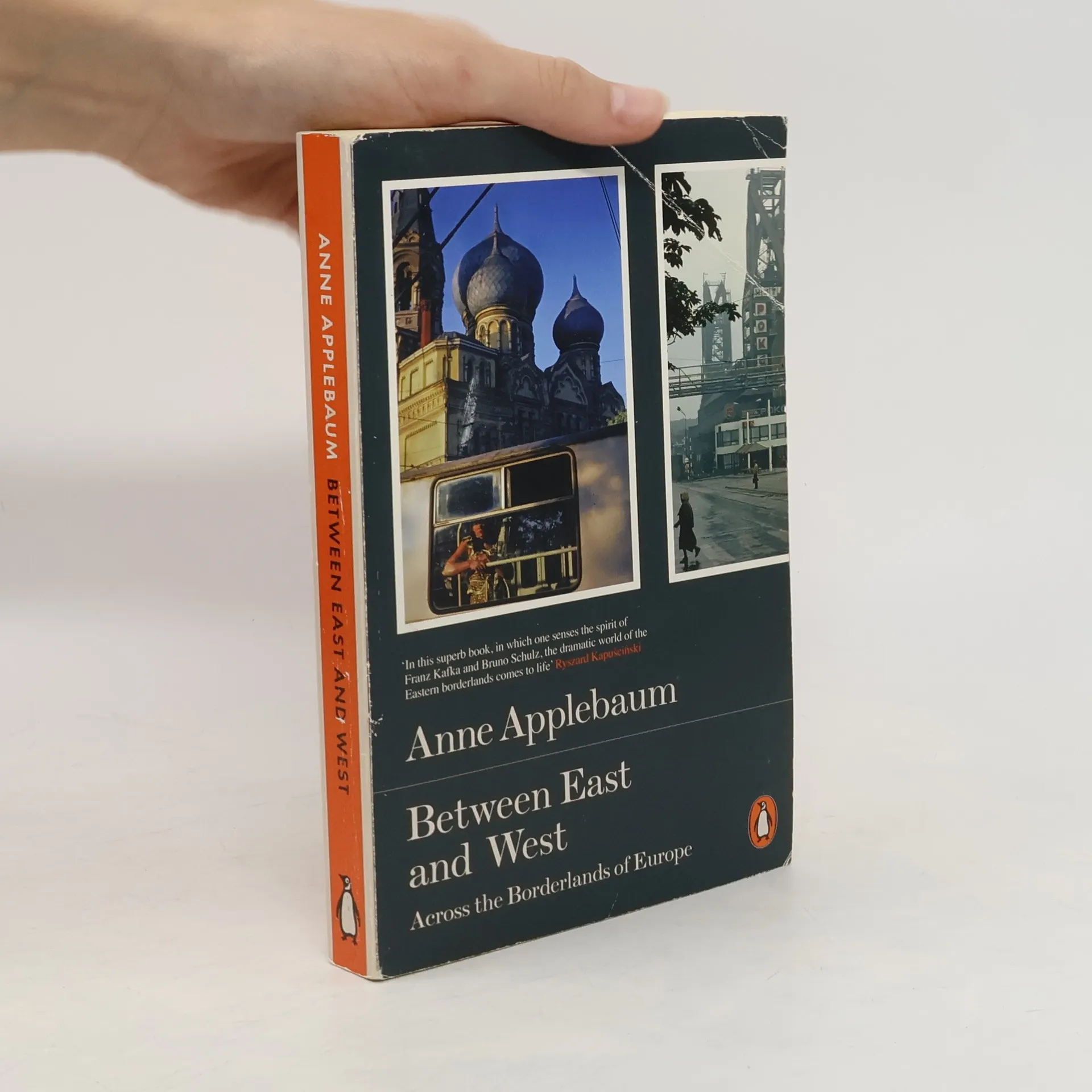
    Between East and West : across the borderlands of Europe
    Twilight of Democracy
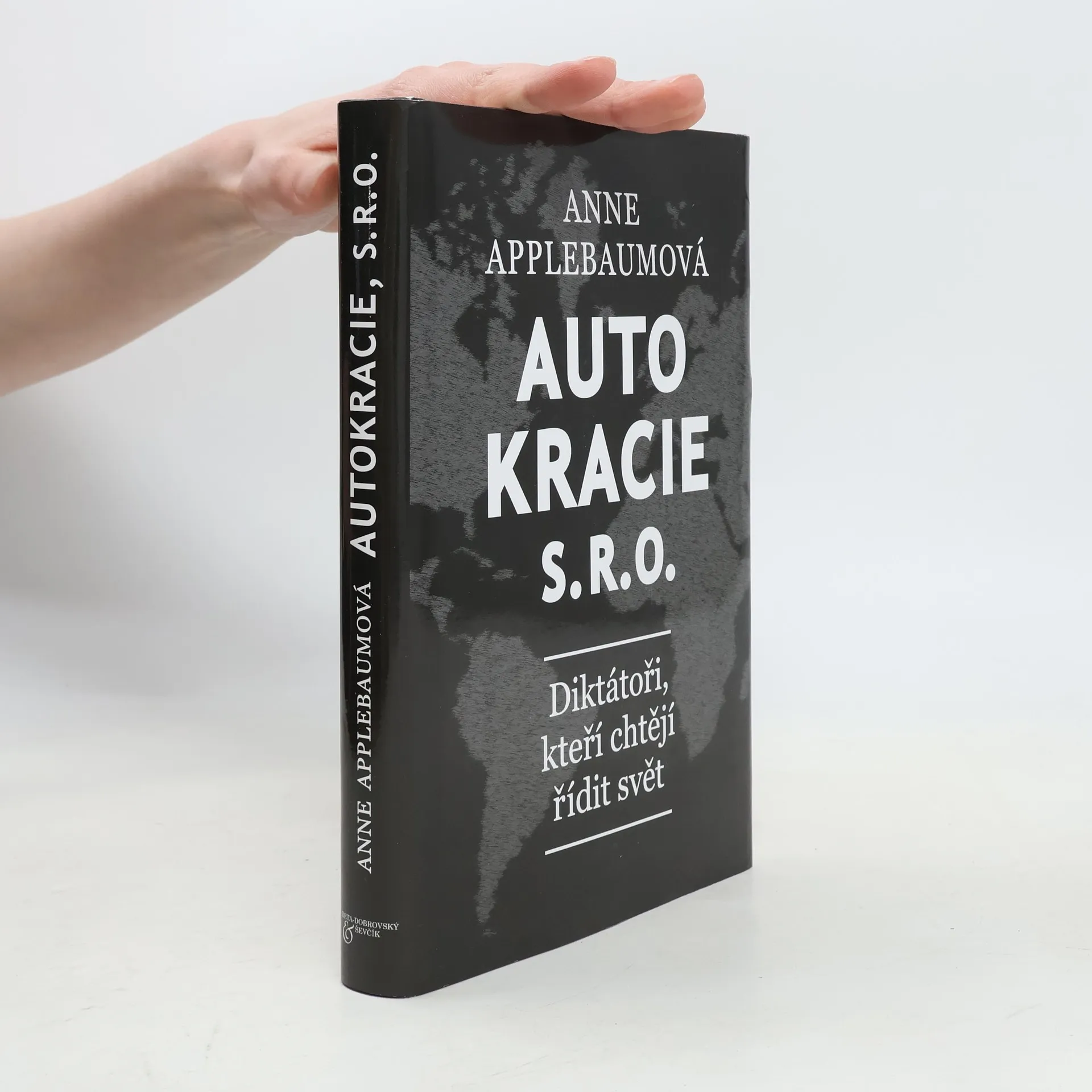
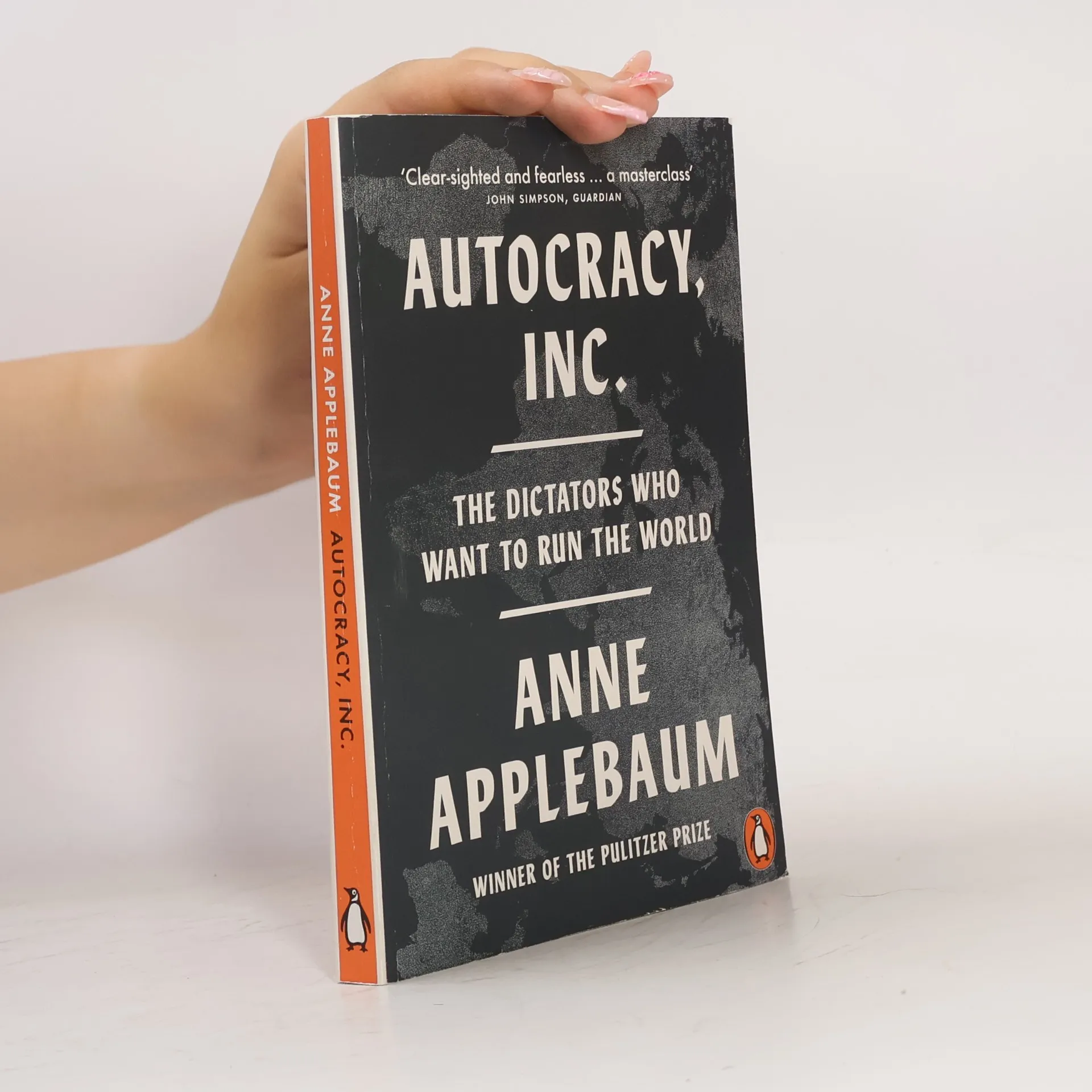
    Autocracy, Inc.: The Dictators Who Want to Run the World
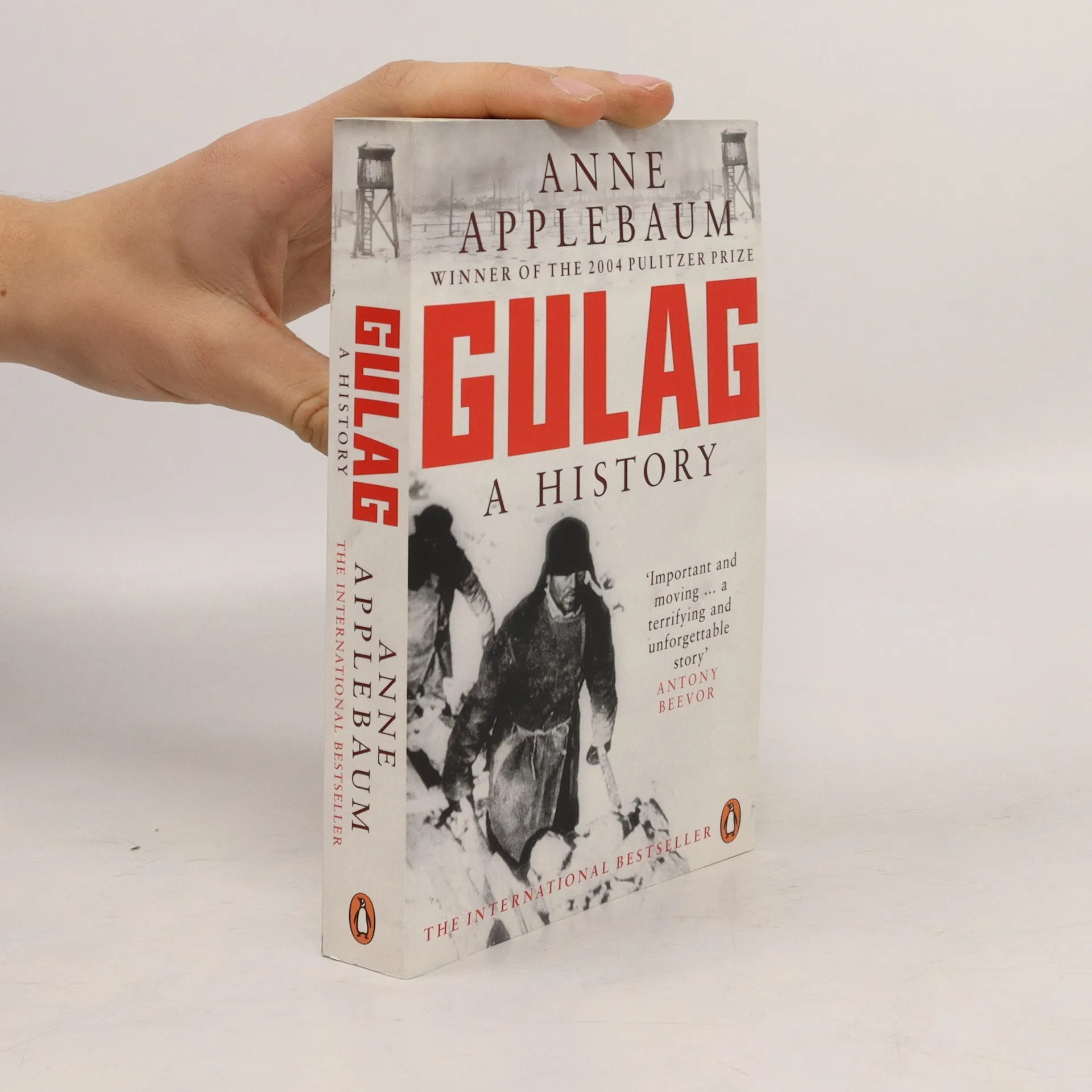
    Gulag: A History of the Soviet Camps
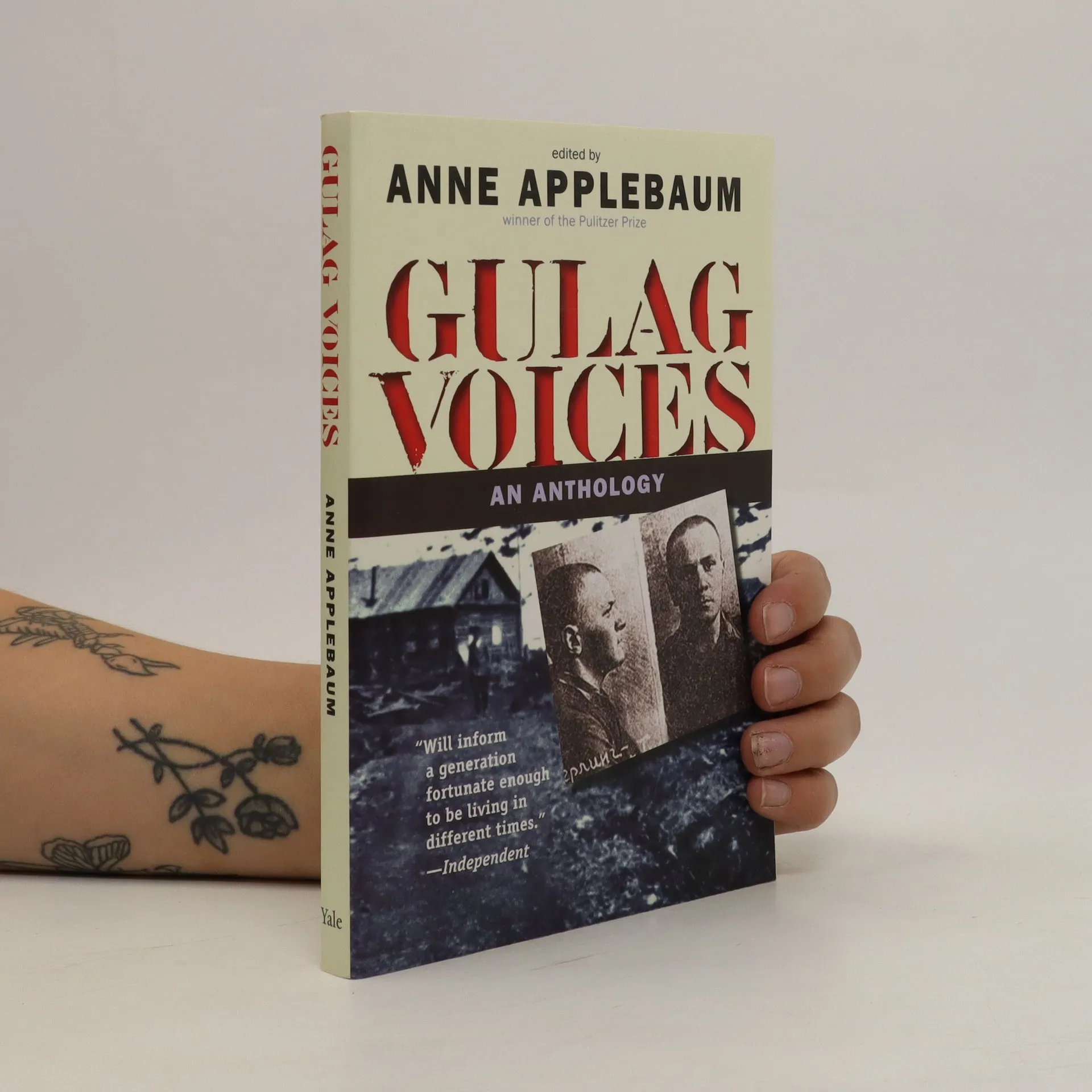
    Gulag Voices. An anthology
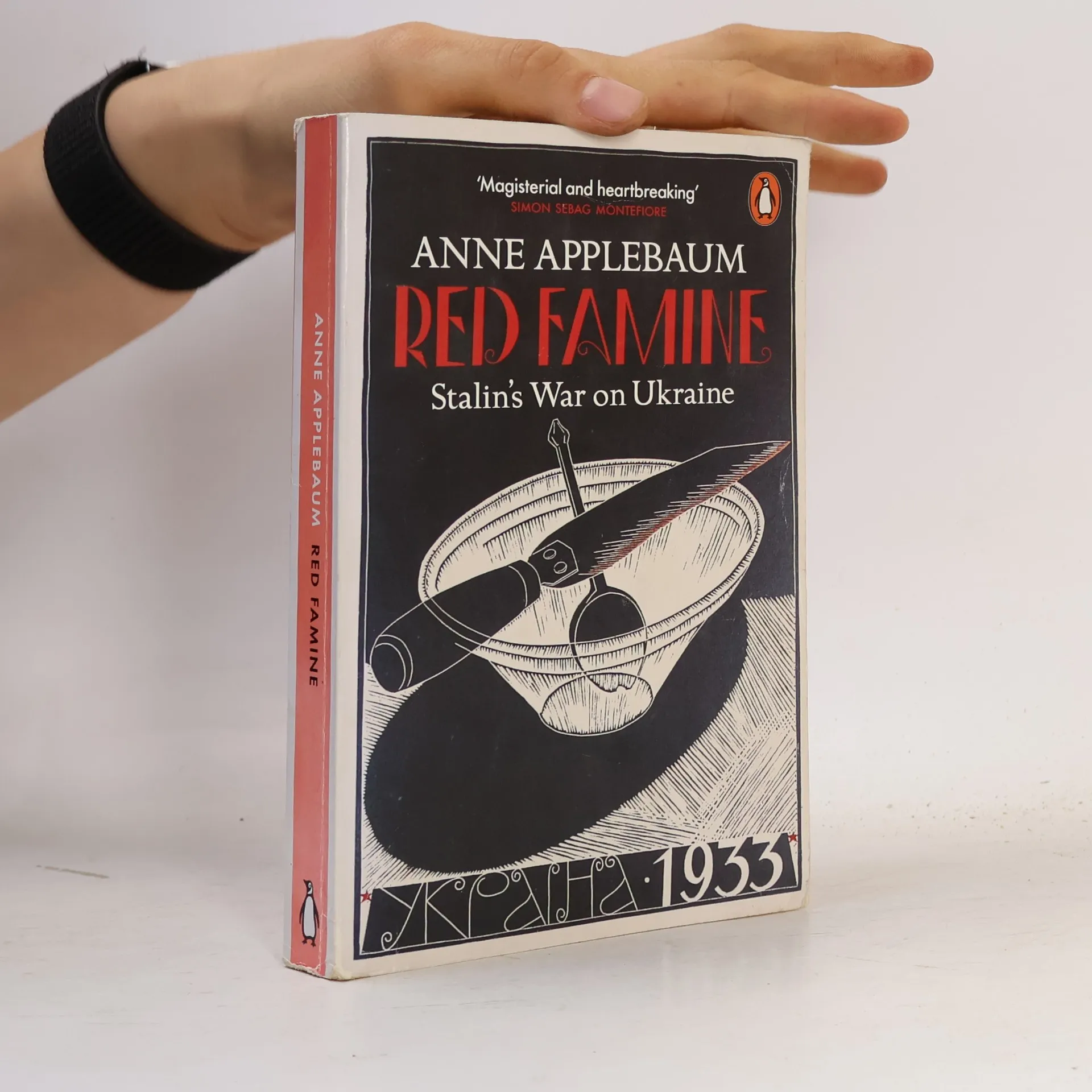
    Red famine : Stalin's war on Ukraine
    • Red famine : Stalin's war on Ukraine

      • 512pages
      • 18 heures de lecture

      In 1932-33, nearly four million Ukrainians died of starvation, having been deliberately deprived of food. Red Famine shows how this happened, who was responsible, and what the consequences were. The book draws on a mass of archival material and first-hand testimony. It includes accounts by survivors describing what human beings can do when driven mad by hunger. It shows how the Soviet state used propaganda to turn neighbours against each other in order to expunge supposedly 'anti-revolutionary' elements. It also records the actions of extraordinary individuals who did all they could to relieve the suffering. The famine was rapidly followed by an attack on Ukraine's cultural and political leadership - and then by a denial that it had ever happened. The Soviet authorities were determined not only that Ukraine should abandon its national aspirations, but that the country's true history should be buried along with its millions of victims. Red Famine, a triumph of scholarship and human sympathy, is a milestone in the recovery of those memories and that history.

      Red famine : Stalin's war on Ukraine
      4,5
    • Gulag Voices. An anthology

      • 195pages
      • 7 heures de lecture

      Collects the writings of a diverse group of people who survived imprisonment in the Gulag, recounting their experiences and relationships, and offering insight into the psychological aspects of life in the camps.

      Gulag Voices. An anthology
      4,5
    • Gulag: A History of the Soviet Camps

      • 624pages
      • 22 heures de lecture

      Reveals one of the greatest horrors of the 20th century: the system of Soviet camps that are responsible for the deaths of countless millions. This work presents history of the camp: from its origins under the tsars, to its colossal expansion under Stalin's reign of terror, its zenith in the late 1940s and eventual collapse in the era of glasnost.

      Gulag: A History of the Soviet Camps
      4,3
    • One of the world's most celebrated historians and journalists uncovers the networks aiming to undermine democracy. The traditional image of an autocratic state, with a single tyrant at the helm, is outdated. In the 21st century, autocracies function through sophisticated networks of kleptocratic financial systems, security services, and professional propagandists. These members are interconnected not just within their own countries but across borders. Corrupt, state-controlled companies collaborate internationally, while police forces in one nation can train and equip those in another. Propagandists share resources; troll farms promoting one dictator's agenda can easily support another's, emphasizing the same anti-democratic messages. Unlike historical military or political alliances, this network operates more like a conglomerate: Autocracy, Inc. Their interactions are transactional, transcending ideological, geographical, and cultural divides. Their sole commonality is a shared disdain for the democratic world and a desire to undermine its systems and values. This book explores the origins, persistence, and mechanics of this autocratic coalition, as well as how the democratic world has inadvertently bolstered it and what can be done to dismantle it.

      Autocracy, Inc.: The Dictators Who Want to Run the World
      4,2
    • Twilight of Democracy

      • 224pages
      • 8 heures de lecture

      Anne Applebaum, a distinguished historian of communism and contemporary politics, addresses a pressing question: how did democracy falter? In this urgent and insightful work, she explores the disillusionment of those who once championed democratic ideals, now succumbing to deceitful leaders. This deeply personal account combines analysis, reportage, and memoir to reveal the troubling trajectory of a political generation. In the years surrounding the fall of the Berlin Wall, a sense of achievement and camaraderie united diverse political groups in Europe and America. However, as time passed, this euphoria faded, common goals diminished, and extremism resurfaced, leading to fractured relationships. Applebaum examines this decline through the lens of individuals entangled in significant public events over the past three decades. As politics becomes polarized, individuals—journalists, intellectuals, civic leaders—face difficult choices regarding the rise of authoritarianism and nationalism. When leaders distort history, propagate conspiracies, or undermine media and judiciary integrity, how should one respond? This essay uniquely intertwines personal experiences with political analysis, offering fresh insights into the dynamics of public life in Europe and America, both present and past.

      Twilight of Democracy
      4,2
    • As Europe's borderlands emerged from Soviet rule, Anne Applebaum travelled from the Baltic to the Black Sea, through Lithuania, Belarus, Ukraine and the Carpathian mountains. Rich in vivid characters and stories of tragedy and survival, Between East and West illuminates the soul of a place, and the secret history of its people

      Between East and West : across the borderlands of Europe
      4,1
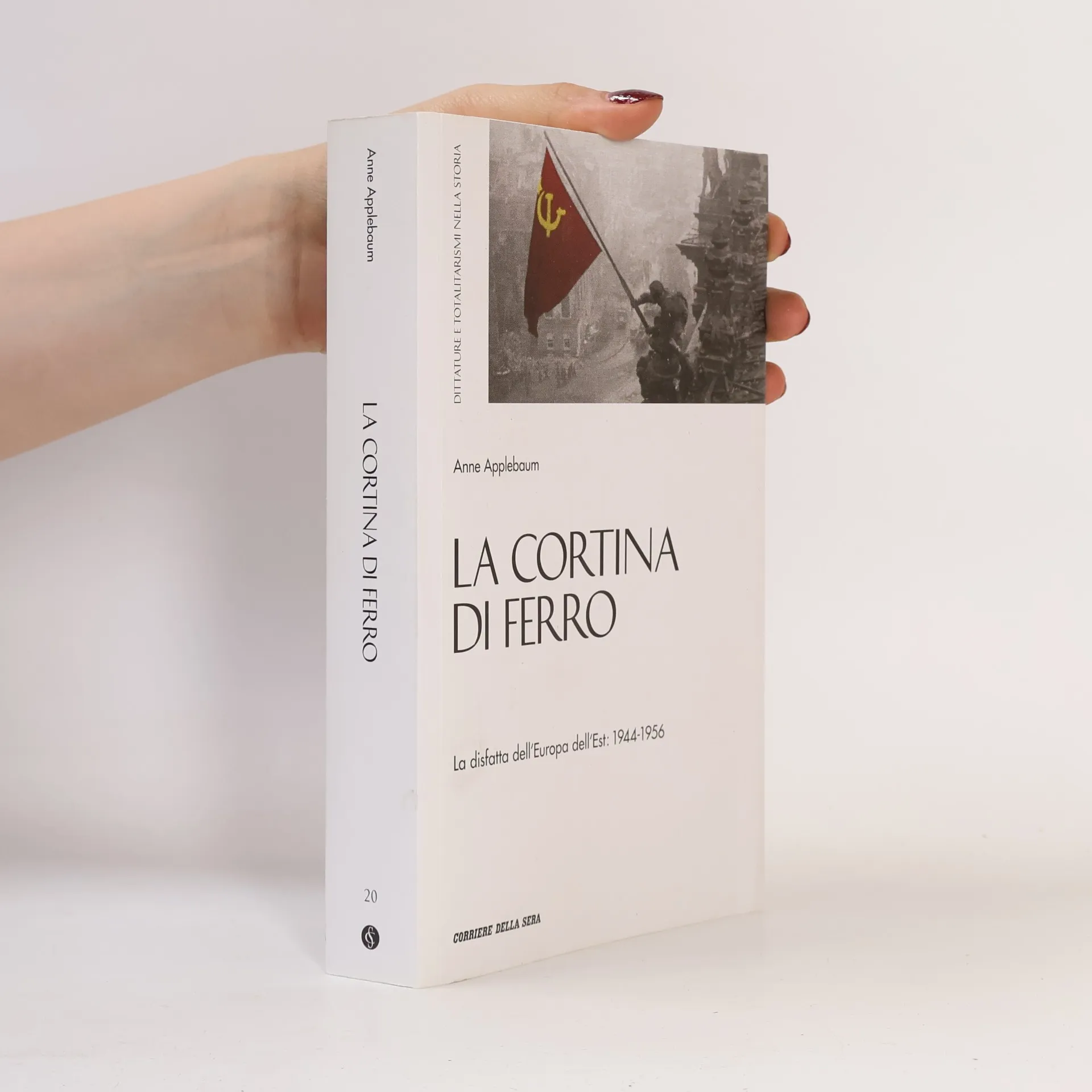
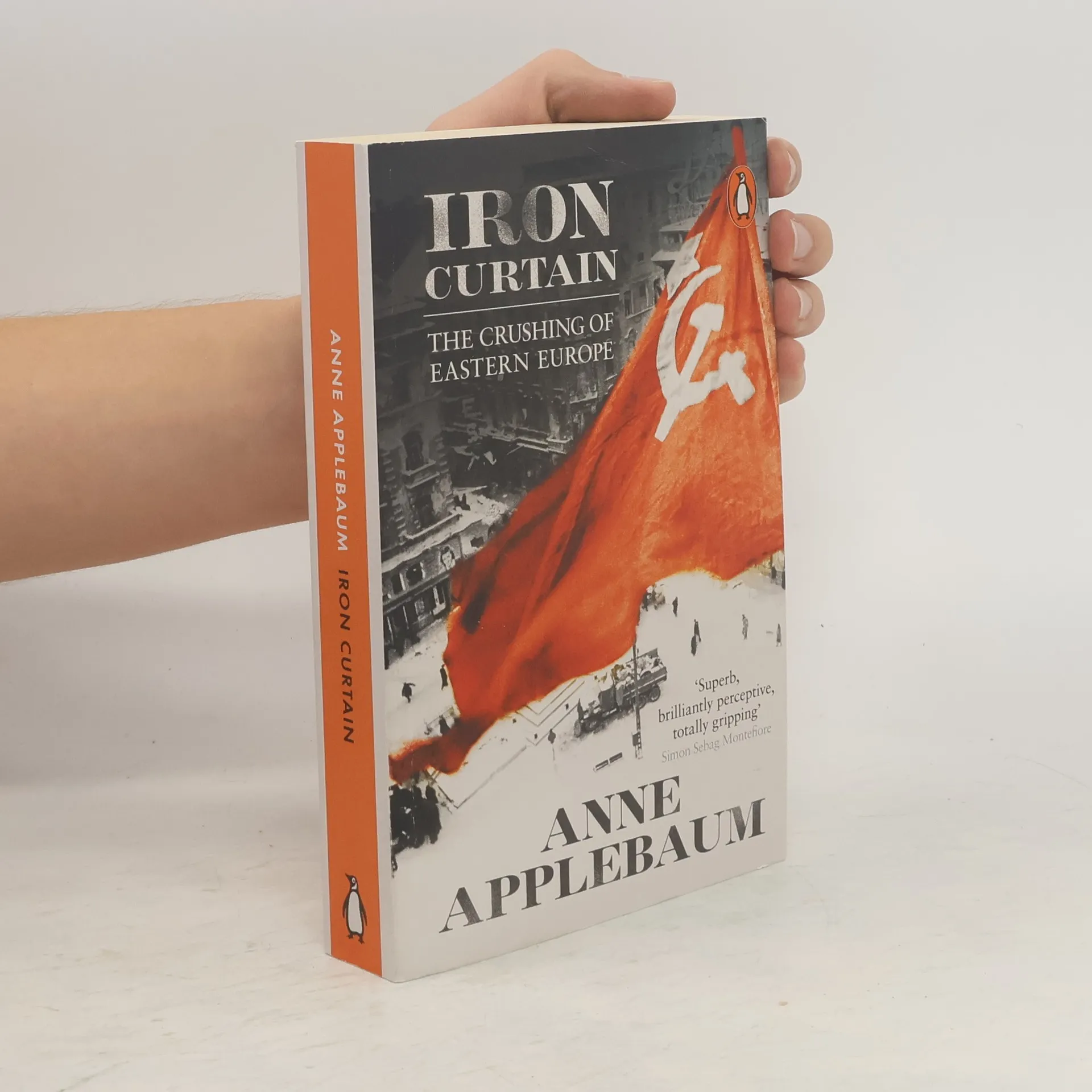
    • Iron Curtain

      The Crushing of Eastern Europe

      At the end of the Second World War, the Soviet Union unexpectedly found itself in control of a huge swathe of territory in Eastern Europe. Stalin and his secret police set out to convert a dozen radically different countries to a completely new political and moral system- Communism. Anne Applebaum's landmark history of this brutal time shows how societies were ruthlessly eviscerated by Communist regimes, how opposition was destroyed and what life was like for ordinary people who had to choose whether to fight, to flee or to collaborate. Iron Curtainis an exceptional work of historical and moral reckoning, and a haunting reminder of how fragile freedom can be. Chosen 16 times as a 'Book of the Year' - The top Non-Fiction pick of 2012'The best work of modern history I have ever read.' A. N. Wilson, Financial Times'The outstanding book of the year . . . a masterpiece.' Oliver Kamm, The Times, Books of the Year 'Exceptionally important, wise, perceptive, remarkably objective.' Antony Beevor 'Explains in a manner worthy of Arthur Koestler what totalitarianism really means . . . it is a window into a world of lies and evil that we can hardly imagine.' Edward Lucas, Standpoint 'At last the story can be told . . . a magisterial history.' Orlando Figes, Mail on Sunday

      Iron Curtain
      4,1
    • A FINANCIAL TIMES, ECONOMIST AND NEW STATESMAN BOOK OF THE YEAR 2020 'The most important non-fiction book of the year' David Hare In the years just before and after the fall of the Berlin Wall, people from across the political spectrum in Europe and America celebrated a great achievement, felt a common purpose and, very often, forged personal friendships. Yet over the following decades the euphoria evaporated, the common purpose and centre ground gradually disappeared, extremism rose once more and eventually - as this book compellingly relates - the relationships soured too. Anne Applebaum traces this history in an unfamiliar way, looking at the trajectories of individuals caught up in the public events of the last three decades. When politics becomes polarized, which side do you back? If you are a journalist, an intellectual, a civic leader, how do you deal with the re-emergence of authoritarian or nationalist ideas in your country? When your leaders appropriate history, or pedal conspiracies, or eviscerate the media and the judiciary, do you go along with it? Twilight of Democracy is an essay that combines the personal and the political in an original way and brings a fresh understanding to the dynamics of public life in Europe and America, both now and in the recent past.

      Twilight of democracy : the failure of politics and the parting of friends
      3,7
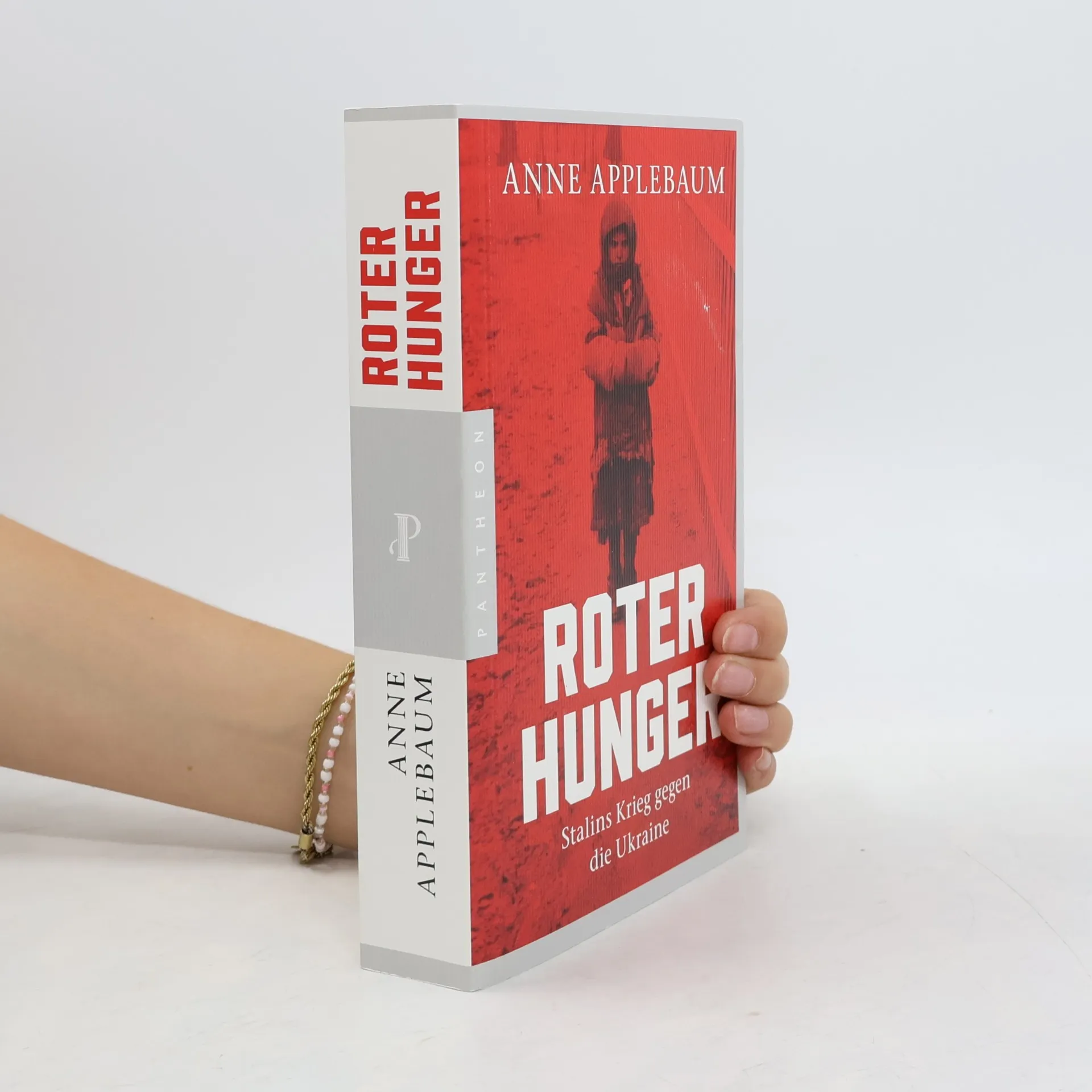
    • V roce 1929 Stalin zahájil proces zemědělské kolektivizace, která se v podstatě stala druhou ruskou revolucí. Miliony větších i menších zemědělců byly postupně přinuceny odevzdat svou půdu nově vytvořeným agrárním podnikům – družstevním kolchozům nebo státním sovchozům. Tragickým důsledkem kolektivizace byl propad zemědělské výroby následovaný smrtícím hladomorem, jaký nemá v evropské historii obdoby. Mezi lety1931 a 1933 v Sovětském svazu zemřelo hladem nejméně pět miliónů lidí. Sovětské vedení však pomoc obyvatelstvu v dotčených oblastech záměrně neposkytlo a tragédii naopak využívalo ke svým politickým cílům. A jak konstatuje autorka, téměř dvě třetiny z celkového počtu mrtvých byli Ukrajinci, kteří nezahynuli vinou chybné hospodářské politiky, nýbrž se stali oběťmi Stalinova cíleného státního teroru.

      Rudý hladomor : Stalinova válka na Ukrajině
      4,6
    • Die Verlockung des Autoritären

      Warum antidemokratische Herrschaft so populär geworden ist - FRIEDENSPREIS DES DEUTSCHEN BUCHHANDELS 2024 FÜR ANNE APPLEBAUM

      • 208pages
      • 8 heures de lecture

      Der von Barack Obama empfohlene Bestseller der Pulitzer-Preisträgerin Die Erschütterung der liberalen Demokratien wird oft mit der Schwäche der westlichen Werteordnung erklärt. Anne Applebaum wählt einen anderen Ansatz und fragt: Was macht die Rückkehr zu autoritären Herrschaftsformen für viele Menschen so erstrebenswert? An zahlreichen Beispielen – von den Brexiteers bis hin zu den illiberalen Demokratien Osteuropas – zeigt sie, welche Rolle dabei soziale Medien, Verschwörungstheorien und Nostalgie spielen. Ein brillant erzählter, aus persönlicher Erfahrung gespeister Streifzug durch eine westliche Welt, die sich auf erschreckende Weise nach harter Hand und starkem Staat (zurück)sehnt. Eine brillante Analyse des politischen Populismus seit Orban, Trump und Johnson »Scharfsinnig und atemberaubend klar geschrieben.« (Frankfurter Allgemeine Sonntagszeitung)

      Die Verlockung des Autoritären
      4,0
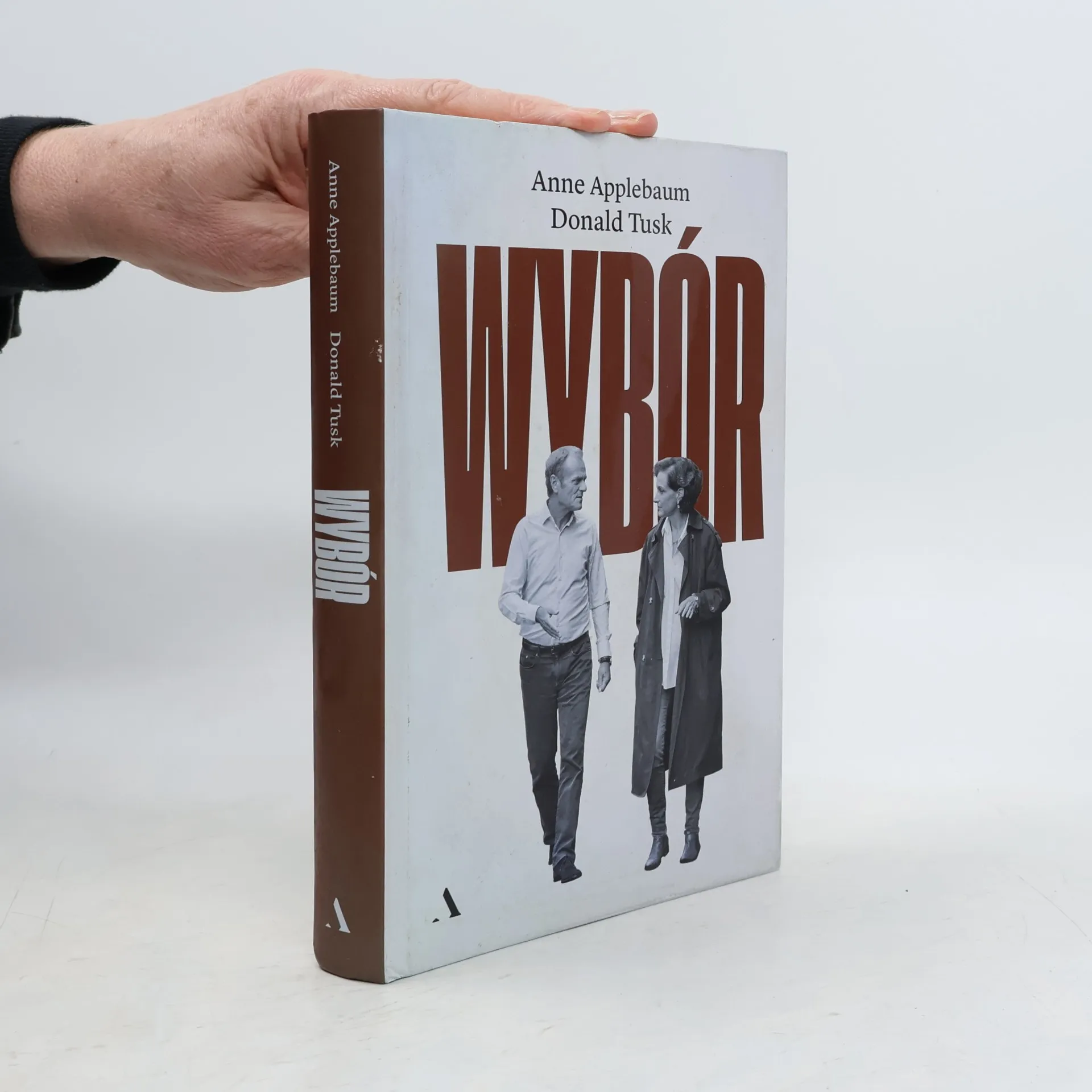
    • Wybór

      • 320pages
      • 12 heures de lecture
      Wybór
      4,1
    • Der Eiserne Vorhang

      Die Unterdrückung Osteuropas 1944-1956

      • 640pages
      • 23 heures de lecture

      Anne Applebaums großes Werk über die totalitäre Herrschaft im Osten Europas nach 1945 Wie begann die Unterdrückung Osteuropas? In ihrem Buch erzählt Anne Applebaum, wie der östliche Teil des Kontinents nach Ende des Zweiten Weltkriegs hinter dem Eisernen Vorhang verschwand. Auf Basis umfangreicher Archivrecherchen und Gesprächen mit zahlreichen Zeitzeugen zeigt sie eindrucksvoll, wie systematisch und brutal sowjetische Truppen und einheimische Kommunisten in den Ländern Osteuropas stalinistische Diktaturen errichteten und was dies für die Menschen dort bedeutete. Ausstattung: mit Abbildungen

      Der Eiserne Vorhang
    • Zdobywczyni nagrody Pulitzera analizuje, dlaczego elity w demokracjach na całym świecie zwracają się ku nacjonalizmowi i autorytaryzmowi. Liberalna demokracja jest zagrożona, a autorytaryzm zyskuje na sile w krajach takich jak Stany Zjednoczone, Wielka Brytania czy Polska. Autorka, uznawana za ekspertkę w dziedzinie komunizmu i współczesnej polityki, bada mechanizmy powstawania autokracji i nacjonalizmu w nowoczesnych demokracjach, oferując wstrząsającą analizę zmian, które kształtują dzisiejszy świat. Przygląda się rosnącej sile despotycznych przywódców, którzy korzystają z politycznych sojuszników, biurokratów i medialnych gwiazd, aby zdobyć władzę. Opisuje także nowych zwolenników nieliberalizmu, którzy wykorzystują teorie spiskowe, polaryzację polityczną oraz media społecznościowe, aby wprowadzać zmiany społeczne. Książka stanowi również wnikliwe spojrzenie na drogę powrotu do wartości demokratycznych. Autorka stawia fundamentalne pytanie o stan demokracji, angażując się w analizę zarówno w Europie, jak i w Ameryce. Jej odpowiedzi są przedstawione w niezwykłym dokumencie, napisanym z głęboką wnikliwością i zrozumieniem.

      Zmierzch demokracji