

After the decisive defeat of Hannibal in the Second Punic War (218-201), Rome faced a series of challenges from the East - to emerge as master of the Mediterranean in 167 B.C. It is Livy who, by the sheer power of his historical imagination, creates from the bald and often inaccurate souces an enthralling narrative, full of drama and color, compelling personalities and magnificent oratory. With her triumphs over the heirs of Alexander the Great in the Macedonian Wars, world leadership passed forever from Greece to Rome; and Livy shows us the men, heroic but human, who took part in an epoch-making event.
Titus Livy Livres
Titus Livius fut un historien romain réputé pour son œuvre monumentale, 'Ab Urbe Condita Libri', qui retrace l'histoire de Rome de ses origines jusqu'au règne d'Auguste. Sa vaste histoire offre un aperçu des premières légendes et du développement du peuple romain. Tite-Live entretenait des liens étroits avec la dynastie Julio-Claudienne, conseillant le jeune Claude, futur empereur, dans ses aspirations d'écriture historique. Son travail constitue une source inestimable pour la compréhension de la Rome antique.


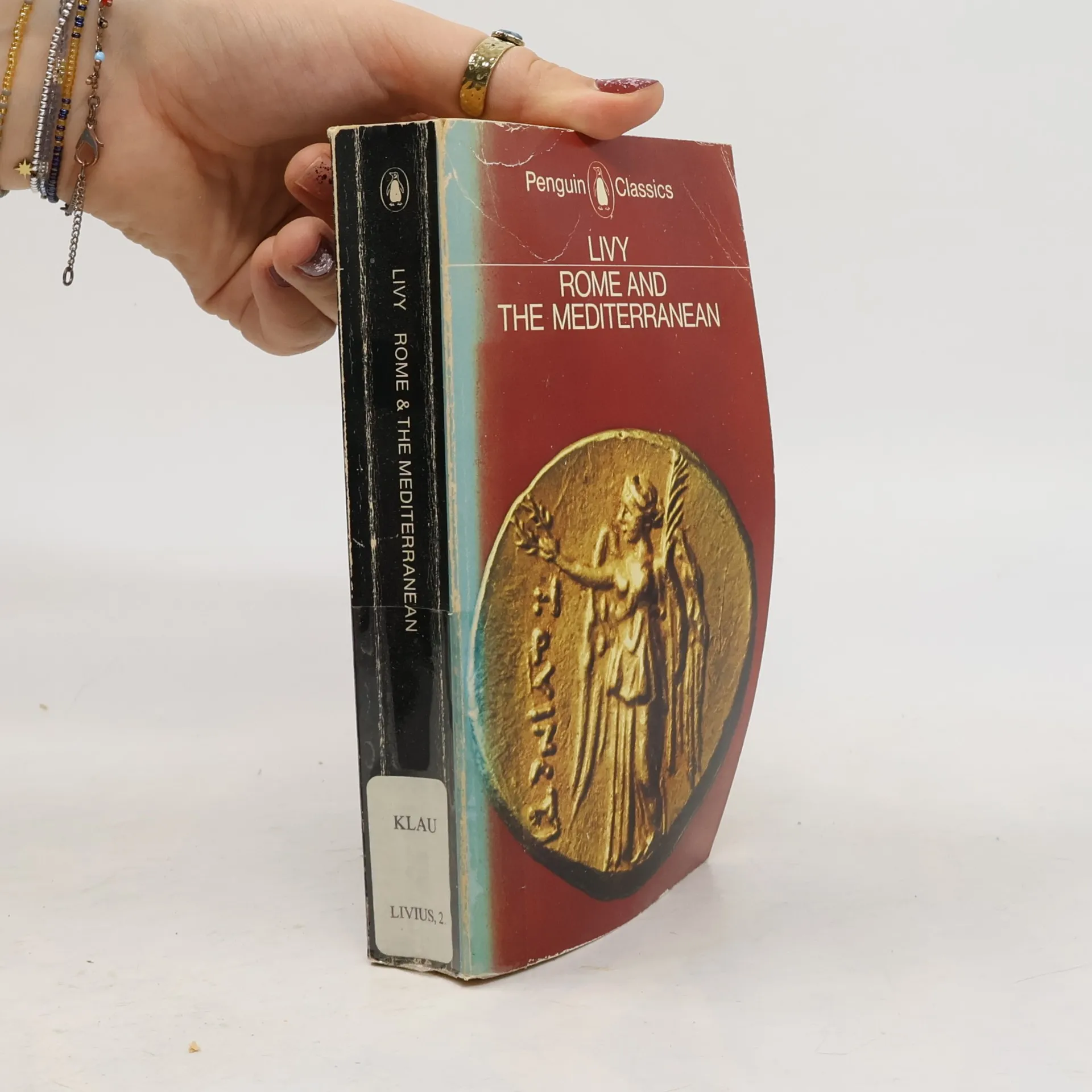
It is Livy (59 BC-AD 17) who re-creates for us in vivid detail the terrible events of the Second Punic War, down to the Battle of Zama (202 BC). It is Livy who shows us the immense armies of Hannibal, elephants and all, crossing the Alps (still regarded as a near-miraculous feat by historians), the panic as Hannibal approached the gates of Rome, the decimation of the Roman army in thick fog at the Battle of Lake Trasimene. But, above all, it is the clash of personalities that fascinate him: the great debates in the Senate, the series of Roman generals who prove no match for Hannibal, the historic meeting between Scipio and Hannibal before the decisive battle. Livy never hesitated to introduce drama and moral lessons into his History of Rome; in the ten books dealing with the war with Hannibal, he had an immense theme worthy of his immense talents.
Classici Greci e Latini - 3 (Libri V-VII): Storia di Roma dalla sua fondazione
Note di Claudio Moreschini - Testo latino a fronte
- 414pages
- 15 heures de lecture
Testo latino a fronte. Questo terzo volume della "Storia di Roma dalla sua fondazione" di Tito Livio contiene i libri V, VI, VII della prima deca, che corrispondono al periodo, denso di avvenimenti, tra la presa di Veio, l'invasione dei Galli e la prima guerra sannitica. Accanto a figure di capi militari, come Camillo e molti altri, tracciate nei toni dell'epica e della leggenda, nel racconto di Livio appaiono quelle dei protagonisti dell'evoluzione interna, politica, economica e sociale, dello Stato romano. In quest'epoca Roma entra in contatto con culture e con sistemi politici nati e operanti al di fuori della penisola - i Celti, i Greci, i Cartaginesi - e vede delinearsi la sua vocazione storica mediterranea ed europea.