
Bookbot

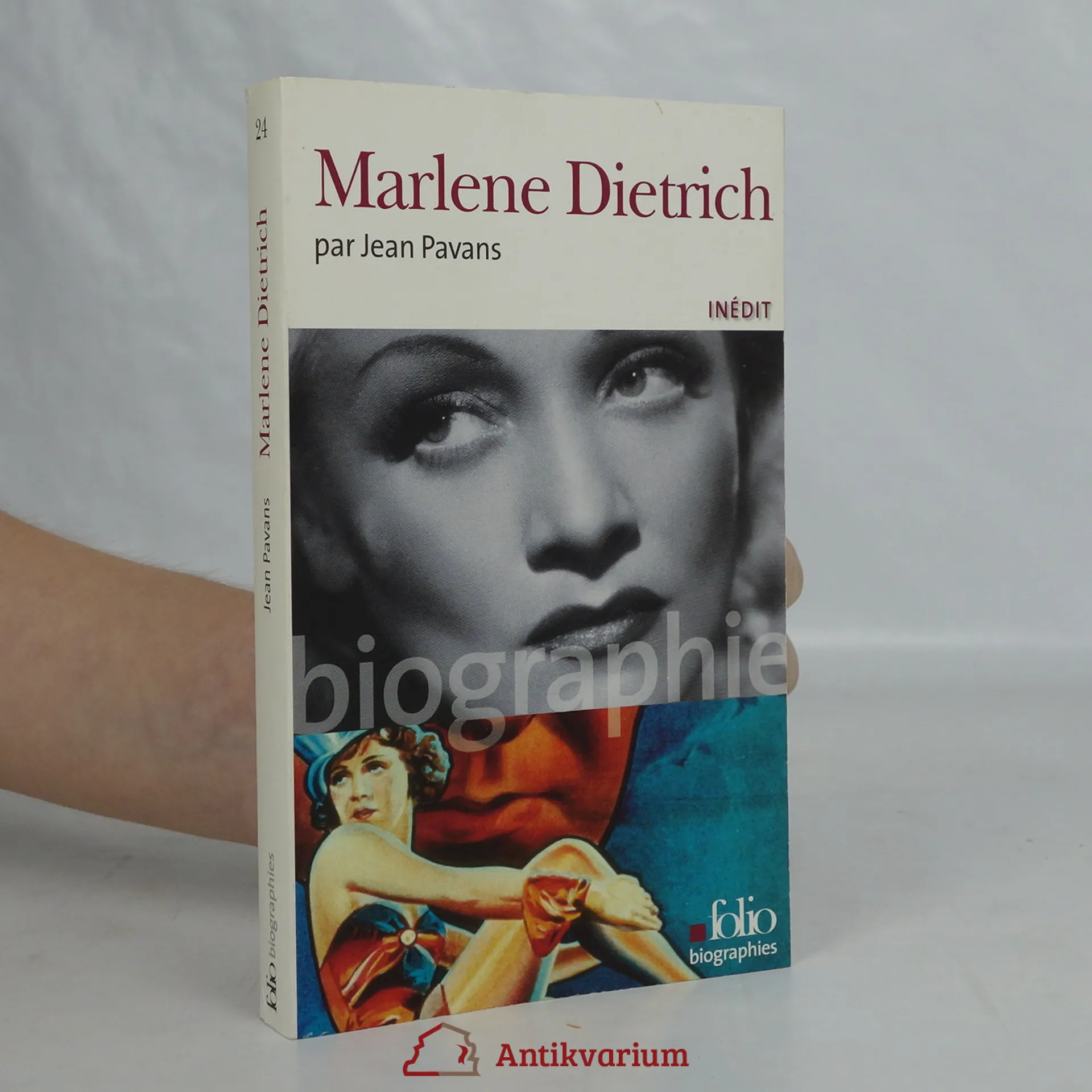
Jean Pavans

    Marlene Dietrich
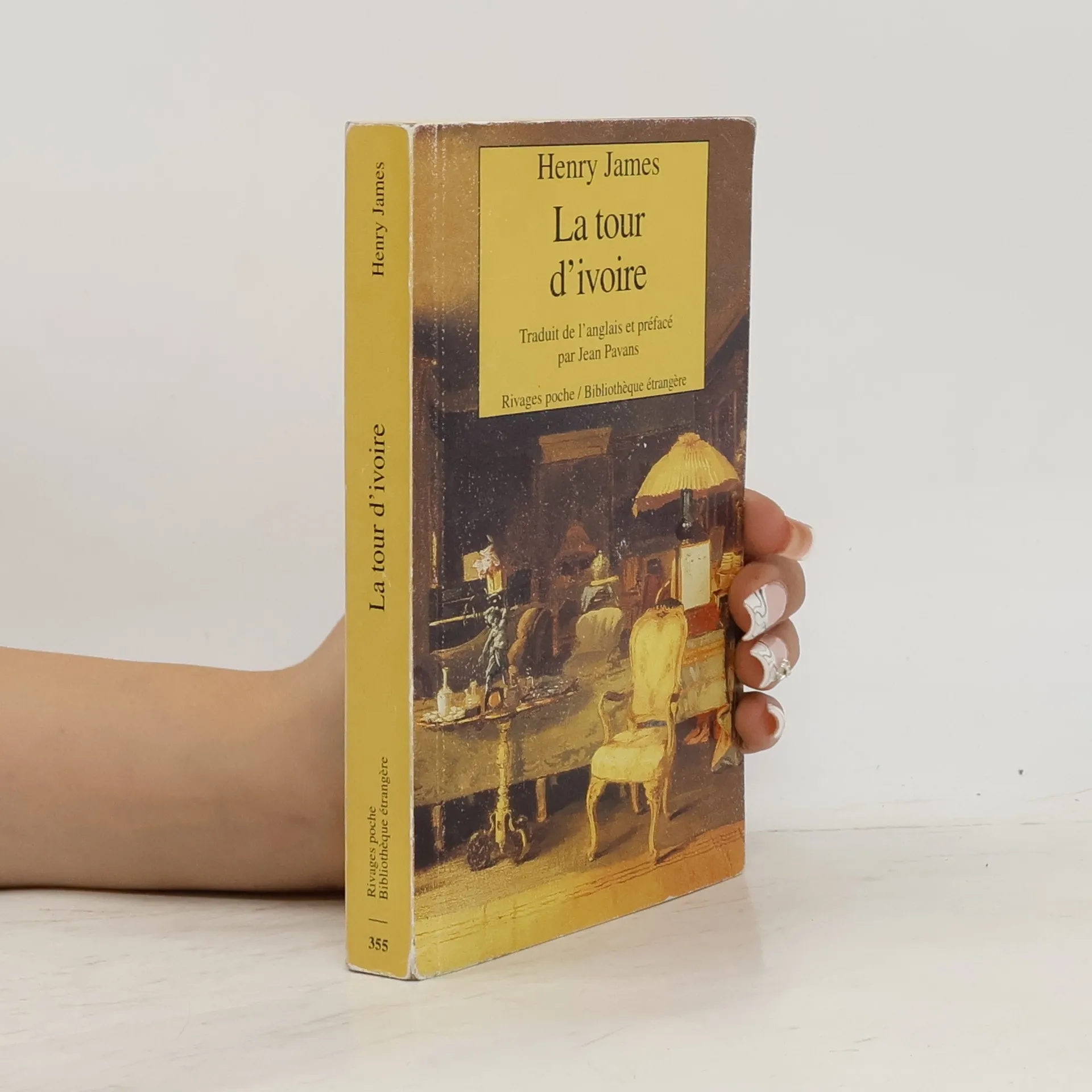
    La Tour d'ivoire
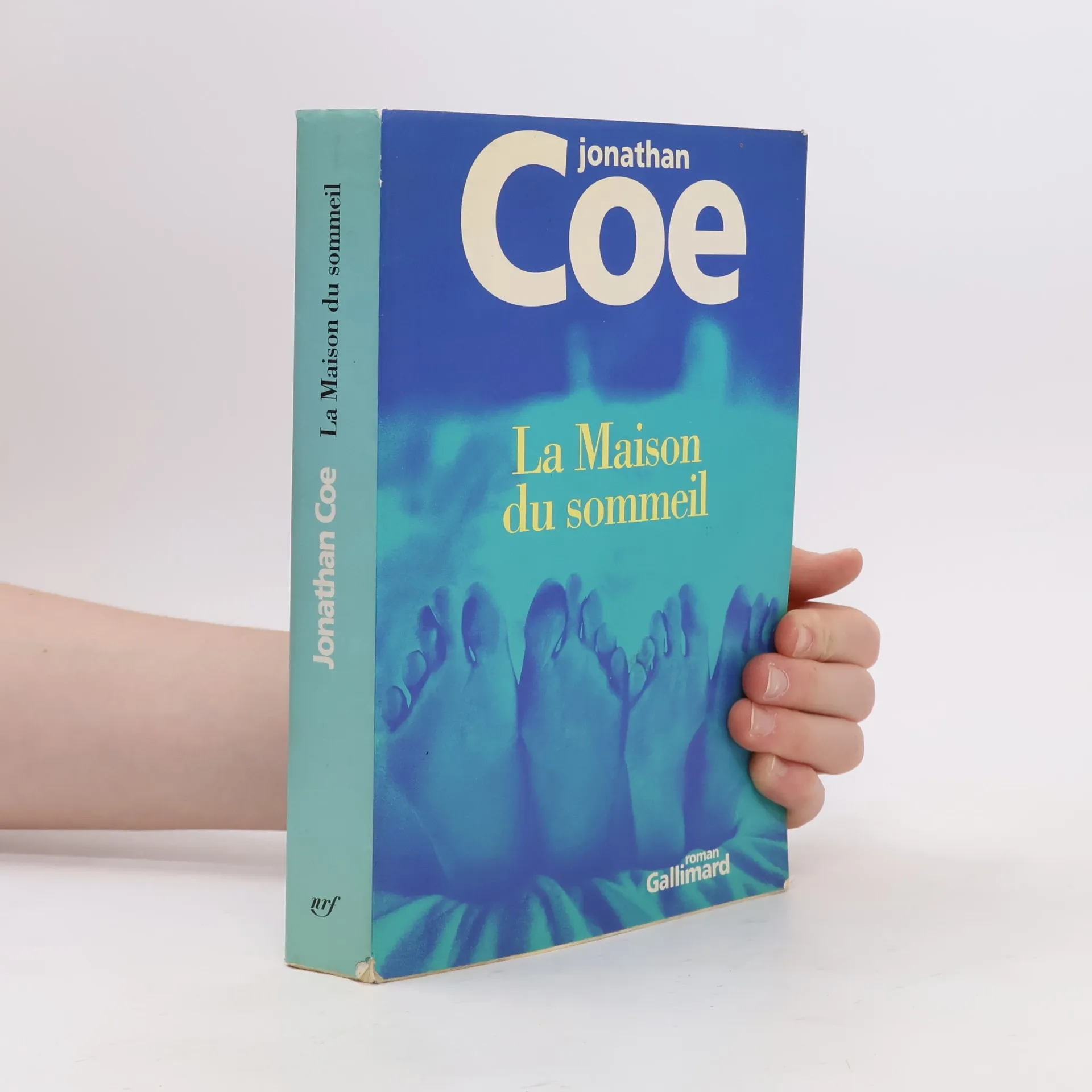
    La Maison du sommeil
    • La Maison du sommeil

      • 432pages
      • 16 heures de lecture

      Winner of the Writers' Guild Best Fiction Award in England and the Prix Médicis in France Like a surreal and highly caffeinated version of The Big Chill, Jonathan Coe's new novel follows four students who knew each other in college in the eighties. Sarah is a narcoleptic who has dreams so vivid she mistakes them for real events. Robert has his life changed forever by the misunderstandings that arise from her condition. Terry spends his wakeful nights fueling his obsession with movies. And an increasingly unstable doctor, Gregory, sees sleep as a life-shortening disease which he must eradicate. But after ten years of fretful slumber and dreams gone bad, the four reunite in their college town to confront their disorders. In a Gothic cliffside manor being used as a clinic for sleep disorders, they discover that neither love, nor lunacy, nor obsession ever rests.

      La Maison du sommeil
      4,0
    • La Tour d'ivoire

      • 336pages
      • 12 heures de lecture

      In 1914, Henry James began work on a major novel about the immense new fortunes of America’s Gilded Age. After an absence of more than twenty years, James had returned for a visit to his native country; what he found there filled him with profound dismay. In The Ivory Tower , his last book, the characteristic pattern underlying so much of his fiction—in which American “innocence” is transformed by its encounter with European “experience”—receives a new twist: raised abroad, the hero comes home to America to confront, as James puts it, “the black and merciless things that are behind the great possessions.” James died in 1916 with the first three books of The Ivory Tower completed. He also left behind a “treatment,” in which he charted the further progress of his story. This fascinating scenario, one of only two to survive among James’s papers, is also published here together with a striking critical essay by Ezra Pound.

      La Tour d'ivoire
      2,8