Bookbot

MIT Press Ltd

    Reframing Rights
    Transmissions
    Guy Debord and the Situationist International
    Michael Asher
    Dying in the Twenty-First Century
    Visual Population Codes
    • Visual Population Codes

      • 632pages
      • 23 heures de lecture

      How visual content is represented in neuronal population codes and how to analyze such codes with multivariate techniques.

      Visual Population Codes
      4,5
    • Dying in the Twenty-First Century

      • 224pages
      • 8 heures de lecture

      Physicians, philosophers, and theologians consider how to address death and dying for a diverse population in a secularized century.

      Dying in the Twenty-First Century
      5,0
    • Michael Asher

      • 181pages
      • 7 heures de lecture

      Essays and criticism that span Michael Asher's career, documenting site- specific installations and institutional interventions.

      Michael Asher
      4,0
    • Transmissions

      • 264pages
      • 10 heures de lecture

      Researchers rethink tactics for inventing and disseminating research, examining the use of such unconventional forms as poetry, performance, catalogs, interactive machines, costume, and digital platforms.

      Transmissions
      3,5
    • Legal texts have been with us since the dawn of human history. Beginning in 1953, life too became textual. The discovery of the structure of DNA made it possible to represent the basic matter of life with permutations and combinations of four letters of the alphabet, A, T, C, and G. Since then, the biological and legal conceptions of life have been in constant, mutually constitutive interplay--the former focusing on life's definition, the latter on life's entitlements. Reframing Rights argues that this period of transformative change in law and the life sciences should be considered "bioconstitutional." Reframing Rights explores the evolving relationship of biology, biotechnology, and law through a series of national and cross-national case studies. Sheila Jasanoff maps out the conceptual territory in a substantive editorial introduction, after which the contributors offer "snapshots" of developments at the frontiers of biotechnology and the law. Chapters examine such topics as national cloning and xenotransplant policies; the politics of stem cell research; DNA profiling and DNA databases in criminal law; clinical trials; the GM crop controversy; and precautionary policymaking. These cases demonstrate changes of constitutional significance in the relations among human bodies, selves, science, and the state.

      Reframing Rights
      3,5
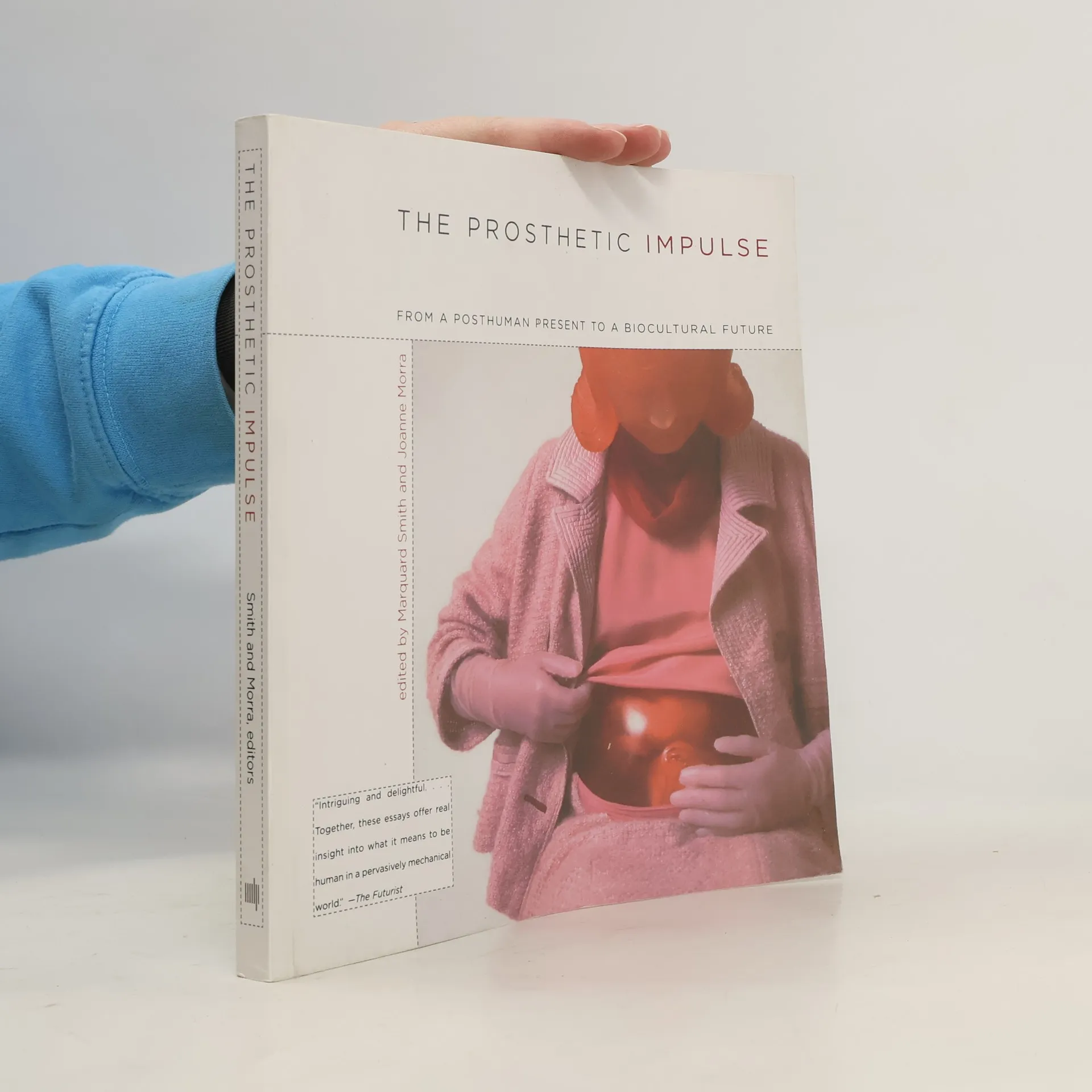
    • The Prosthetic Impulse

      • 312pages
      • 11 heures de lecture

      Where does the body end? Exploring the material and metaphorical borderline between flesh and its accompanying technologies.

      The Prosthetic Impulse
      3,4
    • Embodied Computing

      • 288pages
      • 11 heures de lecture

      Practitioners and scholars explore ethical, social, and conceptual issues arising in relation to such devices as fitness monitors, neural implants, and a toe-controlled computer mouse.

      Embodied Computing
      3,3
    • Human Rights in the Age of Platforms

      • 392pages
      • 14 heures de lecture

      Scholars from across law and internet and media studies examine the human rights implications of today's platform society.

      Human Rights in the Age of Platforms
      3,5
    • Environmental Governance Reconsidered

      • 544pages
      • 20 heures de lecture

      Key topics in the ongoing evolution of environmental governance, with new and updated material.

      Environmental Governance Reconsidered