Focusing on the USS Texas, this book chronicles its journey from being the world's most powerful battleship at its commissioning in 1914 to its significant role in both World Wars. After serving in the US Navy, it became a museum ship and war memorial in 1948, now facing the challenges of preservation against time. The narrative highlights its historical significance and the captivating stories that have emerged from its storied past, reflecting on its enduring legacy.
A superbly illustrated study of the major warships of Nazi Germany's Kriegsmarine. While the Kriegsmarine's capital ships became less important to Hitler following the outbreak of war, these vessels played a key role in projecting power in northern waters in the opening years of the war, disrupting Allied shipping and supporting operations. The opposing heavy cruisers of the German Kriegsmarine and the Royal Navy engaged in a global game of cat and mouse during the opening years of World War II. This was a period in which the heavy cruiser still reigned supreme in open waters, with the opposing sides reluctant to risk their battleships, and aircraft yet to dominate the seas. These swift vessels fought each other in the South Atlantic, North Atlantic, the frigid waters of the Denmark Strait and the Arctic approaches to Russia, capturing the public imagination in the process. This fascinating and beautifully illustrated book examines the design, development and technical performance of these opposing warships, and explores the clashes between them at the Battle of the River Plate in December 1939, the Christmas Day Battle 1940 and the Battle of the Denmark Strait in May 1941. The ships examined include the Deutschland-class Panzerschiffe and Admiral Hipper-class cruisers, and the Royal Navy County- and York-class heavy cruisers.
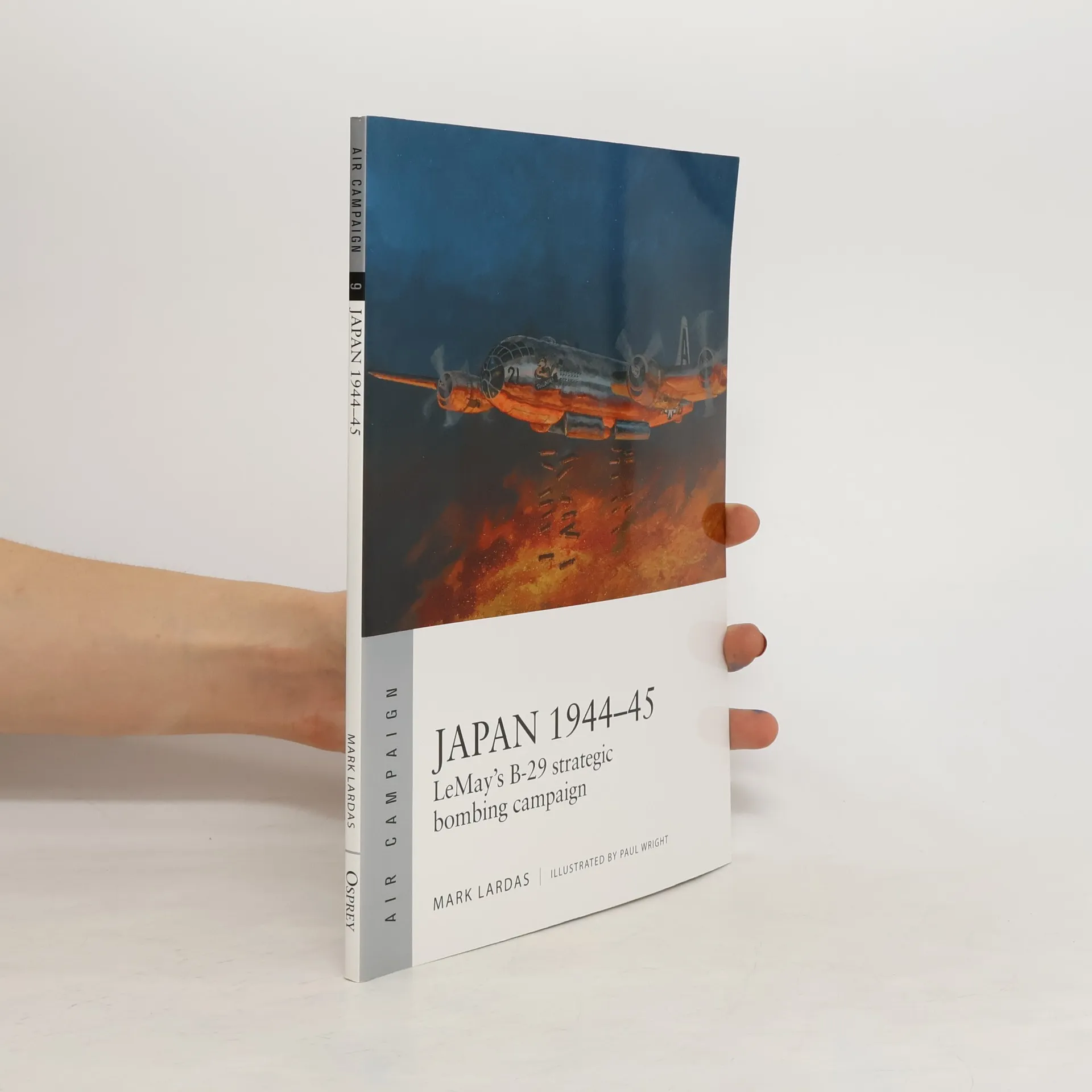
"Japan 1944-45 examines the only time in history that a major war was ended by the use of air power. It shows how the United States used a combination of industrial capability and geography to devastate Japan from the air, and why the Japanese, despite a promising start to their defense, proved unable to prevent the XXIst Air Force from destroying their country. Since the early 1930s air power advocates had claimed that aerial bombardment alone could defeat a nation. Yet by January 1945, while it had been the key to winning ground campaigns, from the German Blitzkrieg to the Allies' advance across the Pacific, air power had failed to demonstrate their most audacious claim: that strategic bombing, by itself, could win a war. The United States sought to prove it by reducing the Japanese Home Islands' military and industrial capability through bombing alone until they had to surrender"--Publisher description
The Texas coastline is a graveyard for countless shipwrecks, shaped by extreme weather and a rich history of naval warfare. From Spanish treasure fleets to humble fishing boats, the diverse vessels that have sunk in these waters tell captivating stories, whether romantic, repellent, or simply unusual. This exploration delves into the intriguing narratives behind each wreck, revealing the complex maritime history of Texas and its offshore waters.
The transformation of Houston into a major industrial hub is a compelling narrative that intertwines technology, geography, and politics. The Port of Houston, despite its challenging 50-mile access route through various waterways, has become the second-largest port in the U.S. by tonnage. Covering over 25 miles with extensive docks and facilities, its evolution from a congested river port to a thriving landlocked port reflects a unique blend of hard work, Texas pride, and serendipity as it embarks on its second century in 2014.
A fully illustrated history of how the US Navy destroyed Truk, the greatest Japanese naval and air base in the Pacific, with Operation Hailstone, and how B-29 units and the carriers of the British Pacific Fleet kept the base suppressed until VJ-Day.
The first book to examine the battleship-led 1941 Pacific Fleet as it was intended to fight. Packed with illustrations, this study explains how the US Navy saw the approaching war unfolding. When the Japanese attacked Pearl Harbor, the Pacific Fleet was the most powerful in the US Navy. It was still dominated by battleships, but since the late 1930s had been developing naval aviation and integrating them with its battleship-led doctrine. This book is the first to examine the Pacific Fleet as it was intended to fight, and how it had been training and preparing in the months leading up to December 7, 1941. Naval historian Mark Lardas explains how, contrary to modern assumptions, it was not wedded to the battleship, but was hedging its bets, building up both its carrier and battleship strength. Most crucially, it had also been building and honing a massive fleet train, enabling the Pacific Fleet to operate easily thousands of miles from home. It was this foundation that enabled the Pacific Fleet to adapt so rapidly to the new world of carrier-led naval warfare, and first check and then defeat the IJN. With artwork, photos and diagrams, this is a portrait of 1941 in the Pacific Fleet, the last time and place when battleship doctrine held sway. Pearl Harbor would shatter this, and herald the start of the carrier era. The blow fell heavily on the US Pacific Fleet, but it and its successors would emerge more powerful than ever.
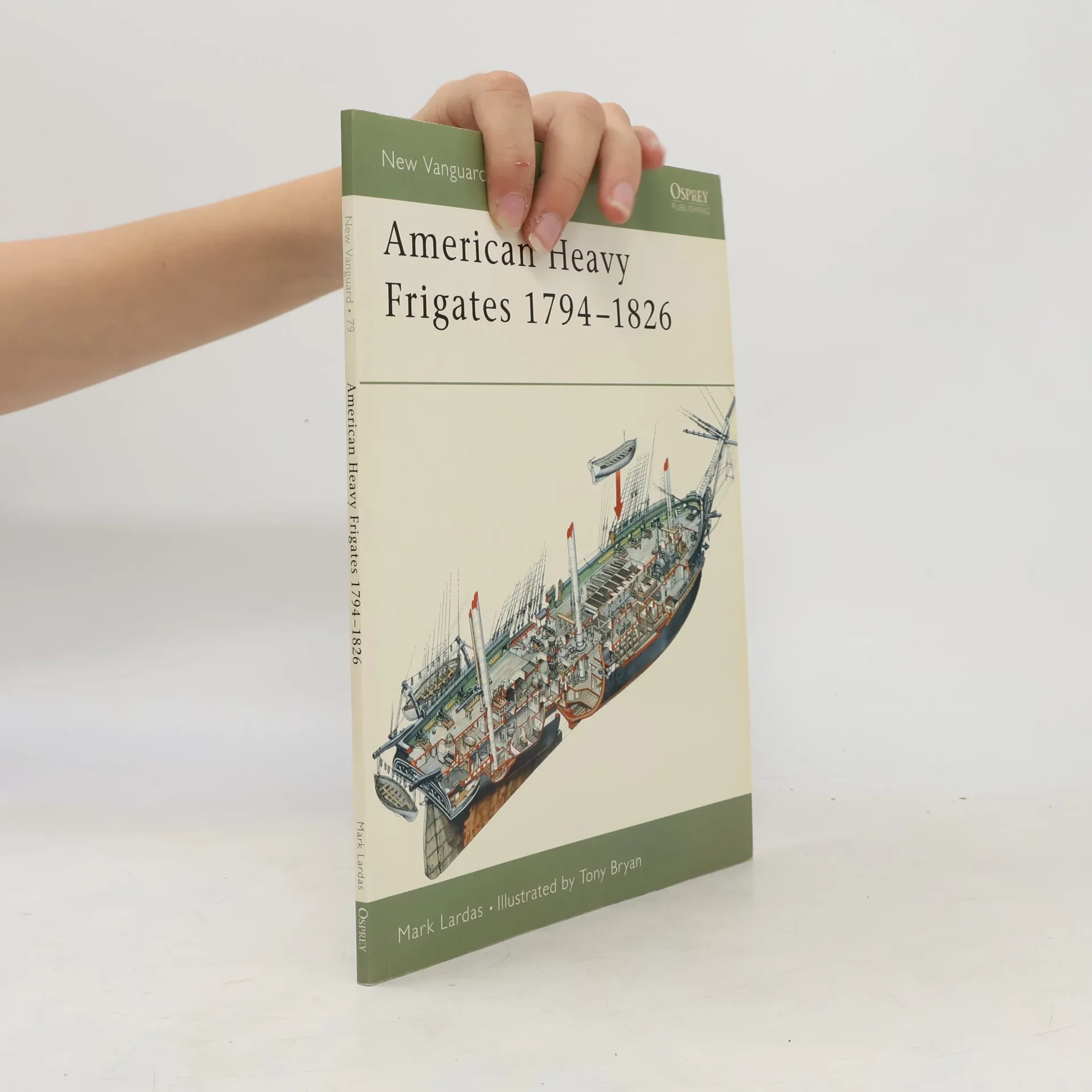
By 1805 the 44-gun frigate was probably viewed as a failed experiment whilst the 38-gun frigate was viewed as the vessel of the future. Ten years later every navy was building 44-gun frigates and today it is viewed as the symbol of the Napoleonic-era cruiser. This remarkable transformation resulted from the performance of three ships – the Constitution, United States, and President – 44-gun frigates built for the United States Navy between 1794 and 1799. Their victories in the naval War of 1812, as well as their performance against the Barbary Pirates, caught the imagination of the world – and spurred all navies into re-examining the class.