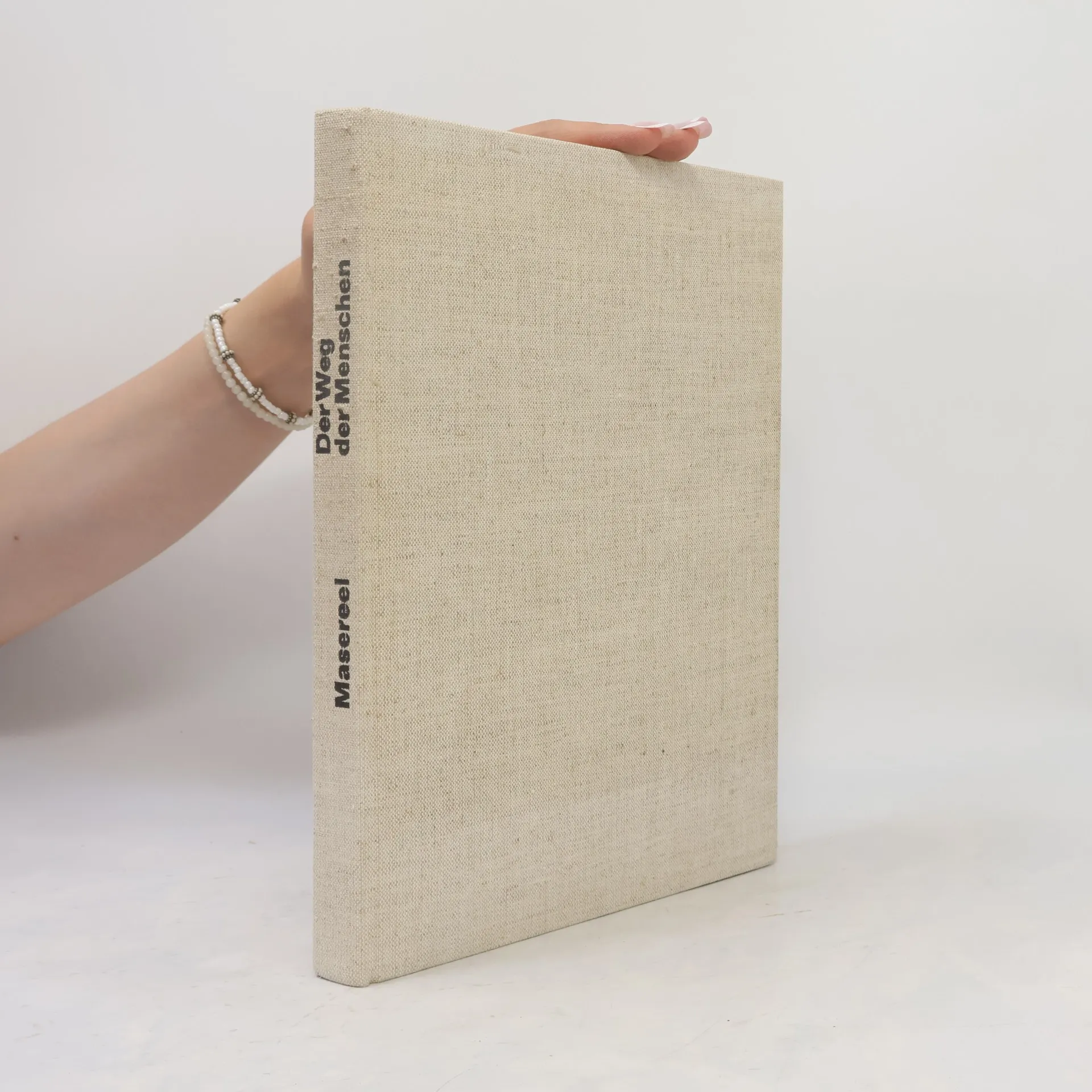
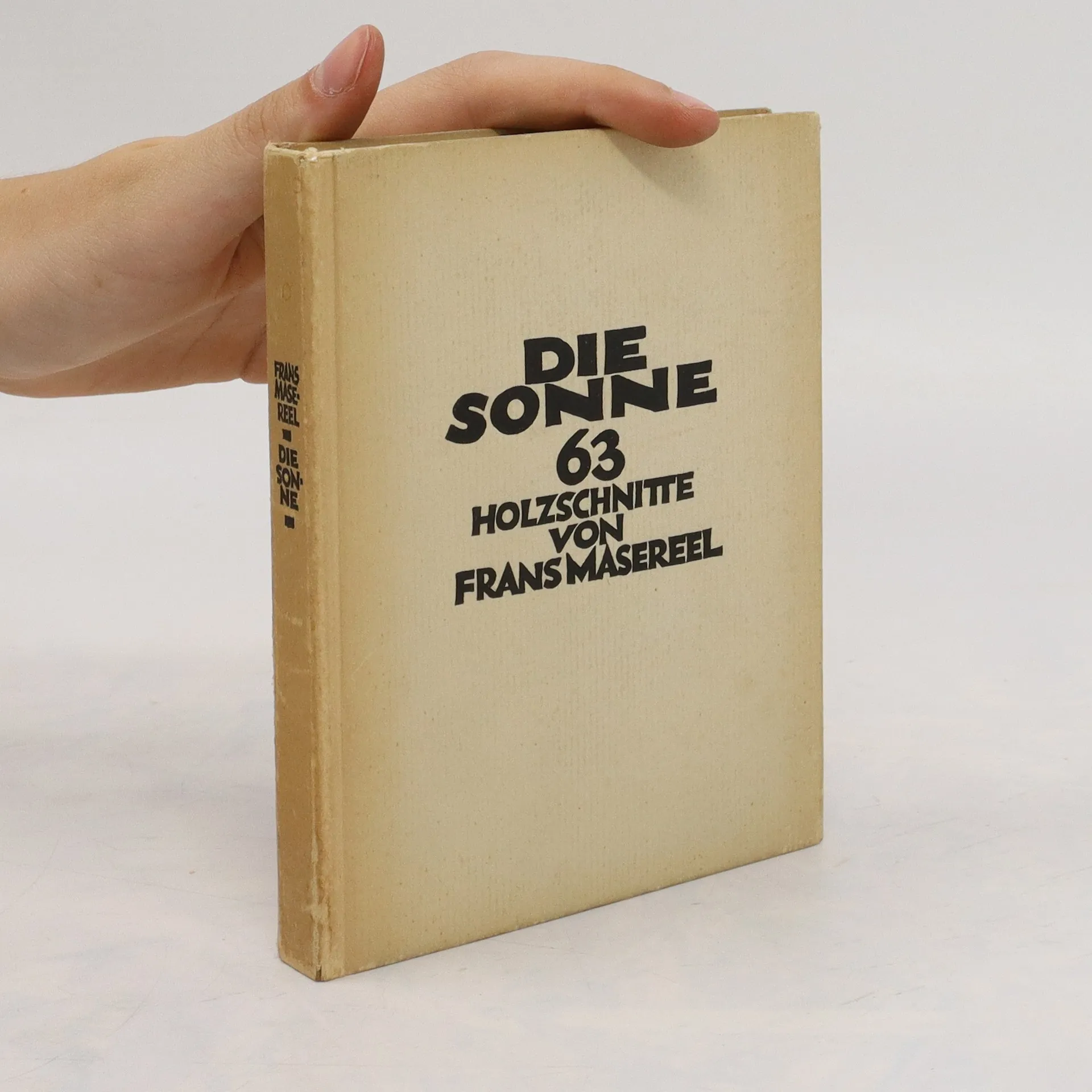
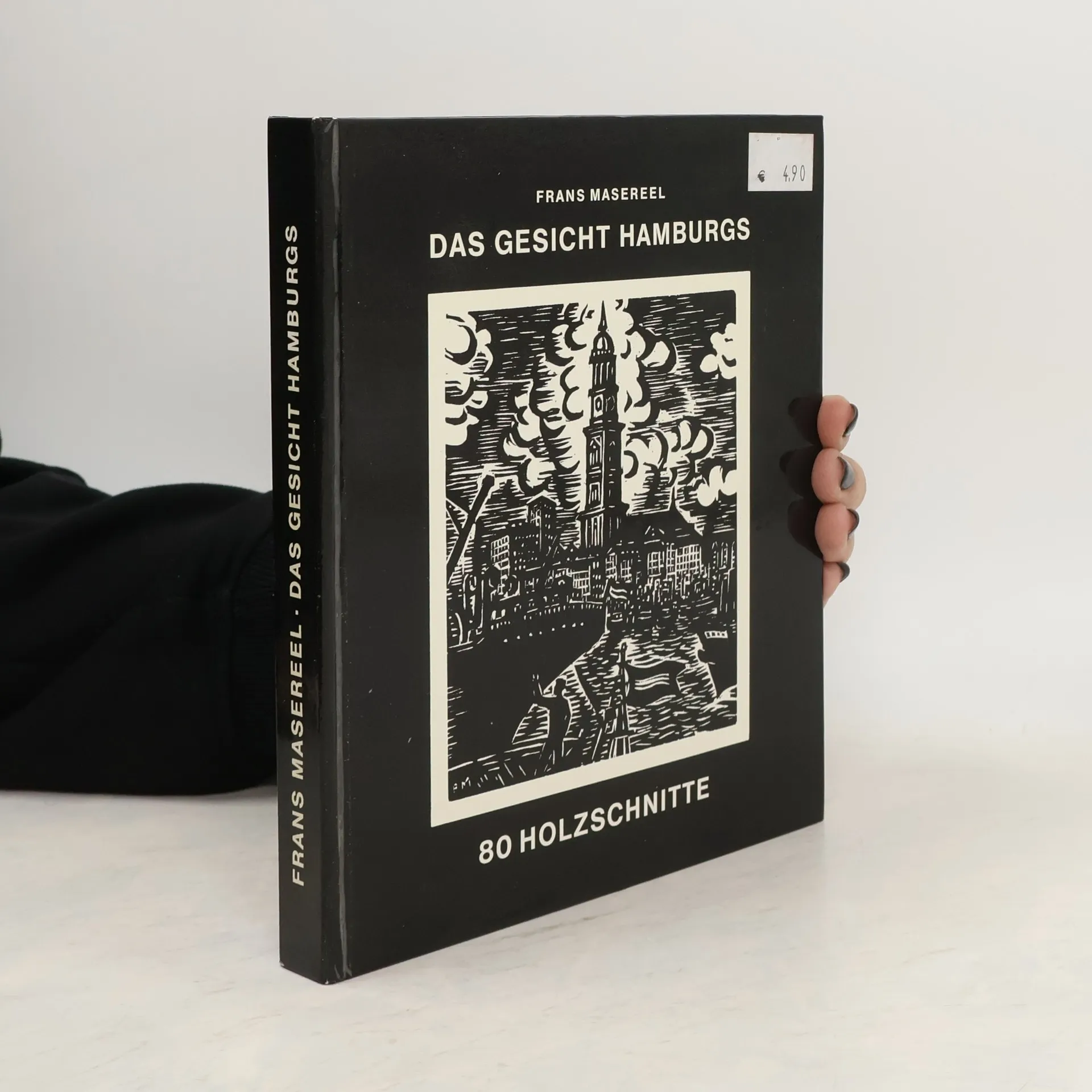
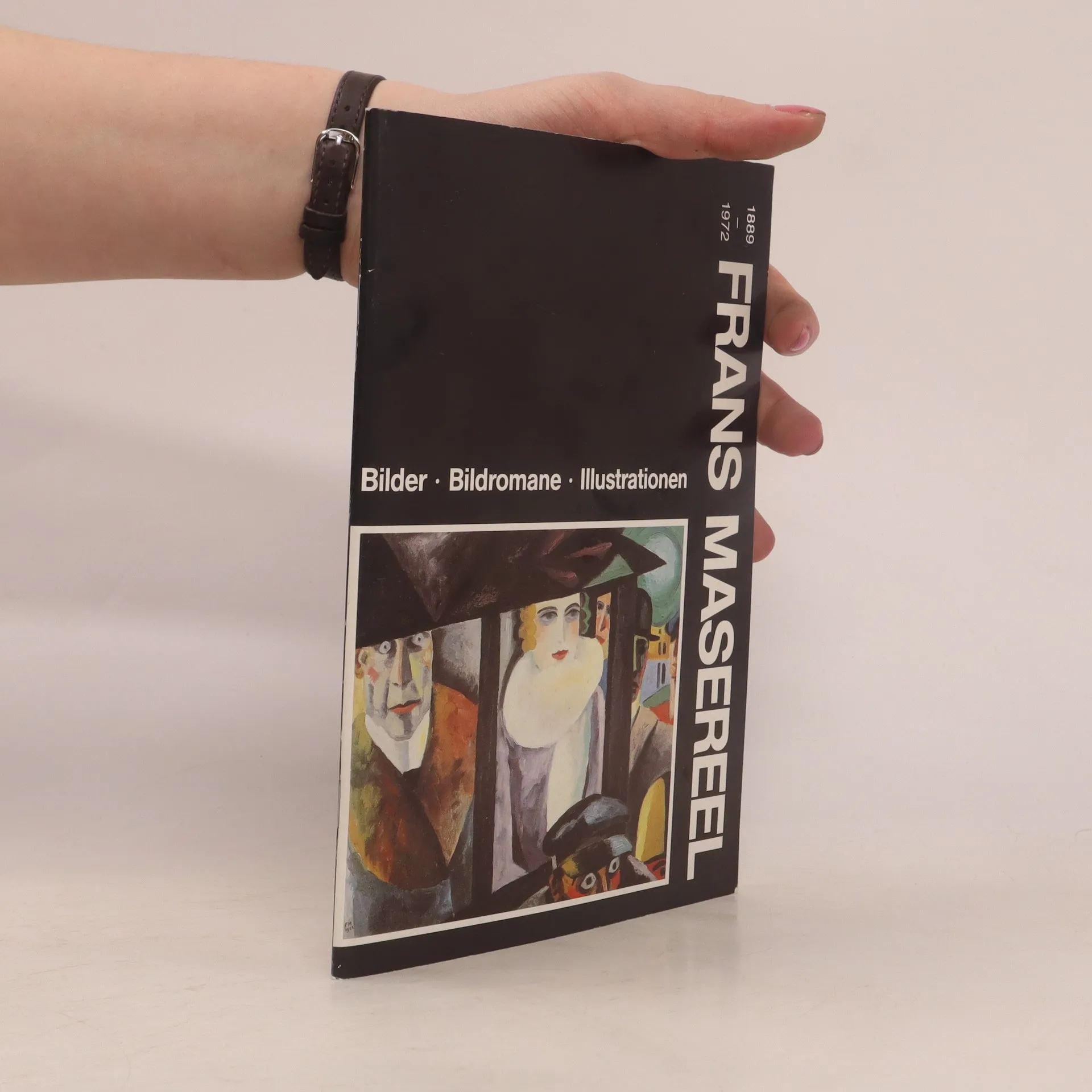
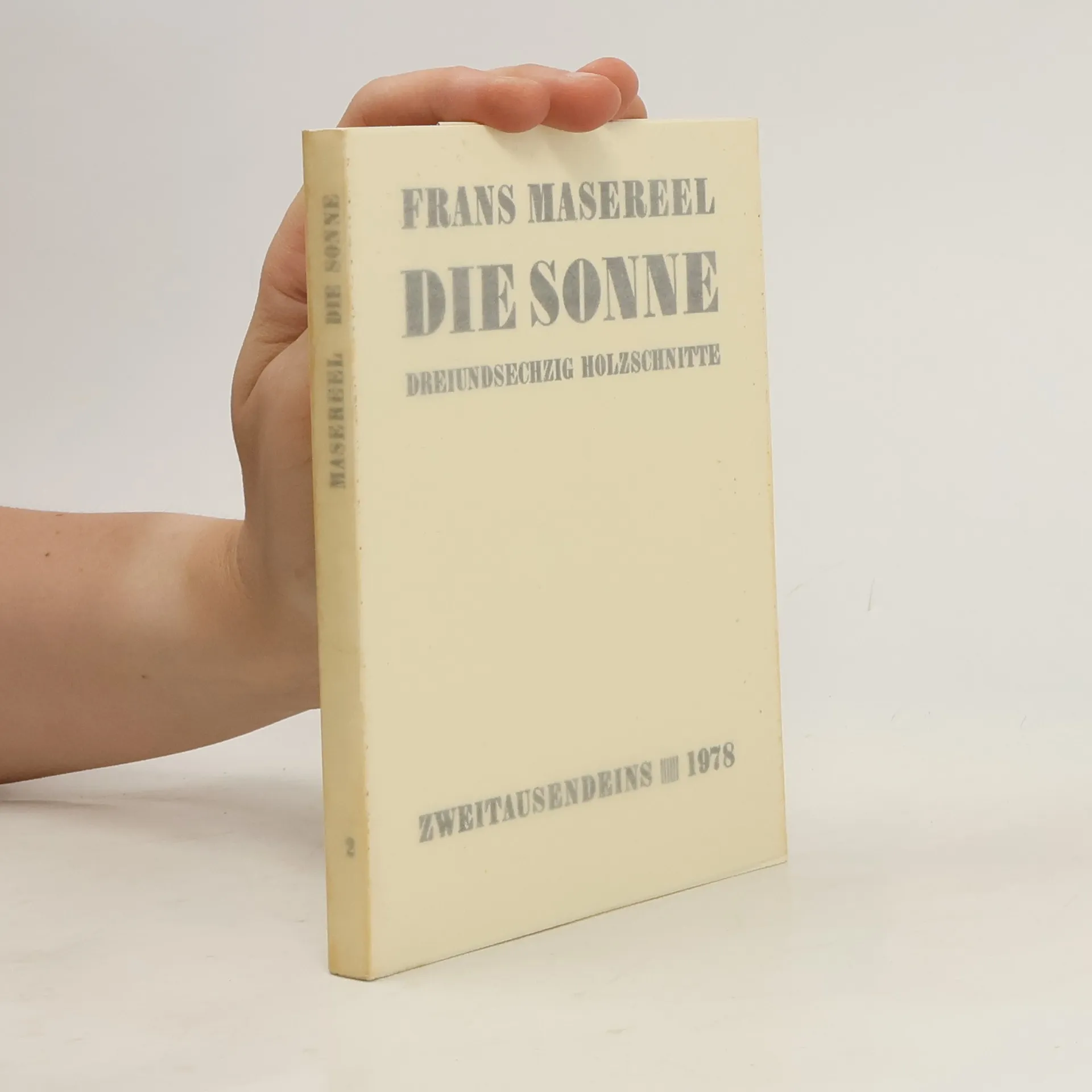
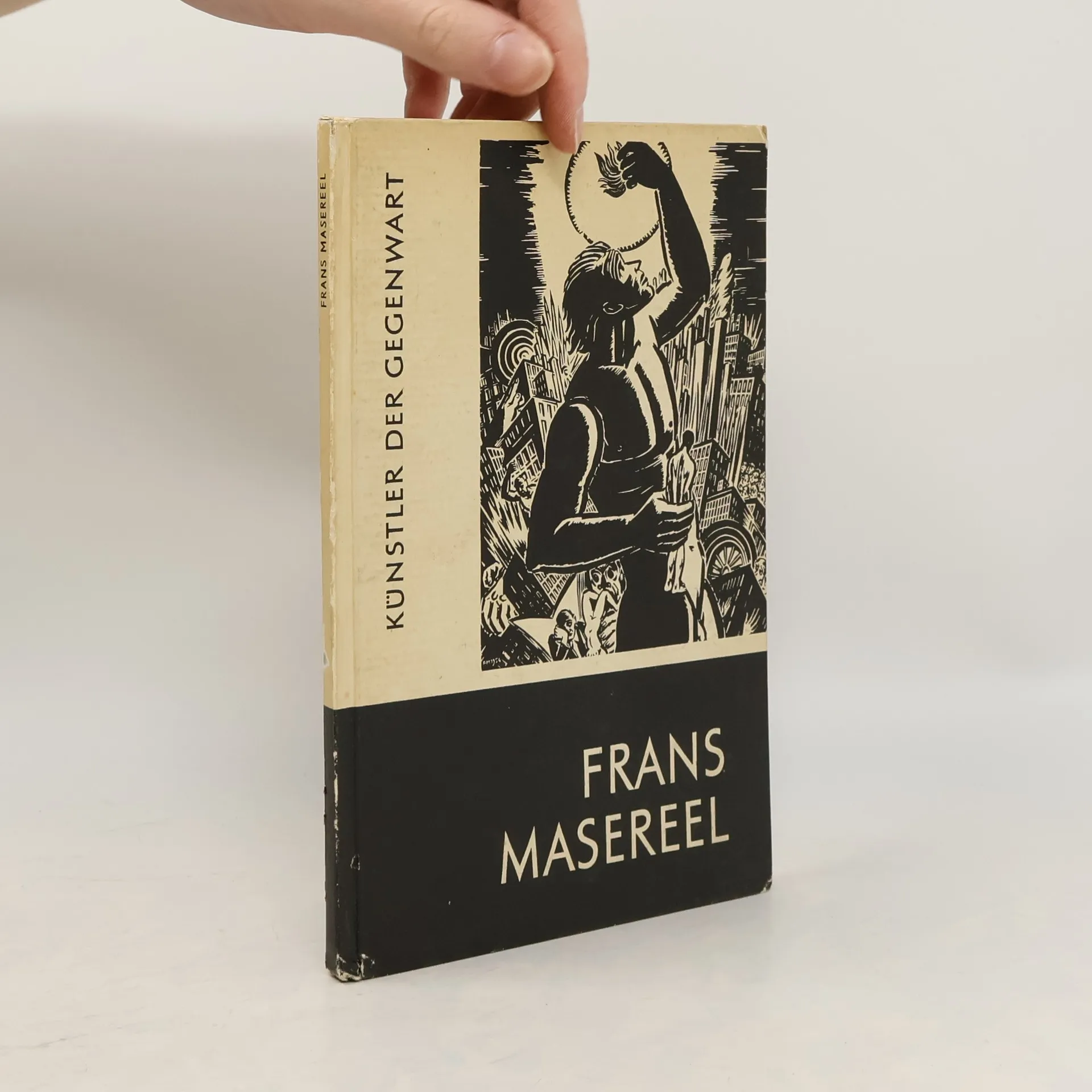
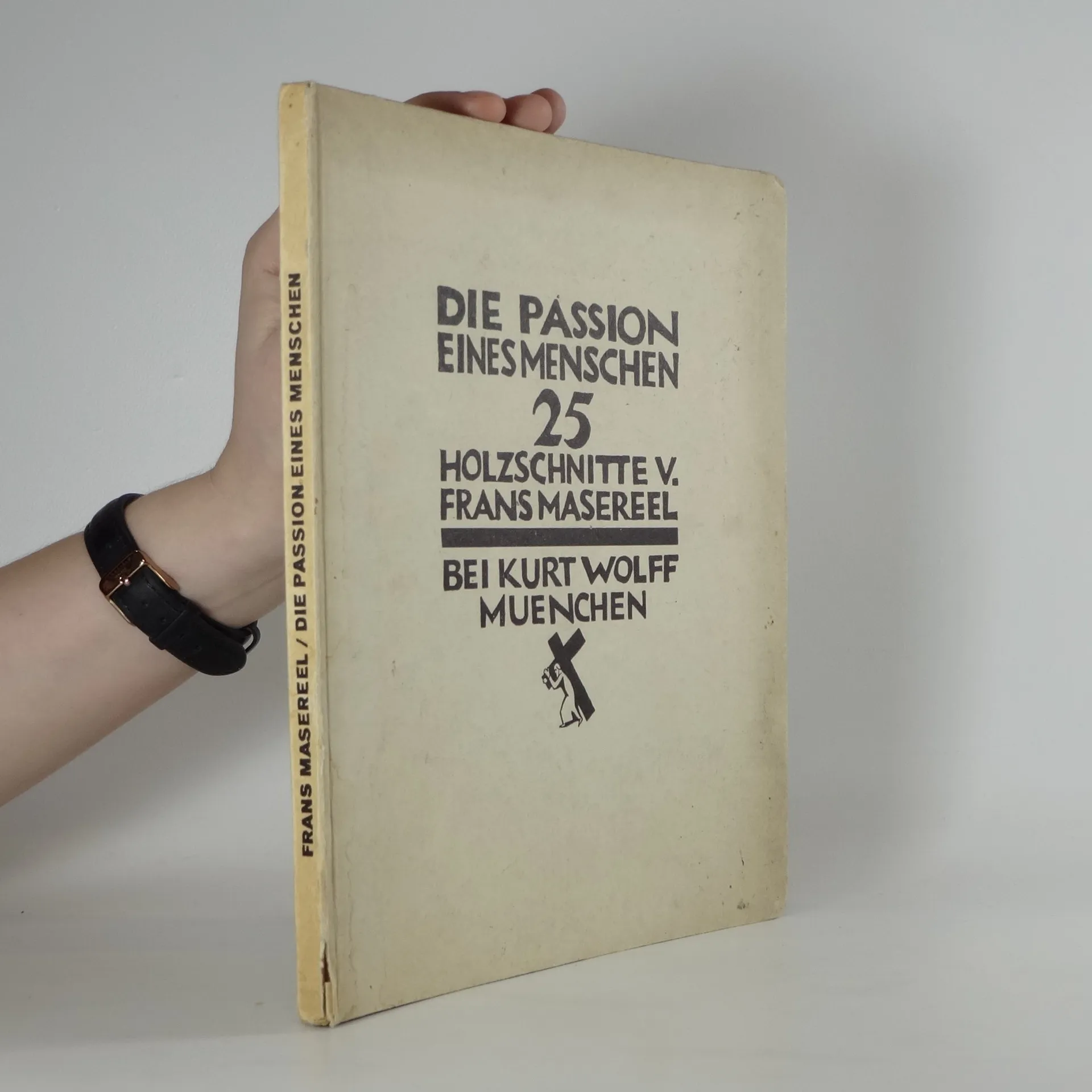
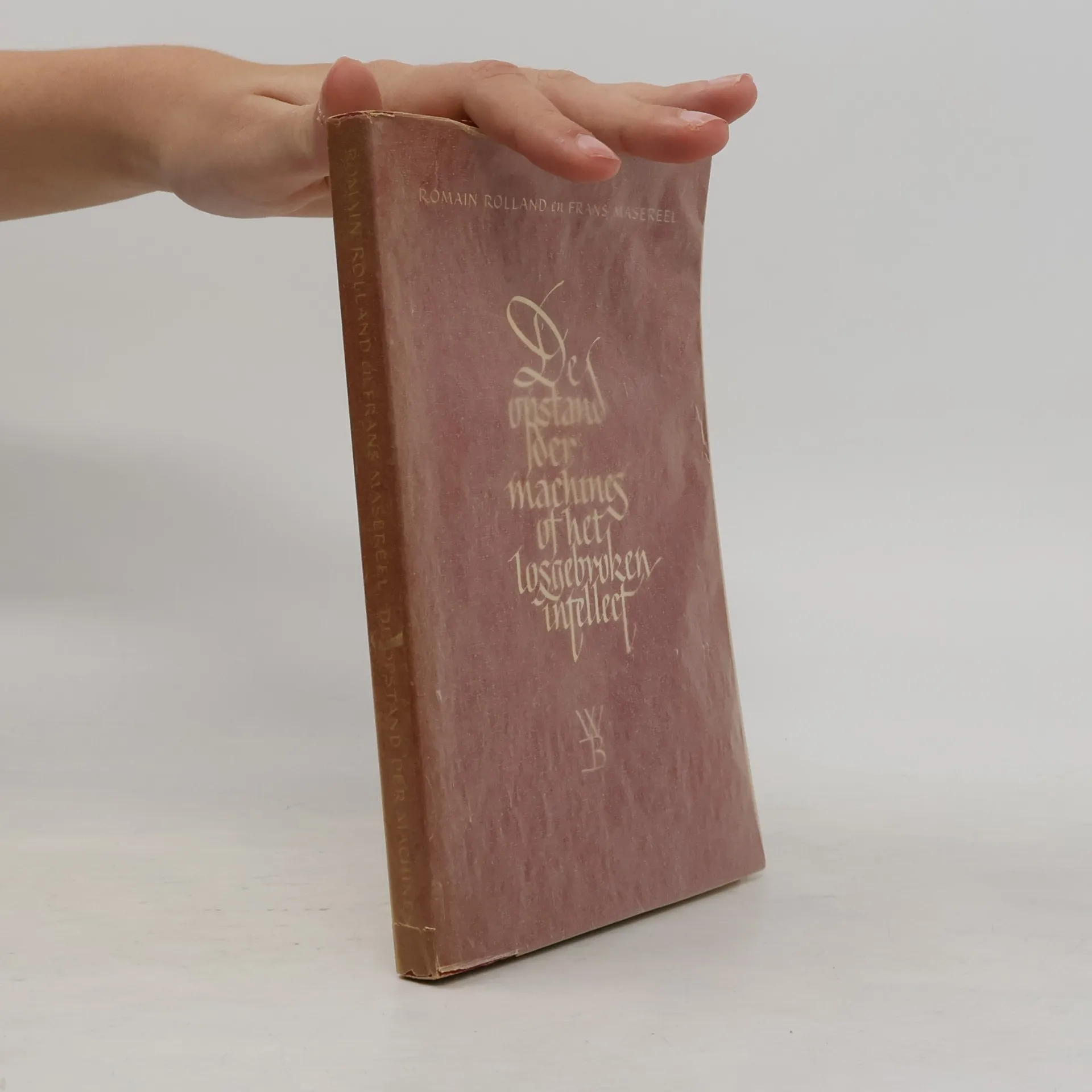
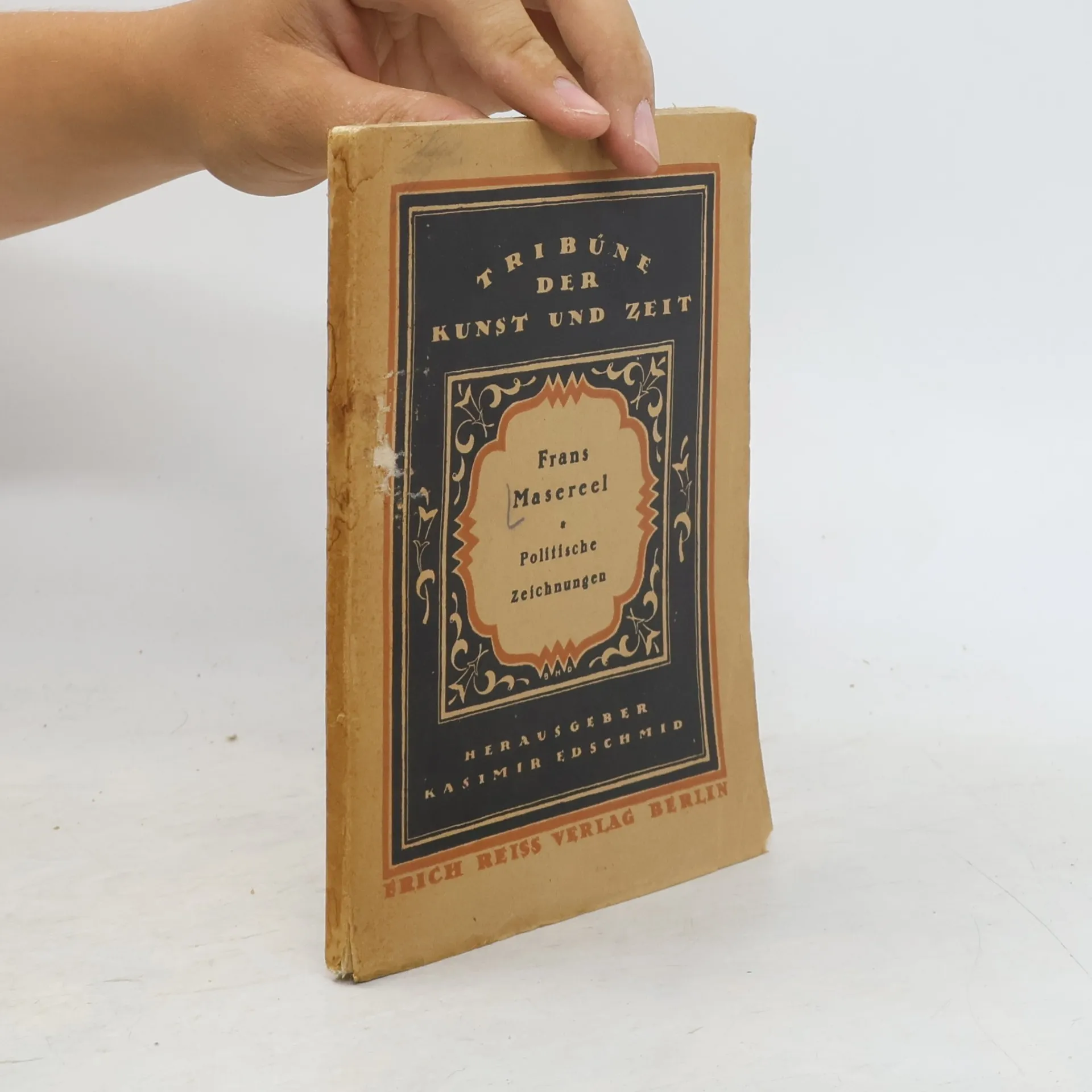
Monographie de l'artiste belge Frans Masereel.
Frans Masereel Livres
31 juillet 1889 – 3 janvier 1972
Frans Masereel fut un peintre et graveur flamand, célébré principalement pour ses xylographies magistrales. Son œuvre, souvent empreinte d'une forte critique sociale et d'un idéal humaniste, explore les tensions entre l'individu et le collectif. Il est particulièrement réputé pour ses xylographies pleine page et comme pionnier du roman moderne sans paroles, un médium narratif visuel qu'il a exploré avec une habileté et une résonance émotionnelle exceptionnelles.


The City A Vision In Woodcuts
- 112pages
- 4 heures de lecture
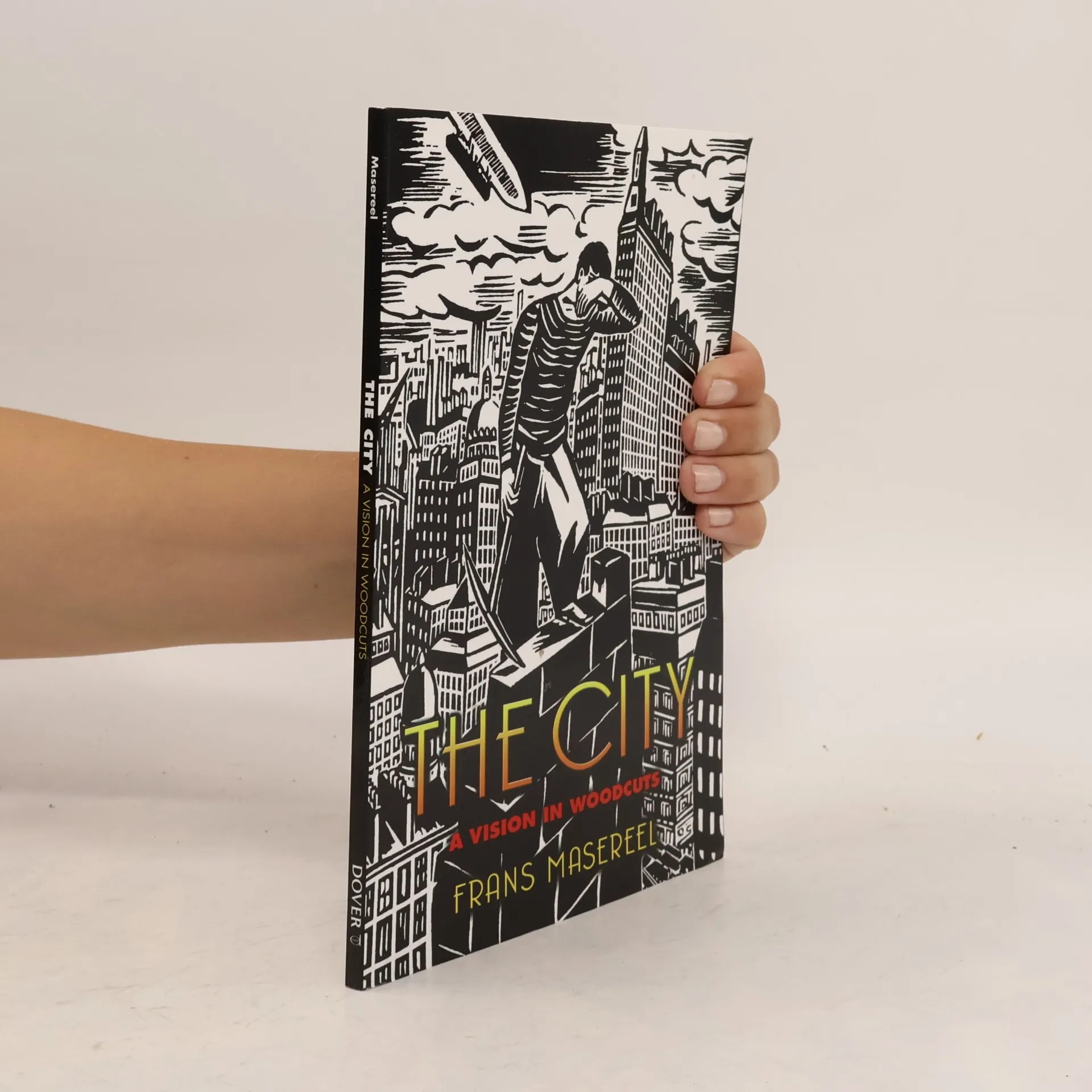
"An absolute song for an ongoing visit with timelessness." — The New York TimesThis graphic novel by an Expressionist master offers a stunning depiction of urban Europe between the world wars. First published in Germany in 1925, it presents unforgettable images from the tense and dynamic Weimar period, rendered in 100 woodcuts of remarkable force and beauty.A pacifist during World War I, Belgian-born Frans Masereel (1889-1972) sympathized with the struggles of the working classes and strived to make his art accessible to ordinary people. His evocative woodcuts convey scenes of work and leisure, wealth and deprivation, and joy and loneliness. Banned by the Nazis, Masereel's works were championed in Communist countries; however, the artist steered clear of political affiliations. His clarity of vision transcends any propagandist use of the images, which stand as timeless indictments of oppression and injustice.Thomas Mann described Masereel's works as "so strangely compelling, so deeply felt, so rich in ideas that one never tires of looking at them." Epic and unflinching in its scope, The City continues to influence modern fine and graphic art, while recapturing the mood of a vanished era.
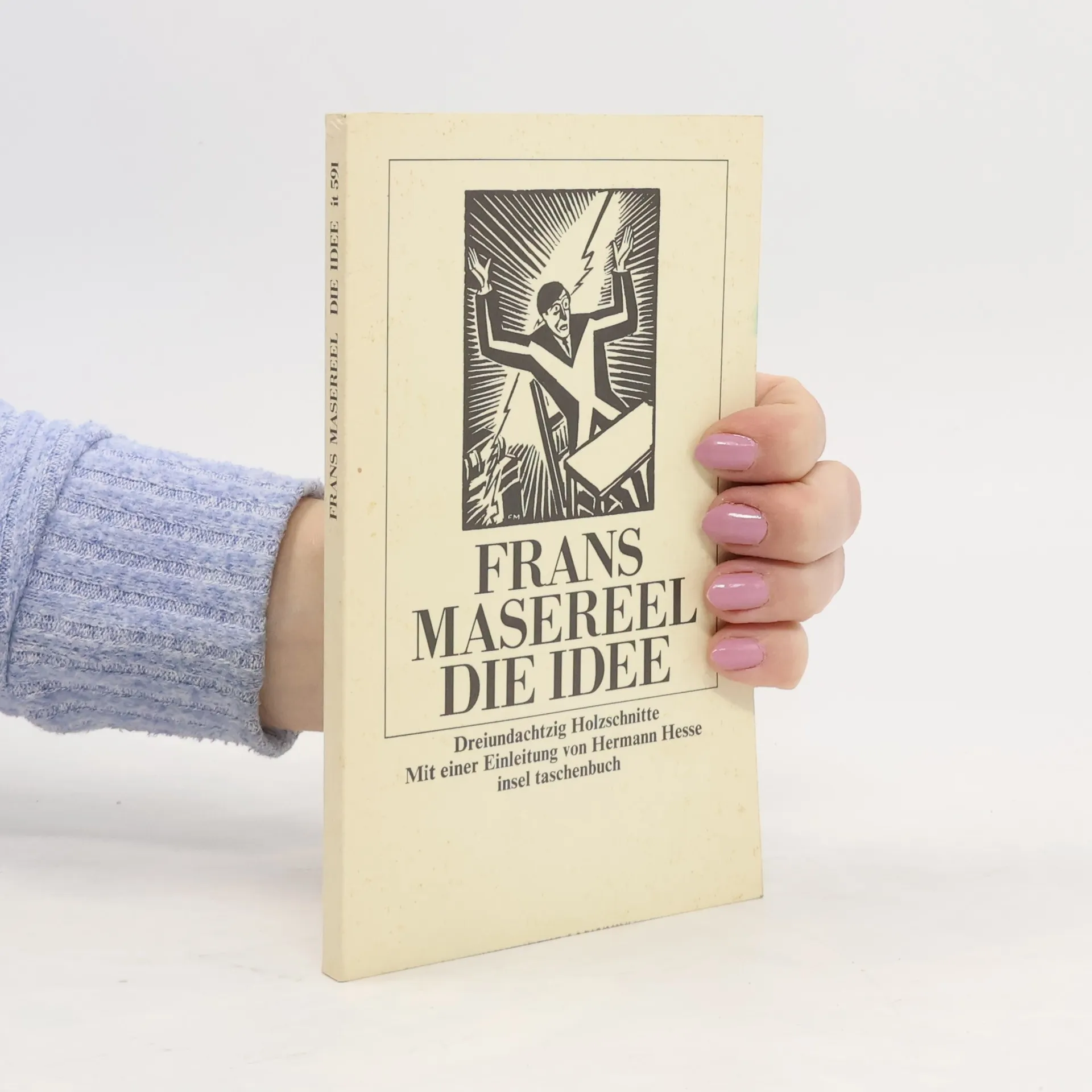
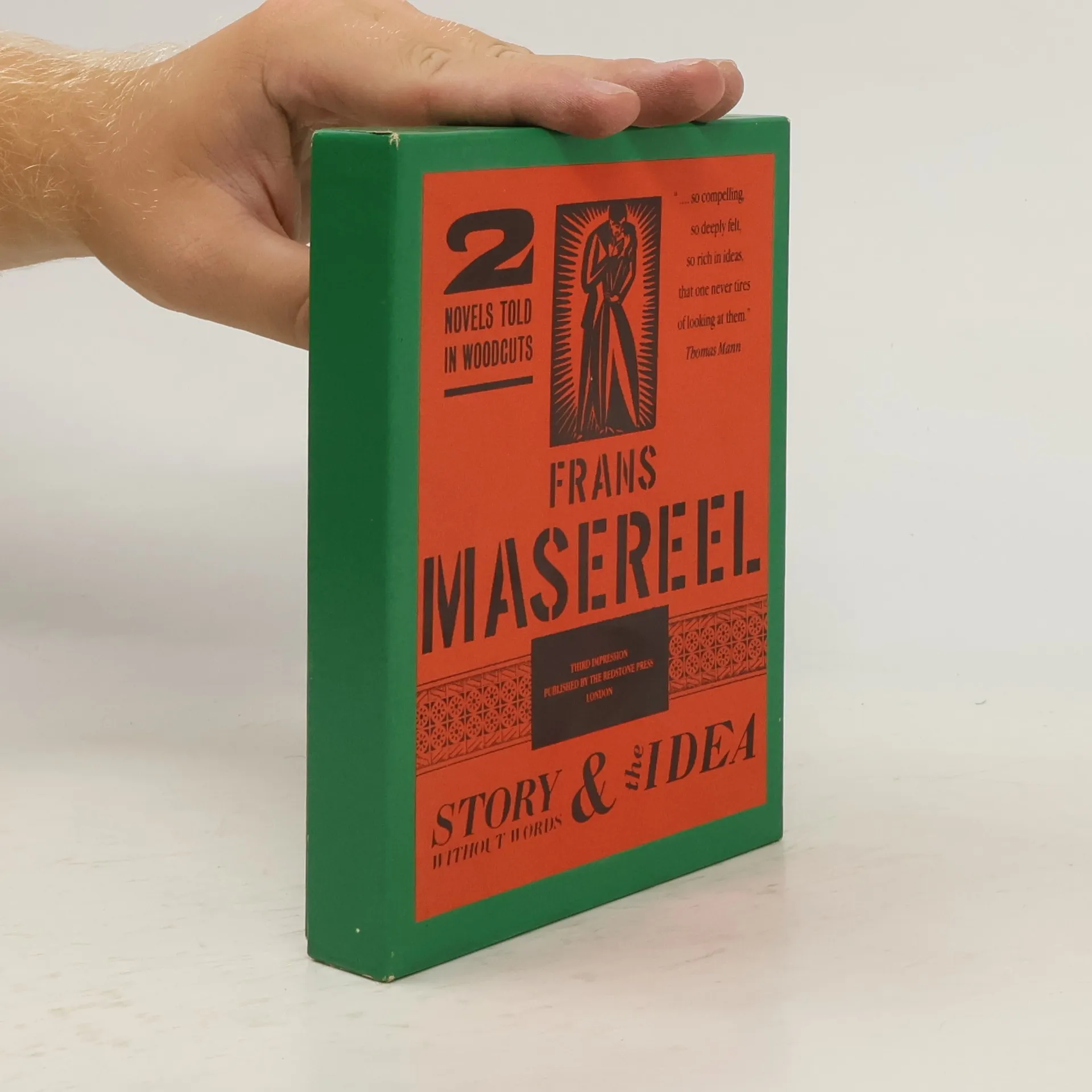
The Idea / Story Without Words: Third Impression
- 160pages
- 6 heures de lecture
Created in the 1920s by the acclaimed wood-engraver Frans Masereel, this book contains two picture novels in one. The Idea depicts the life cycle of an idea, as personified by a naked woman, struggling in the streets of an industrialized city peopled by politicians and businessmen who try to use and destroy her. Story Without Words is a tale of unrequited love and courtship, its images rich with symposium.
Germinal
- 734pages
- 26 heures de lecture
Germinal est un mois du calendrie républicain, il correspond au début du printemps et donc 224 la renaissance du monde. Dans cet ouvrage des dossiers culturels des exercices DELF des activités ludiques tr232s variées Th232mes Antagonisme des classes sociales Pauvreté Richesse Solidarité Révolte Amour Étienne, un mécanicien des…
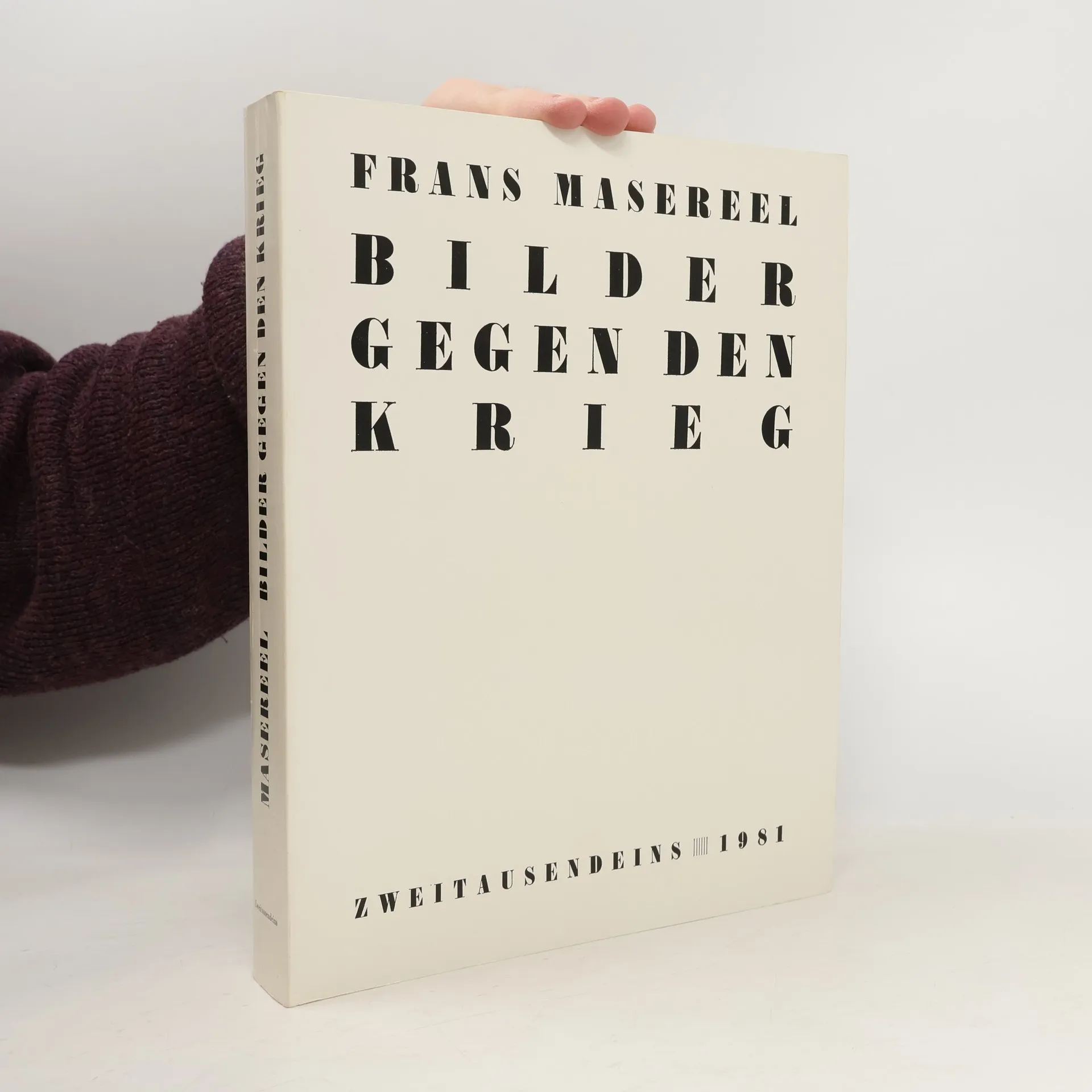
Holzschnitte gegen den Krieg
- 55pages
- 2 heures de lecture
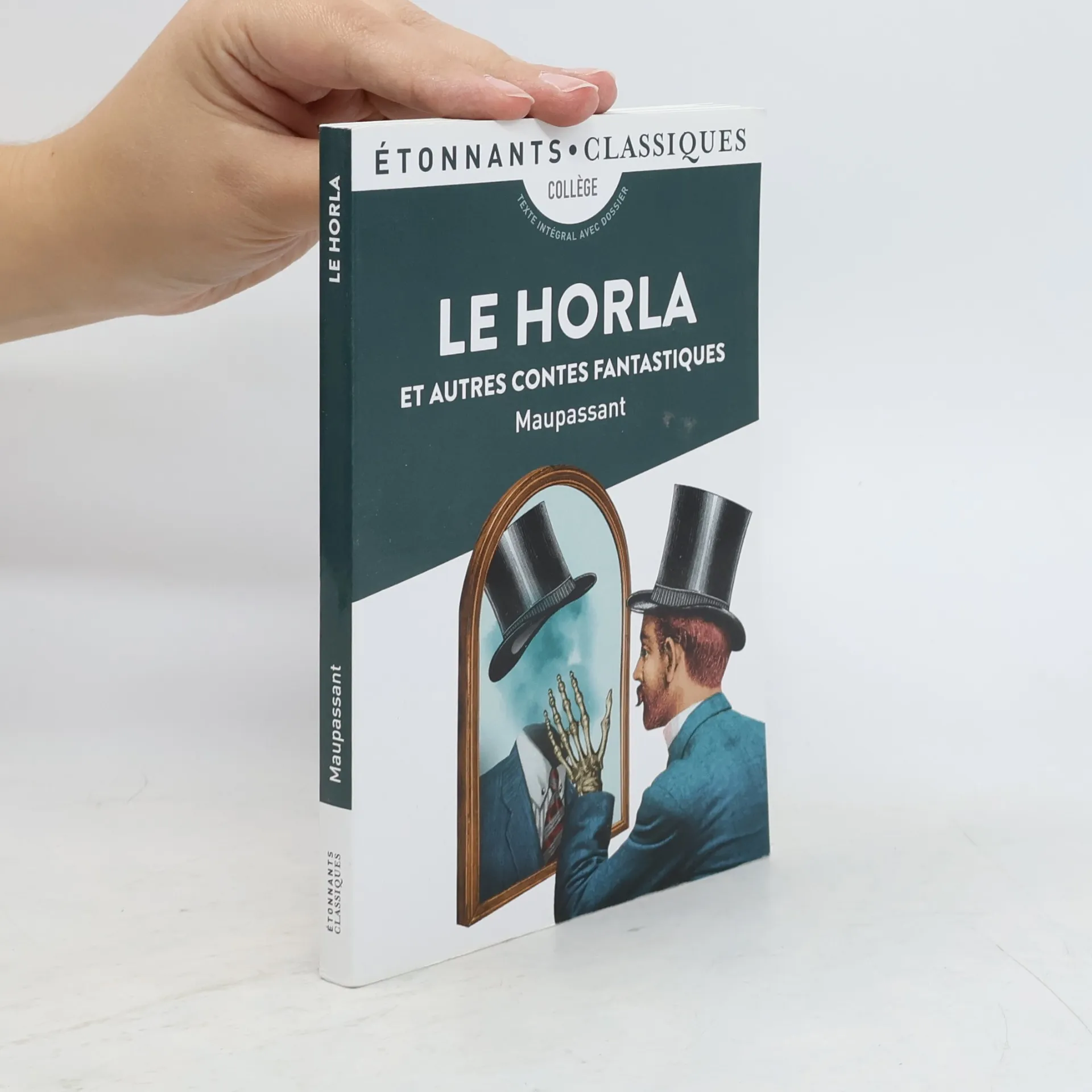
Le horla et autres contes fantastiques
- 160pages
- 6 heures de lecture
Par une belle journée de printemps, depuis son jardin, un homme salue un superbe trois-mâts qui passe sur la Seine. Mais, rentré chez lui, il est saisi d'un étrange malaise. Bientôt surviennent des événements mystérieux. Chaque nuit, de l'eau disparaît sans raison de la carafe posée sur sa table de chevet et son sommeil est interrompu par un même cauchemar : il croit sentir une créature invisible se pencher sur son corps et aspirer sa vie... Confrontation avec l'invisible, expériences magnétiques, hallucinations : dans ce recueil qui réunit six chefs-d'oeuvre de Maupassant, le cadre réaliste est sans cesse bouleversé par l'irruption du surnaturel et de la folie.
Pierre et Luce est un court roman du prix Nobel de littérature Romain Rolland. Pierre et Luce se rencontrent dans le métro parisien, sous les bombardements de la première guerre mondiale. Il est désespéré d'avoir reçu ses papiers de conscription et de partir faire la guerre. À la faveur d'une bousculade, ils se retrouvent main dans la main, mais la jeune fille descend de la rame sans jeter un regard au jeune homme. Il la retrouve par hasard et ils décident de vivre l'amour en oubliant la guerre et la mobilisation. La tragédie les rattrapera. On retrouve dans ce texte rare le pacifisme de Romain Rolland, servi par l'émotion.
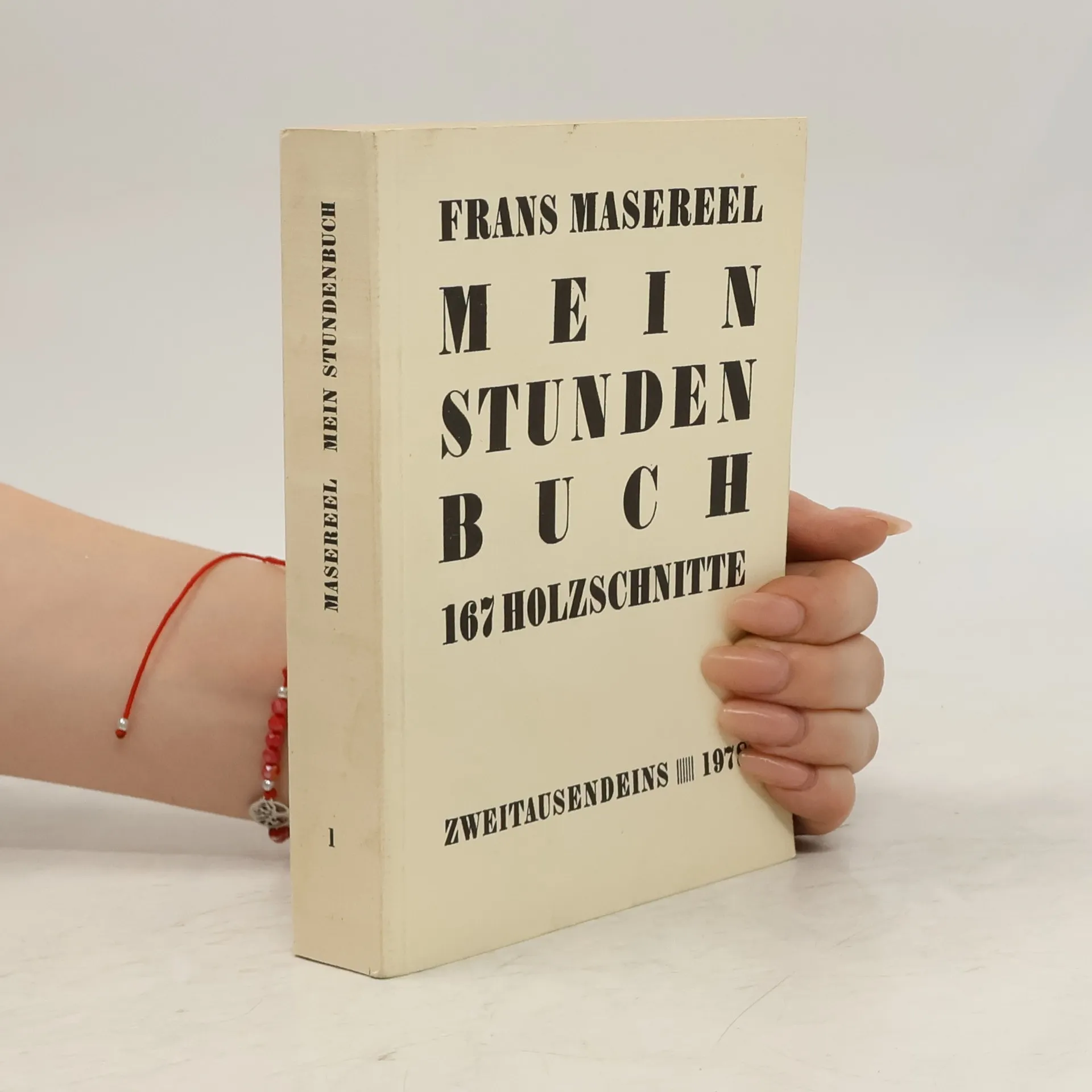
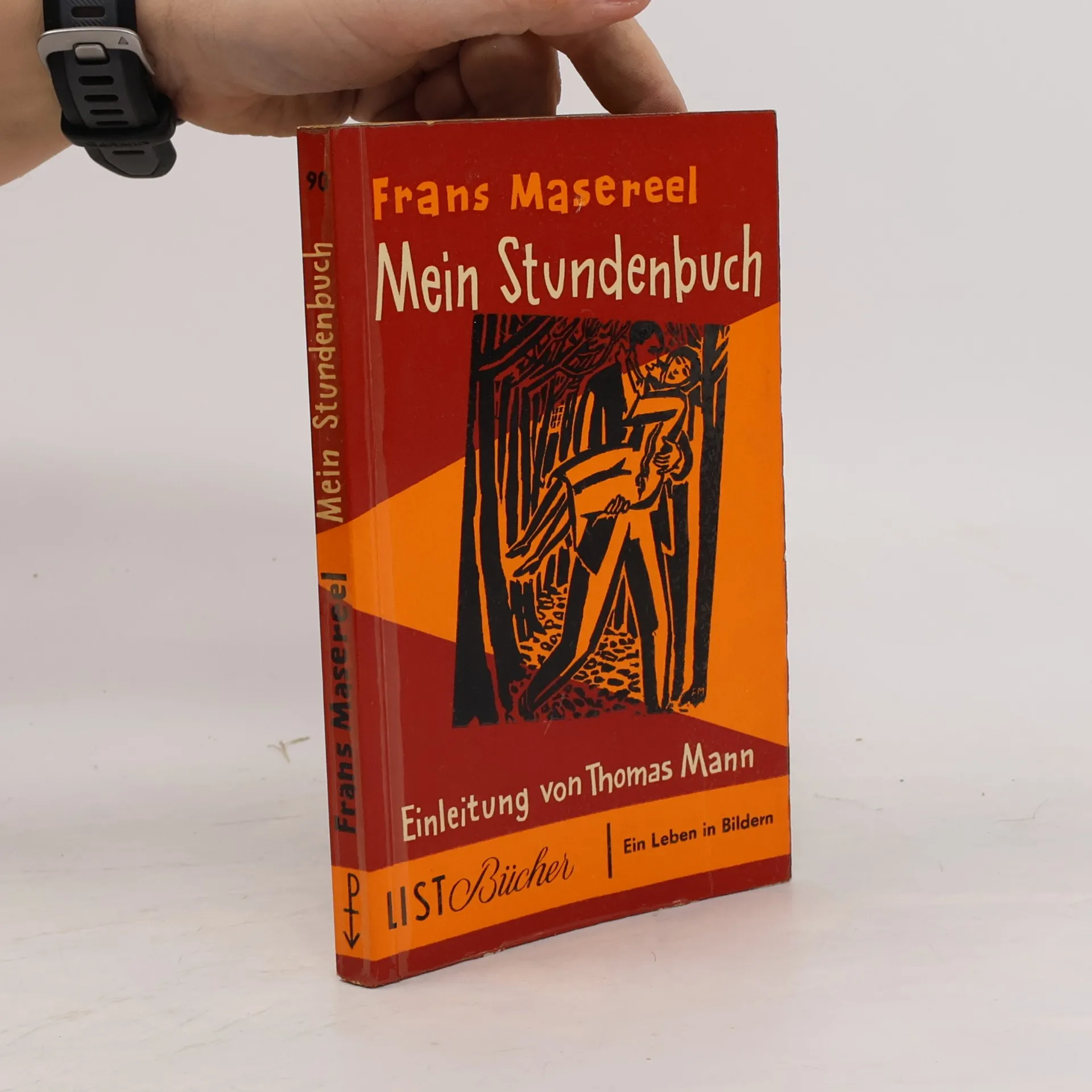
Mein Stundenbuch
167 Holzschnitte
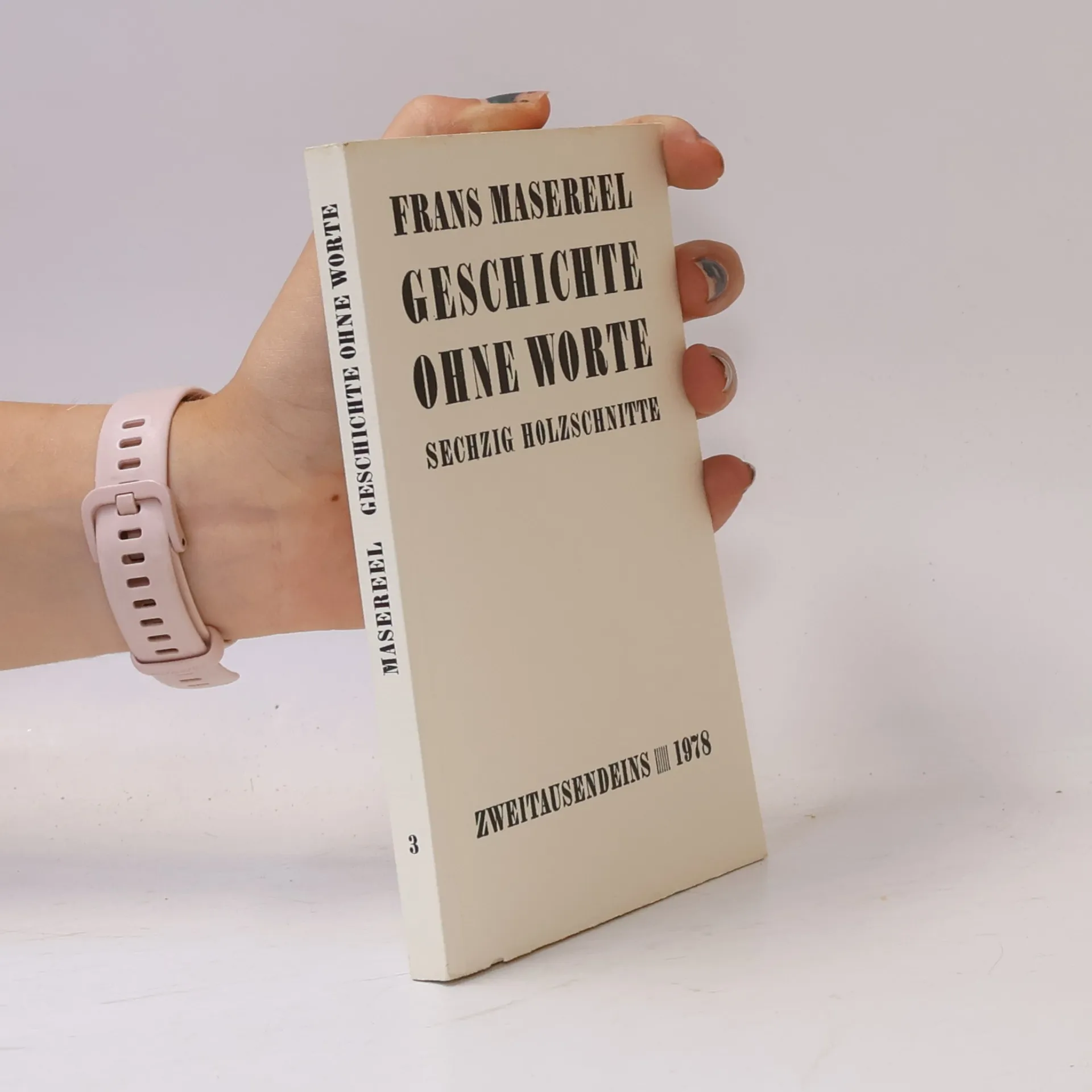
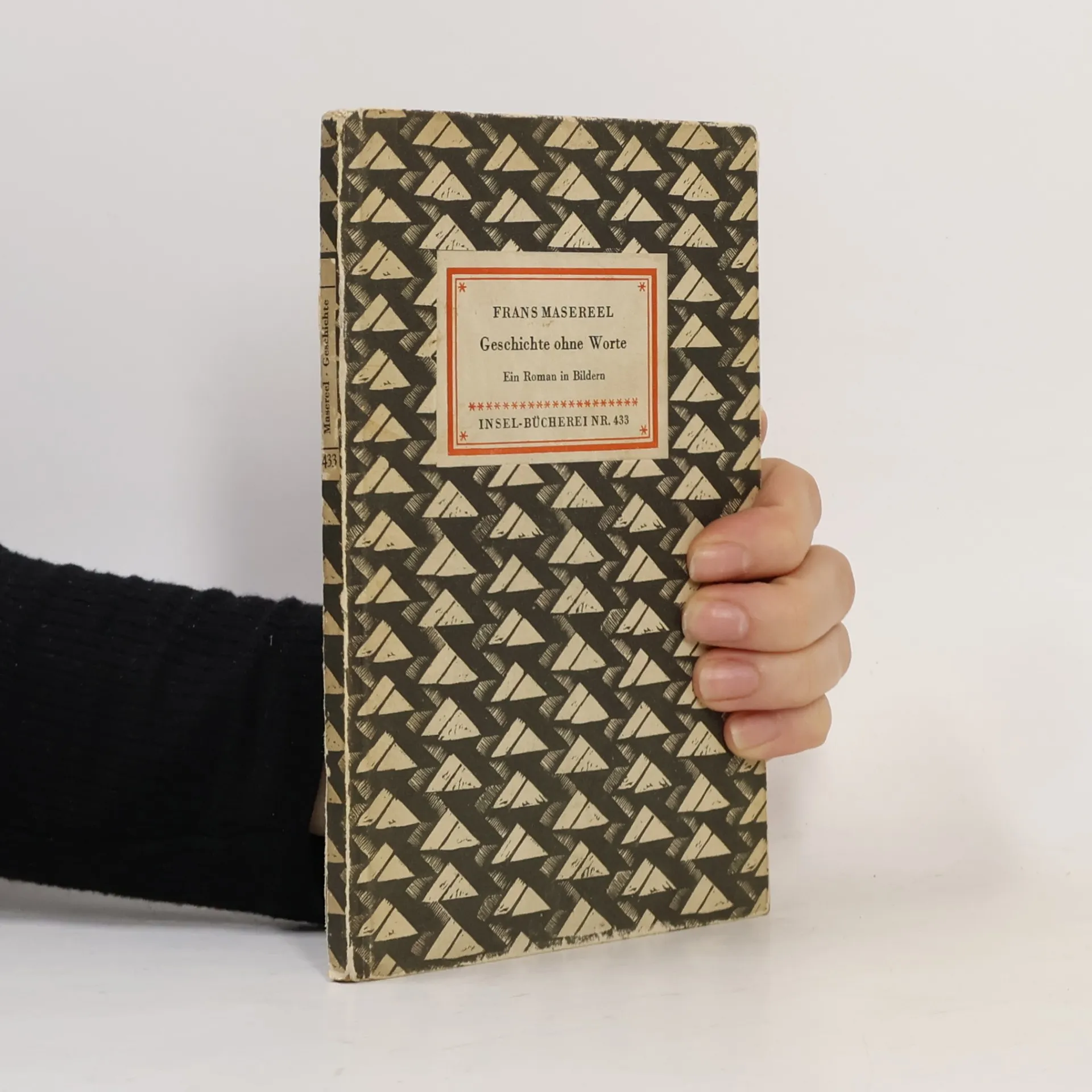
Geschichte ohne Worte
Ein Roman in Bildern
Franz Masereel - Bilder der Großstadt
- 63pages
- 3 heures de lecture
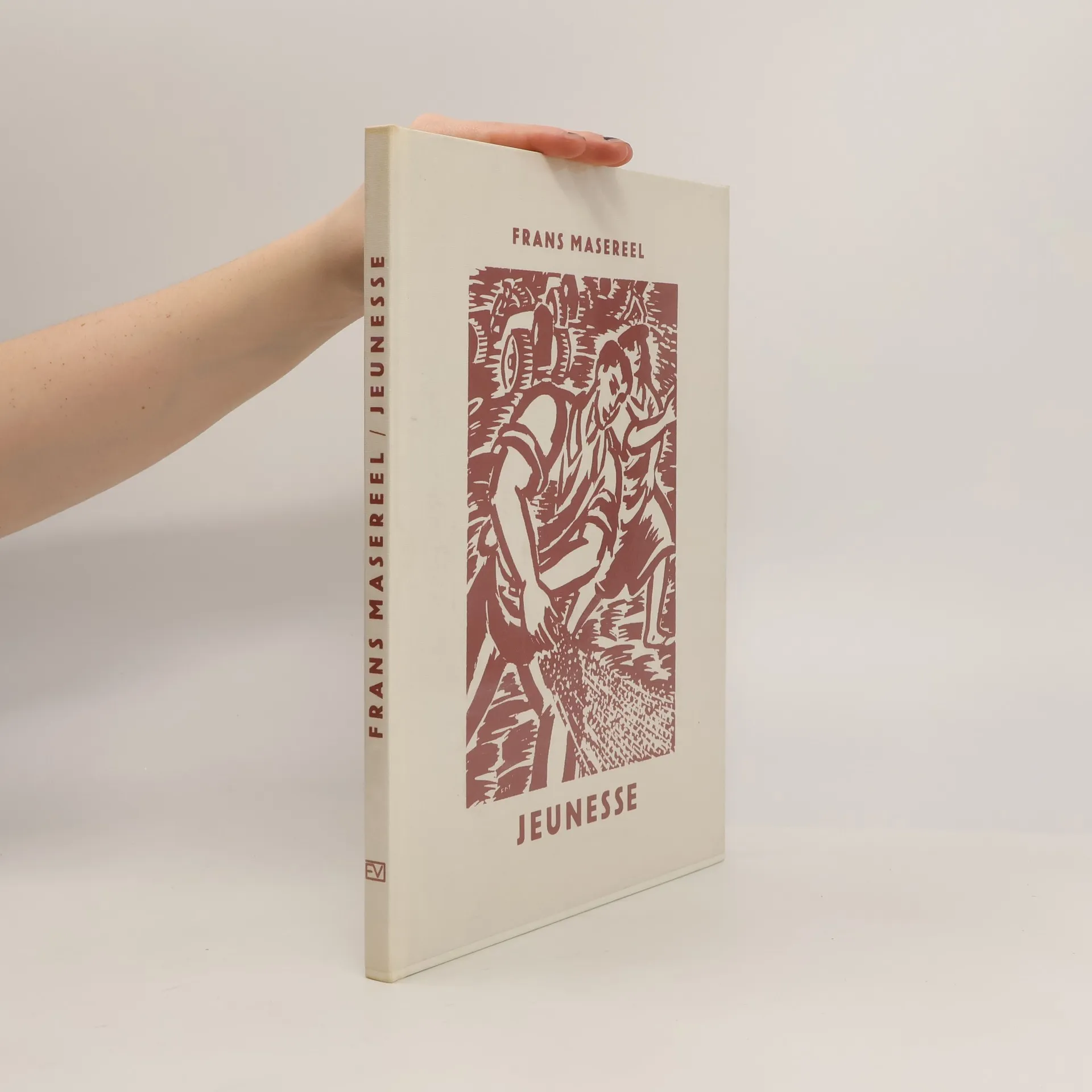
Jeunesse
- 620pages
- 22 heures de lecture
1986 63 Seiten mit der Abbildung von 22 Holzschnitten, illustrierter OLeinenband mit Klarfolienumschlag und Kartonschuber, 28,6 x 20,6 cm Europaverlag, Woien - München - Zürich,
Die Geschichte folgt dem Leben eines prototypischen Jedermann des frühen 20. Jahrhunderts, nachdem er in eine Stadt eingetreten ist. Sie ist mal komisch, mal tragisch; eine kranke Frau, um die sich der Mann kümmert, verliert ihr Leben; der Mann furzt vor einer Gruppe von Geschäftsleuten; und er wird von einer Prostituierten, in die er sich verliebt hat, zurückgewiesen. Er unternimmt auch Reisen zu verschiedenen Orten auf der Welt. Am Ende verlässt der Mann die Stadt und geht in den Wald, hebt die Arme zur Lobpreisung der Natur und stirbt. Sein Geist erhebt sich von ihm, stampft auf das Herz seines toten Körpers und winkt dem Leser zu, während er sich ins Universum aufmacht.
Mit einer Einleitung v. Hesse, Hermann 83 Holzschnitte.
Die Frau
Kleine Enzyklopädie
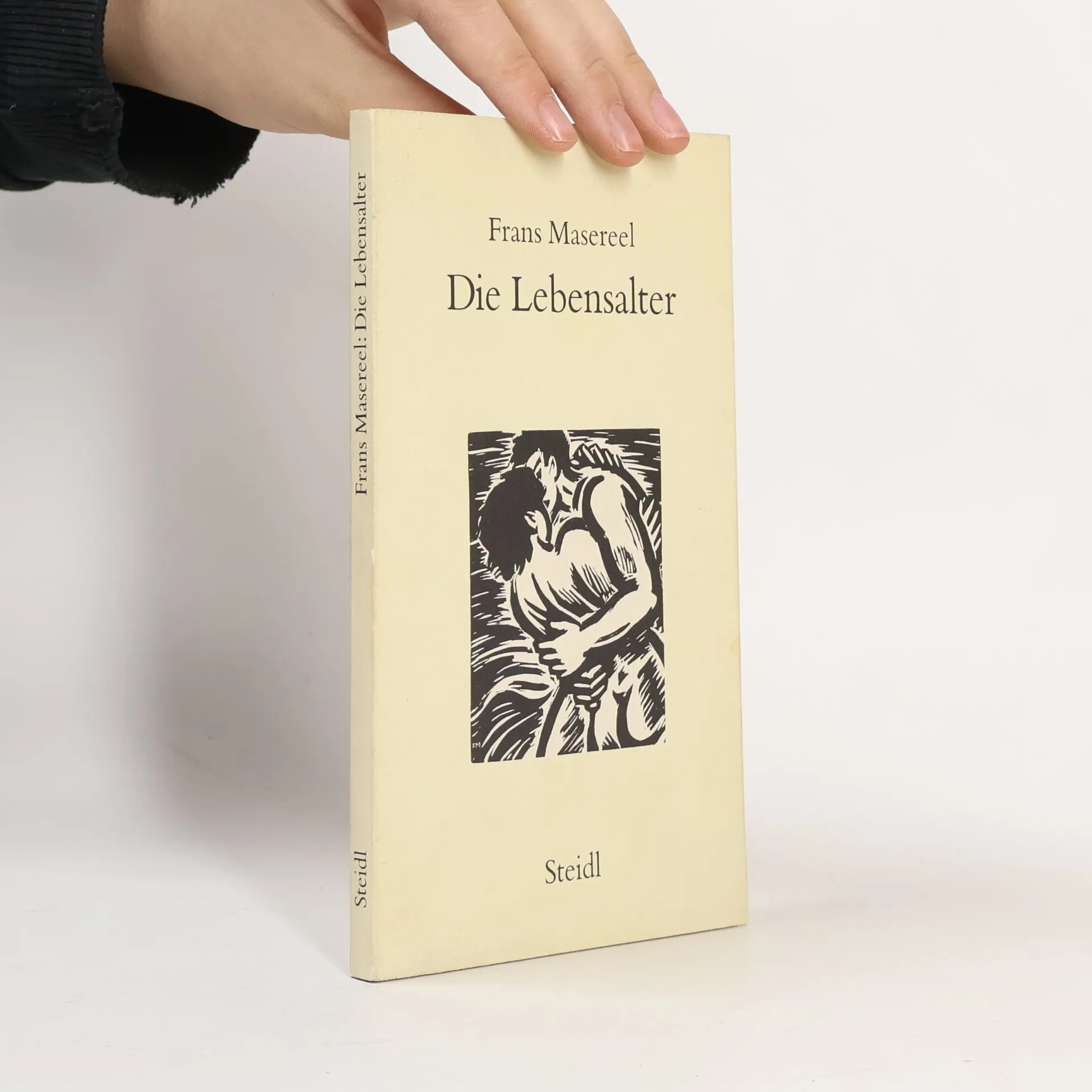
Die Lebensalter
- 35pages
- 2 heures de lecture
Frans Masereel
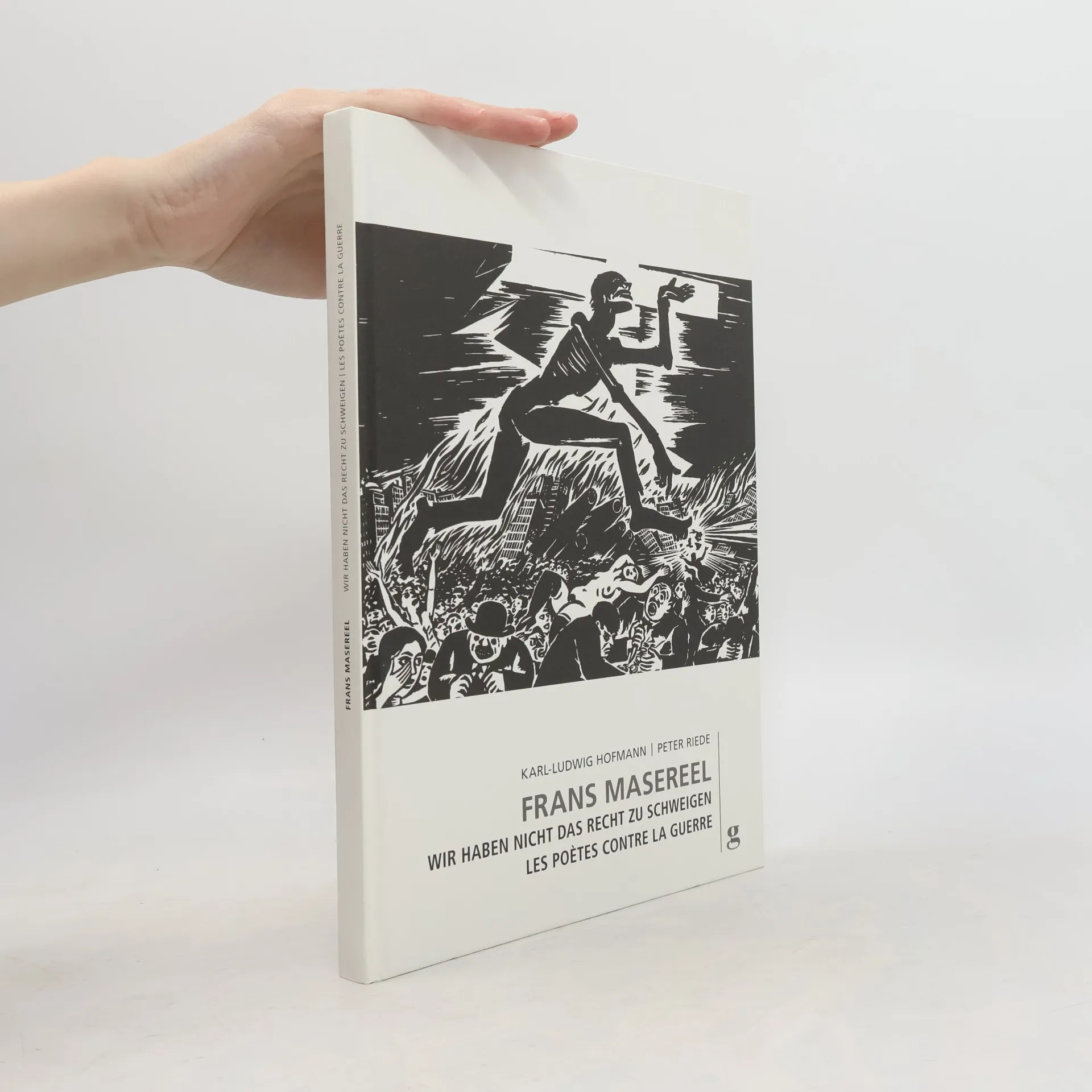
Wir haben nicht das Recht zu Schweigen : Les poètes contre la guerre
- 140pages
- 5 heures de lecture
Frans Masereel setzte sich zeitlebens künstlerisch und politisch für eine freie, solidarische Gesellschaft ein. Durch Holzschnitte, Zeichnungen, Aquarelle und Gemälde stellte er soziale und politische Realitäten dar und trat für Frieden und Gerechtigkeit ein. Er beschrieb sein Werk als ein Plädoyer für die Unterdrückten und gegen die Unterdrücker, für Brüderlichkeit und gegen Spaltung, sowie für den Frieden und gegen Kriegshetzer. Der Blick auf sein bewegtes Leben und umfangreiches Werk, präsentiert von Karl-Ludwig Hofmann und Peter Riede, soll an die verheerenden Weltkriege erinnern, die durch zahlreiche Gedenktage ins öffentliche Bewusstsein rücken, sowie an die anhaltenden Konflikte, die ein friedliches Miteinander der Menschheit verhindern. Der zweite Teil des Buches widmet sich Masereels Beziehungen zu Literaten, die wie er die Schrecken des Krieges thematisierten. Dazu zählen Autoren wie René Arcos, Johannes R. Becher, Bertolt Brecht, Hermann Hesse und Thomas Mann, deren Werke er illustrierte oder die seine Bilderzyklen besprachen. Dies verdeutlicht das künstlerische Netzwerk von Kriegsgegnern aus verschiedenen europäischen Ländern. Rund 170 Werke Masereels sowie Fotos und Zeitdokumente bereichern den Band.
Idea
- 180pages
- 7 heures de lecture
IDEA to historia idei, która rodzi się w umyśle mężczyzny doświadczającego olśnienia. Przyjmuje postać kobiety, nagiej jak prawda, którą twórca umieszcza w kopercie i wysyła w świat. Odbiorcy, odkrywając ją, są zszokowani i spieszą się, by ją ubrać. Jednak Idea nie ma nic do ukrycia, buntuje się, zrywa ubrania i ucieka ulicami obcego miasta. Rozprzestrzenia się w prasie i książkach, wzbudzając gniew władz, co prowadzi do autodafe. Mimo to, Idea jest odporna na ogień głupoty, wstaje z płomieni i wykorzystuje nowoczesne środki komunikacji, by jeszcze szybciej siać panikę i chaos w społeczeństwie. Po zakończeniu swojej misji wraca do swojego twórcy. Powieść graficzna ukazała się w 1920 roku w Paryżu i zdobyła ogromną popularność w środowisku artystycznym. Frans Masereel dążył do tego, by jego książki były dostępne dla wszystkich. Jego marzenie spełniło się w 1926 roku, gdy książka została wznowiona w przystępnym wydaniu. Wydawnictwo LOKATOR po 104 latach od pierwszego francuskiego wydania publikuje to dzieło po raz pierwszy na polskim rynku w limitowanym nakładzie 853 numerowanych egzemplarzy, otwierając serię albumów graficznych belgijskiego twórcy.
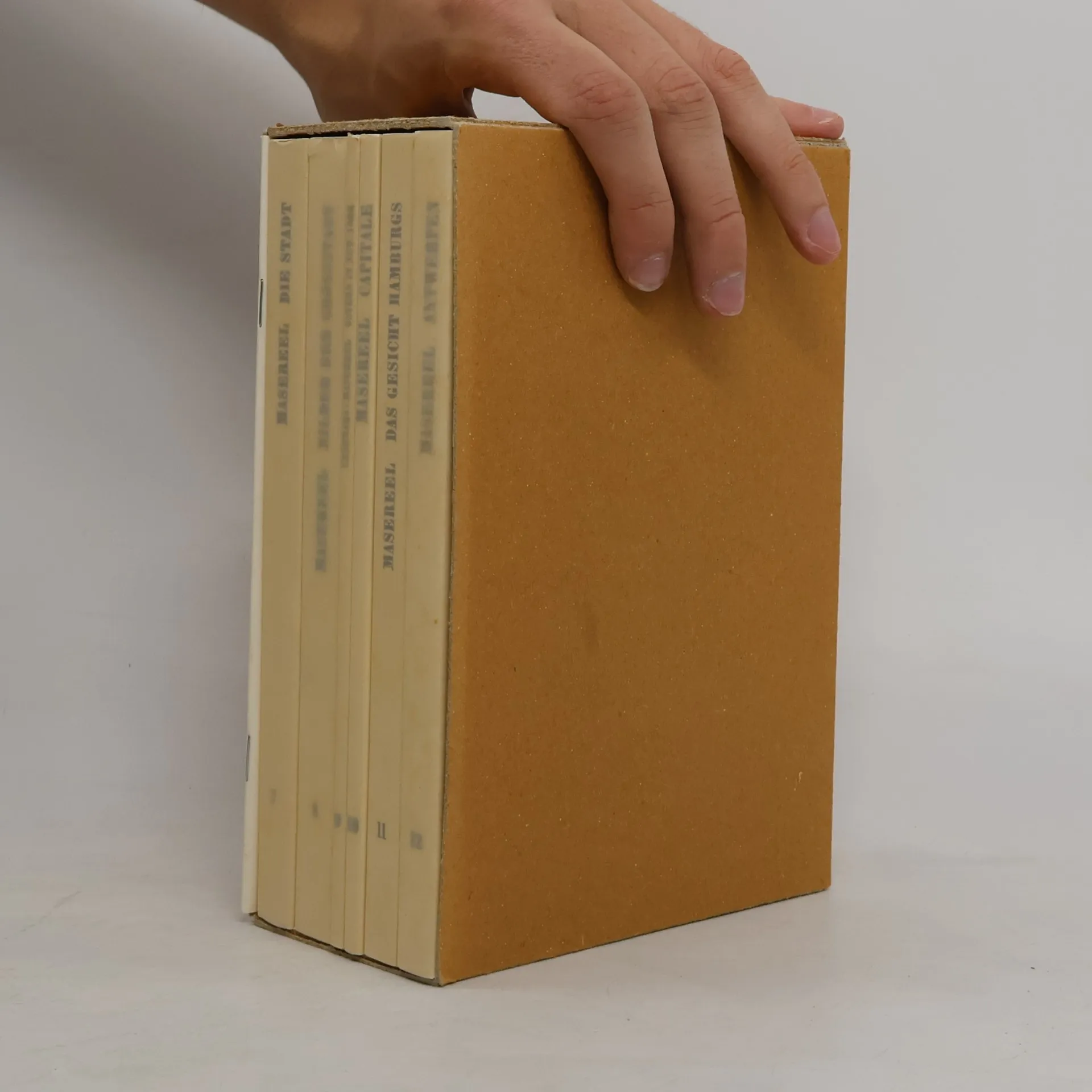
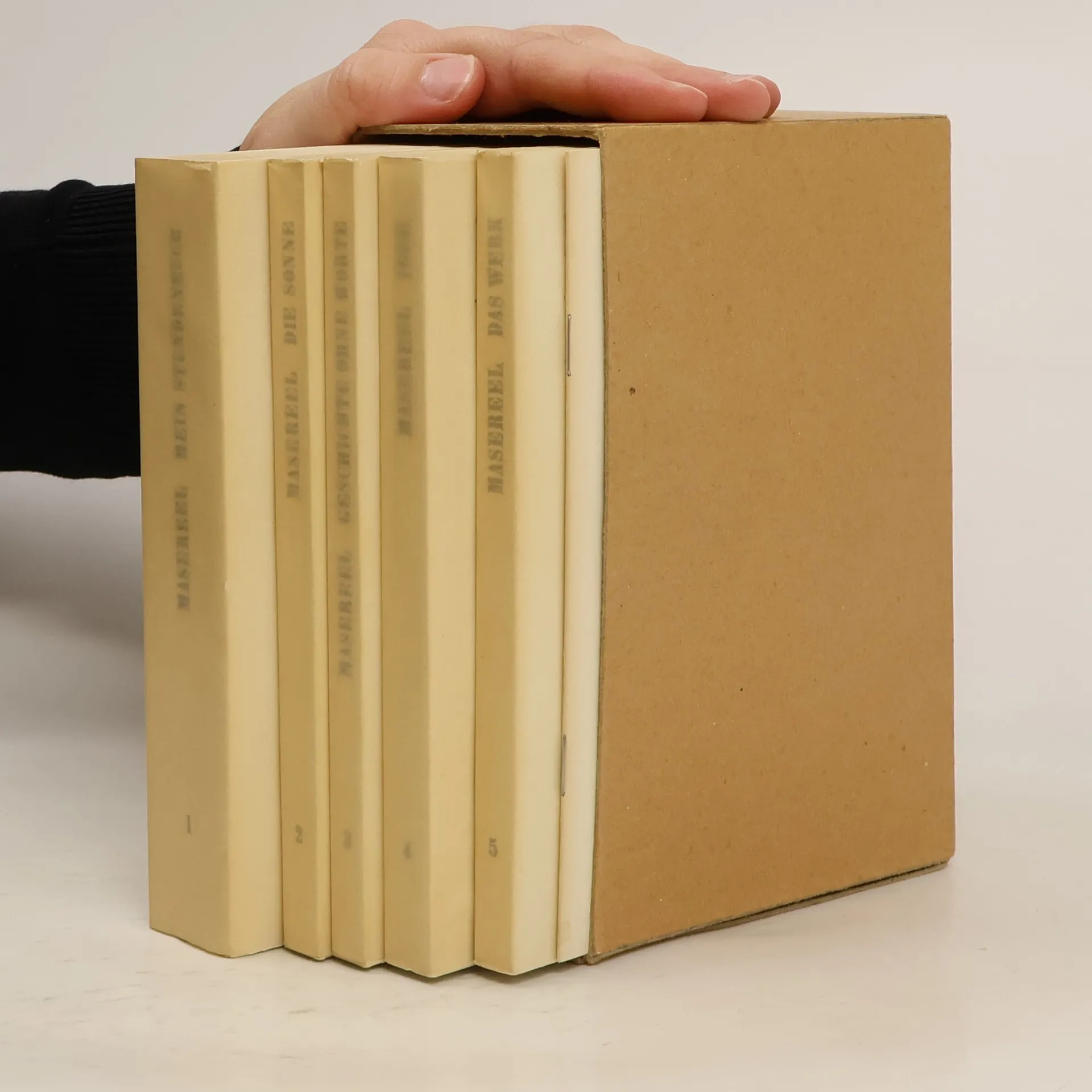
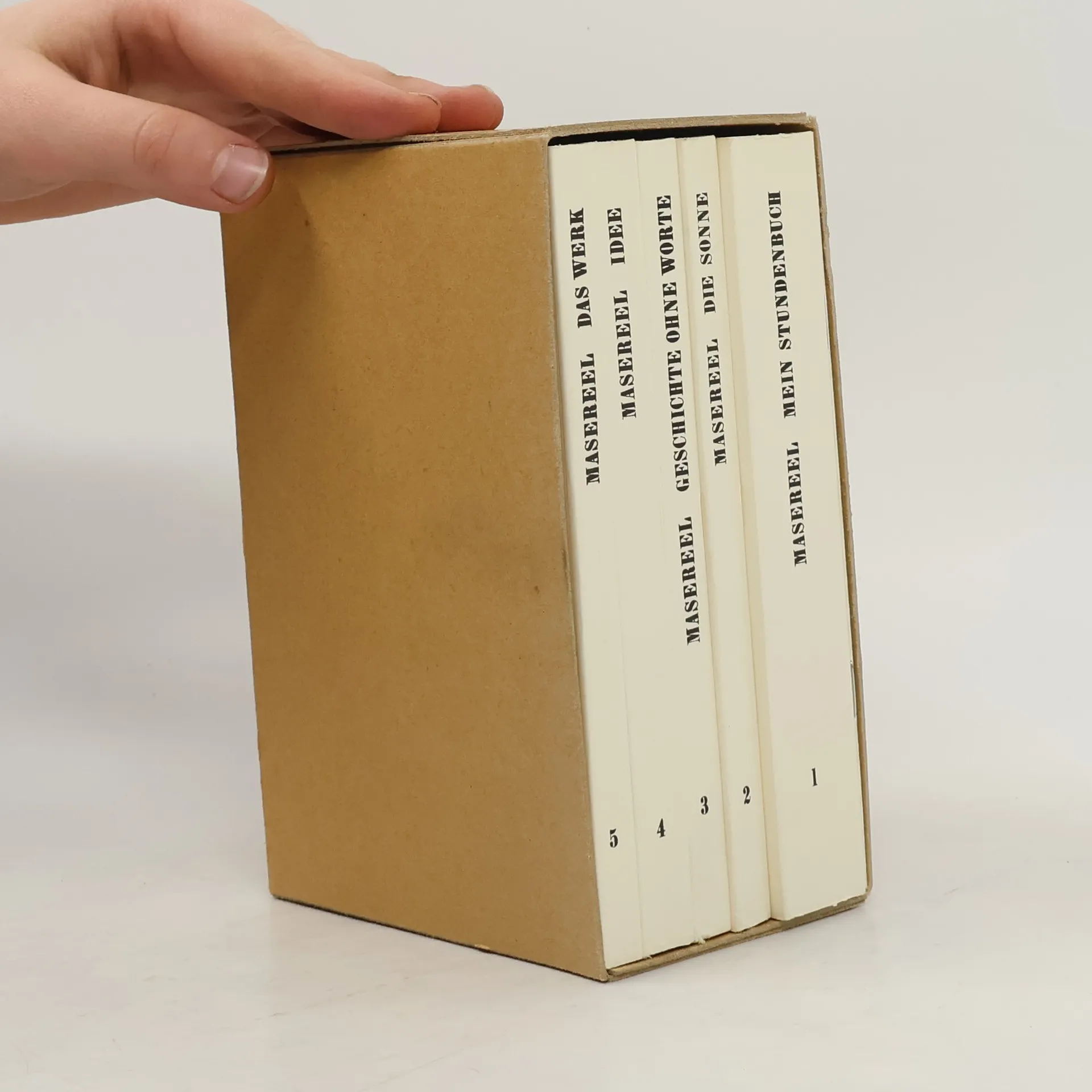
Gesammelte Werke 1-5 + Beiheft
Mein Stundenbuch. Die Sonne. Geschichte ohne Worte. Idee. Das Werk
- 6volumes