

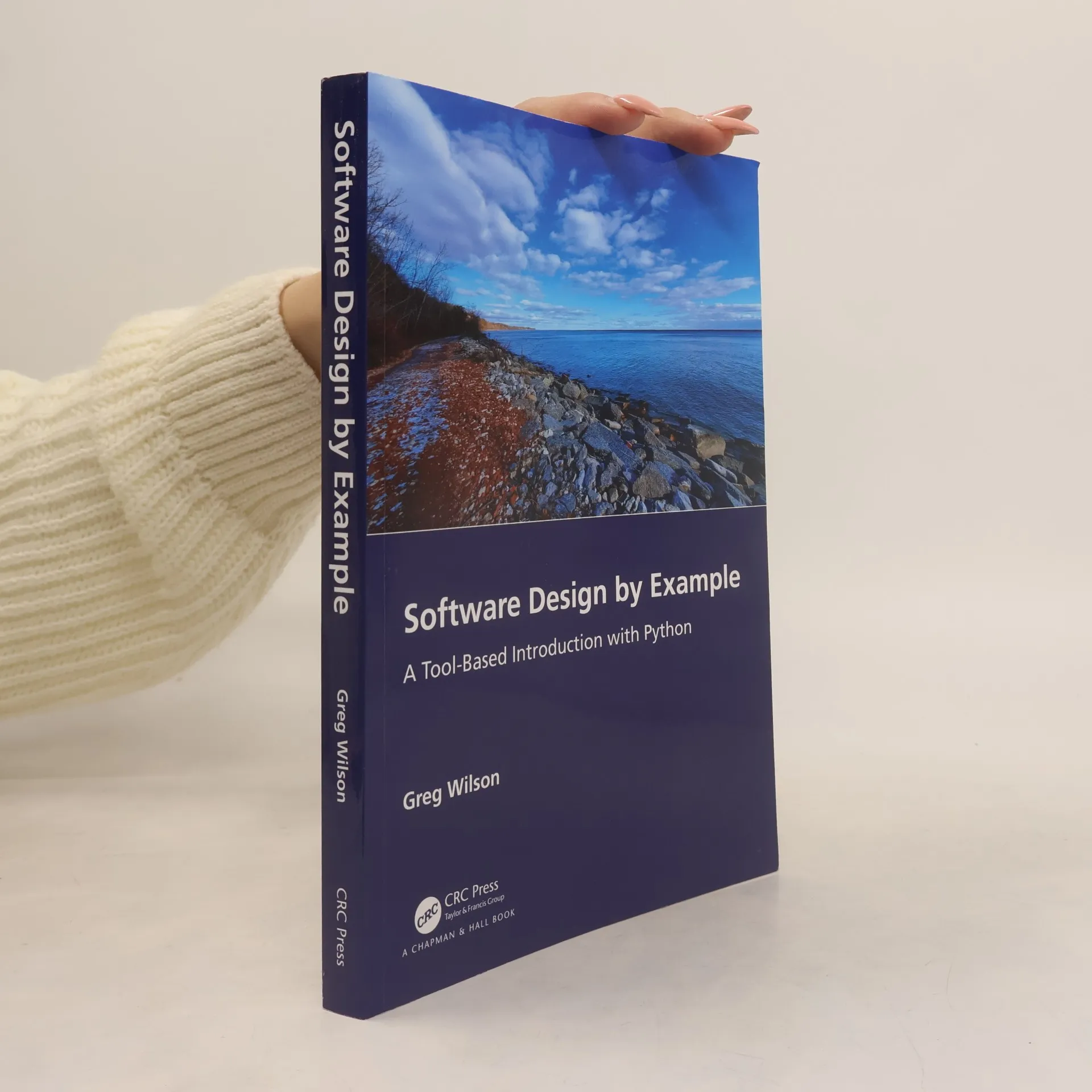
Focusing on practical learning, this book offers a hands-on approach to software design through small-scale projects that reflect real-world programming tools. It aims to enhance understanding of the thought processes of experienced programmers. Suitable for self-study, undergraduate courses, or intensive workshops, it provides a versatile resource for both novice and seasoned programmers looking to deepen their design skills using Python.
Greg Wilson Ordre des livres (chronologique)
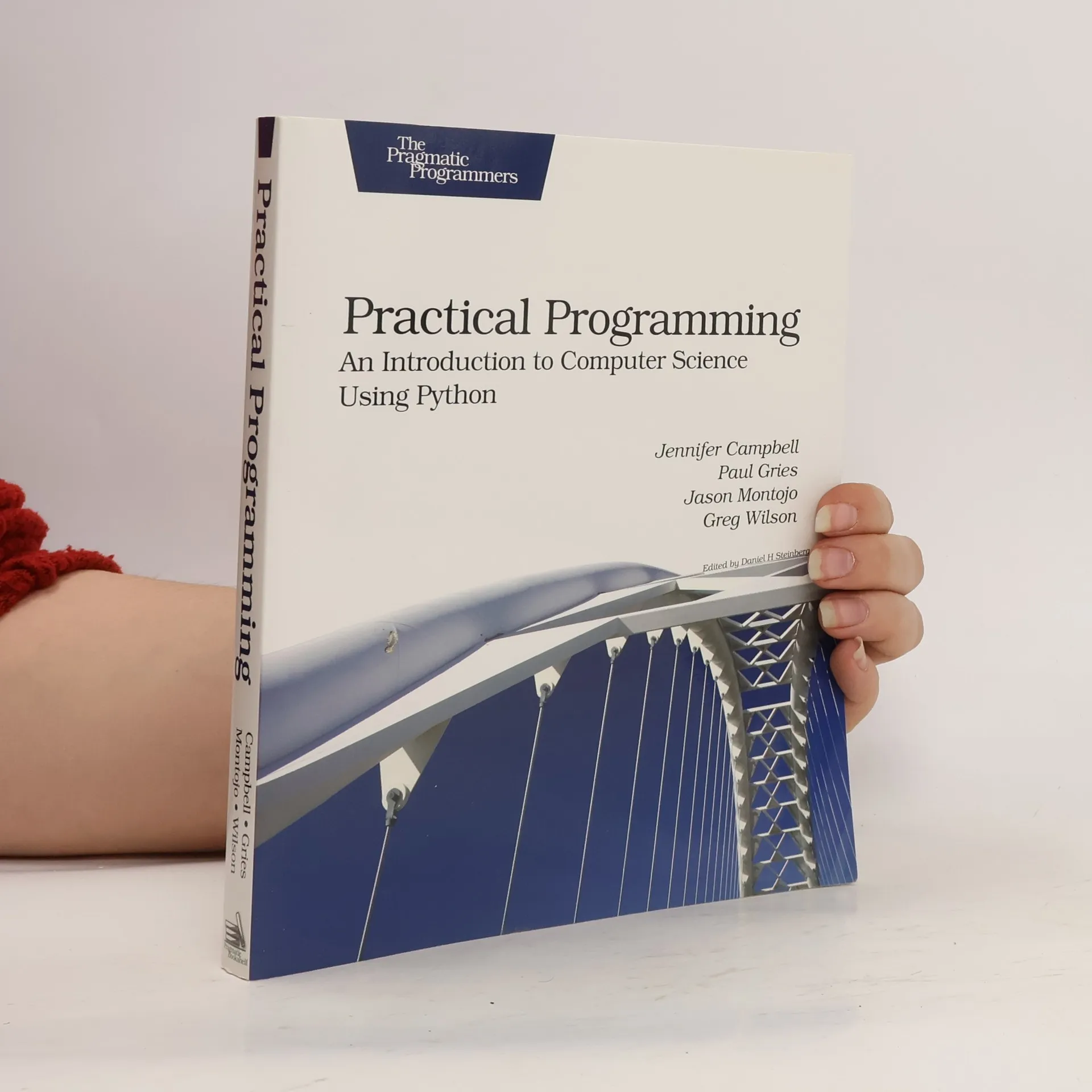
Computers are used in every part of science from ecology to particle physics. This introduction to computer science continually reinforces those ties by using real-world science problems as examples. Anyone who has taken a high school science class will be able to follow along as the book introduces the basics of programming, then goes on to show readers how to work with databases, download data from the web automatically, build graphical interfaces, and most importantly, how to think like a professional programmer. Topics covered include: Basic elements of programming from arithmetic to loops and if statements. Using functions and modules to organize programs. Using lists, sets, and dictionaries to organize data. Designing algorithms systematically. Debugging things when they go wrong. Creating and querying databases. Building graphical interfaces to make programs easier to use. Object-oriented programming and programming patterns.
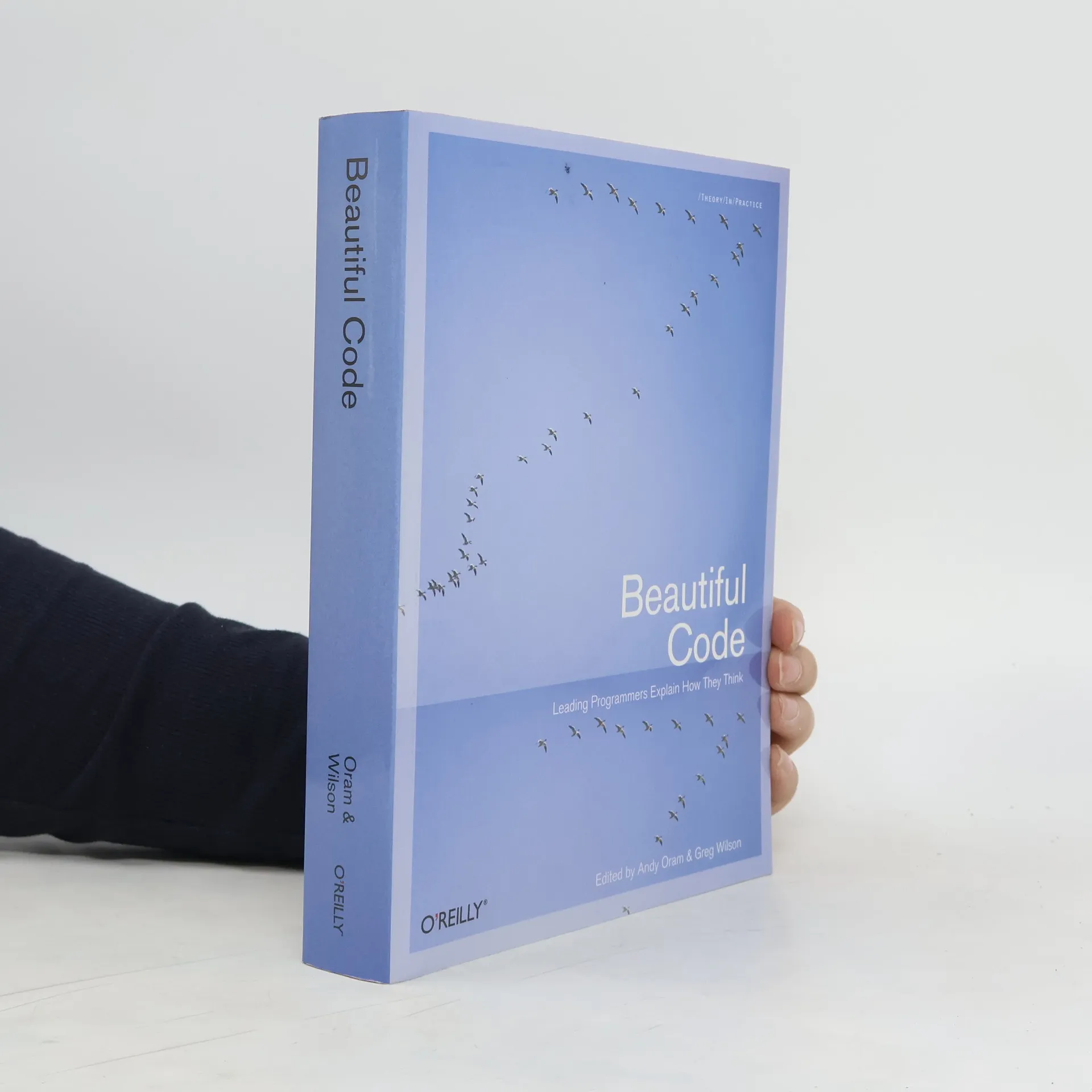
How do the experts solve difficult problems in software development? This book offers case studies that reveal how they found carefully designed solutions to high-profile projects.