Addresses the sustainability of all aspects of a national nuclear security
regime, including those relating to nuclear material and nuclear facilities,
other radioactive material and associated facilities, and nuclear and other
radioactive material out of regulatory control.
An Introduction to Classical Liberalism and International Relations Theory
Where do classical liberals stand on international relations? Does this differ from their views on domestic policy? And how does this stance vary from other liberal schools of thought? Here, author Edwin van de Haar draws on the writings of major classical liberal thinkers such as David Hume, Adam Smith, Ludwig von Mises and Friedrich Hayek to create an insightful and comprehensive overview of the classical liberal approach to foreign affairs. He delineates how classical liberals embrace a realistic view of human nature, recognising the basic social nature of individuals, yet acknowledging their propensity to quarrel, fight and use violence - and how this has consequently become an inevitable feature of international relations. He compares and contrasts this thinking with other forms of liberal thought, such as libertarianism, social liberalism and conservatism. And he also examines the much bigger difference between classical liberalism and non-liberal thinking on international relations. He argues that classical liberalism has a distinct, timeless and universalist approach to international relations - and that the unique ideas developed by classical liberal writers can, and should, be applied to contemporary world affairs.
Clinical, Medical Physics, Radiation Protection and Safety Aspects
229pages
9 heures de lecture
Provides guidance for designing and implementing radiotherapy programmes, taking into account clinical, medical physics, radiation protection and safety aspects. It reflects current requirements for radiotherapy infrastructure in settings with limited resources.
Issues authoritative recommendations concerning nutritional requirements and safe ranges of intake for nineteen trace elements important to human health. Representing the consensus reached by a large number of international experts, the book aims to give scientists and those responsible for nutrition planning a solid basis for assessing dietary intakes of trace elements, detecting deficiencies and excesses, and recognizing the clinical features of related disorders. Throughout, guidelines and advice respond to greatly expanded knowledge about the significant impact that even subtle differences in trace elements can have on health and disease. The core of the report, which has three parts, provides authoritative recommendations on the nutritional significance, requirements for health, and safe range of daily intakes for nineteen trace elements in three categories. These include essential elements, such as iodine and zinc, probably essential elements, such as manganese and silicon, and potentially toxic elements, such as fluoride, lead, cadmium and mercury, which may also have some essential functions at low levels.
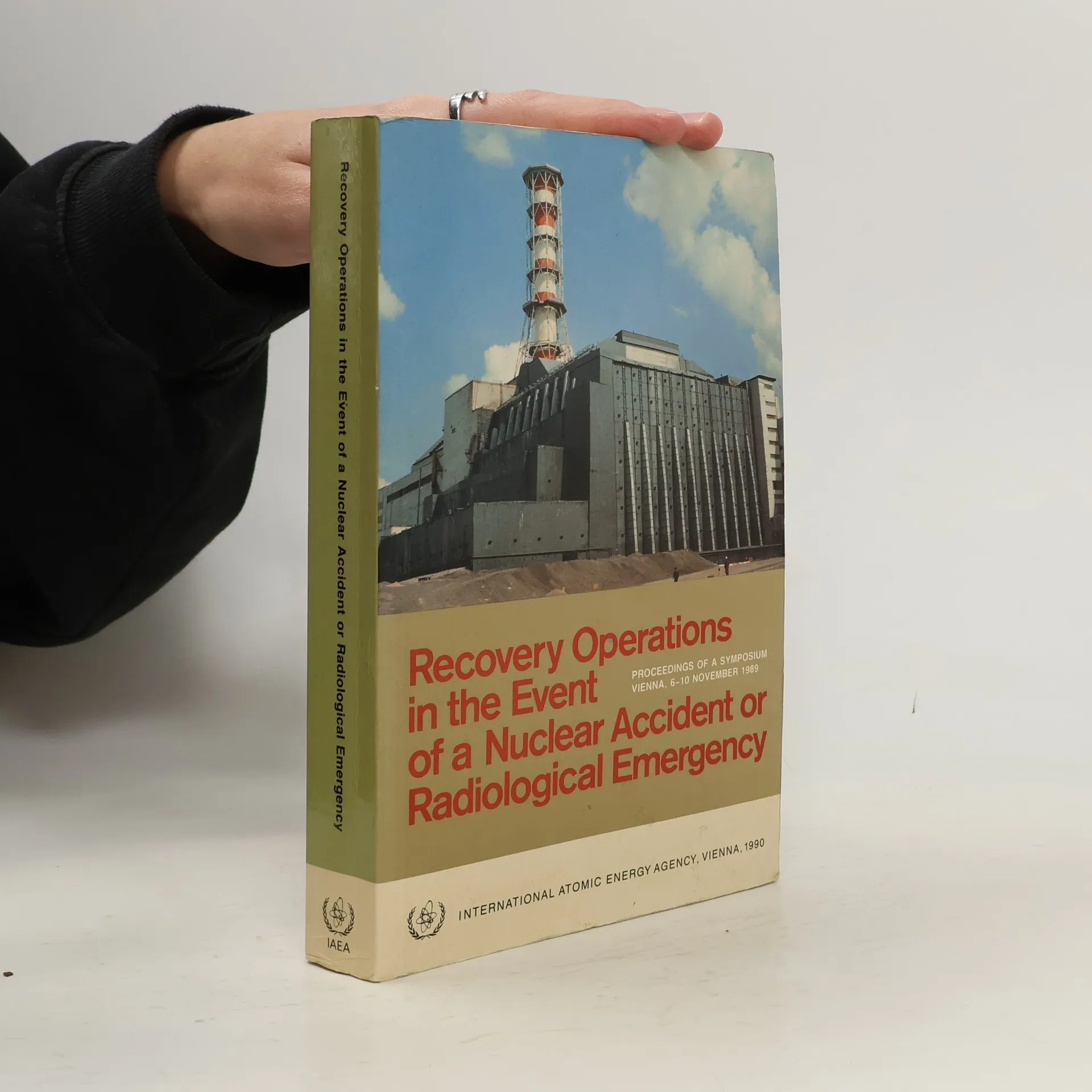
Proceedings of a symposium, Vienna, 6-10 November 1989. The purpose was to provide a forum for review of actual experience gained and lessons learned from recovery techniques and operations in response to serious accidents at nuclear facilities and accidents associated with radioactive materials, and also to consider the development of emergency planning and preparedness resources. A special feature of the symposium programme was a full session on an accident involving a chemical explosion in a high level waste tank at a plutonium extraction plant in the Southern Urals in the USSR in 1957.