

Uncover history and see how people lived during the time of the Shang Dynasty in Ancient China
Jim Johnson Ordre des livres (chronologique)
S'appuyant sur plus de 25 ans d'expérience en tant que physiothérapeute, cet auteur se spécialise dans le traitement des problèmes de douleur et de mobilité. Son travail, méticuleusement élaboré à partir de recherches publiées et d'essais contrôlés, offre des perspectives approfondies sur la réadaptation. L'auteur se concentre sur des approches fondées sur des preuves pour aider les lecteurs à comprendre des pratiques thérapeutiques complexes. Son écriture est appréciée pour sa précision et son applicabilité pratique dans des contextes cliniques.


Star Trek: Mirror Universe: Shards and Shadows
- 426pages
- 15 heures de lecture
Fractured history. Broken lives. Splintered souls. Since the alternate universe was first glimpsed in the classic episode "Mirror, Mirror," something about Star Trek's dark side has beckoned us, called to us, tempted us -- like forbidden fruit on the Tree of Knowledge. To taste it is to lose oneself in a world of startling familiarity and terrifying contradictions, where everything and everyone we knew is somehow disturbingly different, and where shocking secrets await their revelation. What began in 2007 with Glass Empires and Obsidian Alliances -- the first truly in-depth foray into the turbulent history of this other continuum -- now continues in twelve new short tales that revisit and expand upon that so-called "Mirror Universe," spanning all five of the core incarnations of Star Trek, as well as their literary offshoots, across more than two hundred years of divergent history, as chronicled by... Christopher L. Bennett - Margaret Wander Bonanno - Peter David - Keith R.A. DeCandido - Michael Jan Friedman - Jim Johnson - Rudy Josephs - David Mack - Dave Stern - James Swallow - Dayton Ward & Kevin Dilmore - Susan Wright
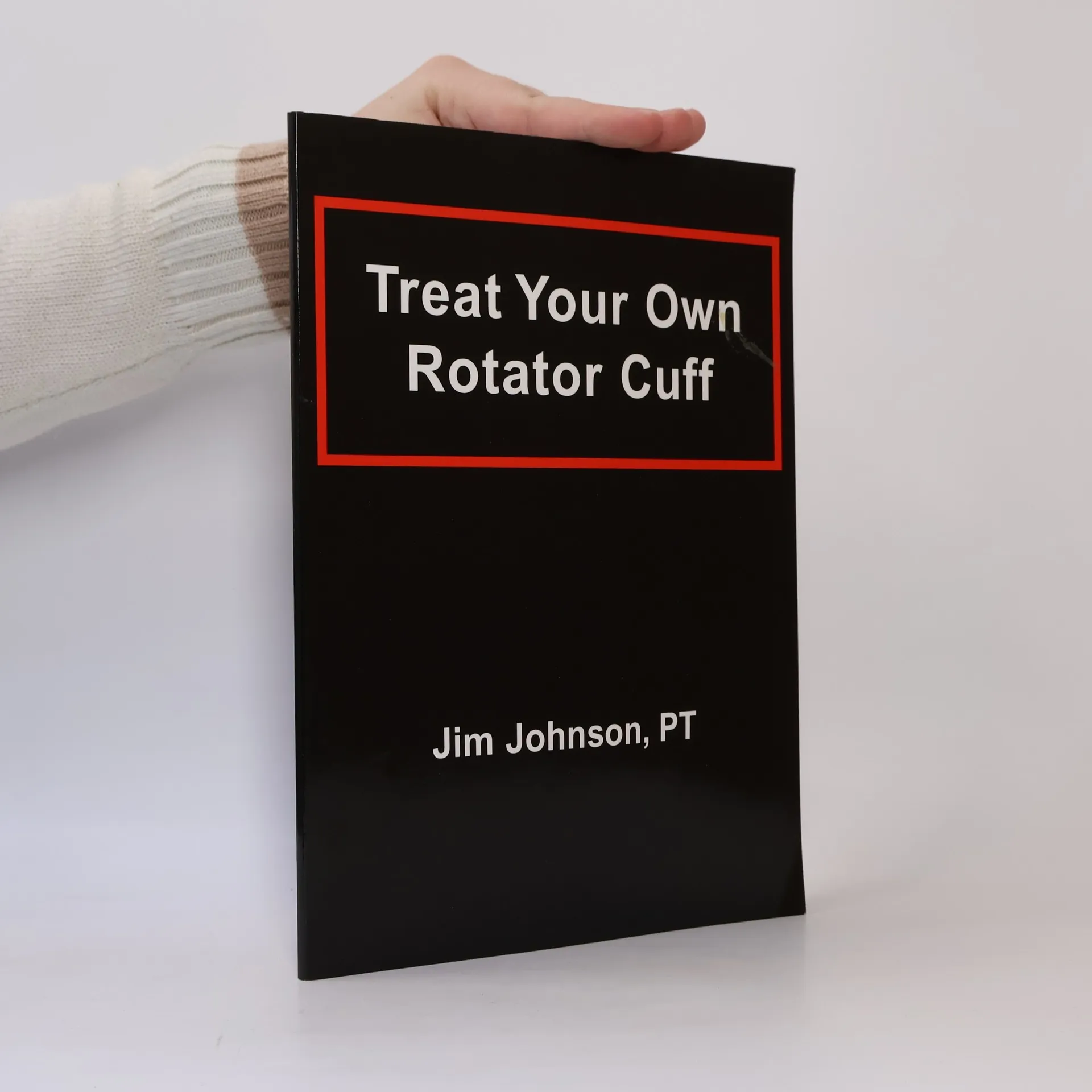
Treat Your Own Rotator Cuff
- 89pages
- 4 heures de lecture
*prevent a rotator cuff problem *get maximum shoulder joint stability*recover from a partial or full-thickness rotator cuff tearTreat Your Own Rotator Cuff is a complete program to prevent and rehabilitate rotator cuff injuries for athletes and non-athletes alike. In less than 100 pages, readers will learn precisely how the rotator cuff works, what can go wrong with it, and then are guided step-by-step through an evidence-based program taking literally minutes a day to do.
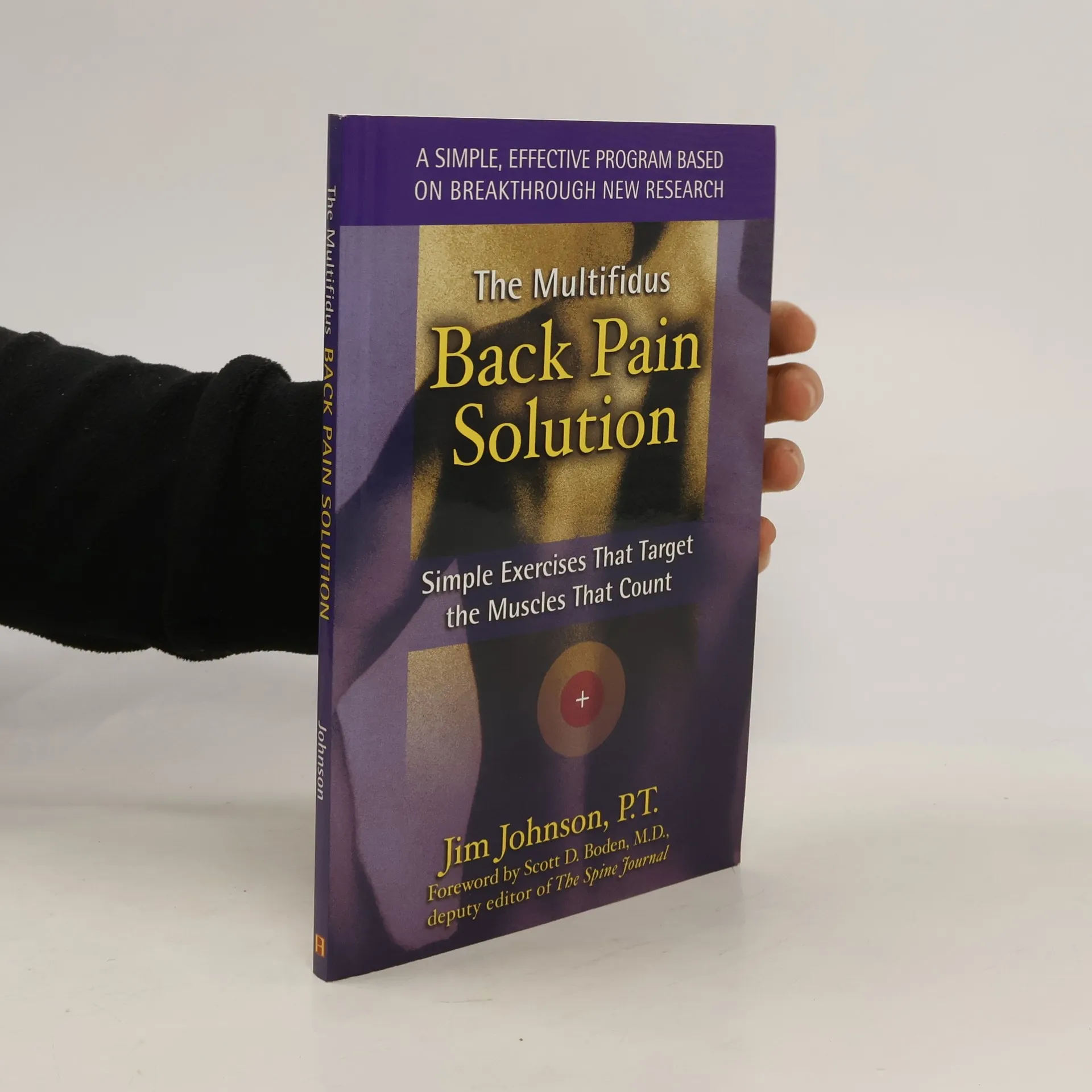
Based on breakthrough results from the newest scientifically proven research, this guide offers back-pain sufferers real relief—simple exercises that target the exact muscles that have been newly identified to be the source of most back pain.If you are one of the millions who suffer from recurring back pain, and have found that your attempts at complicated and time-consuming exercise programs and treatments have not helped, it’s time to learn the simple techniques that strengthen the specific muscles that are at the root of your pain. Start living free from pain now!When physical therapist Jim Johnson reviewed the back-pain studies in peer-reviewed medical journals published over the past fifteen years, he found that the research suggested that a specific set of muscles played a key role in a great majority of back-pain incidences. The results showed that most back-pain sufferers have undeveloped multifidus (mull-tiff-i-dus) muscles. These muscles connect the spinal vertebrae together and play a subtle, but critical, role in bending and twisting motions of the back. If they are weak, inflamed, or in spasm, they can cause chronic back pain. In response to these findings, Johnson devised a simple series of exercises that focus on strengthening the multifidus muscles—and had fabulous results in reducing back pain for a variety of patients.