
Bonnie Honig est une théoricienne politique et juridique spécialisée dans la théorie démocratique et féministe. Son travail explore l'interaction complexe entre démocratie, pouvoir et genre, examinant comment ces concepts sont façonnés et remis en question dans les paysages politiques et juridiques contemporains. À travers sa perspective théorique, Honig invite les lecteurs à s'engager de manière critique avec les implications plus profondes des structures politiques et leur impact sociétal, offrant des aperçus profonds sur la nature de la gouvernance et de l'égalité.
"This book, now in a 30th anniversary edition, has been called a founding text of agonism, which treats political contestation not as a regrettably necessary way to correct political imperfections but as a necessary, sometimes joyful feature of democratic life. By rethinking the established relation between politics and political theory, Honig argues that political theorists of opposing positions often treat political theory less as an exploration of politics than as a series of devices for its displacement"--
Bonnie Honig invigorates debate over the politics of refusal by insisting that
withdrawal from unjust political systems be matched with collective action to
change them. Historical and fictional characters from Muhammad Ali to the
Bacchants of ancient Greek tragedy teach us how to turn rejection into
transformative efforts toward self-governance.
This collection of essays explores the impact of feminist criticism on everyday politics, particularly in the context of the Trump era. Through sharp and witty reflections, Bonnie Honig examines how patriarchy persists as powerful men manipulate democratic institutions. She highlights moments like Stormy Daniels' #metoo experience and critiques conservative views on gender fluidity, using the concept of 'gaslighting' to illustrate male domination while also recognizing its role in women's survival. Honig argues that feminist criticism is essential for demanding justice amidst ongoing plundering and patriarchal structures. The essays reveal how women have resisted and rebuilt, addressing the feminization of policies affecting not only women but also racial and ethnic minorities. Honig emphasizes the importance of resensitizing ourselves to injustices and cultivating empathy for equitable living. By focusing on the particular and idiosyncratic, feminist criticism unravels the fabric of shock politics, challenging communities to confront their shortcomings. Drawing on literary figures like Homer's Penelope and Toni Morrison's Cee, Honig analyzes popular culture, national politics, and political theory through a feminist lens, offering insightful readings of various films and television shows. This collection illustrates alternative ways of living and writing in a time marked by violence and the hope for democratic renewal.
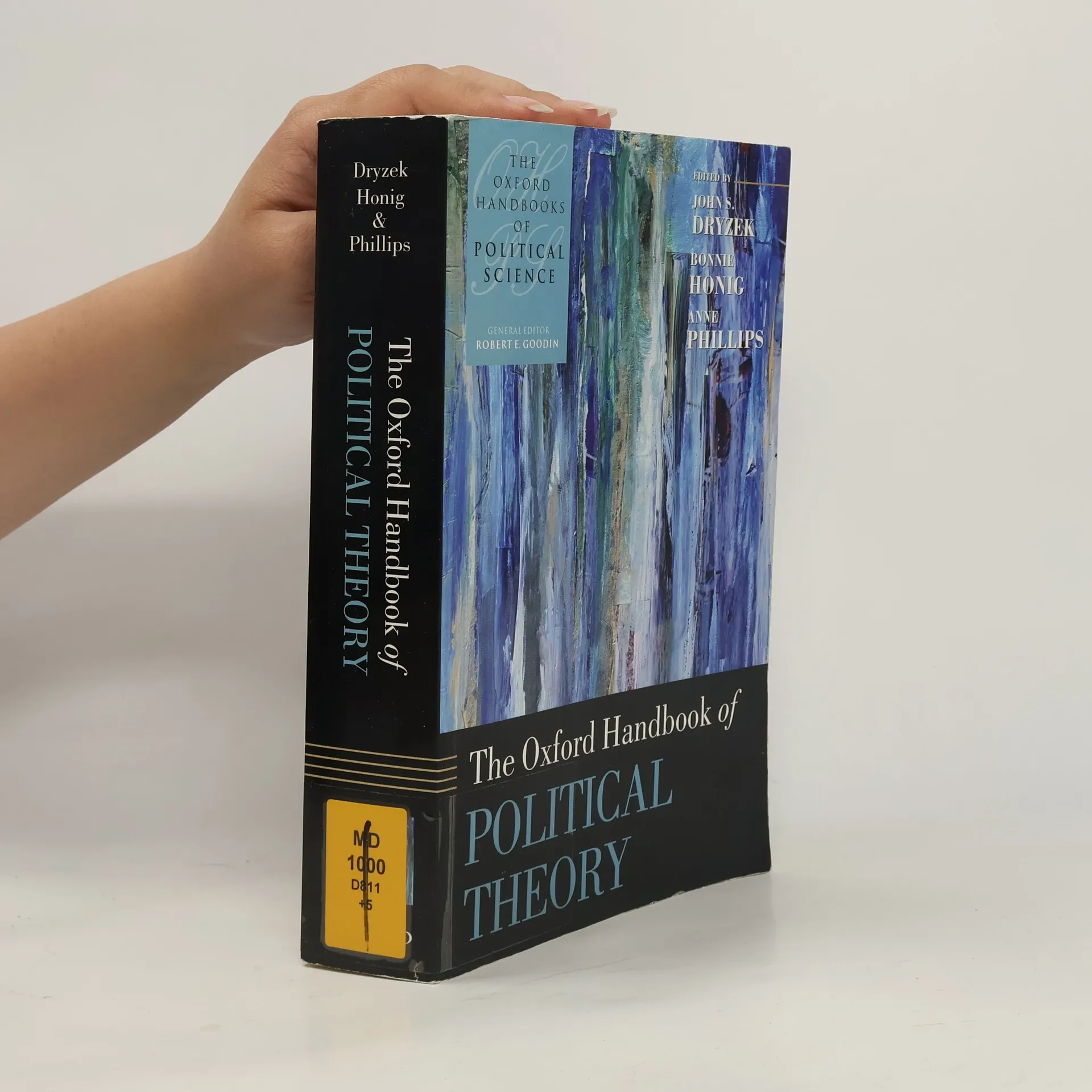
Long recognized as one of the main branches of political science, political theory has in recent years burgeoned in many different directions. Close textual analysis of historical texts sits alongside more analytical work on the nature and normative grounds of political values. Continental and post-modern influences jostle with ones from economics, history, sociology, and the law. Feminist concerns with embodiment make us look at old problems in new ways, and challenges of new technologies open whole new vistas for political theory. This Handbook provides comprehensive and critical coverage of the lively and contested field of political theory, and will help set the agenda for the field for years to come. Forty-five chapters by distinguished political theorists look at the state of the field, where it has been in the recent past, and where it is likely to go in future. They examine political theory's edges as well as its core, the globalizing context of the field, and the challenges presented by social, economic, and technological changes.