Bookbot

Gustave Flaubert

    12 décembre 1821 – 8 mai 1880

    Gustave Flaubert compte parmi les plus grands romanciers occidentaux. Ses méthodes de composition particulières, empreintes d'une solitude studieuse et d'une quête incessante de la phrase et de l'adjectif parfaits, le distinguent. Le style de Flaubert, réputé pour sa vigueur et son exactitude exceptionnelles, est devenu une référence pour les écrivains ultérieurs de diverses écoles. Initialement accueilli avec scandale, son œuvre a progressivement été reconnue pour sa représentation scrupuleusement fidèle de la vie et sa maîtrise magistrale de la langue, influençant profondément le réalisme et au-delà.

    Gustave Flaubert
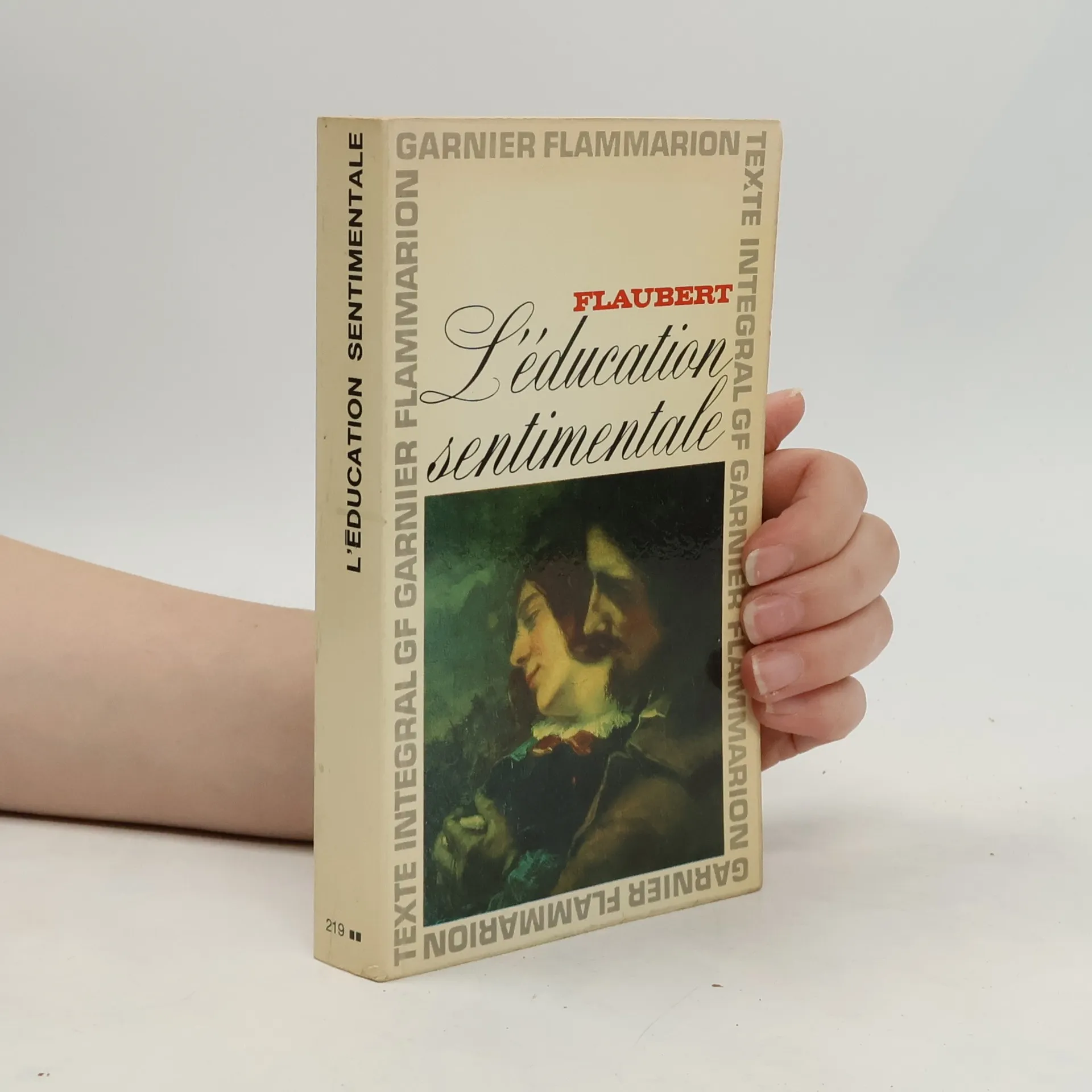
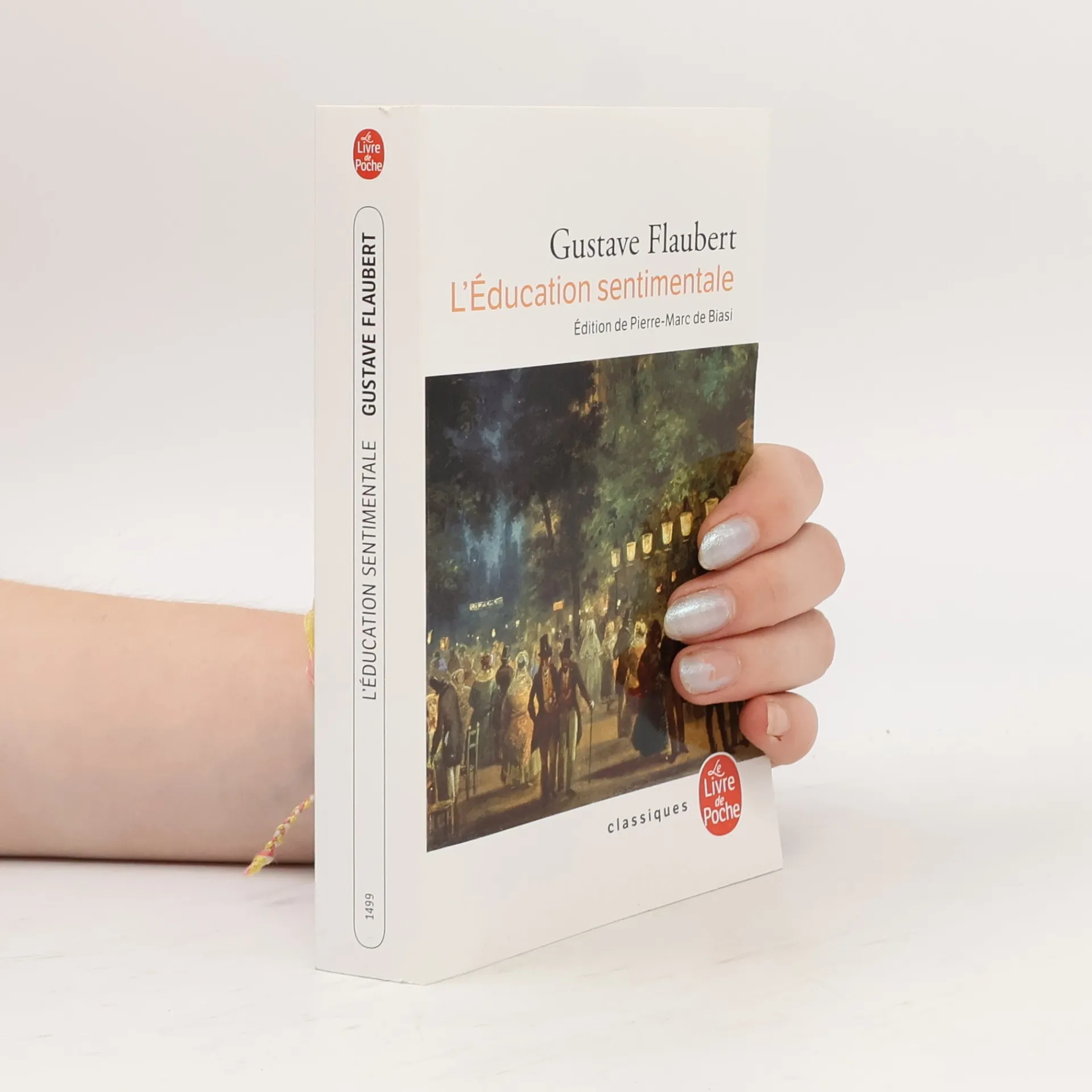
    L' education sentimentale. Lehrjahre des Gefühls, französische Ausgabe
    Un coeur simple
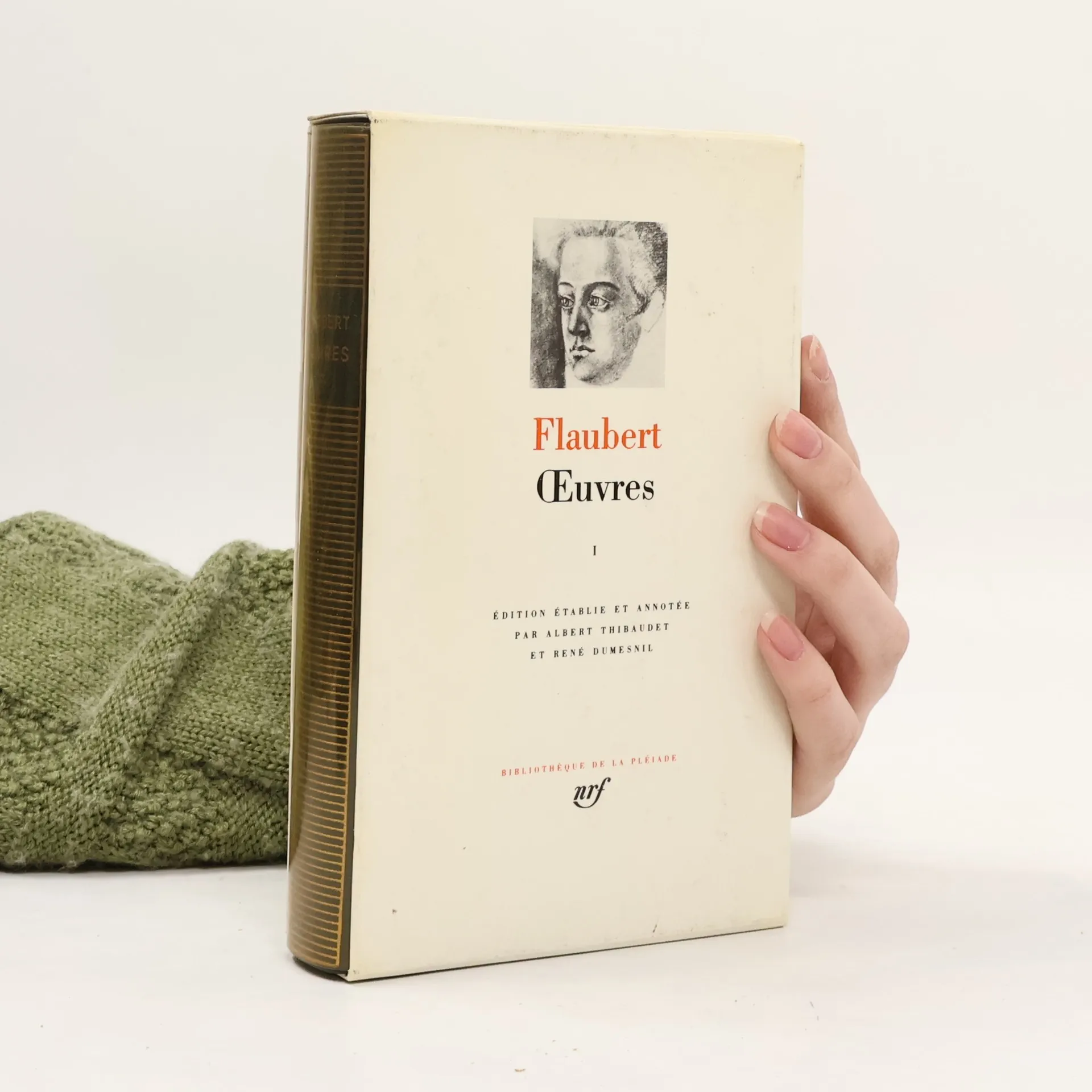
    Oeuvres 1
    Correspondance III. 1859-1868
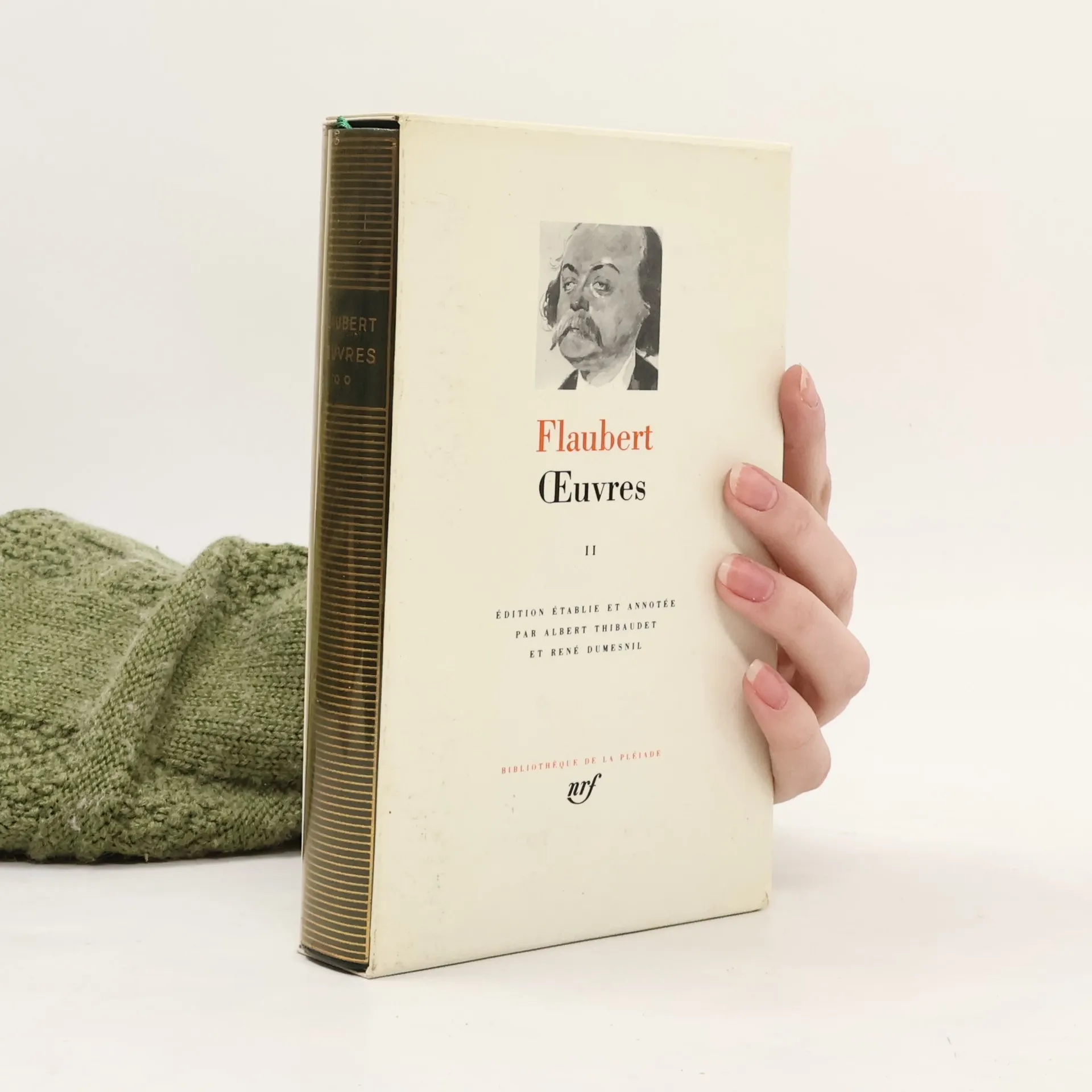
    Oeuvres II
    Correspondance IV. 1869 -1875
    • Correspondance IV. 1869 -1875

      • 1504pages
      • 53 heures de lecture

      Le Flaubert qui s'exténua à produire une uvre rare et précieuse est, exactement, le Flaubert de la légende et (si les quatre volumes de sa correspondance ne nous trompent pas) celui de l'histoire aussi. Et ce Flaubert est plus important que l'importante littérature qu'il prémédita et réalisa - Flaubert, premier Adam d'une espèce nouvelle : celle de l'homme de lettres comme prêtre, comme ascète et comme martyr.»«Don Quichotte et Sancho sont plus réels que le soldat espagnol qui les inventa, mais aucune créature de Flaubert n'est aussi réelle que Flaubert. Ceux qui prétendent que son uvre capitale est sa Correspondance peuvent arguer que dans ces volumes virils se trouve le visage de son destin. Ce destin s'est reproduit, mystérieusement magnifié et varié, en celui de Mallarmé, de Henry James et en celui de l'Irlandais enchevêtré et presque infini qui trama Ulysse.»Jorge Luis Borges,
      Correspondance IV. 1869 -1875
      5,0
    • Oeuvres II

      • 1051pages
      • 37 heures de lecture
      Oeuvres II
      5,0
    • Oeuvres 1

      • 1072pages
      • 38 heures de lecture
      Oeuvres 1
      4,0
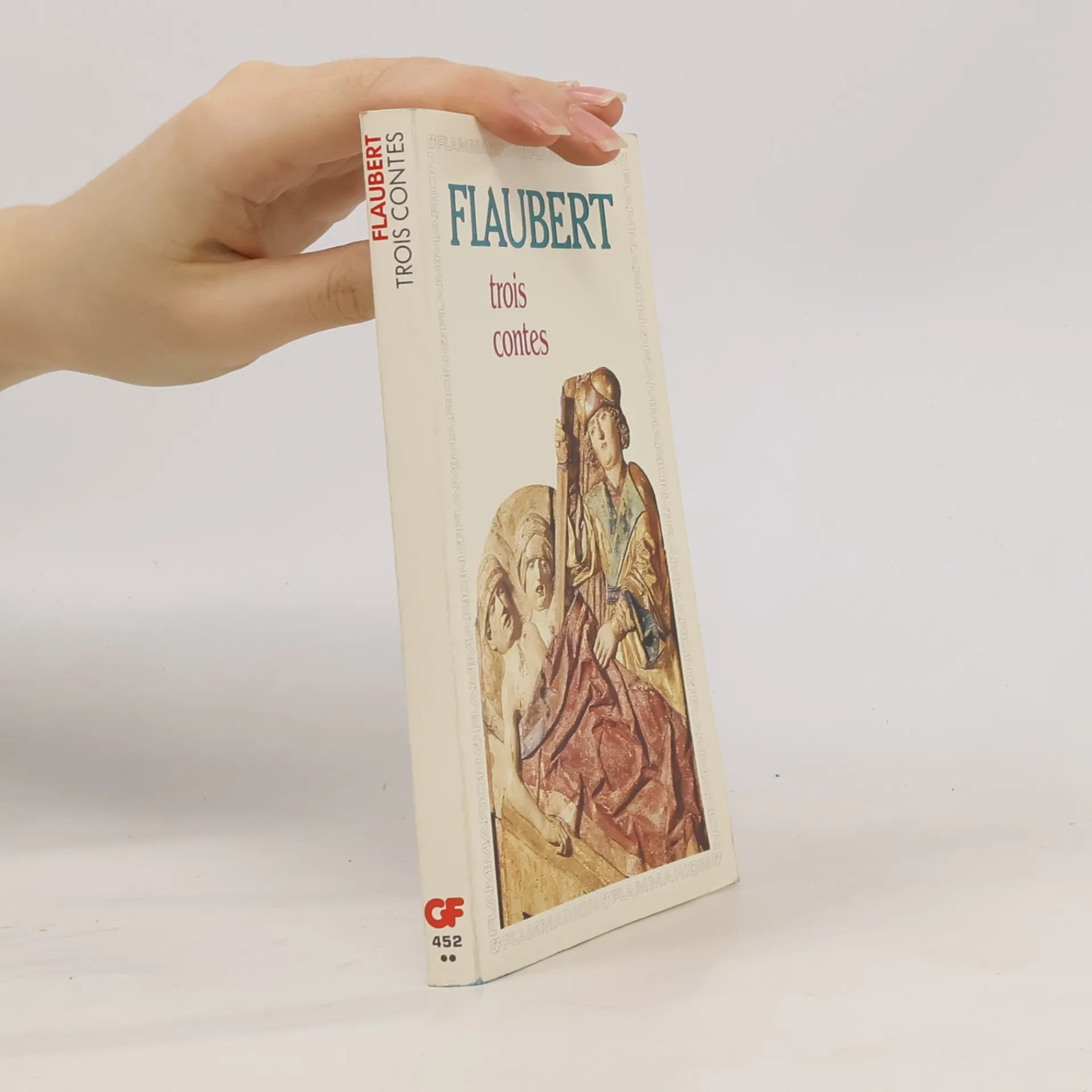
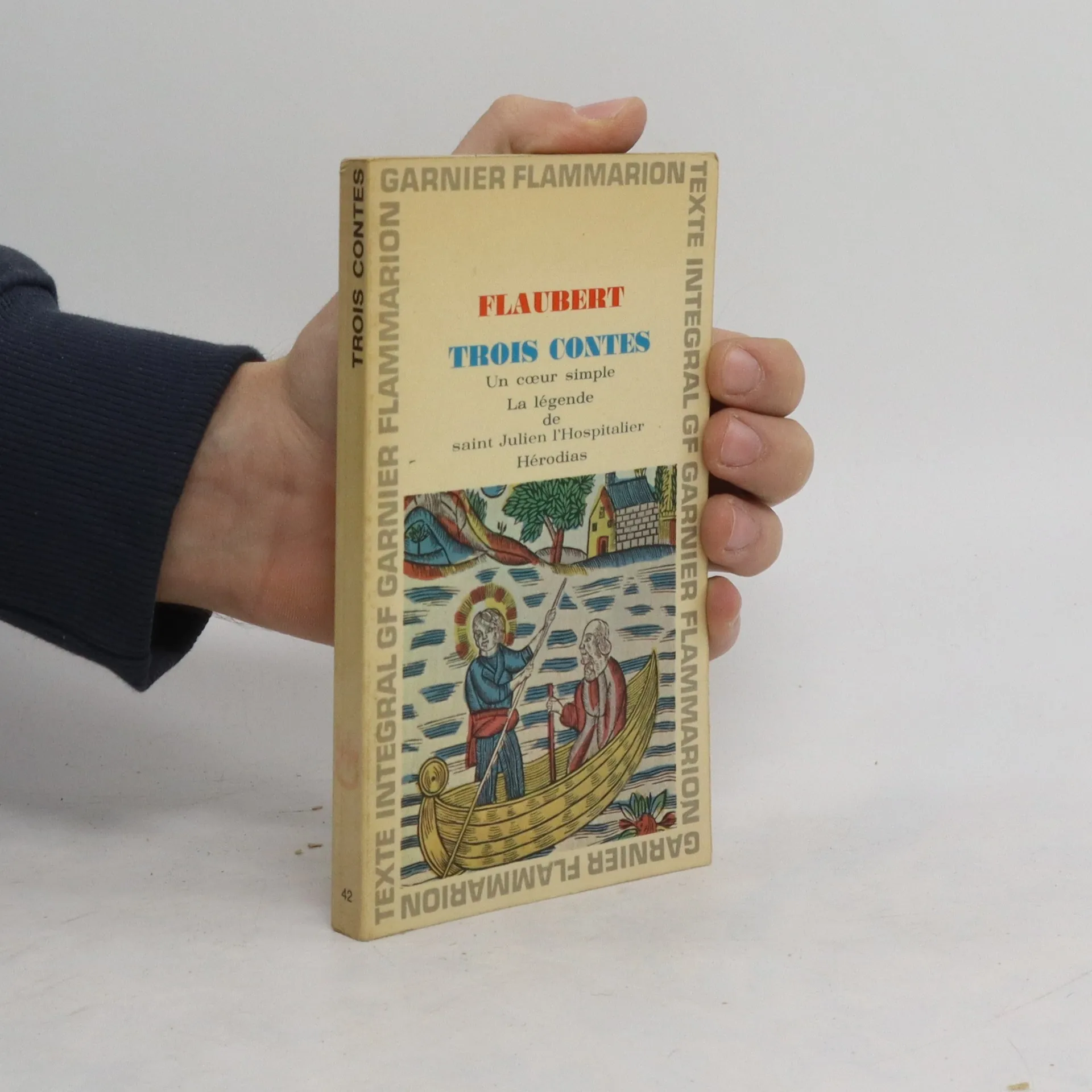
    • Un coeur simple

      suivi de La légende de saint Julien l'Hospitalier

      • 91pages
      • 4 heures de lecture

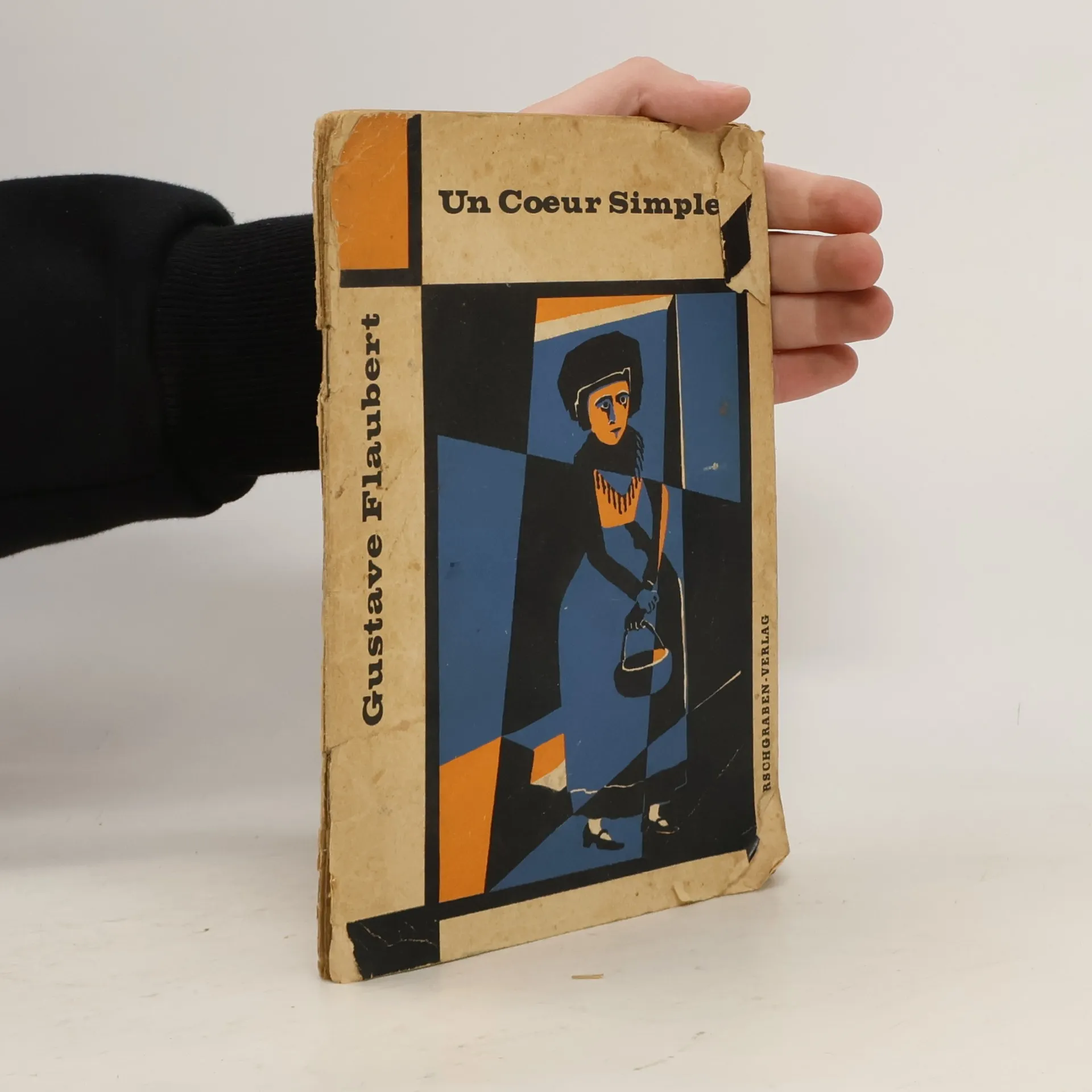
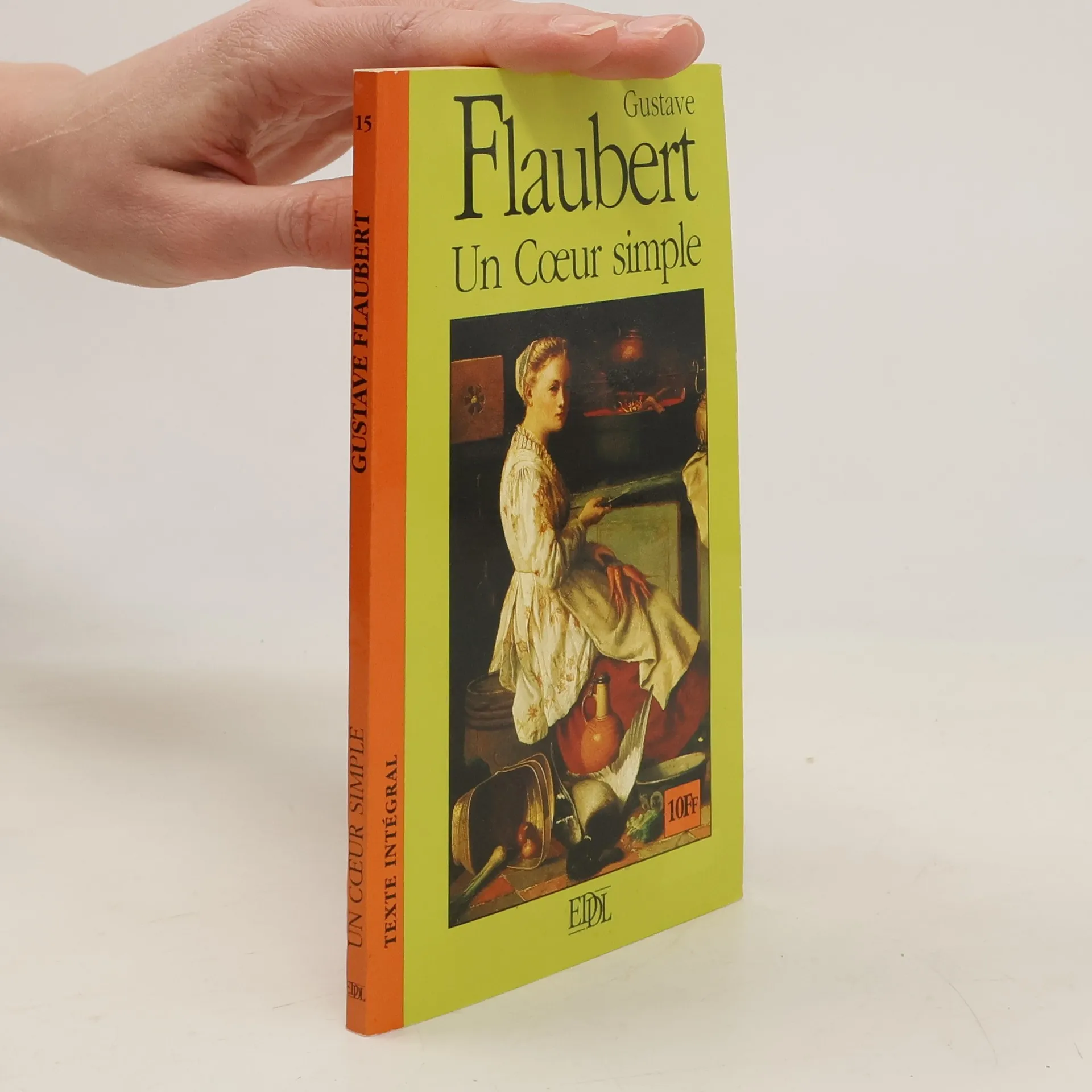
      « Pendant un demi-siècle, les bourgeoises de Pont-l'Evêque envièrent à Mme Aubain sa servant Félicité. Pour cent frans par an, elle faisait la cuisine et le ménage, cousait, lavait, repassait, savait brider un cheval, engraisser les volailles, battre le beurre, et resta fidèle à sa maîtresse, -- qui cependant n'était pas une personne agréable. »
      Un coeur simple
      3,7
    • "I want to write the moral history of the men of my generation—or, more accurately, the history of their feelings," declared Gustave Flaubert, who envisioned "a book about love, about passion; but passion such as can exist nowadays—that is to say, inactive." First published in 1869, this novel fulfills Flaubert's conception with a realistic, ironic portrait of bourgeois lives played out against France's tumultuous revolution of 1848 and the founding of its Second Empire. Frédéric Moreau, a law student in Paris, dreams of achieving success in art, business, journalism, and politics. His aspirations take a romantic turn upon a chance encounter with a married woman, who inspires a lifelong obsession. Frédéric befriends his idol's husband, an influential art dealer, and quickly finds himself seduced by society life—and bedeviled by financial problems, ideological conflicts, and betrayals of trust. Blending romance, historical authenticity, and satire, Flaubert's Sentimental Education ranks among the nineteenth century's great novels.

      Lire et voir les Classiques: L'Éducation sentimentale
      3,7
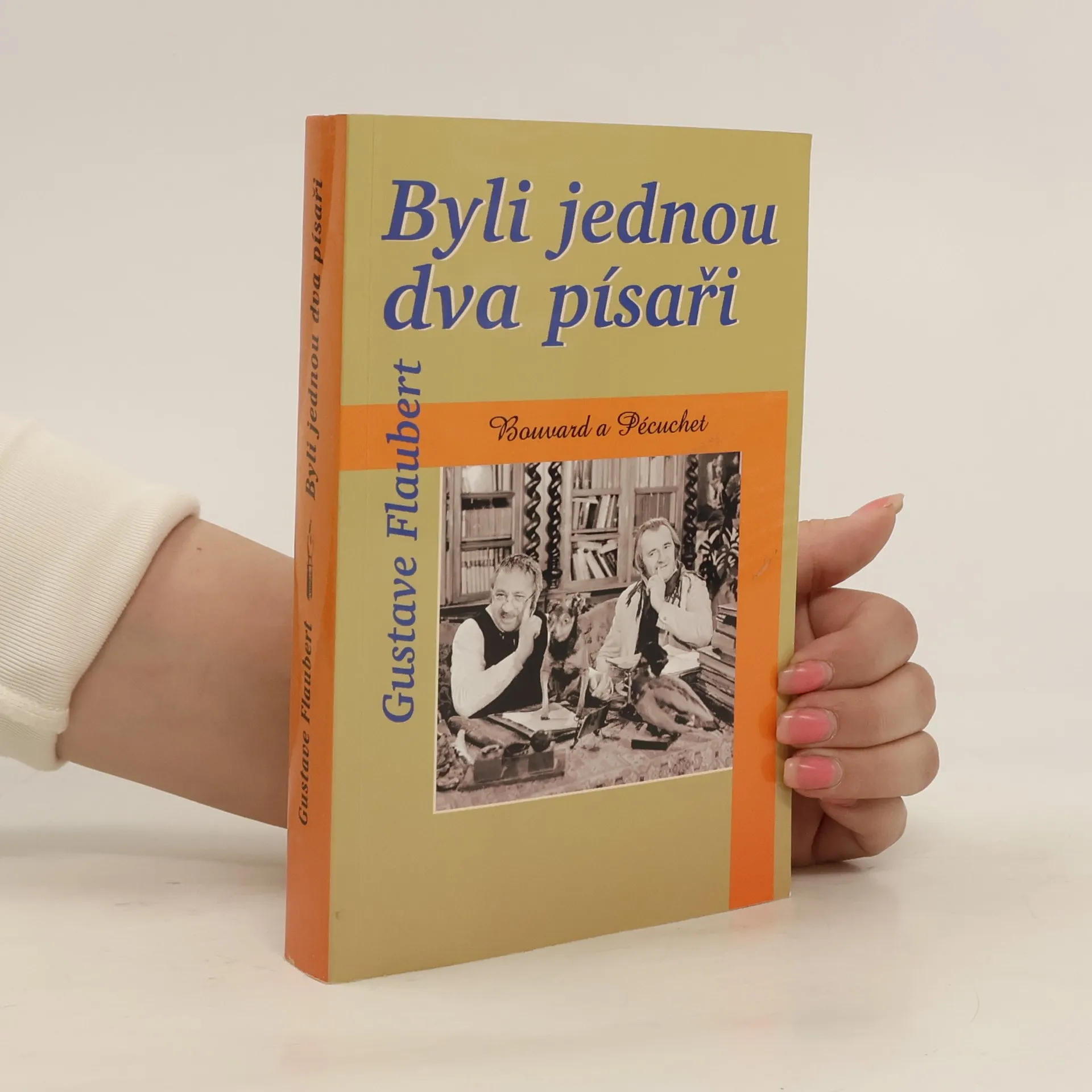
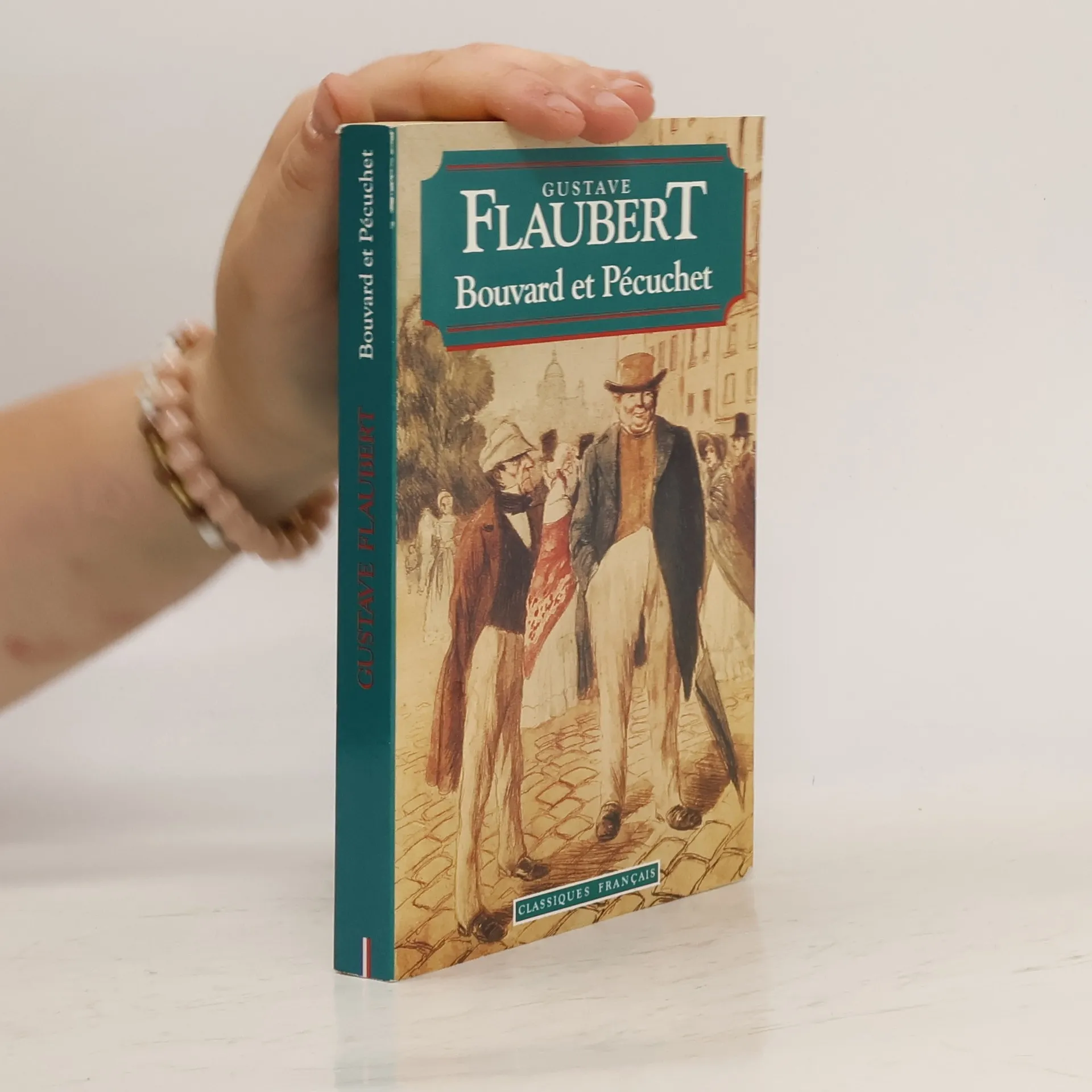
    • Bouvard et Pécuchet

      • 285pages
      • 10 heures de lecture

      Avec chronologie, présentation, notes, dossier, et bibliographie par Stéphanie Dord-Crouslé. Précédé de Pourquoi aimez-vous "Bouvard et Pécuchet"?, un interview d'Eric Chevillard. Bouvard et Pécuchet vivent dans une société qu'ils ne comprennent pas et qui ne les comprend pas. Commis retraités à la campagne, au regard peu amène sur leur propre vie, ils décident candidement d'embrasser l'étendue des connaissances humaines, d'attaquer l'apprentissage du savoir universel. Dans un désordre composé de recueils d'anecdotes, de catalogues de jardinage, des oeuvres de Descartes et Spinoza, et d'ouvrages les plus divers d'auteurs dont l'histoire n'a même pas retenu le prénom, ils vont se confronter à bien des médiocrités humaines, la leur comprise. Ces deux cloportes - c'est ainsi que l'auteur lui-même les appelle - sont les "héros" d'un roman essentiel (et inachevé) de Flaubert, qui n'avait pas pour ses contemporains un regard d'une grande bienveillance et pratiquait allègrement la "chasse à la bêtise". Michel Tanner, dans une adaptation tout en dialogue et sans préoccupation de l'espace-temps, tente de nous convaincre que le propos n'a pas pris une ride. Avec succès ! Car des Bouvard et Pécuchet encombrent encore nos beaux paysages...

      Bouvard et Pécuchet
      4,0
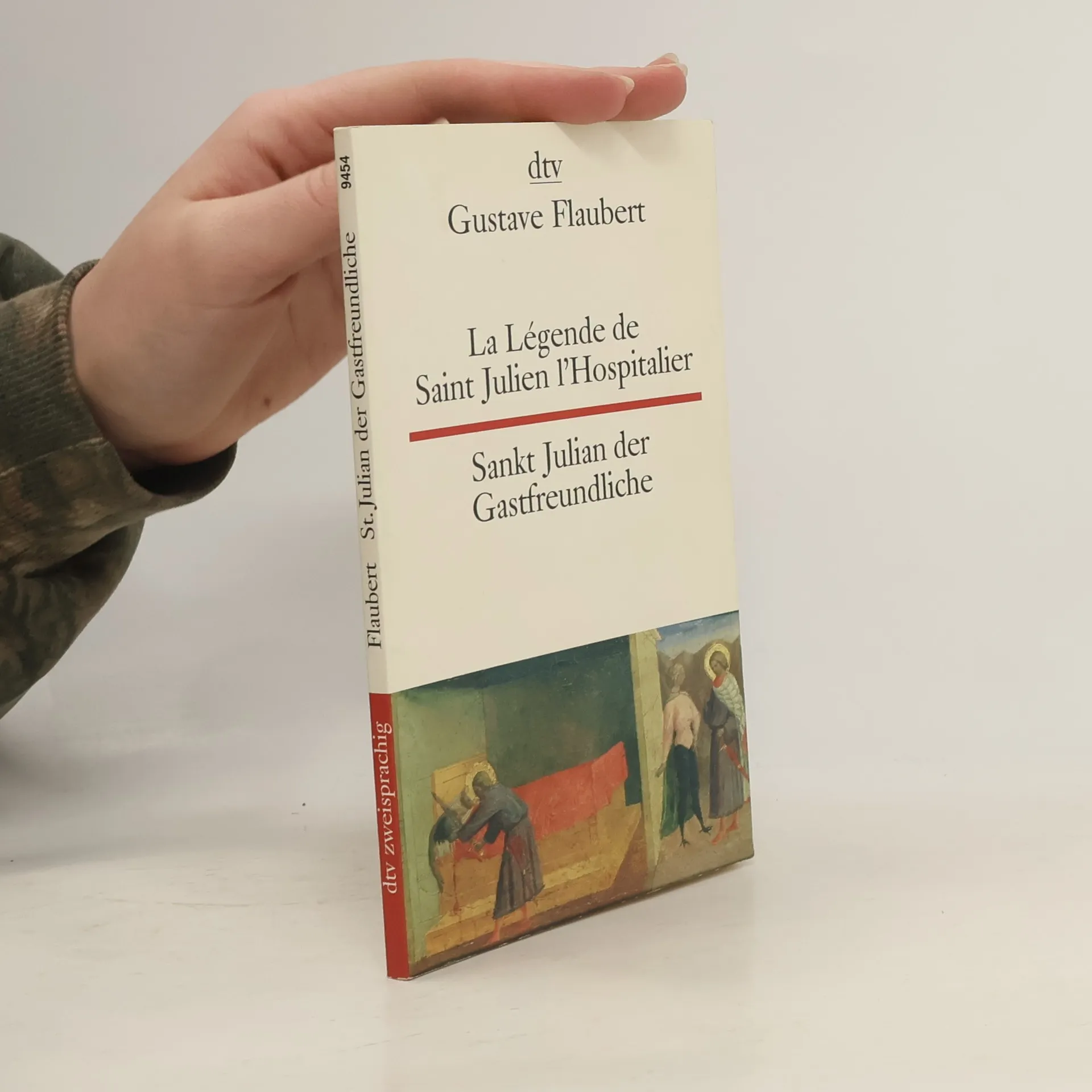
    • Eine Meisternovelle Gustave Flauberts (1821-1880) und zugleich die Neuerzählung einer mittelalterlichen Legende in französisch-deutschem Paralleldruck Der Fürstensohn Julian ist ein Erwählter: strahlender ritterlicher Jüngling, rauschhaft leidenschaftlicher Jäger und Schütze mit Hang zur Grausamkeit, halb unbewusster Mörder seiner Eltern – und unerhört hingebungsvoller Büßer. Diese Erzählung von Verbrechen und Heiligkeit ist in einer bis ins letzte ausgefeilten, makellosen Sprache geschrieben, die dennoch die Erregung des Erzählers spüren lässt.

      La Légende de Saint Julien l'Hospitalier
      2,0
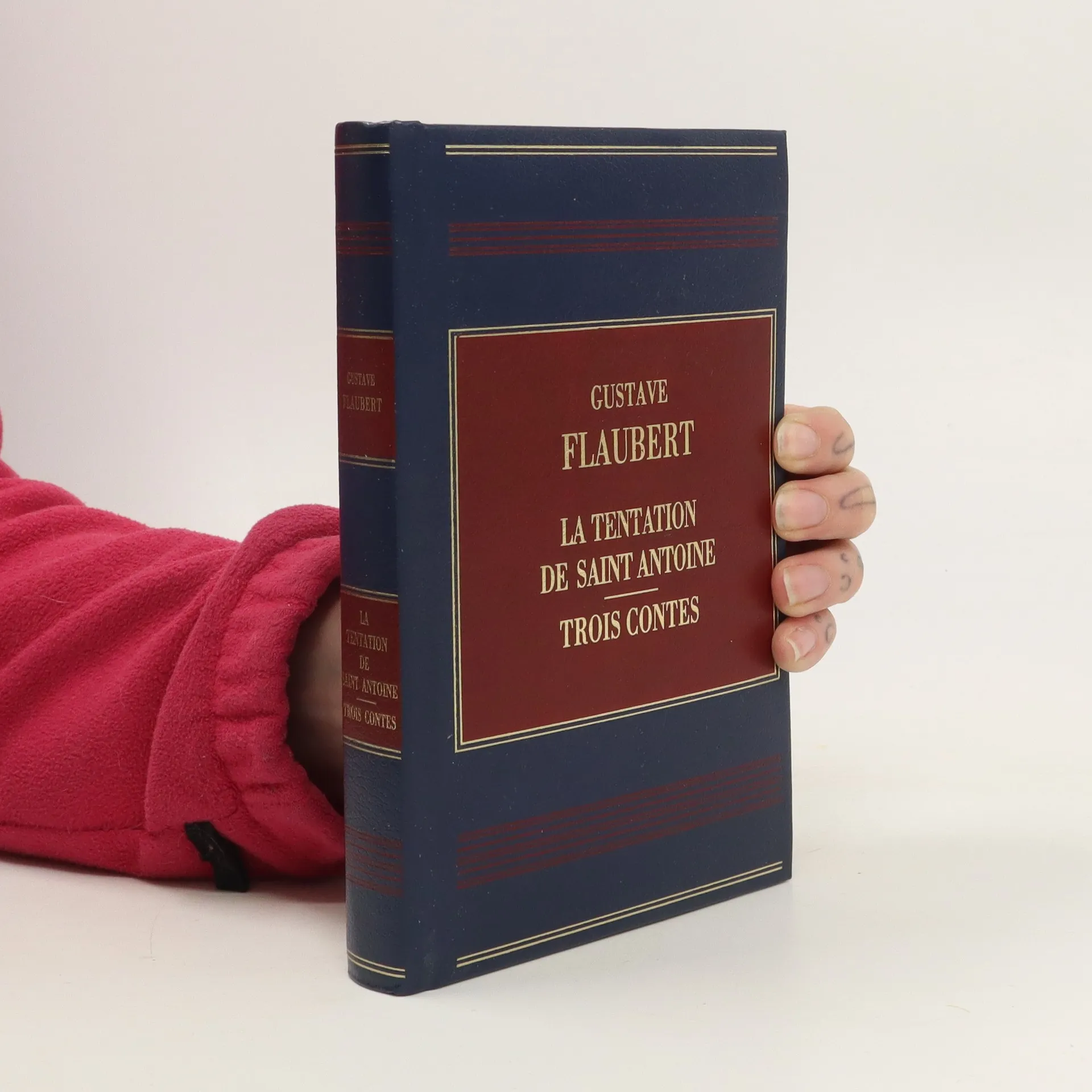
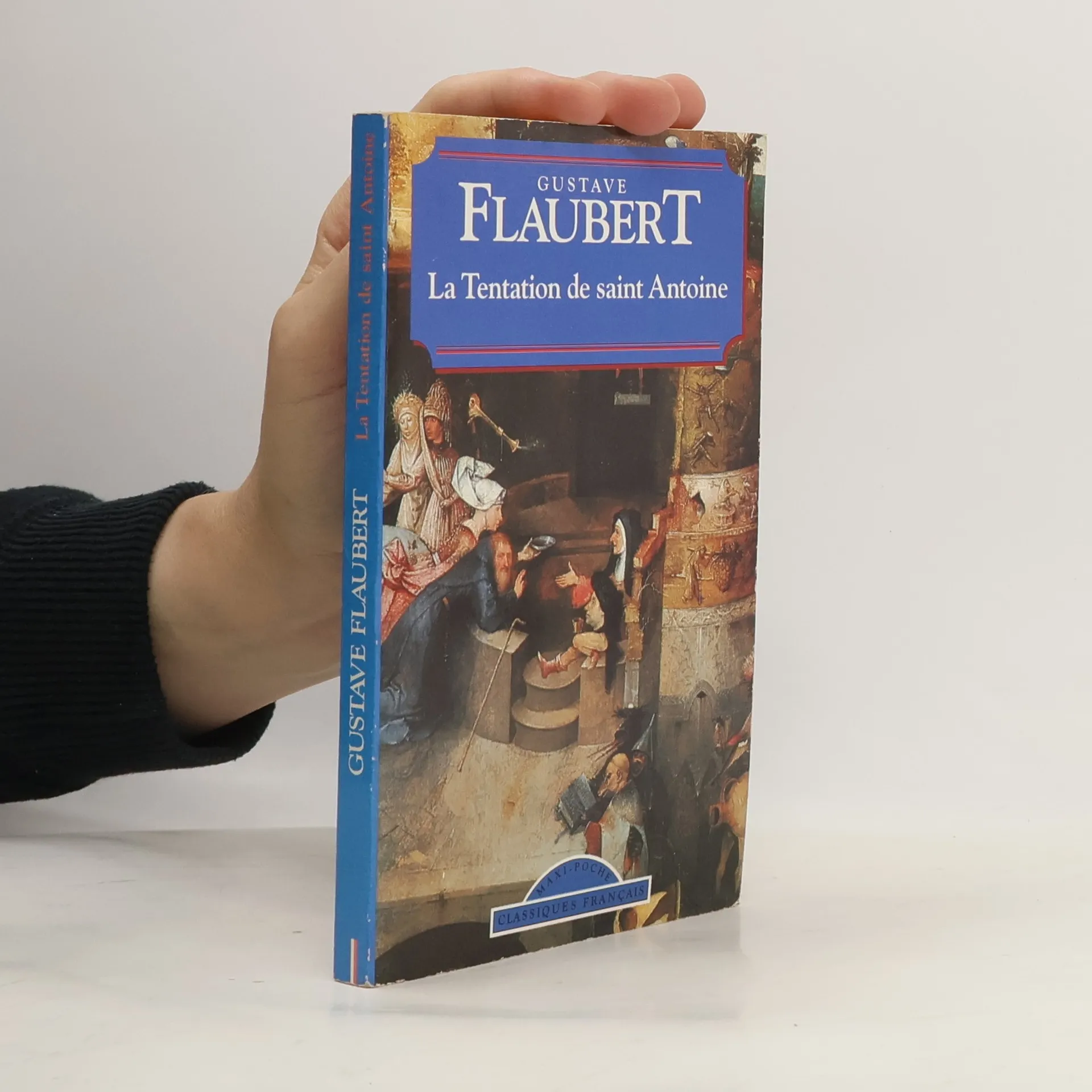
    • Explorant les thèmes de la tentation et de la foi, cette œuvre plonge dans les luttes spirituelles de Saint Antoine alors qu'il confronte diverses visions séduisantes et défis. La prose riche de Flaubert saisit l'essence du conflit intérieur du saint, mêlant enquête philosophique et imagerie vivante. Le récit se déroule de manière onirique, reflétant la nature surréaliste des épreuves de Saint Antoine et l'expérience humaine plus large du doute et du désir. Cette œuvre offre un aperçu du récit innovant de Flaubert et de ses profondes réflexions sur la psyché humaine.

      La Tentation de Saint Antoine
      3,9
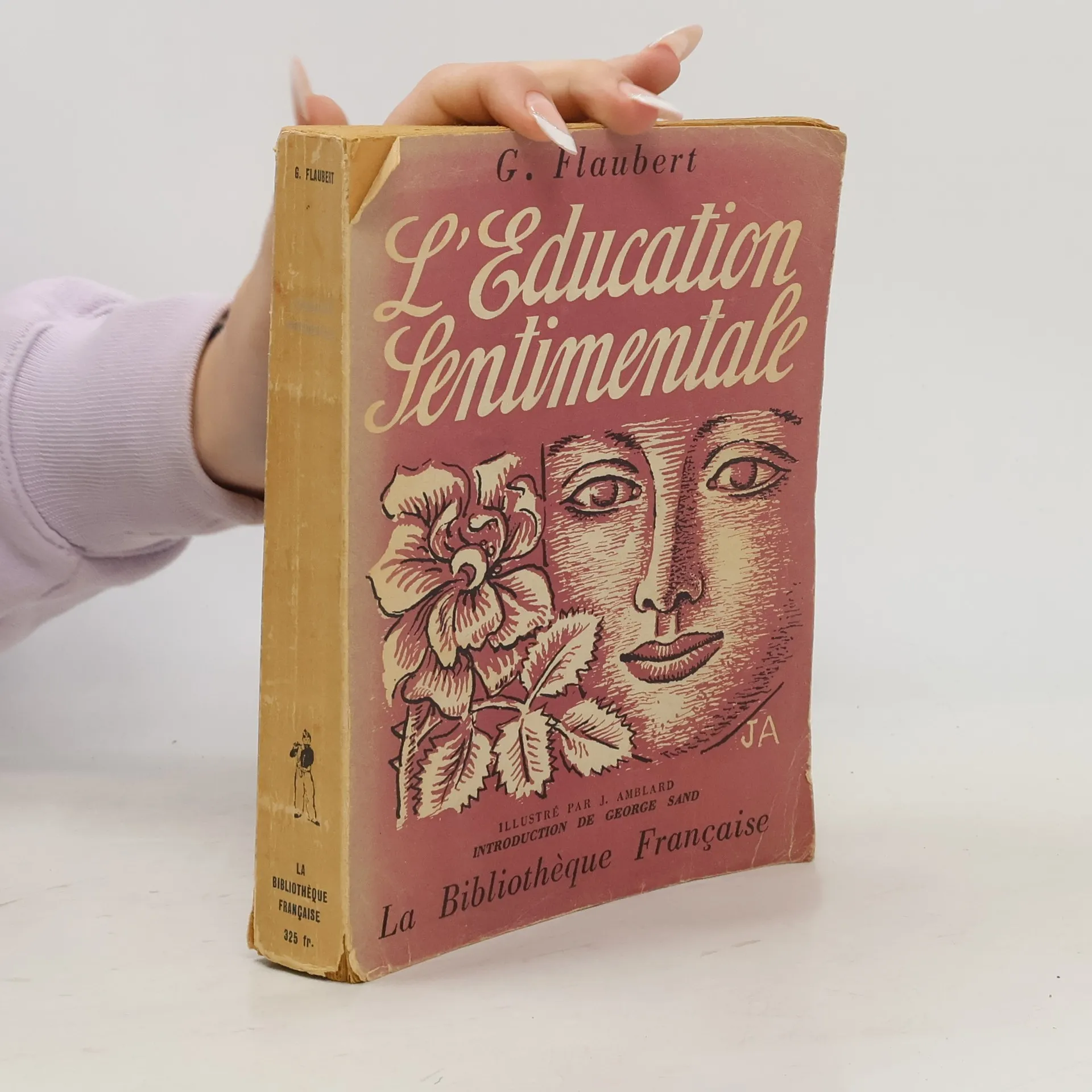
    • La 4e de couv. indique : "En septembre 1840, à bord de la Ville-de-Montereau qui glisse sur la Seine, Frédéric Moreau, fraîchement reçu bachelier, rêve à sa vie future dans la capitale et aux succès qui l’attendent. Soudain, il aperçoit la belle Mme Arnoux... "L’Éducation sentimentale" (1869) retrace l’histoire d’un jeune homme qui n’aspire qu’à l’amour, à la richesse et à la gloire, mais qui, dans une époque de profonds bouleversements dont l’apogée est la révolution de 1848, se révélera incapable de s’engager pour une cause. À travers le parcours de ce héros velléitaire, Flaubert propose, dans un souci constant de perfection formelle, une réflexion subtile sur le politique et sur la nature humaine."

      L'Education Sentimentale
      3,9
    • De 1840 à 1867, la vie fait L'Éducation sentimentale de Frédéric Moreau et de toute une jeunesse idéaliste qui a préparé dans la fièvre la révolution de 1848. Le roman s'ouvre sur des rêves exaltés et s'achève sur la médiocrité des uns et des autres. Entre temps, la vie s'est écoulée autour de Frédéric, qui semble n'avoir pas plus participé aux mutations de son temps qu'à l'édifice de sa propre destinée potentielle. Au cours de cette existence, Madame Arnoux, dont les apparitions sont autant de surgissements mystiques, tient lieu au jeune homme d'absolu insaisissable. Lui qui rêvait de terres lointaines et d'ouvrages romantiques déchirants dont il se voyait l'auteur génial, se retrouve, en guise de destination exotique, à Nogent, la ville de son enfance. Au terme de son parcours, que peut-il faire d'autre que ponctuer sa conversation avec Deslauriers, le pragmatique non moins malheureux, de "te souviens-tu" ? Flaubert éclaire ses personnages d'une lumière tantôt ironique, tantôt sympathique, et s'il adopte parfois une vision panoramique des choses, c'est semble-t-il pour mieux se couler dans l'esprit de son héros afin de faire vivre au lecteur les velléités de son caractère. --Sana Tang-Léopold Wauters

      Flaubert. L'Education sentimentale
      3,7
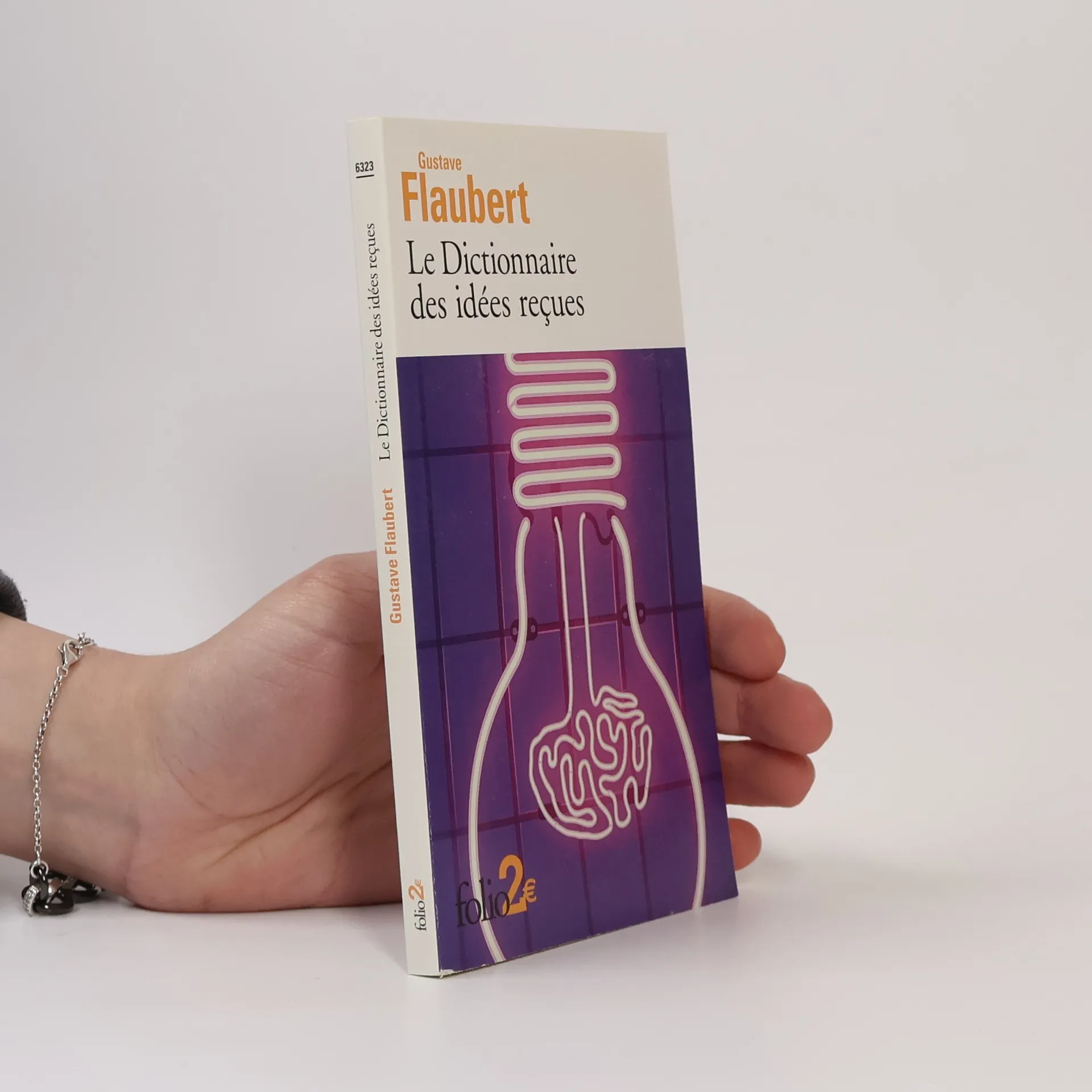
    • "Il y a à parier que toute idée publique, toute convention reçue, est une sottise, car elle a convenu au plus grand nombre". Exergue du Dictionnaire des idées reçues - oeuvre inachevée aux multiples manuscrits -, cette maxime de Chamfort en donne le ton incisif. "Actrice", "mélancolie", "pédantisme", "voyageur", "candeur", "duel", "laboureurs", "religion"... Sur des sujets aussi variés, Flaubert y relève en effet pensées figées et lieux communs, traquant la vacuité avec une ironie mordante.

      folio2€: Le Dictionnaire des idées reçues
      3,7
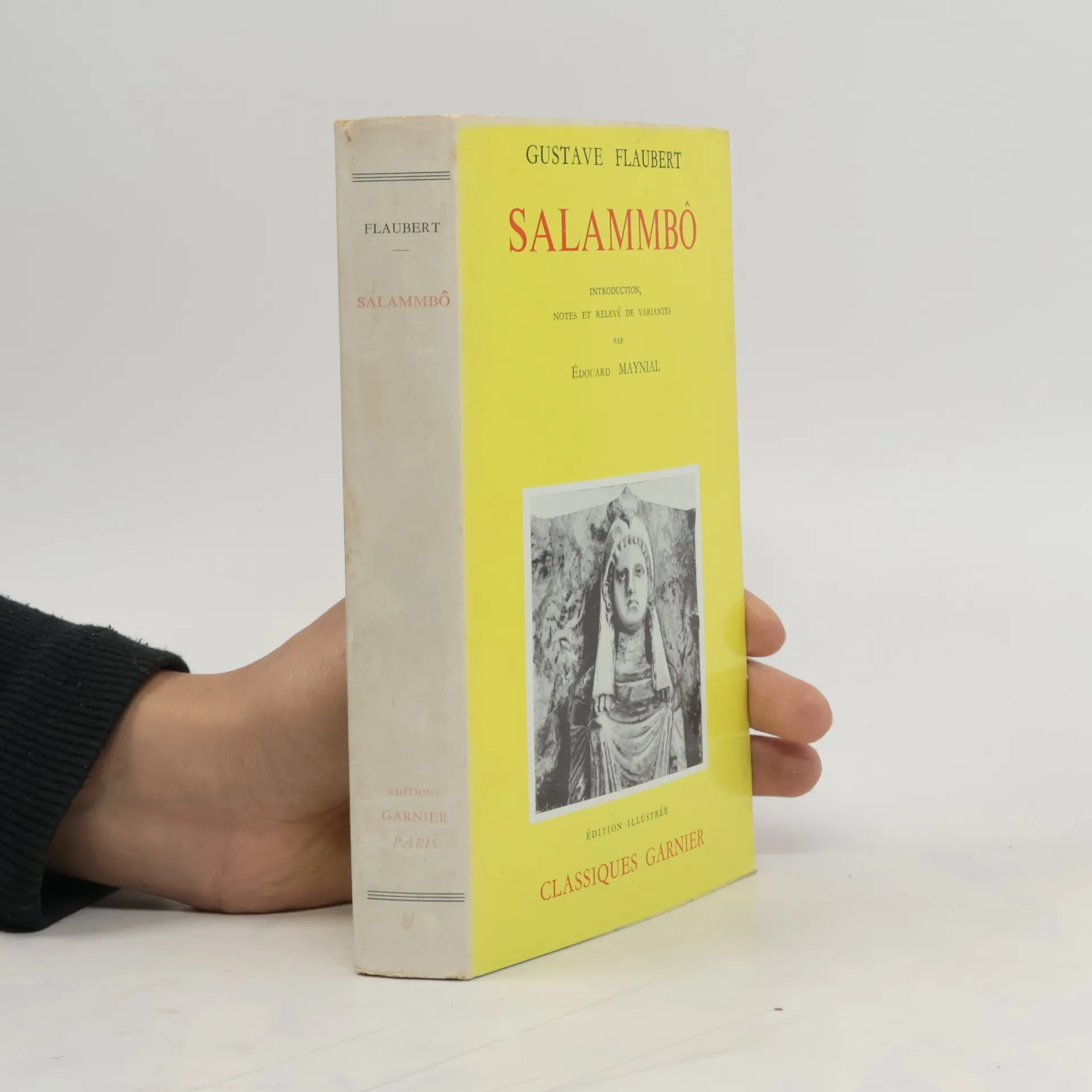
    • Il arriva juste au pied de la terrasse. Salammbô était penchée sur la balustrade ; ces effroyables prunelles la contemplaient, et la conscience lui surgit de tout ce qu'il avait souffert pour elle. Bien qu'il agonisât, elle le revoyait dans sa tente, à genoux, lui entourant la taille des ses bras, balbutiant des paroles douces ; elle avait soif de les sentir encore, de les entendre ; elle ne voulait pas qu'il mourût ! A ce moment-là, Mâtho eut un grand tressaillement ; elle allait crier. Il s'abattit à la renverse et ne bougea plus.

      Salammbô
      3,7
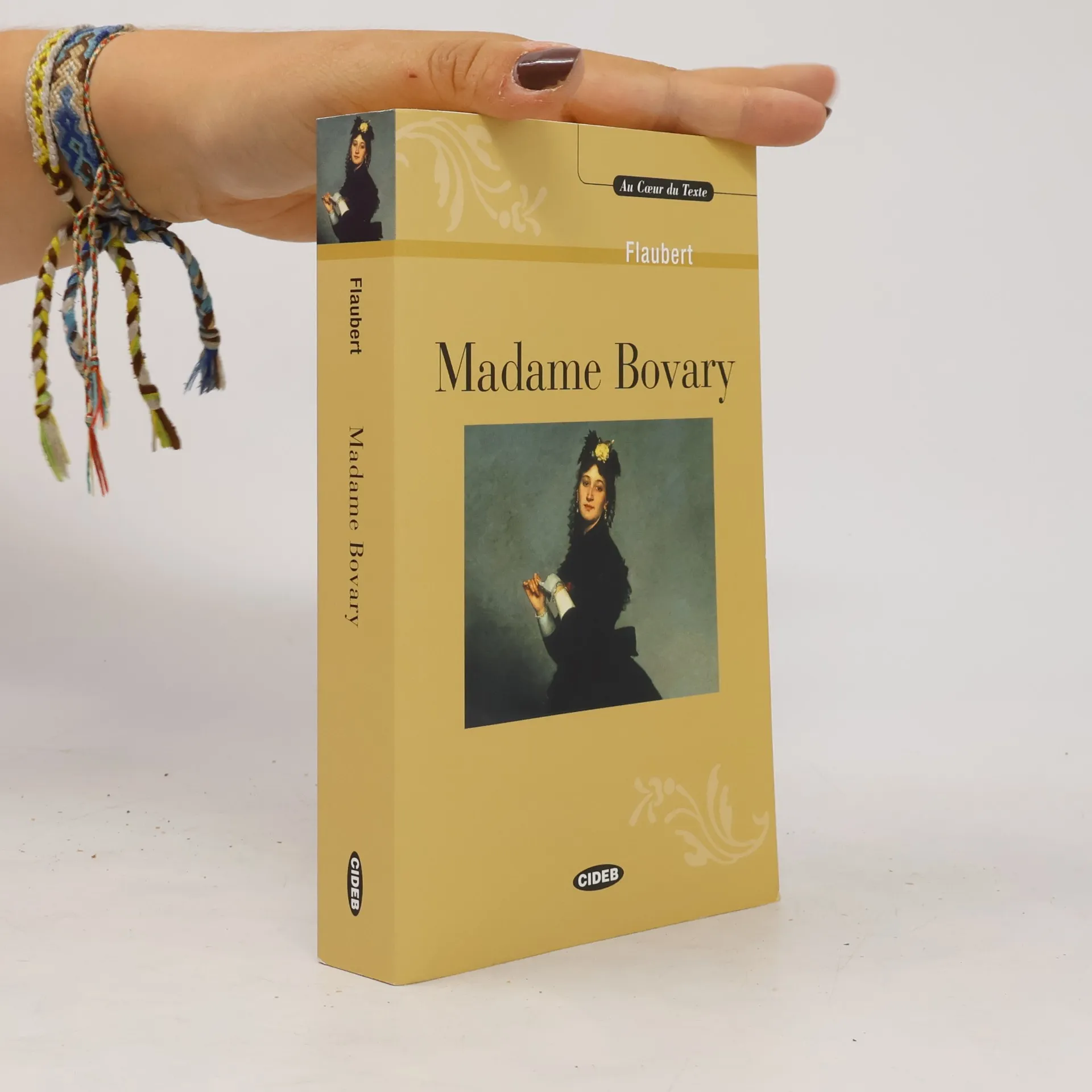
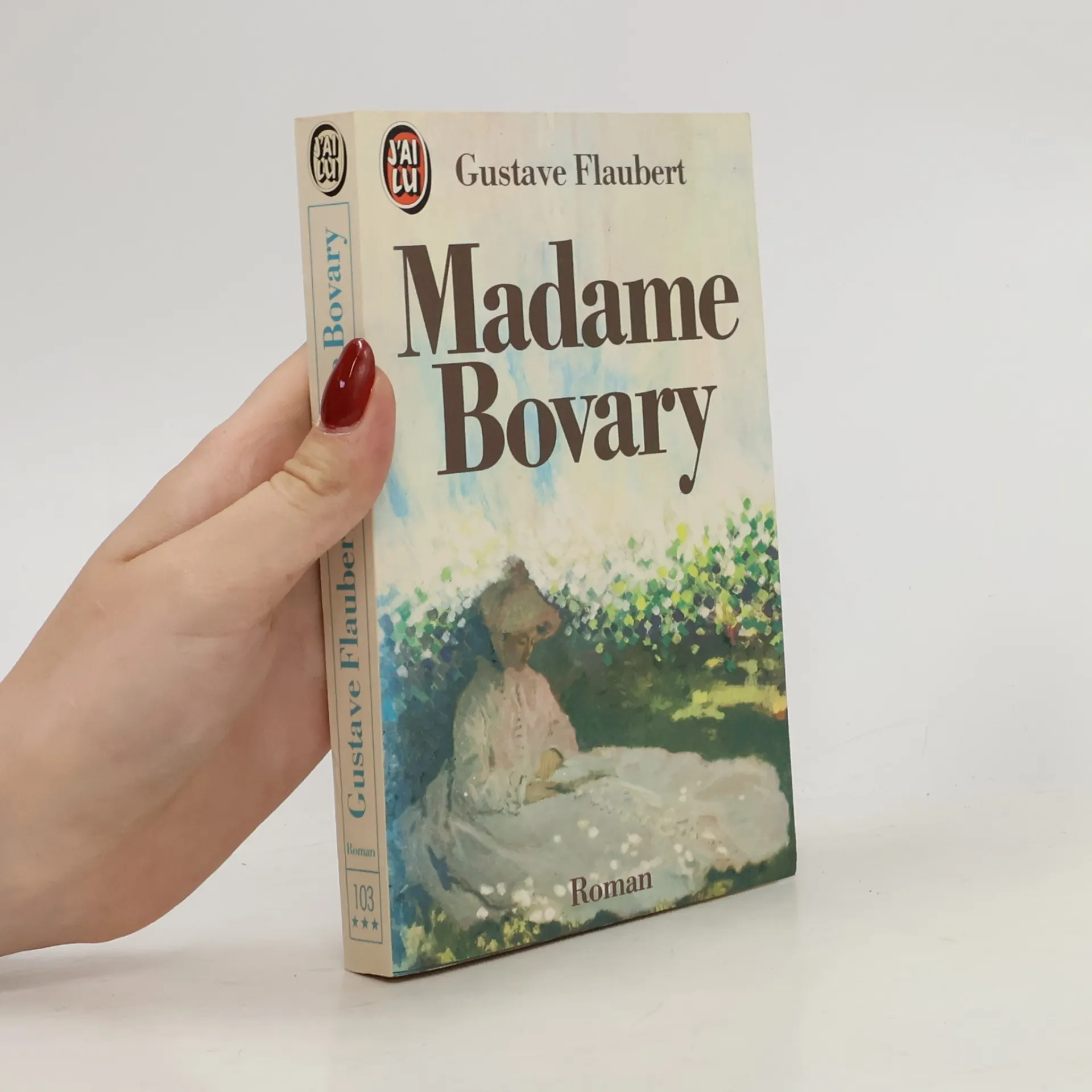
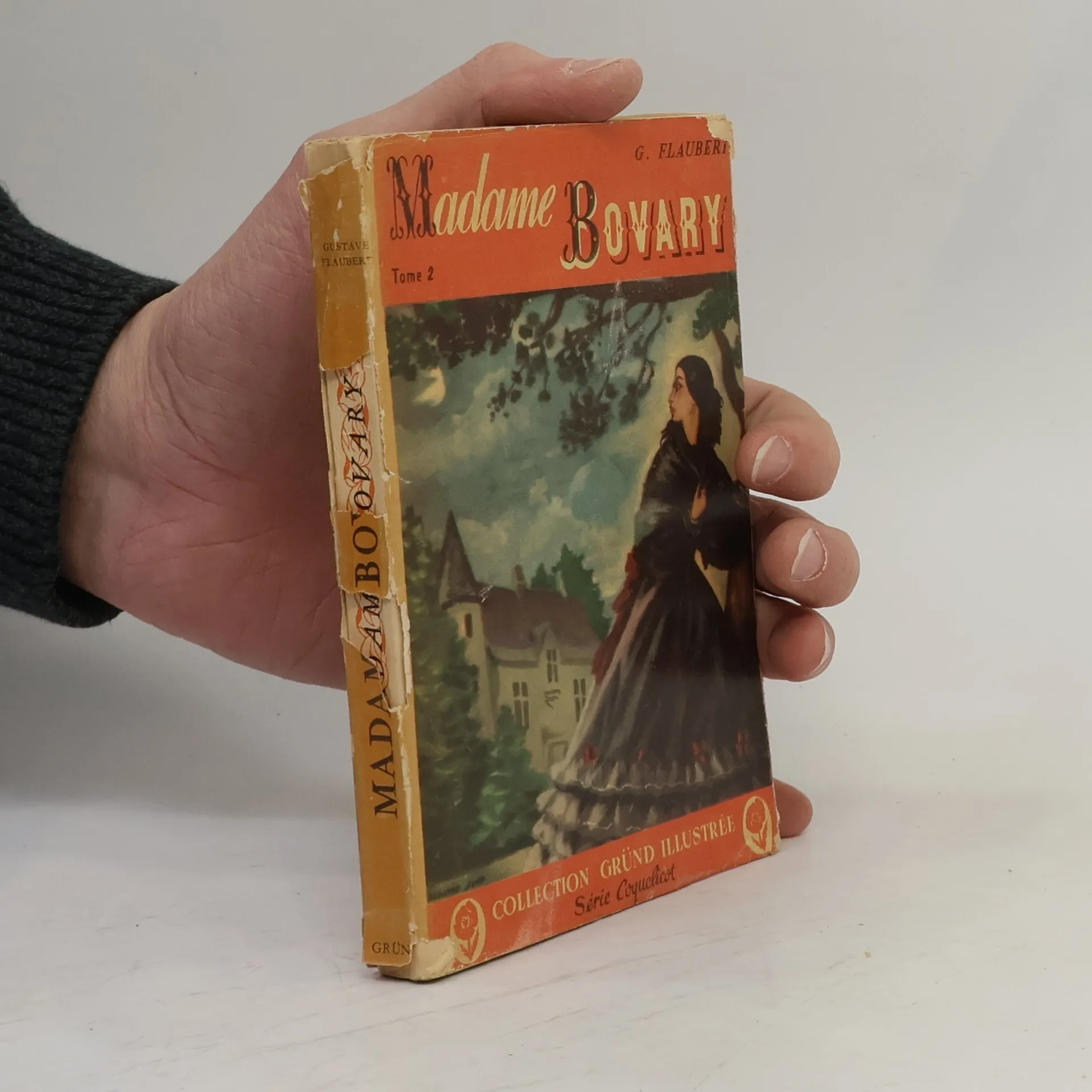
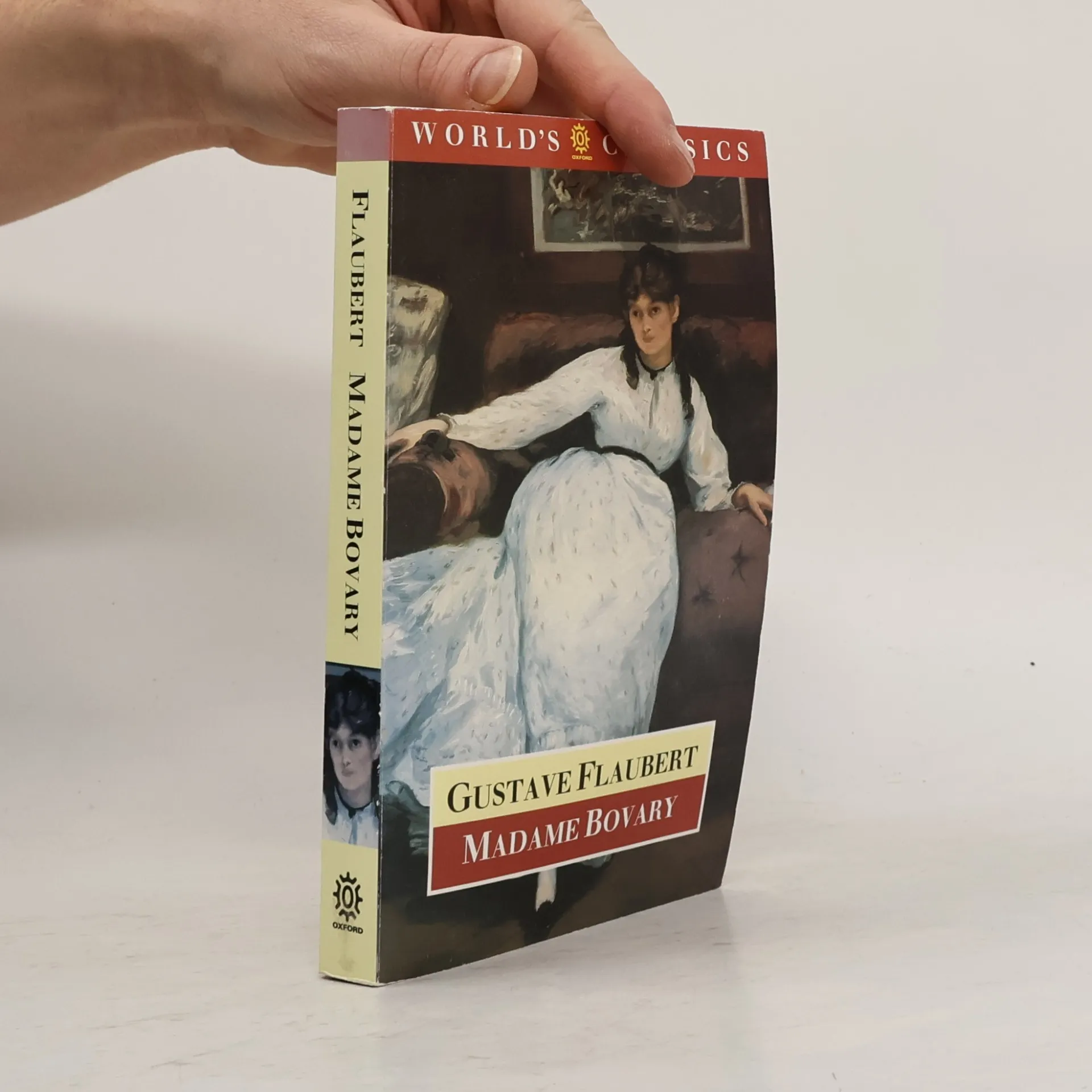
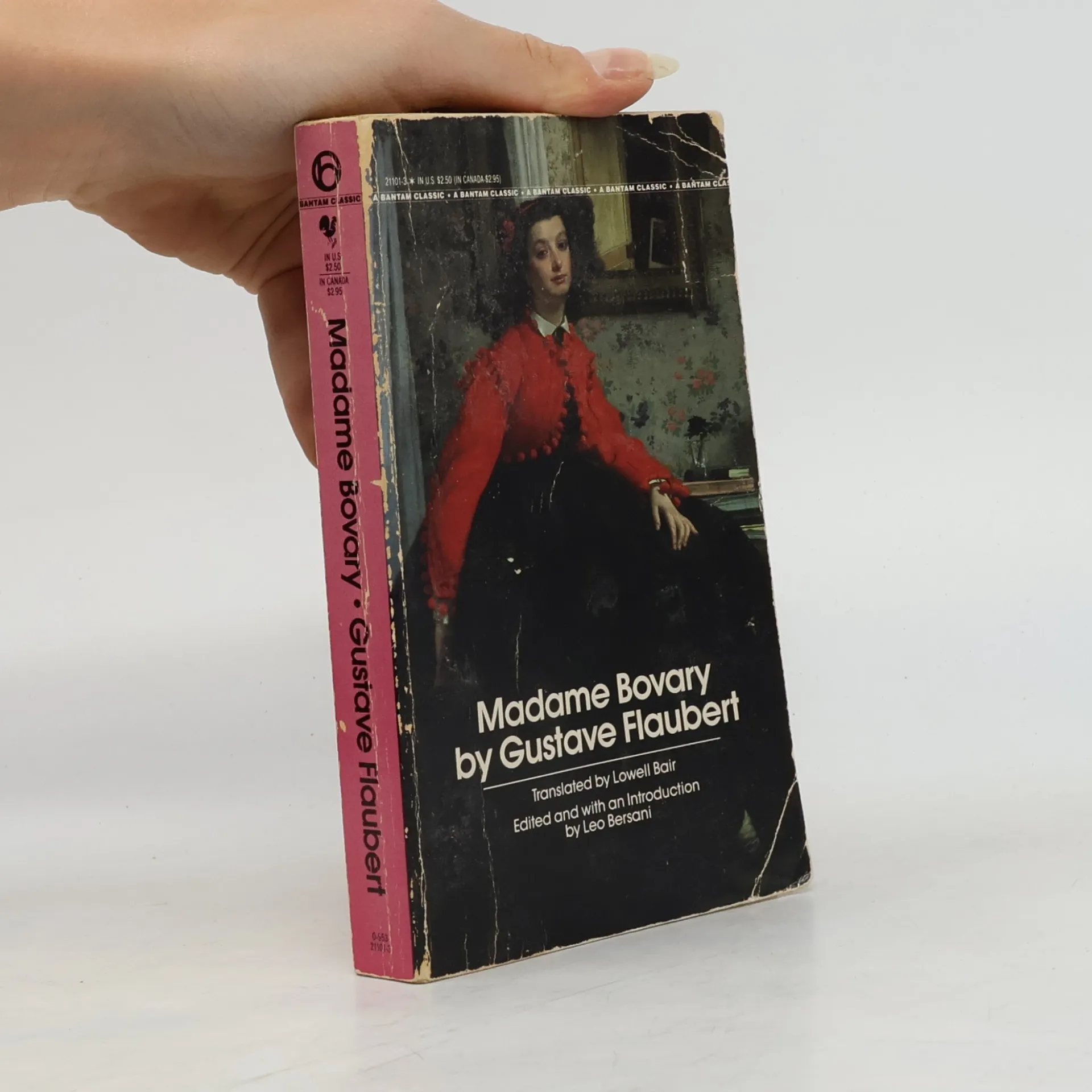
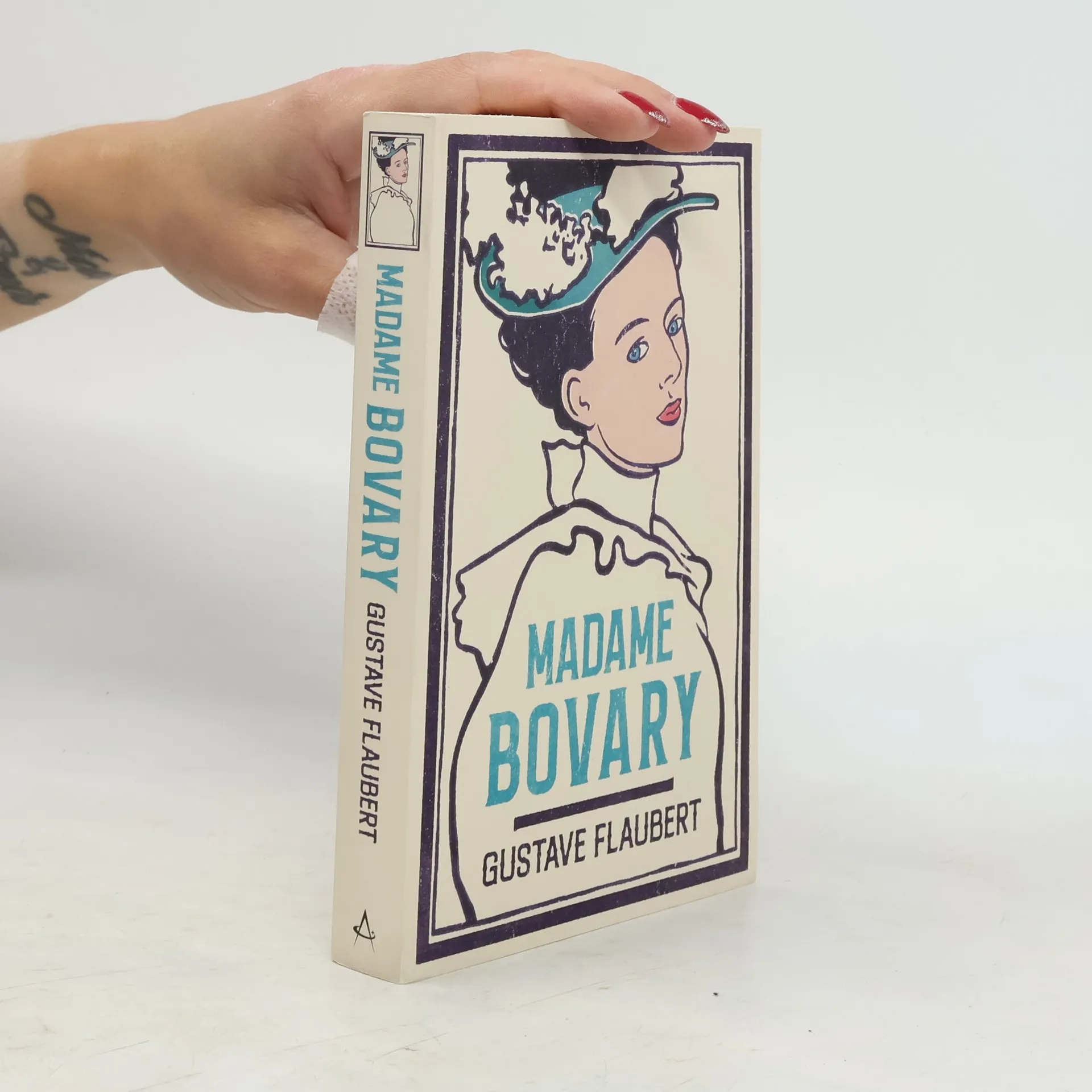
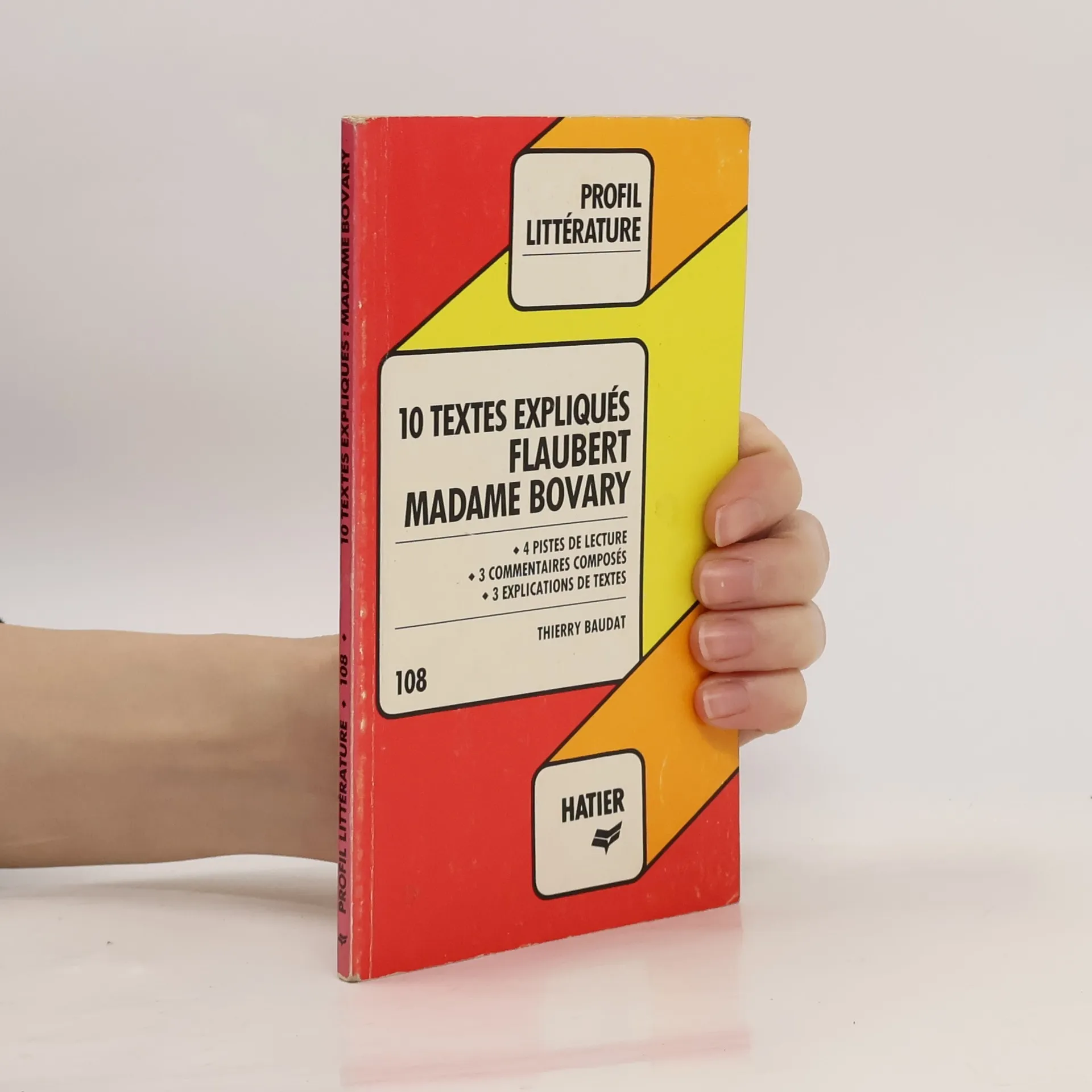
    • Madame Bovary

      • 451pages
      • 16 heures de lecture

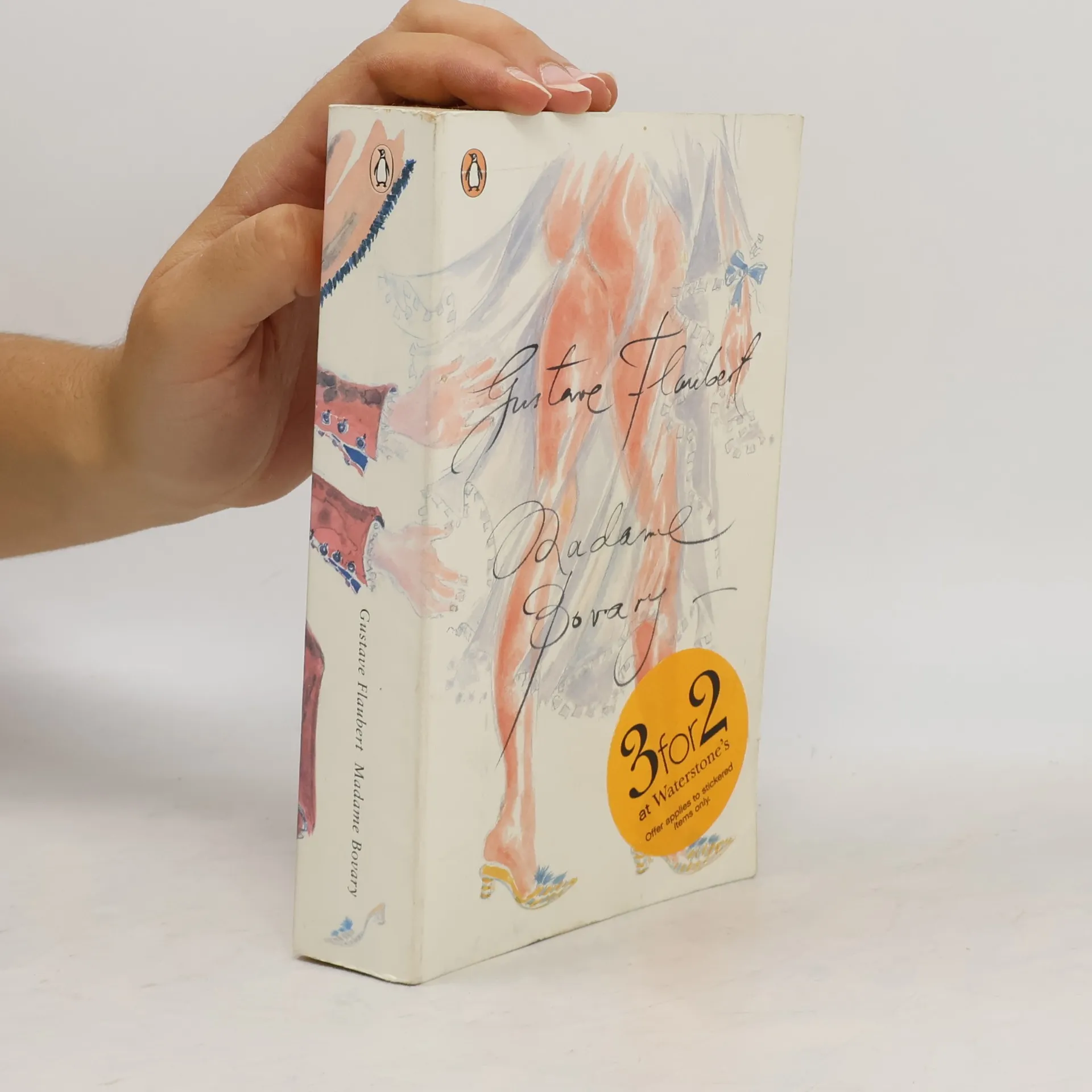
      Charles fut surpris de la blancheur de ses ongles. Ils étaient brillants, fins du bout, plus nettoyés que les ivoires de Dieppe, et taillés en amande. Sa main pourtant n'était pas belle, point assez pâle, peut-être, et un peu sèche aux phalanges ; elle était trop longue aussi, et sans molles inflexions de lignes sur les contours.

      Madame Bovary
      3,7
    • Un parfum à sentir ou Les baladins

      • 112pages
      • 4 heures de lecture

      Marguerite, prématurément vieillie et usée, délaissée par son mari qui lui préfère la vive et fraîche Isabellada, ne sait que faire pour reconquérir l’homme qu’elle aime. Malgré sa bonté et sa générosité, le combat est trop inégal... Mazza, douce et rêveuse jeune femme, mariée et mère de deux enfants, succombe au charme d’un arriviste. Aveuglée par la passion, elle se transforme en une criminelle sans merci pour s’enfuir avec son amant. Dans ces deux textes méconnus, Gustave Flaubert, alors tout jeune écrivain, nous offre deux magnifiques portraits de femmes qui annoncent déjà l’inoubliable Emma Bovary. Ces nouvelles sont extraites des Oeuvres de jeunesse (Bibliothèque de la Pléiade).

      Un parfum à sentir ou Les baladins
      3,4
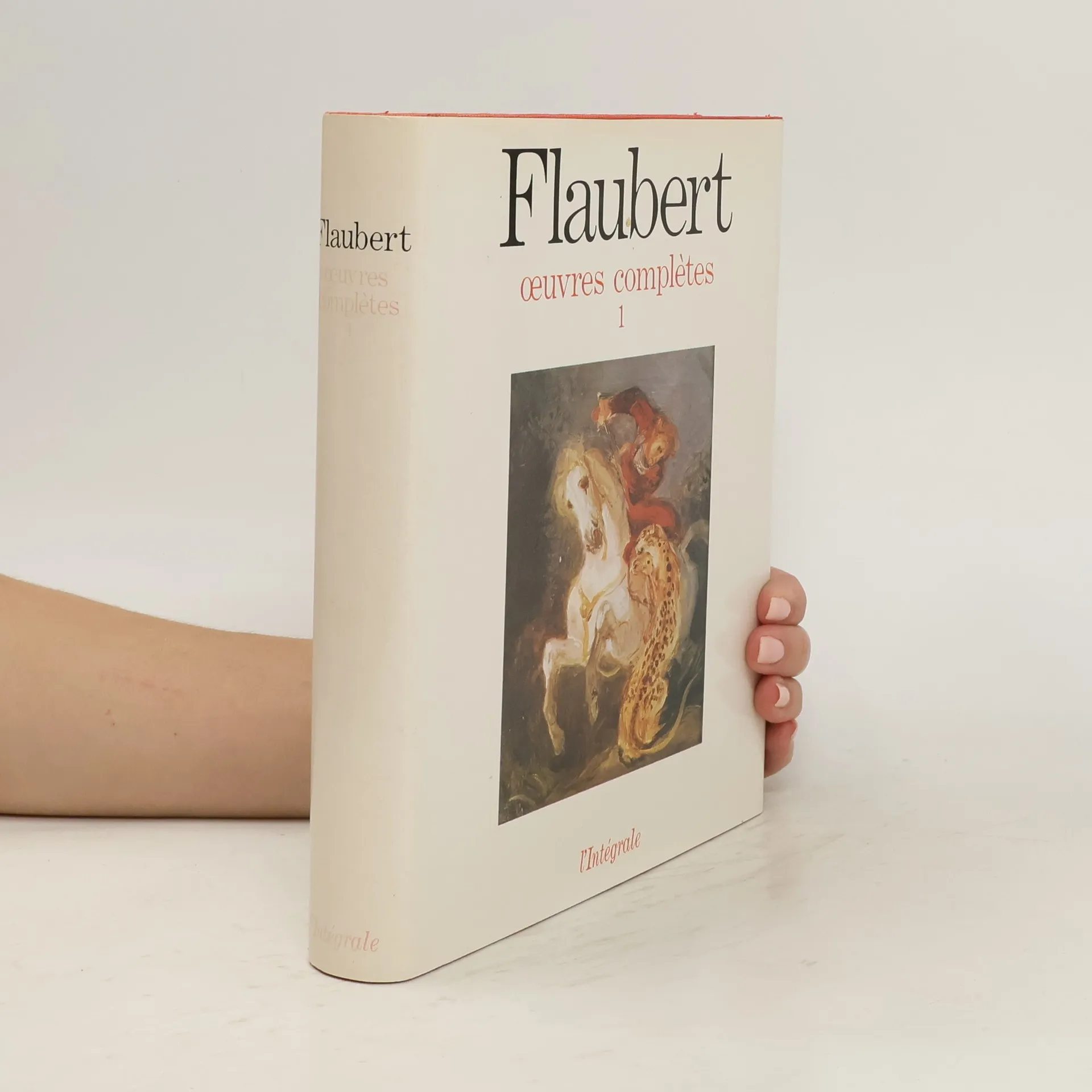
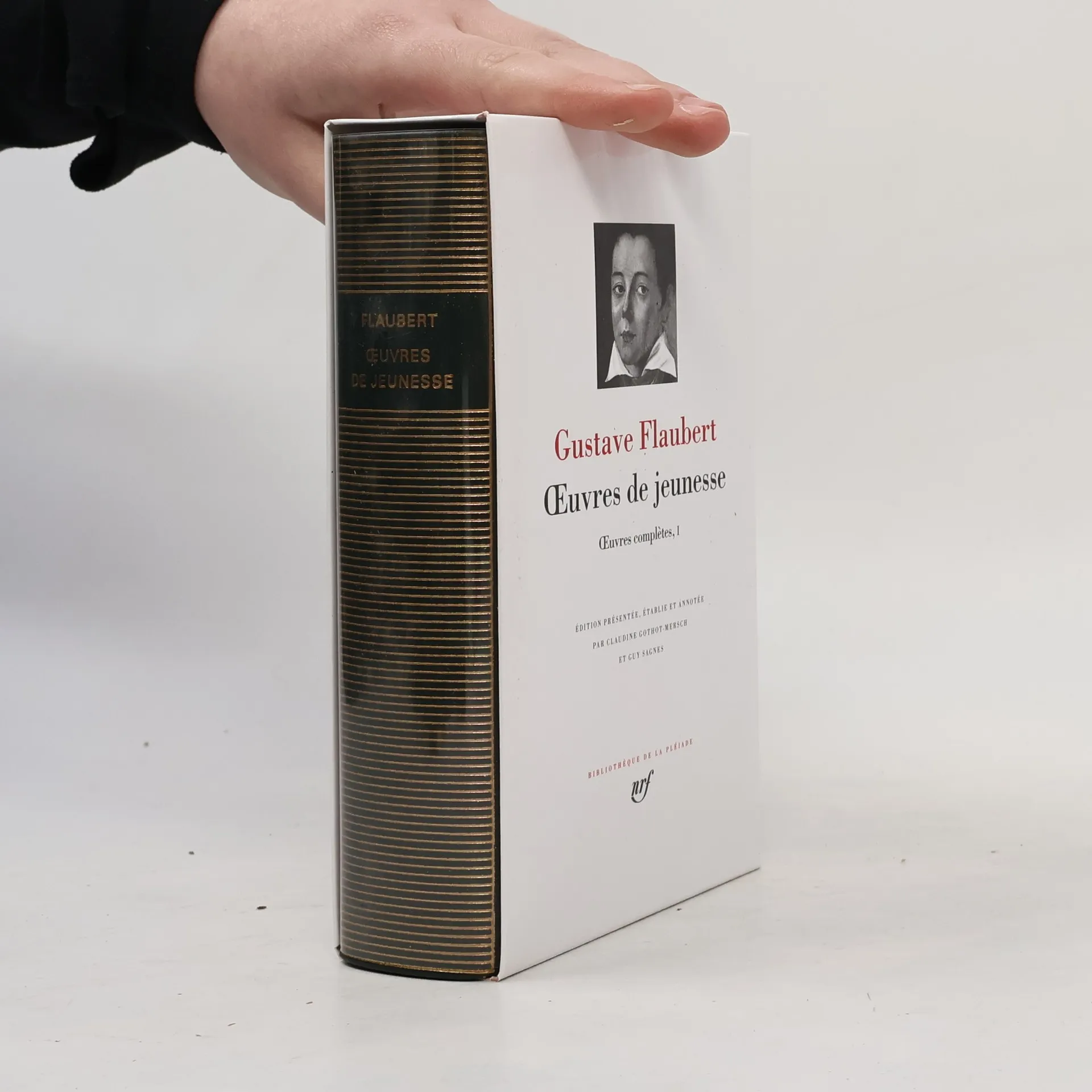
    • Œuvres complètes 1

      Écrits de Jeunesse. Premiers romans. La tentation de Saint Antoine. Madame Bovary. Salambo

      • 796pages
      • 28 heures de lecture

      Tout ce que j'entreprends est insensé et n'aura aucun succès. N'importe il faut écrire pour soi, avant tout. C'est la seule chance de faire beau.

      Œuvres complètes 1
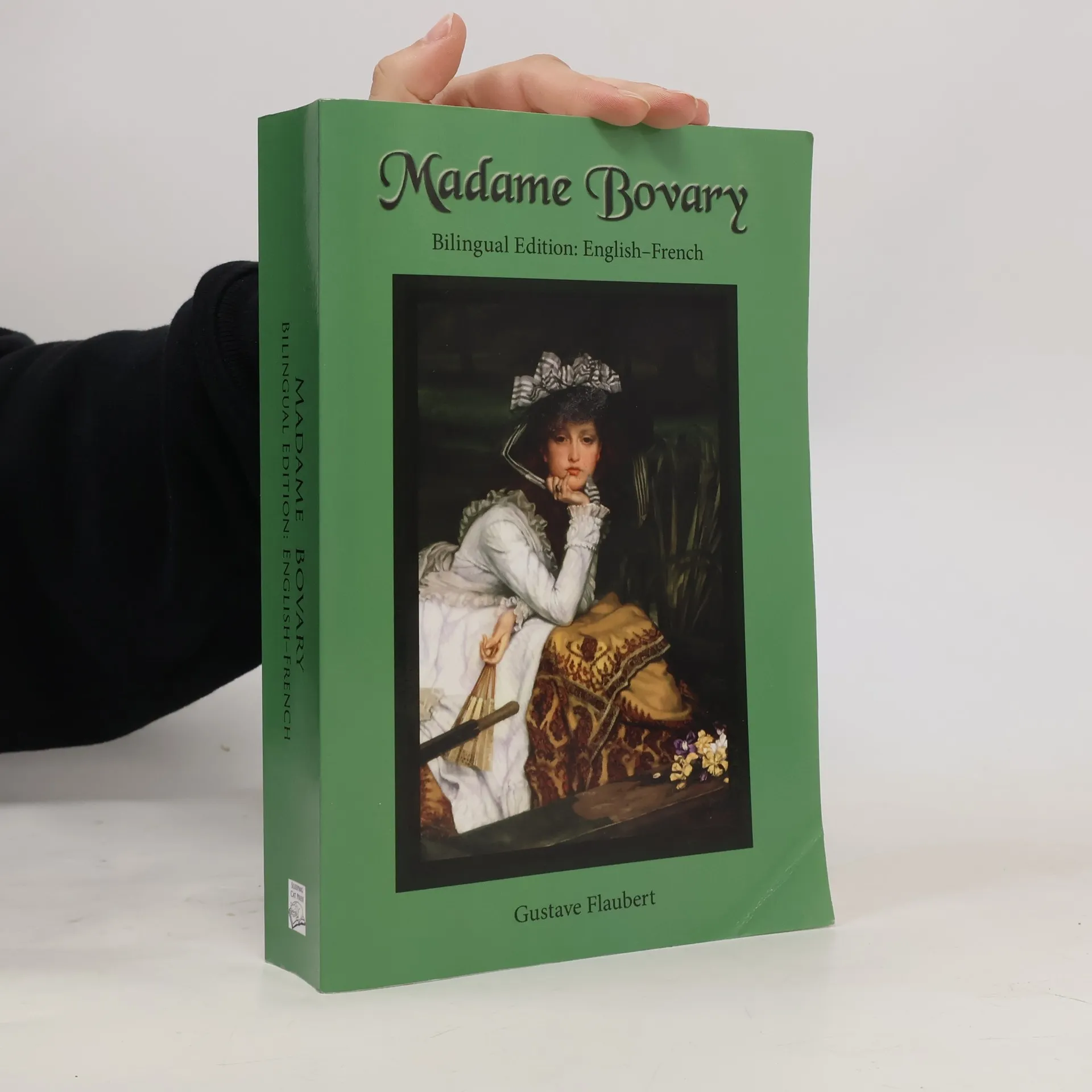
    • Gustave Flaubert was born on December 12, 1821 in Rouen, France. After briefly studying law in Paris, he returned to Rouen, and in 1850 began writing his first published novel, Madame Bovary. It took him five years to complete and was met with outrage from public prosecutors for obscenity, virtually guaranteeing its success among the reading public. This bilingual edition is designed to assist those learning French. The English translation appears on the left-hand pages of the book, with the corresponding original French text on the right-hand pages. Other bilingual books available from Sleeping Cat Press: The Picture of Dorian Gray Selected Works of Edgar Allan Poe The Fables of Jean de La Fontaine Candide Shakespeare's Sonnets New Fairy Tales for Small Children The Tales of Mother Goose The Count of Monte Cristo (Unabridged, Vols 1-4) The Last of the Mohicans

      Madame Bovary (Bilingual Edition : English-French)
    • Emma Rouault, fille d'un riche fermier, rêve d'une vie romantique. Élevée dans un couvent, elle épouse Charles Bovary, un simple officier de santé. Leur vie devient rapidement monotone et frustrante pour Emma, qui aspire à plus que la routine quotidienne.

      Madame Bovary. Mœurs de province
    • Voyages

      • 704pages
      • 25 heures de lecture

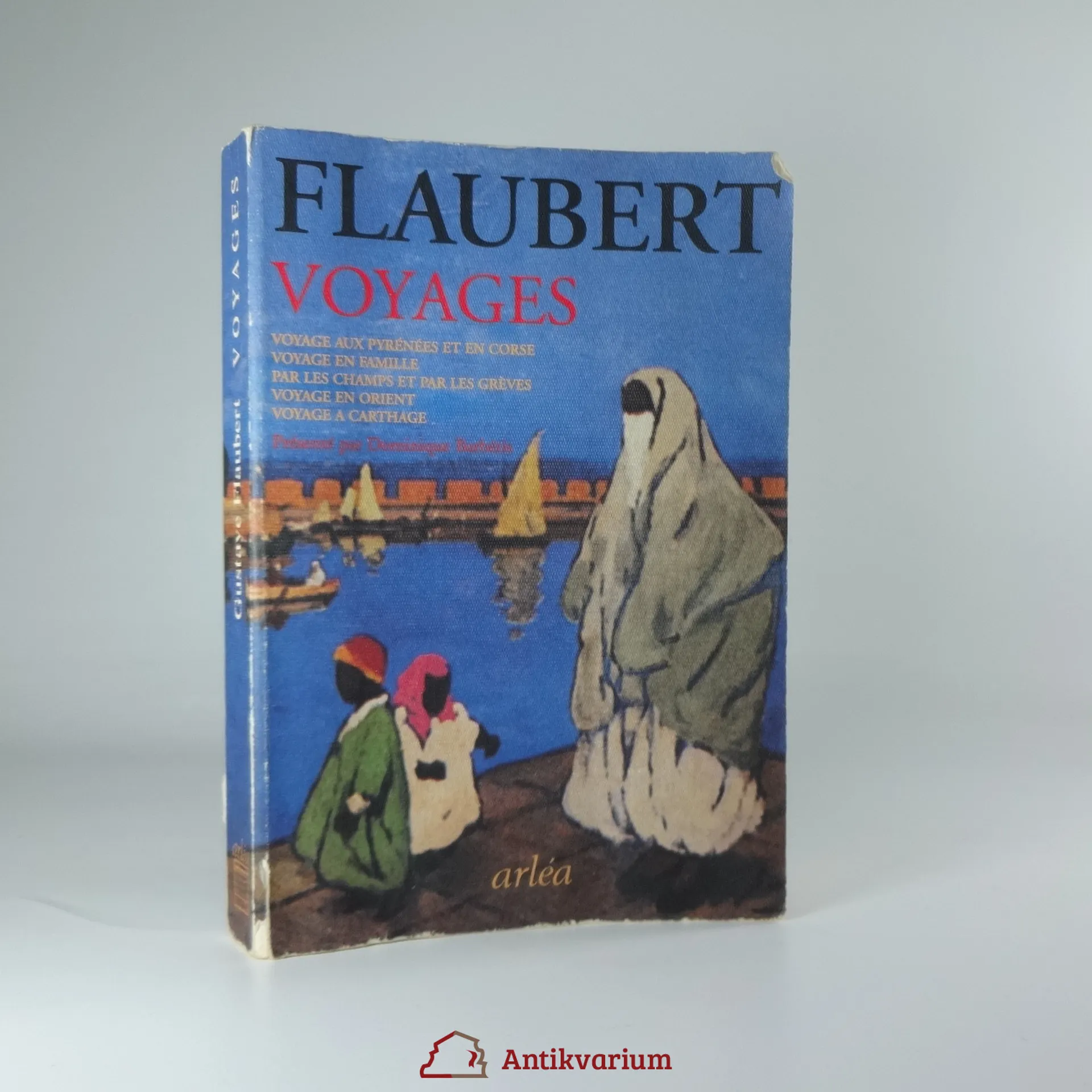
      Récits présentés dans l'ordre chronologique depuis la première escapade de récent bachelier aux Pyrénées et en Corse (1840) jusqu'aux notes enregistrées à Carthage en prévision de la rédaction de "Salammbô" (1858). On y découvre un Flaubert acharné à découvrir le monde : l'Italie, la Bretagne et enfin un immense itinéraire oriental qui le conduisit d'Egypte en Asie mineure

      Voyages
    • Collection Voyages: Voyage en Égypte sur les pas de Flaubert

      Voyage en Orient de Gustave Flaubert

      • 123pages
      • 5 heures de lecture

      Poser un regard à la fois incisif et spontané sur un territoire inexploré, dans une ambiance de terrain vierge et d'inconnu ; essayer d'en tracer une carte, comme le voyageur a pu le faire au XlXe siècle et le voyage-loisir devient une aventure. Dans ce voyage temporel, le Nil coule toujours entre la terre des vivants et la terre des morts ; l'Egypte est un tableau à peine restauré où l'on reconnaît la main d'un maître. Aujourd'hui, accompagnés par un Egyptologue de terrain, Richard Lebeau, nous suivons la trace des deux amis qui, pendant un an, ont sillonné ce pays d'Alexandrie au Lac Nasser, à cheval, en felouque ou à dos d'ânes... alors que dangers, fatigue, émerveillement et solitude faisaient le quotidien de leur voyage. Sur les pas de Flaubert est le compagnon d'une croisière, le départ d'une aventure, une autre façon de découvrir l'Egypte.

      Collection Voyages: Voyage en Égypte sur les pas de Flaubert
    • Pompéi, le rêve sous les ruines

      • 1022pages
      • 36 heures de lecture

      Il y eut en 1592 une première trouvaille, puis défilèrent les voyageurs, qui comme Stendhal, voulaient contempler face à face cette Antiquité sur laquelle on avait tant lu. Vint ensuite Bulwer-Lytton qui fit d'une ville où l'on allait prendre des notes, un lieu où l'on se rendait pour méditer, rongé par le désir, la passion le chagrin, qui fit aussi d'une oeuvre imaginaire le guide le plus sûr - aujourd'hui encore - de la cité campanienne. Dès lors écrivains, peintres, musiciens verront dans la ville enfouie au pied du Vésuve le lieu de tous les rêves et de tous les fantasmes - jusqu'à Freud qui trouvera en elle la meilleure illustration du refoulement - ce qui est enseveli profondément pour être mieux conservé. C'est de ce foisonnement, de cette fusion inextricable en lieu mythique du rêve et de la réalité, du passé et du présent, de l'histoire et de la fiction, que témoigne le présent volume. S'y mêlent récits de voyage (Mme de STAEL. DUMAS. FLAUBERT) Nouvelles fantastiques (NERVAL - GAUTHIER. JENSEN) Romans historiques (BULWER-LYTTON. BERTHEROY. LLEWELLYN). Un guide à l'usage du voyageur en partance pour Pompéi (100 pages), des cartes, un dossier iconographique en couleurs complètent cet ensemble unique, conçu pour le plaisir du lecteur, du curieux, du voyageur, en quête d'aventures et de rêves.

      Pompéi, le rêve sous les ruines
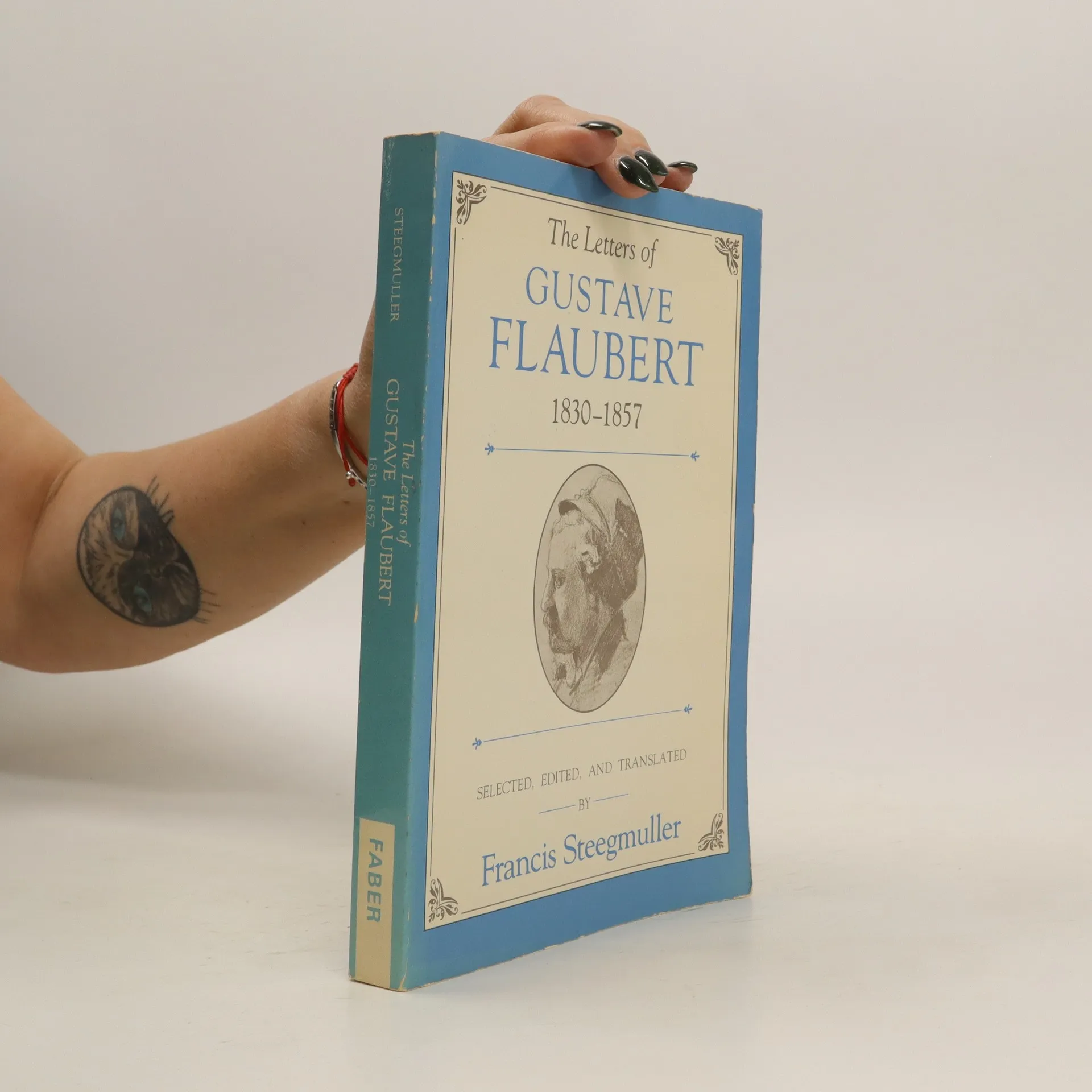
    • Appearing in a single volume for the very first time, an illuminating and enrichingly annotated selection of correspondence from one of Western literature’s most revered writers. “If there is one article of faith that dominates the Credo of Gustave Flaubert’s correspondence,” Francis Steegmuller writes in the introduction to this selection of Flaubert’s letters, “it is that the function of great art is not to provide ‘answers.’” The Letters of Gustave Flaubert is above all a record of the intransigent questions—personal, political, artistic—with which Flaubert struggled throughout his life. Here we have Flaubert’s youthful, sensual outpourings to his mistress, the poet Louise Colet, and, as he advances, still unknown, into his thirties, the wrestle to write Madame Bovary. We hear, too, of his life-changing trip to Egypt, as described to family and friends, and then there are lively exchanges with Baudelaire, with the influential critic Sainte-Beuve, and with Guy de Maupassant, his young protégé. Flaubert’s letters to George Sand reveal her as the great confidante of his later years. Steegmuller’s book, a classic in its own right, is both a splendid life of Flaubert in his own words and the ars poetica of the master who laid the foundations for modern writers from James Joyce to Lydia Davis. Originally issued in two volumes, the book appears here for the first time under a single cover.

      The Letters of Gustave Flaubert : 1830-1880
      4,8
    • The George Sand-Gustave Flaubert Letters

      • 484pages
      • 17 heures de lecture

      The correspondence between George Sand and Gustave Flaubert spans 13 years, offering an intimate glimpse into the lives and thoughts of these iconic 19th-century French authors. Their letters delve into various topics, including politics, art, and personal matters, showcasing a deep mutual respect and support for each other's literary endeavors. The candid discussions about their writing challenges and creative processes provide valuable insights, making this collection a captivating resource for readers and scholars interested in the dynamics of literary collaboration and the personal lives of these influential figures.

      The George Sand-Gustave Flaubert Letters
      4,9
    • Over Strand and Field

      A Record of Travel Through Brittany

      • 102pages
      • 4 heures de lecture

      Flaubert is renowned for his contribution to literary realism, emphasizing a neutral presentation of reality through meticulous style. His debut novel, Madame Bovary, showcases his commitment to formal perfection and aesthetic values. Flaubert's influence extends to notable figures like Guy de Maupassant, his protégé, highlighting his lasting impact on literature. His works, including his Correspondence, reflect his dedication to style and the complexities of human experience.

      Over Strand and Field
      4,0
    • The Snuggly Satanicon

      • 234pages
      • 9 heures de lecture

      Exploring the tradition of "literary Satanism," this collection features fourteen stories that critically examine the figure of Satan through a modern lens. Edited and translated by Brian Stableford, the works delve into themes of skepticism and clinical analysis, moving beyond traditional theological interpretations. This volume highlights the evolution of thought surrounding Satan from the 1820s through the twentieth century, showcasing a unique literary perspective on a complex character.

      The Snuggly Satanicon
      3,5
    • Featuring the works of a prominent French novelist, this collection includes Gustave Flaubert's five most significant novels, showcasing his mastery of narrative and character development. Flaubert's writing is celebrated for its precision and depth, exploring themes of love, society, and the human condition. This compilation offers readers a comprehensive glimpse into his literary genius, making it an essential addition for fans of classic literature and those interested in the evolution of the novel.

      5 Novels by Gustave Flaubert (Complete and Unabridged), Including Madame Bovary, Salammbo, Sentimental Education, the Temptation of St. Antony and Bou
      3,0
    • Oxford World's Classics: A Sentimental Education

      The Story of a Young Man

      • 560pages
      • 20 heures de lecture

      "I want to write the moral history of the men of my generation—or, more accurately, the history of their feelings," declared Gustave Flaubert, who envisioned "a book about love, about passion; but passion such as can exist nowadays—that is to say, inactive." First published in 1869, this novel fulfills Flaubert's conception with a realistic, ironic portrait of bourgeois lives played out against France's tumultuous revolution of 1848 and the founding of its Second Empire. Frédéric Moreau, a law student in Paris, dreams of achieving success in art, business, journalism, and politics. His aspirations take a romantic turn upon a chance encounter with a married woman, who inspires a lifelong obsession. Frédéric befriends his idol's husband, an influential art dealer, and quickly finds himself seduced by society life—and bedeviled by financial problems, ideological conflicts, and betrayals of trust. Blending romance, historical authenticity, and satire, Flaubert's Sentimental Education ranks among the nineteenth century's great novels.

      Oxford World's Classics: A Sentimental Education
      3,7
    • At once a classic of travel literature and a penetrating portrait of a sensibility on tour, Flaubert in Egypt wonderfully captures the young writer's impressions during his 1849 voyages. Using diaries, letters, travel notes, and the evidence of Flaubert's traveling companion, Maxime Du Camp, Francis Steegmuller reconstructs his journey through the bazaars and brothels of Cairo and down the Nile to the Red Sea.

      Flaubert in Egypt
      3,7
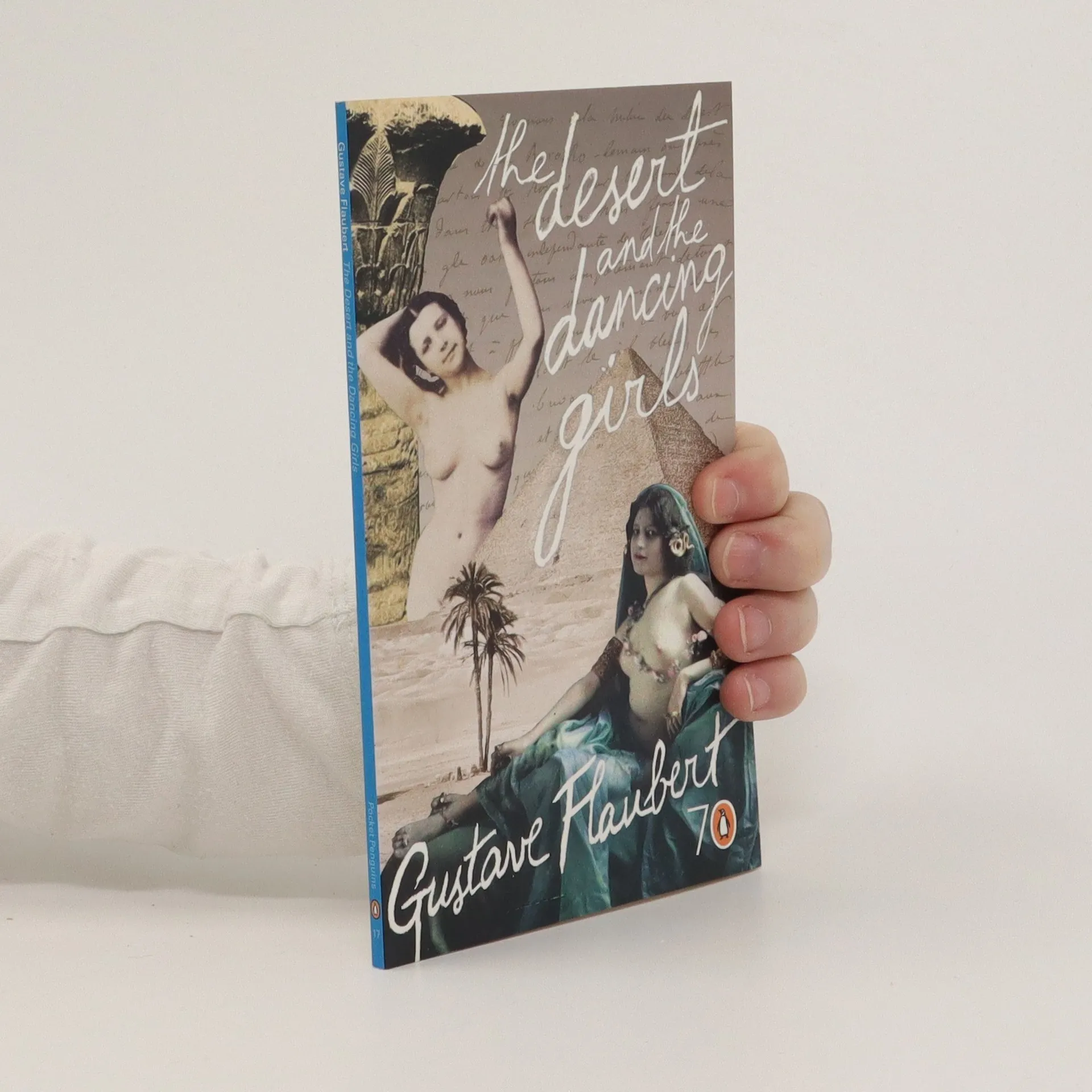
    • The desert and the dancing girls

      • 64pages
      • 3 heures de lecture

      Every book tells a story . . . And the 70 titles in the Pocket Penguins series are emblematic of the renowned breadth and quality that formed part of the original Penguin vision in 1935 and that continue to define our publishing today. Together, they tell one version of the unique story of Penguin Books. Gustave Flaubert transformed French literature and caused an outcry when his novel Madame Bovary, portraying a woman trapped in an unhappy marriage, was published in 1857. Combining letters to his mother and friends with personal notes, this volume reconstructs Flaubert's formative journey to Egypt as a young man, beautifully portraying his sense of wonder and decadent surrender to the sensual delights of nineteenth-century Cairo.

      The desert and the dancing girls
      3,3
    • Herodias: Opera in Five Acts

      • 50pages
      • 2 heures de lecture

      This thrilling musical adaptation of Gustave Flaubert's classic novel brings the drama and passion of the original to life. With lush, sweeping melodies, unforgettable performances, and a hauntingly beautiful libretto, Herodias is a masterpiece.

      Herodias: Opera in Five Acts
    • Sentimental Education

      The History of a Young Man Volume I

      • 272pages
      • 10 heures de lecture

      The novel follows Frédéric Moreau as he navigates his youth, grappling with love, ambition, and the complexities of society during the 19th century. Through his romantic entanglements and personal growth, Flaubert delves into themes of idealism versus reality, the impact of social change, and the disillusionment of youth. This exploration of Frédéric's journey offers a profound reflection on the challenges of finding one's place in a rapidly evolving world, solidifying its status as a literary masterpiece.

      Sentimental Education
    • Exploring profound themes of temptation and the human soul, this classic work has held significance throughout history. It has been meticulously reformatted and redesigned for modern readers, ensuring clarity and readability. The book encompasses a rich tapestry of Romance literature from various cultures, including French, Italian, Spanish, and Portuguese. Its preservation by Alpha Editions aims to keep this important text accessible for both present and future generations.

      The Temptation of St. Antony; Or, A Revelation of the Soul
    • Three short works

      in large print

      • 112pages
      • 4 heures de lecture

      Focusing on accessibility, this publication by Megali offers a large print reproduction of a historical work, catering specifically to individuals with impaired vision. The aim is to enhance readability and ensure that important historical texts remain available to a wider audience.

      Three short works
    • The story centers on Emma Bovary, a doctor's wife who seeks to escape the monotony of her provincial existence through passionate affairs and extravagant spending. Her pursuit of romance and luxury leads to a series of personal crises, highlighting themes of desire, disillusionment, and the constraints of societal expectations. Emma's struggles reflect a deep yearning for fulfillment in a world that ultimately disappoints her.

      Madame Bovary (Royal Collector's Edition) (Case Laminate Hardcover with Jacket)
    • Flaubert's correspondence reveals a deep friendship with George Sand, despite their differing temperaments and artistic styles. Both influential figures in French literature, Flaubert's commitment to realism contrasts with Sand's romantic escapades and her relationships with notable artists. Their exchanges reflect a blend of literary insight and personal reflection, showcasing their mutual respect and concern for societal issues. The excerpt highlights Flaubert's critical perspective on patriotism and the complexities of human folly, emphasizing the nuanced discussions they shared.

      The Collected Letters of George Sand and Gustave Flaubert: Collected Letters of the Most Influential French Authors
    • Sentimental Education

      The History of a Young Man Volume II

      • 280pages
      • 10 heures de lecture

      Frédéric Moreau's journey unfolds in 19th-century France, exploring his character's complexities amid a dynamic social and romantic backdrop. The narrative delves into his personal growth and the influences of the era, offering a rich portrayal of youthful aspirations and disillusionments. Flaubert's detailed depiction of societal changes enhances the emotional depth of Frédéric's experiences, making this volume a compelling continuation of his story.

      Sentimental Education
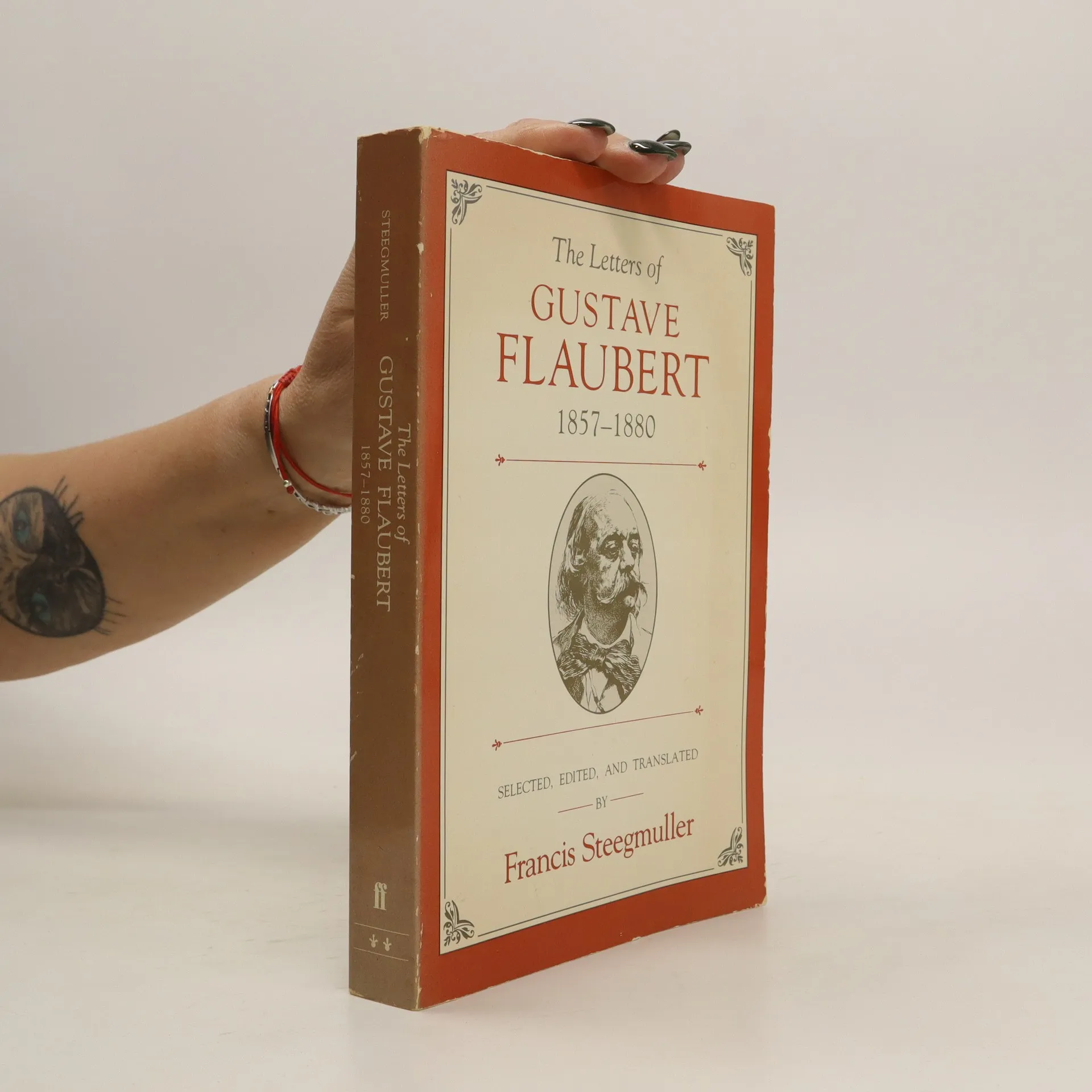
    • The Letters of Gustave Flaubert, 1857-1880

      • 310pages
      • 11 heures de lecture

      After being acquitted of charges related to "outrage of public morals and religion" following the publication of Madame Bovary, Gustave Flaubert emerged as a celebrated literary figure in 1857. Francis Steegmuller's collection of Flaubert's letters from this transformative period has been praised for its insightful editing and annotations, providing an intimate glimpse into the evolution of a writer who reshaped the novel. In this second volume, we witness Flaubert during his years of fame, as he creates notable works like Salammbô, L’Éducation sentimentale, The Temptation of Saint Anthony, Three Tales, and the unfinished Bouvard and Pecuchet. While adhering to his belief that an author should be omnipresent yet invisible in their work, Flaubert's letters reveal his emotional depth and strong opinions on various issues. His travels to Tunisia inspire Salammbô, while his reflections on the Revolution of 1848 and the romantic entanglements of Frederic Moreau in L’Éducation sentimentale highlight his literary prowess. Flaubert's connections with the Second Empire Court and his friendship with Princess Mathilde Bonaparte are notable, but it is his correspondence with the sympathetic George Sand that stands out, showcasing a rich dialogue on life and literature. Despite personal losses, including the deaths of loved ones and financial troubles, Flaubert's later years are illuminated by friendships with contemporaries like Guy

      The Letters of Gustave Flaubert, 1857-1880
    • Herodias

      • 44pages
      • 2 heures de lecture

      Gustave Flaubert is renowned for his role in establishing literary realism in France, emphasizing formal perfection and a neutral presentation of reality. His most famous work, Madame Bovary, showcases his meticulous attention to style and aesthetics. Flaubert's influence extended to his protégé, Guy de Maupassant, and his extensive Correspondence reflects his dedication to literary craft. His legacy is marked by a commitment to the values of realism, making him a pivotal figure in 19th-century literature.

      Herodias
    • Finding herself stifled by marriage, Emma Bovary throws herself into a desperate love affair and by doing so, sows the seeds of her own downfall.

      Madame Bovary : provincial lives
    • Pamiętniki szaleńca Listopad

      • 248pages
      • 9 heures de lecture

      Gustave Flaubert debiutował powieścią Pani Bovary. Z obyczajów prowincji w wieku lat trzydziestu sześciu, ale nie był to pierwszy utwór, jaki wyszedł spod jego ręki. W dzienniku intymnym zanotował: „Mając dziesięć lat, marzyłem już o sławie, gdy nauczyłem się pisać, komponowałem. Odmalowywałem dla siebie zachwycające obrazy: roiłem o sali pełnej światła i złota, o oklaskach, wiwatach i laurach. Krzyczano: autor! autor! – autor to ja, to moje imię”. Pamiętniki szaleńca oraz Listopad – dwa wczesne opowiadania Flauberta – są owocem tych marzeń. Obrazy dzieciństwa i pierwsze miłości mieszają się tu ze wspomnieniami romantycznych lektur w stylu noir; wśród liryzmu, patosu i gotyckich klimatów daje się zauważyć dobrze znany z dojrzałej twórczości Flaubertowski pazur. Oba utwory składają się na wyrazisty i nieoczekiwany „portret artysty z czasów młodości”.

      Pamiętniki szaleńca Listopad
      5,0
    • Výběr z korespondence Gustava Flauberta (1821–1880) opisuje křivku umělcova života – dopisy sestře Karolíně, Chevaliérovi, Alfrédovi le Poittevinovi, Maximovi du Campovi, matce, strýci Parainovi, Louise Coletové…, z cest po Palestině, Sýrii, Řecku, Itálii, Turecku…, vznikající a související s jeho románovou tvorbou, umožňují rozkrýt pozadí Flaubertova díla, pochopit jeho metodu. Jednotlivé oddíly souvisejí vždy s prací na některém ze základních románových opusů. Flaubertova korespondence nabízí úchvatný a leckdy nečekaný pohled do originálního myšlenkového světa velkého realisty, jeho ostré komentáře často překvapí svou otevřeností, ať již jde o postoje k literárním současníkům nebo na svou dobu velmi otevřené zmínky o vlastních „choulostivých“ nemocech. Právě tato úchvatná kombinace velmi intimních detailů s literárně-filozofickými úvahami a postřehy činí z autorových dopisů strhující četbu.

      Dílo je vše
      4,8
    • Listy lásky : Výbor z korespondence s paní X, 1923.

      Listy lásky
      5,0
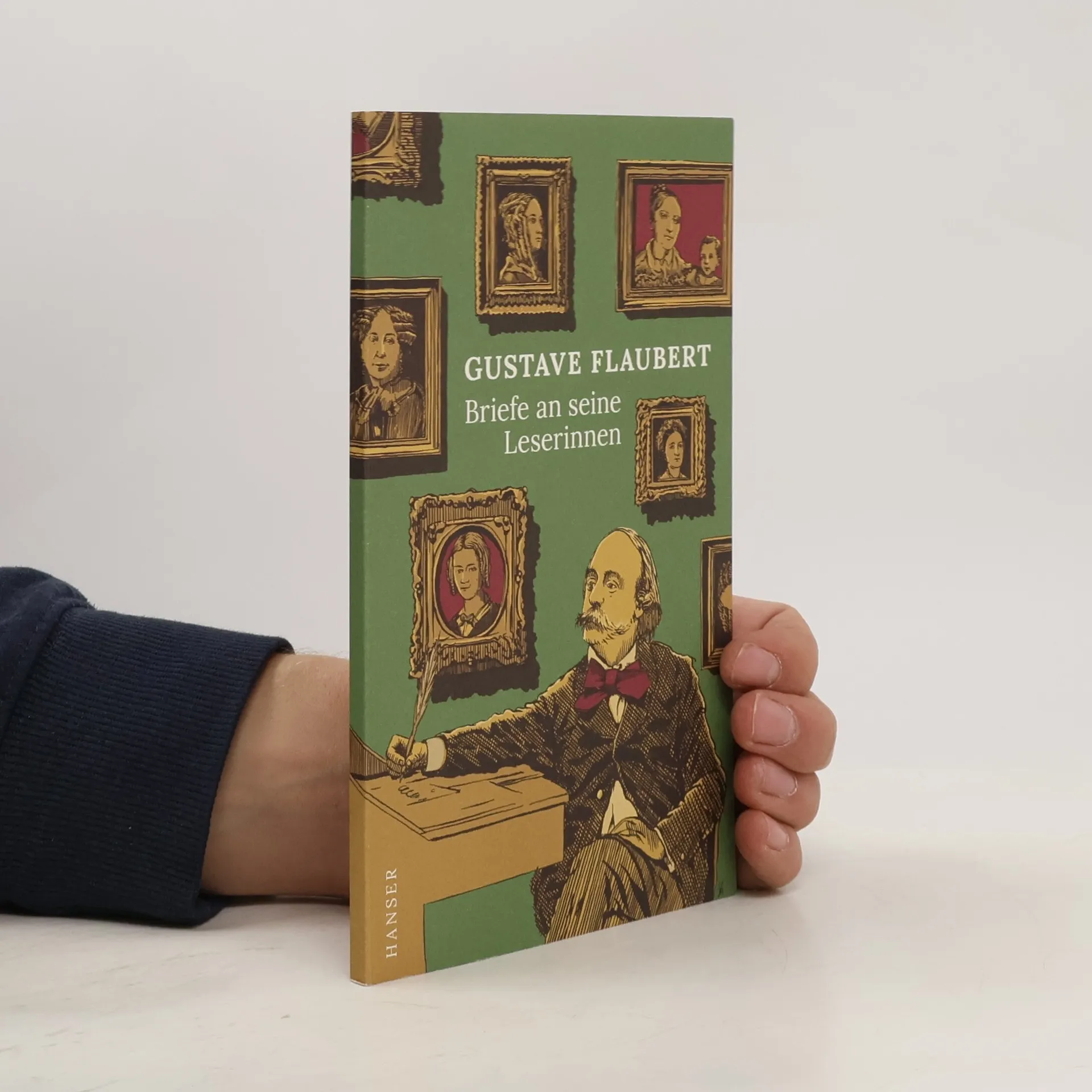
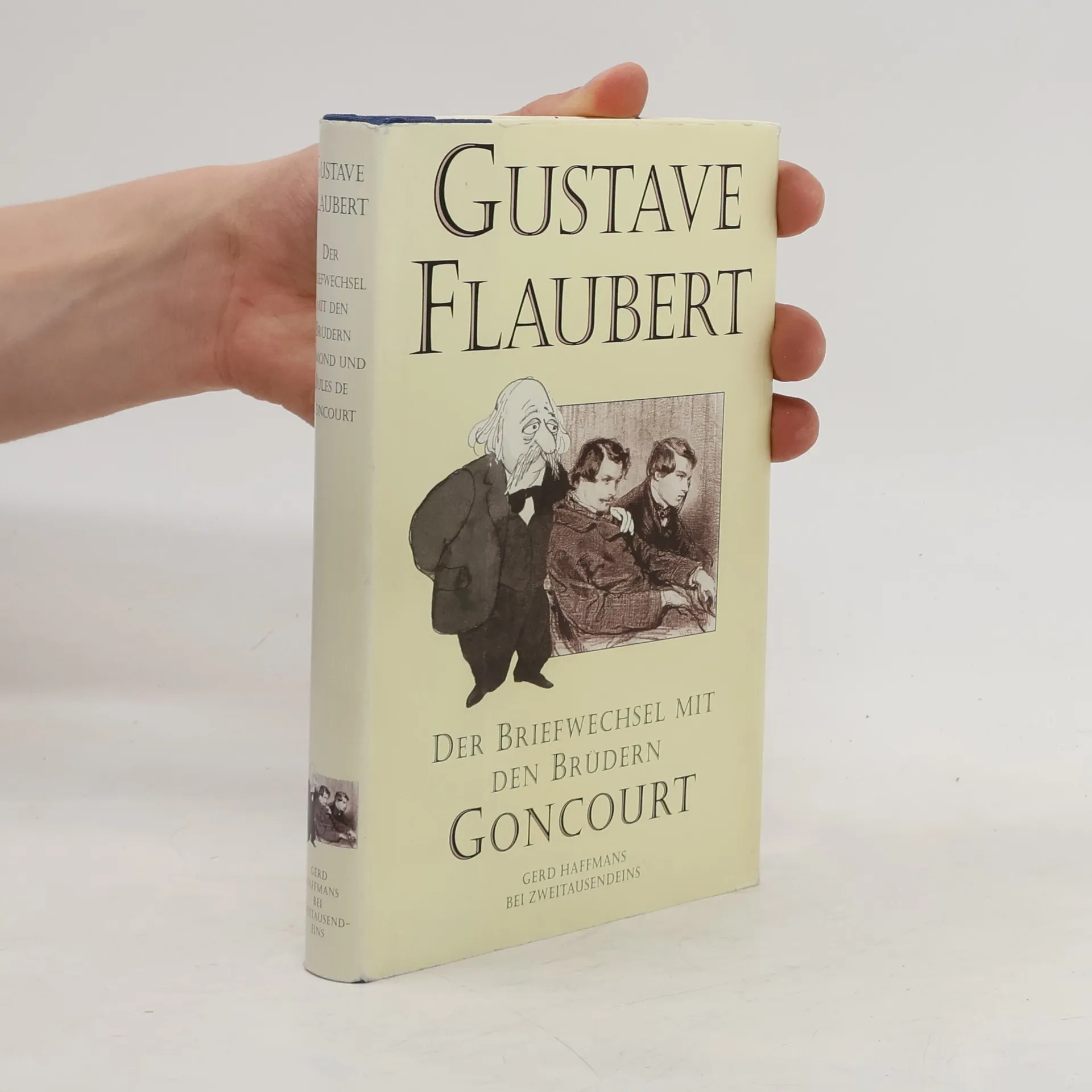
    • „Glänzend unterhaltsam“ und erstmals auf Deutsch: Flauberts Briefwechsel mit den Brüdern Edmond und Jules de Goncourt. Die Goncourts, Pariser Dandys, lebten von einer Erbschaft und verwandelten ihre symbiotische Existenz in Literatur. Ihre berühmten Tagebücher, in denen sie 5.000 Zeitgenossen mit scharfen Kommentaren porträtieren, zeigen sie als brillante, boshaft-witzige Anekdotenerzähler und scharfsichtige Beobachter. Sie waren unbestechlich, es sei denn, man schmeichelte ihren Talenten oder ihrer Drogensucht. Zudem sind sie durch den Prix Goncourt, Frankreichs angesehensten Literaturpreis, bis heute präsent. Trotz spitzer Bemerkungen verband Flaubert eine intensive Freundschaft mit den Goncourts. In ihrem Tagebuch reflektieren sie: „Der Künstler, der Mann, der nur für seine Kunst lebt, findet sich immer seltener. Wir kennen nur noch drei: Flaubert und uns.“ Ihr Briefwechsel spiegelt das intellektuelle Paris von 1857 bis 1880 wider und bietet einen klaren Kommentar zu Flauberts Werk. So wird dieser Austausch nicht nur zu einem unterhaltsamen Stück literarischer Kultur, sondern auch zu einer Herzensbildung jenseits der Fiktion. Die deutsche Erstausgabe ist „in virtuoses Deutsch gebracht“ und enthält Anmerkungen, Chronik, Bildteil und Register.

      Der Briefwechsel mit den Brüdern Edmond und Jules de Goncourt
      4,5
    • Predmluva - Panslavistický farár - Dva dni v Chujave - Faustiáda - Šofránkovci - Chruňo a Mandragora - Frndolína - Mrzutá - Kulifaj - Jurát - Hlovík medzi vzbúreným ľudom - Mroč

      Pani Bovaryová - November - Bláznové pamati
      5,0
    • kniha filosofických úvah, které autor vybral ze svého díla. Jsou na témata - umění, bůh, život, lidé. Jsou psány jako zpověď či vyprávění v první osobě.

      Rozhovory o umění, bohu, životě a lidstvu
      4,4
    • Privé-domein - 56: Haat is een deugd

      Een keuze uit de correspondentie - druk 1

      • 288pages
      • 11 heures de lecture

      Gustave Flaubert geldt als een van de grootste prozaïsten in het algemeen en uit de Franse literatuur van de negentiende eeuw in het bijzonder. Een van zijn opvattingen was dat een schrijver zich in romans en verhalen diende te onthouden van elke persoonlijke mening. Hij diende in zijn schepping overal aanwezig te zijn maar nergens zichtbaar. Inderdaad is de auteur van Madame Bovary, De leerschool der liefde en Drie Verhalen, afgezien van enkele vage sympathieën en vooral antipathieën, onzichtbaar gebleven. We zouden alleen via memoires en getuigenissen van anderen iets over zijn leven geweten hebben, ware het niet dat Flaubert de gewoonte had om na zijn dagelijkse 'worsteling met de stijl' geregeld een of meer brieven te schrijven om het contact met de buitenwereld te onderhouden.Van deze omvangrijke correspondentie, die door sommigen als hét meesterwerk van Flaubert wordt beschouwd, is het overgrote deel bewaard gebleven. Het vormt een van de meest ontroerende, tragische, komische en leerzame brievenverzamelingen die er bestaan.

      Privé-domein - 56: Haat is een deugd
      4,3
    • Flaubert ist bekannt für den modernen Roman, doch seine Jugendwerke, die zwischen 1836 und 1839 entstanden, zeigen einen ungestümen, romantischen und unvollkommenen Autor. Diese Erzählungen sind entscheidend für seine Entwicklung.

      Leidenschaft und Tugend. Erste Erzählungen
      4,0
    • Madame Bovary

      Lektüre mit Audio-Online

      • 112pages
      • 4 heures de lecture
      Madame Bovary
      4,0