

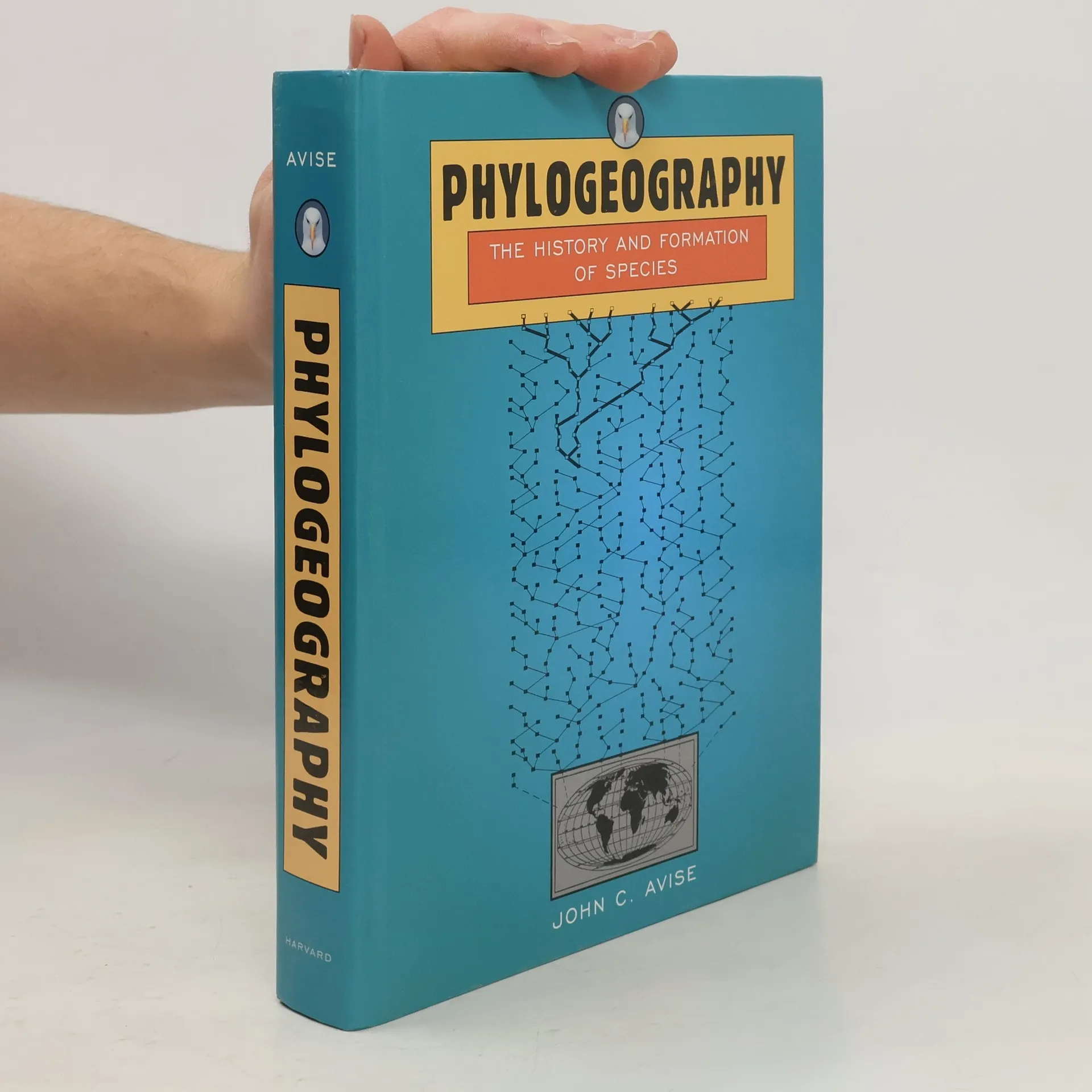
Phylogeography is a discipline concerned with various relationships between gene genealogies―phylogenetics―and geography. The word “phylogeography” was coined in 1987, and since then the scientific literature has reflected an exploding interest in the topic. Yet, to date, no book-length treatment of this emerging field has appeared. The History and Formation of Species fills that gap.The study of phylogeography grew out of the observation that mitochondrial DNA lineages in natural populations often display distinct geographic orientations. In recent years, the field has expanded to include assessments of nuclear as well as cytoplasmic genomes and the relationships among gene trees, population demography, and organismal history, often formalized as coalescent theory. Phylogeography has connections to molecular evolutionary genetics, natural history, population biology, paleontology, historical geography, and speciation analysis.Phylogeography captures the conceptual and empirical richness of the field, and also the sense of genuine innovation that phylogeographic perspectives have brought to evolutionary studies. This book will be essential reading for graduate students and professionals in evolutionary biology and ecology as well as for anyone interested in the emergence of this new and integrative discipline.
Avise John C. Livres
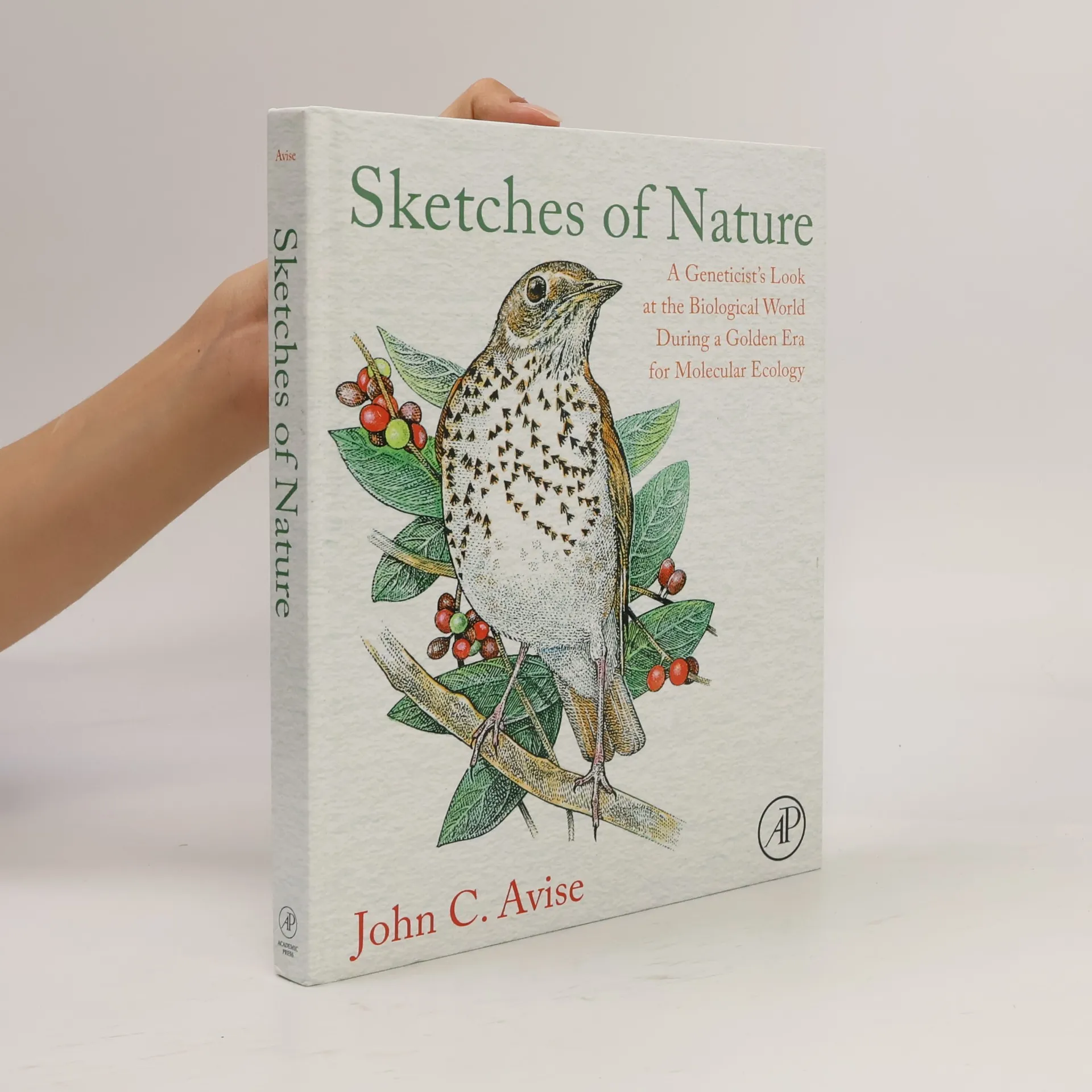
Sketches of Nature
A Geneticist's Look at the Biological World During a Golden Era of Molecular Ecology
- 280pages
- 10 heures de lecture
This visually appealing book recounts the history of molecular ecology and evolution as seen through the personal lens of one of its most prolific practitioners, who has studied a panorama of creatures ranging from corals, sponges, and other invertebrates to a wide variety of vertebrate animals including numerous birds, mammals, herps, and fishes. The sketches are of two evocative drawings of the animals themselves, and more than 230 written abstracts summarizing the author’s eclectic research on ecological-genetic topics spanning the microevolutionary to macroevolutionary. With the abstracts arranged by organismal group and placed in chronological order, the chapters in this book lead readers on a fascinating historical journey into the realm of molecular genetics as applied across the past four decades to intriguing questions in ecology, evolution, animal behavior, and natural history.