

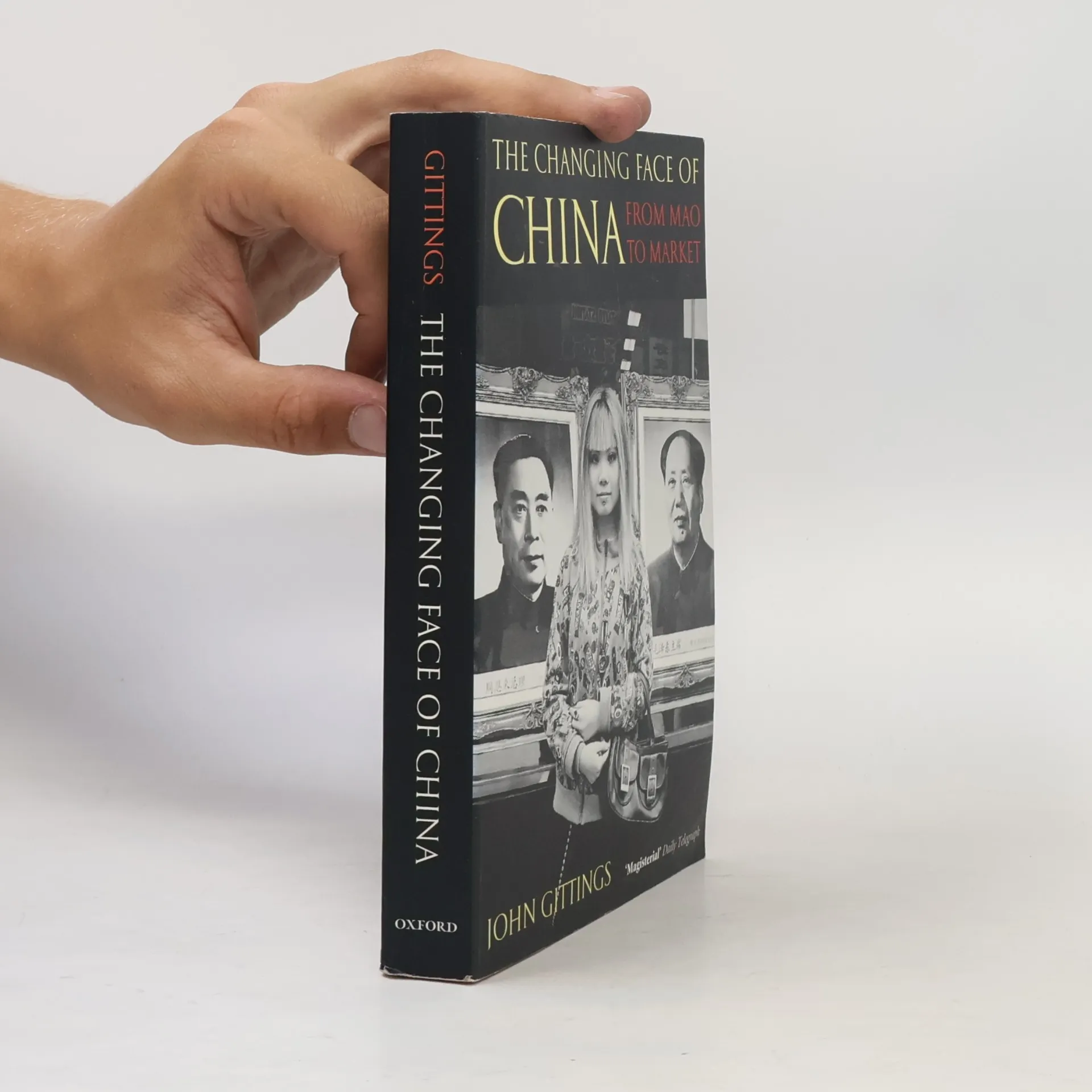
Where is China heading in the twenty-first century? Recent restrictions on liberty, including a new "cyberwall" that blocks access to pro-democracy websites, have dampened hopes for a new era of freedom following rapid economic growth. The challenge lies in whether the Communist Party can reconcile an economy that demands liberal reform with their hard-line governance. Additionally, the strain on natural resources could lead to environmental disaster. In this engaging account, John Gittings, a seasoned China specialist, explores modern Chinese history to address these pressing questions. His narrative spans the last fifty years, covering events from Peach-Blossom socialism and the Great Leap Forward to the Cultural Revolutions and the Tiananmen Square massacre. Gittings emphasizes that the most significant threats to the Chinese people today stem from environmental degradation and pollution. He argues that the real nightmare scenario is not the collapse of the Party or financial institutions, but a severe water shortage. Drawing on three decades of reporting, Gittings provides a comprehensive history of one of the world's superpowers, offering valuable insights for those interested in modern China and its political landscape.
John Gittings Ordre des livres (chronologique)
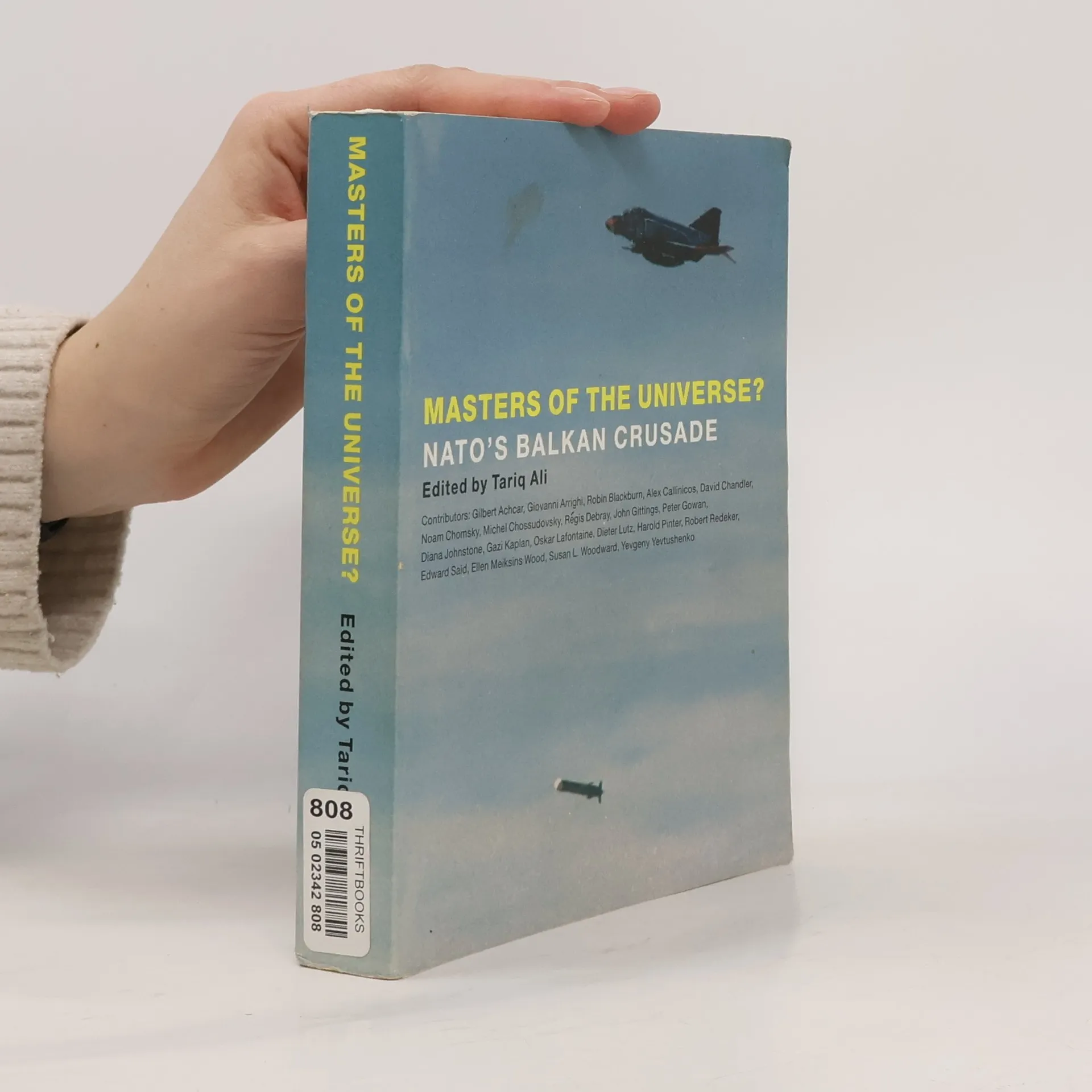
Masters of the Universe? NATO's Balkan Crusade
- 240pages
- 9 heures de lecture
NATO’s war on Yugoslavia in the spring of 1999 was unleashed in the name of democracy and human rights. This view was challenged by the world’s three largest countries, India, China and Russia, who saw the bombing of Serbia and Kosovo as a naked attempt to assert US dominance in an unstable world.In the West, media networks were joined by substantial sectors of left/liberal opinion in supporting the war. Nonetheless, a wide variety of figures emerged to challenge the prevailing consensus. Their work, gathered here for the first time, forms a collection of key statements and anti-war writings from some of democracy’s most eloquent dissidents—Noam Chomsky, Harold Pinter, Edward Said and many others—who provide carefully researched examinations of the real motives for the US action, dissections and critiques of the ideology of ‘humanitarian warfare’, and chartings of the unnecessary tragedy of a region laid to waste in the pursuance of Great Power politics.This reader presents some of the most important texts on NATO’s Balkan crusade and forms a major intervention in the debate on global geo-political strategy after the Cold War.