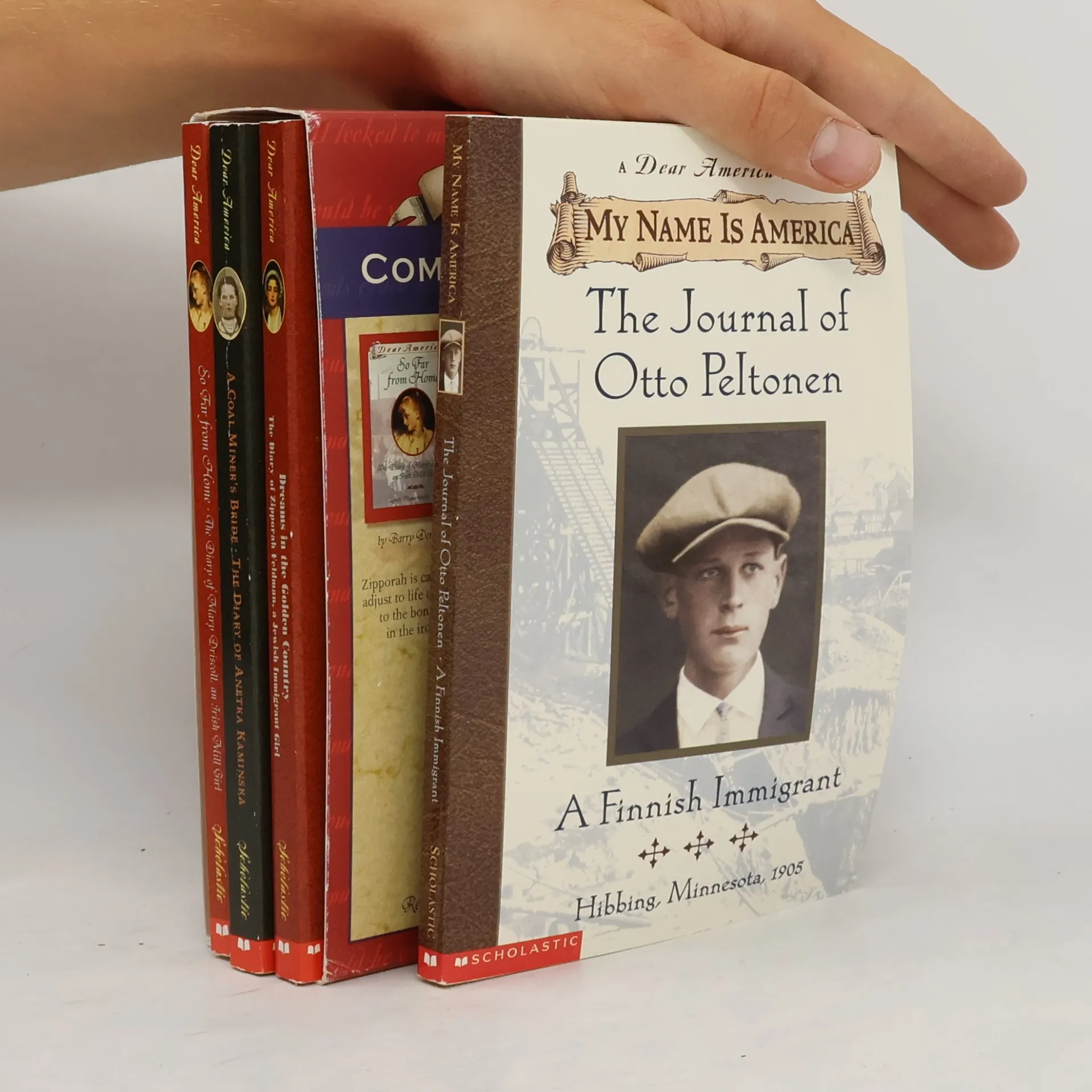
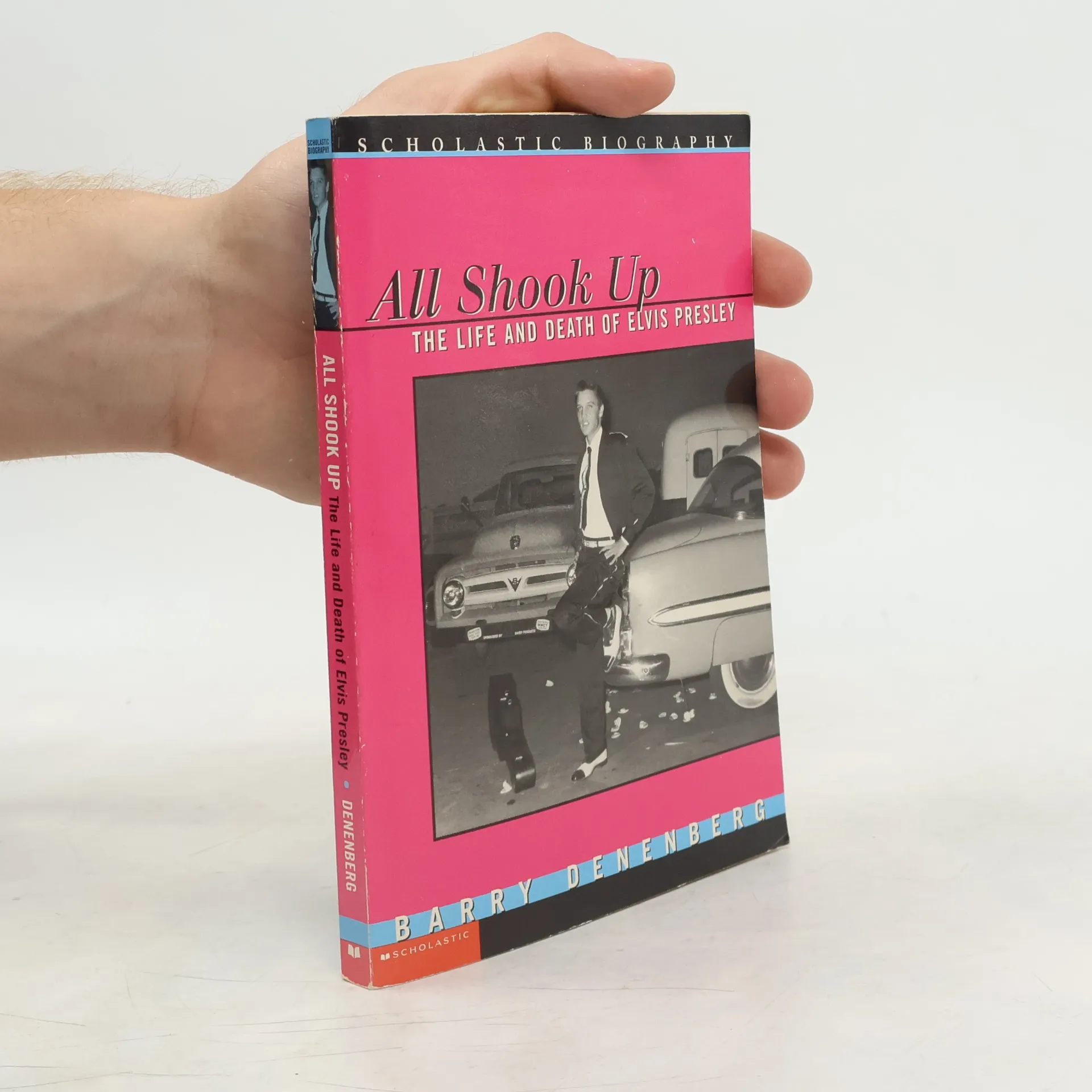
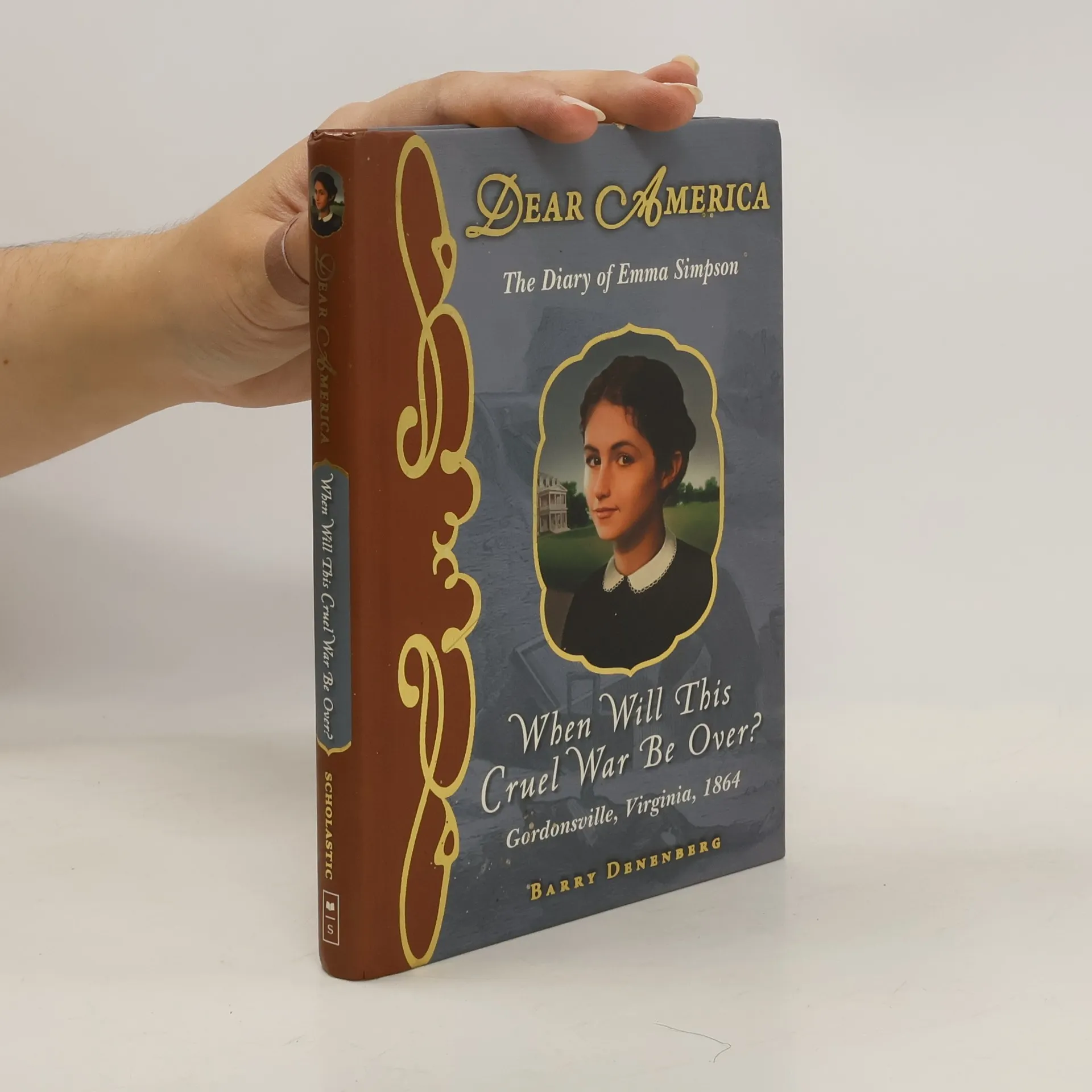
Barry Denenberg est un auteur acclamé de non-fiction et de fiction historique. Sa fiction historique, présentée dans des séries populaires, explore souvent des contextes sociaux et historiques importants, ce qui en fait des lectures remarquables pour les jeunes. Dans ses œuvres de non-fiction, Denenberg aborde une gamme variée de sujets, des figures historiques profondes aux icônes de la culture populaire. Il utilise des recherches approfondies et une compréhension approfondie de ses sujets pour créer des récits captivants et informatifs pour ses lecteurs.
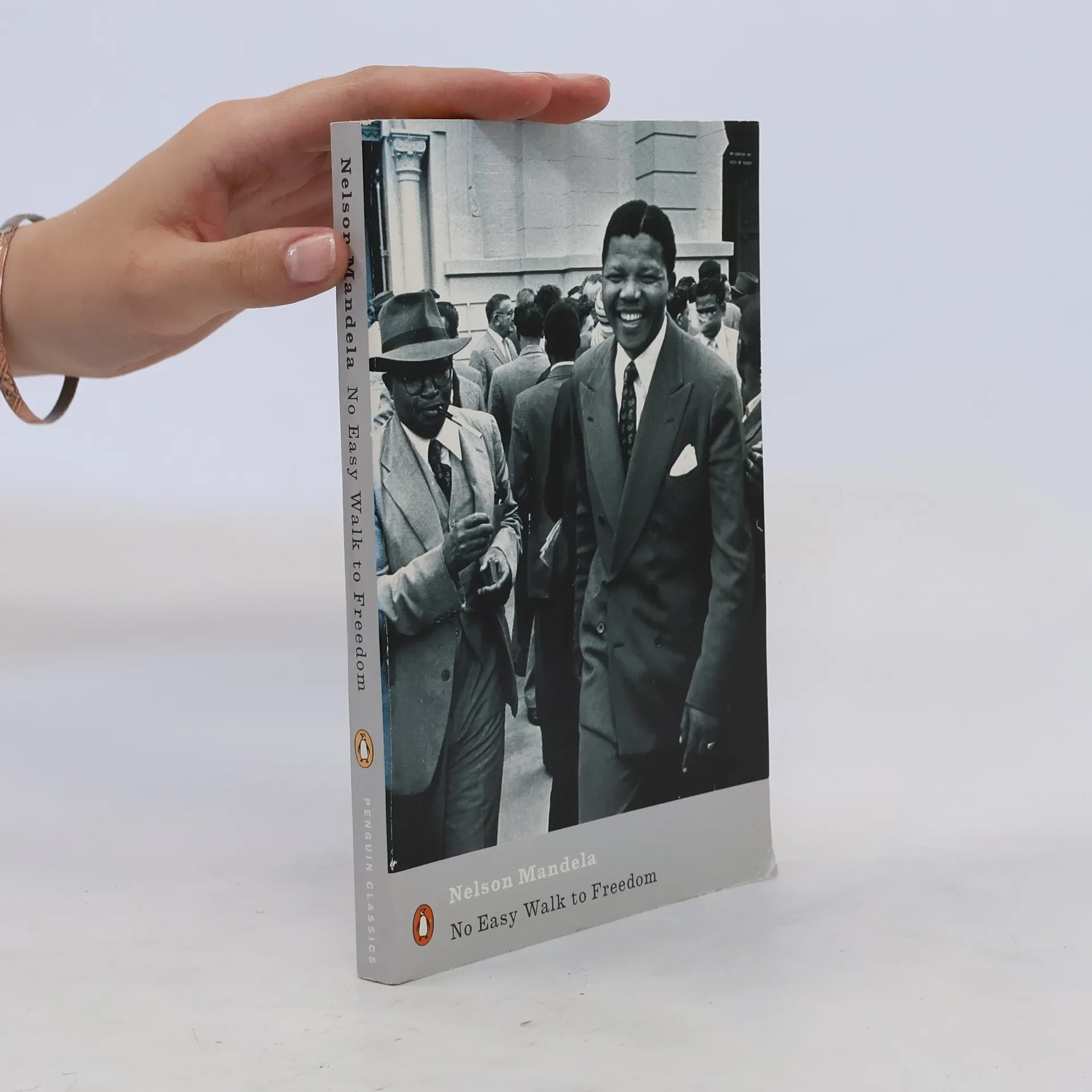
After twenty-seven years in prison, Nelson Mandela finally walked free in
February 1990. This book offers a collection of his articles, speeches,
letters from underground, and the transcripts from his trials that
demonstrates the charisma and determination of a towering figure in the
struggle for racial equality in South Africa.
The Diary of Mary Driscoll, an Irish Mill Girl, Lowell, Massachusetts, 1847
180pages
7 heures de lecture
In the diary account of her journey from Ireland in 1847 and of her work in a mill in Lowell, Massachusetts, fourteen-year-old Mary reveals a great longing for her family.
Elvis had parents grumbling, girls screaming and fainting, and boys imitating his style. And his music? It had everyone dancing in the aisles. But what's the real story behind "the King"?Born on January 8, 1935, in Tupelo, Mississippi, Elvis Aaron Presley was destined to rewrite the history of music almost from the moment he picked up a guitar. He played music that was rooted in blues, gospel, country and rockabilly, and he redefined a generation by breaking down the boundaries that separate white from black.Everyone listened to Elvis. Everyone danced to Elvis. Everyone had an opinion about Elvis. And the fame was nice, but it came so fast. The money. The cars. The screaming fans. Somewhere in all that, the singer from Tupelo got lost-and that's the saddest song of all.