

Bookbot

Spargo R. Clifton

    R. Clifton Spargo est un romancier et critique culturel dont l'œuvre explore les profondeurs de la culture contemporaine et de l'expérience humaine. Son écriture se caractérise par un intellect vif et une profonde compréhension des complexités de la vie moderne. En tant que conteur talentueux, Spargo mêle des concepts intellectuels stimulants à des récits captivants qui incitent à la réflexion. Ses contributions à de prestigieuses revues littéraires et ses essais démontrent sa capacité à allier analyse littéraire et commentaire social engagé.

    Beautiful Fools: The Last Affair of Zelda and Scott Fitzgerald
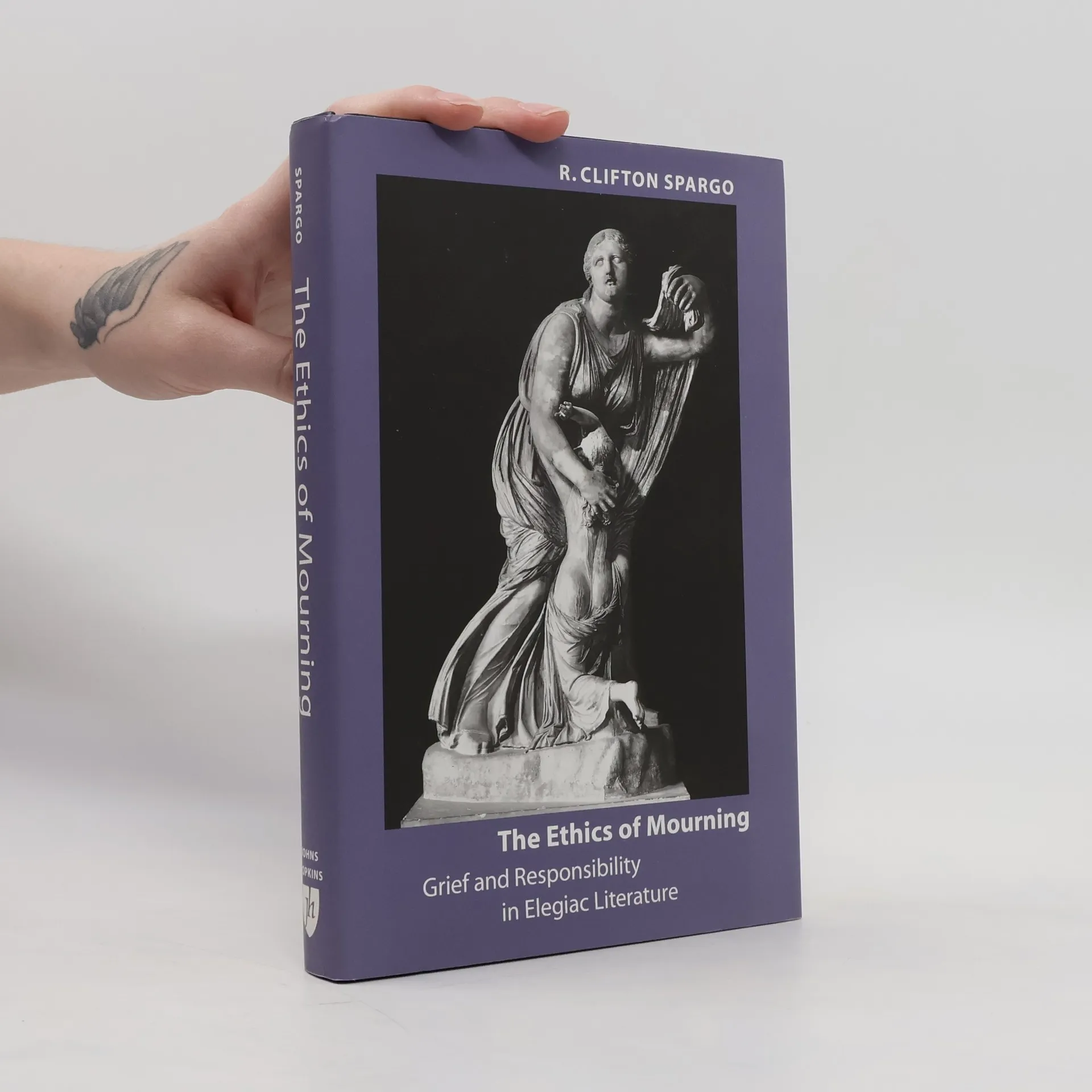
    The Ethics of Mourning
    • In this evocative and meticulously detailed novel about the last romance of one of America's greatest literary couples, R. Clifton Spargo crafts an exhilarating portrait of the passionate yet tragically dysfunctional relationship between F. Scott and Zelda Fitzgerald.In 1939 Scott is living in Hollywood, a virulent alcoholic and deeply in debt. Despite his relationship with gossip columnist Sheila Graham, he remains fiercely loyal to Zelda, his soul mate and muse. In an attempt to fuse together their fractured marriage, Scott arranges a trip to Cuba, where, after a disastrous first night in Havana, the couple runs off to a beach resort outside the city. But even in paradise, Scott and Zelda cannot escape the dangerous intensity of their relationship.In Beautiful Fools, R. Clifton Spargo gives us a vivid, resplendent, and truly human portrait of the Fitzgeralds, and reveals the heartbreaking patterns and unexpected moments of tenderness that characterize a great romance in decline.

      Beautiful Fools: The Last Affair of Zelda and Scott Fitzgerald2013
      3,2
    • The Ethics of Mourning

      Grief and Responsibility in Elegiac Literature

      • 338pages
      • 12 heures de lecture

      "Beginning from a reevaluation of famously inconsolable mourners ranging from Niobe to Hamlet, R. Clifton Spargo discerns the tendency of all grief to depend at least temporarily upon the refusal of consolation. By disrupting the traditional social and psychological functions of grief, the resistant mourner transforms mourning into a profoundly ethical act. Spargo finds such examples of ethical mourning in opposition to socially acceptable expressions of grief throughout the English and American elegiac tradition. Drawing on the work of Paul Ricoeur, Bernard Williams, and Emmanuel Levinas, his book explores the ethical dimensions of anti-consolatory grief through astute readings of a wide range of texts - including Hamlet and works by Milton and Renaissance elegists; more recent poetry by Dickinson, Shelley, and Hardy; and American Holocaust elegies by Sylvia Plath and Randall Jarrell."--Jacket

      The Ethics of Mourning2004
      4,2