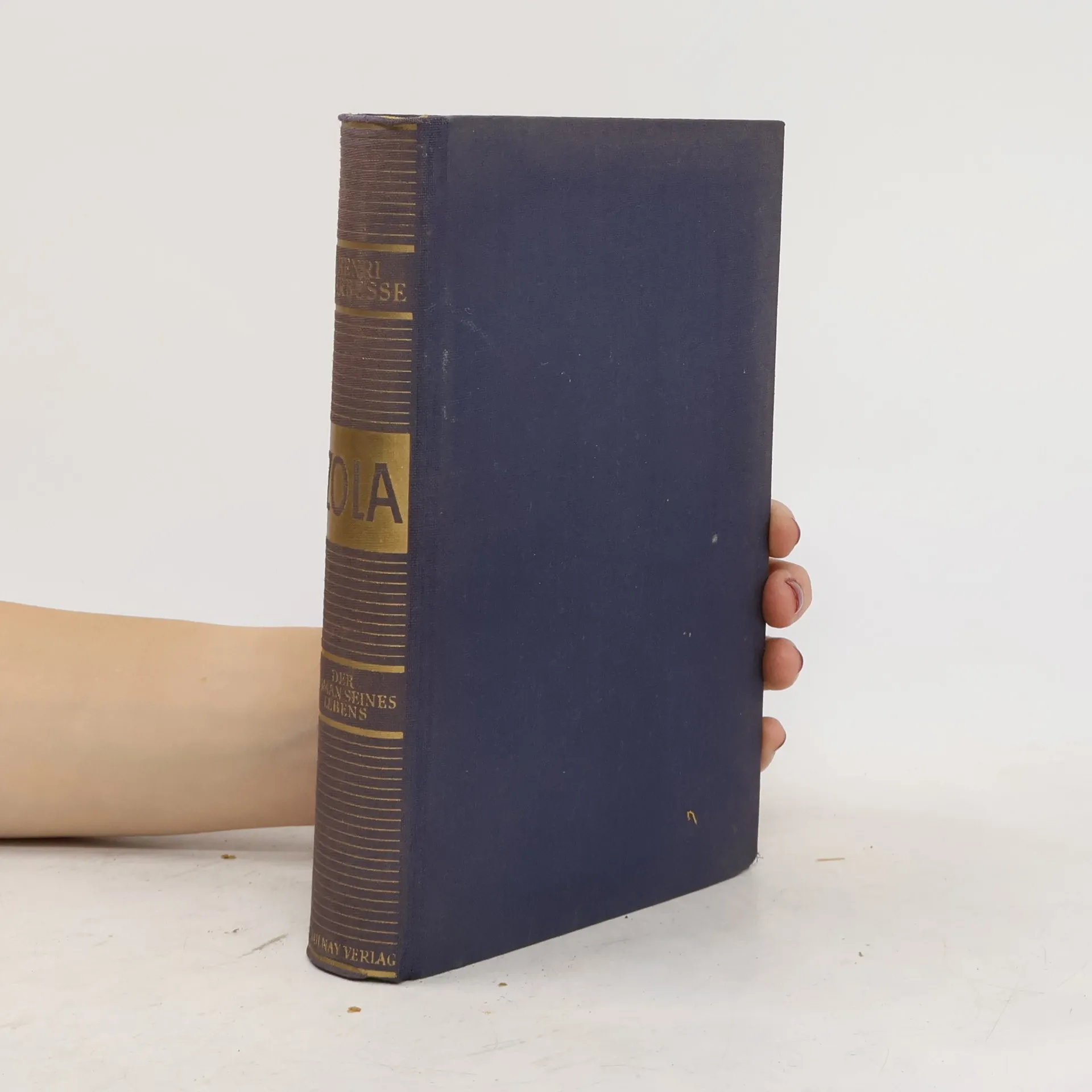
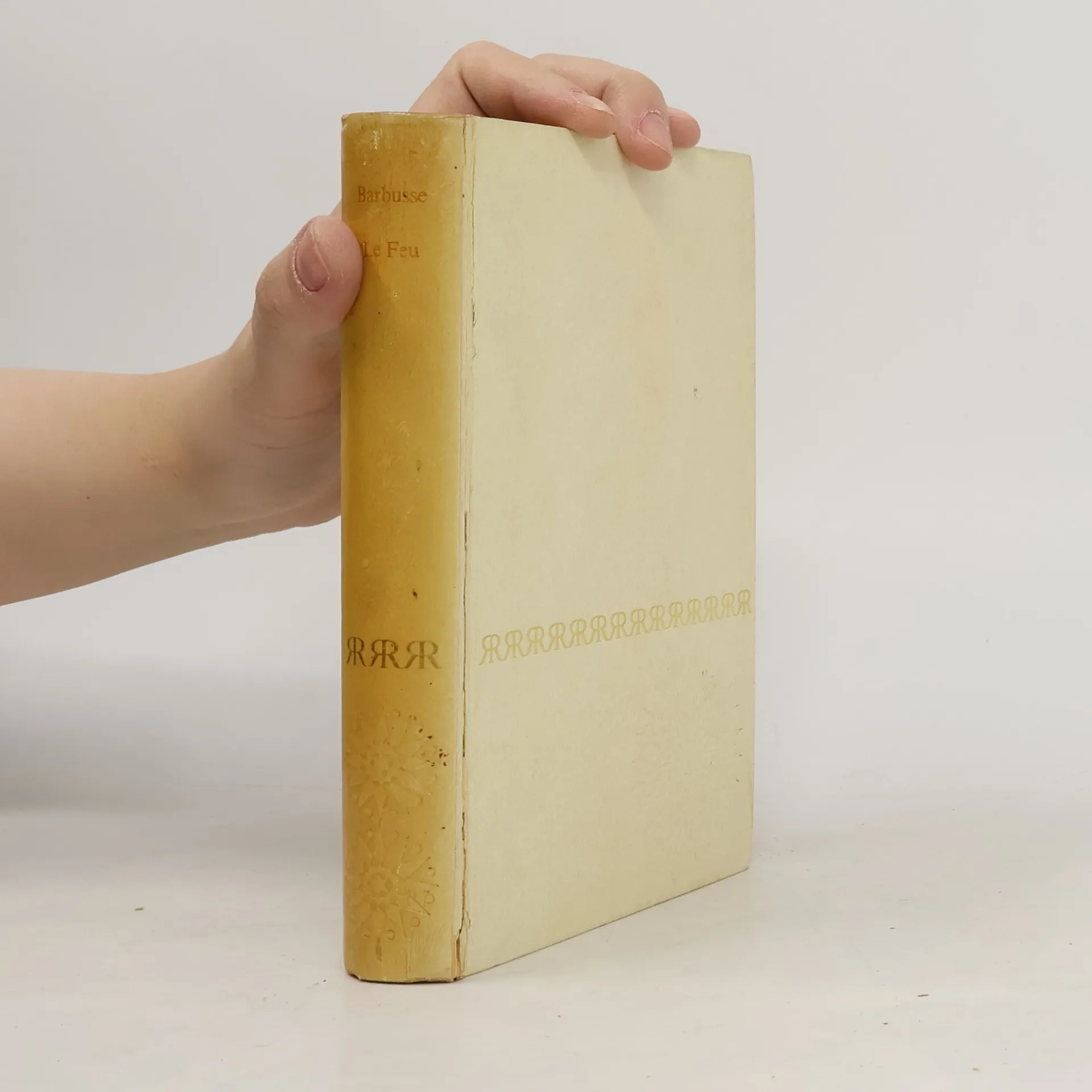
Les années 1915 et 1916 ont été, pour Henri Barbusse, décisives.C’est en 1915 qu’il a vécu Le Feu dans les tranchées du Soissonnais, de l’Argonne et de l’Artois, comme soldat d’escouade, puis comme brancardier au 231e régiment d’infanterie où il s’était engagé. C’est en 1916, au cours de son évacuation dans les hôpitaux, qu’il a écrit son livre. Celui-ci, publié par les Éditions Flammarion à la fin de novembre, remporta aussitôt après le prix Goncourt. Considéré dans le monde entier comme un des chefs-d’œuvre de la littérature de guerre, c’est un des témoignagesles plus vrais et les plus pathétiques des combattants de première ligne.Le Feu est suivi du Carnet de guerre qui permet de remonter aux sources mêmes de la création du roman épique d’Henri Barbusse.
Henri Barbusse Livres
Henri Barbusse fut un romancier et soldat français dont les œuvres offrirent une critique acerbe du militarisme et de l'impérialisme. Son roman le plus célèbre, inspiré par ses propres expériences de guerre, dépeignit sans concession les horreurs de la Première Guerre mondiale avec un naturalisme cru, devenant ainsi une puissante déclaration anti-guerre. Après le conflit, Barbusse devint un fervent défenseur des idéaux révolutionnaires, orientant sa plume vers un plaidoyer passionné pour la justice sociale et la résistance contre l'oppression. Il chercha à définir une littérature prolétarienne qui refléterait la perspective de la classe ouvrière et encouragerait la transformation sociétale.



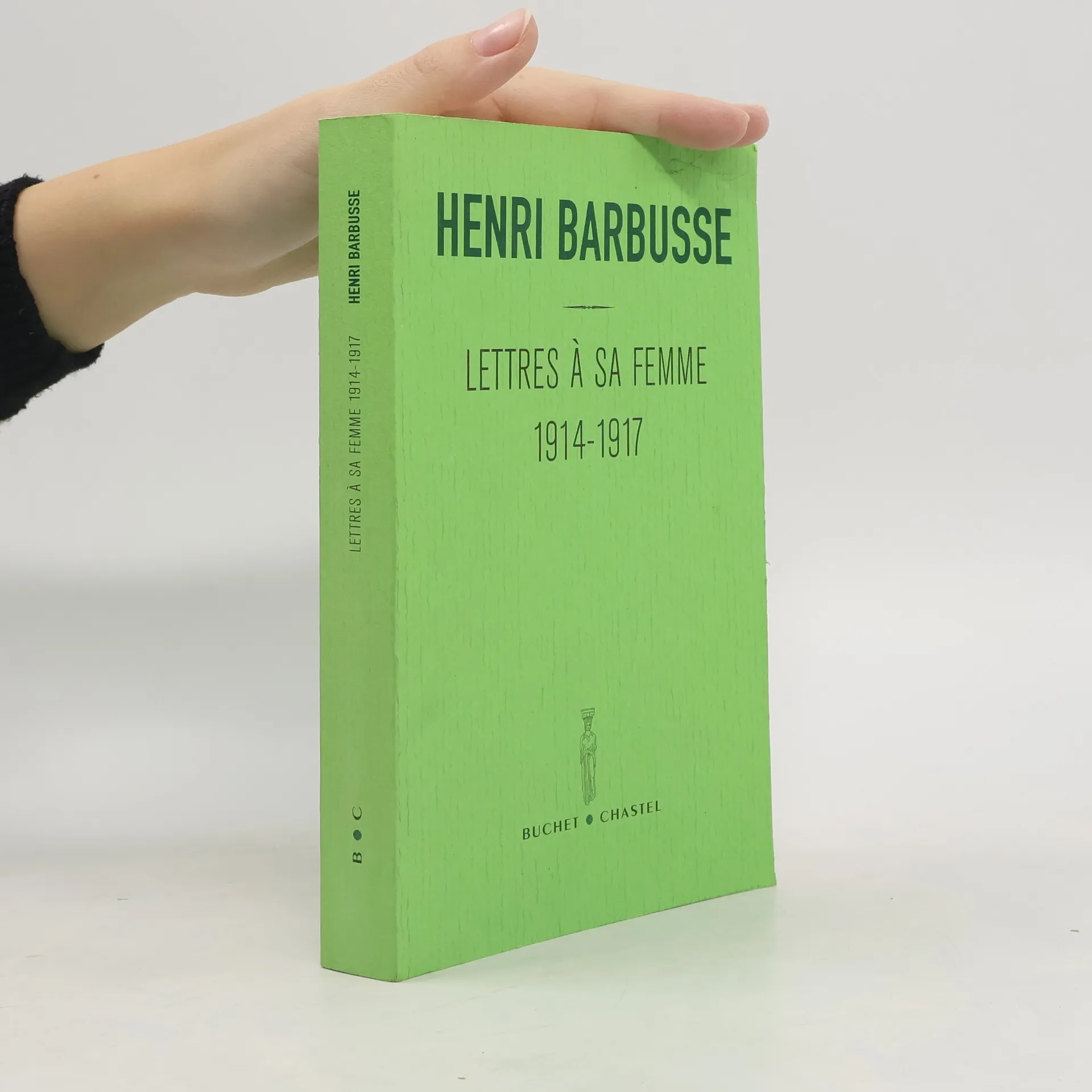
Lettres à sa femme 1914-1917
- 384pages
- 14 heures de lecture
Ces lettres à son épouse Hélyonne retracent le quotidien des tranchées pendant les trois années de son engagement comme simple soldat lors de la Première Guerre mondiale. H. Barbusse raconte à demi-mots l'horreur de la guerre, afin de ne pas inquiéter sa femme.
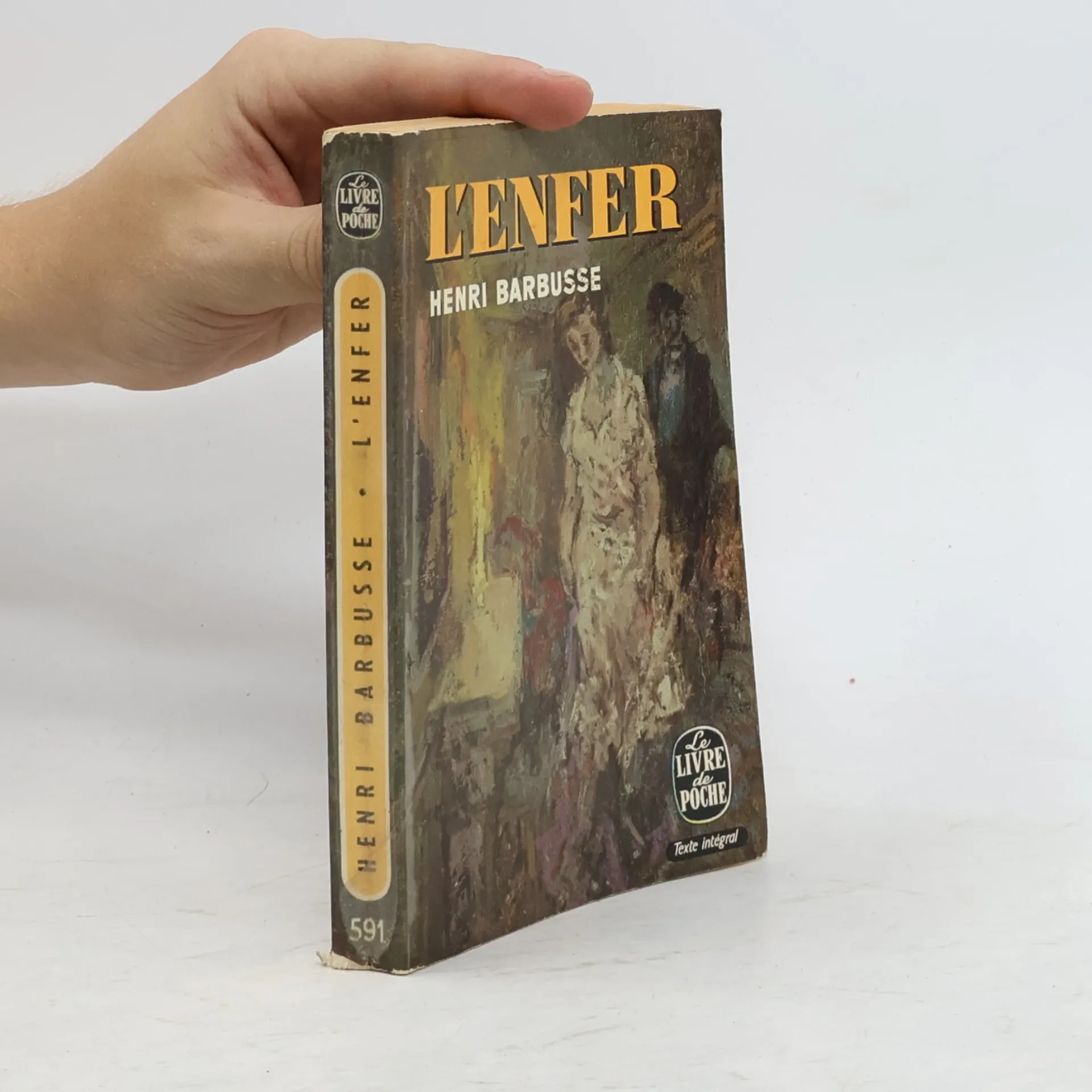
Hell
- 116pages
- 5 heures de lecture
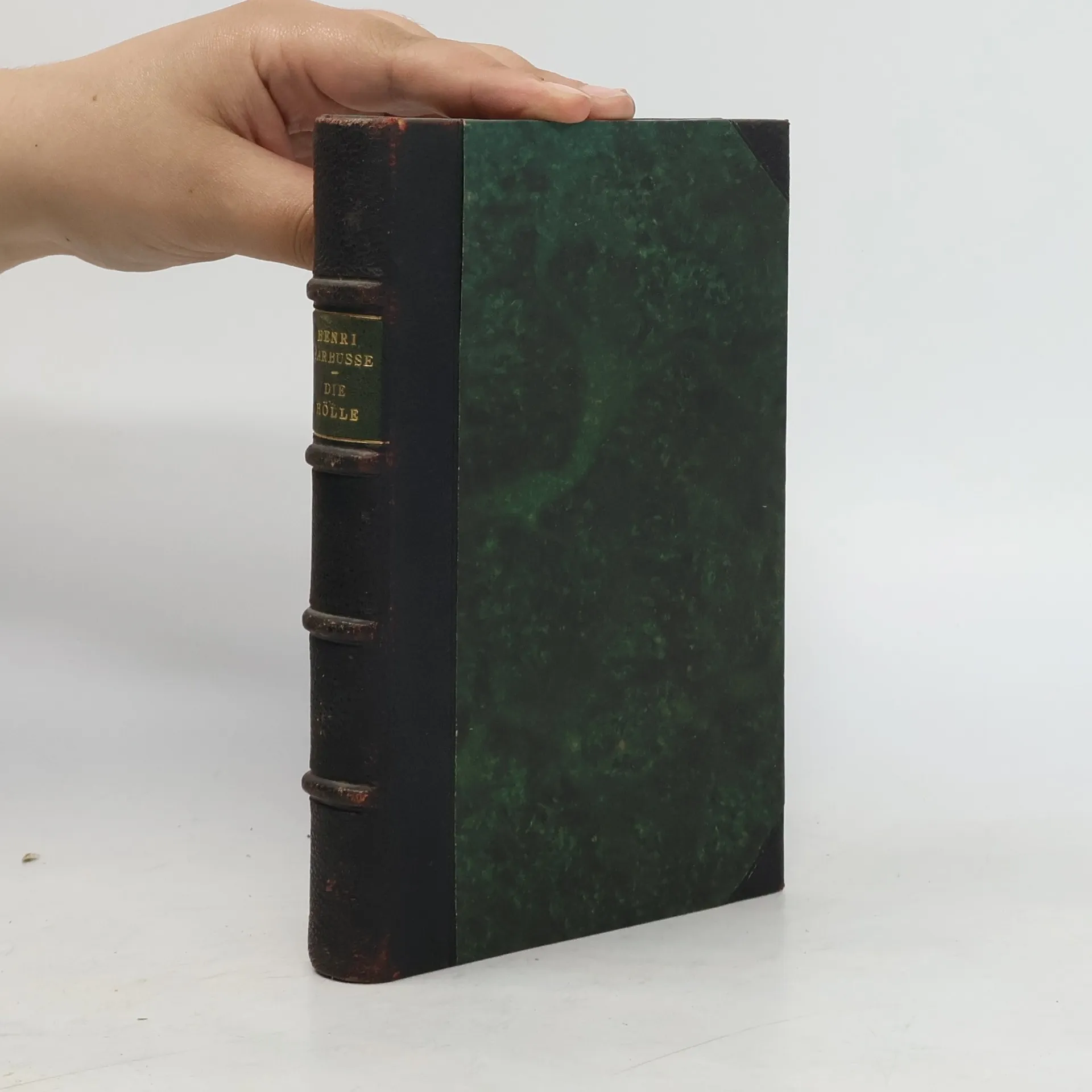
Hell (1908) is a novel by Henri Barbusse. Immensely popular upon its publication in France, Hell earned Barbusse a reputation as a leading realist whose existential preoccupations predate the novels and plays of Samuel Beckett, Albert Camus, and Jean-Paul Sartre by several decades. His portrait of ennui, isolation, and urban life remains both stylistically and thematically fresh over a century after it appeared in print. "A whole world of human beings had passed here like smoke, leaving nothing white but the window. And I? I am a man like every other man, just as that evening was like every other evening." In this claustrophobic, lyric novel, an unnamed narrator moves into a rundown apartment in Paris. There, he grows increasingly isolated from the world outside, turning instead to the lives of his many neighbors. Through the thin walls, which contain a hidden peephole, he listens and watches as strangers conduct the secret dramas of their daily lives. Witnessing acts of adultery, lesbianism, incest, theft, and abuse, he grows increasingly dependent on the adrenaline rush of voyeurism, withdrawing further and further from the life of the bustling city. With a beautifully designed cover and professionally typeset manuscript, this edition of Henri Barbusse's Hell is a classic work of French literature reimagined for modern readers.
dopsáno na konci války. Jsou zde vylíčené nesmyslné hrůzy války a pozvolné uvědomování vojáků její nemorálnosti. Román je aktuální bojem proti válce.
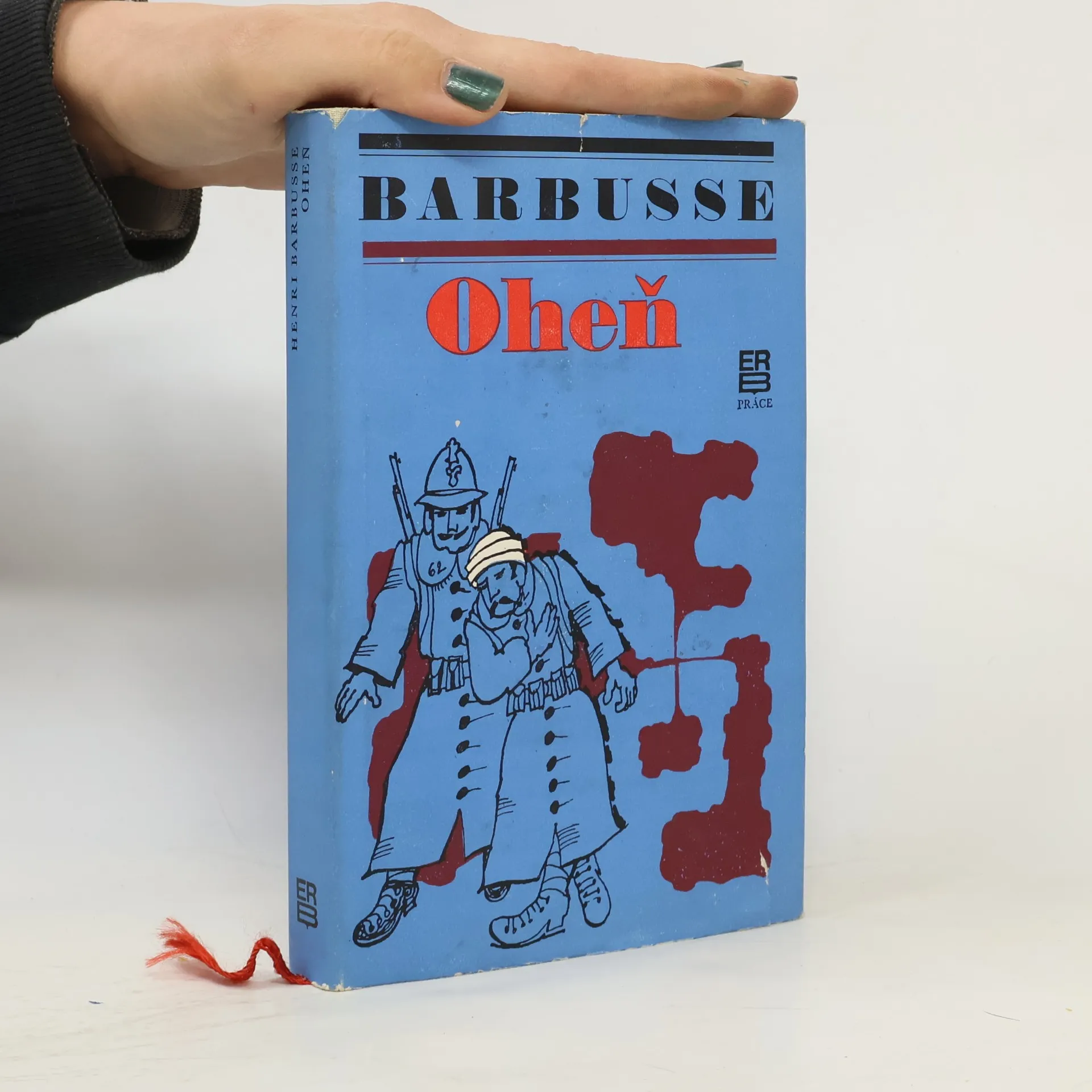
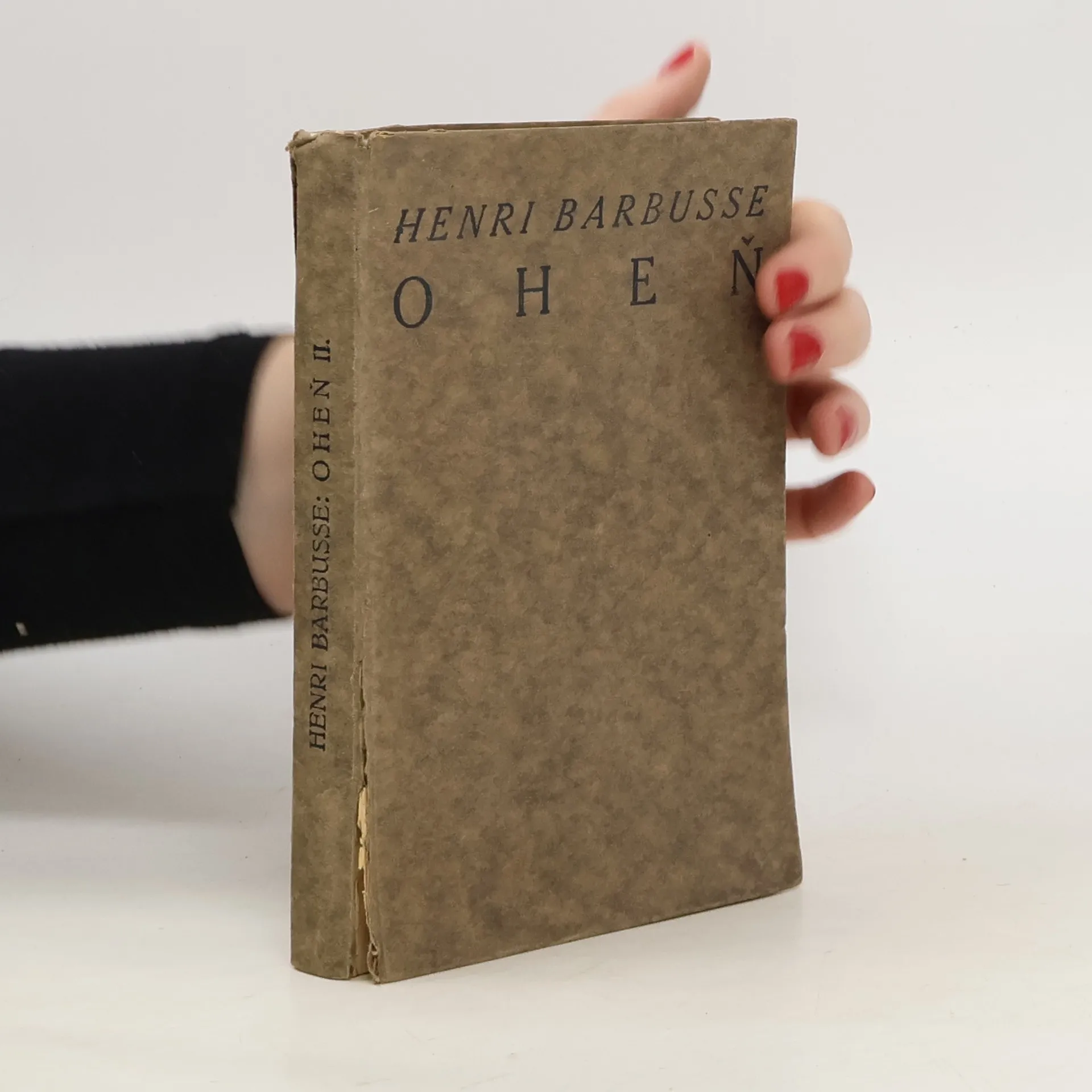
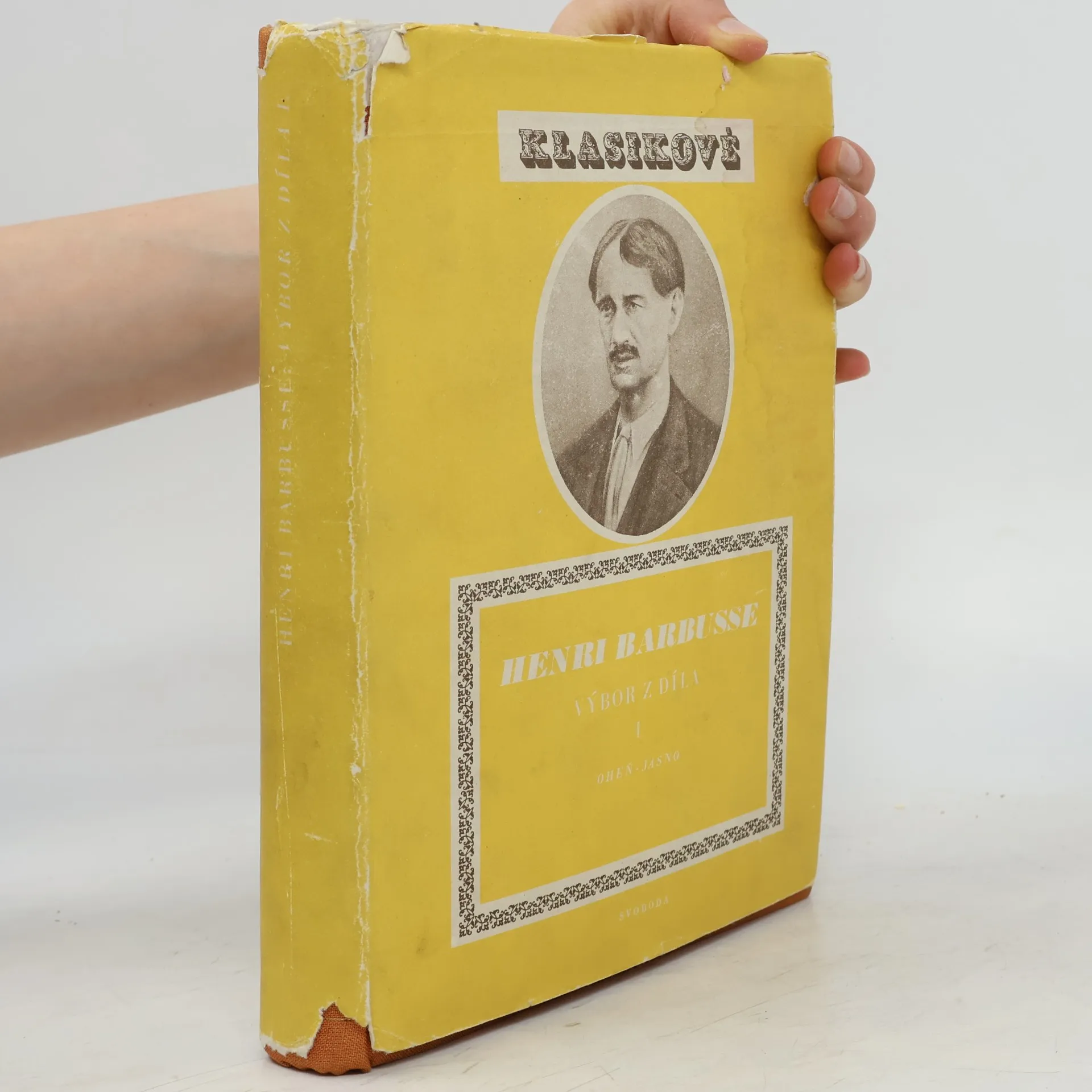
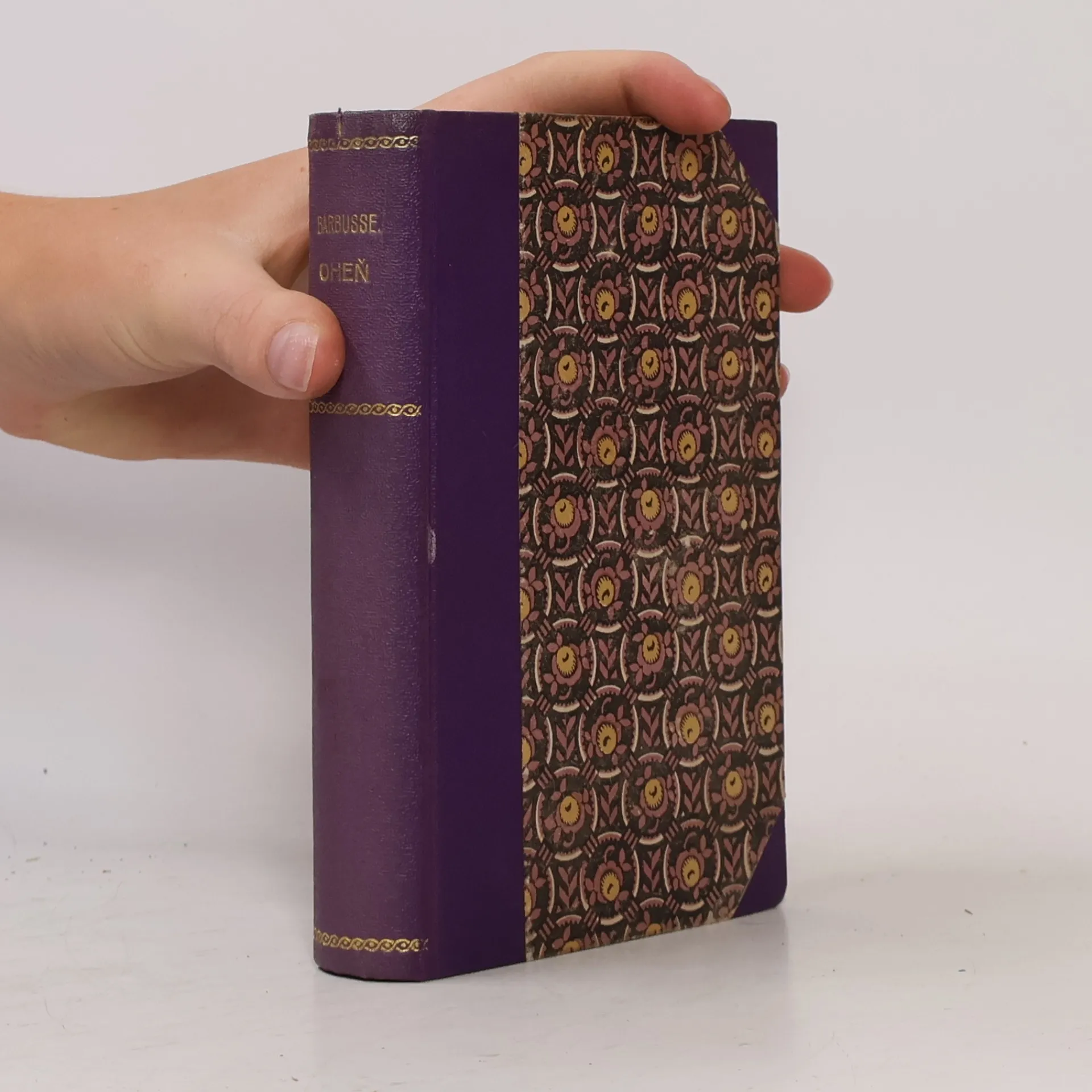
Oheň : Deník bojového družstva Klasický, do mnoha jazyků přeložený román o zážitcích několika francouzských vojáků na francouzsko-německé frontě za prvé světové války vychází ke stému výročí narození francouzského spisovatele a průkopníka protiválečného a protifašistickéhohnutí (1873-1935). Román, založený na osobních zážitcích a vznikající jako válečný deník o utrpení kamarádů v blátě, dešti, mrazu, prachu a krvi zákopů, je napsán netendenčně a bez patosu a působí tím otřesněji. Doslov: Vladimír Brett
Povídka známého autora popisující na základě vlastní zkušenosti hrůzy 1. světové války.
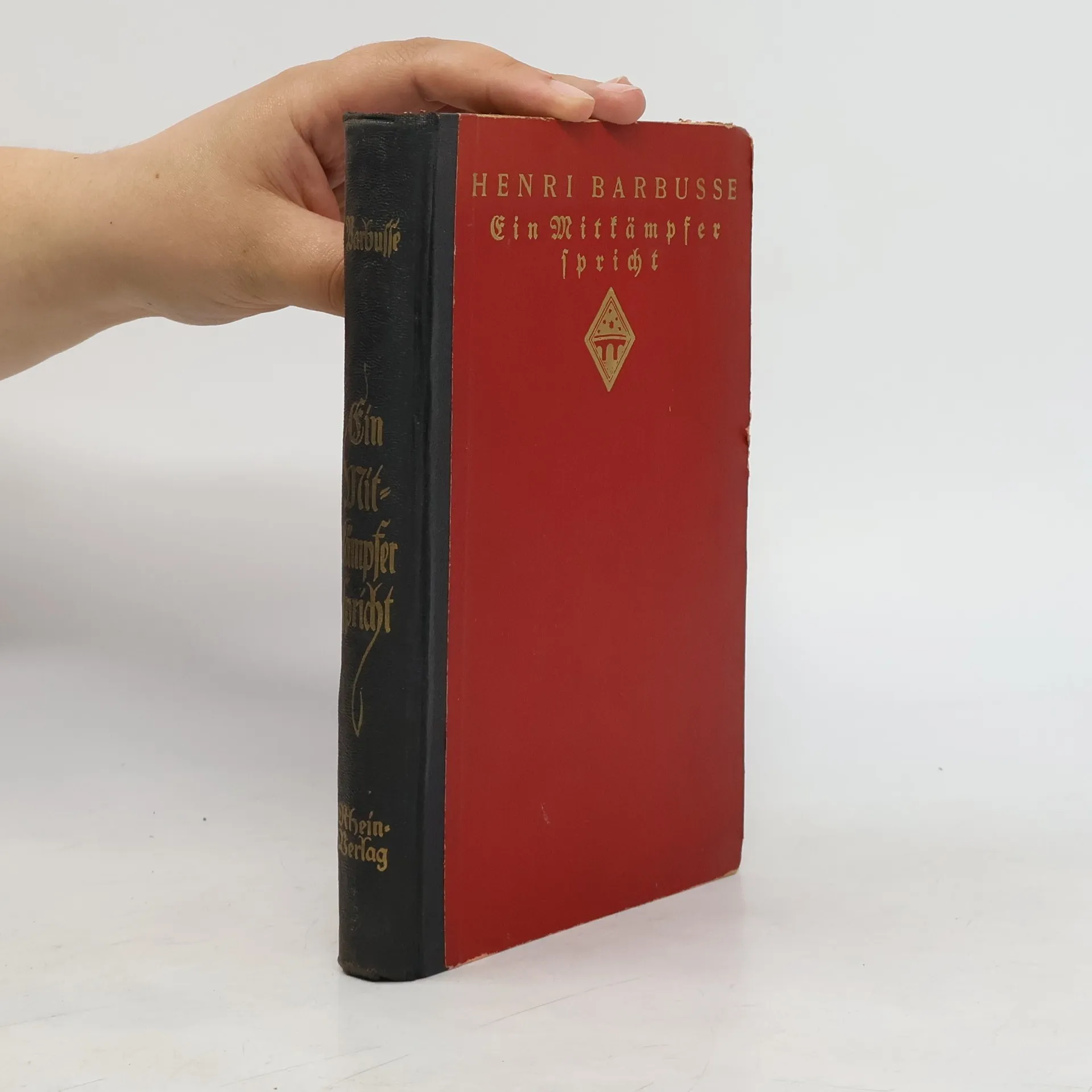
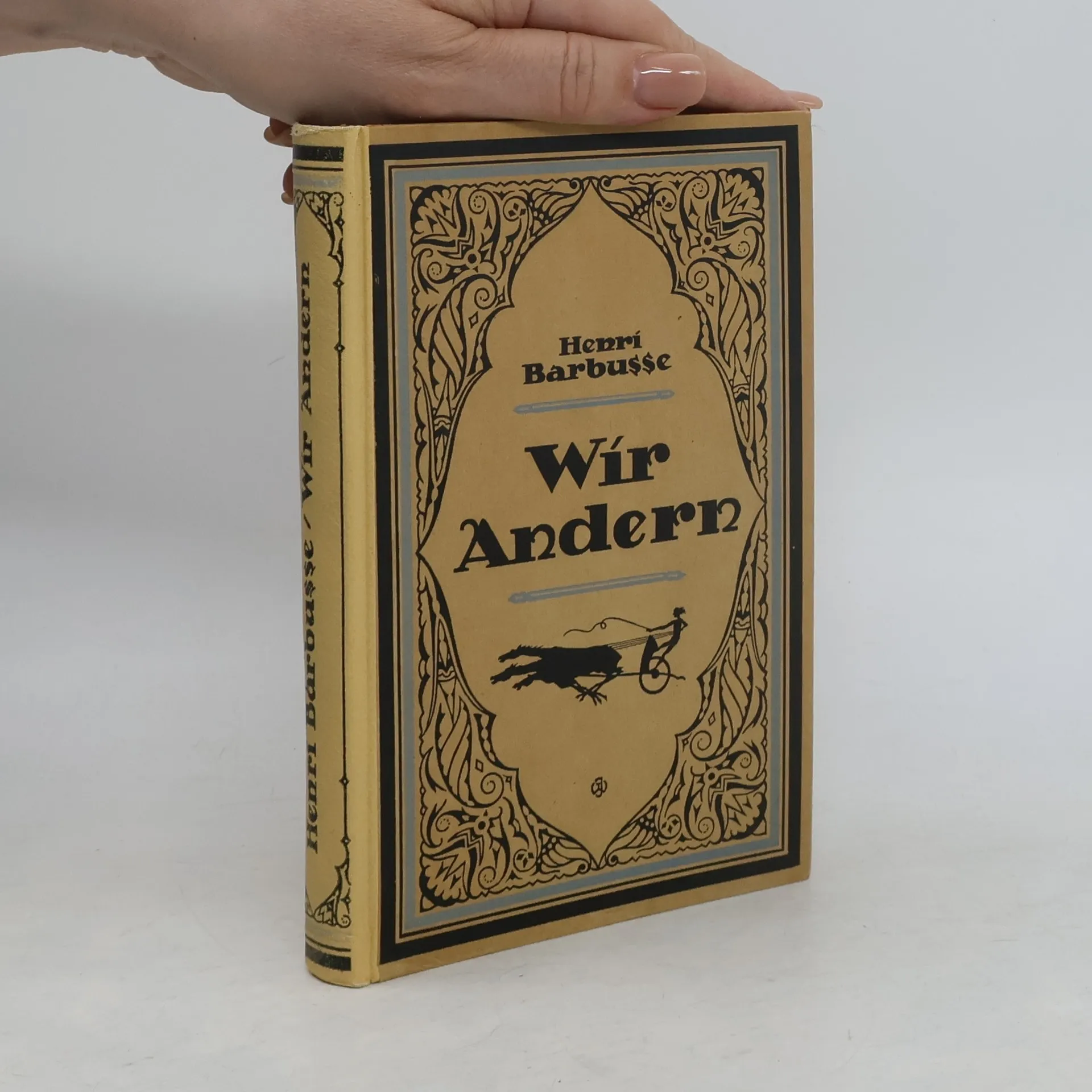
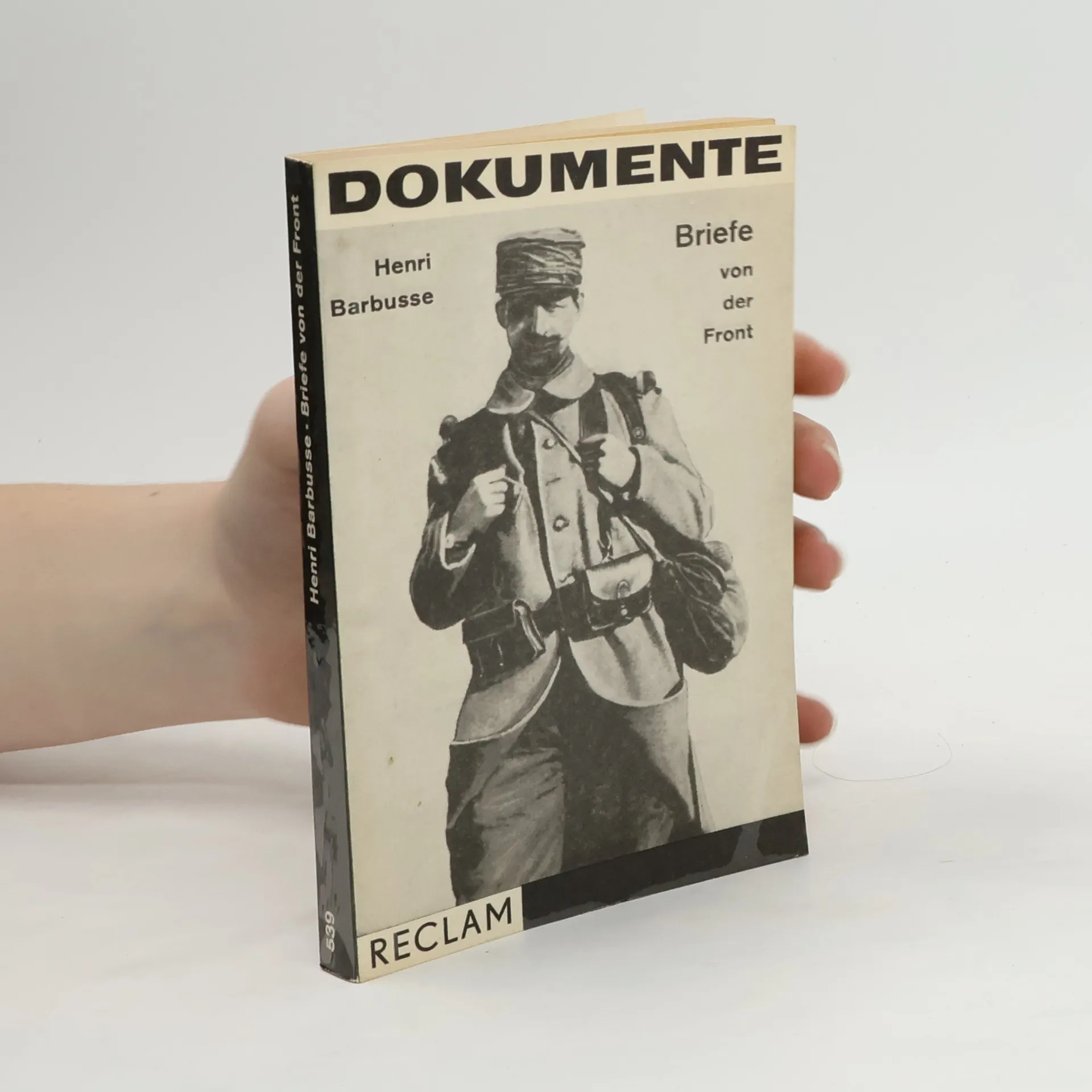
Briefe von der Front
- 357pages
- 13 heures de lecture
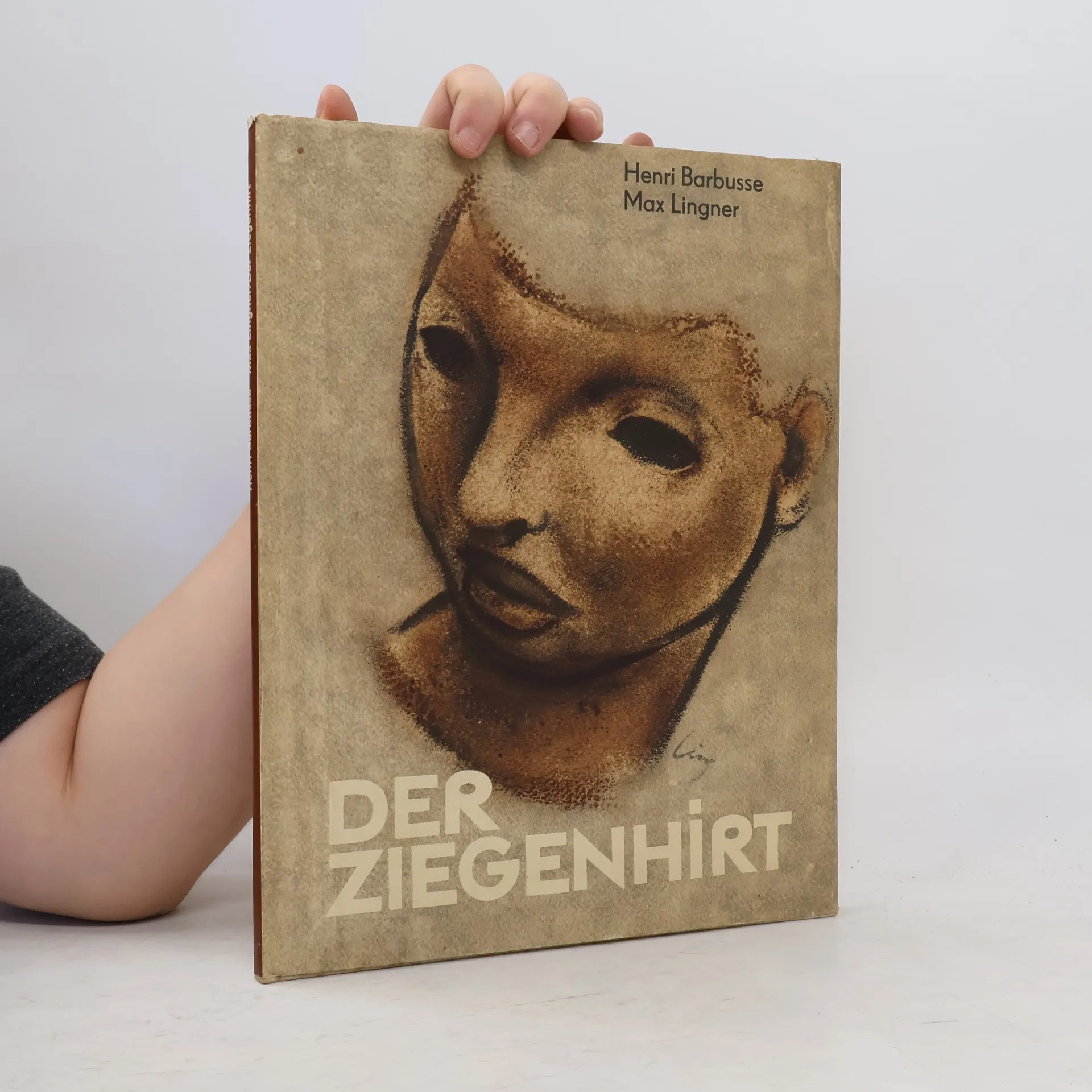
Devatenáct povídek "proslulého spisovatele a obdivuhodného apoštola míru", který v protiválečném románu Oheň dosáhl vrcholu své tvorby. Proti válce a násilí jsou zaměřeny a pokrok probojovávají i jeho povídky, "pravdivé příběhy", jež jsou z valné části bezprostřední a výmluvnou reakcí na skutečné události.
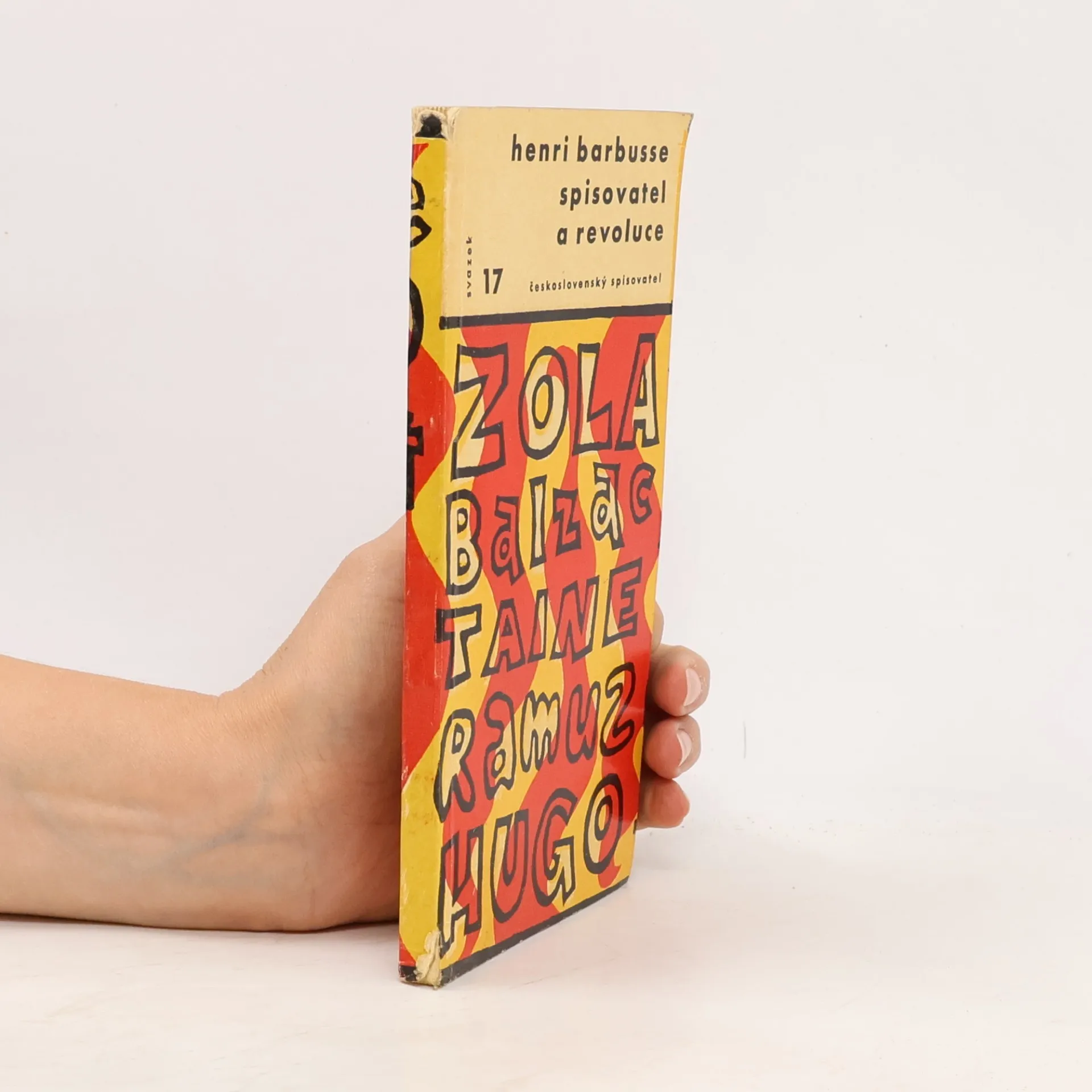
Výběr z literárně kritických statí francouzského pokrokového spisovatele, známého hlavně svým protiválečným románem "Oheň". Do výboru, který obsahuje jeho stati z let 1899 až 1931 jsou zahrnuty medailóny francouzských spisovatelů i mnoho článků z čas. L’Humanité, bojovně zaměřených proti úpadkovým zjevům a rysům francouzské literatury, úvah o poslání, zaměření a problematice proletářské literatury i o vztahu spisovatele k revoluci.
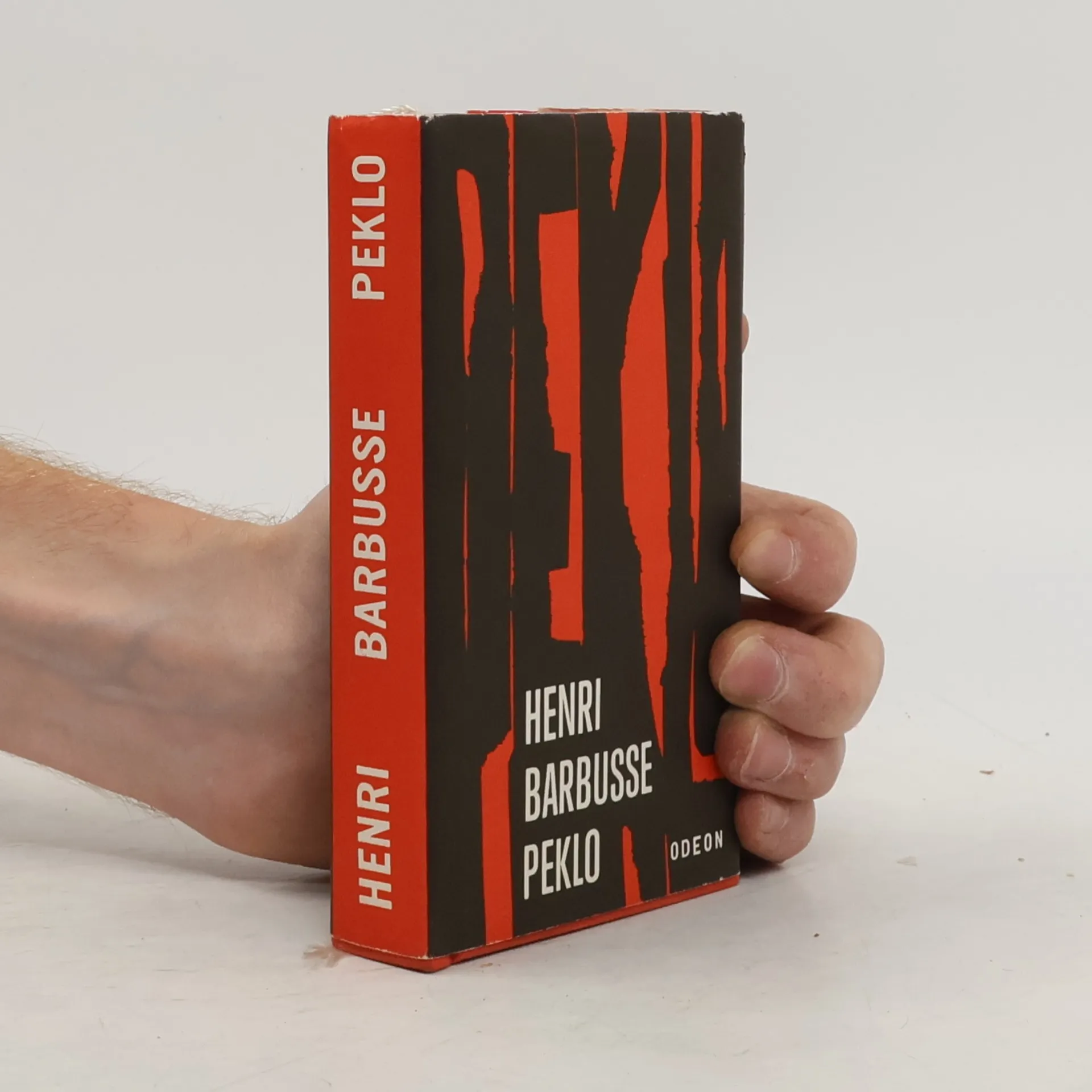
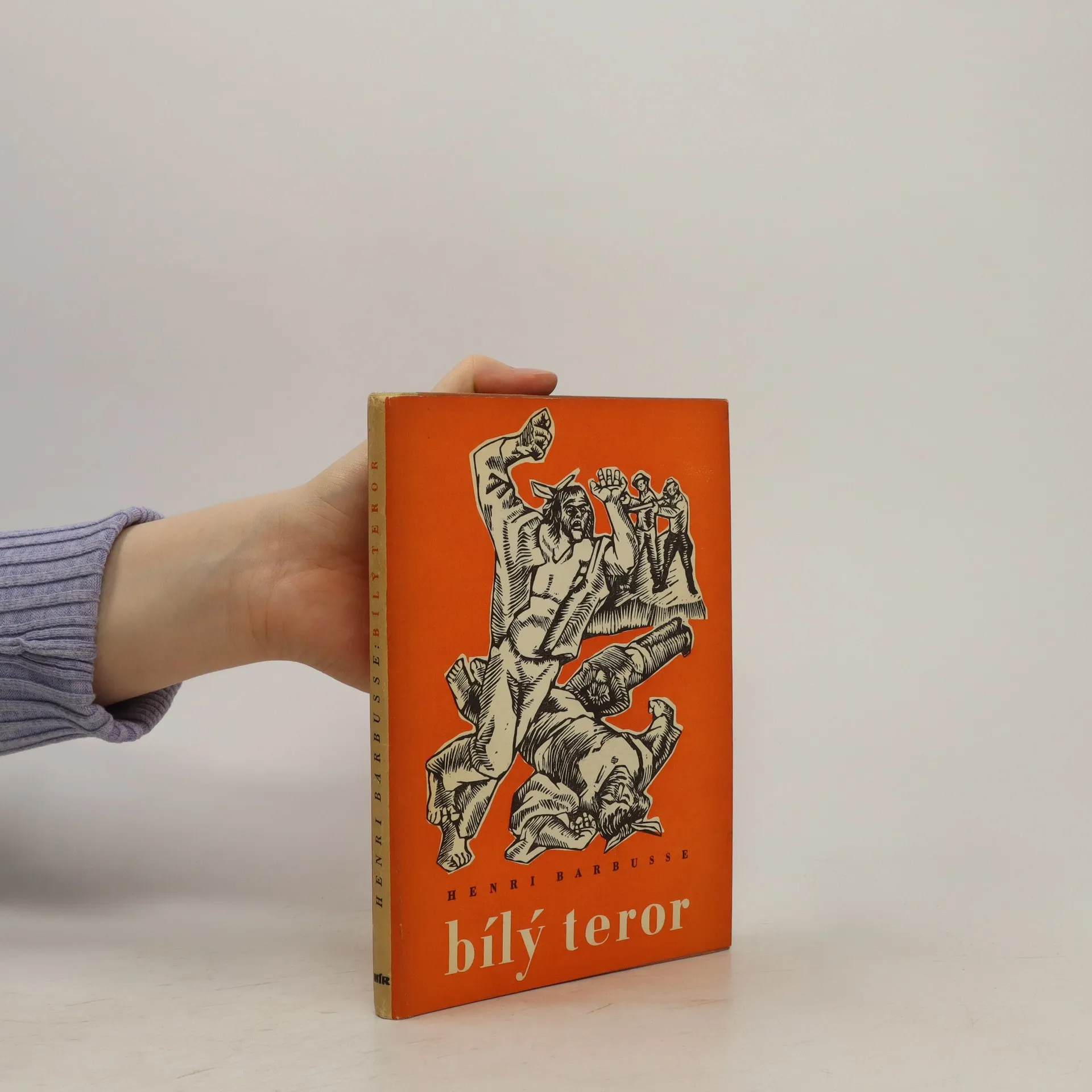
V jedné ze svých prvních knih zachycuje francouzský spisovatel, ovlivněný v té době Zolovským naturalismem i stylem diametrálně odlišným - symbolismem, lidský život ve všech jeho fázích a zlomech. Za neúprosným až krutým sledováním lidí v jejich bezprostředních projevech se skrývá vůdčí motiv Pekla, otázka po smyslu lidského bytí. Vydavatel: Odeon - Praha, 1969.
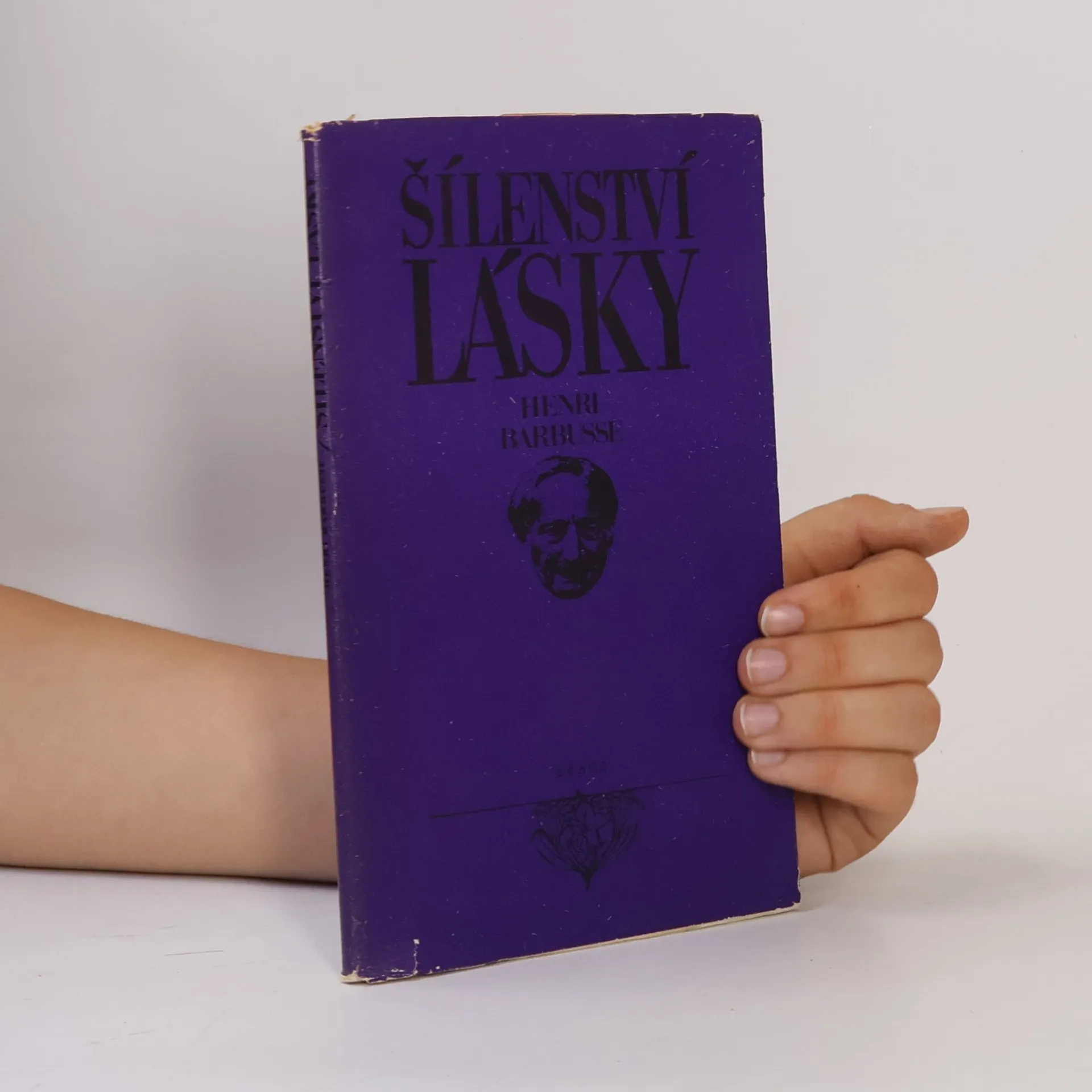
Podtitul: Výbor z rané povídkové tvorby Patnáct povídek na téma lásky a vzájemných vztahů muže a ženy.
Výbor z povídkové tvorby francouzského prozaika a žurnalisty.
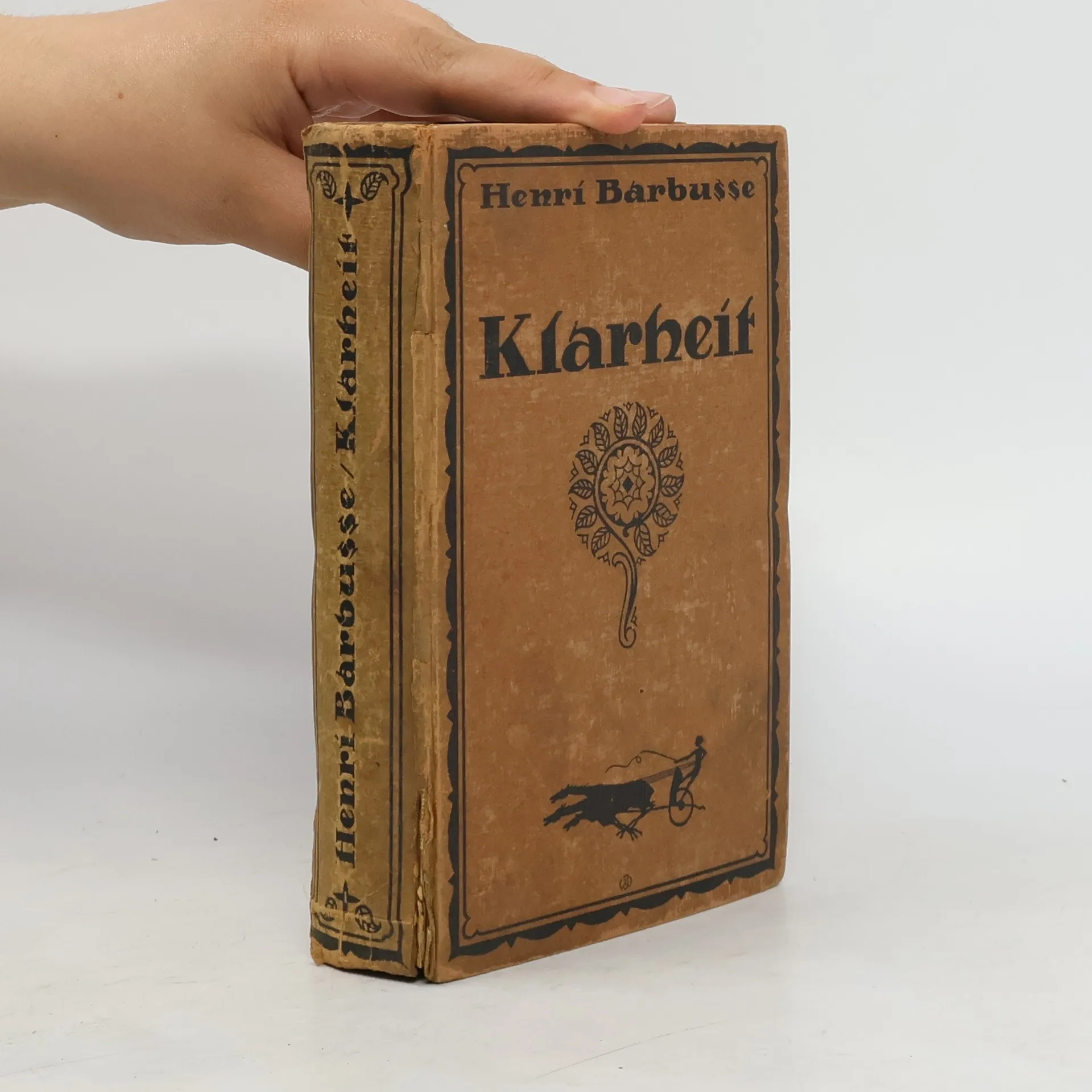
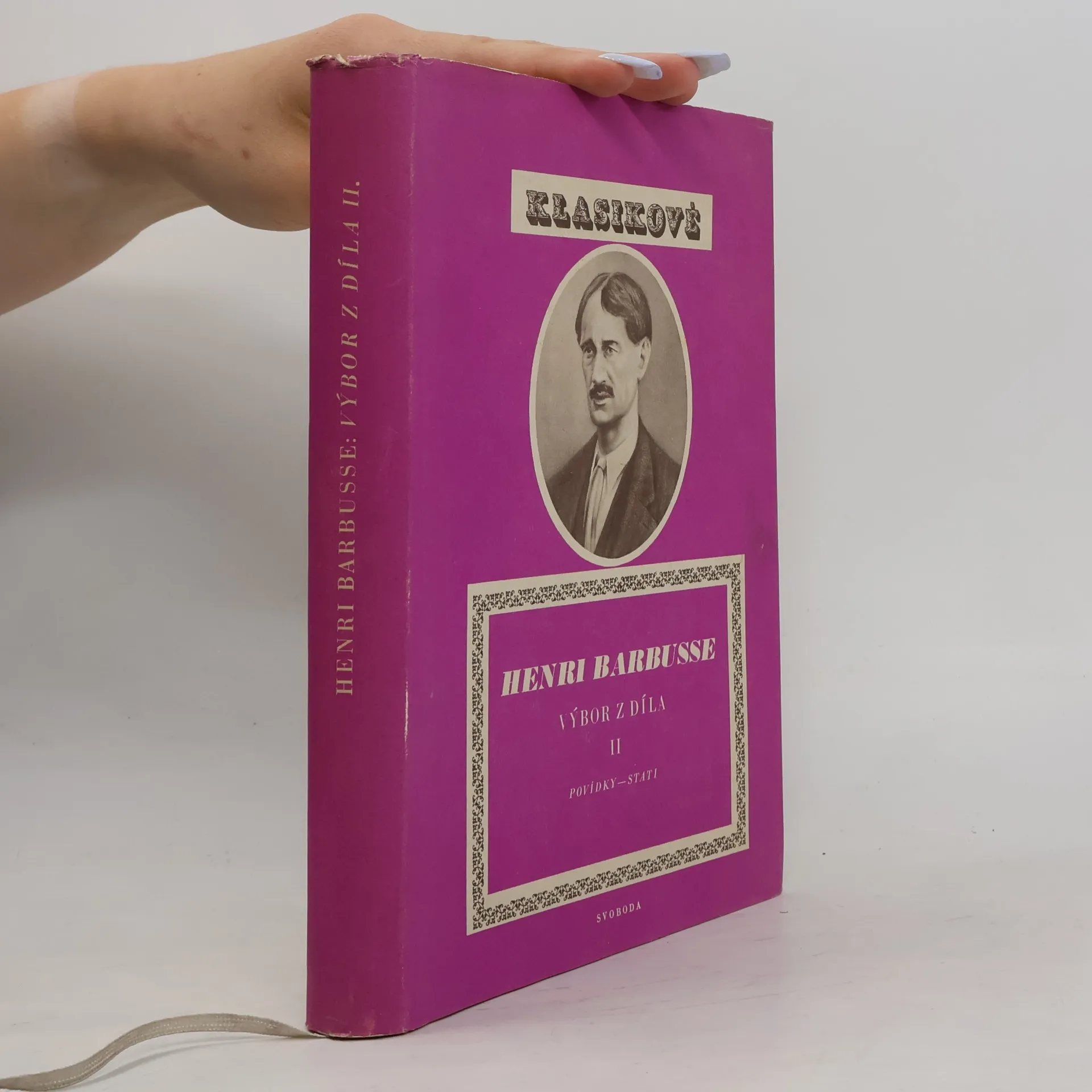
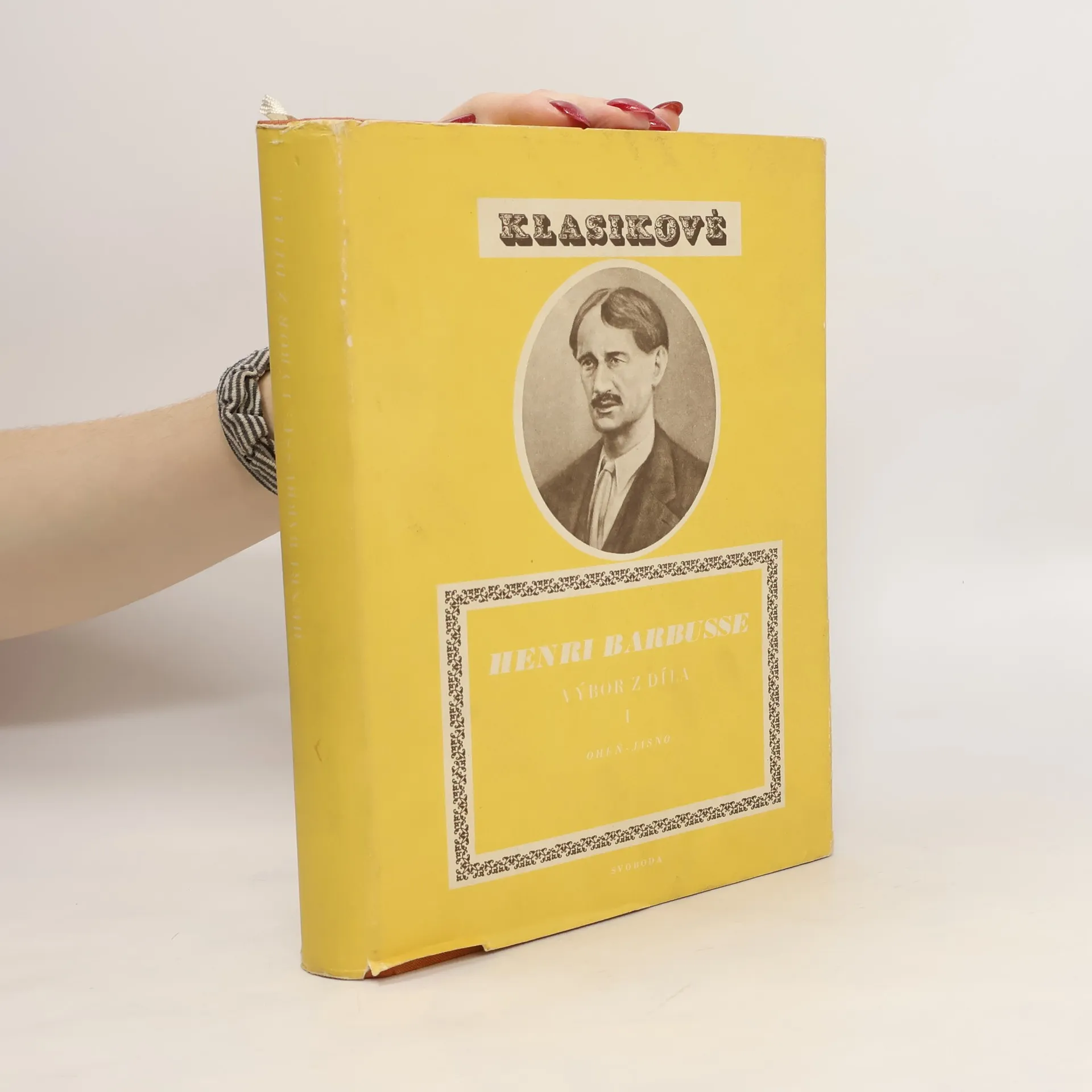
Henri Barbusse, významný francouzský spisovatel, se ve svém díle zaměřuje na hluboké lidské prožitky a psychologii jednotlivce v kontextu války a společnosti. V prvním svazku se nachází román "Oheň", který zachycuje hrůzy a absurditu první světové války z pohledu vojáků na frontě. Barbusse zde zkoumá témata bratrství, utrpení a smyslu existence v extrémních podmínkách. Druhý svazek obsahuje "Jasno", soubor povídek a esejí, které reflektují autorovy názory na lidskou existenci, morálku a sociální spravedlnost. V těchto textech se objevují klíčové postavy, které procházejí osobními krizemi a hledají smysl v chaosu kolem sebe. Barbusseho styl je charakterizován realistickým ztvárněním postav a situací, což čtenářům umožňuje hlubší porozumění psychologickým aspektům lidského chování. Celkově dílo nabízí komplexní pohled na lidskou zkušenost v kontextu historických událostí a etických dilemat.