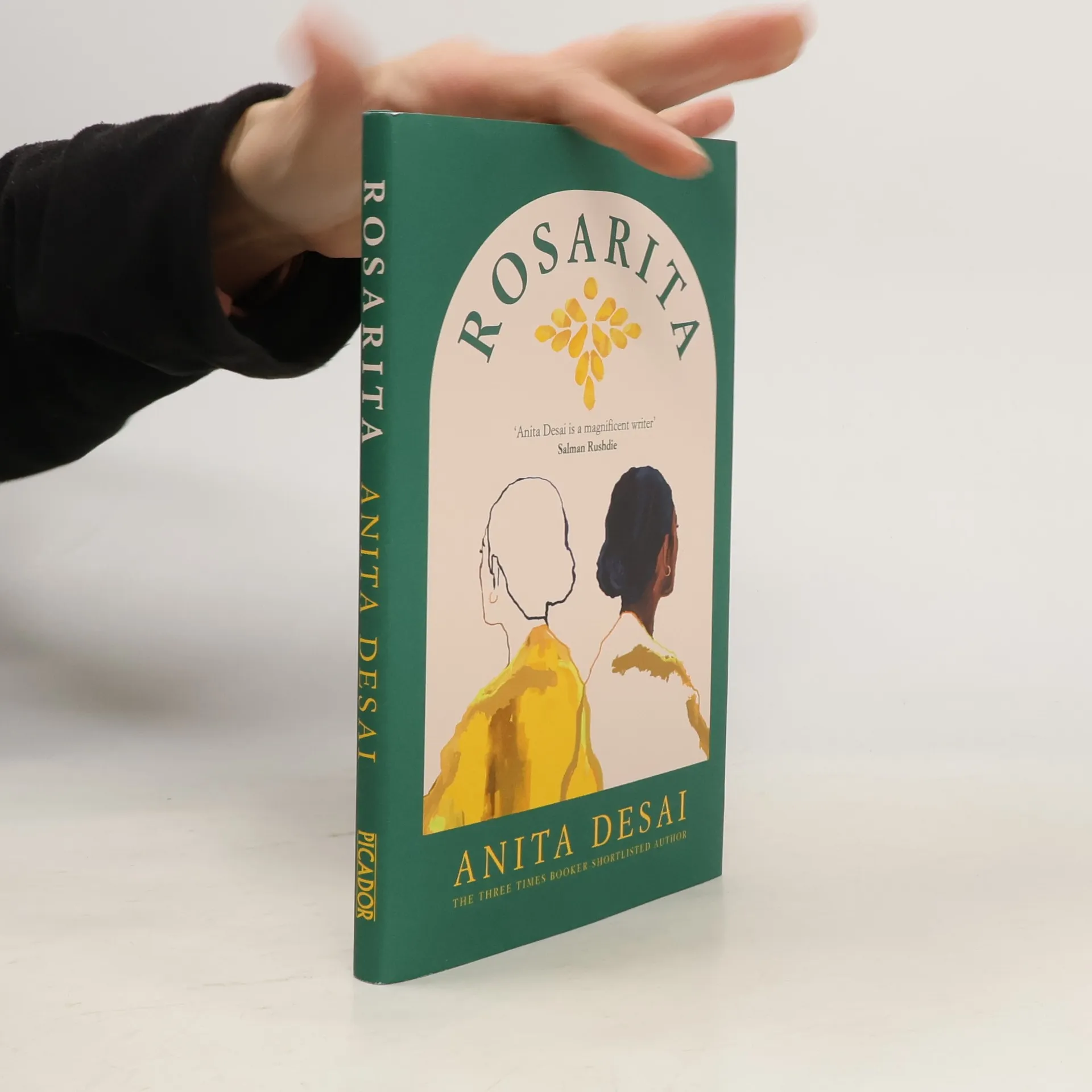
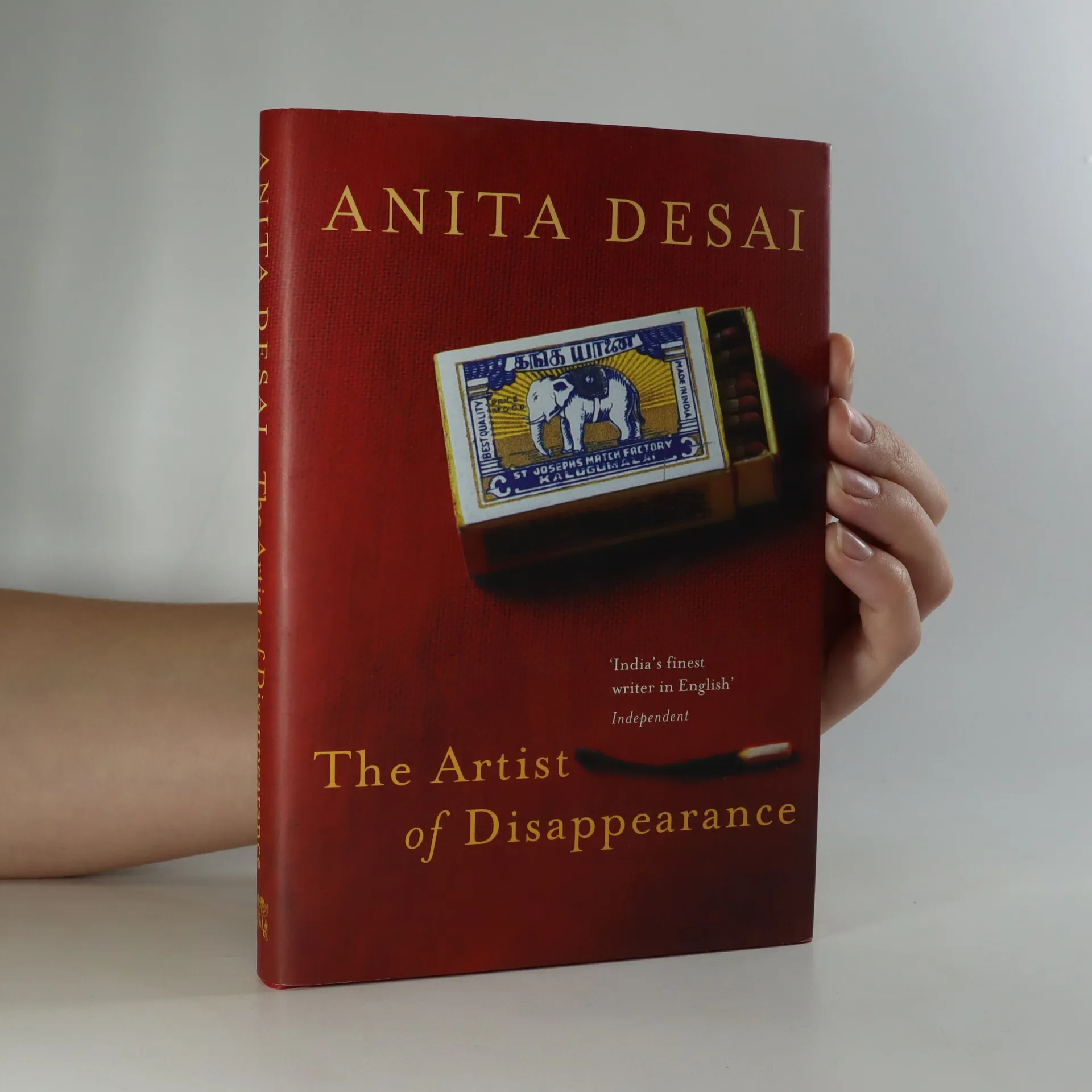
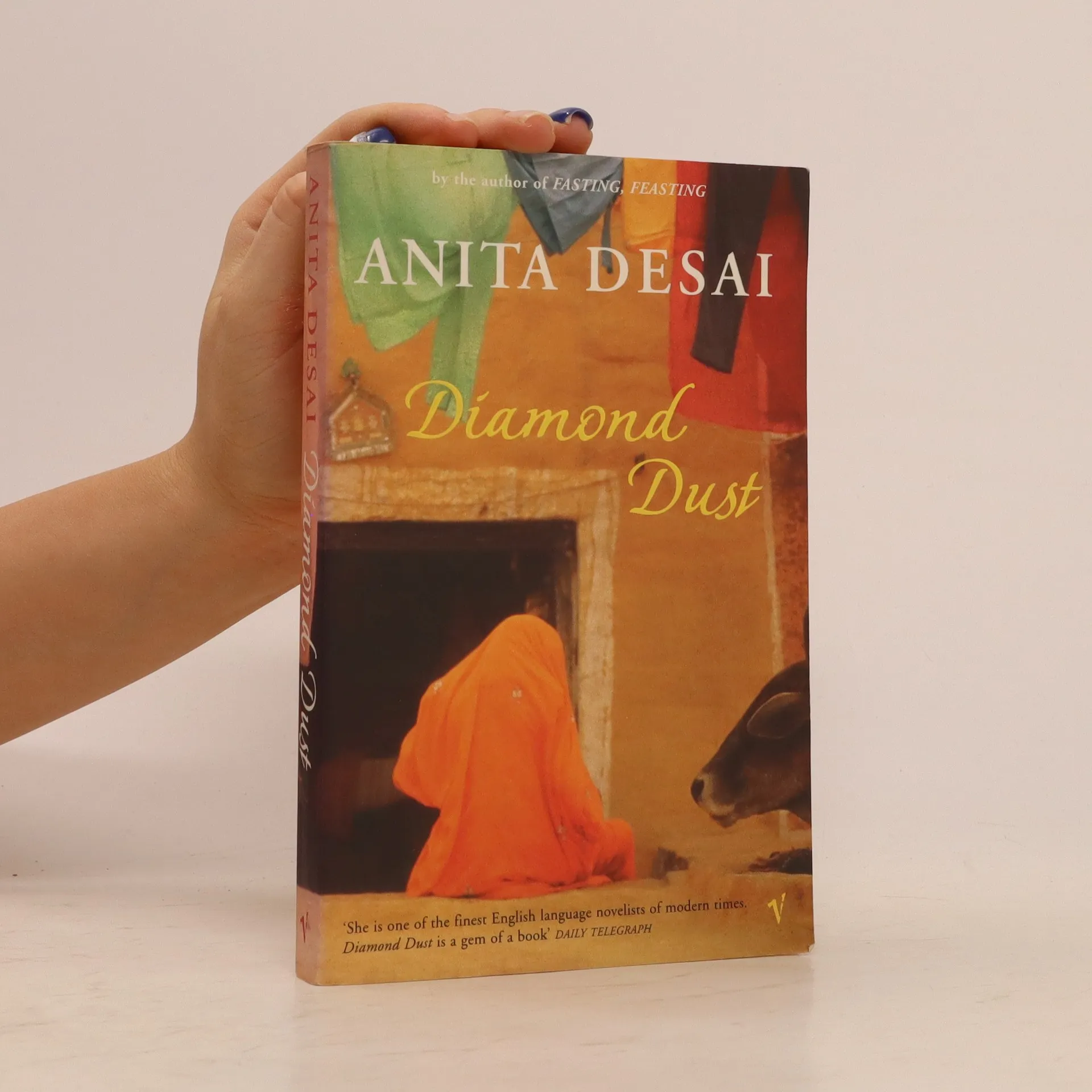
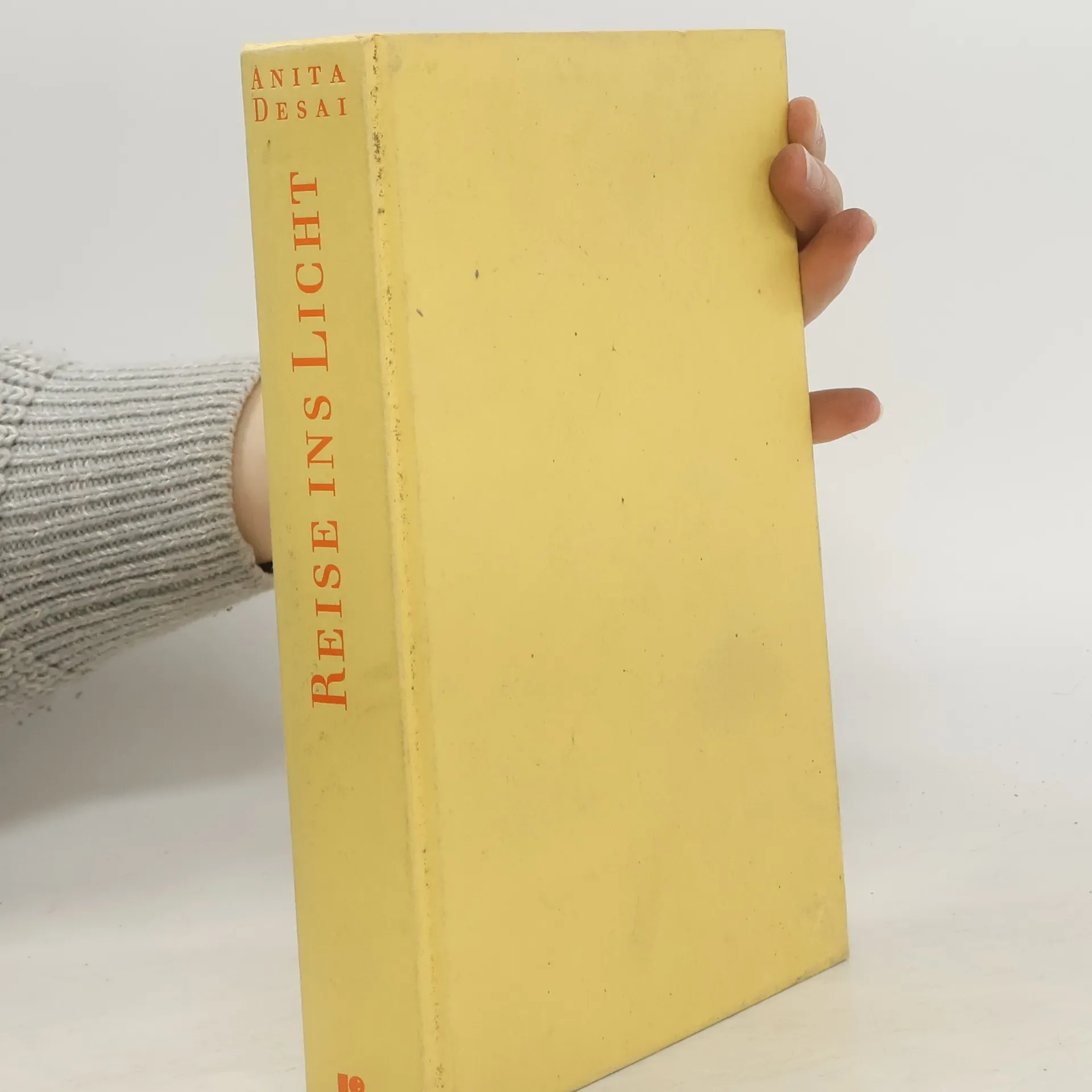
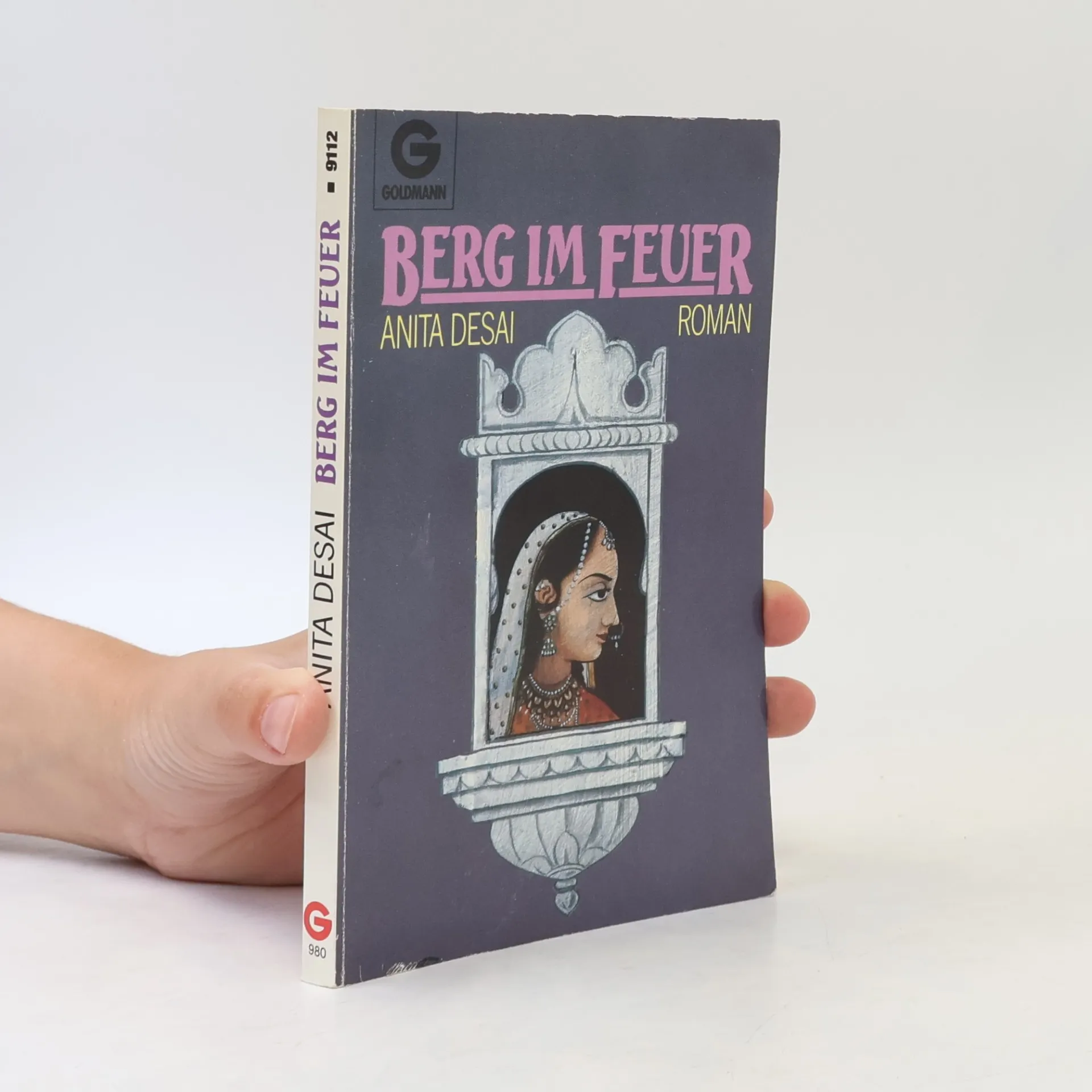
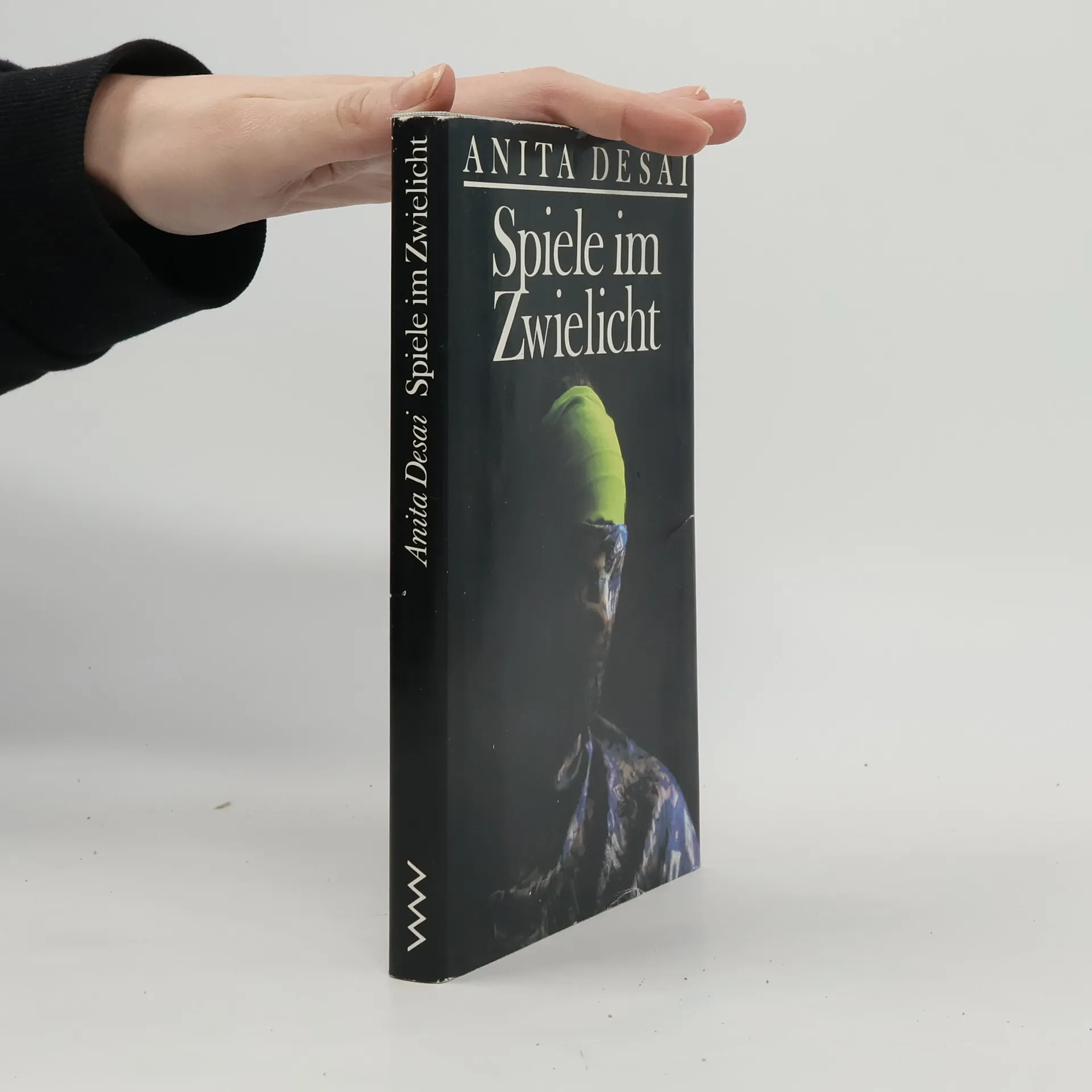
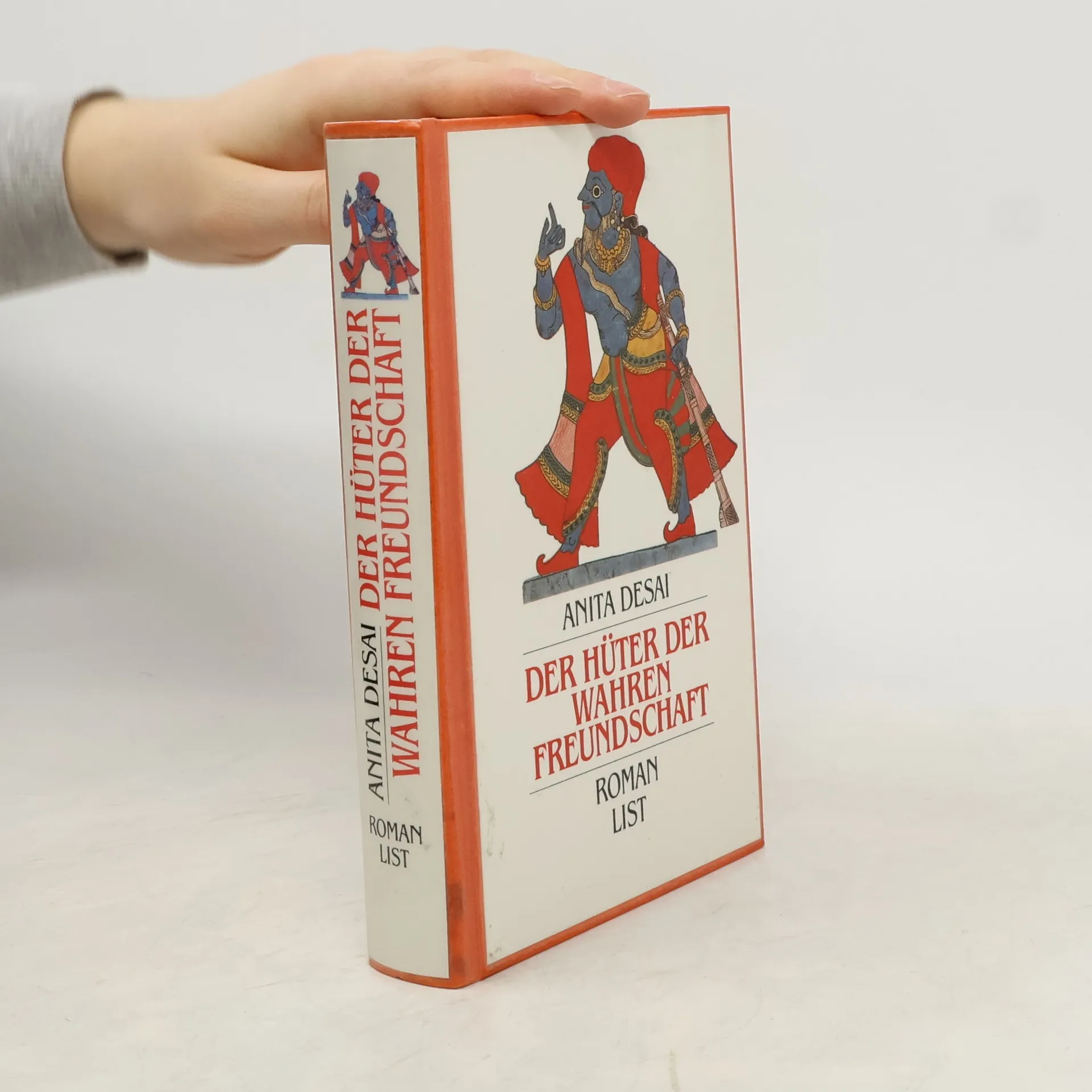
Rosarita
- 96pages
- 4 heures de lecture
From three times Booker-shortlisted writer Anita Desai, Rosarita is an exquisite story of art, memory and what happens when the past threatens to re- write the present.


Anita Desai est une romancière indienne célébrée dont les œuvres plongent dans le paysage psychologique de l'expérience humaine. Sa prose se caractérise par une observation délicate et un aperçu perspicace des émotions et de la vie intérieure de ses personnages. Desai explore magistralement les thèmes de l'aliénation, de la recherche d'identité et des relations complexes qui façonnent nos vies. Son style, à la fois poétique et pénétrant, offre aux lecteurs un voyage littéraire profondément résonnant et stimulant.


From three times Booker-shortlisted writer Anita Desai, Rosarita is an exquisite story of art, memory and what happens when the past threatens to re- write the present.
Features such novellas as "The Museum of Final Journeys" and "Translator, Translated". In "The Museum of Final Journeys", an unnamed government official is called upon to inspect a faded mansion of forgotten treasures, each sent home by the absent, itinerant master. As he is taken through the estate, he reaches the final - greatest - gift of all.
A Cultural and Literary History
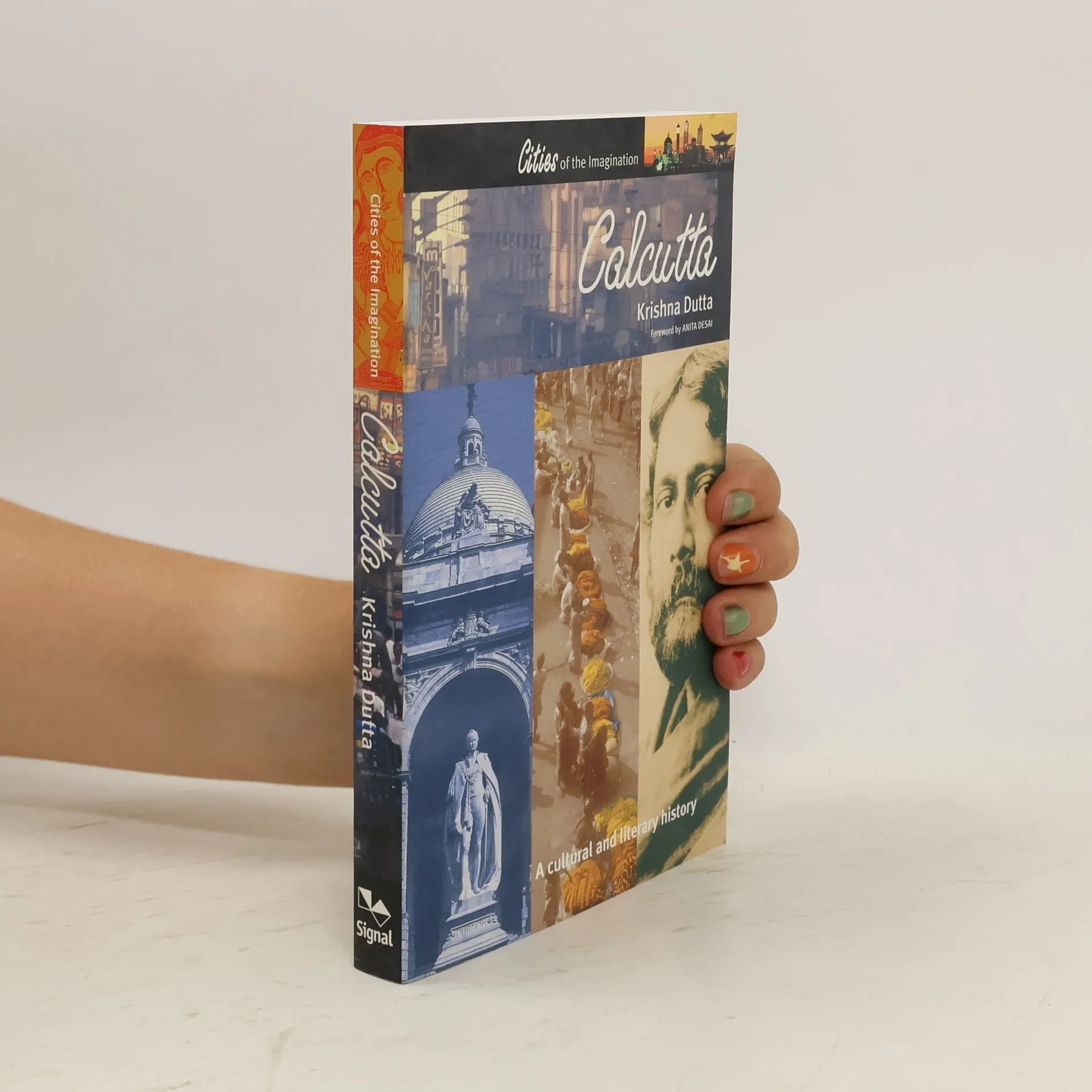
In the popular imagination, Calcutta is a packed and pestilential sprawl, made notorious by the Black Hole and the works of Mother Teresa. Kipling called it a City of Dreadful Night, and a century later V.S. Naipaul, Gunter Grass and Louis Malle revived its hellish image. This is the place where the West first truly encountered the East. Founded in the 1690s by East India Company merchants beside the Hugli River, Calcutta grew into India's capital during the Raj and the second city of the British Empire. Named the City of Palaces for its neoclassical mansions, Calcutta was the city of Clive, Hastings, Macaulay and Curzon. It was also home to extraordinary Bengalis such as Rabindranath Tagore, the first Asian Nobel laureate, and Satyajit Ray, among the geniuses of world cinema. Above all, Calcutta (renamed Kolkata in 2001) is a city of extremes, where exquisite refinement rubs shoulders with coarse commercialism and political violence. Krishna Dutta explores these multiple paradoxes, giving personal insight into Calcutta's unique history and modern identity as reflected in its architecture, literature, cinema and music. CITY OF ARTISTS: Modern India's cultural capital; home city of
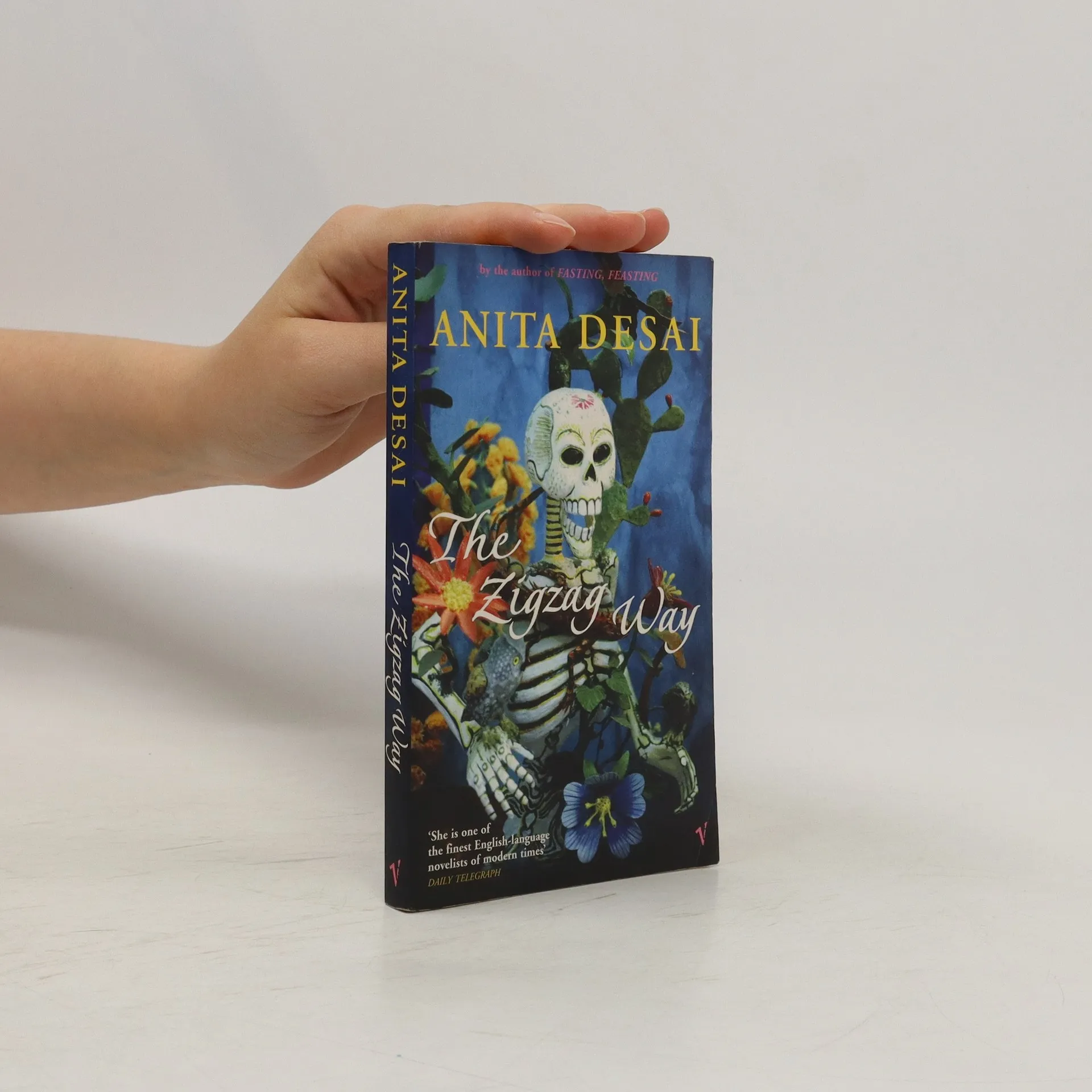
Eric is an uncertain, awkward young man, a would-be writer, and a traveller in spite of himself. Happy to follow his more confident girlfriend to Mexico, he is overwhelmed with sensory overload, but gradually seduced - by the strangeness, the colour, the mysteries of an older world. He finds himself on a curious quest for his own family in a 'ghost' mining town, now barely inhabited, where almost a hundred years earlier young Cornish miners worked the rich seams in the earth. On the D-a de los Muertos, the feast day when the locals celebrate and remember their dead, the various strands of the novel come together hauntingly, bringing together past and present in a moment of quiet, powerful epiphany.
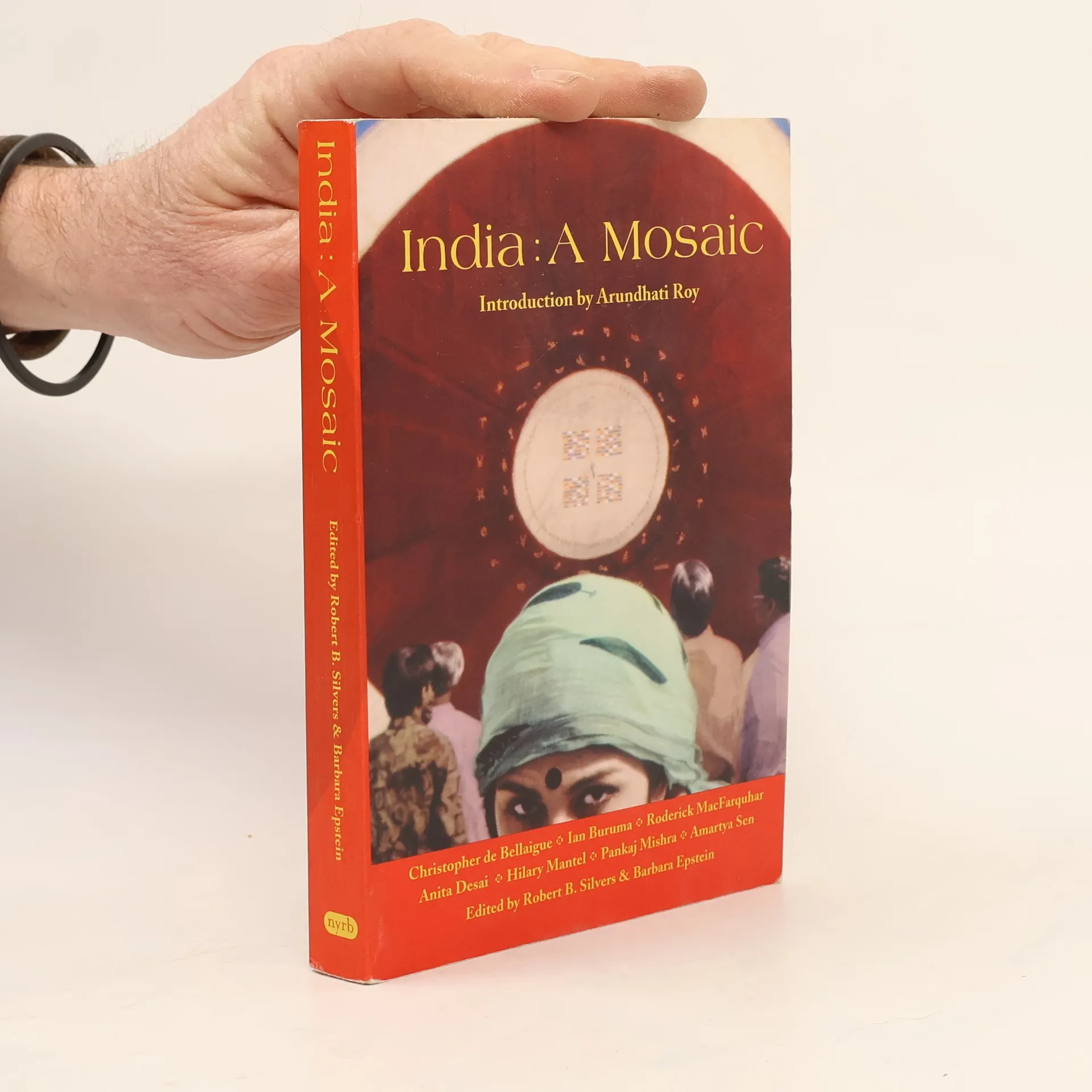
How can we understand India today, fifty years after Independence and only months after its nuclear tests outraged the world? The novelist Arundhati Roy has written, specially for this collection, a fierce denunciation of the Indian nuclear program, which serves as an introduction to nine essays on India, all originally published in The New York Review of Books . In this volume, seven distinguished writers offer penetrating insights into the complexities of the subcontinent. Roderick MacFarquhar reflects on the legacy of Empire and Partition, Ian Buruma considers secularism and Indian democracy, Pankaj Mishra remembers life in Benares, and Christopher de Bellaigue writes on a violent Bombay. But the volatile intersections of history, politics, and culture on which they focus haunt Indian literature too, as shown in essays by Nobel Prize-winner Amartya Sen on Rabindranath Tagore, Hilary Mantel on Rohinton Mistry, and Anita Desai on Indian women's writing.
This is a collection of stories where the protagonists set out on journeys and find themselves suddenly beyond the pale, or back where they started from. A beloved dog brings chaos, and a businessman sees his own death.
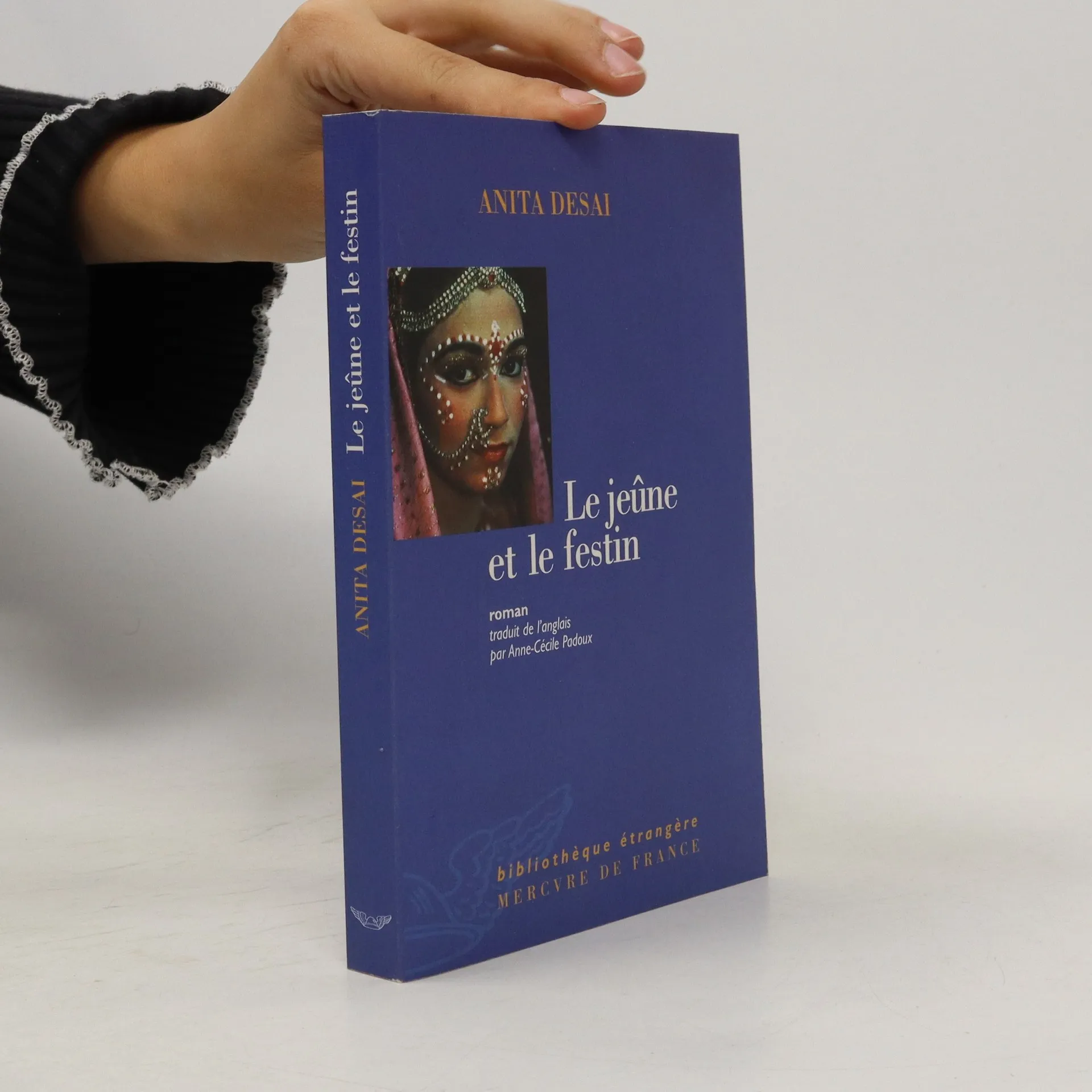
" Elles se retrouvaient parfois dans d'autres villes, à des mariages familiaux auxquels accouraient les parents des quatre coins du pays, ravies d'exhiber leurs saris et leurs bijoux les plus somptueux... On aurait dit que leurs mères avaient soigné toutes ces jeunes filles comme des fleurs en pot jusqu'au moment où leurs joues seraient assez pleines, leurs lèvres assez brillantes ; petits rires et chuchotements aboutissaient à cette grande décision : le mariage. " Mais il s'agit presque toujours d'une union arrangée où l'amour ne joue aucun rôle. Possessive, autoritaire, étouffante, la famille indienne se révèle être ici un univers de violence, de cruauté et d'angoisse. Ravissante et intelligente, Anamika doit accepter le mari qu'on lui impose et qui sera son bourreau. Uma, laide et sotte et donc impossible à marier, est condamnée à devenir la vieille fille au service de tous. Quant à Arun, le fils, le préféré, celui à qui tout est dû, il se heurtera, aux États-Unis où il croyait pouvoir respirer un air de liberté, à d'autres contraintes. Dur, lourd de sensualité inexprimée, Le jeûne et le festin est peut-être le plus beau livre d'Anita Desai.
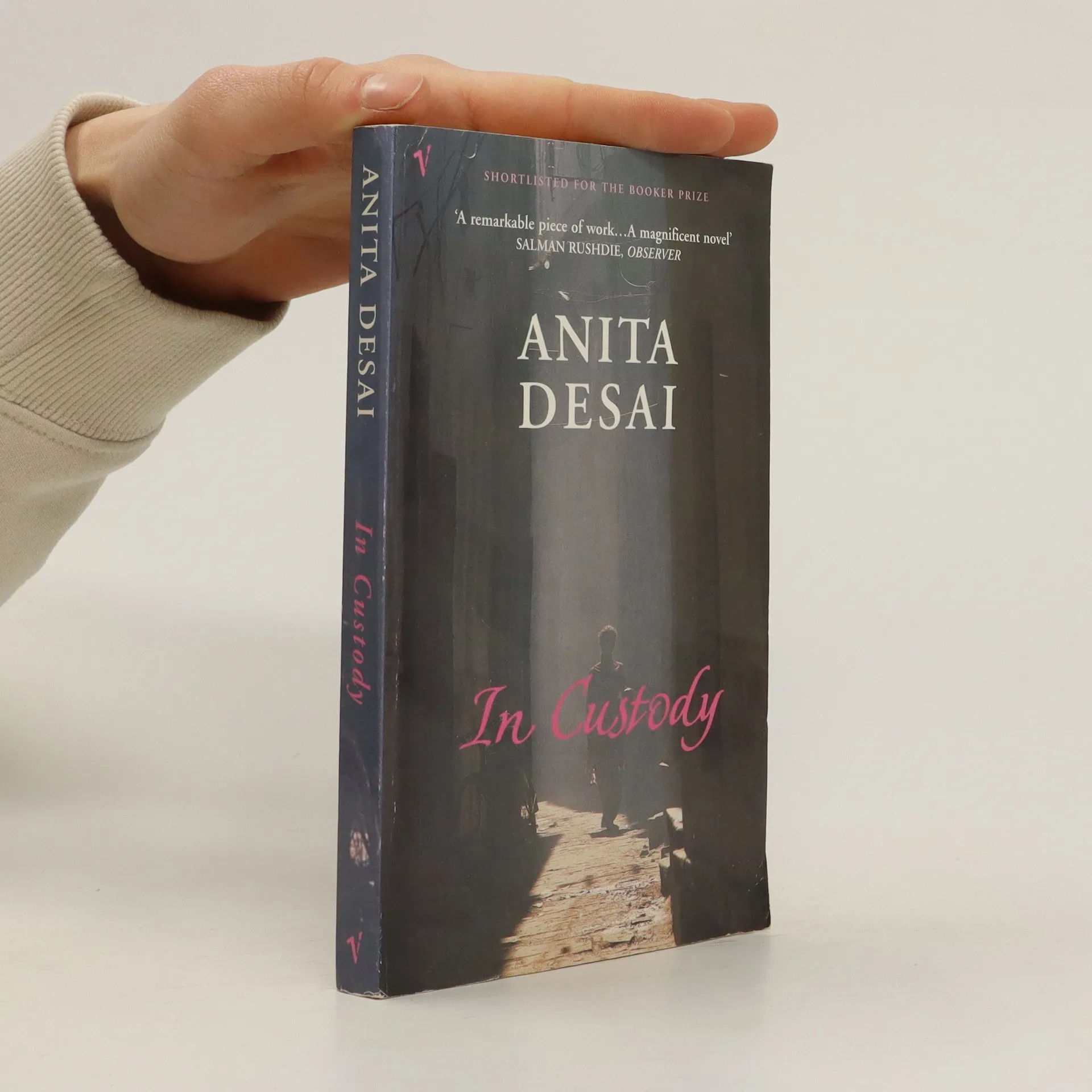
Asked to interview India's greatest poet, Nur, Deven sees a way to escape the miseries of life as a small-town scholar. But the old man he finds deep in the bazaars of Old Delhi bears no resemblance to the idol of his youth. Deven is fooled, bullied and cheated, and drawn into a new captivity.
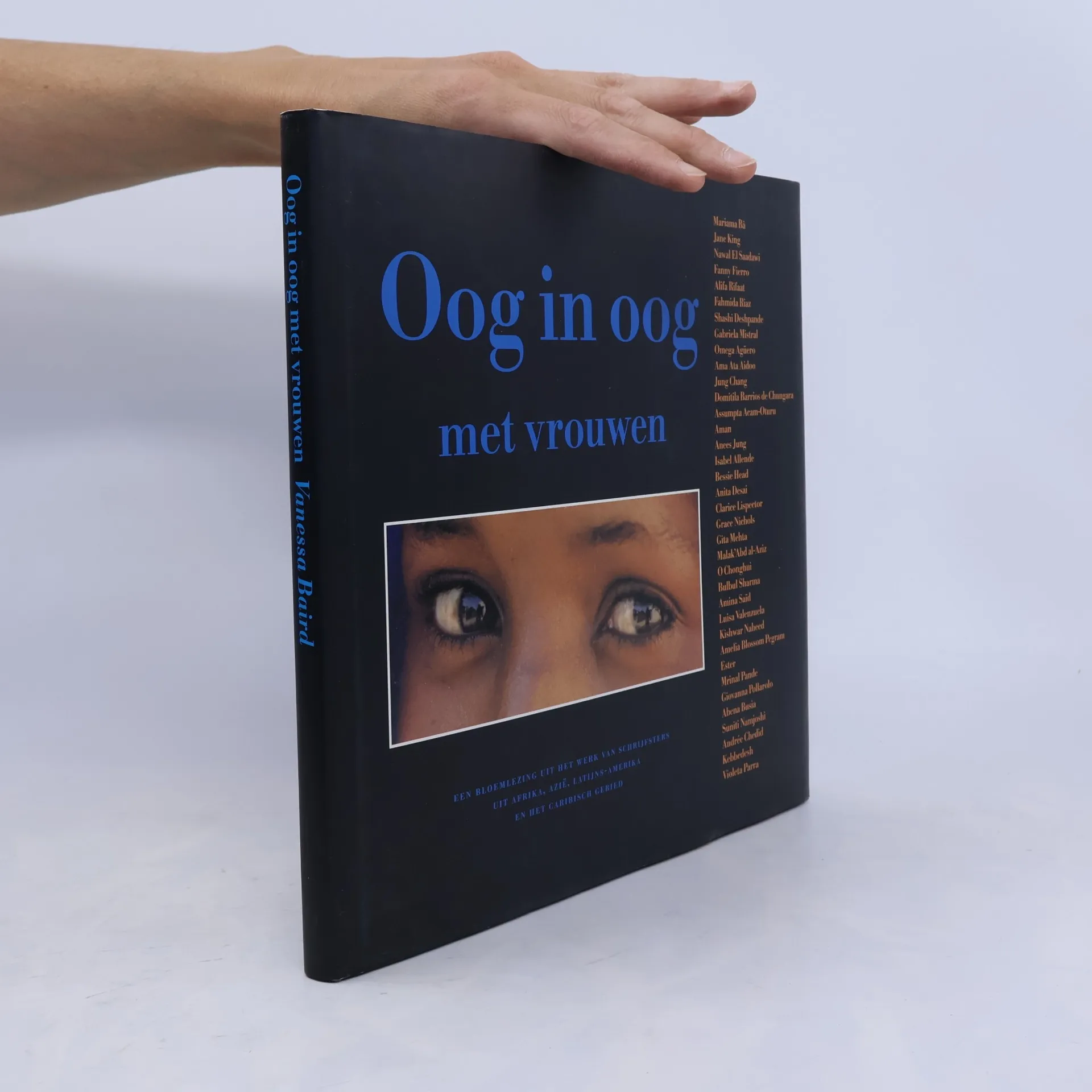
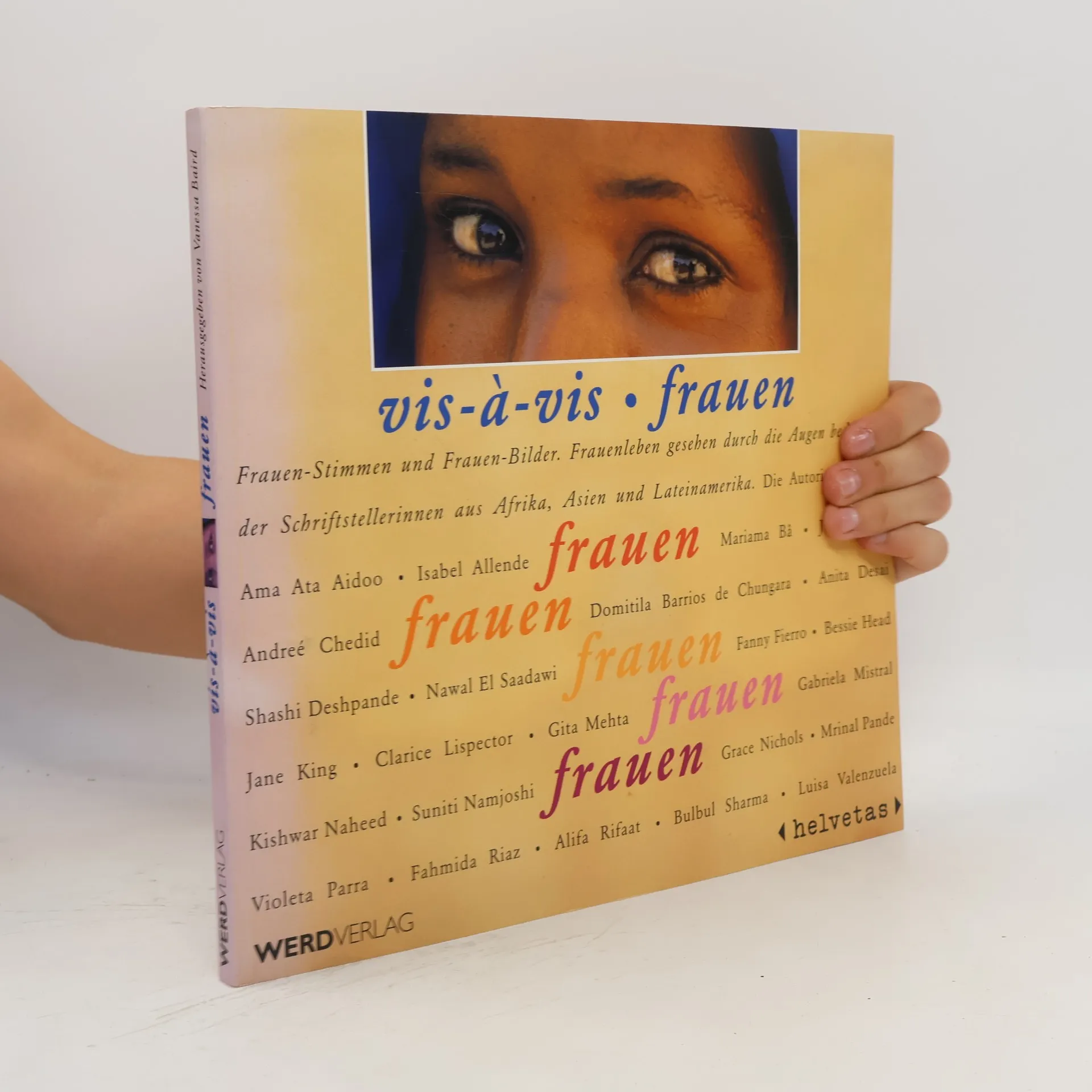
Oog in oog met vrouwen is een bloemlezing uit het prachtige werk van schrijfsters uit Afrika, Azië, Latijns-Amerika en het Caribisch gebied. De fragmenten uit proza en poëzie, die zijn samengebracht onder noemers als Leven en Liefde, Werk en spel en Politiek en maatschappij , worden visueel vertaald en verlevendigd door meer dan veertig kleurenfoto's. Daarmee is dit boek een genoegen om te lezen en tegelijk een lust voor het oog.
Perceptive and humorous, these three stories capture the essence of life in India.
Nouvelles annotées
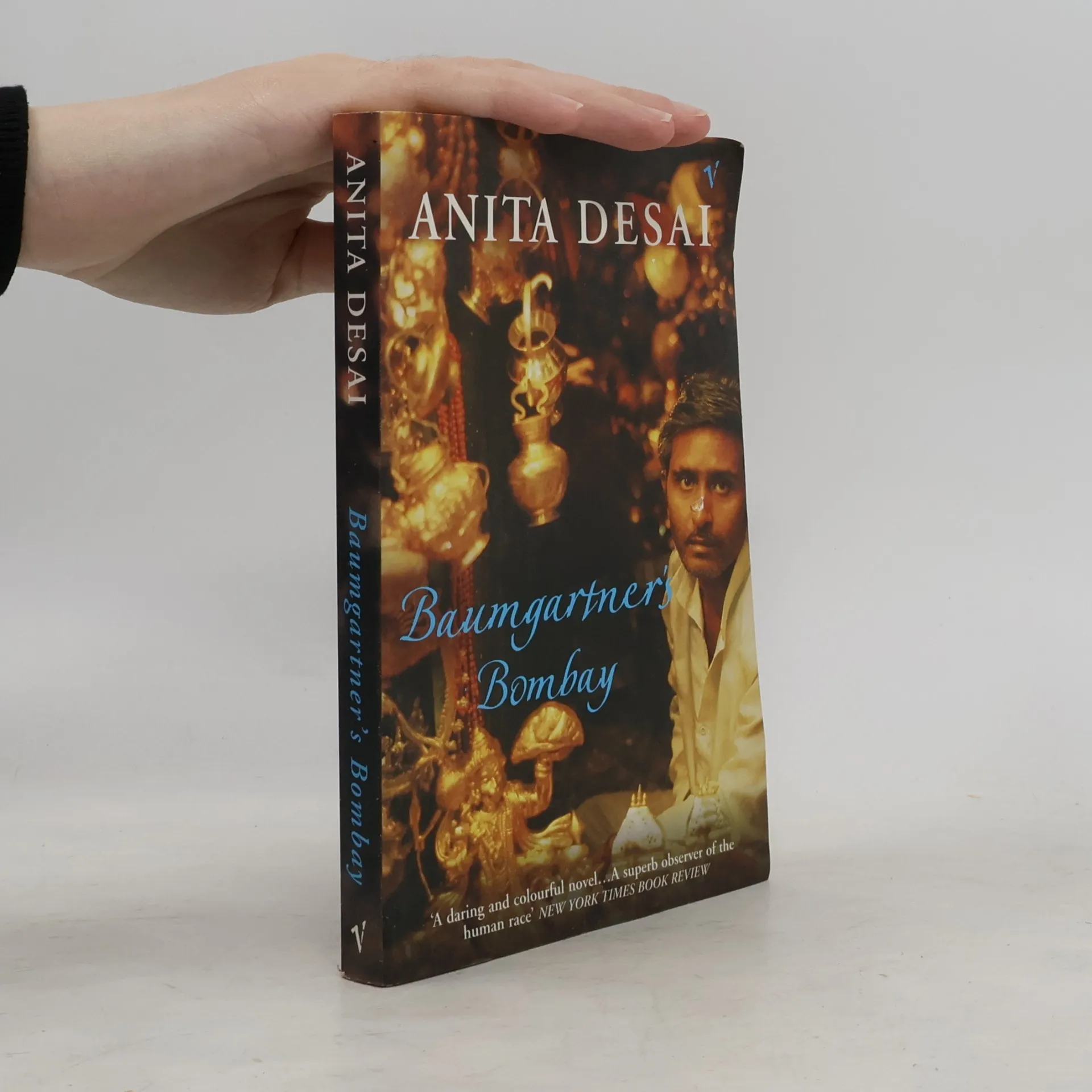
Hugo Baumgartner, the central character of Anita Desai's dazzling novel, is a wandering Jew all his life. From the agonising scenes of his childhood in pre- war Berlin, through his spell in business in Calcutta and then Bombay, he simply does not belong. Too dark for Hitler's society he is too fair for India; he remains a firanghi, a foreigner, wherever he goes' Daily Telegraph 'Anita Desai writes beautifully, employing an opulent vocabulary to great effect in her physical descriptions.The achievement of a superior writer' Literary Review'A book that puts to shame all the little epithets and pert cliches that praise may offer' London Review of Books schovat popis
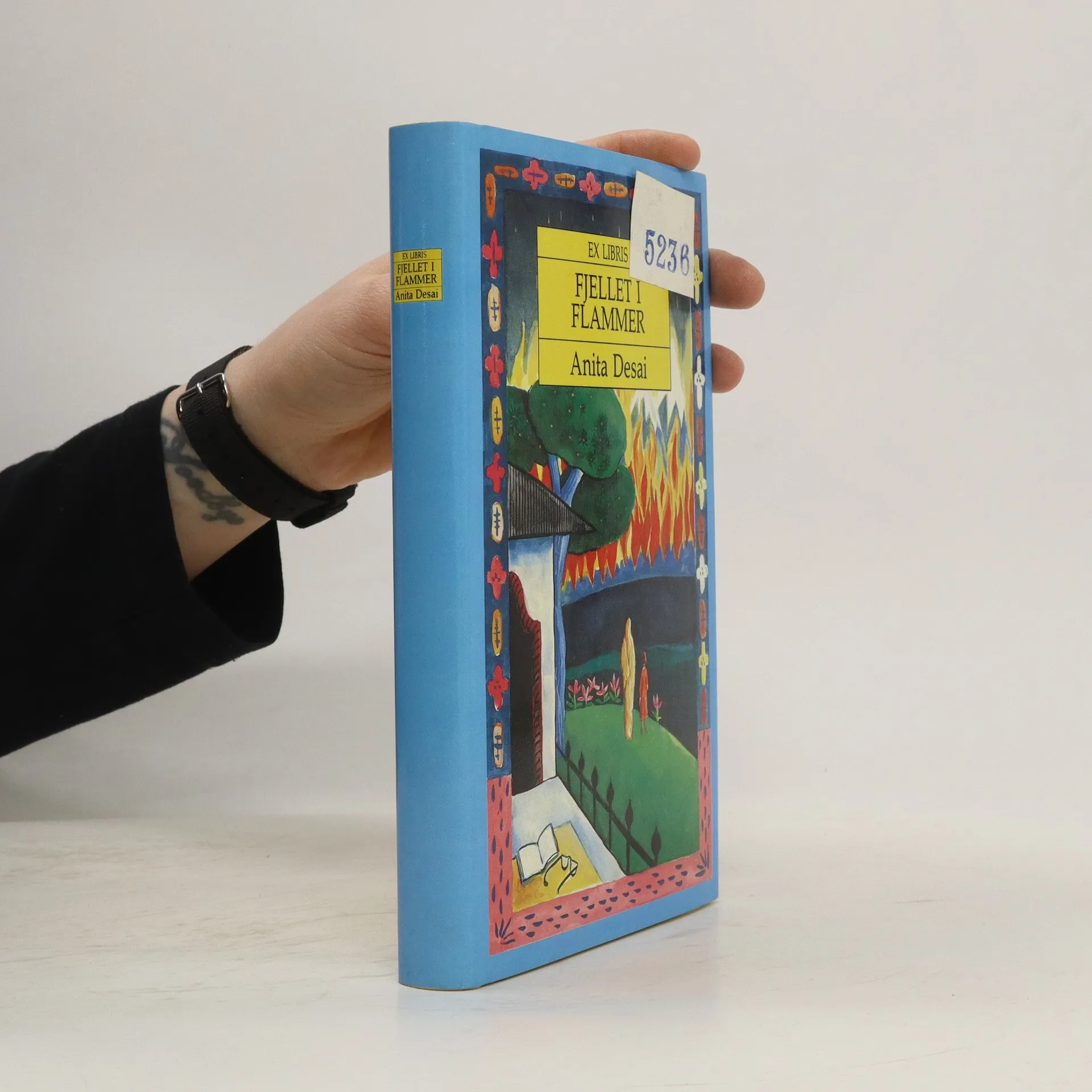
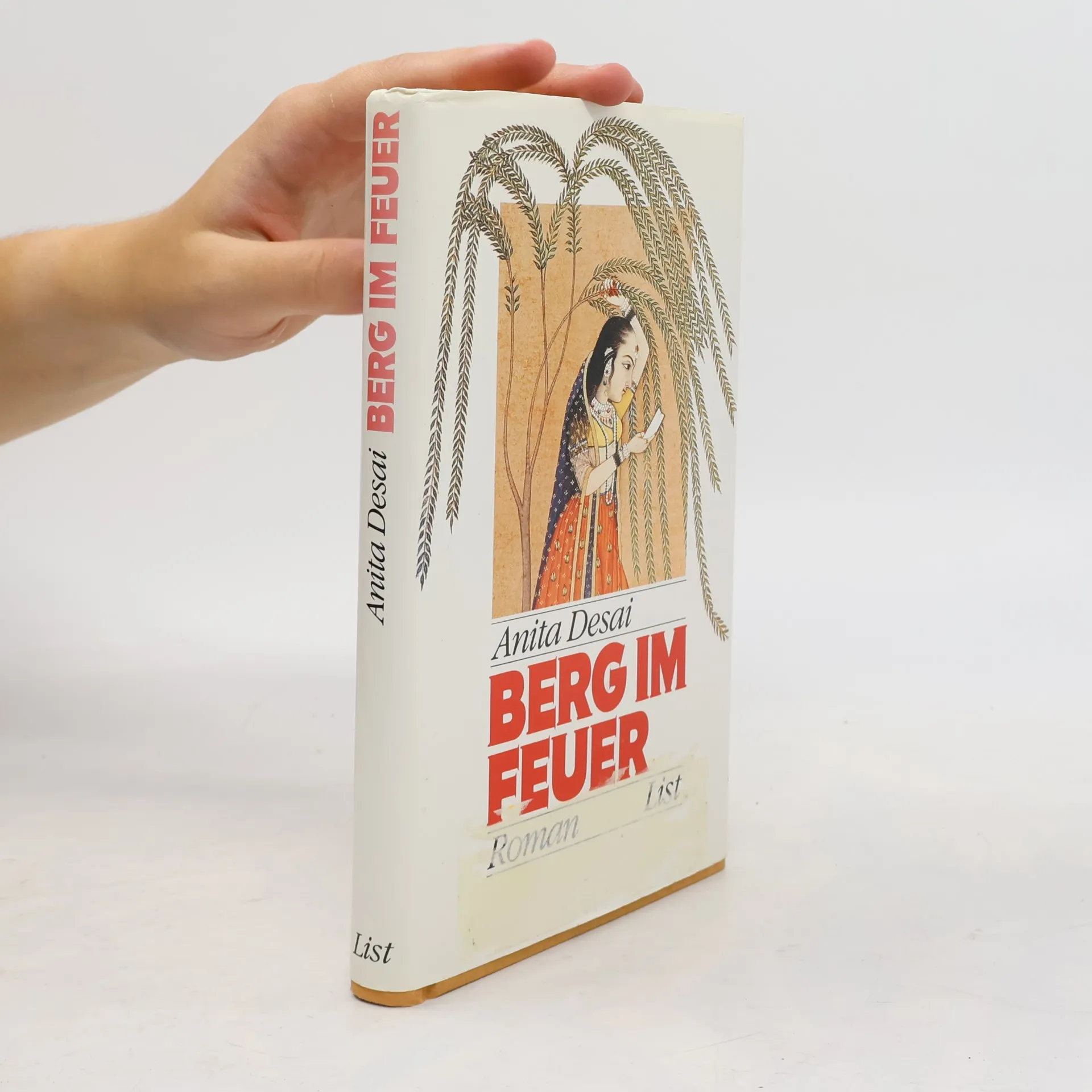
Nanda Kaul er en aldrende indisk enke som vil være alene og har trukket seg tilbake til fjellene i Punjab. Da kommer jenta Raka, som også søker ensomheten.
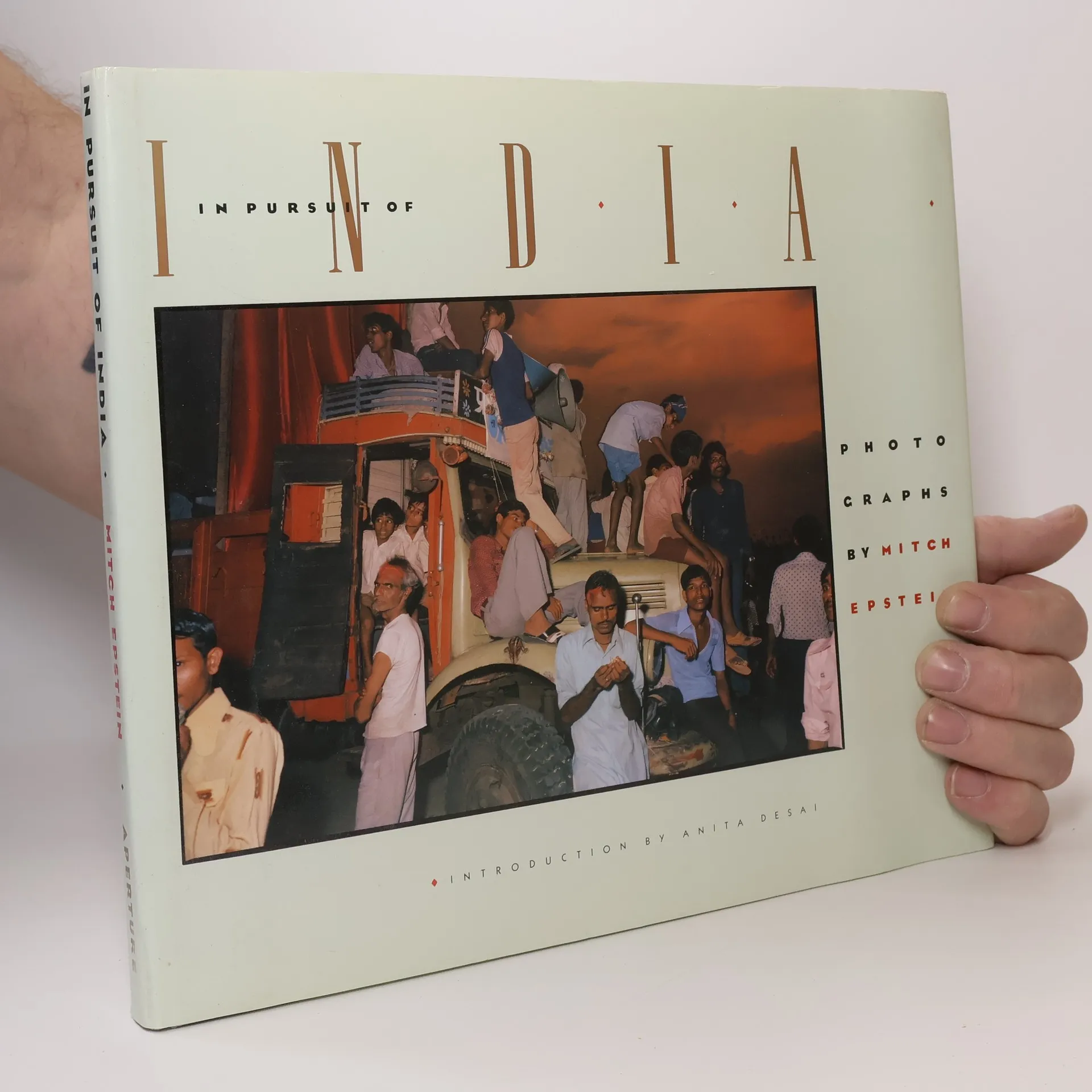
Gathers photographs of the Indian people and their daily life
Nandakl konnte sich nicht beruhigen. In dieser dunklen und hellen Luft begann sie, im Garten zu spazieren. Der Rand ihres Sari rieb sich über die Kieselsteine - fsch... fsch... fsch - wie eine sanfte Schlange. Sie warf einen Blick um sich, um Kara zu sehen, die eine Kastanie von einer Hand in die andere gab und leise vor sich hin murmelte...
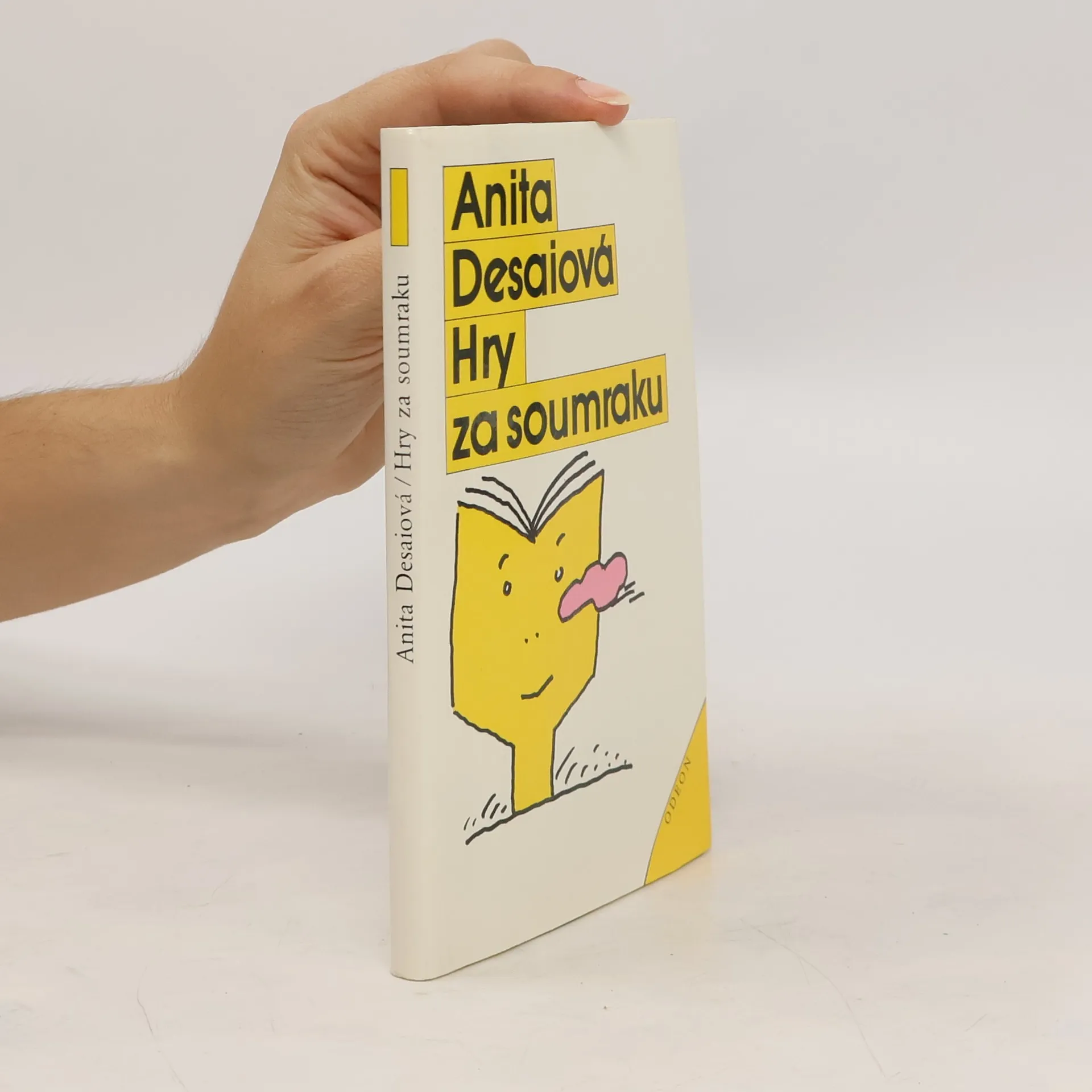
Soubor jedenácti povídek: - Hry za soumraku - Soukromé hodiny u pana Bose - Studium v parku - Textury povrchu - Prodej - Ananasový dort - Doprovázeč - Oddaný syn - Večírek na rozloučenou - Holubi za svítání - Vědec a cikánka Děj všech povídek se odehrává v Indii ve 2. polovině 20.století.
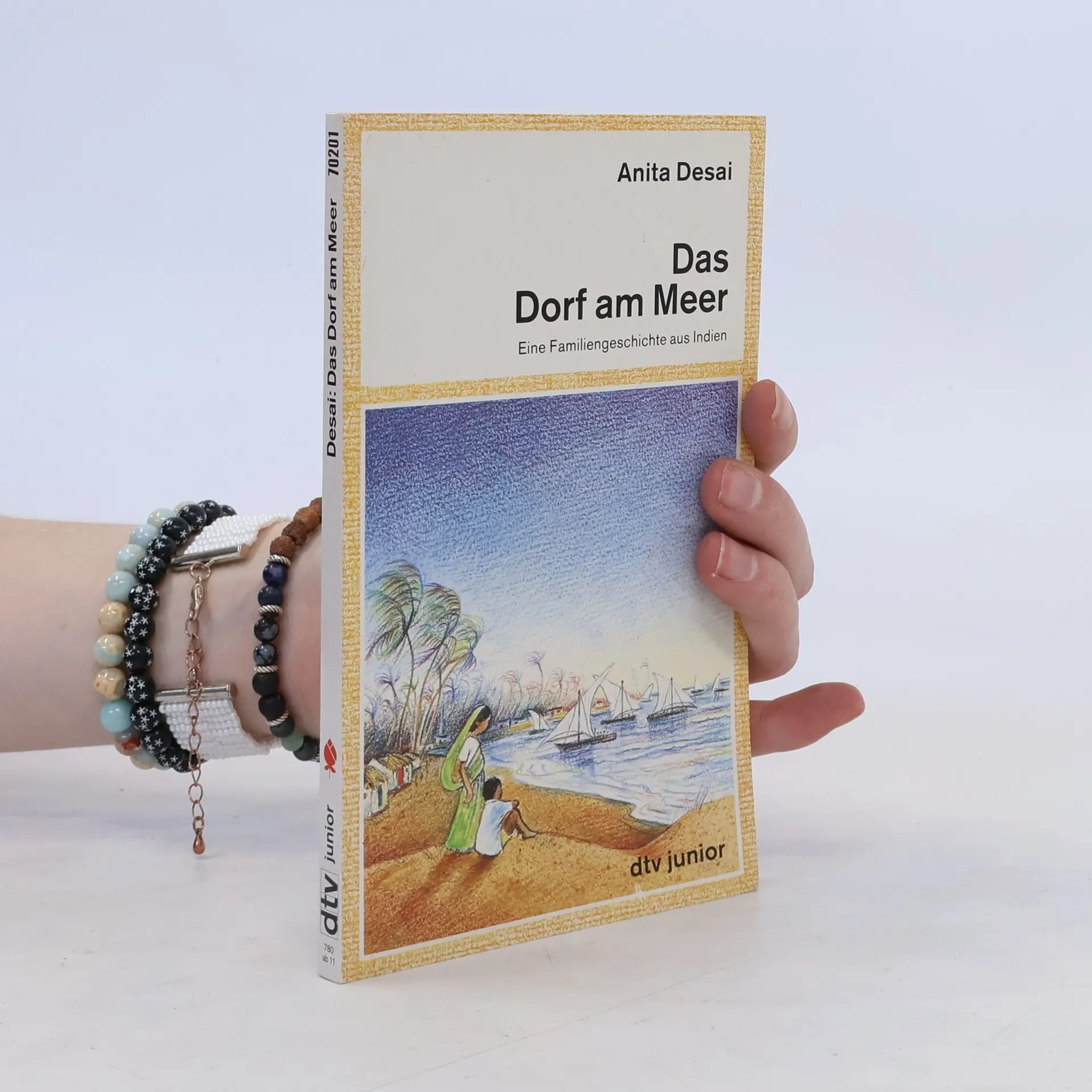
A classic of our time Untouched by the twentieth century, Thul, the small fishing village near Bombay, is still ruled by the age-old seasonal rhythms. Hari and Lila have lived in the village all their lives, but their family is now desperately down on its luck. Their father drinks; their mother is seriously ill; and there is no money to keep them fed and clothed. Delicately and exquisitely executed, Anita Desaiýs gentle and probing story traces the evolution of Hari and Lila into adults as each of them faces the familyýs predicamentýjust as the first signs of industrial India creep into their villages.
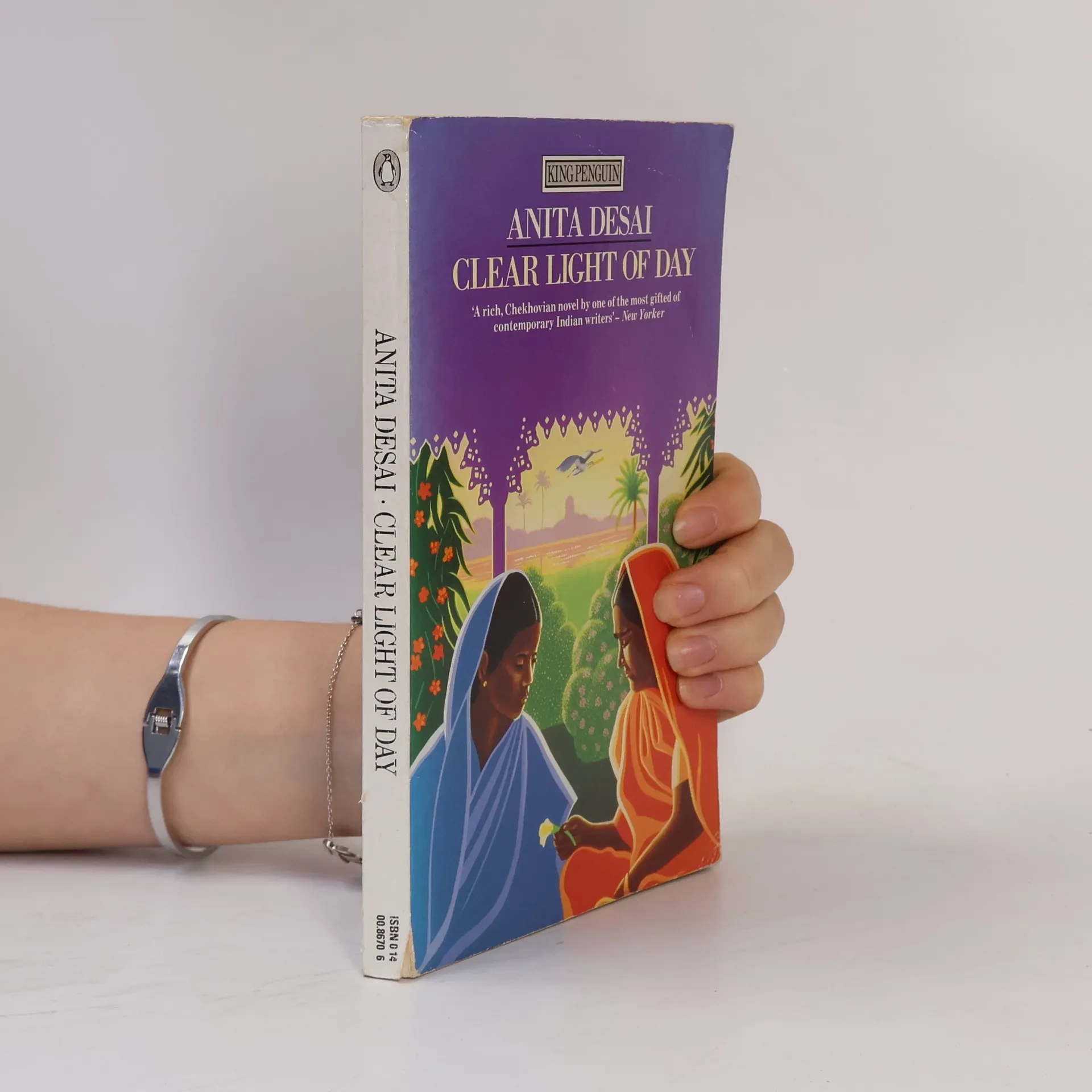
Set in India's Old Delhi, CLEAR LIGHT OF DAY is Anita Desai's tender, warm, and compassionate novel about family scars, the ability to forgive and forget, and the trials and tribulations of familial love. At the novel's heart are the moving relationships between the members of the Das family, who have grown apart from each other. Bimla is a dissatisfied but ambitious teacher at a women's college who lives in her childhood home, where she cares for her mentally challenged brother, Baba. Tara is her younger, unambitious, estranged sister, married and with children of her own. Raja is their popular, brilliant, and successful brother. When Tara returns for a visit with Bimla and Baba, old memories and tensions resurface and blend into a domestic drama that is intensely beautiful and leads to profound self-understanding.