

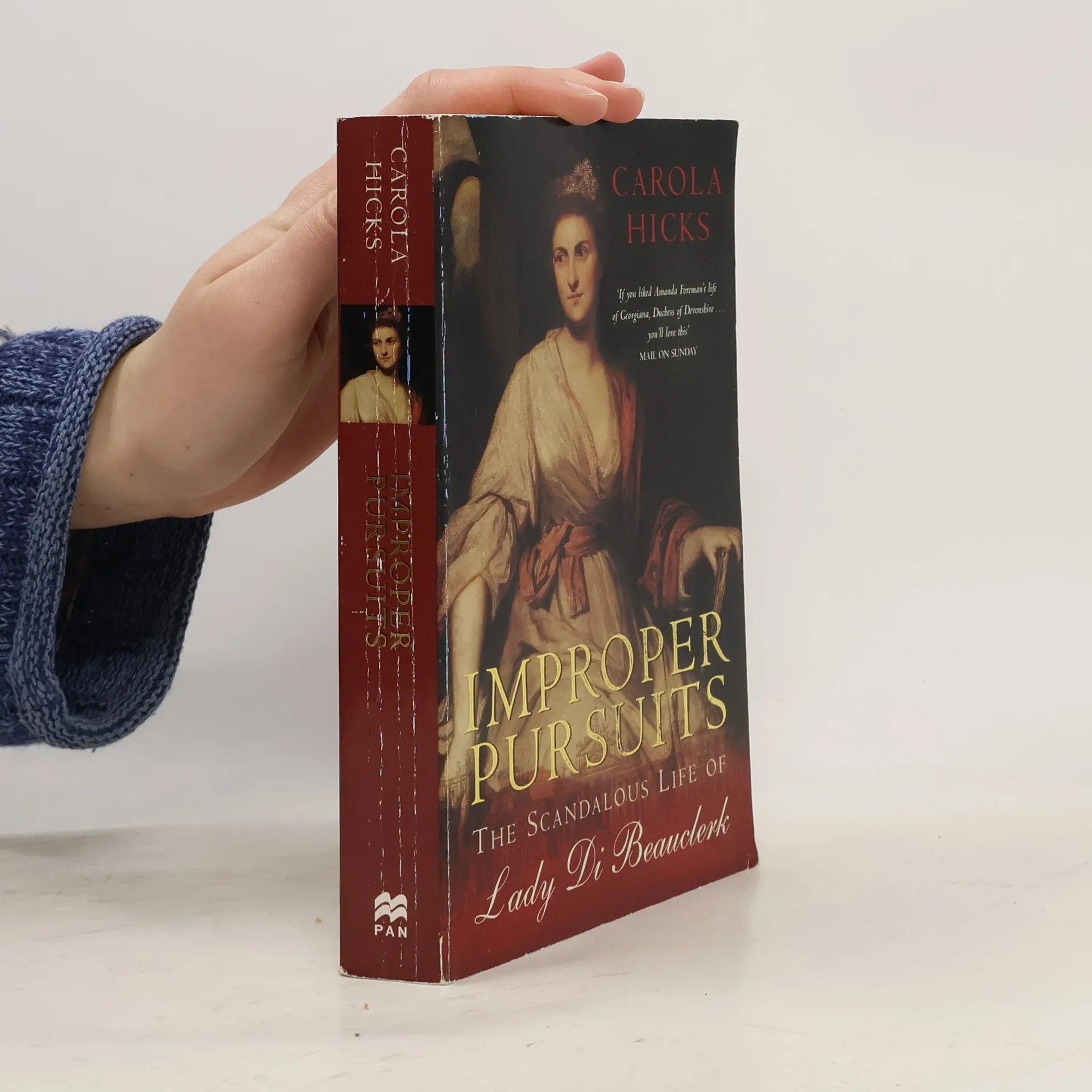
Lady Diana Spencer was born in 1735, the eldest child of the third Duke of Marlborough. She was expected to follow a traditional path through life: educated in the fashion considered suitable for a girl and married to a man of the appropriate rank for a duke's daughter. However, Lady Di overturned convention. She left her husband, pursued a secret relationship with Topham Beauclerk, hid the birth of an illegitimate child, was divorced, remarried and eventually had to earn her living by painting.
Carola Hicks Livres
Carola Hicks explore le domaine de l'histoire de l'art, se concentrant sur les cultures visuelles de la période médiévale. Son travail examine souvent des œuvres d'art spécifiques telles que des tapisseries et des portraits, en dévoilant leurs récits cachés et leurs contextes sociaux. Hicks allie la rigueur académique d'une historienne de l'art à un style narratif captivant, insufflant la vie aux époques passées. Ses analyses sont perspicaces et sa prose engageante, offrant aux lecteurs un regard profond sous la surface d'œuvres emblématiques.

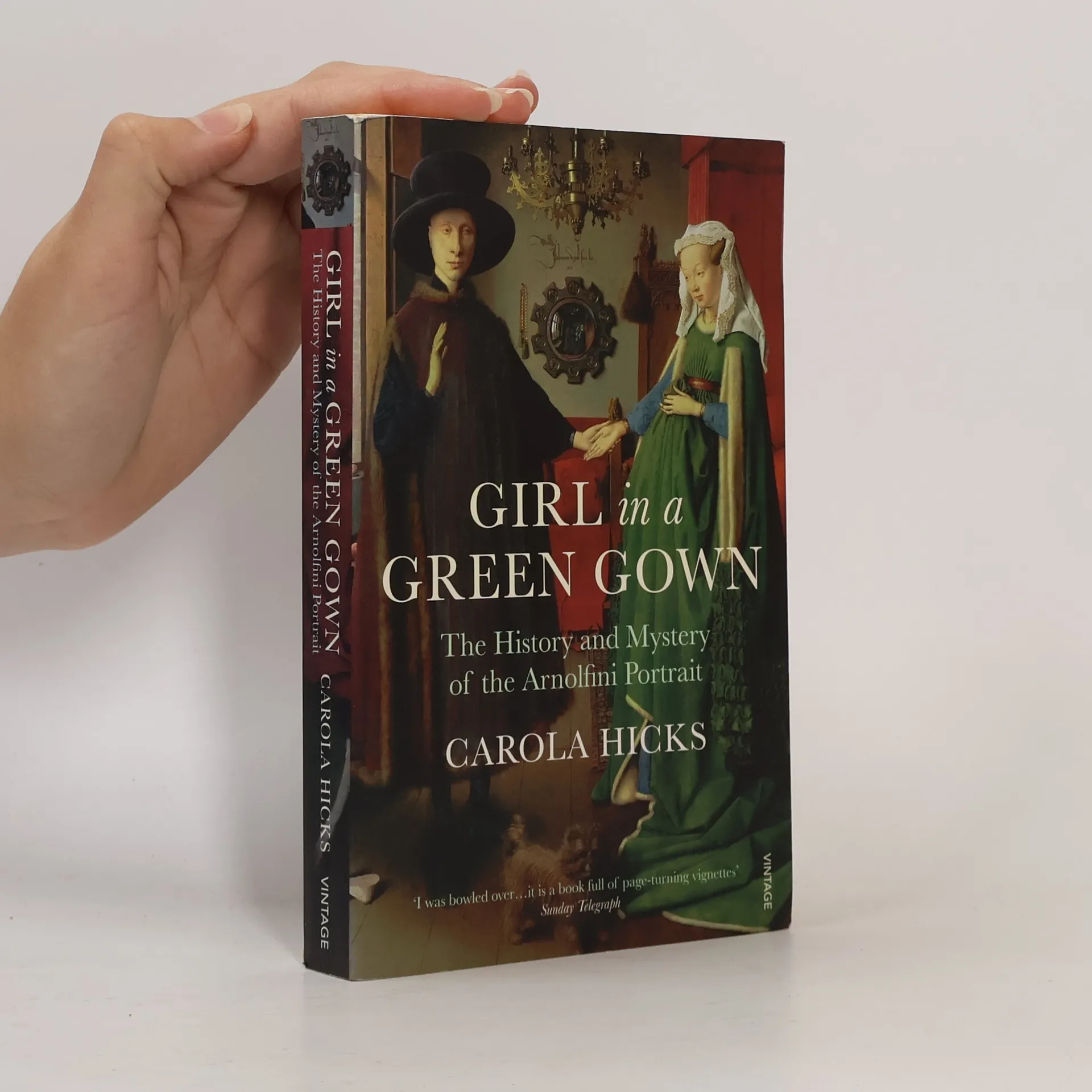
The Arnolfini portrait, painted by Jan van Eyck in 1434, is one of the world's most famous paintings. This title tells the story of the painting's survival through fires, battles, hazardous sea journeys, and its role as a mirror reflecting the culture and history of the time - from jewel of the Hapsburg empire to Napoleonic war trophy.
The Bayeux Tapestry
- 352pages
- 13 heures de lecture
The vivid scenes on the Bayeux Tapestry depict the events leading up to the Battle of Hastings in 1066. Hicks shows us this world and the miracle of the tapestry's making: the stitches, dyes and strange details in the margins. For centuries it lay ignored in Bayeux cathedral until its 'discovery' in the eighteenth century.