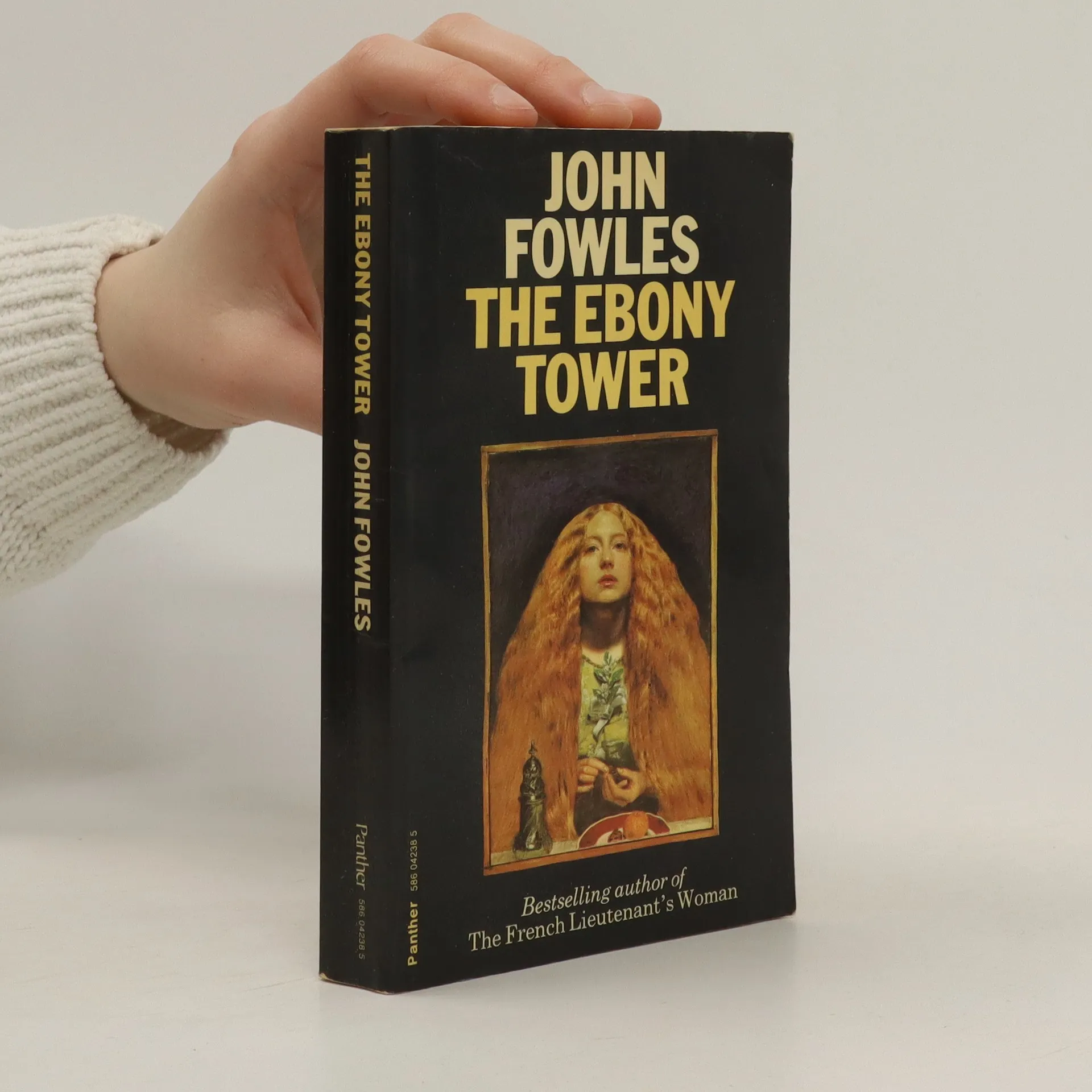
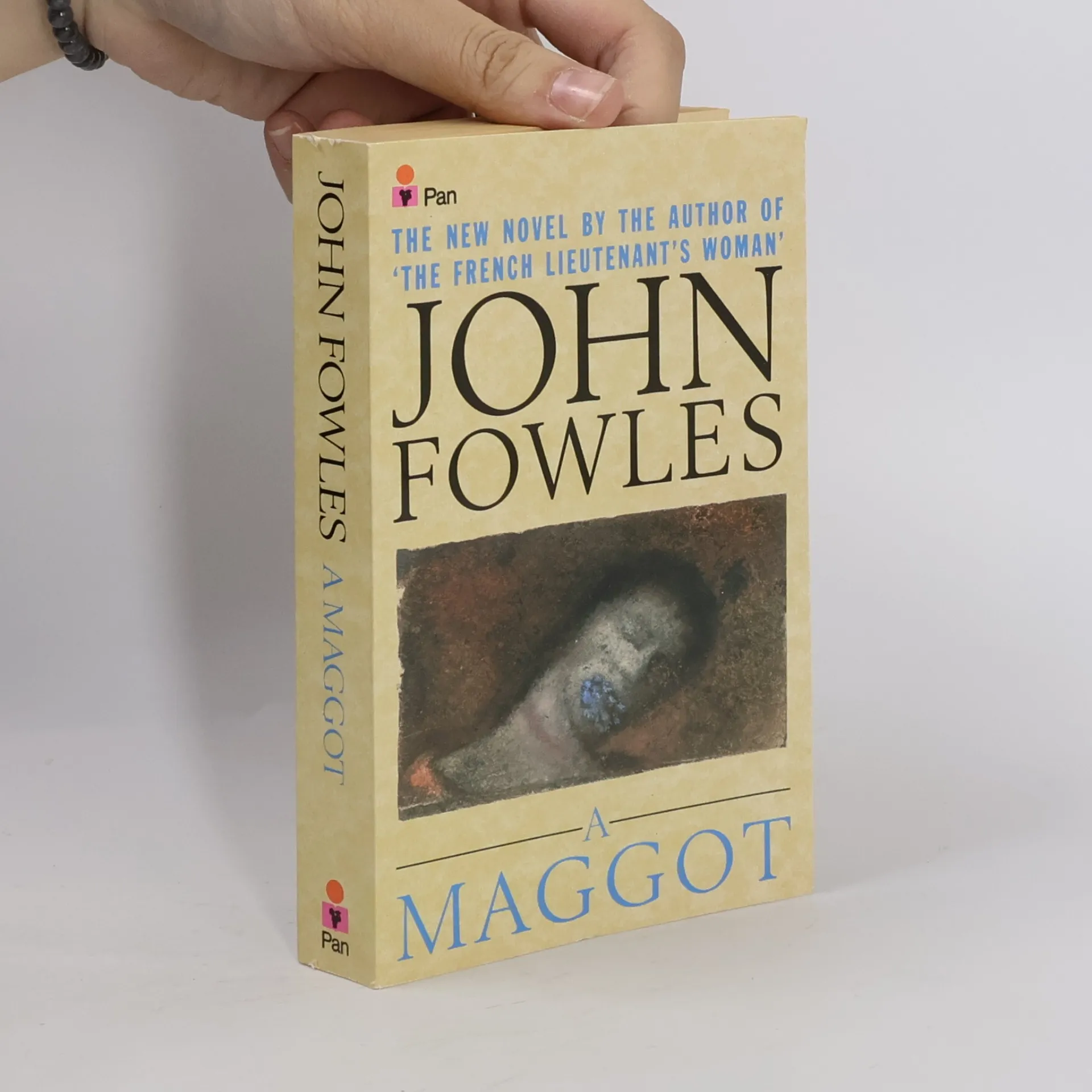
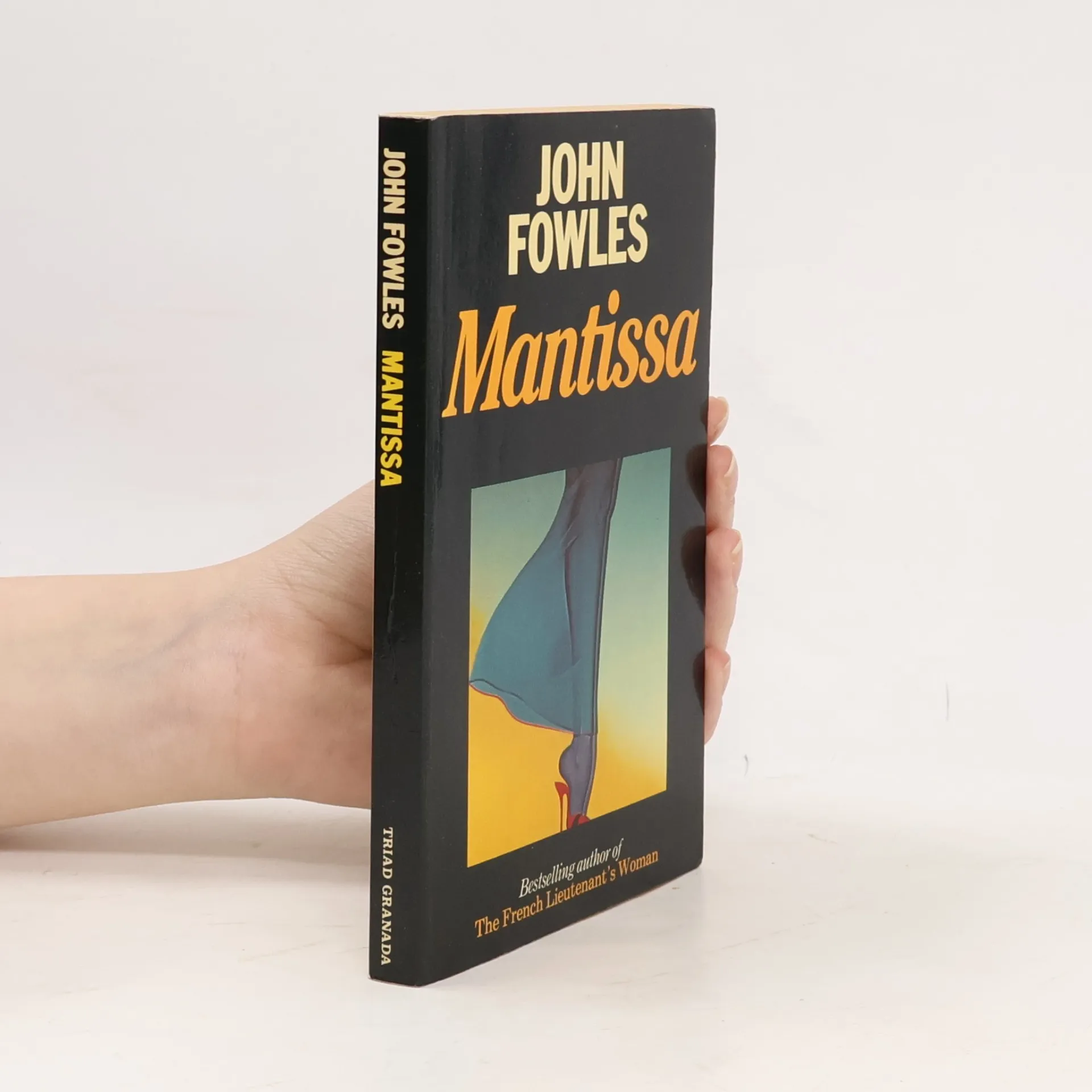
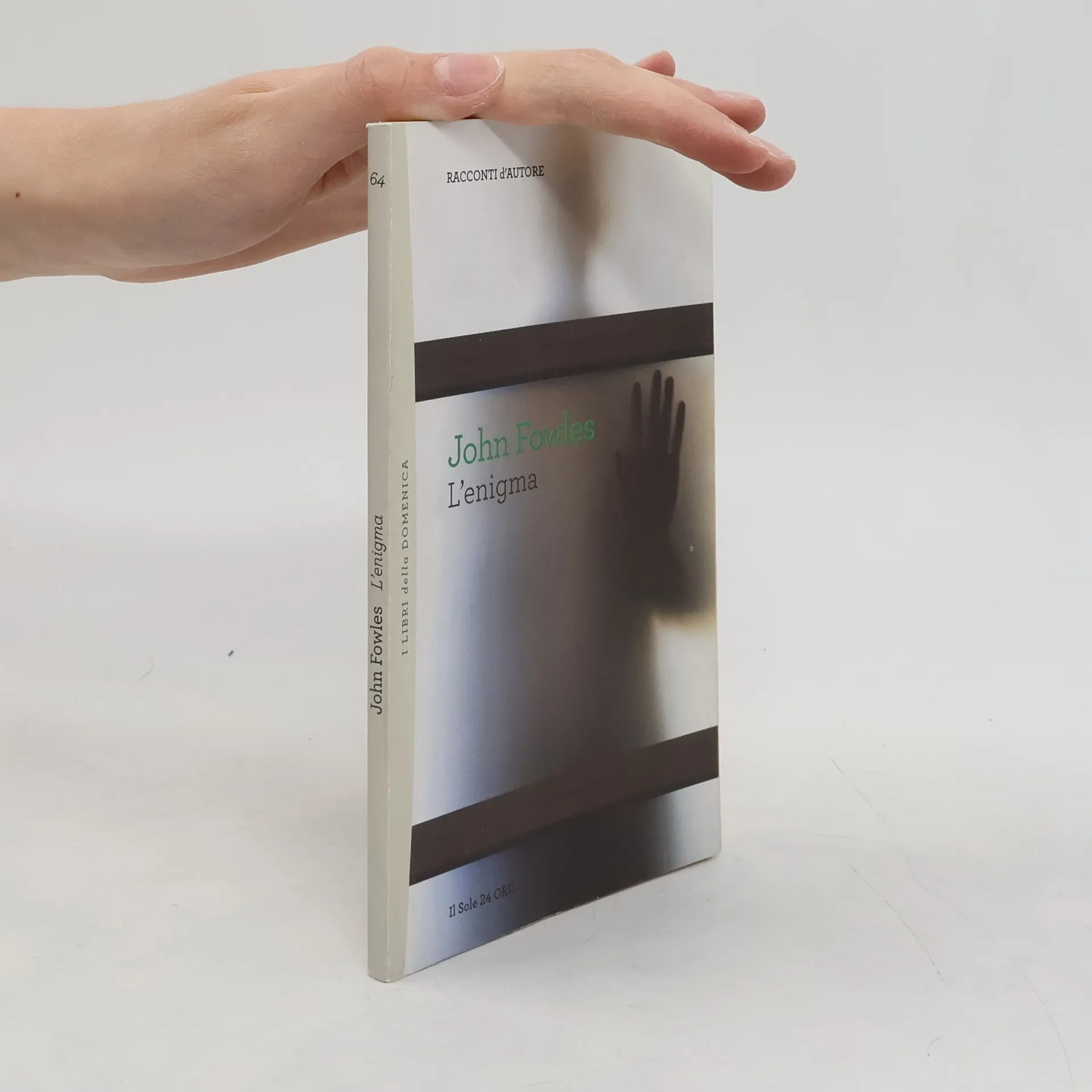
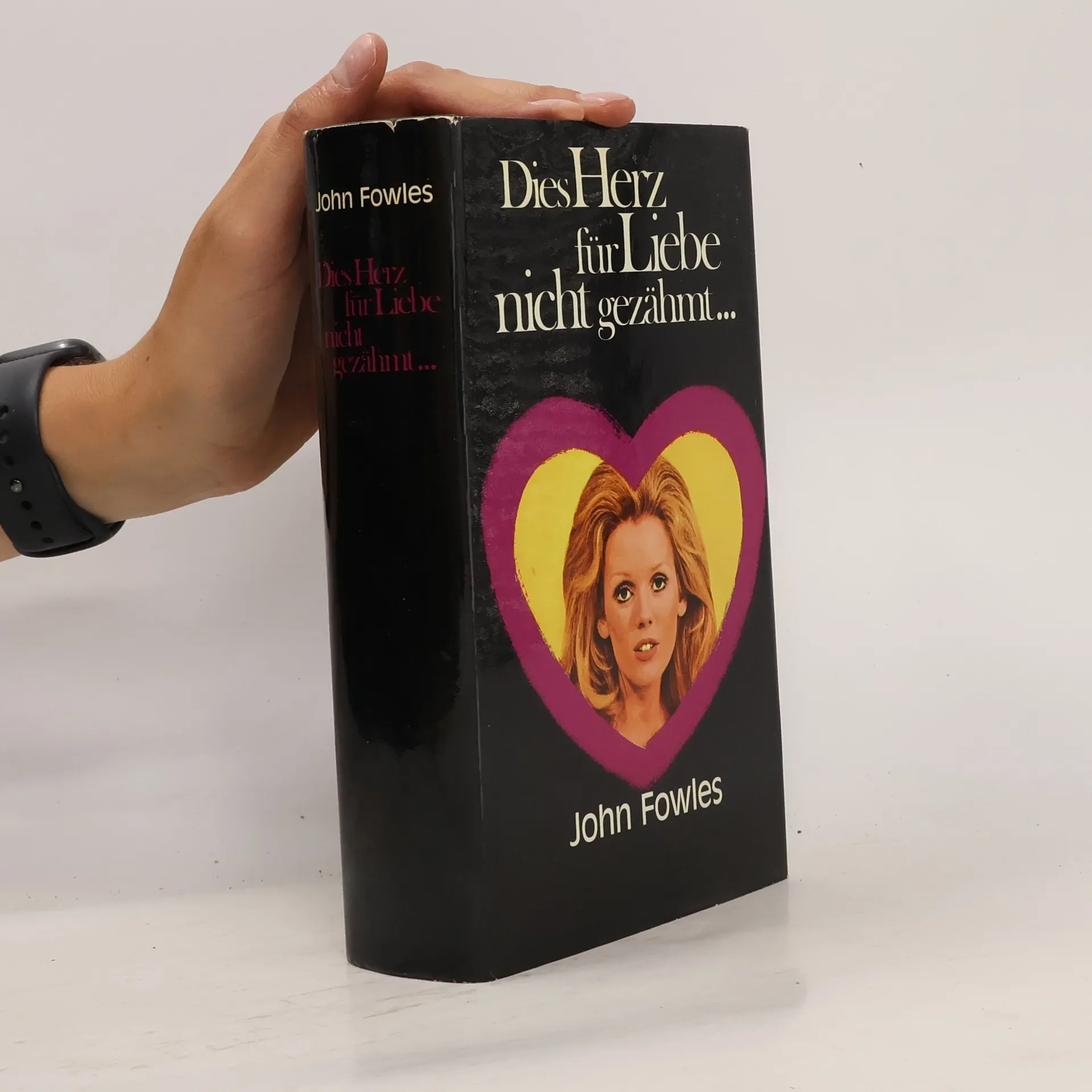
John Fowles a exploré les thèmes de l'aliénation et de la recherche d'identité dans le cadre de la société moderne. Son style d'écriture plonge souvent dans les profondeurs psychologiques des personnages, mêlant la réalité à la perception subjective. Influencé par l'existentialisme, son œuvre met l'accent sur la liberté individuelle et la lutte contre la conformité. Les récits de Fowles mettent les lecteurs au défi de considérer la nature de la réalité et l'expérience humaine.
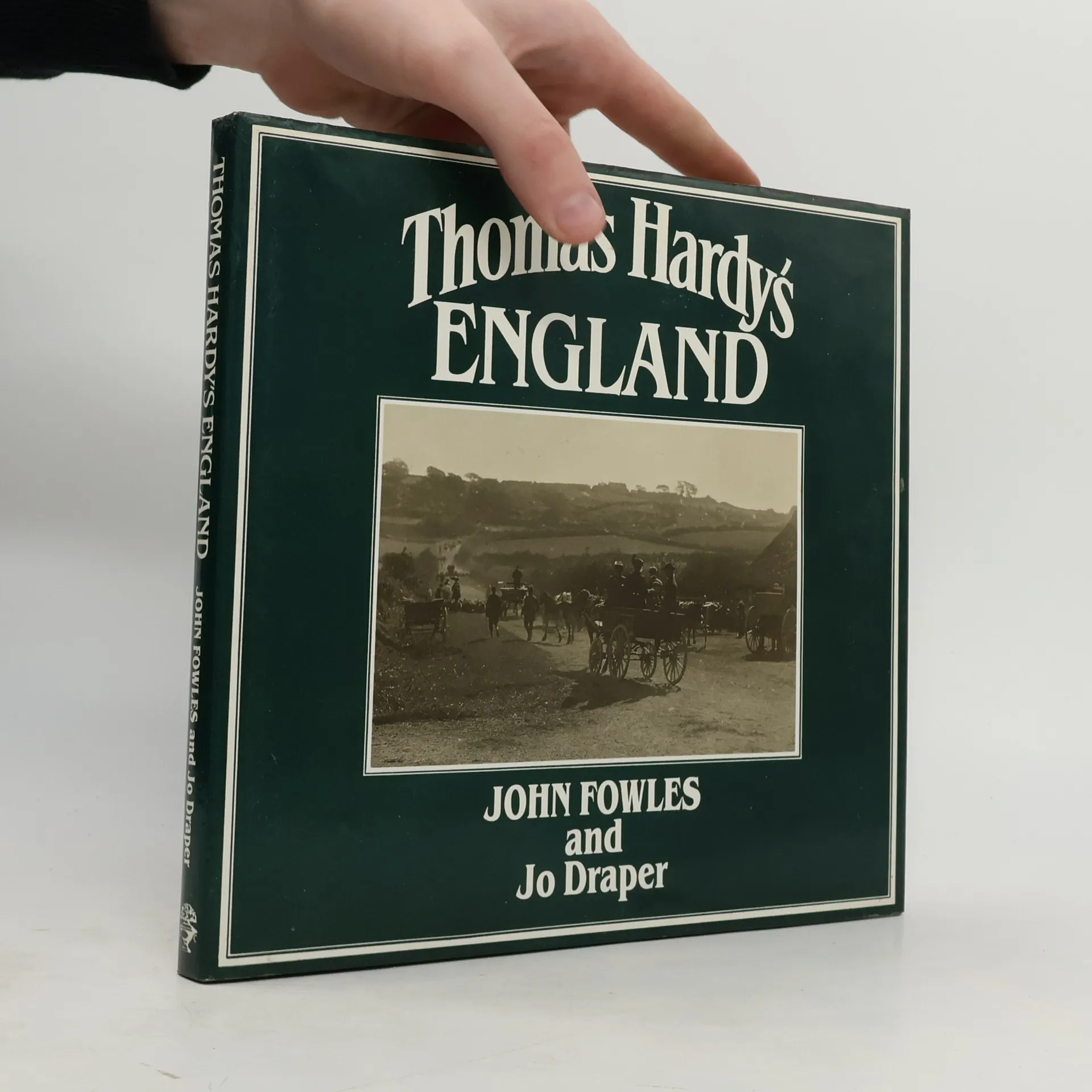
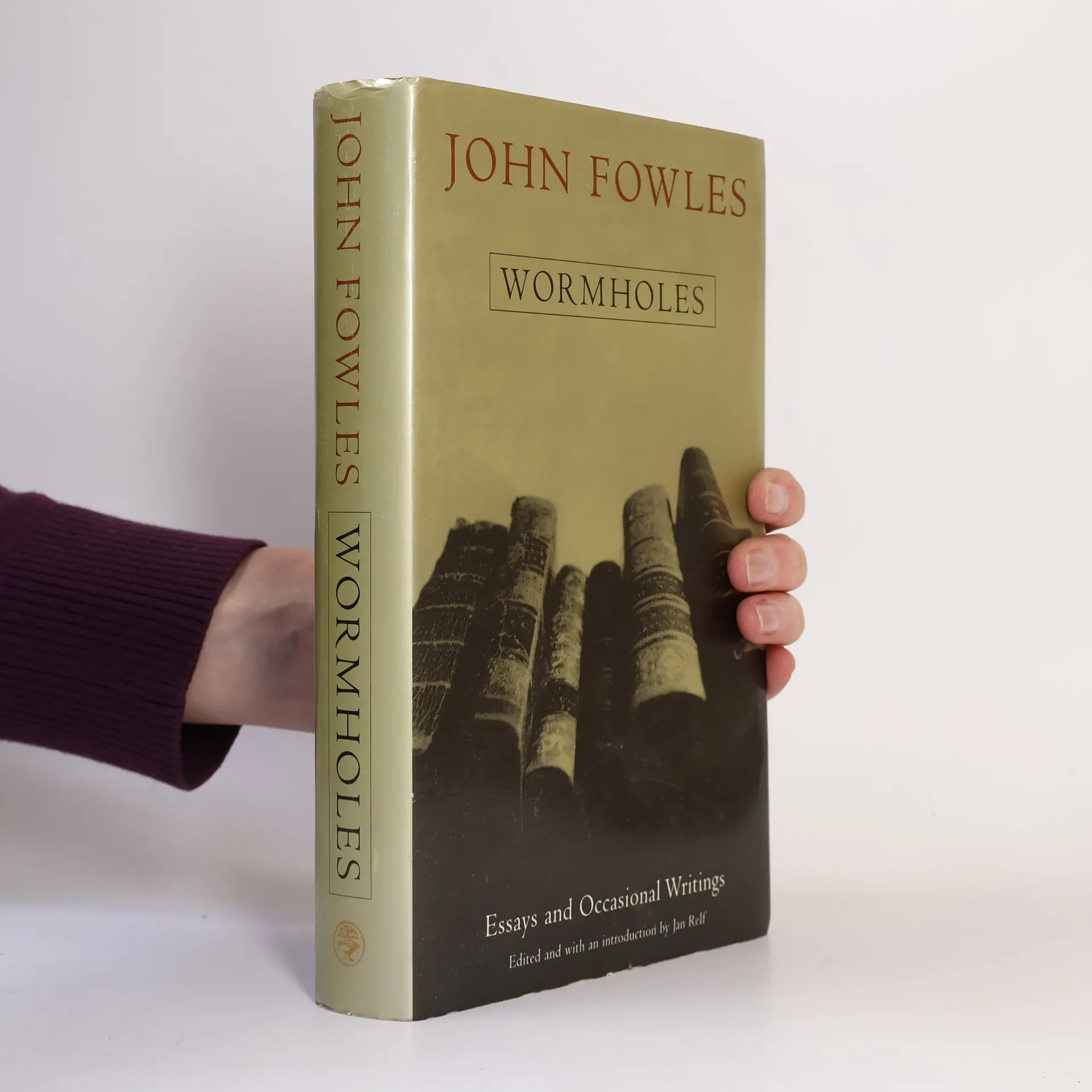
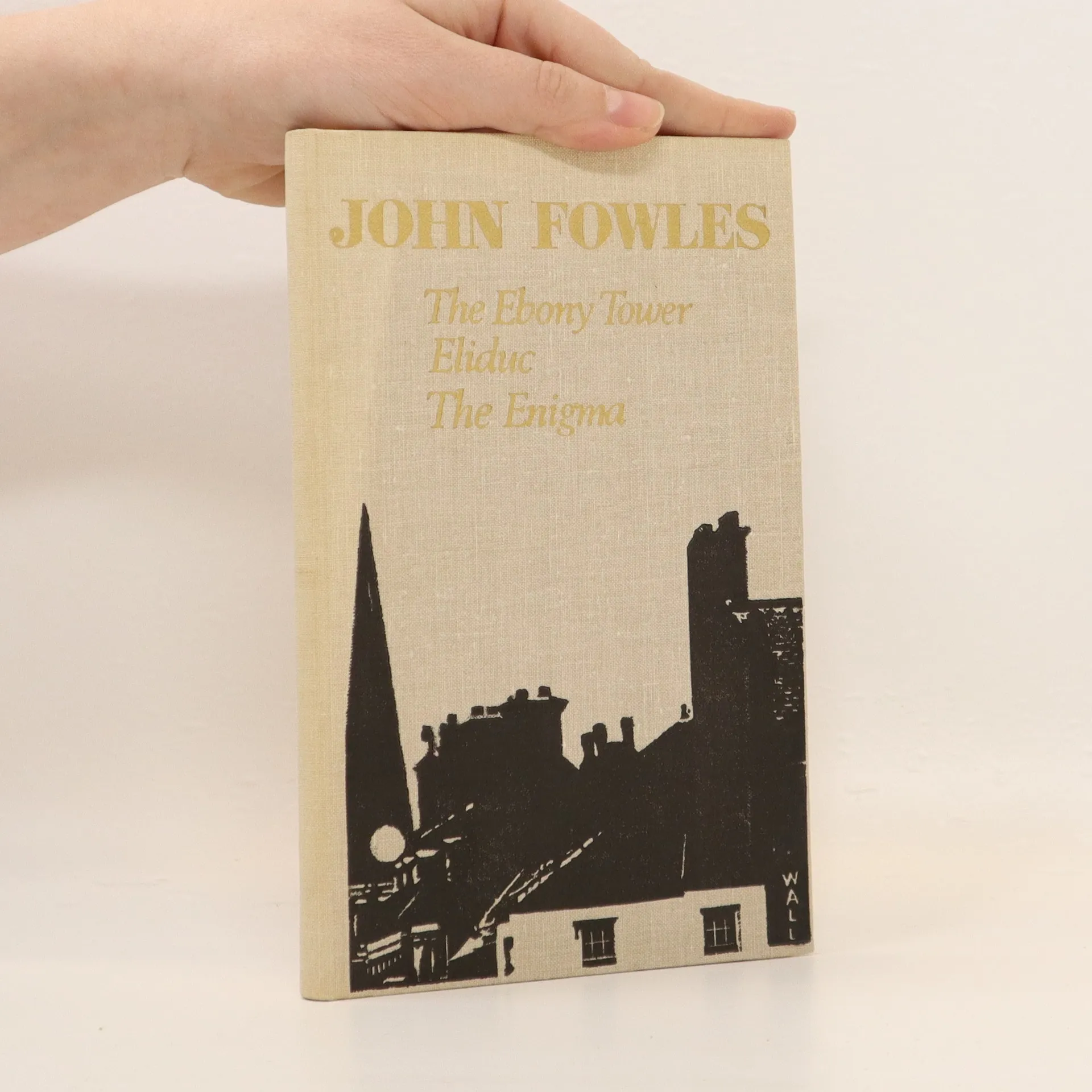
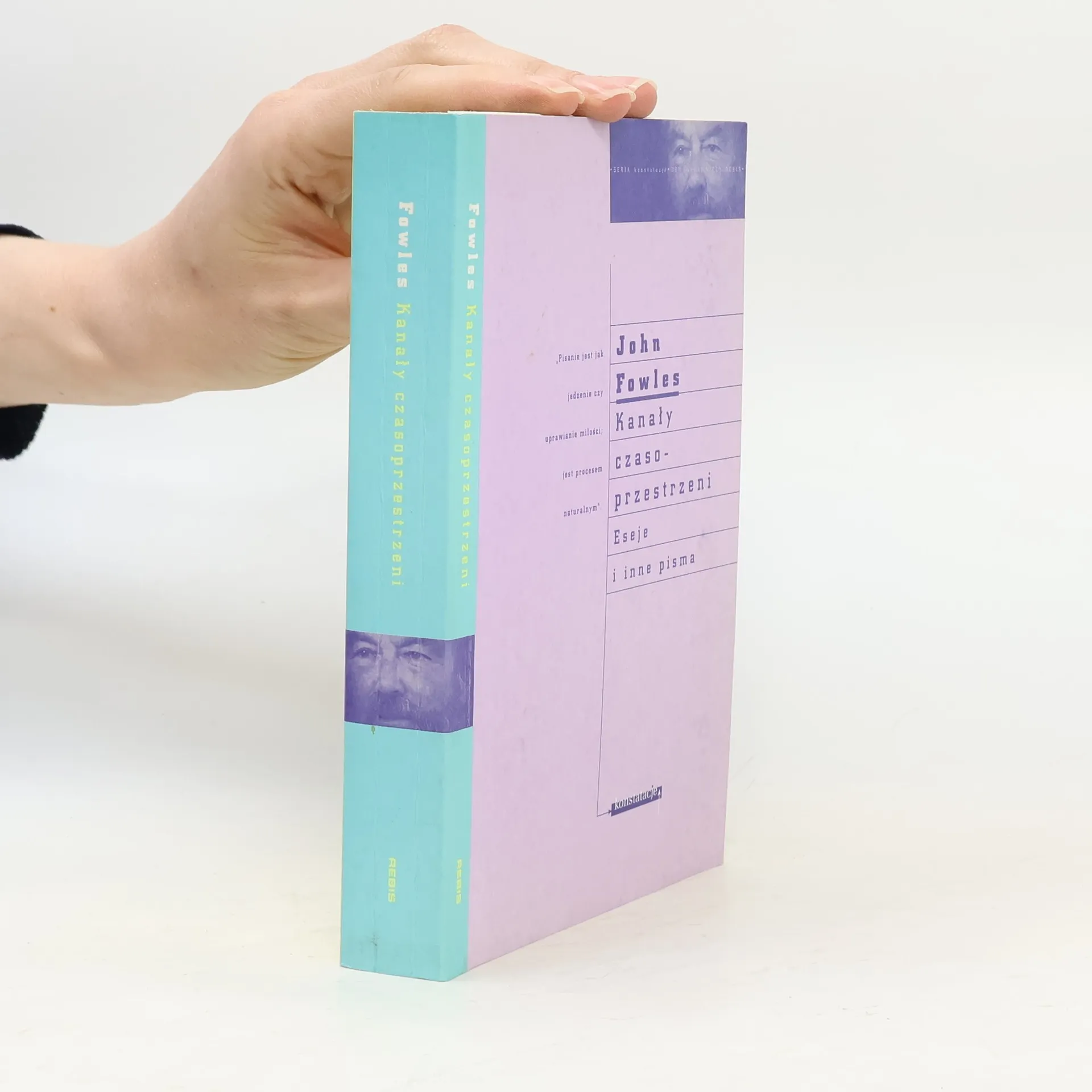
A collection of non-fiction writing from John Fowles which includes articles written for magazines; book reviews from "The New York Times Book Review" and the "Irish Press"; various forewords and introductions; a tribute to William Golding; and some autobiographical pieces
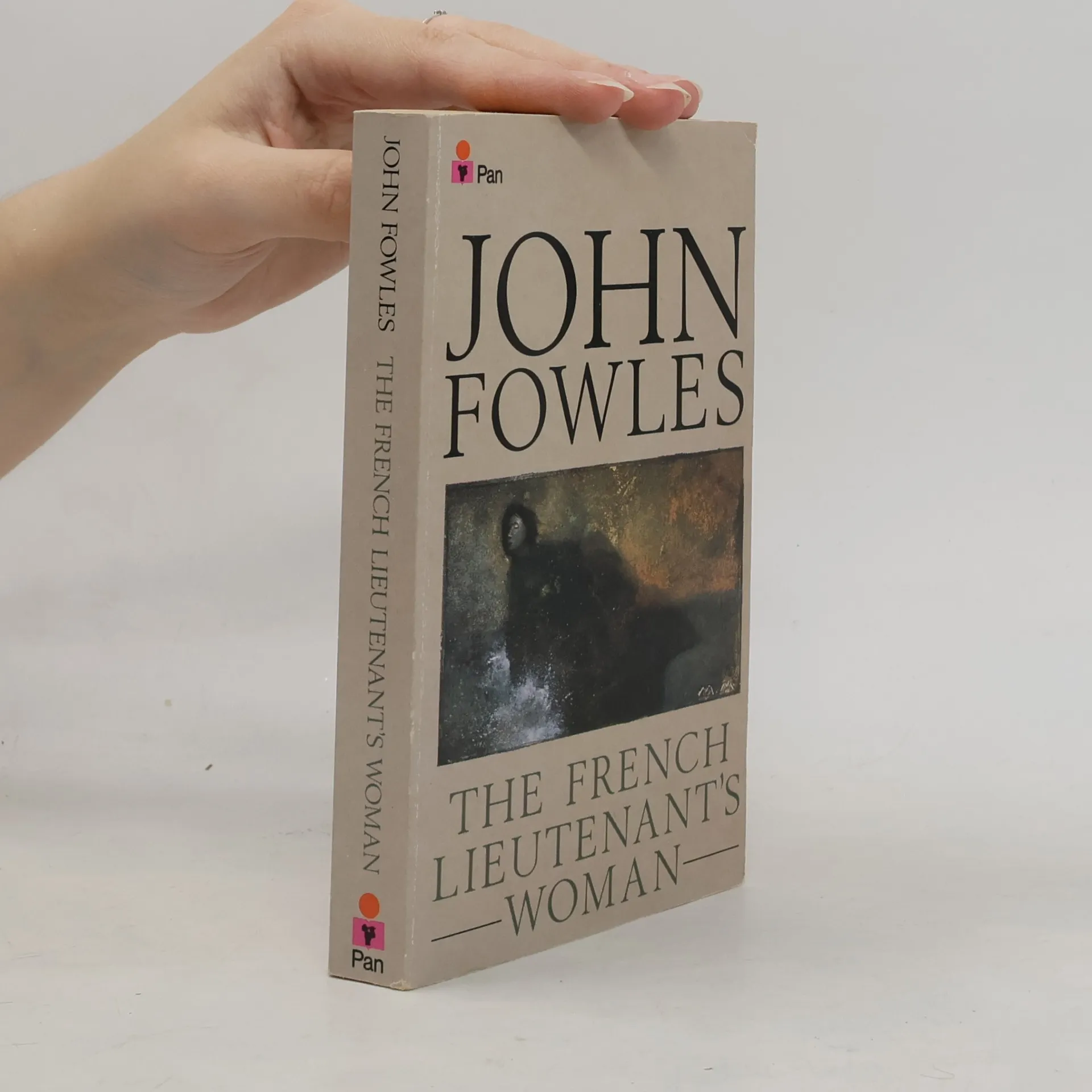
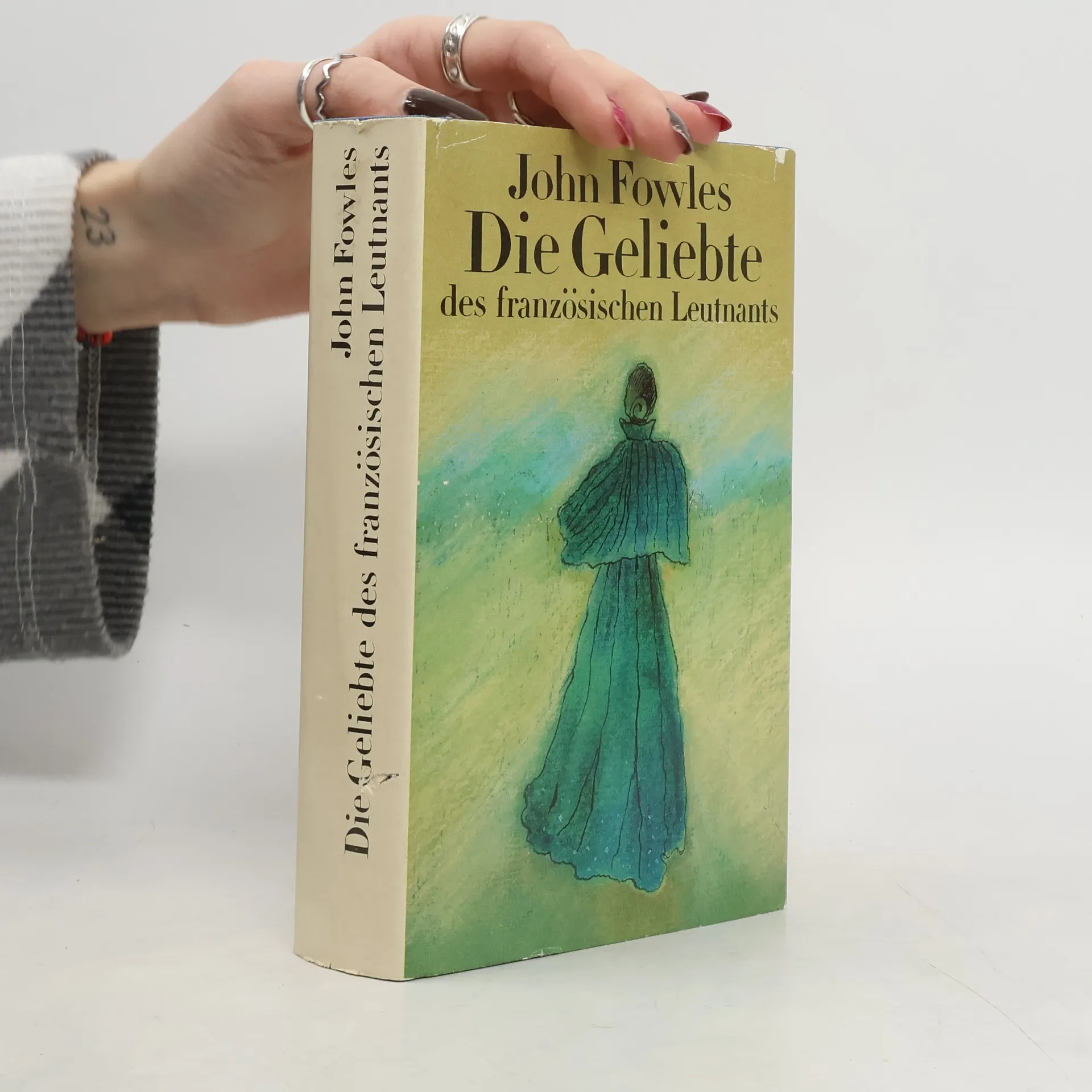
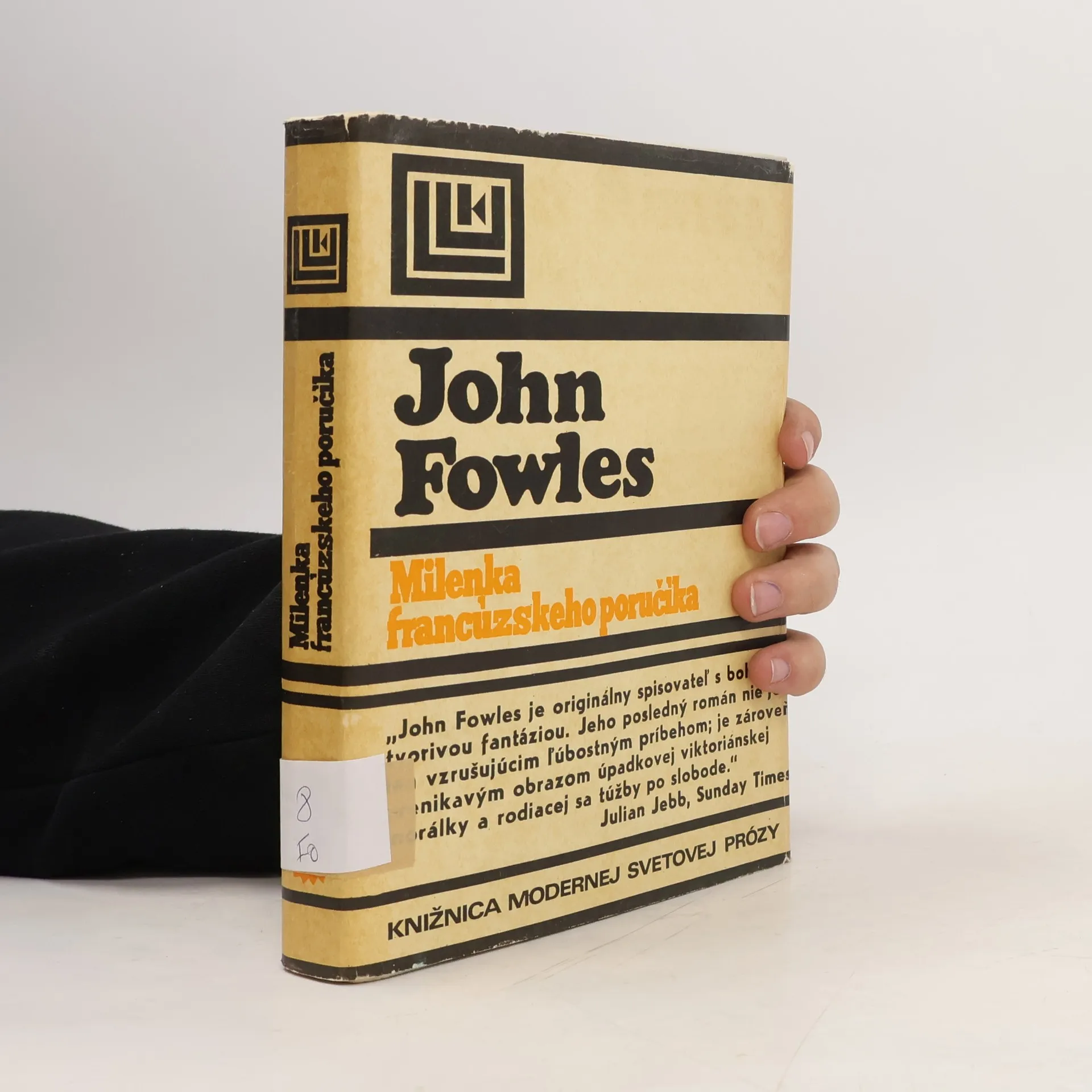
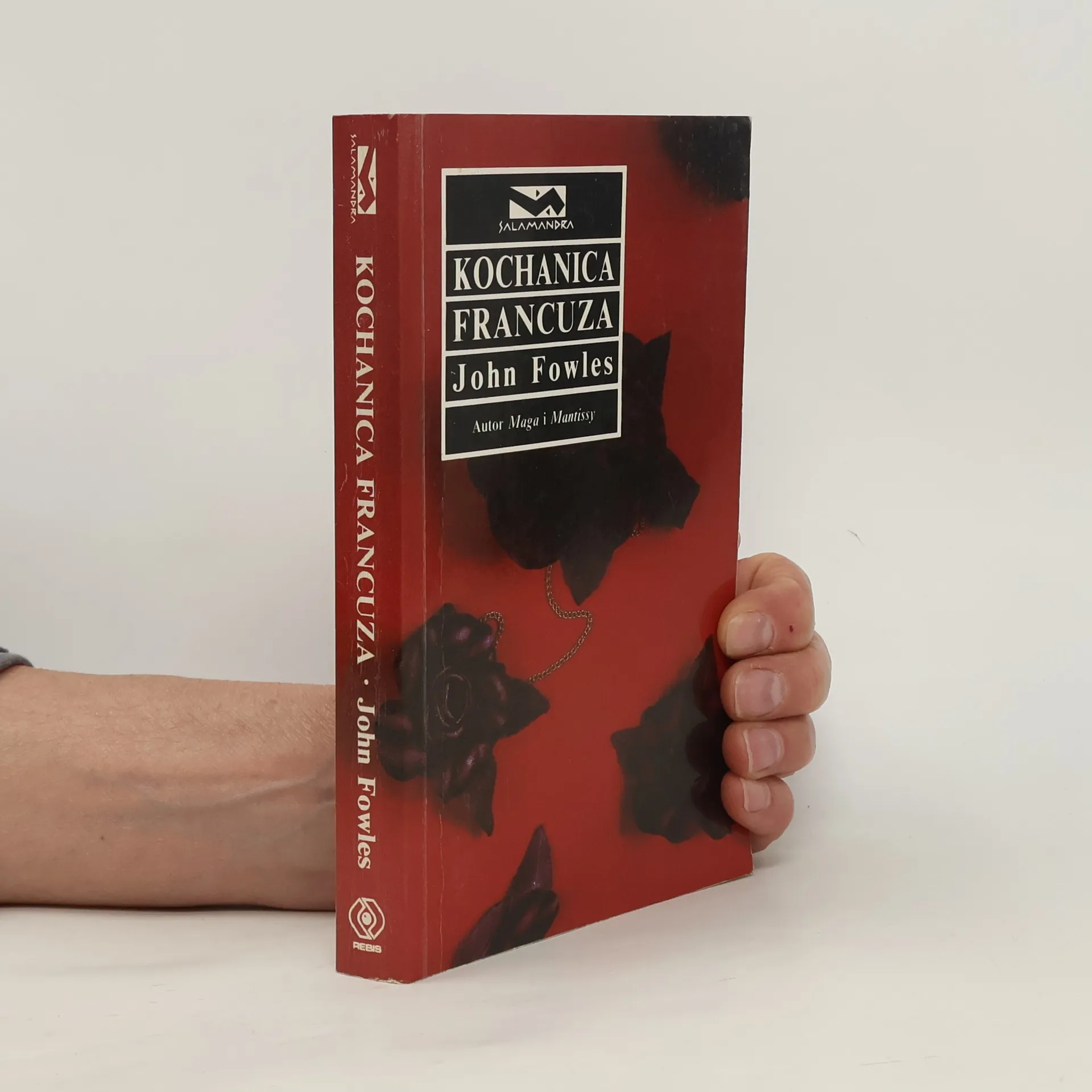
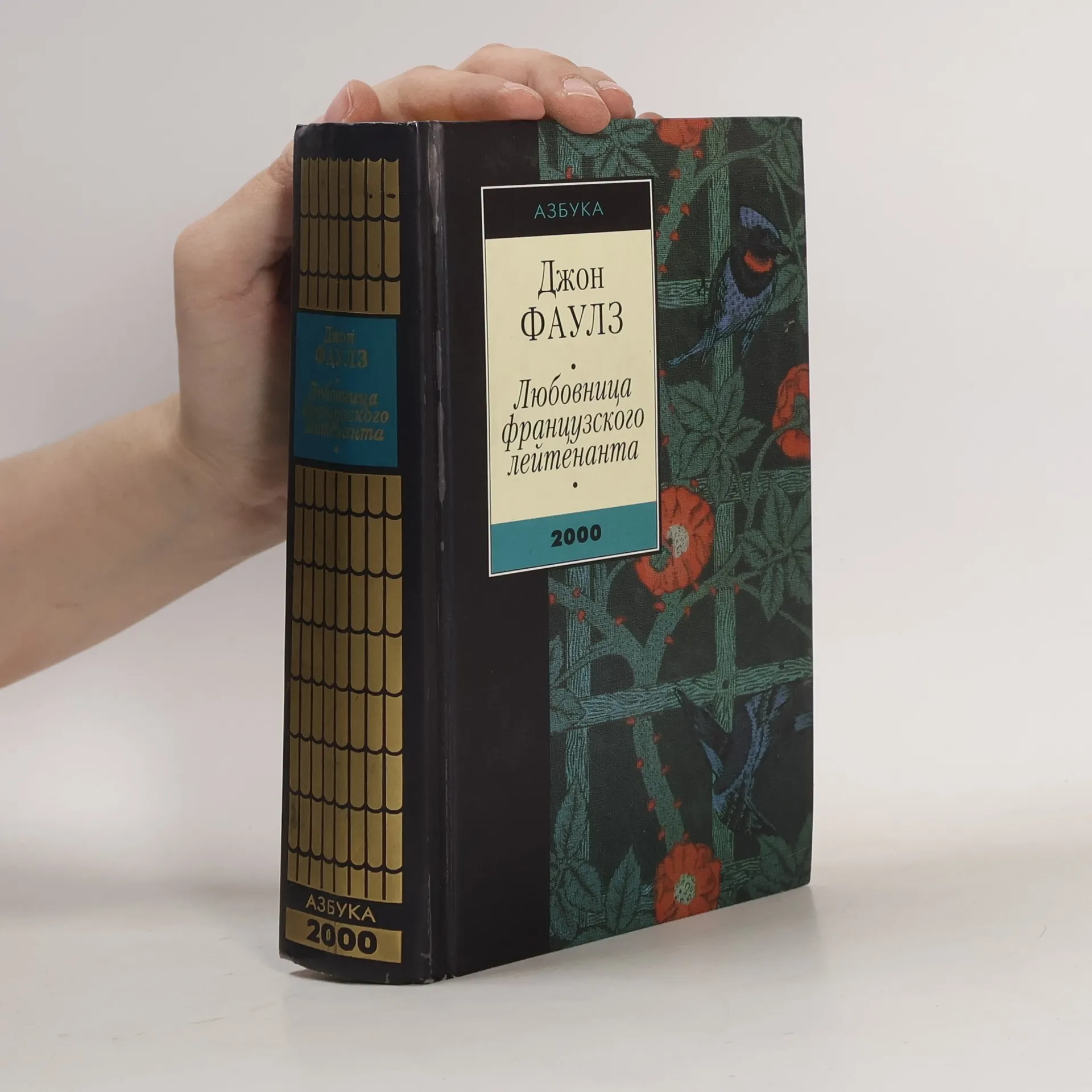
Tells the story of Charles Smithson's infatuation with the unusual Sarah Woodruff, whilst being engaged to a young lady of a good family and a considerable dowry. The author re-creates the feel of a Victorian novel. He also wrote "The Collector" and "The Magus".
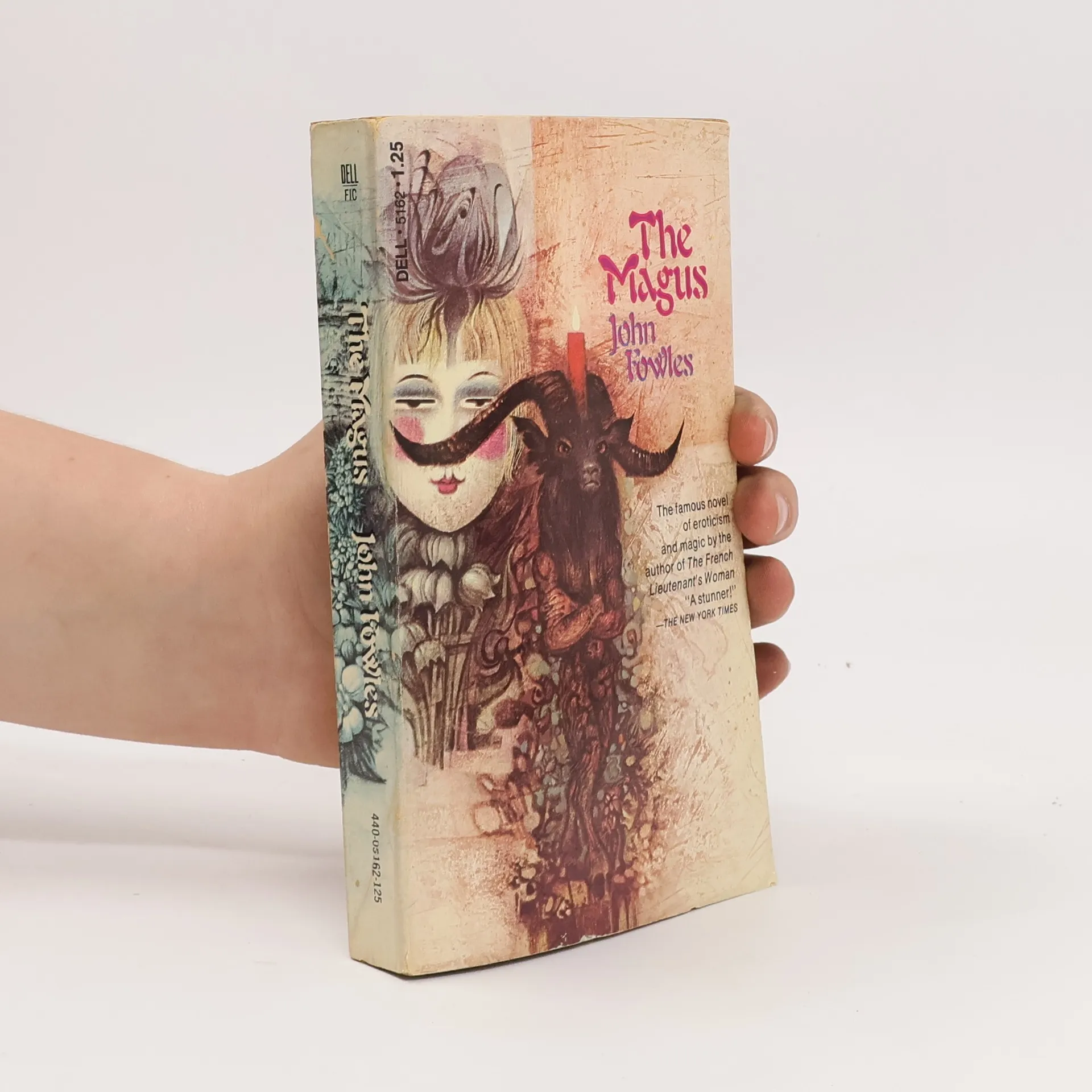
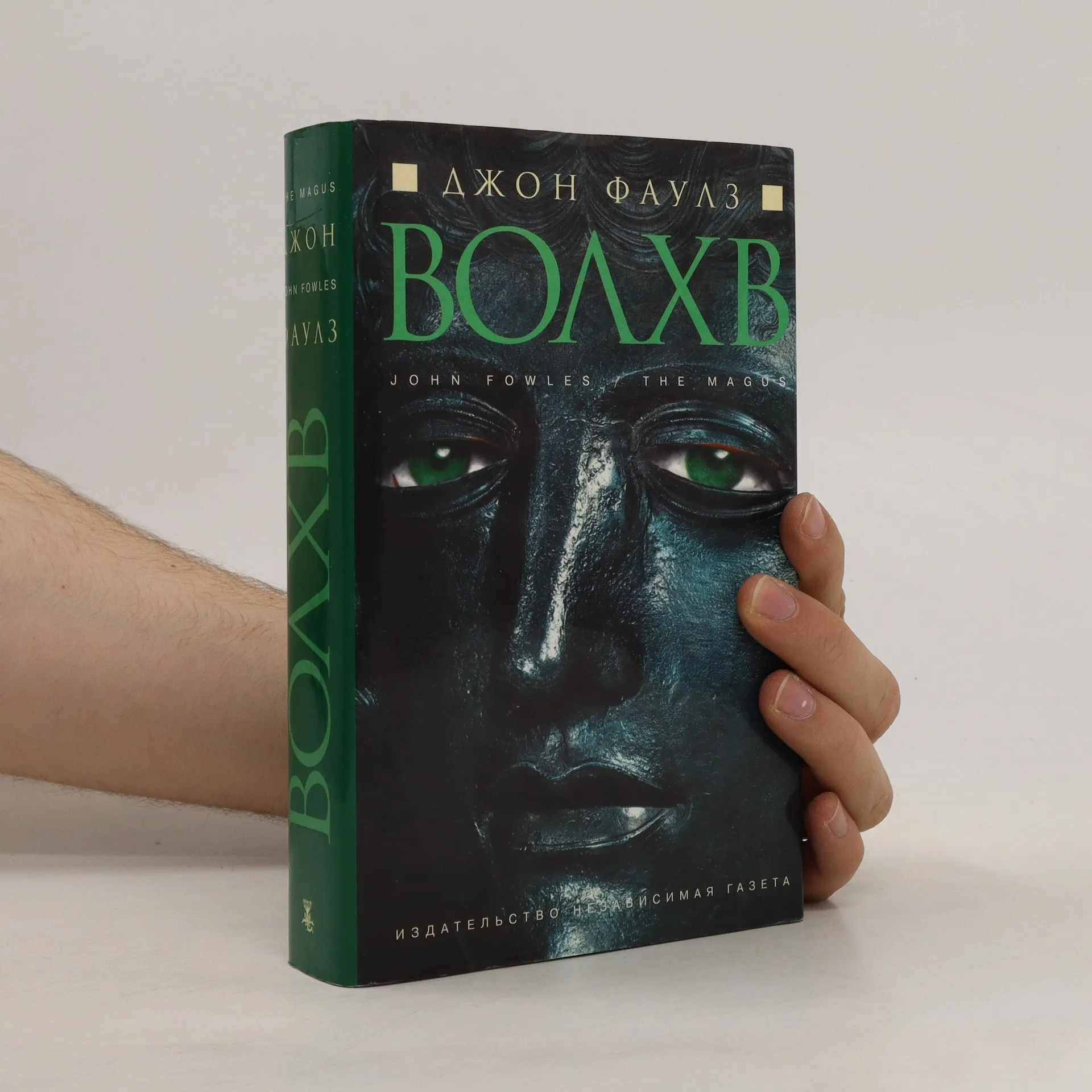
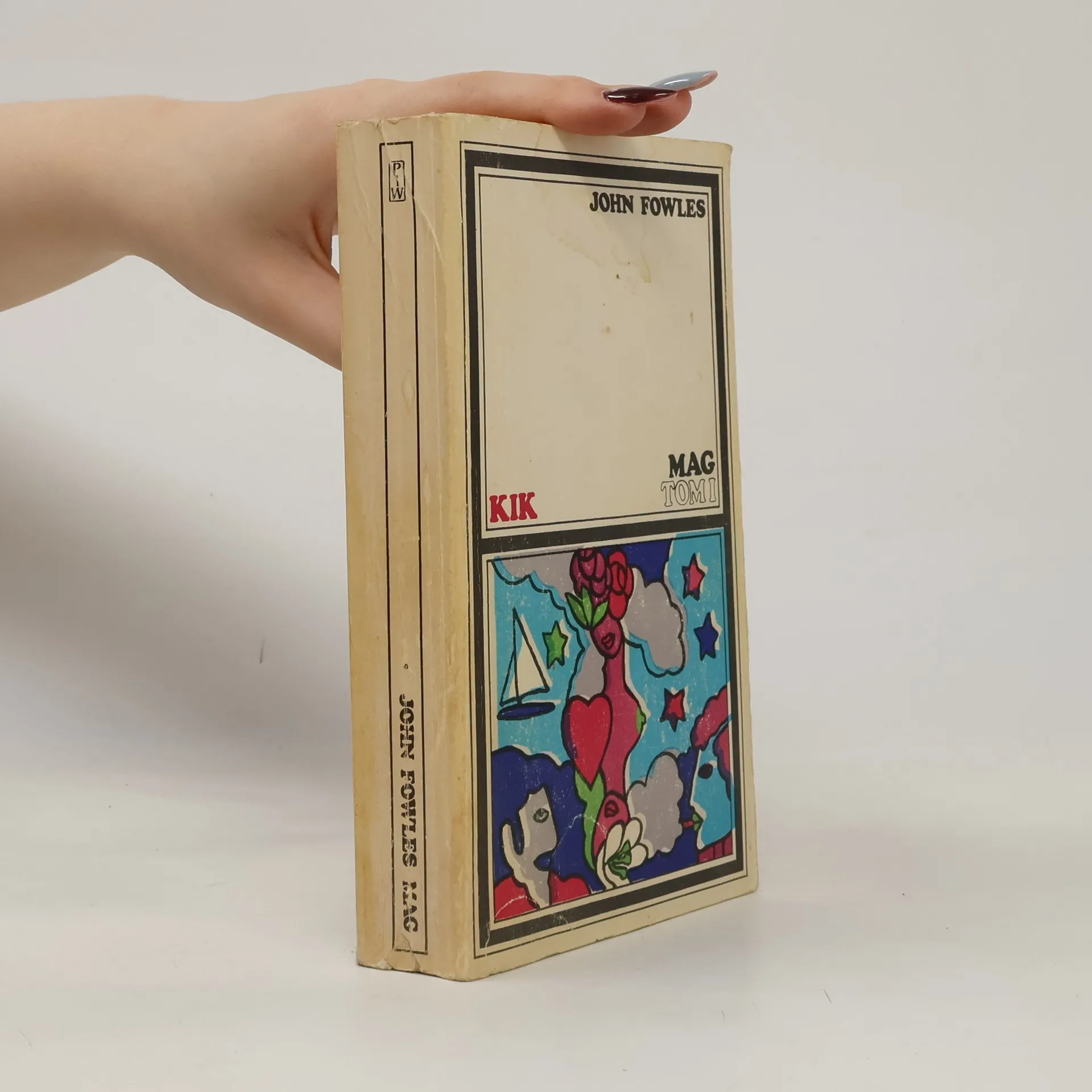
On a remote Greek Island, Nicholas Urfe finds himself embroiled in the deceptions of a master trickster. As reality and illusion intertwine, Urfe is caught up in the darkest of psychological games. John Fowles expertly unfolds a tale that is lush with ove
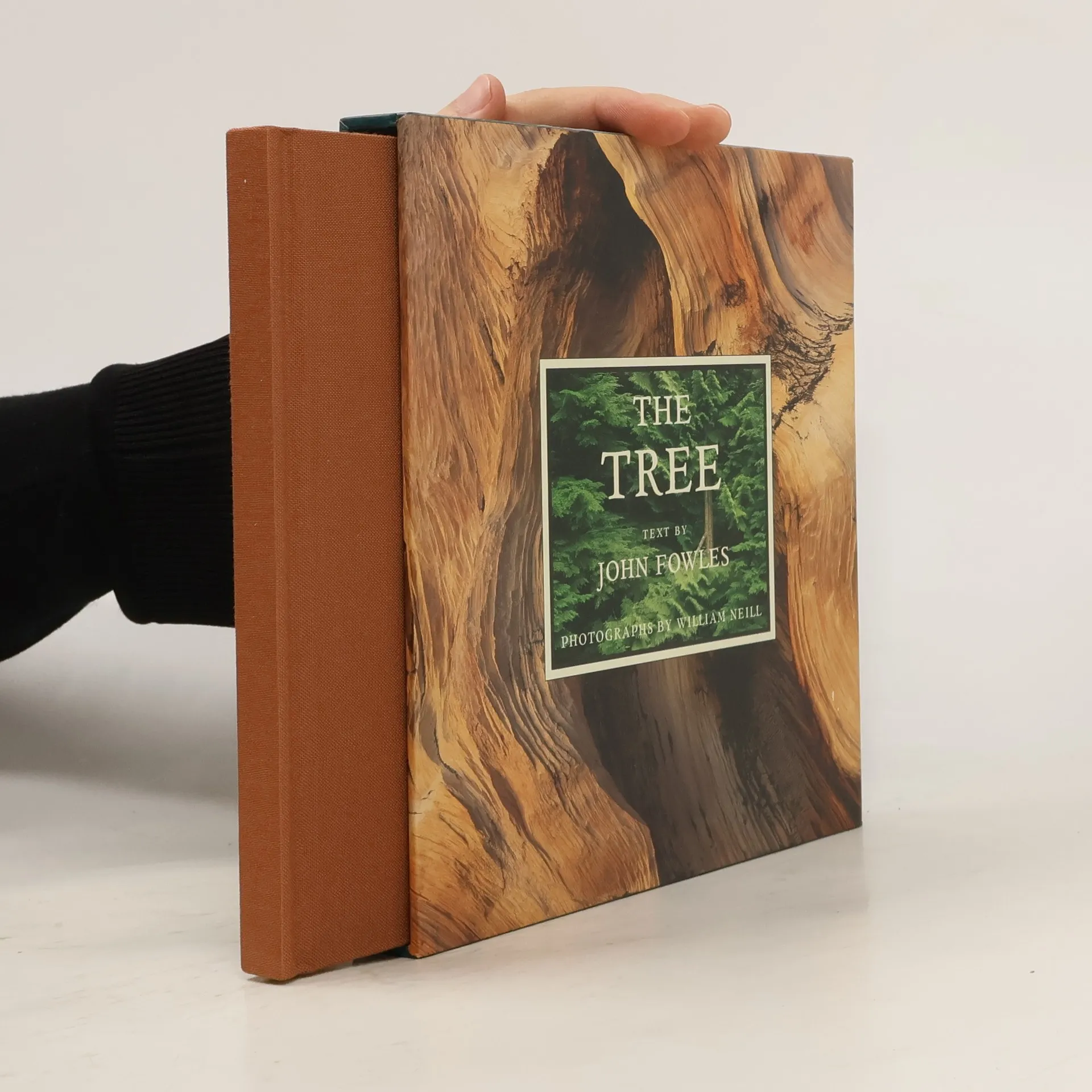
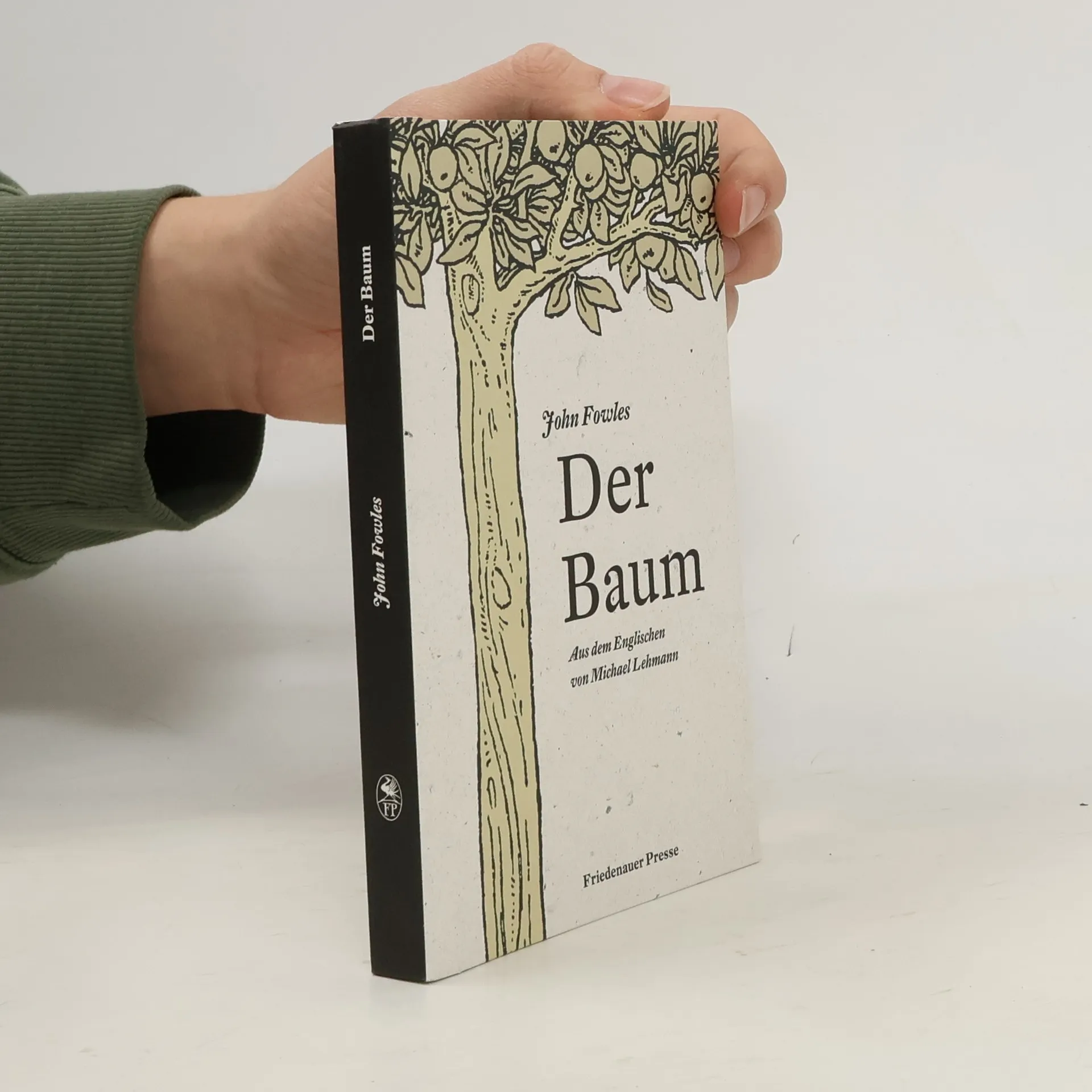
John Fowles (1926–2005) is widely regarded as one of the preeminent and most successful English novelists of the 20th century. His books have sold millions of copies worldwide, have been adapted for beloved films, and have been popularly voted among the 100 Greatest Novels of the Century. To a smaller but no less passionate audience, Fowles is also known as the author of The Tree—one of the most affecting and memorable arguments for the connection between the natural world and human creativity ever written. Fowles recounts his childhood in suburban and rural England, during which he rebelled against his Edwardian father’s obsession with the fruitfulness and “quantifiable yield” of well-pruned trees, and instead came to prize the messy, purposeless beauty of nature left to its wildest. The Tree is a powerful vindication of the joy of getting lost, the merits of having no plan, and the wisdom of following one’s nose wherever it might lead—in life as much as in art. Inspiring and life-changing, The Tree reaffirms our connection to nature and reminds us of the artistic life that is in all of us.
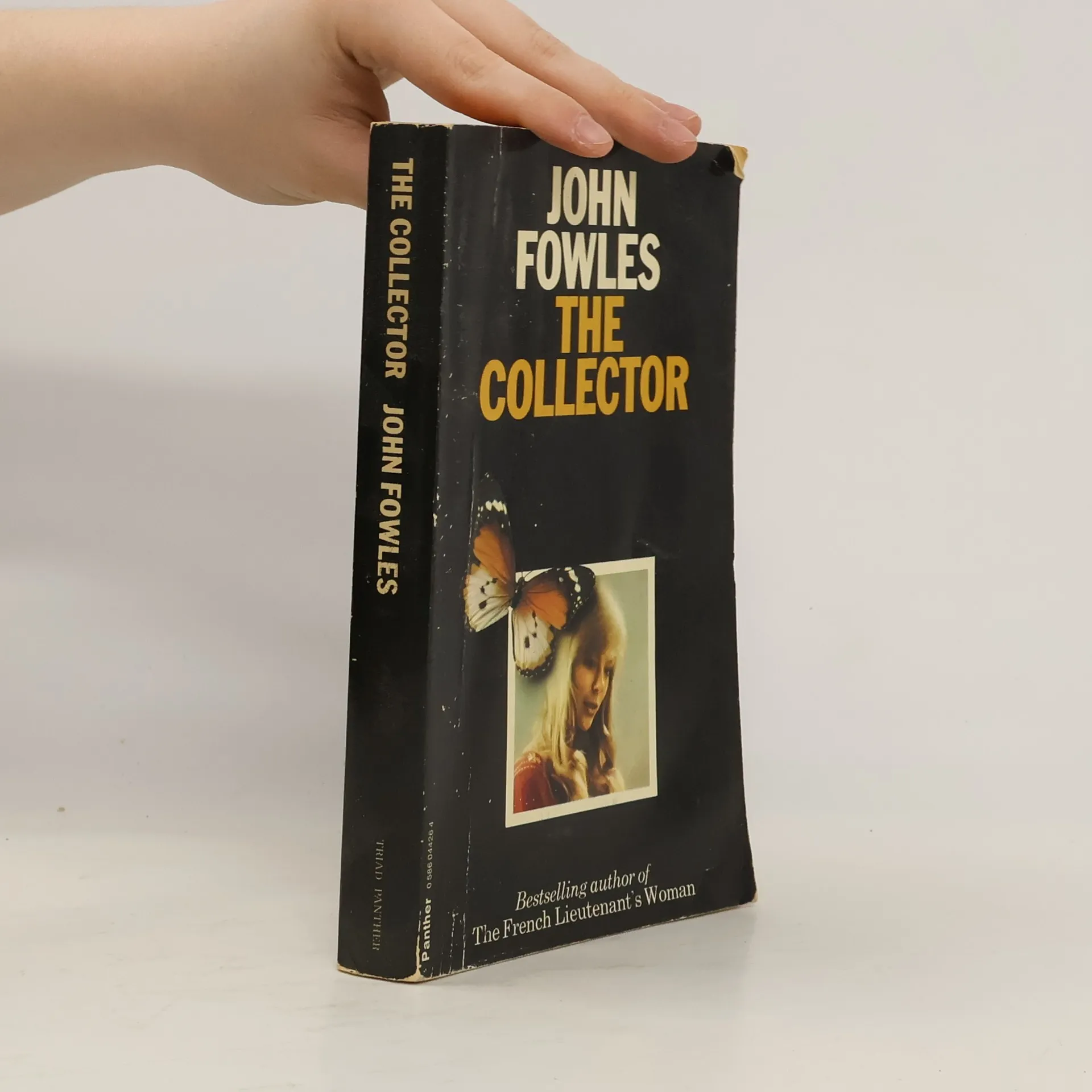
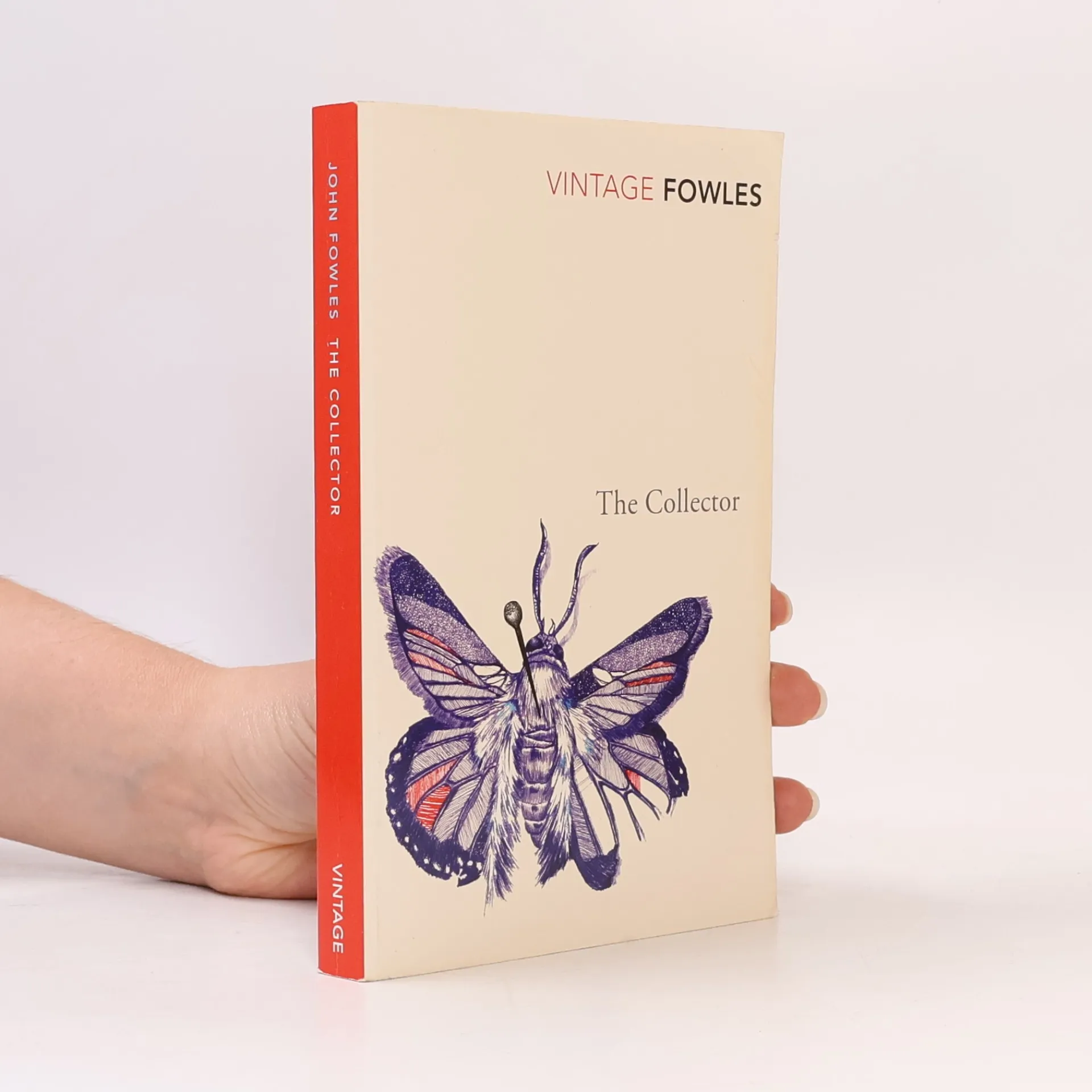
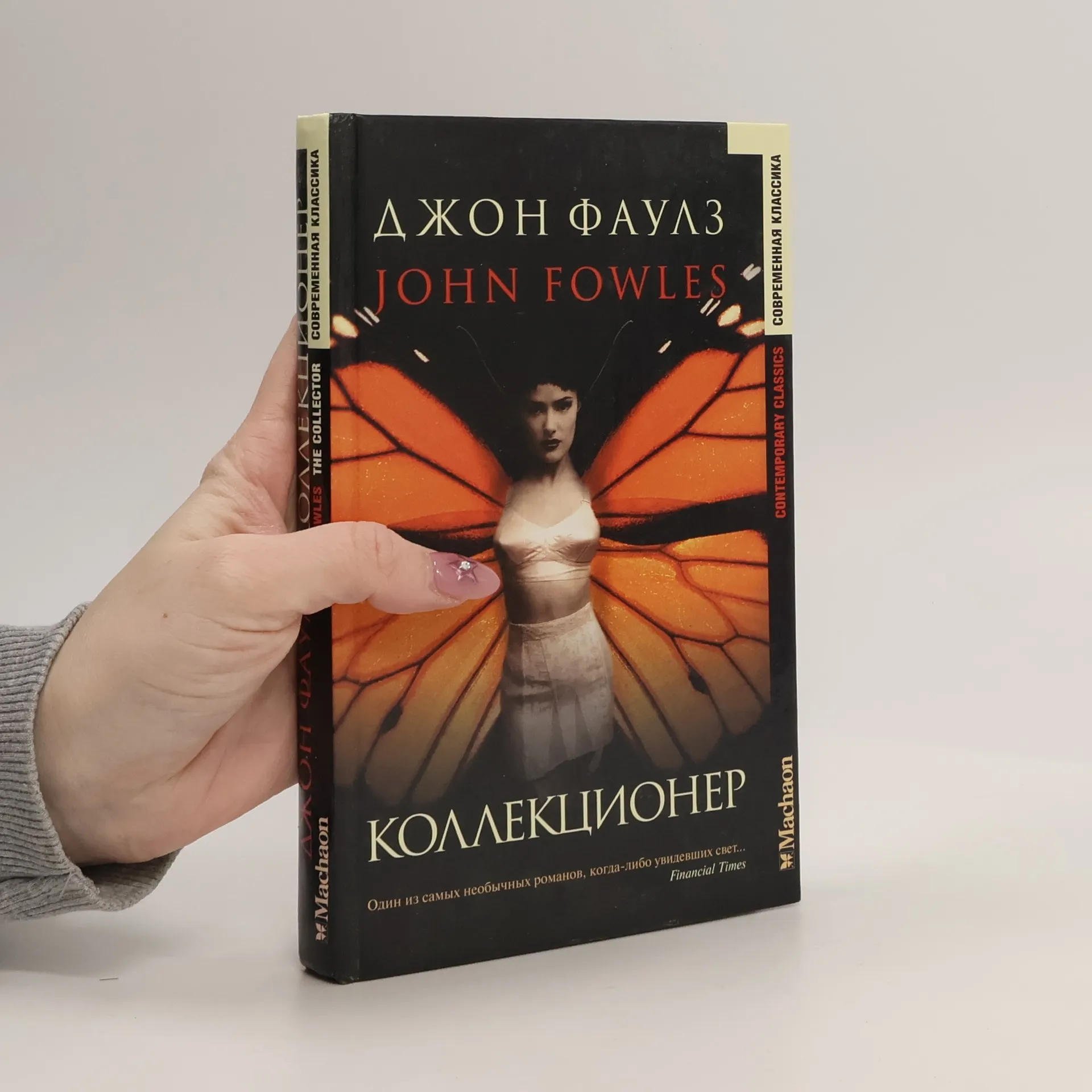
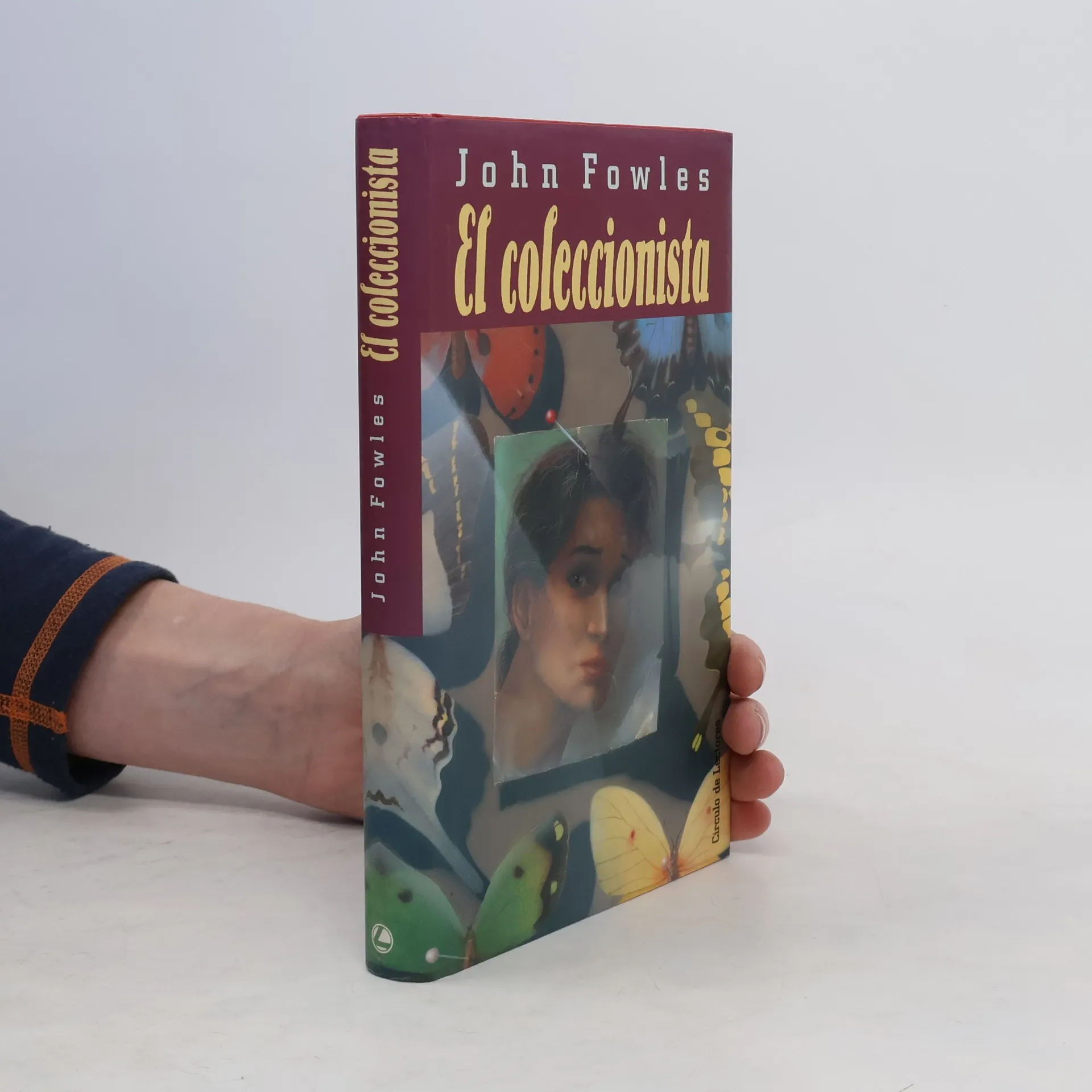
Withdrawn, uneducated and unloved, Frederick collects butterflies and takes photographs. A lottery win enables him to capture art student Miranda and keep her in the cellar of the Sussex house he has bought with the windfall.
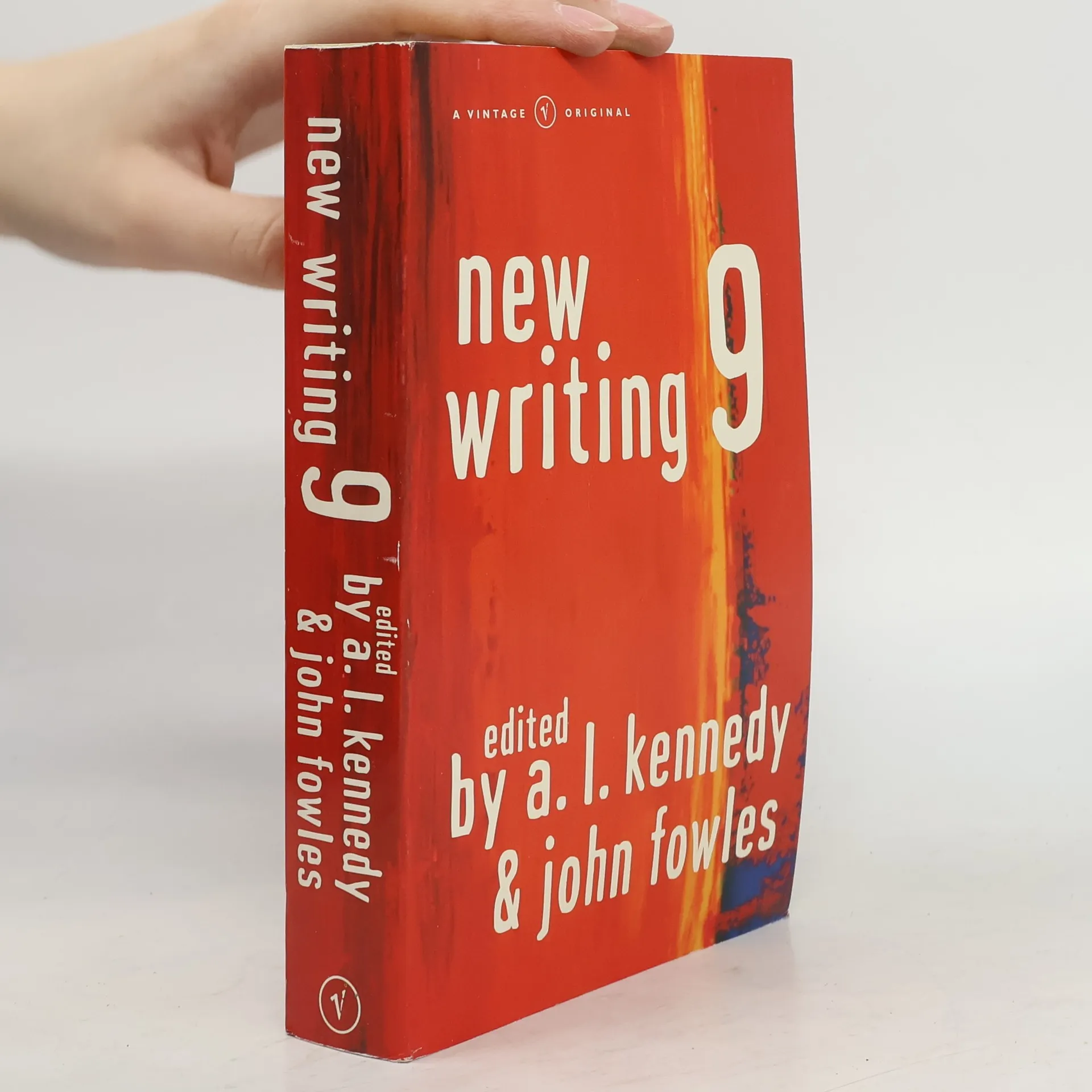
New Writing 9 brings together some of the most formidable British talent, placing new names alongside more established ones, and offers contributions ranging from poetry to essays, from short stories to previews of novels in progress. Distinctive, innovative and entertaining, it is essential reading for all those interested in British writing today. This volume features new writing from Simon Armitage, Louis de Bernières, John Burnside, Anita Desai, Neil Ferguson, Duncan McLean, Ruth Padel, Tim Parks; Rose Tremain, Alan Warner; and many others.
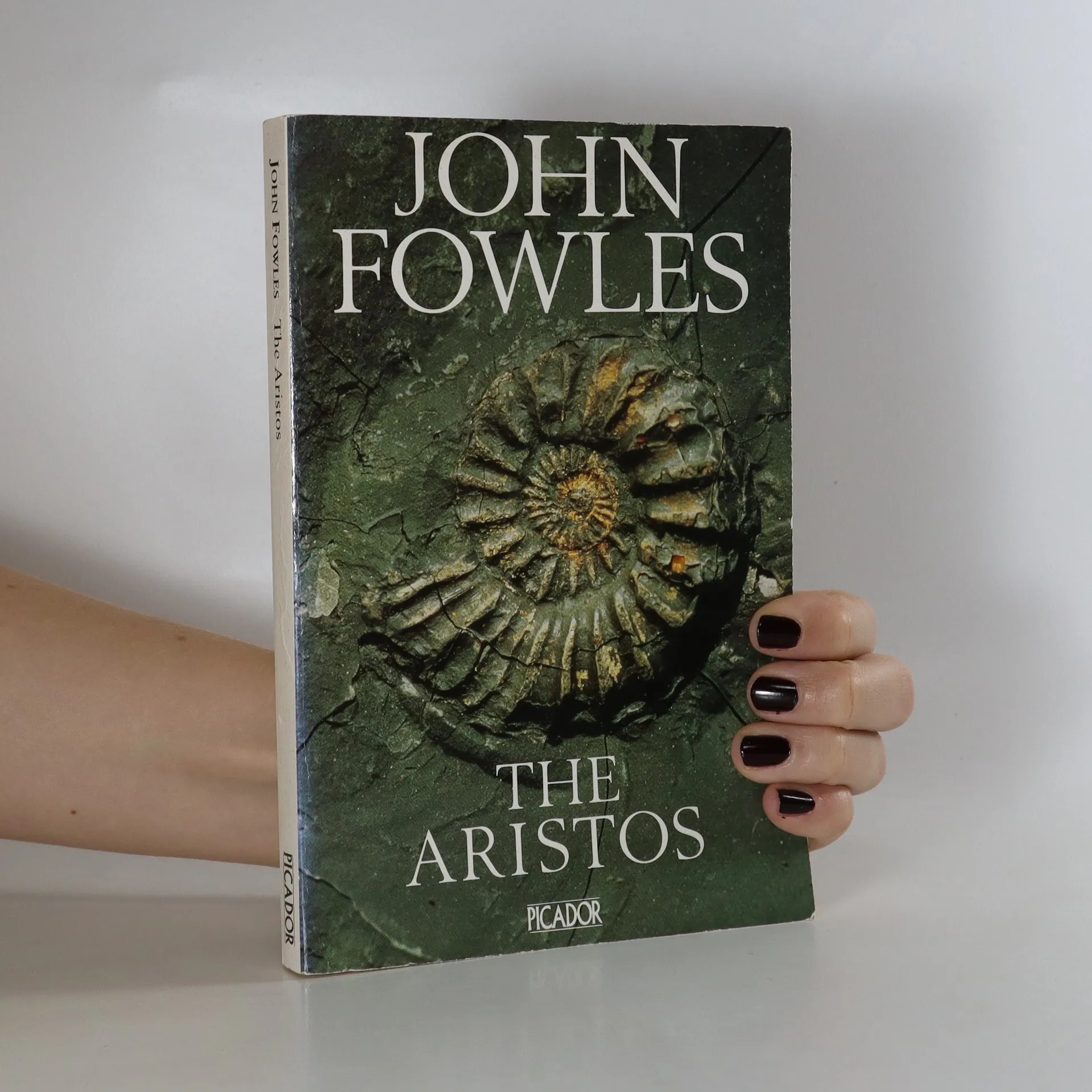
Two years after The Collector had brought him international recognition and a year before he published The Magus, John Fowles set out his ideas on life in The Aristos. The chief inspiration behind them was the fifth century BC philosopher Heraclitus. In the world he saw in constant and chaotic flux the supreme good was Aristos. unfree world. He called a materialistic and over-conforming culture to reckoning with his views on a myriad of subjects - pleasure and pain, beauty and ugliness, Christianity, humanism, existentialism and socialism.
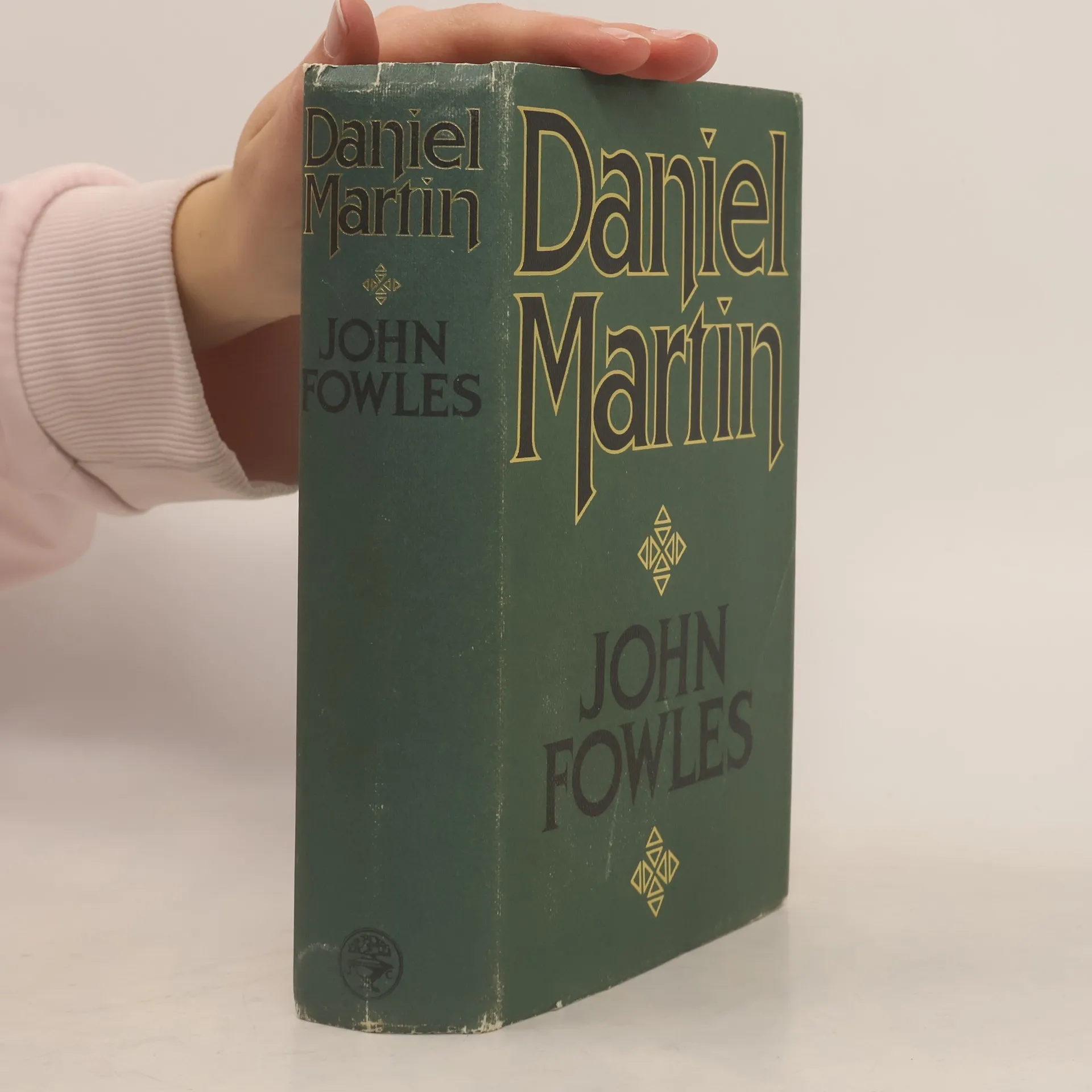
An extraordinary work of fiction, from one of the world's most exceptional writers.WITH AN INTRODUCTION BY JULIAN FELLOWESAfter graduating from Oxford, Daniel Martin moved to America and successfully pursued the dreams of many: he became a Hollywood screenwriter. But, as the years go by, Daniel grows more and more unsatisfied with the life he once coveted and the person he has become. Now Daniel has been called back to England to reconcile with a dying friend, but finds that he must also reconcile with the past and with himself.'I find it disastrous to read any of John Fowles' books - once I pick one up, I cannot put it down so everything else gets ignored!' Judi Dench, Daily Express'An instant masterpiece. It is a tour de force of stamina and subtlety' Daily Telegraph
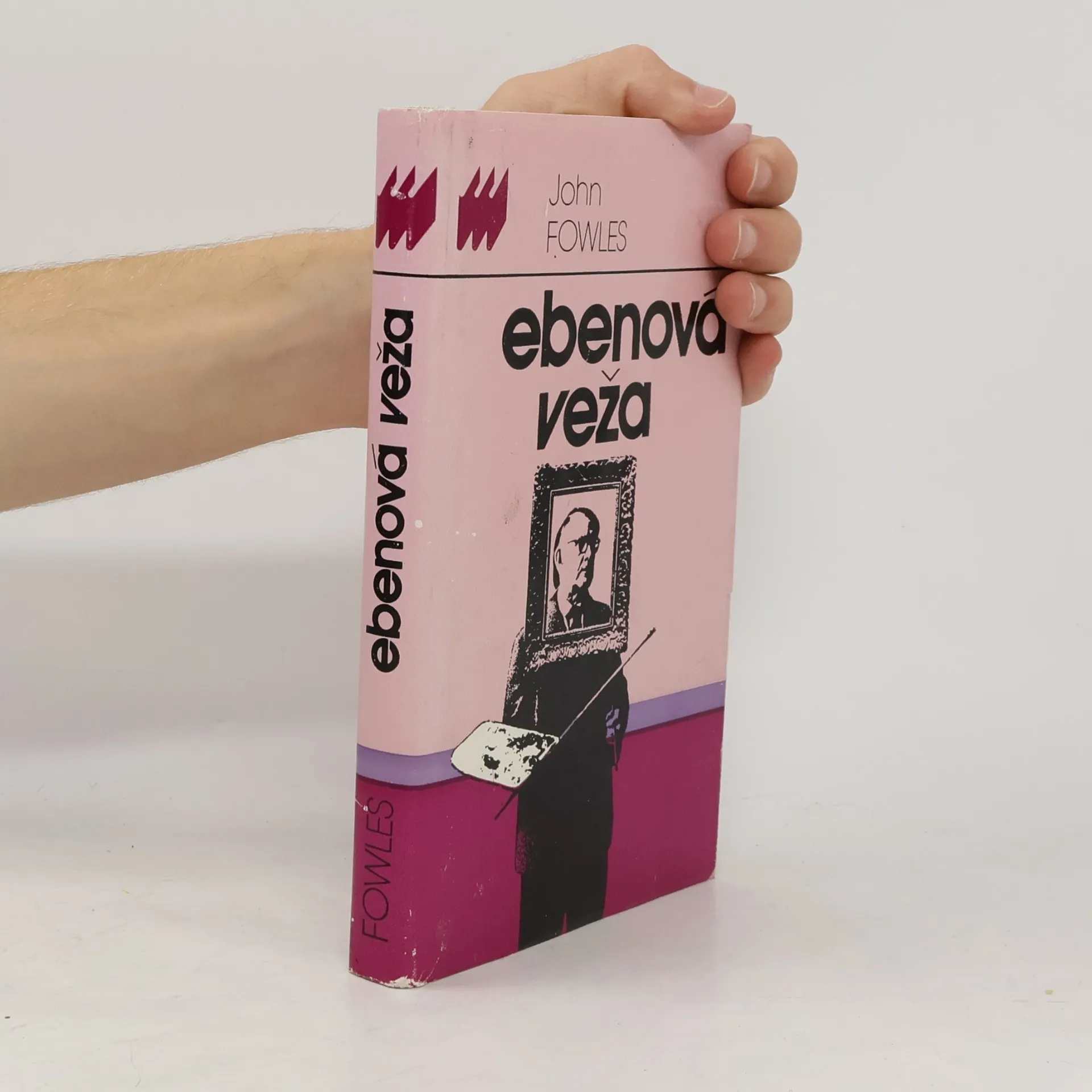
An extraordinary work of fiction, from one of the world's most exceptional writers.A journalist visits an elderly painter and becomes intrigued by his young female companions. Four years' worth of book research is set on fire in front of a writer. A successful MP disappears without a trace. Written with stylistic innovation, this sequence of novellas exploring the nature of art echoes the themes and preoccupations of Fowles' earlier work and cements his position as a master storyteller.
An American coming-of-age tale during a period when the entire country was losing its innocence to the second world war Set at a boys' boarding school in New England during the early years of World War II, A Separate Peaceis a harrowing and luminous parable of the dark side of adolescence. Gene is a lonely, introverted intellectual. Phineas is a handsome, taunting, daredevil athlete. What happens between the two friends one summer, like the war itself, banishes the innocence of these boys and their world.
Tom Adams painted the first Christie cover in 1962 for A Murder is Announced and since then his paintings have become one of the best known series of paperback covers all over the world.
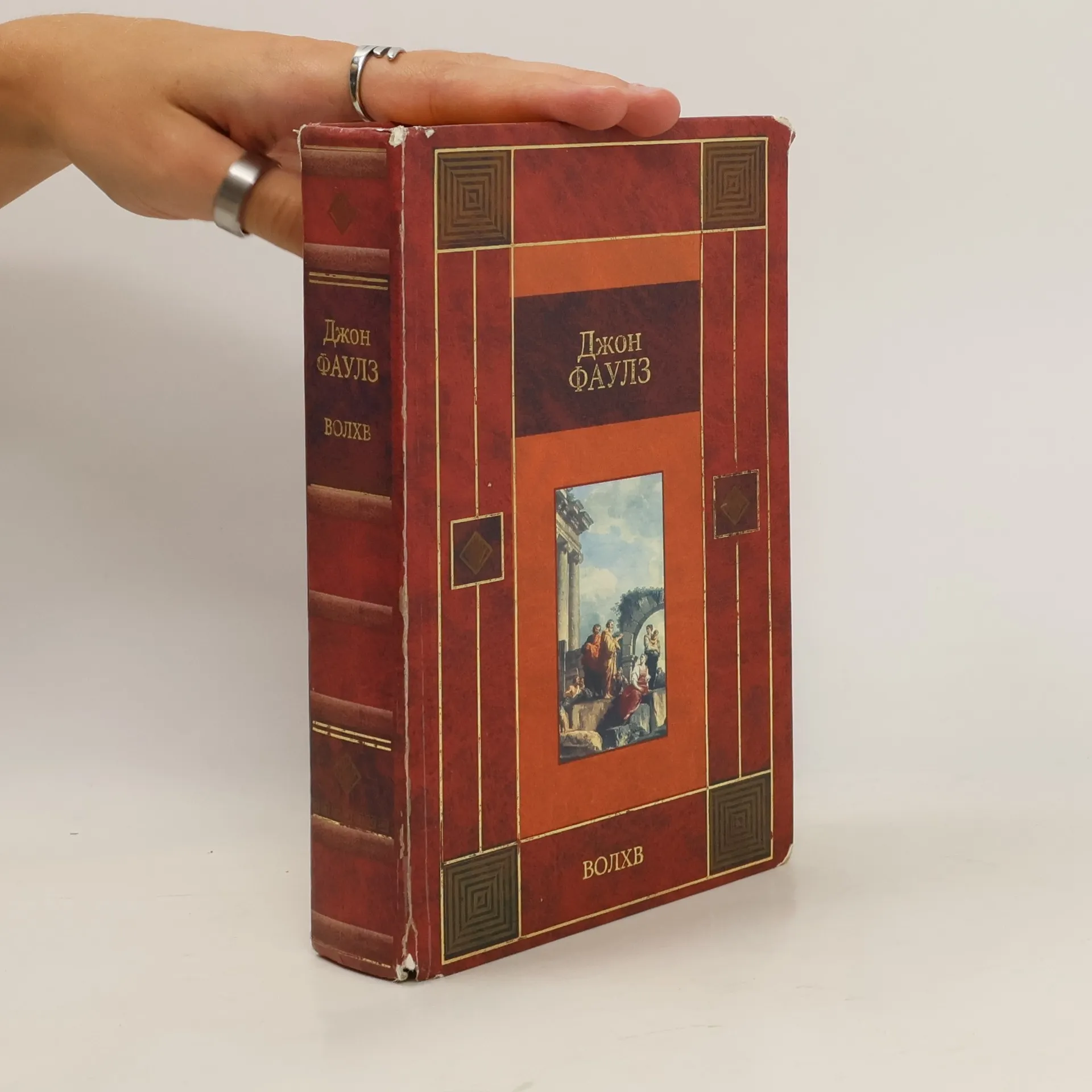
"Волхв" - самый популярный роман английского писателя, известного в России книгами "Коллекционер", "Башня из черного дерева", "Подруга французского лейтенанта", "Дэниел Мартин". На затерянном греческом острове загадочный "маг" ставит жестокие психологические опыты на людях, подвергая их пытке страстью и Небытие. Реалистическая традиция сочетается в книге с элементами мистики и детектива. Эротические сцены романа - возможно, лучшее, что было написано о плотской любви во второй половине XX века.
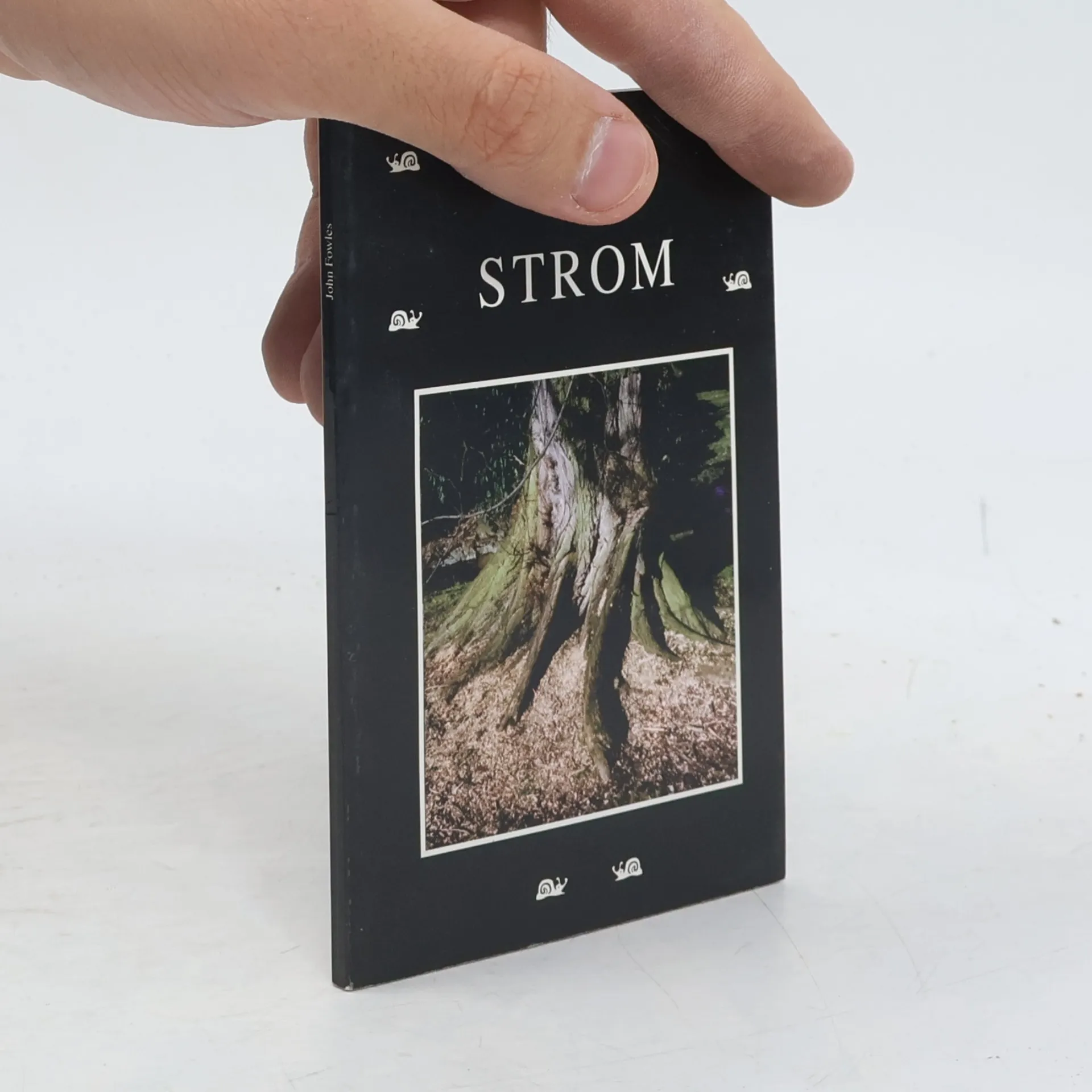
Literární esej se zabývá vztahem lidí vůči přírodě, v němž se projevují povahová založení jedinců. Lidé měli odjakživa nedůvěřivý vztah vůči volné přírodě a stejně tak i vůči "divokým" složkám lidské povahy, jež představují vše, co je v člověku nezvládnuté, podprahové, ne-vědomé. Snaha pojmenovat svět a utřídit jej do přehledných kategorií je důkazem toho, jak člověk usiloval o to podrobit si okolní svět a vnést do něho svá kritéria užitečnosti. Z Fowlesových rozborů uměleckých děl vyplývá, že příroda byla po staletí vnímána jako oblast pro člověka nebezpečná svojí nepřehledností a divokostí, a představovala tudíž protiklad civilizovaného společenství lidí s jejich potřebou řádu a přehlednosti.
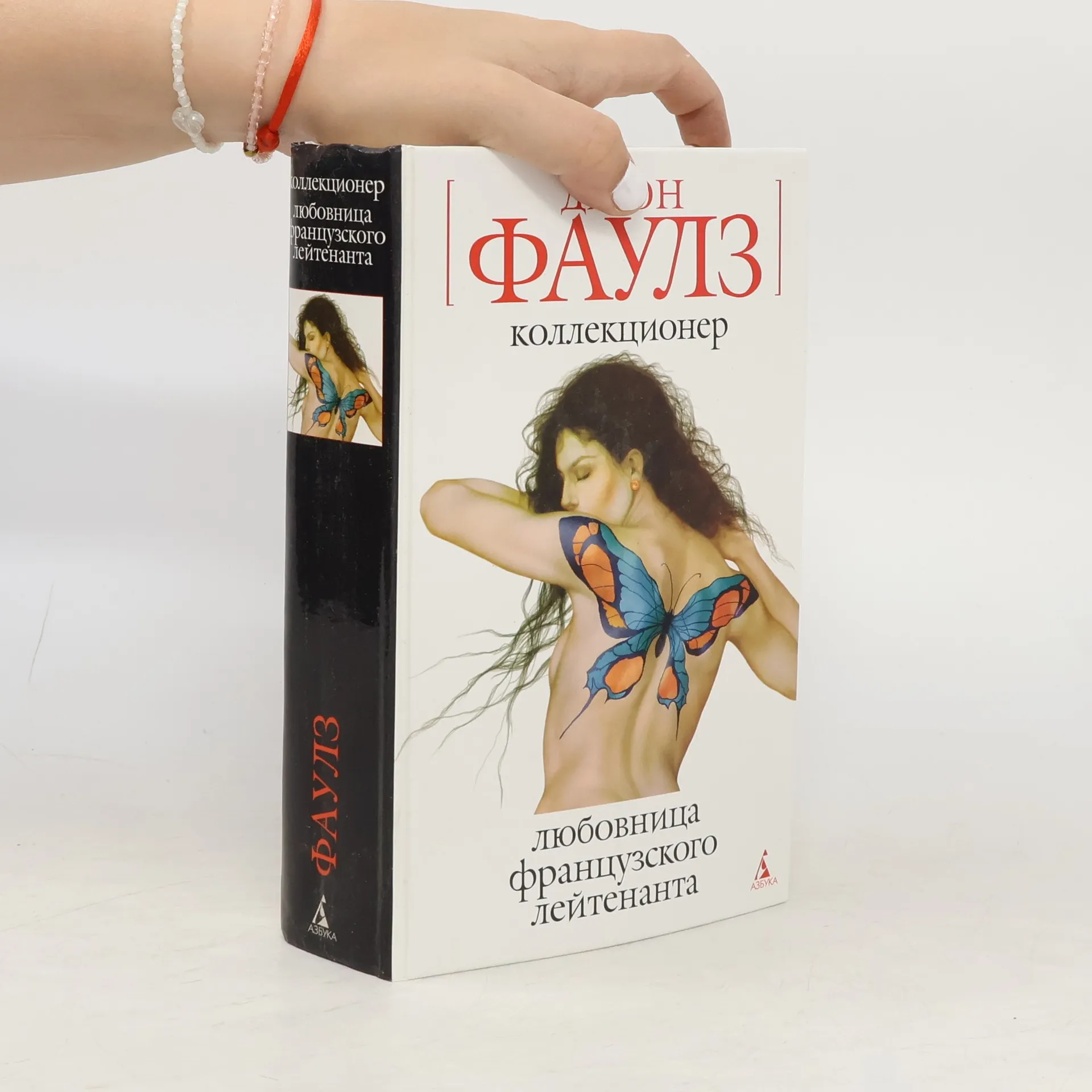
Джон Фаулз. Человек, сделавший современный англоязычный авангард таким, каким мы его знаем теперь. Джон Фаулз. Культовый писатель последних десятилетий. Подлинный король британского постмодерна, знаменитый уже хотя бы тем, что вывел постмодернистскую прозу из субкультурного "подполья" и сделал ее достоянием не избранных, но многих... Перед вами - два великолепных романа Джона Фаулза, которые можно считать знаковыми для его творческой биографии... "Коллекционер" - произведение, написанное по всем канонам реализма, сопоставимо по скрытой внутреннем экспрессии с прозой Уильяма Голдинга. Полные напряжения и трагизма отношения мужчины и женщины превращаются здесь в "другую реальность", обретая черты кошмара наяву. "Любовница французского лейтенанта" - почти шокирующая в своей психологической обнаженности история любви, рассказанная интеллектуалом, но поразительная по искренности и завораживающей силе воздействия на читателя...
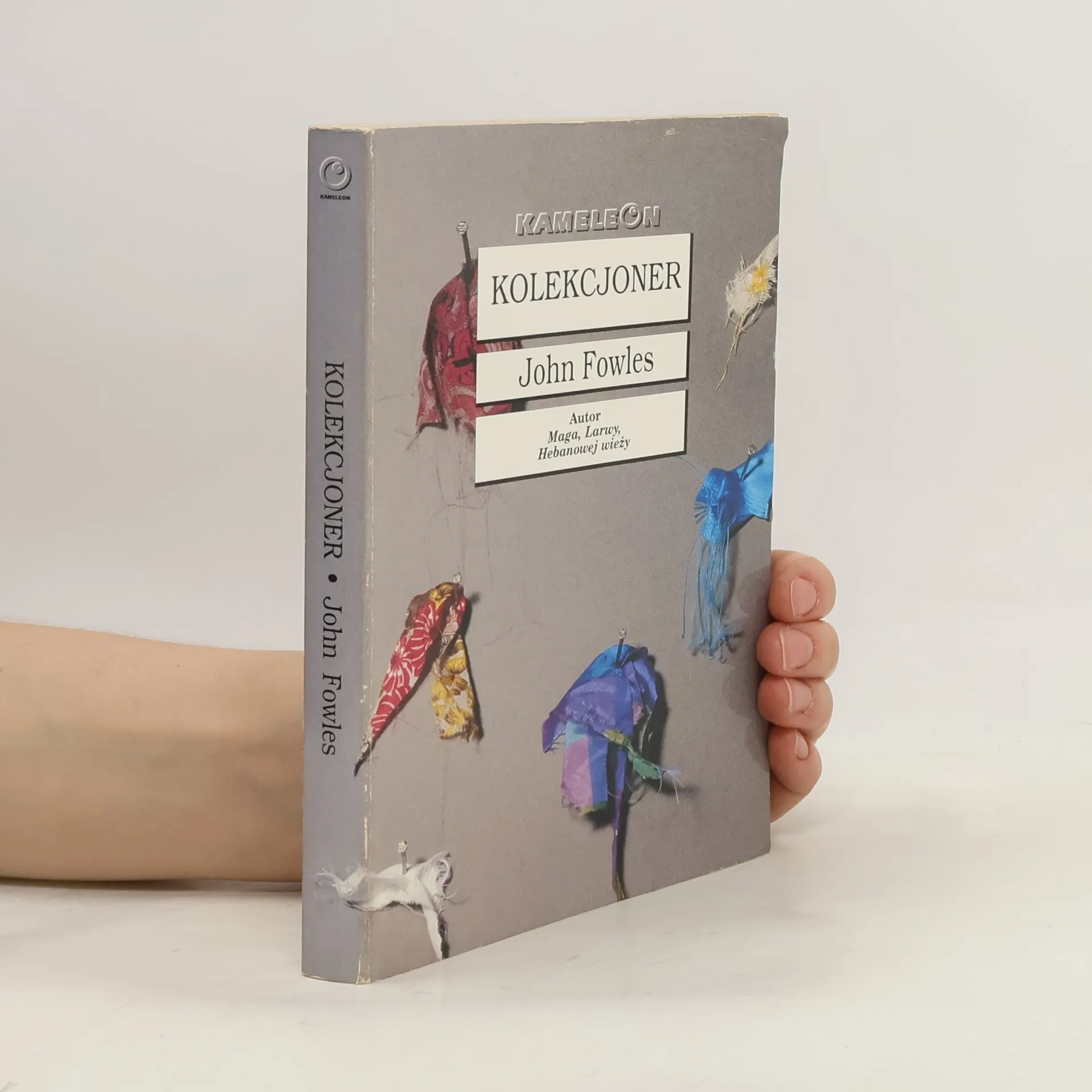
"Kolekcjoner" jest debiutem powieściowym Fowlesa. Jest to trzymająca w napięciu historia porwania i uwięzienia pięknej dwudziestoletniej studentki malarstwa, Mirandy Grey, przez zauroczonego nią obsesjonata, kolekcjonera motyli, Fryderyka Clegga. Bohater chce, by dziewczyna z ofiary przeistoczyła się w kochającą go kobietę. Dba o zapewnienie jej luksusowych warunków, spełnia każde pragnienie - z wyjątkiem jednego... . Dziewczyna jak motyl uwięziony w siatce, pragnie zaś tylko odzyskania wolności.
Der Baum ist eine provokante Meditation über die Verbindung zwischen der natürlichen Welt und der menschlichen Kreativität. Ausgehend von den Erfahrungen seiner eigenen Kindheit, tritt Fowles darin jeder Zähmung des Wilden entgegen und wurde damit zu einem der Wortführer der noch jungen Ökologiebewegung. Er beschreibt, wie er sich gegen die Besessenheit seines Vaters von der »quantifizierbaren Ausbeute« gut geschnittener Obstbäume auflehnte und stattdessen die chaotische, zweckfreie Schönheit der Natur zu schätzen lernte, die sich selbst überlassen ist. Kommentiert von Michael Lehmann und ergänzt um zwei weitere thematisch anschließende Essays ist Der Baum ein inspirierendes, ja lebensveränderndes Buch, das unsere Verbundenheit mit der Natur beschwört und daran erinnert, wie schön es ist, sich zu verirren, wie gut es ist, keinen Plan zu haben, und wie weise es ist, seiner Nase zu folgen, wohin auch immer sie führen mag – im Leben ebenso wie in der Kunst.
Román Milenka francúzskeho poručíka patrí k tým vzácnym literárnym dielam, ktoré rovnako chvália kritici i radoví čitatelia. Román bol úspešne sfilmovaný s Meryl Streepovou a Jeremy Ironsom v hlavných úlohách. Tento ľúbostný príbeh z viktoriánskeho Anglicka, podaný v duchu a štýlom viktoriánskeho románu, je vlastne veľmi jemnou a rafinovanou literárnou paródiou. Výsledkom je psychologický román o láske dvoch spoločensky nerovných milencov, ich neprípustné lásky, horúce vášne, potlačená sexualita a pokrytectvo viktoriánskej doby. Hlavná hrdinka, tajomná, zvodná a trochu tvrdohlavá žena sa zúfalo usiluje vymaniť z dobových pút sociálneho i citového obmedzovania, tým sa však stáva objektom záujmu bohatého Francúza, ktorému zasa nová známosť prináša trýznivý vnútorný konflikt a voľbu medzi dvoma ženami. Autor tak okrem vynikajúcich portrétov hlavných postáv, načrtáva i prenikavý a hlboký portrét doby, ktorá vo veľkej miere predurčila naše dnešné osudy.