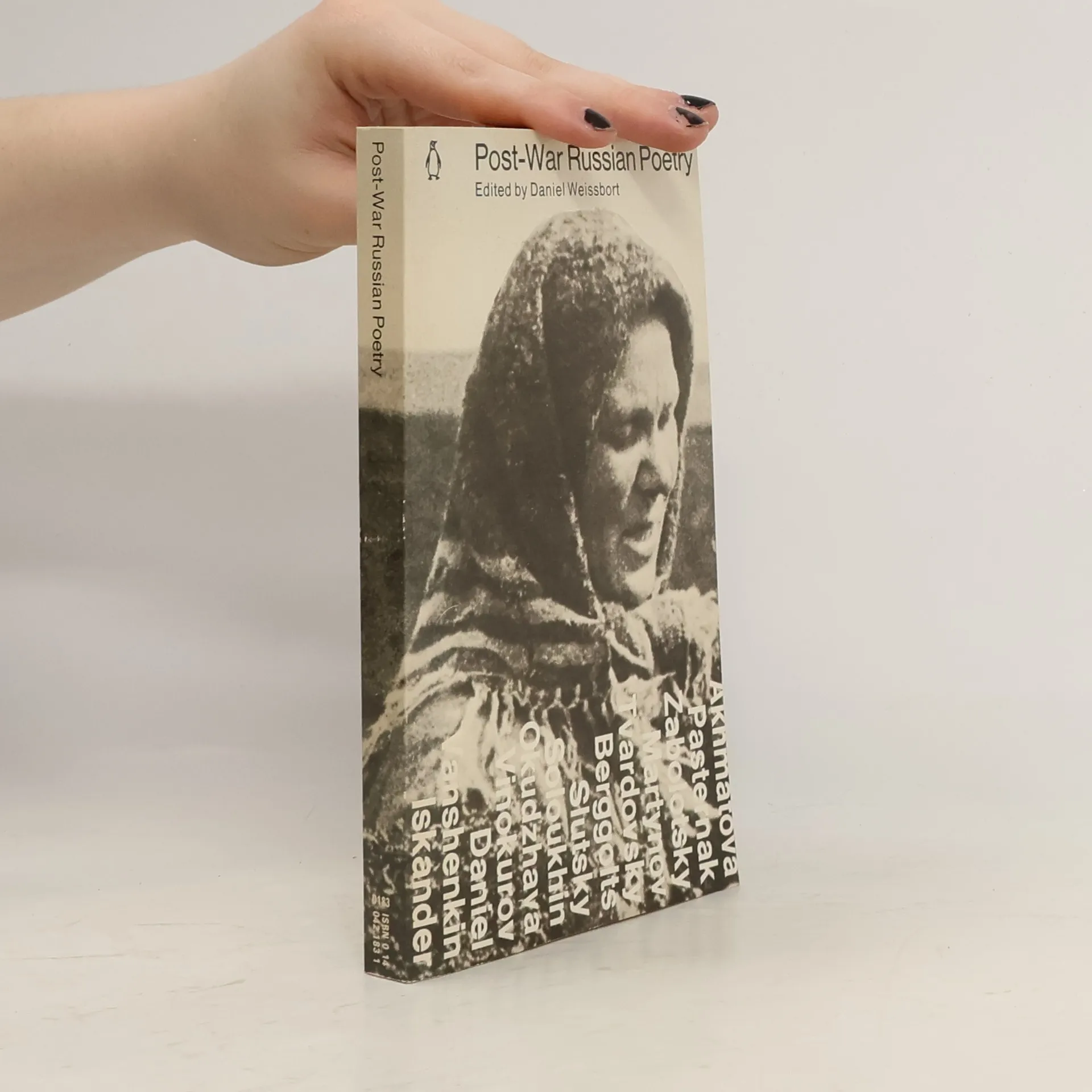
Daniel Weissbort a consacré une grande partie de sa carrière à l'art et à la pratique de la traduction littéraire. Cofondateur de la revue influente Modern Poetry in Translation, il a favorisé un environnement où diverses voix poétiques pouvaient être partagées au-delà des barrières linguistiques. Son travail exhaustif en tant qu'éditeur et traducteur a mis en lumière le lien vital entre la création poétique et la compréhension de sa transmission. La production poétique propre de Weissbort, aux côtés de ses contributions académiques à la théorie de la traduction, a cimenté son rôle significatif dans le paysage littéraire.
For many years the author was associated with the late Russian emigre poet Joseph Brodsky. This work offers an account of their relations, in which the author is both translator and confidant to the great poet. It also includes detailed discussions of the problems of translating Brodsky's poems.
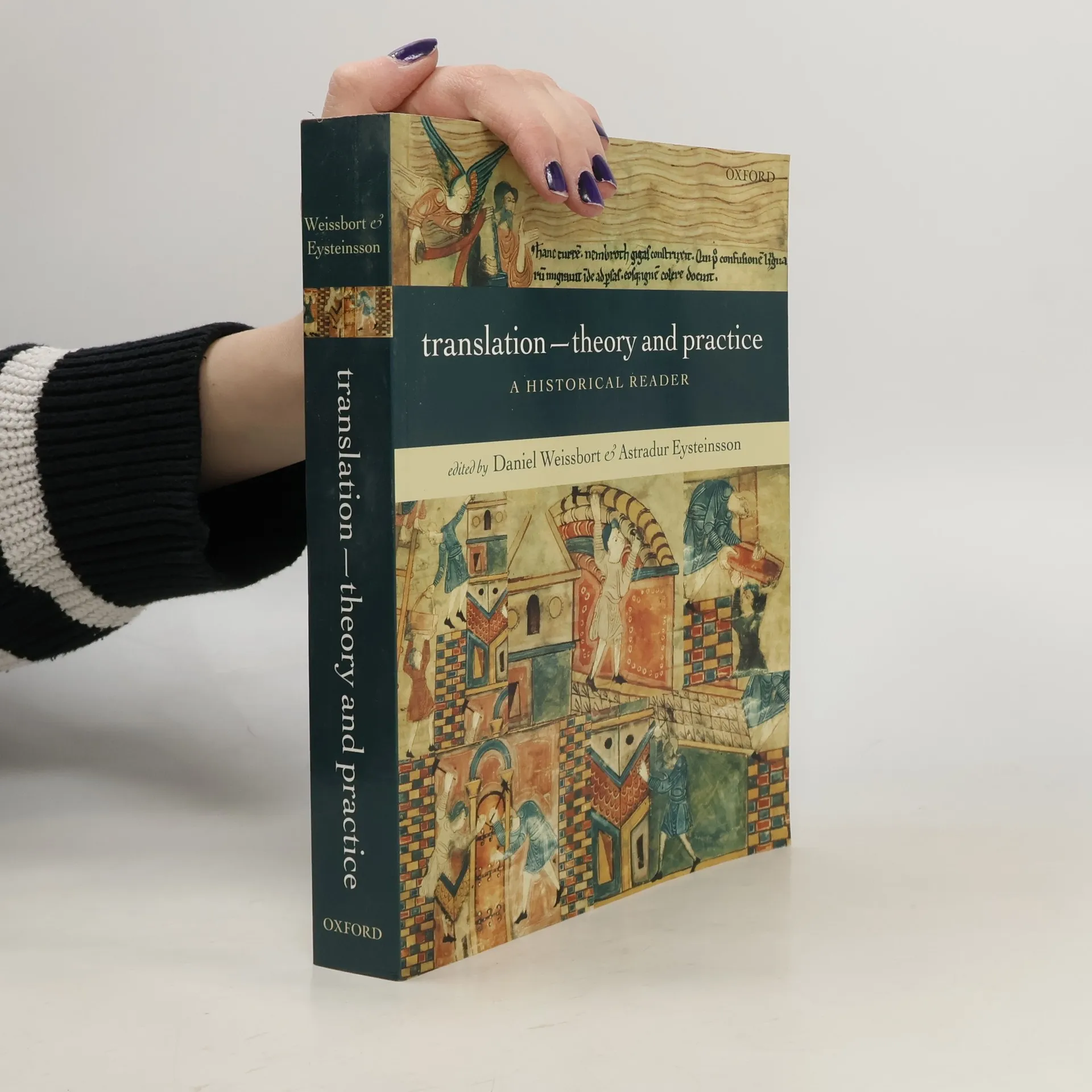
This collection responds to the need for primary texts on translation within the English tradition, spanning from its earliest origins to contemporary practices. It showcases the connection between theory and practice through significant theoretical writings and actual translations, alongside excerpts from letters, interviews, autobiographies, and fiction. Designed as both a teaching tool and an encyclopedia for translators and writers, it presents diverse approaches to translation, highlighting the gains and losses inherent in each method. Key texts, including the Bible and Homeric epics, are traced through history with consistent passages, enabling readers to map the evolution of translation and assess various approaches in their historical contexts. Ad verbum versions accompany these passages for easy comparison. The bibliographies are thorough, drawing on contributions from leading scholars, including the late James S. Holmes and others. Additionally, significant non-English texts, such as Martin Luther's "Circular Letter on Translation," provide a broader context for the English tradition. Related materials, including introductions by Tudor and Jacobean translators and works by women translators from the sixteenth to eighteenth centuries, are compiled in "collages" that emphasize pivotal developments in translation history. This comprehensive reader serves as an invaluable resource for scholars, students, poets, cultural