The First Postmodern Survey of Philosophy from Ancient Times to the Turn of the Twenty-First Century
928pages
33 heures de lecture
Focusing on the theory of signs, this work explores its pivotal role in the evolution of philosophical thought. By examining the interplay between signs and understanding, it offers a fresh perspective on the intellectual culture at the brink of globalization, encouraging readers to reevaluate historical developments through this lens.
This book is a coherent argument about the meaning of the term "postmodern" as it applies to philosophy at the opening of the twenty-first century. The author makes the case that the twentieth-century development of the doctrine of signs, commonly known as semiotics, represents the positive essential thrust giving birth to a postmodern era of philosophy, as clean a break with modern thought as modern thought was with Latin scholasticism in the time of Galileo, Poinsot, and Descartes - but with a difference. Contrary to what the author dismisses as false claims of postmodernity, the work shows that what is truly postmodern in philosophy both goes beyond modernity and recovers philosophy's past in a renewed understanding of the human condition. The "problem of the external world," which modern philosophy began by creating, postmodern philosophy begins by revealing as a quasi-error. The book concludes with a philosophical dialogue revealing the inadequacy to the postmodern situation of a simple return to any past form of "realism," and explaining why the postmodern situation calls for a new definition of human being as "the semiotic animal."
The book addresses unresolved issues in the subjectivity/objectivity debate, as highlighted by Heidegger, offering a thorough analysis that enhances both semiotics and philosophy. It distinguishes between common perceptions of objectivity and its true implications revealed through semiotic analysis. By exploring the ontology of signs and the nature of relational status, it argues that human experience is often shaped by a constructed notion of 'purely objective reality.' The author emphasizes the importance of recognizing signs and their relations in understanding human awareness and existence.
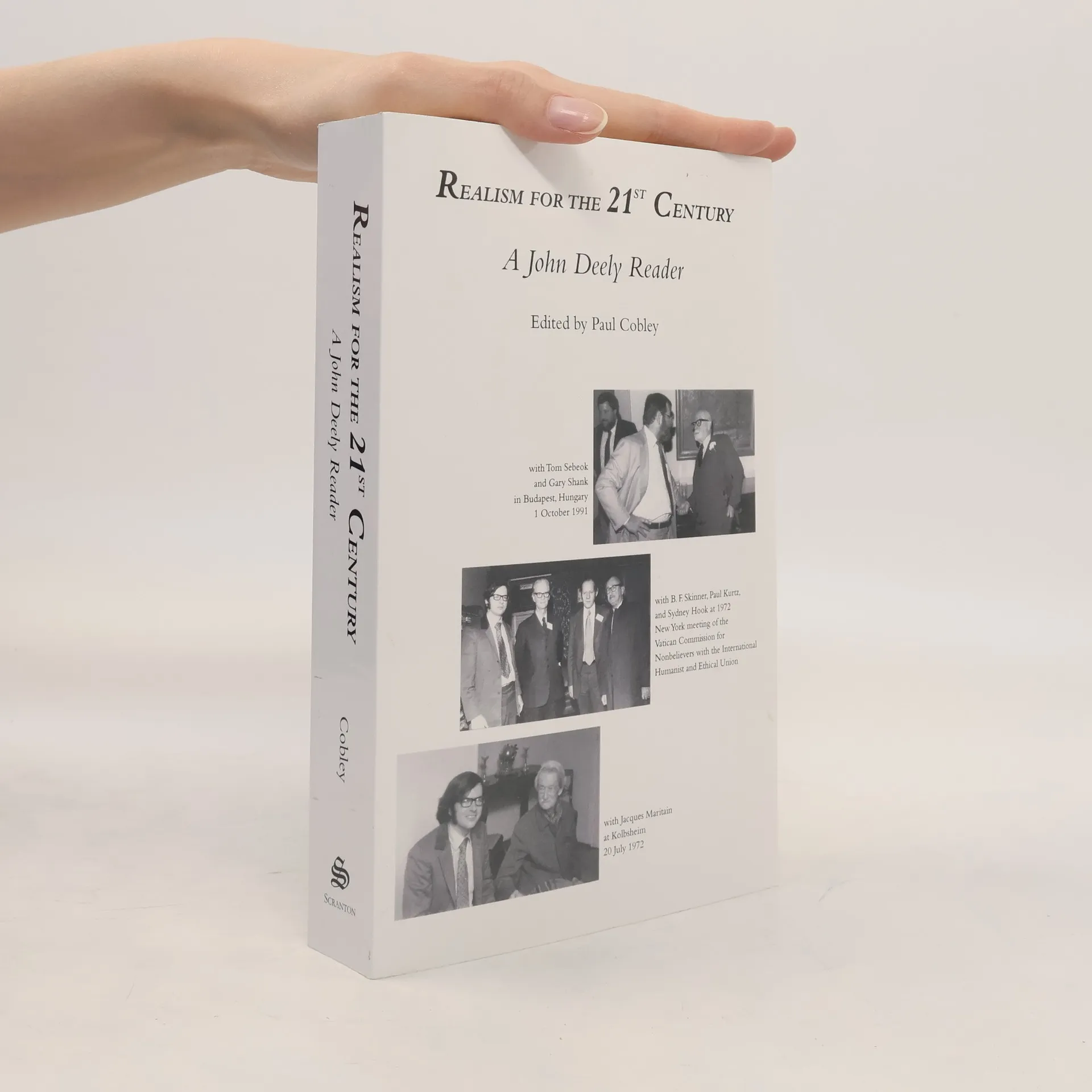
Realism for the 21st Century is a collection of thirty essays from John Deely—a major figure in contemporary semiotics and an authority on scholastic realism and the works of Charles Sanders Peirce. The volume tracks Deely’s development as a pragmatic realist, featuring his early essays on our relation to the world after Darwinism; crucial articles on logic, semiotics, and objectivity; overviews of philosophy after modernity; and a new essay on “purely objective reality.”
The last half century has produced an increasing interest in semiotics, the study of signs. As an interdisciplinary field, moreover, semiotics has produced a vast literature from many different points of view. As the discourse has expanded, clear definitions and goals become more elusive. Semioticians still lack a unified theory of the purposes of semiotics as a discipline as well as a comprehensive rationale for the4 linking of semiosis at the levels of culture, society, and nature. As Deely suggests in his preface, the image of the modern semiotic universe is the same as that of astronomy in 1611 as suggested by John "Tis all in pieces, all coherence gone; / All just supply, and all Relation." This short, cogent, philosophically oriented book outlines and analyzes the basic concepts of semiotics in a coherent, overall framework.
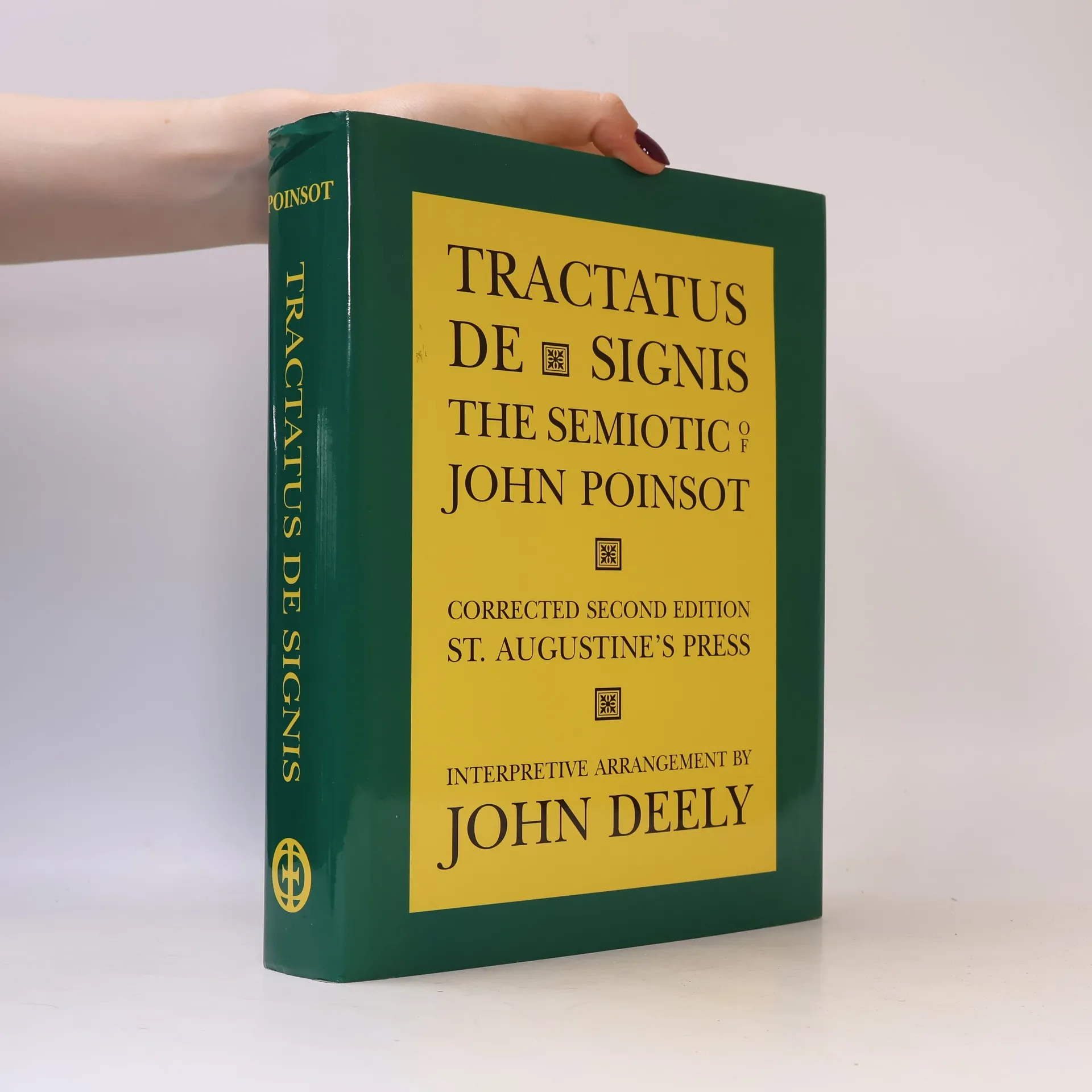
The book offers a critical bilingual edition of Poinsot's 1632 work on signs, enhanced with a new foreword and a correlation table linking it to the original Cursus Philosophicus. This influential synthesis of Latin thought, alongside Descartes, integrates philosophies of signs from Aristotle to Aquinas and Renaissance thinkers. Poinsot's contributions were pivotal in the 20th-century revival of Thomism, notably influencing Jacques Maritain. The depth of scholarship makes this work a significant resource for understanding the evolution of philosophical thought on signs.
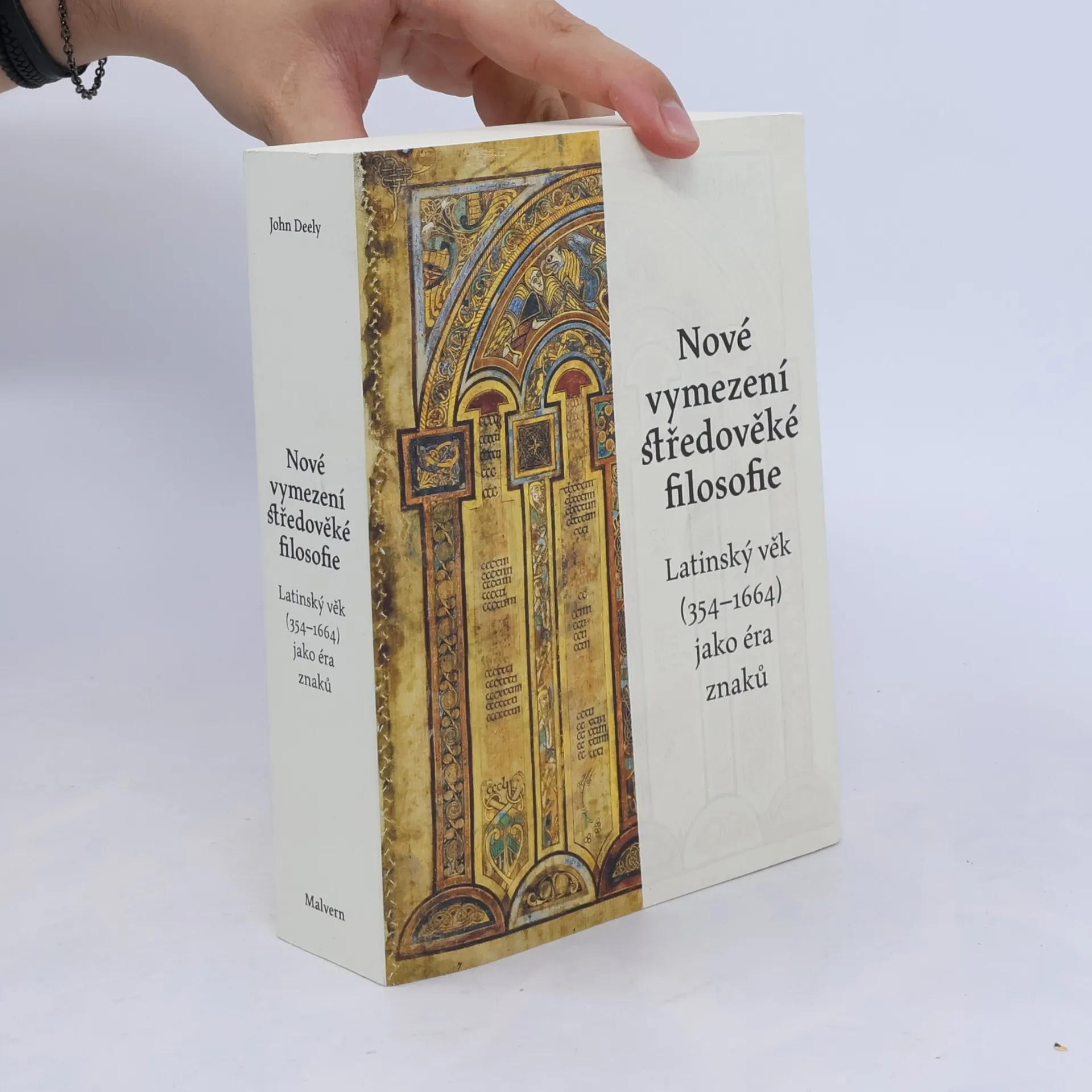
John Deely (1942–2017) popisuje dějiny latinského myšlení z pohledu vývoje sémiotiky, kterou považuje za klíčový přínos latinské civilizace. Sleduje její vývoj od doby Augustinovy přes scholastiku až do první poloviny 17. století, kdy latinský věk předává štafetu novověkému myšlení. Latinská křesťanská filosofie se zaměřovala na dějiny spásy a charakterizaci Boha, světa a člověka, přičemž šlo o úsilí vzdělaných myslitelů. Deely přináší nový pohled na latinská staletí, odklání se od teologických sporů a zaměřuje se na výklad světa, aniž by se ztrácel ve středověké teologii či politických dějinách. Augustin z Hipponu, zakladatel latinské tradice, zavedl pojem znaku (signum), který se liší od řeckého sémeion tím, že zahrnuje i jazyk a lidské nitro, což přispívá k porozumění. Naše myšlenky, zkušenosti a vzpomínky mohou fungovat jako znaky, označující něco jiného. Tato figura byla po staletí rozvíjena, až vyvrcholila v pozdní scholastice Janem od sv. Tomáše. Ačkoli nauka dosáhla vrcholu, svět se ubíral jiným směrem, inspirován Poinsotovými současníky, jako byli Galileo a Descartes. Až Charles S. Peirce se začal věnovat středověké scholastice, navázal na latinské myšlení a vytvořil novou nauku, sémiotiku, která je v Deelyho podání paralelou k novověké filosofii.