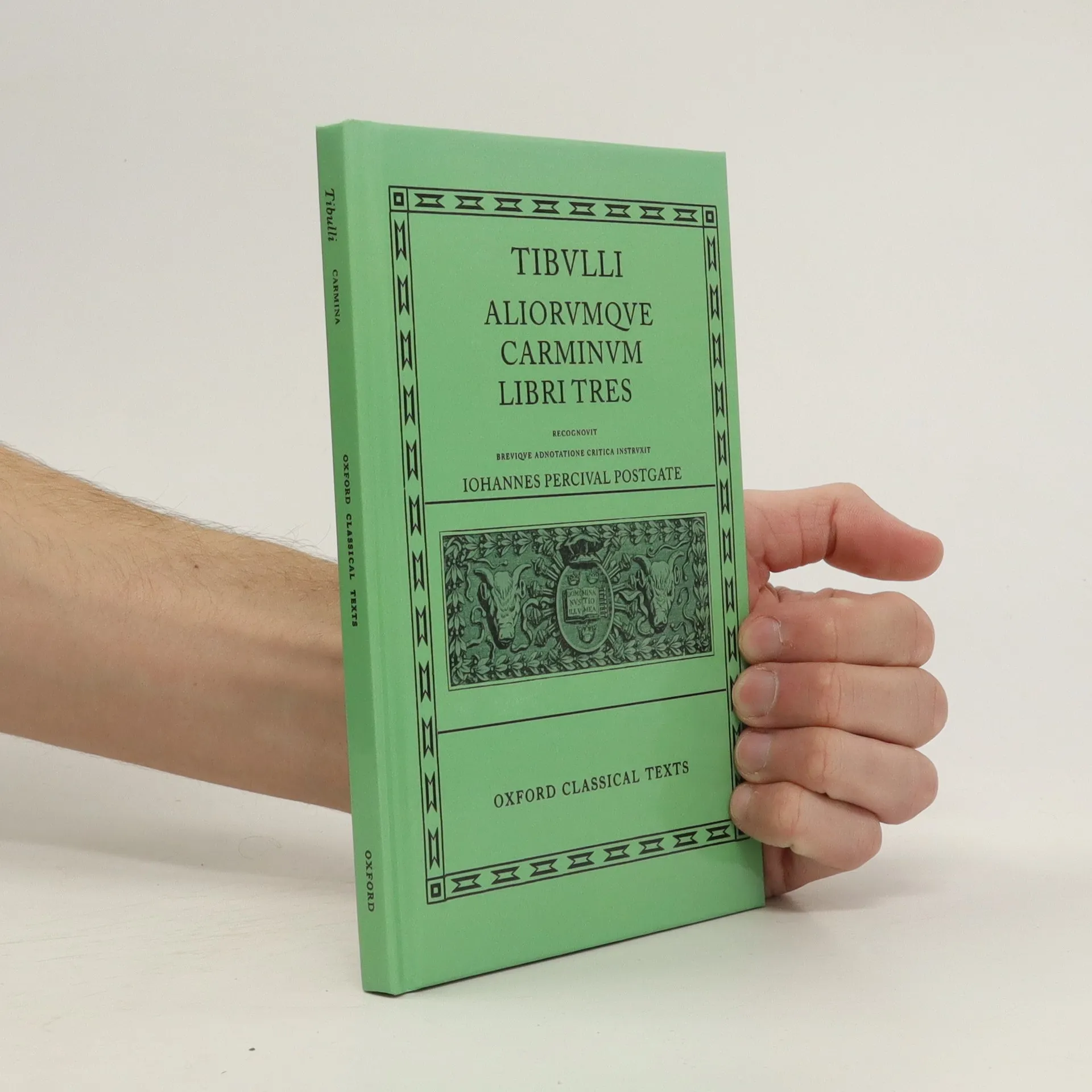
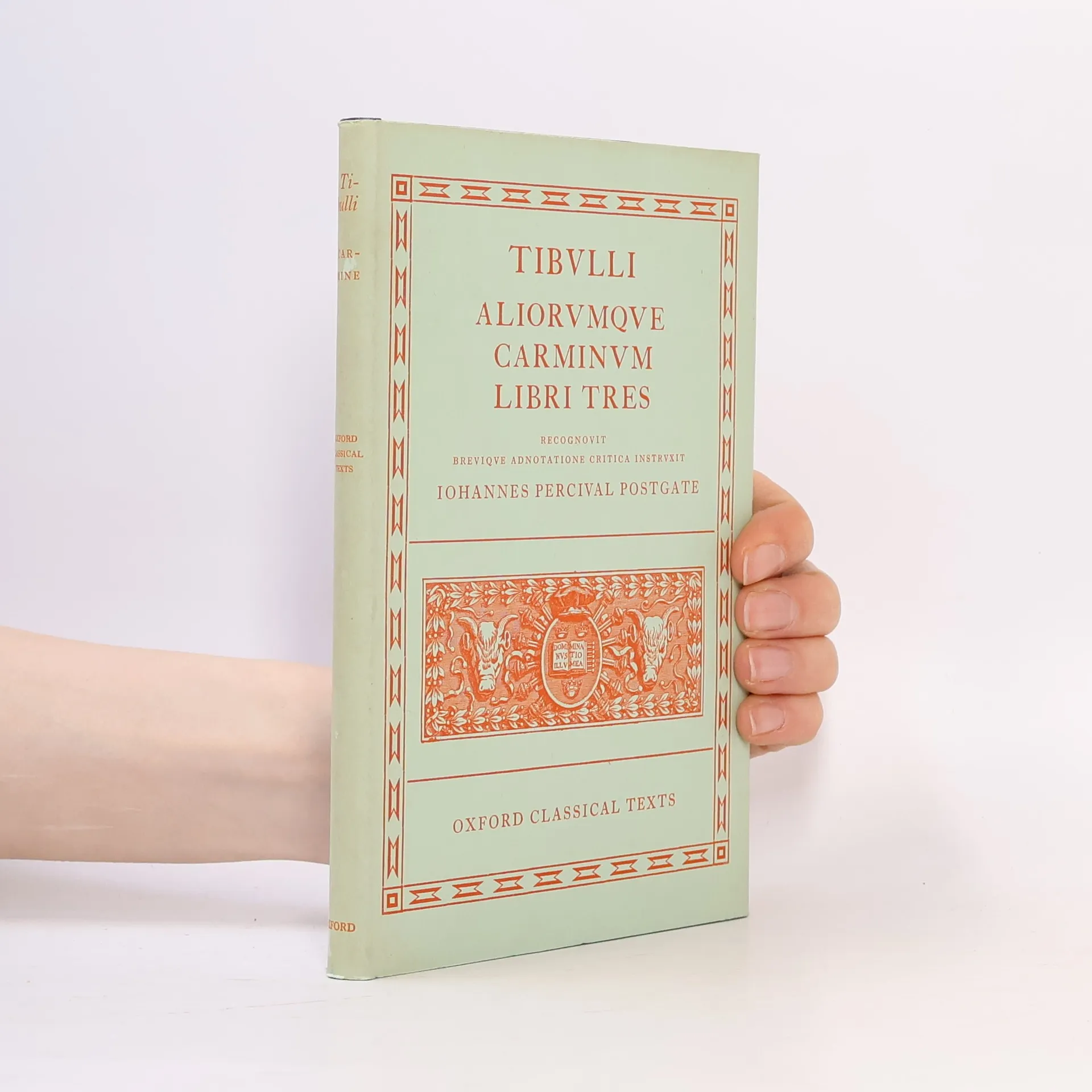
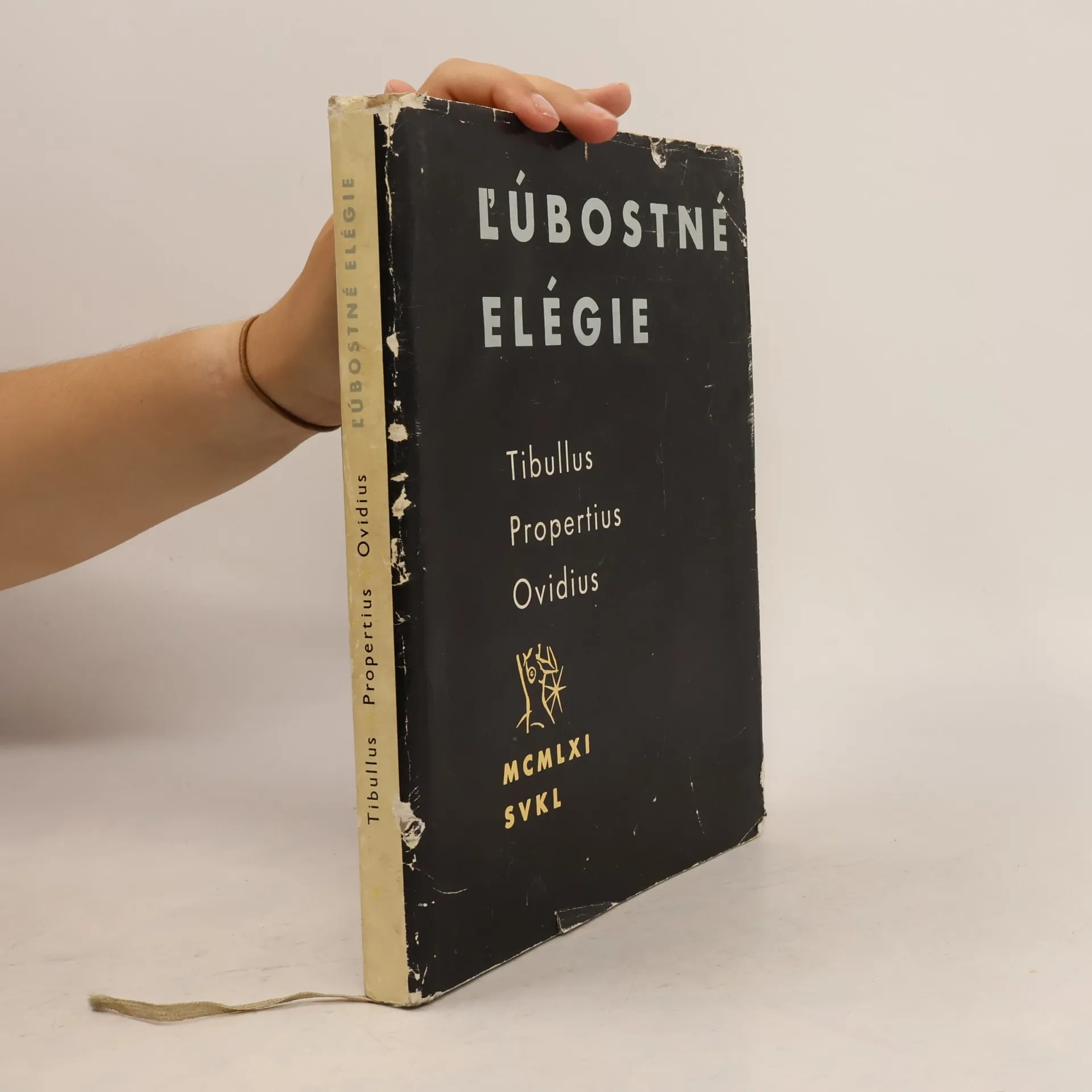
Albius Tibulle était un poète romain célèbre pour ses élégies. Son œuvre, souvent axée sur la vie rurale et les expériences personnelles, se caractérise par un sentiment délicat et un aperçu profond des émotions humaines. Bien que Tibulle ait évité les conflits militaires et la violence guerrière, sa poésie capture à la fois une profonde mélancolie et la joie de vivre. Ses écrits sont appréciés pour leur beauté lyrique et leur élégance, qui continuent de résonner auprès des lecteurs aujourd'hui.
The publishing house Megali focuses on reproducing historical works in large print, catering specifically to readers with impaired vision. This initiative aims to enhance accessibility and provide a more enjoyable reading experience for those who may struggle with standard print sizes.
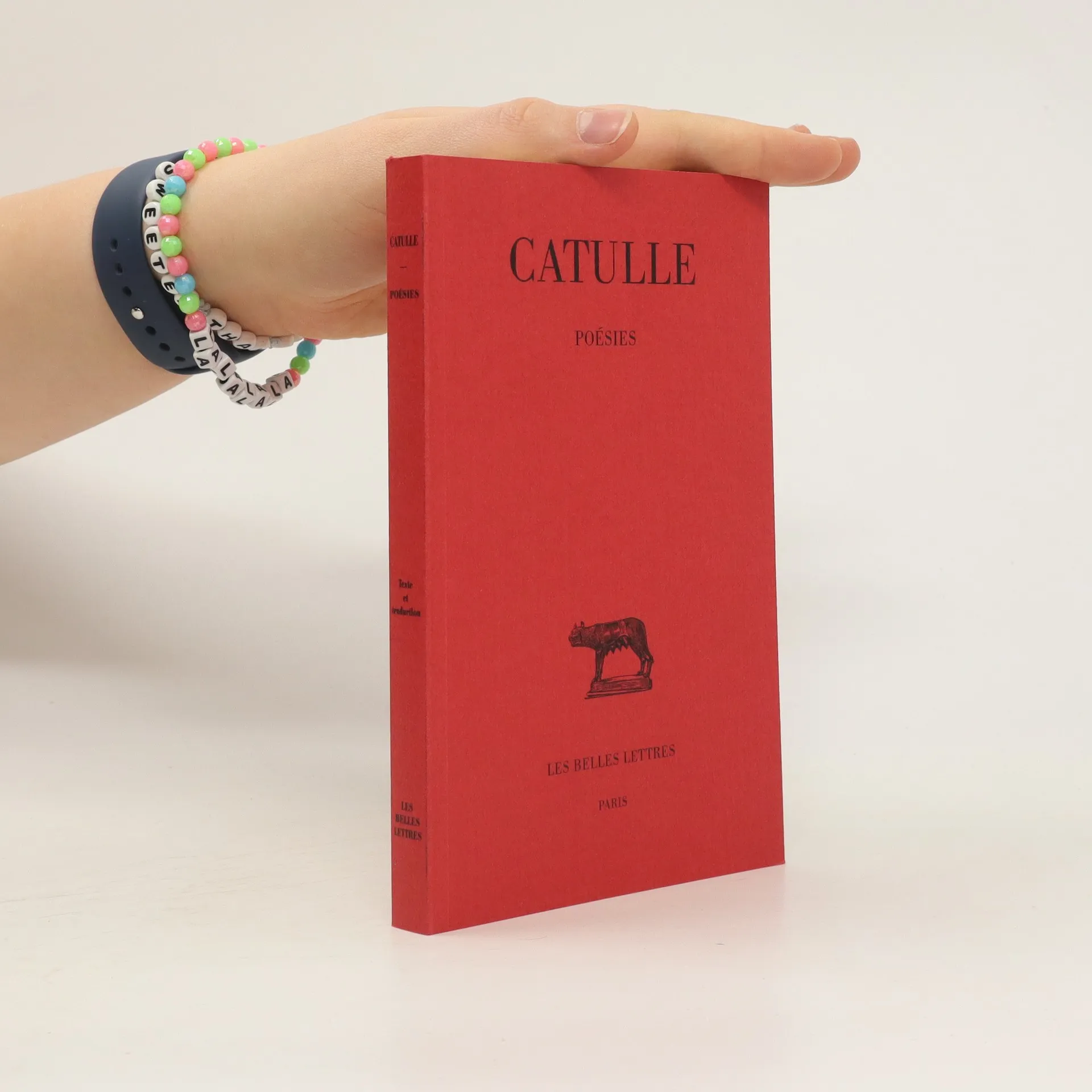
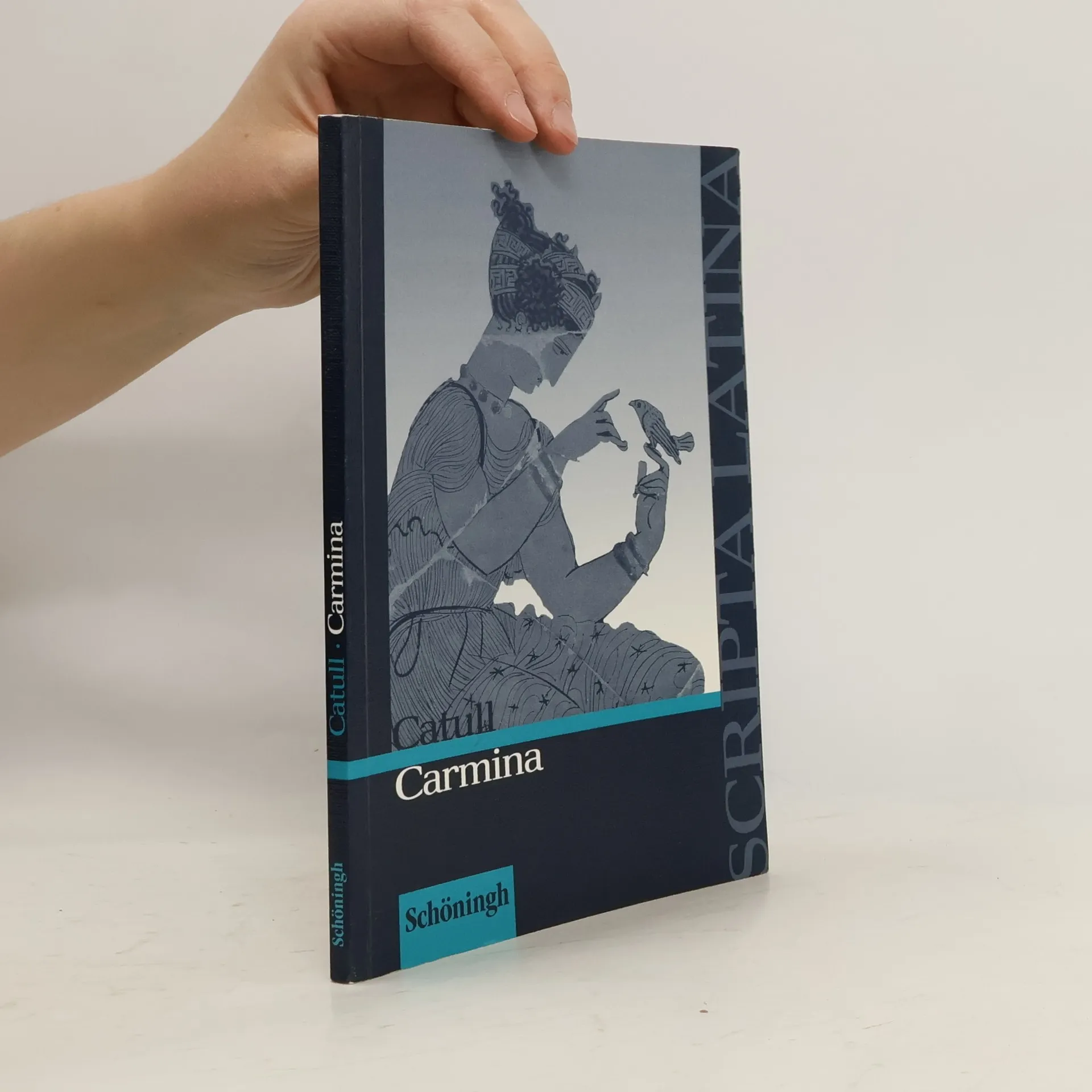
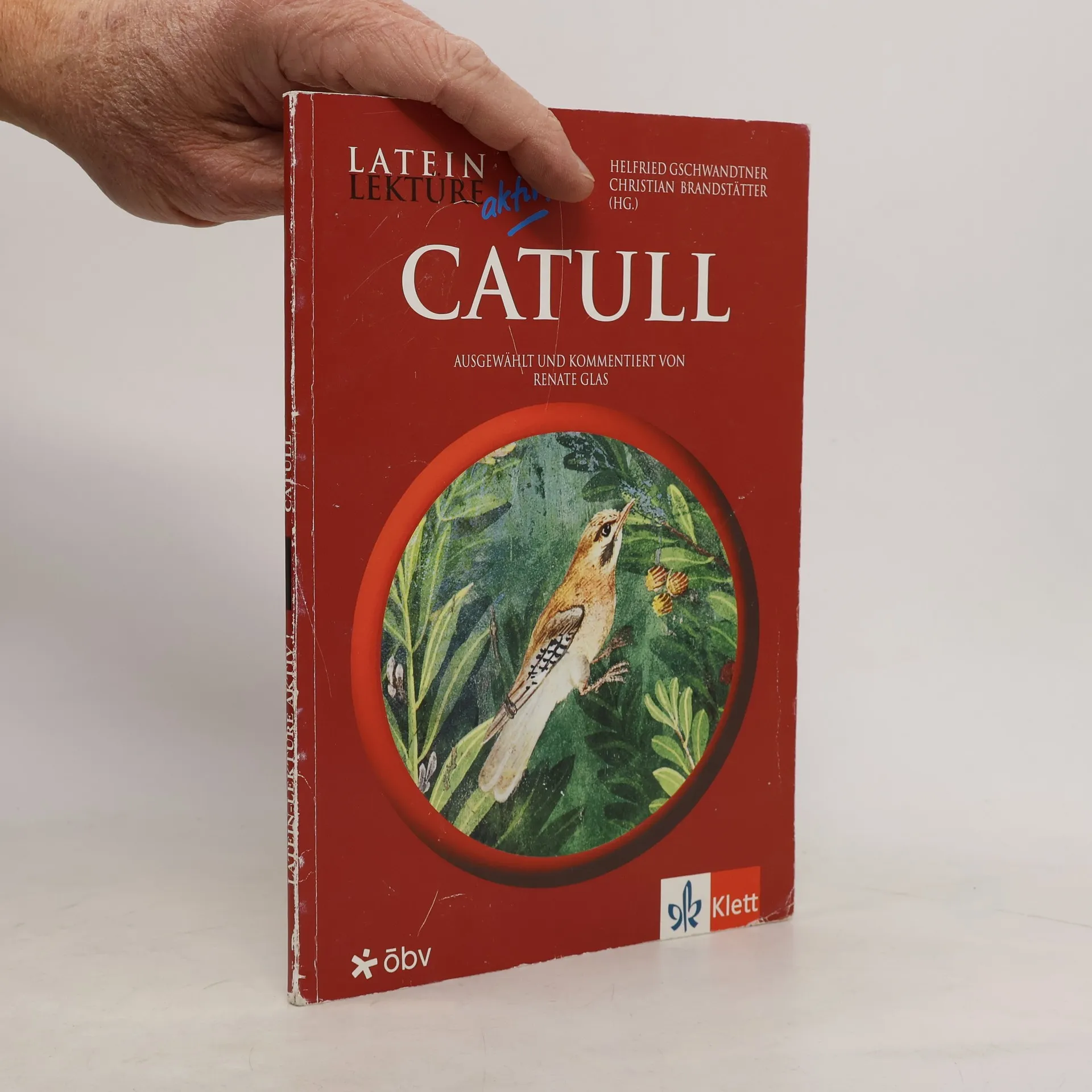
Catulle, qui a vécu pendant les années les plus intéressantes et tumultueuses de la fin de la République romaine, a passé sa courte mais intense vie (?84-54 av. J.-C.) dans la haute société romaine, côtoyant divers personnages culturels et politiques, dont César, Cicéron et Pompée. La poésie de Catulle est tour à tour grivoise, lyrique, romantique, satirique ; parfois obscène et toujours intelligente, elle nous offre des portraits vivants des amis, ennemis et amants du poète. Les vers à ses amis sont piquants, drôles et affectueux ; ceux à ses ennemis sont souvent merveilleusement méchants. De nombreux poèmes évoquent brillamment sa passion pour Lesbie, souvent identifiée comme Clodia Metelli, une femme fatale de dix ans son aînée et l'épouse intelligente et adultère d'un aristocrate arrogant. Cicéron a plus tard affirmé qu'elle avait empoisonné son mari.
Tibull (54–19/18 v.Chr.) bildet mit Properz und Ovid die Trias der römischen Elegiker. Dabei steht Tibull in seiner bewussten Schlichtheit den »Eklogen« Vergils nahe. Auch Tibull pflegt die für die Elegie typische Verkehrung der traditionellen Geschlechterverhältnisse – die Geliebte (Delia) ist die Herrin –, jedoch strebt er eine Harmonie der beiderseitigen Gefühle an. Darin scheitert er am Ende, seine Liebe wird nicht erwidert, der Dichter leidet. Die Ausgabe bietet die ersten zwei Bücher des »Corpus Tibullianum«, eben die, für welche die Autorschaft Tibulls gesichert ist.
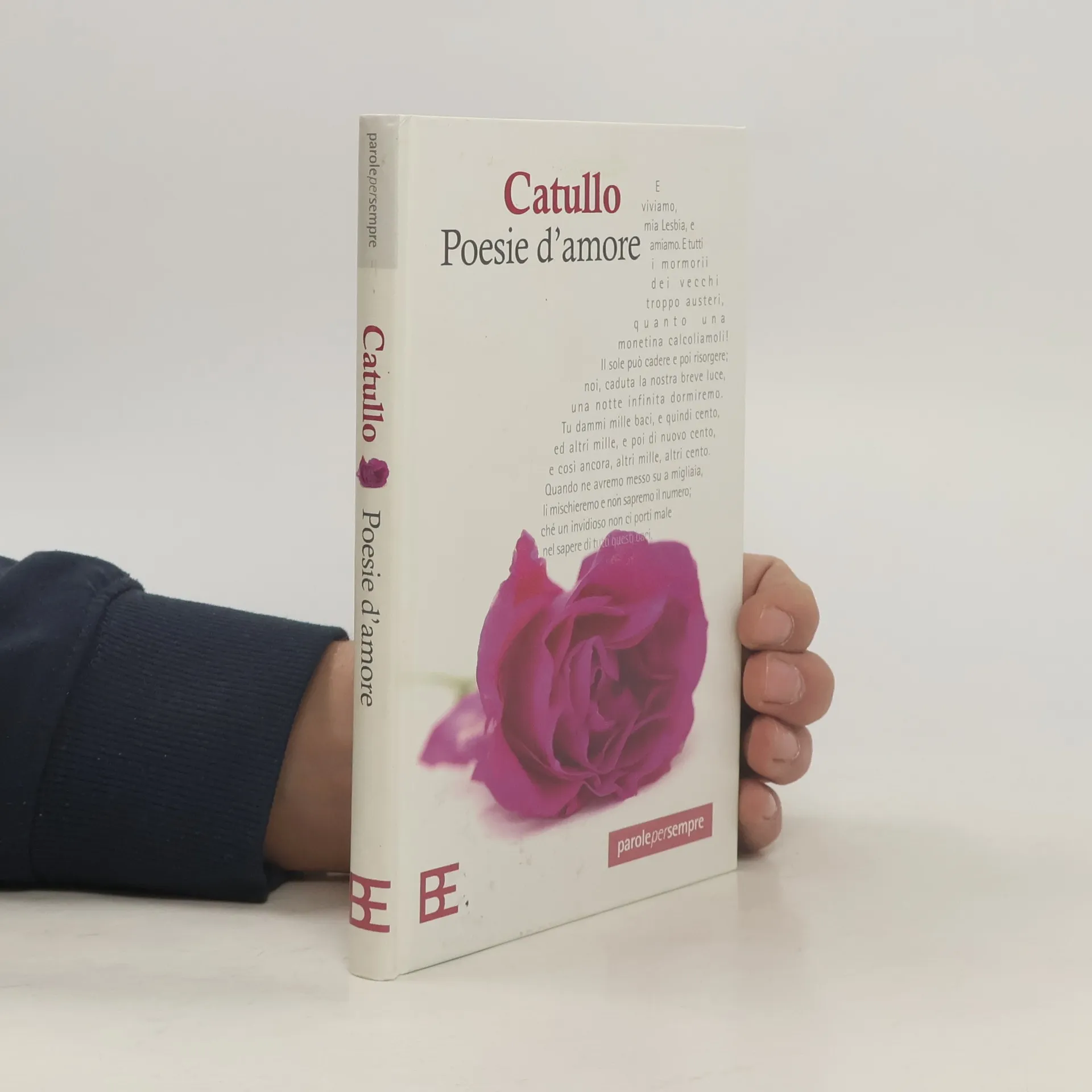
Giovane amante della matura, bellissima Lesbia (alter ego della patrizia romana Clodia), Catullo (87-54 a.C.) ancor oggi famoso per l'eleganza deliziosa ed essenziale delle sue composizioni che raccontano gli alti e i bassi della sua storia d'amore. Passione, gelosia, sofferenza, rabbia, e ancora desiderio, estasi: il poeta descrive l'altalenarsi dei sentimenti sconvolti dall'incostanza della sua donna. Con uno stile essenziale e attualissimo, erede della raffinata civiltà letteraria alessandrina, Catullo ci apre una finestra emozionante sulla società romana di fine repubblica, sui suoi amori e sulla sua sensualità.
The Oxford Classical Texts, or Scriptorum Classicorum Bibliotheca Oxoniensis, are renowned for their reliability and presentation. The series consists of a text without commentary but with a brief apparatus criticus at the front of each page. There are now over 100 volumes, representing the greater part of classical Greek and Latin literature. The aim of the series remains that of including the works of all the principal classical authors. Although this has been largely accomplished, new volumes are still being published to fill the remaining gaps, and old editions are being revised in the light of recent research or replaced.
The collection showcases the exquisite erotic poetry of Catullus, dedicated to his beloved Lesbia, capturing both the emotional depth and sharp wit of the original texts. Horace Gregory's translation preserves the lyrical beauty and satirical brilliance of Catullus while making it accessible for both students and casual readers. This edition features the Latin text alongside the English translation, complemented by twelve full-page illustrations by Zhenya Gay, enhancing the reading experience.
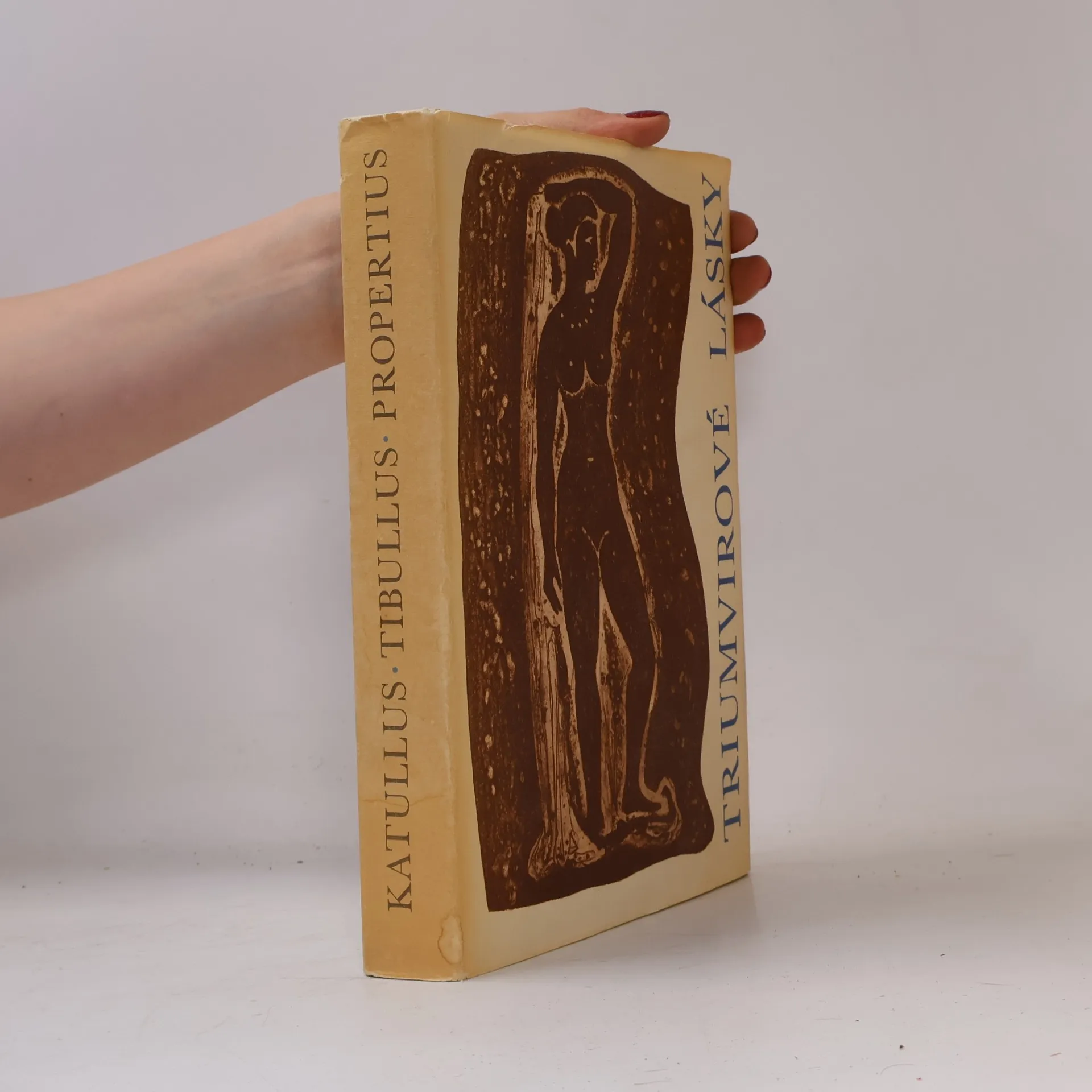
Poprvé u nás v celistvosti přeložený soubor Tibullových elegií po nábězích jdoucích od 18. stol. přes Kočího, Douchu, Vondráčka, Krska, k Hrubému, Vaňornému, Stolovskému a Fr. Douchovi. Hlavním námětem této ještě živé poesie je láska a touha po štěstí a míru. Porozumění pro práci rolníků, odpor proti bažení po statcích a proti moci, vedoucí k válce.
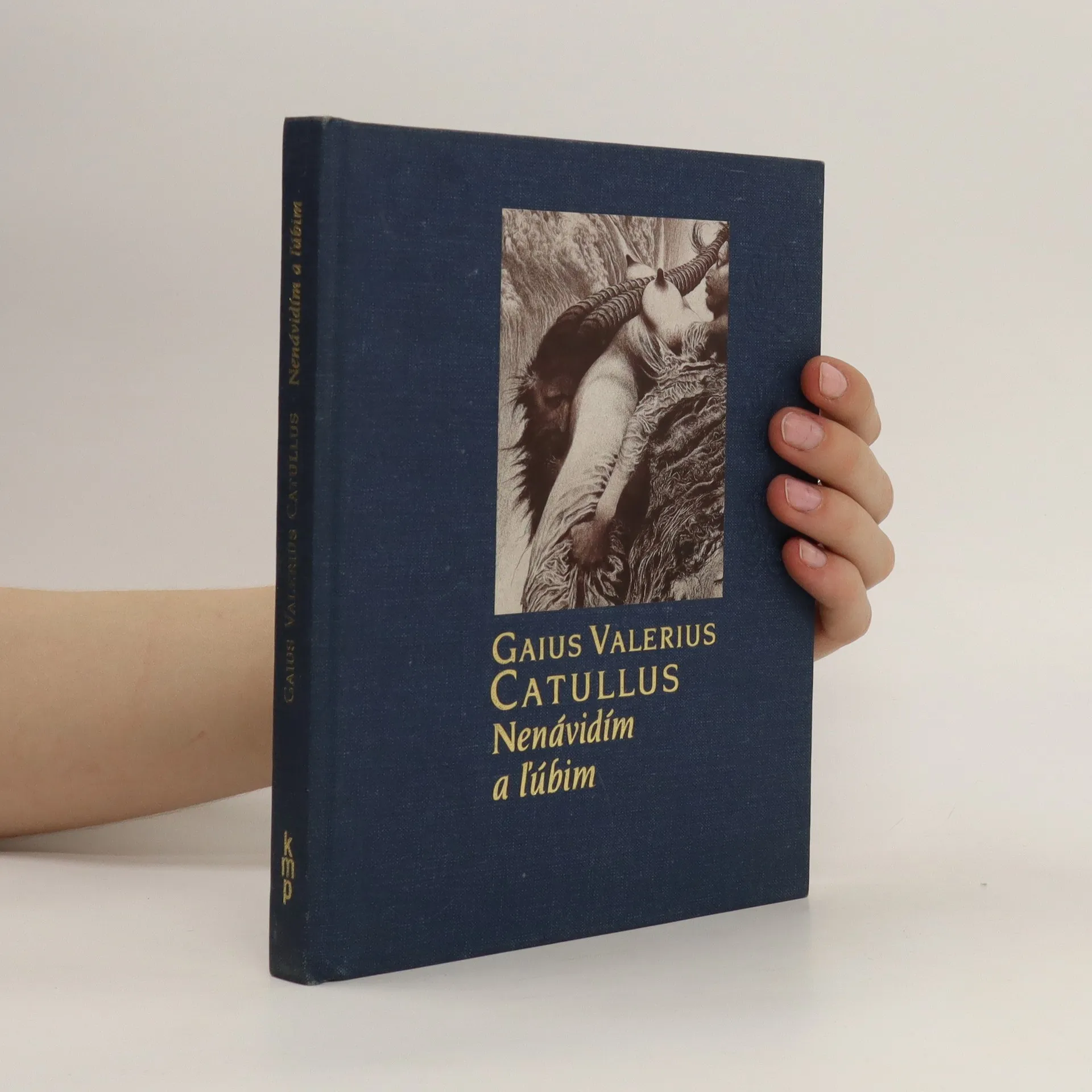
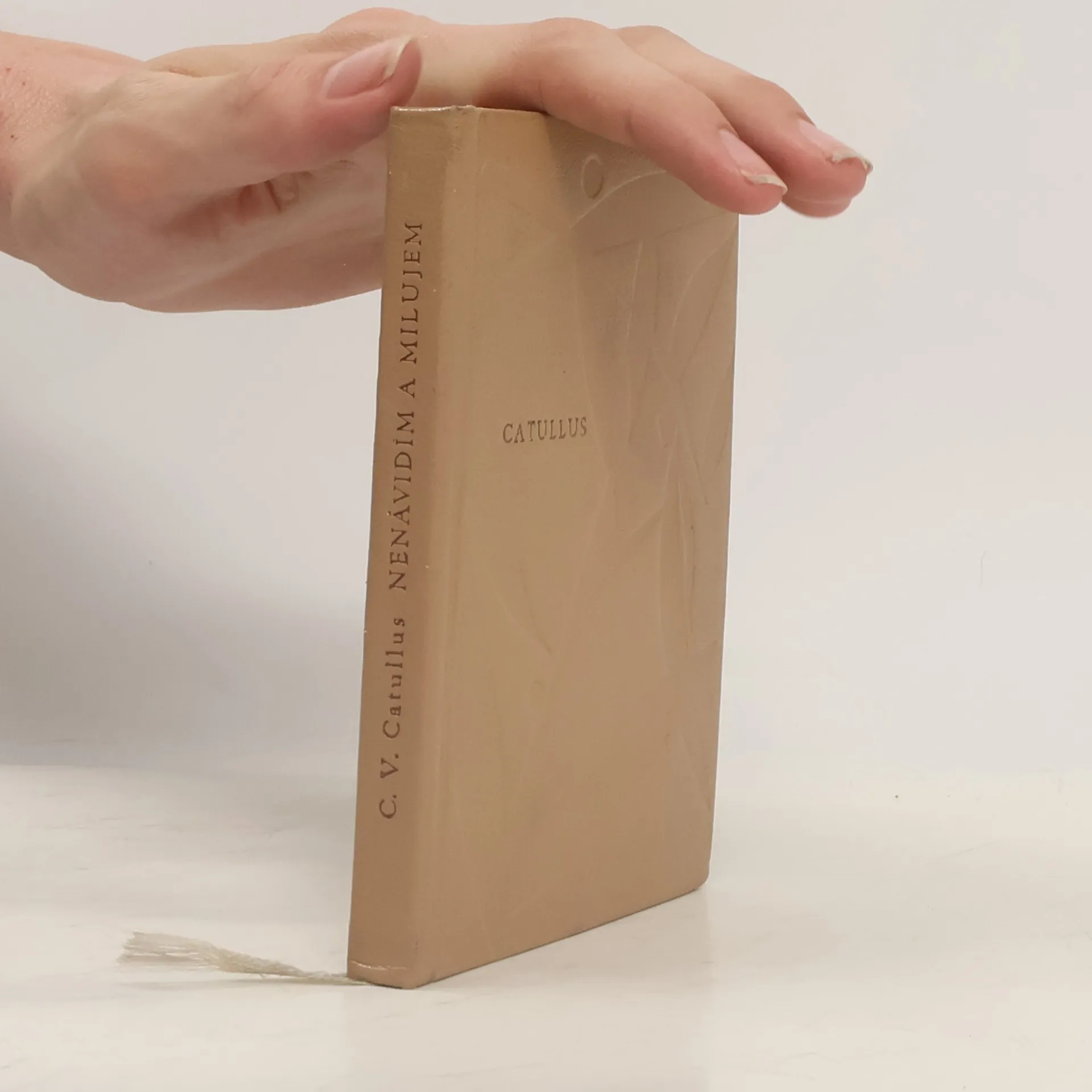
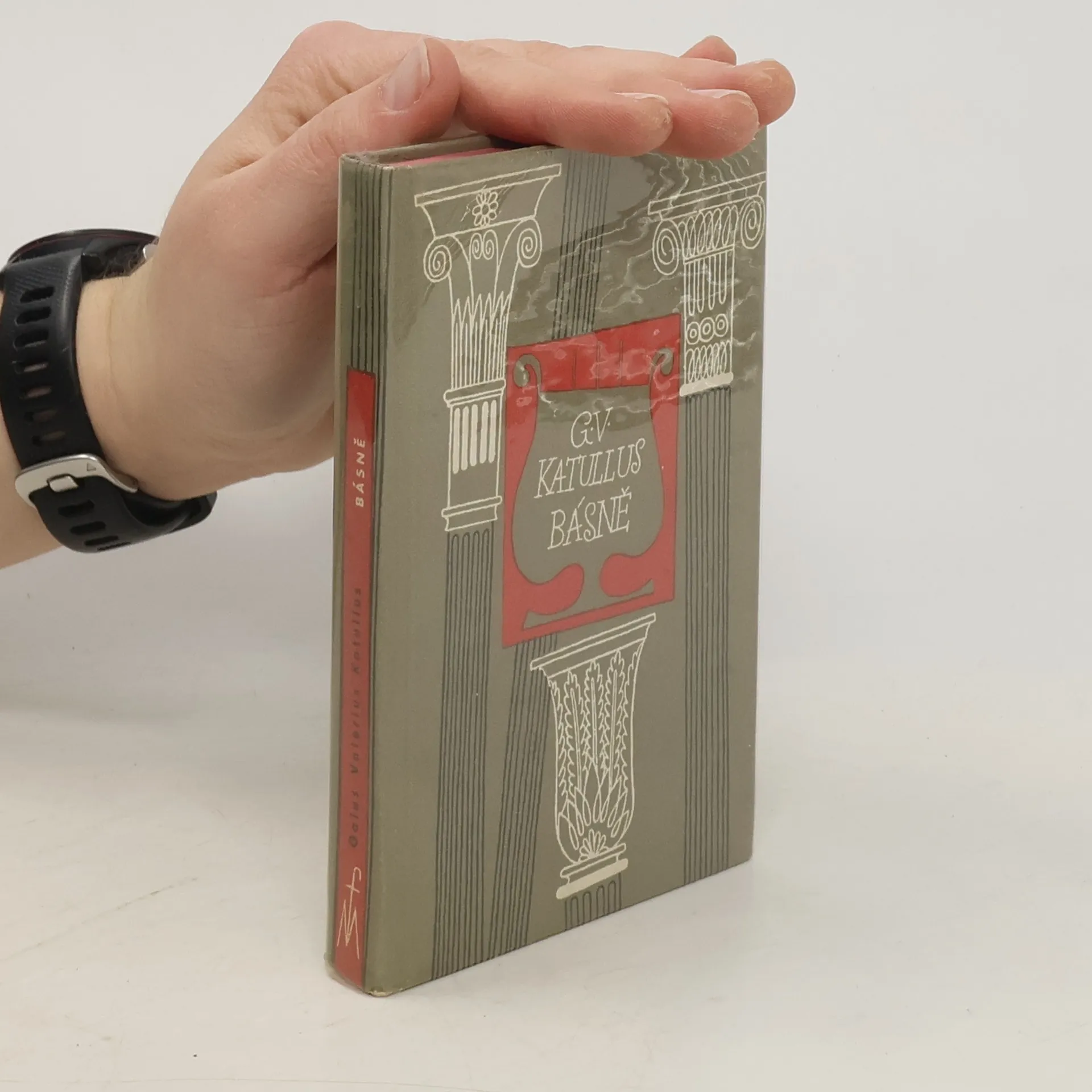
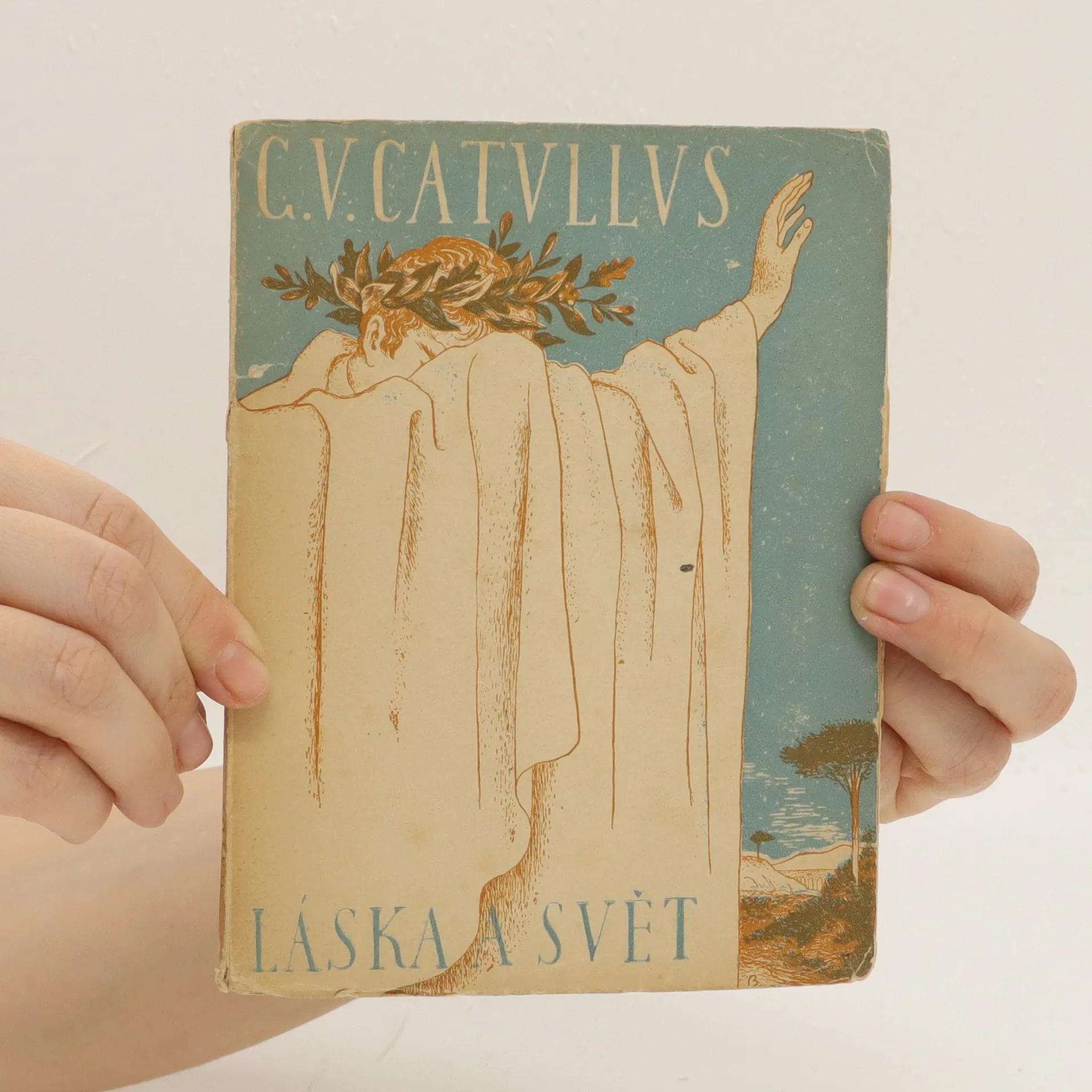
Lyrika G. Valeria Catulla vyrůstá z lyriky řecké a zprvu v ní cele tkví. Má její charakteristickou linii: vroucnost hloubky a čistotu formy i slova. Záhy však autor proniká touto první fází formální i obsahové závislosti a dává růst své vlastní umělecké osobnosti. Je básník kladu i negace: lásky a nenávisti, víry a zoufalství, radosti a bolesti, štvaný rozporem vlastního nitra.