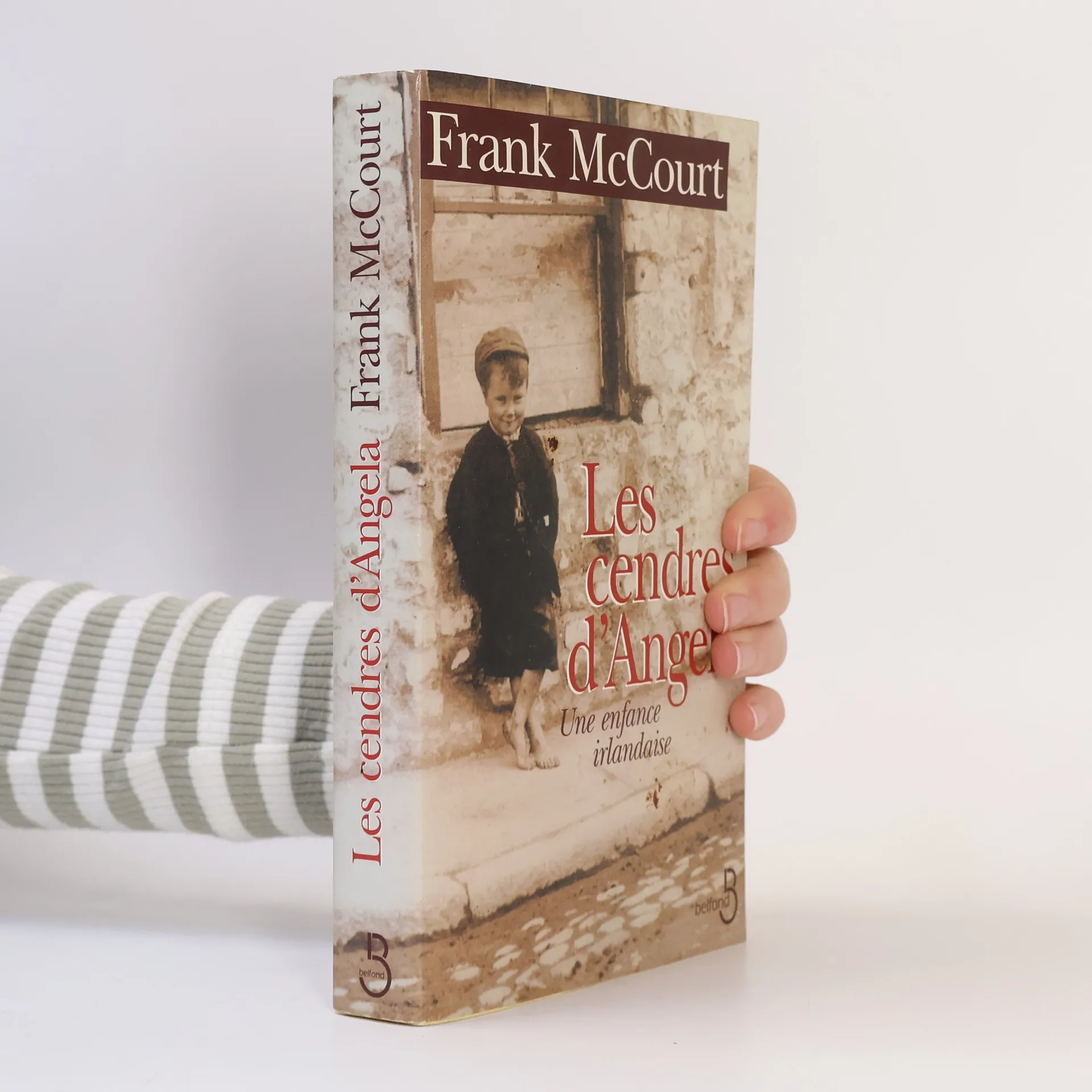
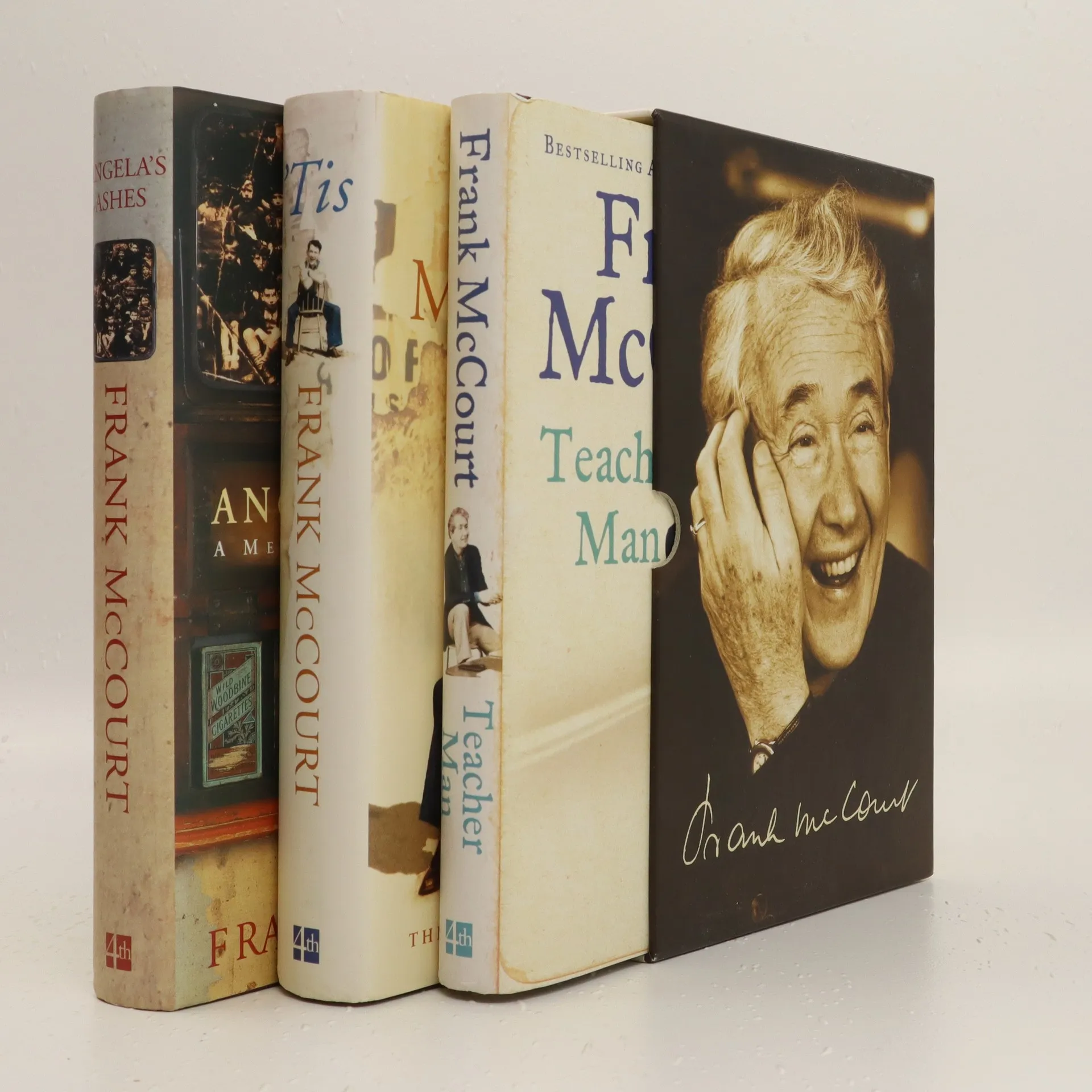
Cet auteur explore les complexités de l'enfance et de l'adolescence à travers des œuvres autobiographiques. Son écriture est réputée pour son réalisme brut et son aperçu perçant des difficultés sociales et économiques. À travers sa prose, il capture la vulnérabilité et la résilience de l'esprit humain face à l'adversité. Ses récits constituent un puissant reflet des expériences des immigrés et des défis rencontrés par ceux qui aspirent à une vie meilleure.
« Quand je revois mon enfance, le seul fait d'avoir survécu m'étonne. Ce fut, bien sûr, une enfance misérable : l'enfance heureuse vaut rarement qu'on s'y arrête. Pire que l'enfance misérable ordinaire est l'enfance misérable en Irlande. Et pire encore est l'enfance misérable en Irlande catholique ».
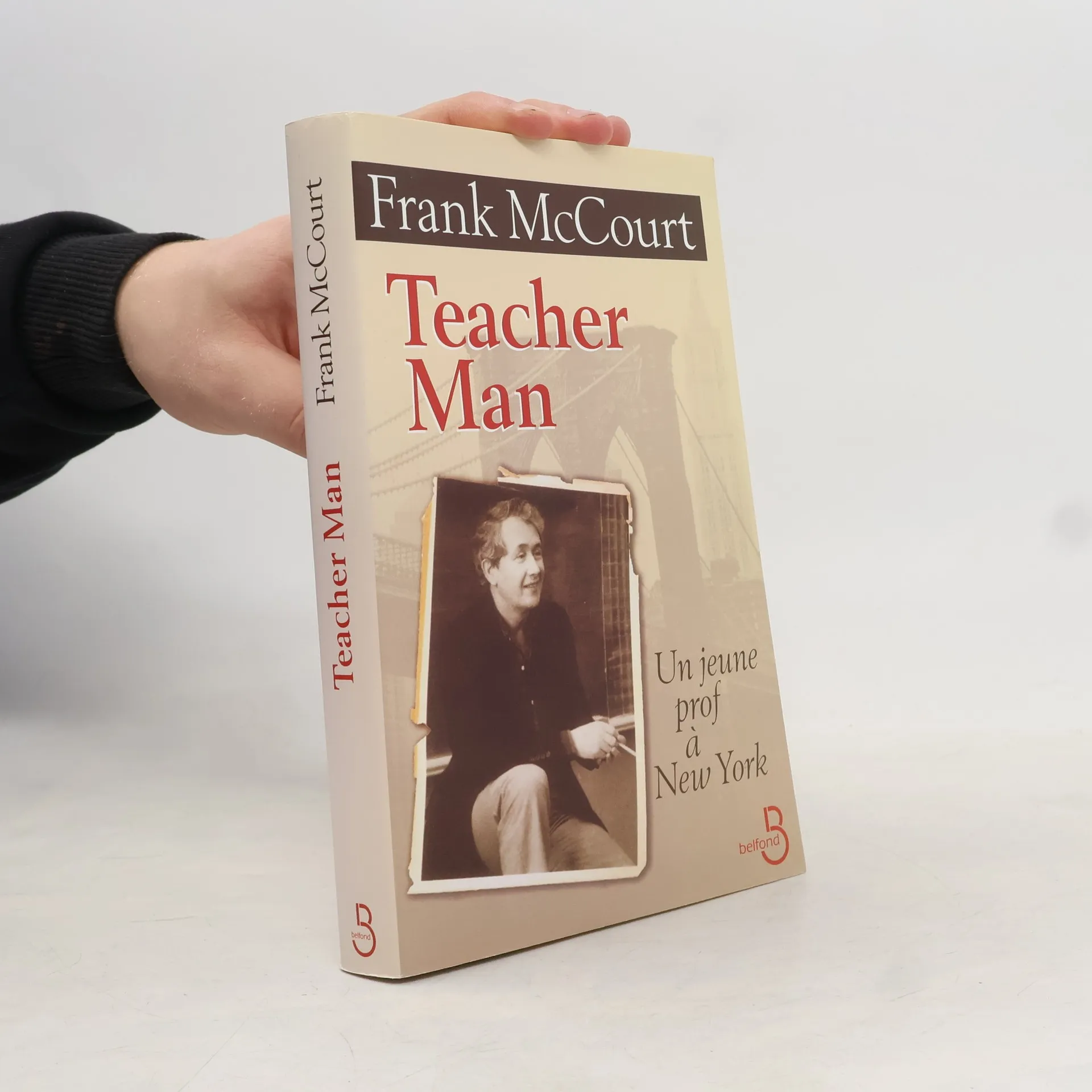
New York, des années 1960 aux années 1990. Après avoir exercé différents métiers, F. McCourt se décide à utiliser son diplôme d'enseignant. Premier poste : un lycée technique de Staten Island. Quelle attitude adopter face à ces élèves particulièrement difficiles? L'auteur relate son parcours d'enseignant.
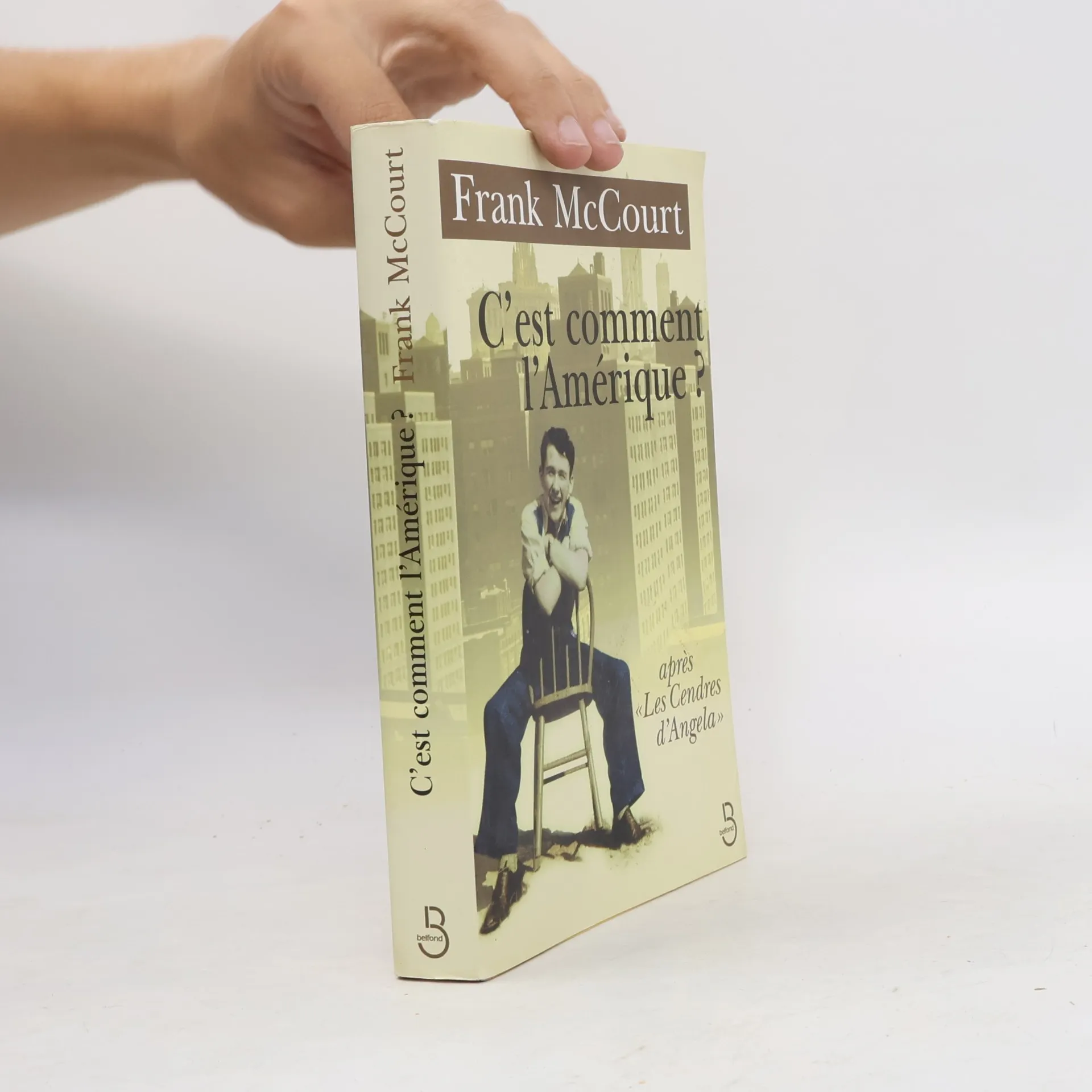
Après avoir bouleversé le monde entier avec Les Cendres d'Angela, Frank McCourt poursuit son récit autobiographique dans C'est comment l'Amérique ? Un livre événement dont la parution a soulevé partout un égal enthousiasme. A dix-neuf ans, en 1949, fuyant la misère de sa jeunesse à Limerick, Franck McCourt s'embarque seul pour New York, cette terre promise. Pris en charge dès son arrivée par un vieux prêtre irlandais qui le met en garde contre cette ville dépravée, il s'enfuit à toutes jambes pour échapper aux avances du saint homme aviné. L'Amérique, il devra la conquérir seul. Tour à tour balayeur dans un hôtel de luxe, docker et gratte-papier, soldat puis jeune prof déboussolé, il va cependant découvrir un pays très éloigné de celui qu'il a rêvé... C'est comment l'Amérique ? raconte l'histoire d'une ascension extraordinaire, celle d'un émigré pauvre, sans éducation et marqué par la honte de ses origines, qui va finalement s'imposer comme un professeur hors du commun puis un des grands écrivains de cette fin de siècle. De cette aventure américaine, McCourt fait un récit inoubliable, émaillé de cocasses anecdotes et de personnages pittoresques qu'il croque avec une ironie irrésistible. Son prodigieux talent de conteur est ici intact, sa prose imagée, pleine de verve, teintée de bout en bout d'un humour mordant.
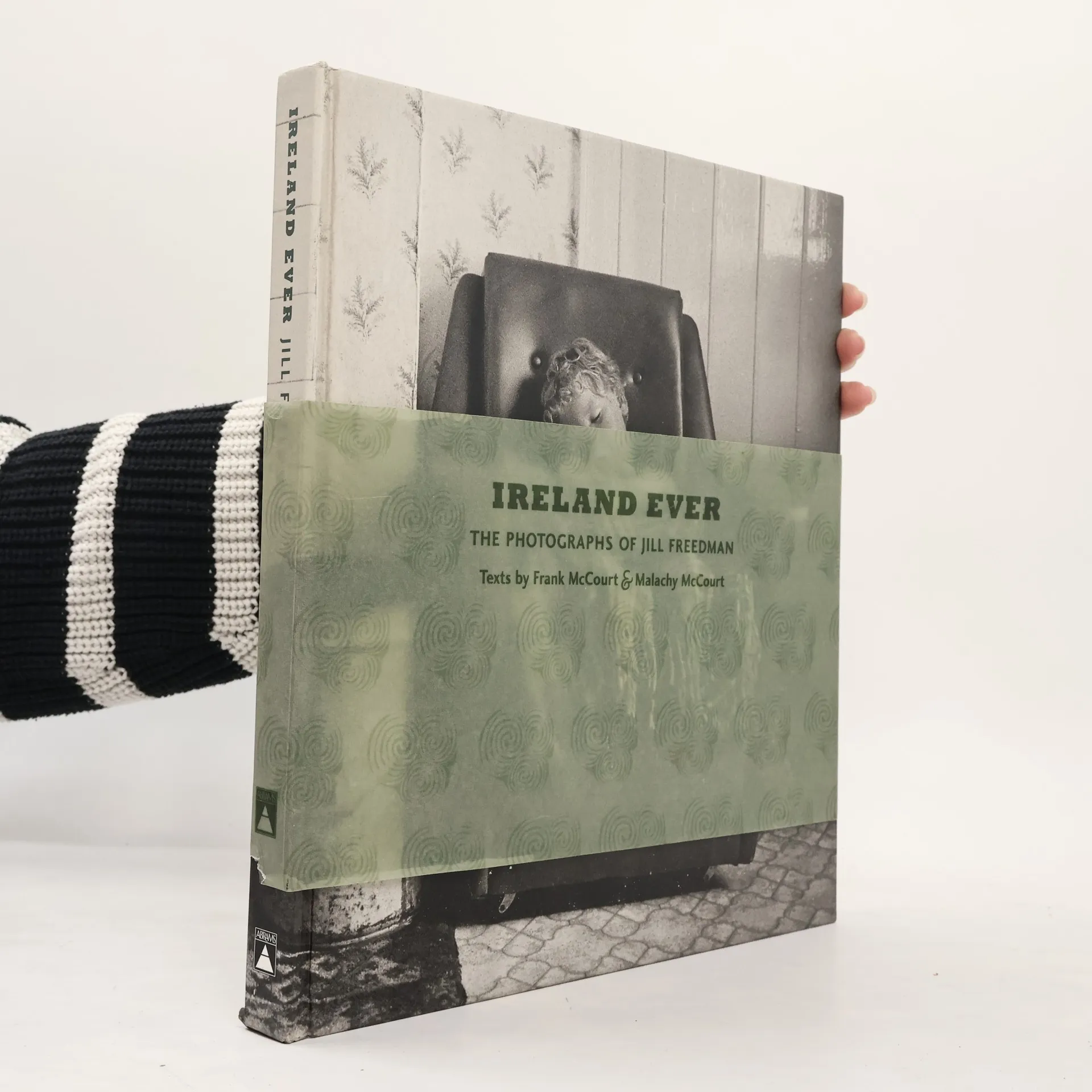
A photographic portrait of the Irish landscape and its people commemorates traditional regional life with a range of duotone photographs, complemented with texts by best-selling Irish-American authors including Angela's Ashes's Frank McCourt and Singing My Him Song's, Malachy McCourt. 35,000 first printing.
Korean edition of a New York Times bestseller and the Pulitzer Prize-winning book ANGELA'S ASHES: A Memoir by Frank McCourt. Despite extreme poverty and desperation of his childhood McCourt recounts his early age in an affecting and uplifting voice in this luminous memoir. Translated by Kim Lucia. In Korean. Distributed by Tsai Fong Books, Inc.
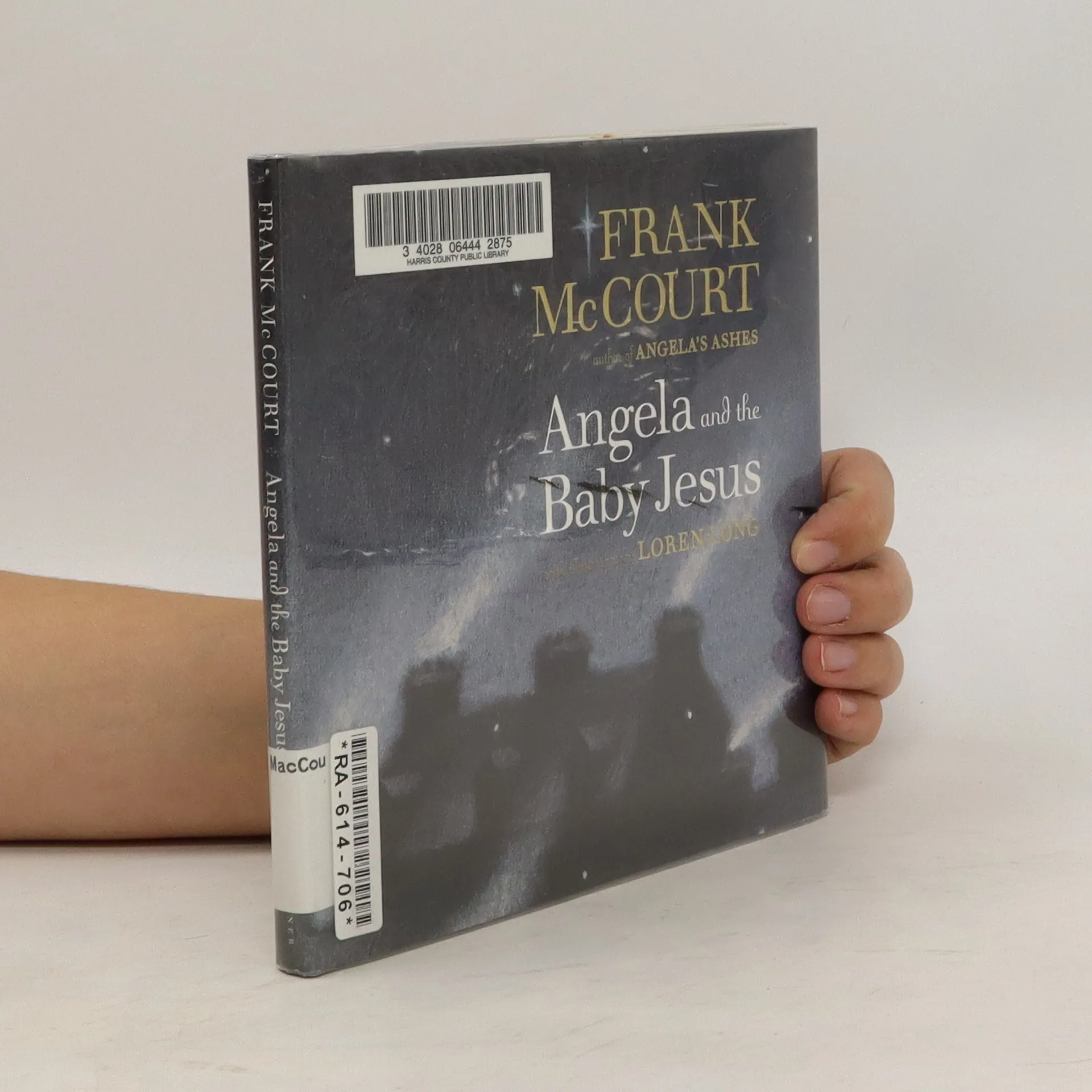
"When my mother, Angela, was six years old, she felt sorry for the Baby Jesus in the Christmas crib at St. Joseph's Church near School House Lane where she lived...."* * * *Frank McCourt's Pulitzer Prize-winning memoir "Angela's Ashes" is a modern classic. Now he has written a captivating Christmas story about Angela as a child -- often cold and hungry herself -- compelled to rescue the Baby Jesus and take him home. This story is pure McCourt -- genuine, irreverent and moving.It is elegantly illustrated by two-time Golden Kite Award winner Loren Long and is the perfect Christmas story for all ages.
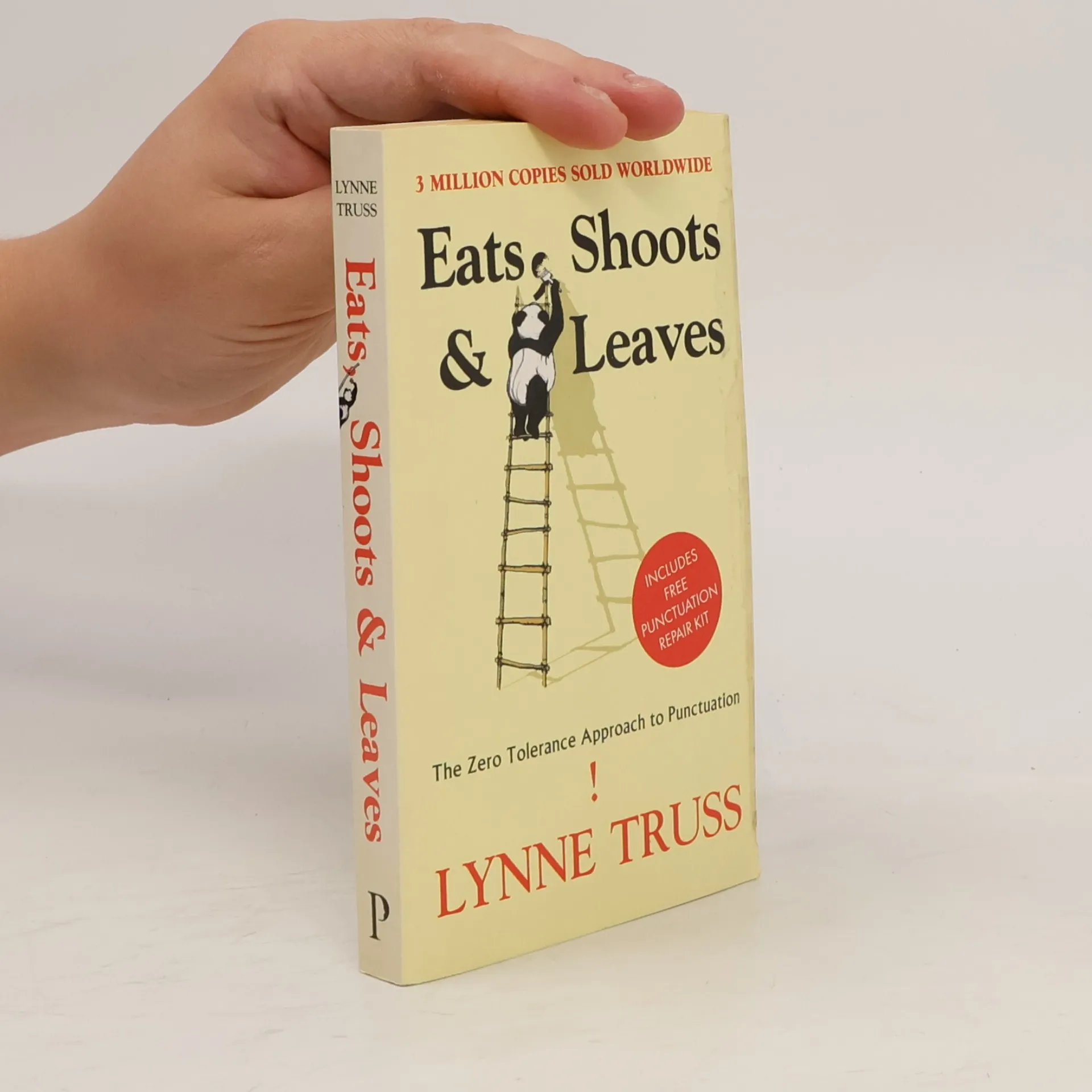
The international bestseller - at last in paperback and with a new introduction. A witty, entertaining, impassioned guide to perfect punctuation, for everyone who cares about precise writing. When social histories come to be written of the first decade of the 21st century, people will note a turning point in 2003 when declining standards of punctuation were reversed. Linguists will record Lynne Truss as the saviour of the semi-colon and the avenging angel of the apostrophe. 'If Lynne Truss were Roman Catholic I'd nominate her for sainthood' Frank McCourt 'This book will stimulate and satisfy. It's worth its weight in gold.' Boyd Tonkin, Independent 'A witty, elegant and passionate book that should be on every writer's shelf' Observer 'Lynne Truss deserves to be piled high with honours ...' John Humphrys 'It can only be a matter of time before the new government seizes the chance to appoint her as minister for punctuation. The manifesto is already written.' Guardian 'She's a soul sister. She's one of us.' Richard Madeley, Richard and Judy
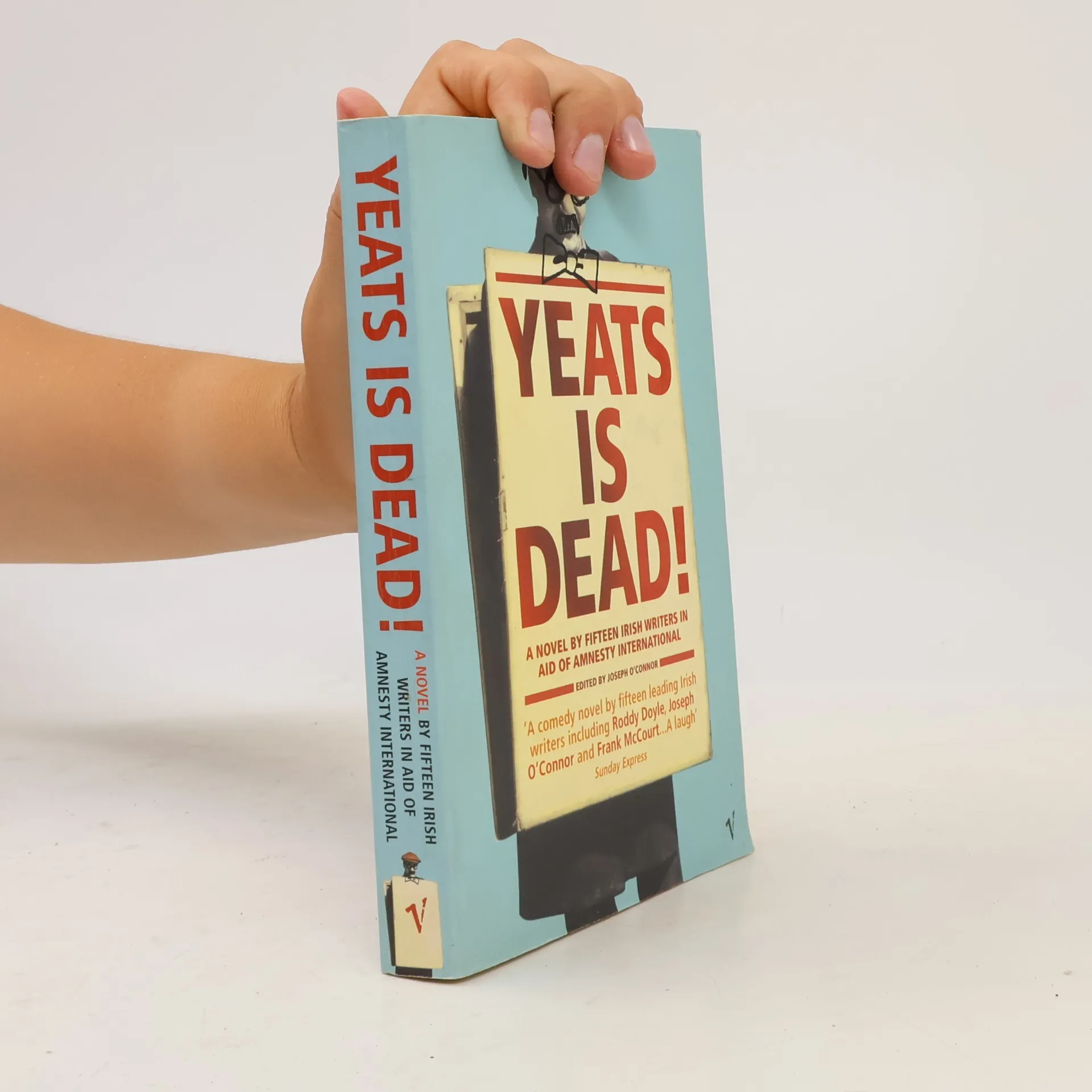
A serial novel by 15 of the brightest talents in Irish writing (including Marian Keyes, Pauline McLynn, Gina Moxley and Frank McCourt), telling an elaborate tale of murder, mayhem and literary shenanigans in present-day Dublin. Approximately £1 from every copy sold will go to Amnesty International.
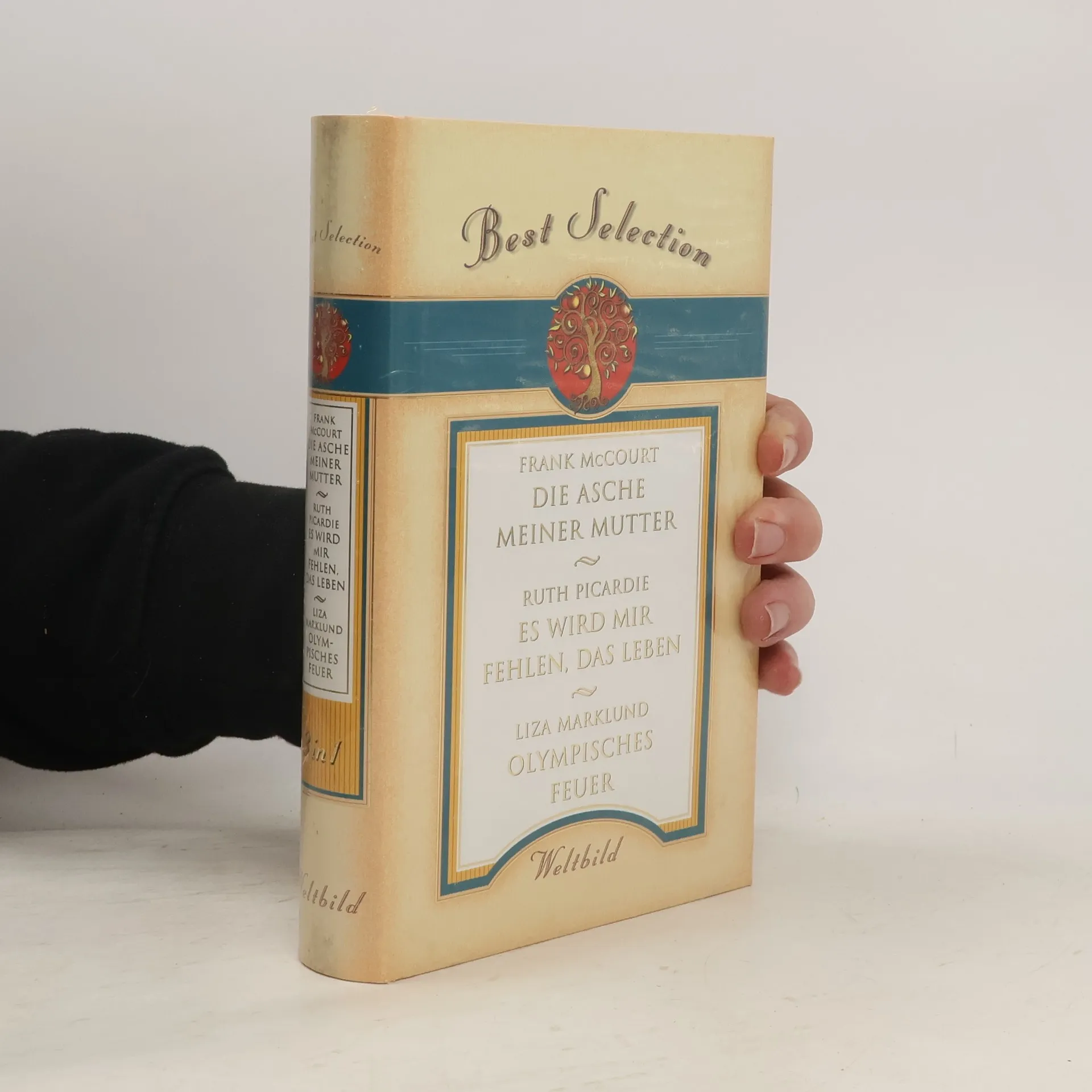
Der kleine Frank erzählt die Geschichte seiner irisch-katholischen Familie,
die dem tristen Leben im New York der 1930er entflieht und in der jungen
Republik Irland einen Neustart wagt. Limerick wird ihre neue Heimat, doch das
Leben dort gestaltet sich äußerst schwierig. Es gibt kaum Arbeit und zu allem
Überdruss vertrinkt Franks Vater das Geld, das die Familie so dringend zum
Leben braucht.
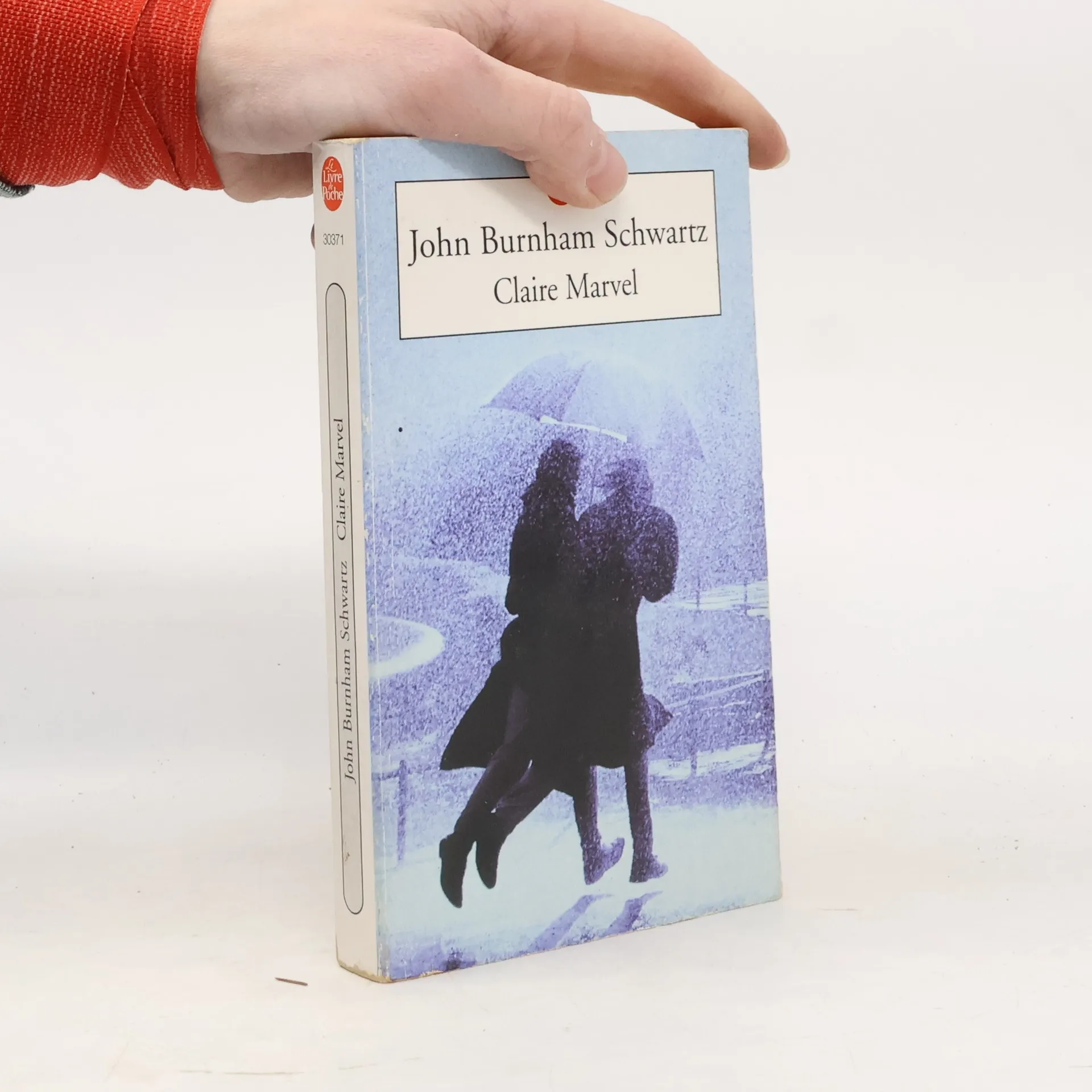
Tout commence sous une pluie battante, devant un musée fermé ce jour-là. Julian, " thésard " en sciences politiques, et Claire, étudiante en histoire de l'art, comprennent dès les premiers moments qu'ils s'aiment à la folie. Ce pourrait être le début d'une romance sentimentale à quatre sous. C'est celui d'une histoire d'amour juste et forte. Claire et Julian vont vivre leur passion envers et contre tout, affronter tous les obstacles, la maladie incurable du père de la jeune fille, la concurrence du brillant professeur Davis, patron de thèse de Julian, lui aussi épris de Claire. Ils connaîtront le bonheur, mais aussi l'absence, la souffrance, la déception. L'absolu de l'amour peut-il s'accommoder de la vie courante ?
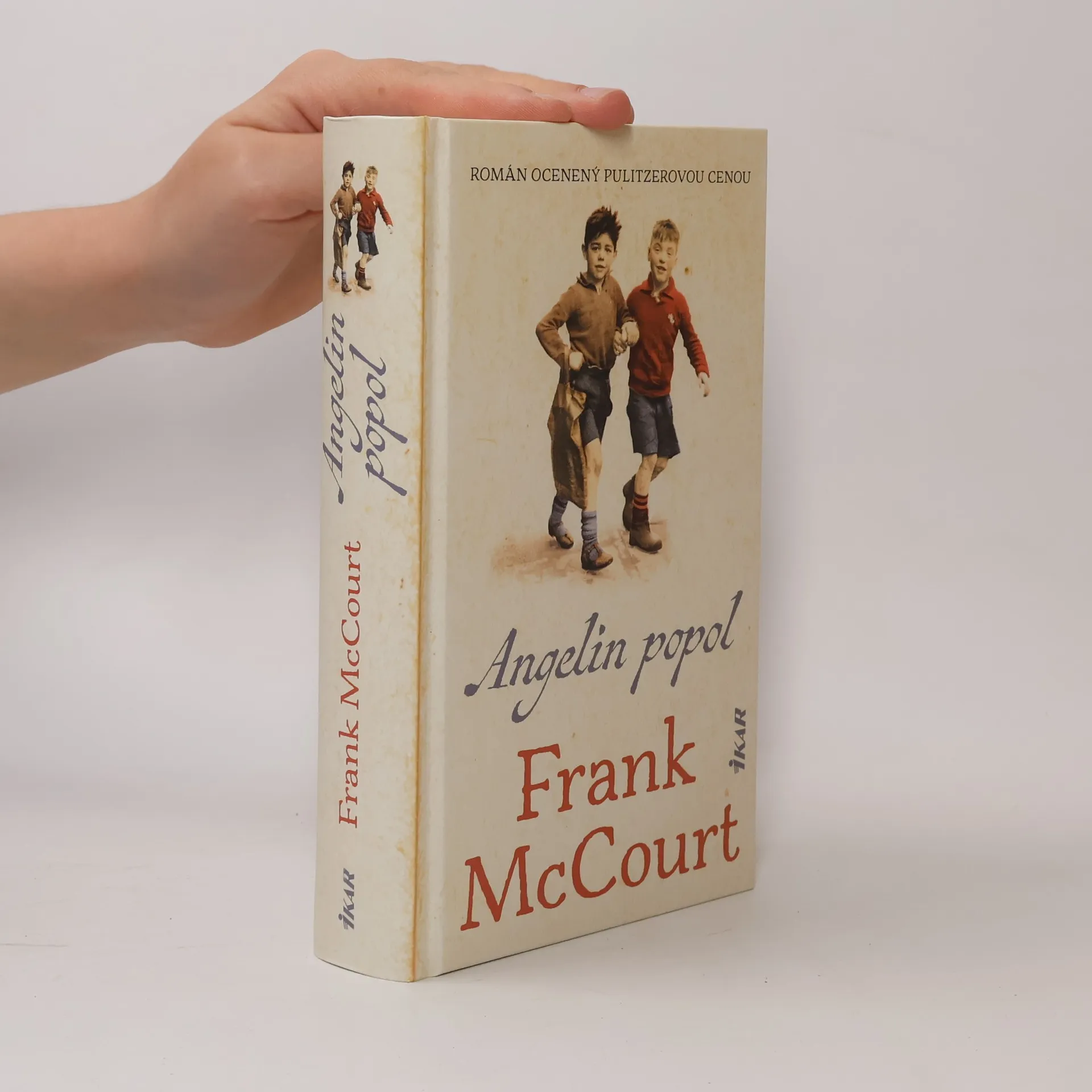
Román ocenený Pulitzerovou cenou Keď spomínam na svoje detstvo, čudujem sa, ako sa mi vôbec podarilo prežiť. Pravdaže, bolo to biedne detstvo, o šťastnom nestojí za to písať. Horšie než obyčajné biedne detstvo je biedne írske detstvo, a ešte horšie je biedne írske katolícke detstvo. Takto sa začína autobiografický román držiteľa Pulitzerovej ceny Franka McCourta, ktorý sa narodil v období veľkej hospodárskej krízy v Brooklyne v rodine imigrantov a neskôr vyrastal v Írsku v žalostných podmienkach. Frankova matka Angela nemala peniaze, aby uživila svoje deti, lebo Frankov otec Malachy pracoval len zriedka, a keď už pracoval, celú výplatu prepil. Nemala na jedlo ani na oblečenie, trápila ich zima a vlhko, čo si vybralo krutú daň. Angelin život tak pripomínal každodenný boj o prežitie. Z jej snov a nádejí napokon ostal len popol. Frankov otec, neznesiteľný a nezodpovedný človek, však zároveň živil chlapcovu túžbu po tom jedinom, čo dokázal svojmu synovi poskytnúť – po príbehu. Možno práve vďaka tomu sa Frankovi podarilo prežiť. V handrách namiesto plienok, žobrajúci o bravčovú hlavu na vianočnú večeru a zbierajúci uhlie na kraji cesty, aby si mohli doma zakúriť, statočne znášal chudobu, vlčí hlad aj bezcitnosť príbuzných a susedov. Nielenže prežil, ale svoj príbeh napokon vyrozprával pútavo, s humorom a pozoruhodnou schopnosťou odpúšťať.