A collection of essays that shows that Sherlock Holmes sees things others
don't. It explores the source of Holmes' faculty of observation and facility
for deduction: Is it systematic training (as Watson surmises), genetics, or is
he just really lucky?
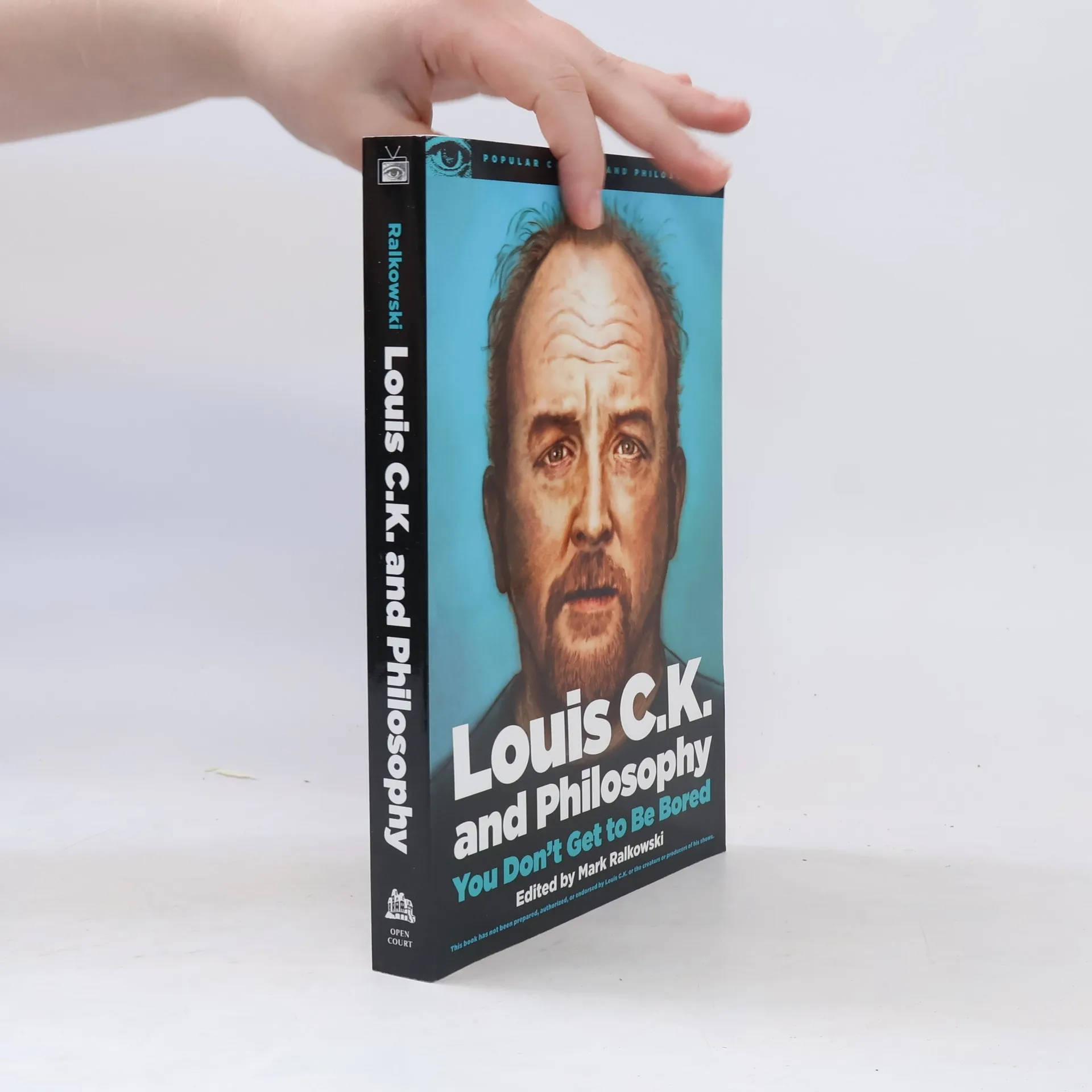
Charlie Rose has called Louis C.K. "the philosopher-king of comedy," and many have detected philosophical profundity in his material. Twenty-five philosophers examine the wisdom of Louis C.K. from a variety of philosophical perspectives. The chapters draw upon C.K.'s standup comedy, the show Louie, and C.K.'s other writings. One writer looks at the different meanings of C.K.'s statement, "You're gonna be dead way longer than you were alive." One chapter shows the affinity of C.K.'s "sick of living this bullshit life" with Kierkegaard's "sickness unto death." Another pursues Louis's thought that we may by our lack of moral concern "live a really evil life without thinking about it." C.K.'s insistence that "things that are not can't be" points to the philosophical problem of nothingness in relation to being. His religion is "apathetic agnostic," conveyed in his thought experiment that God began work in 1982. Louis's argument that you can have the kind of body you want if you make yourself want a disgusting, shitty body, is the Stoic ethics of Epictetus. And, as C.K. has shown in so many ways, the fact that we're soon going to die has its funny side.
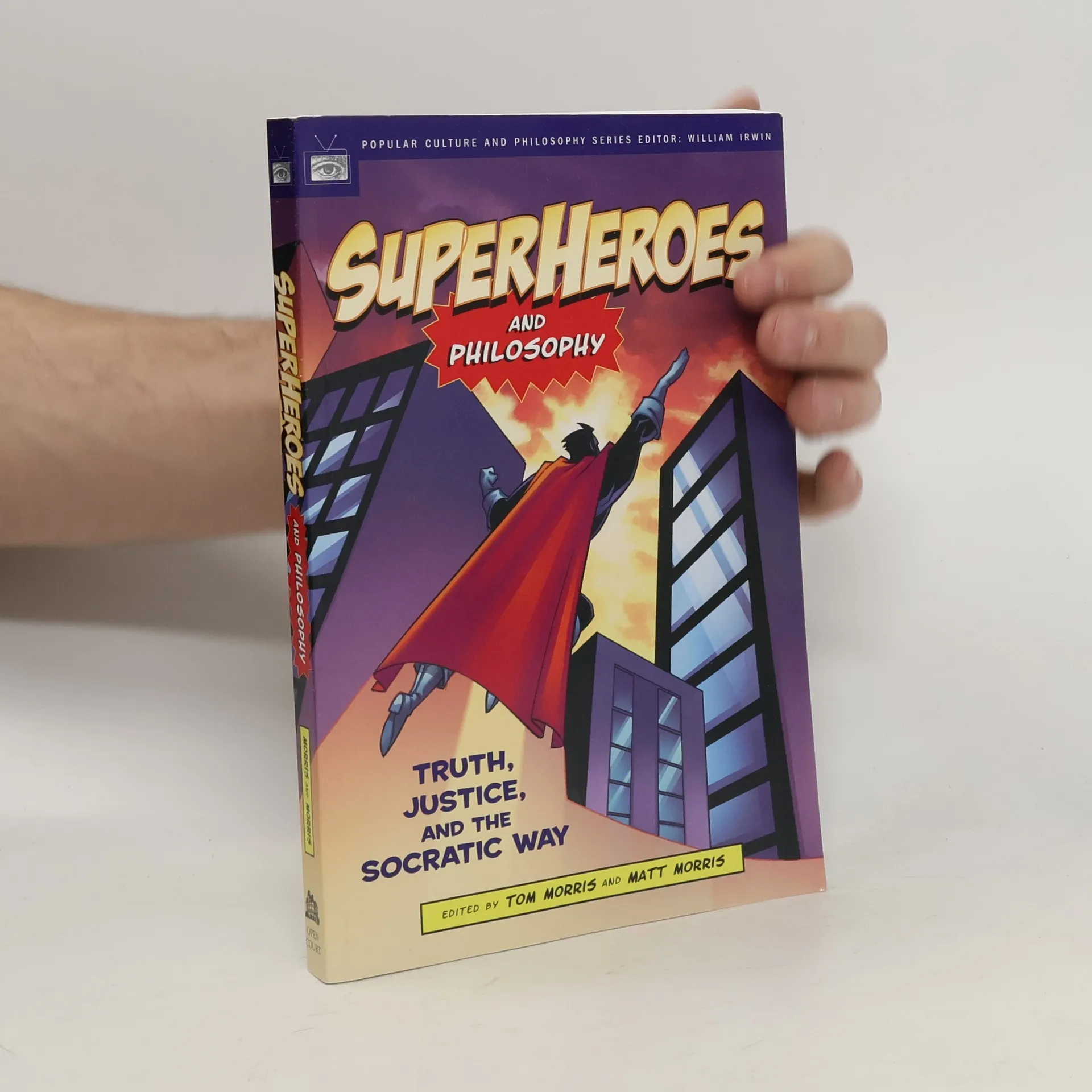
A thought-provoking collection of essays explores the philosophical side of
the comic book world, collecting the contributions of sixteen philosophers on
a variety of subjects, including evil, justice, metaphysics, and the limits of
violence. Original.
Investigates the majesty, the mystique, and the mystery of cats, uncovering
surprising insights into the feline mind and the feline world, illustrated by
anecdotes of cats they have known. This book poses questions such as: What
ethical obligations do we have to cats? And, are cats more rational than
humans?