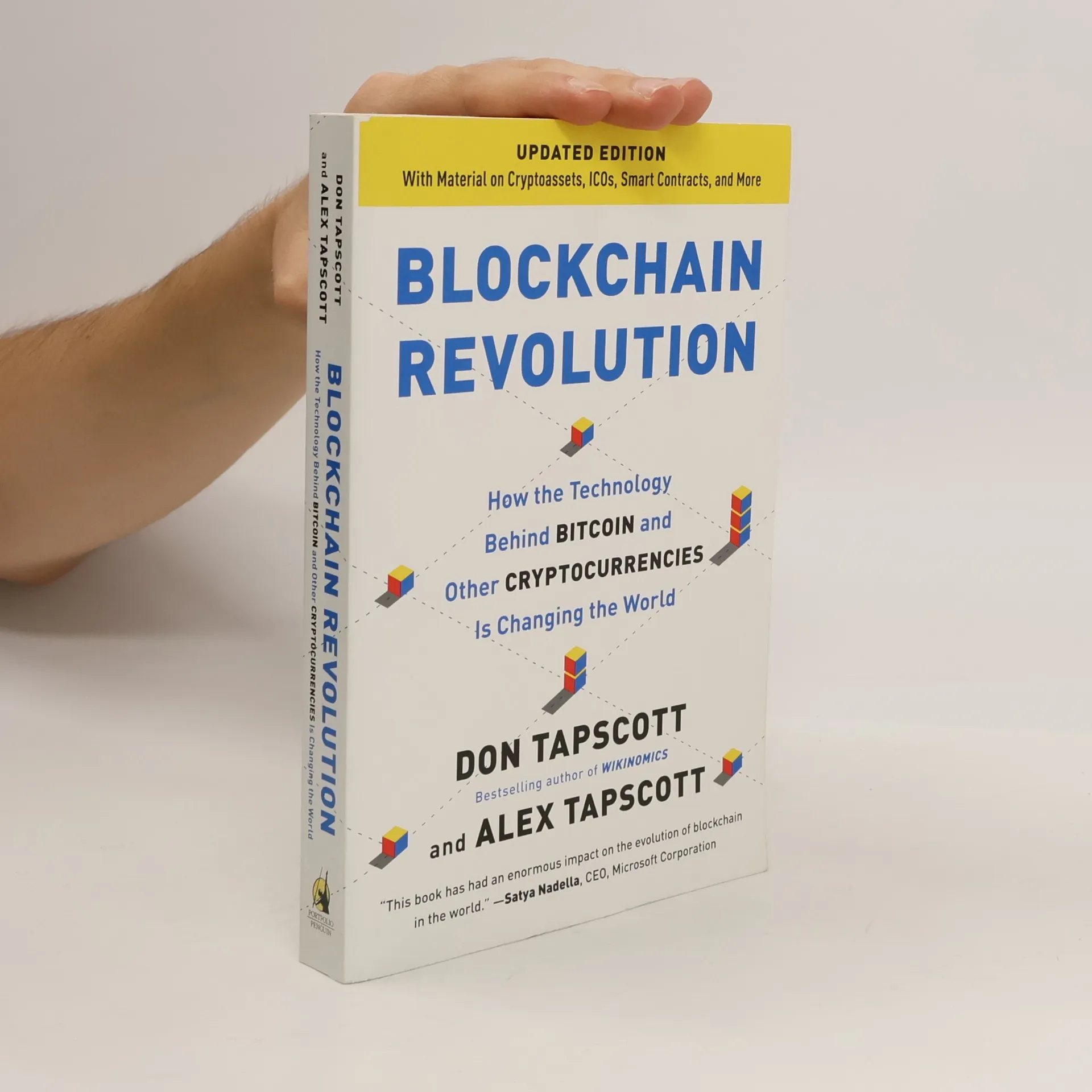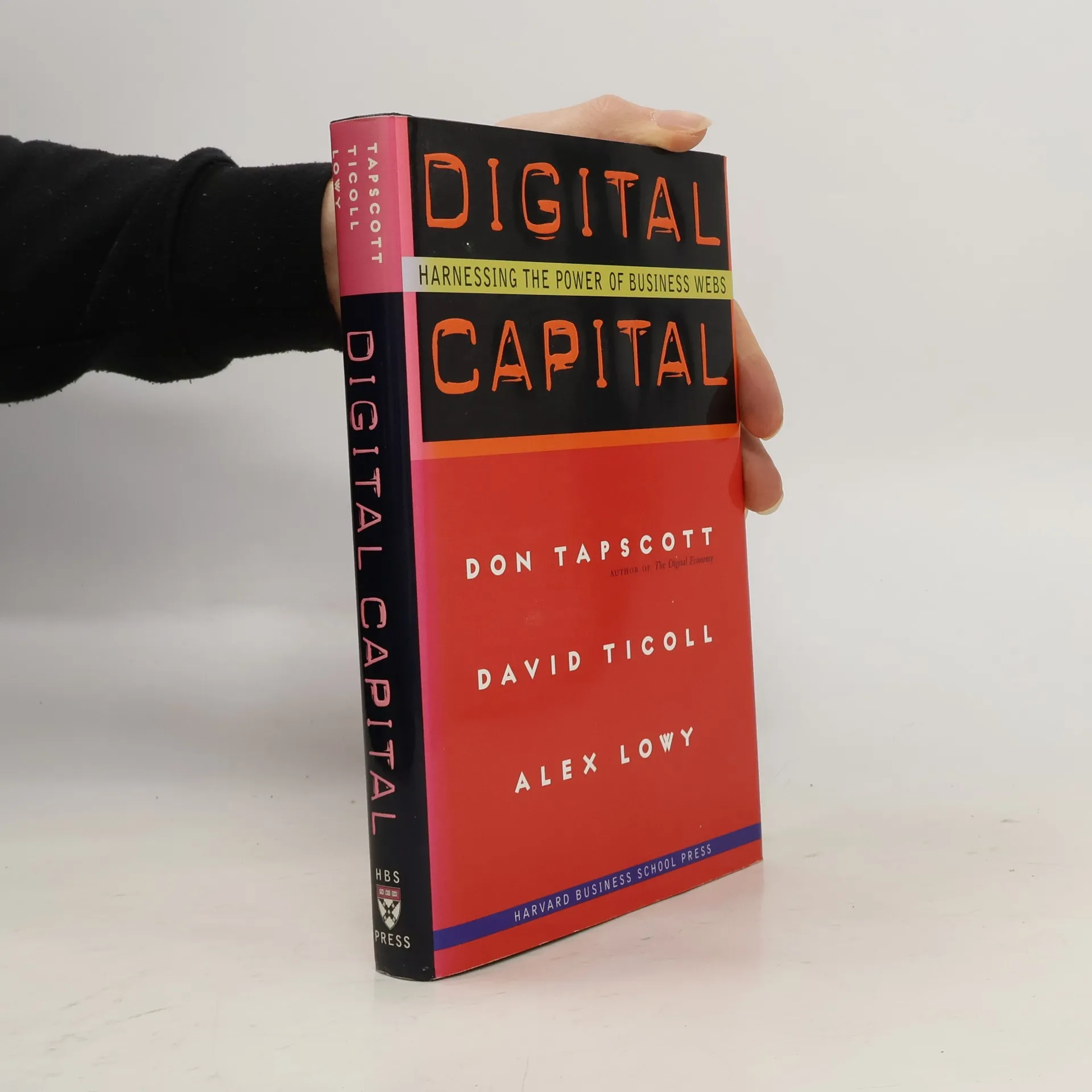

Bookbot

Don Tapscott

    1 juin 1947

    Don est une autorité mondiale de premier plan en matière d'innovation, de médias et d'impact économique et social de la technologie. Son travail examine en profondeur le pouvoir transformateur d'Internet, introduisant des concepts clés tels que la « fracture numérique » et la « Génération Net ». Ses analyses de la collaboration de masse et d'une planète connectée offrent des perspectives profondes sur les défis et les opportunités de notre époque.

    Don Tapscott
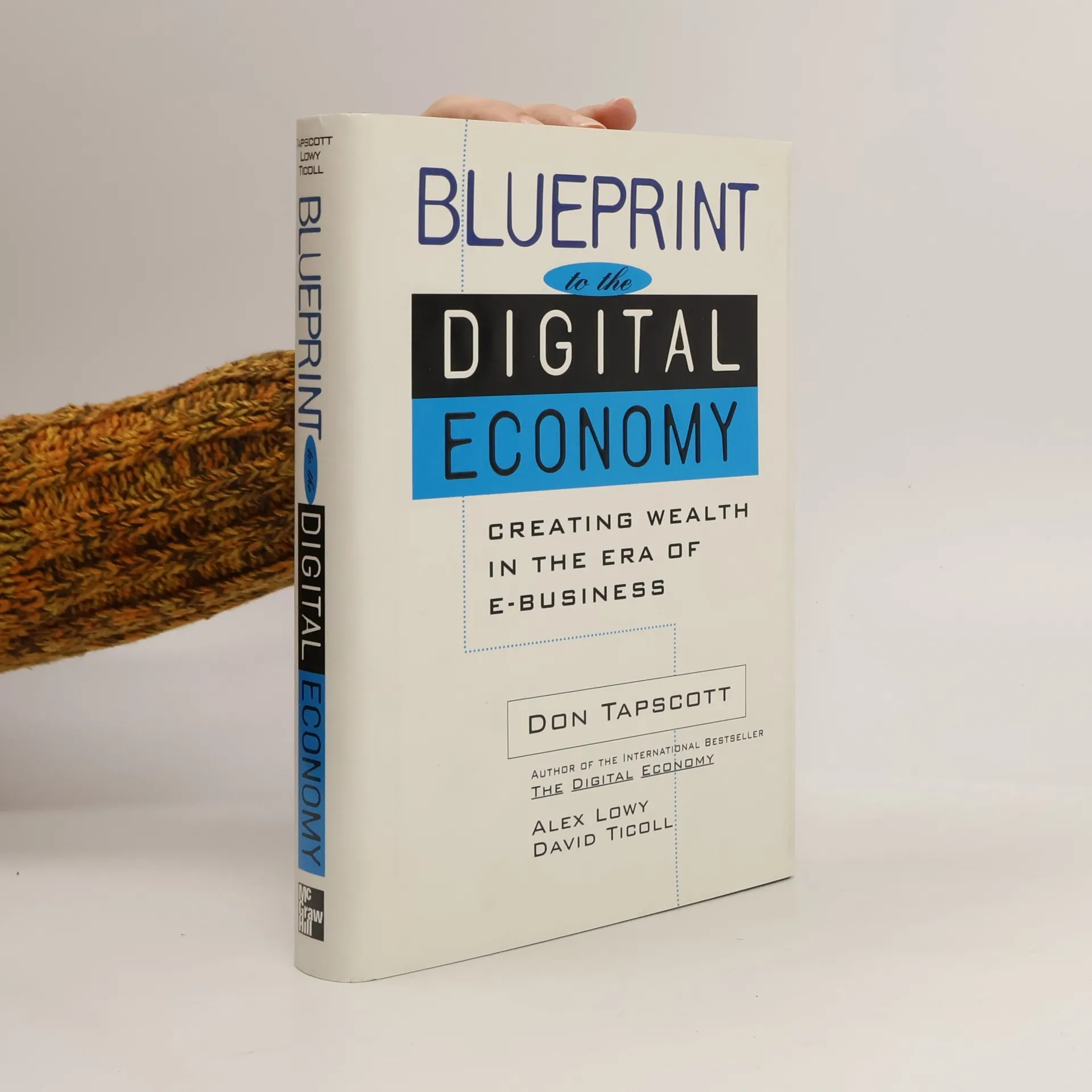
    Blueprint to the Digital Economy
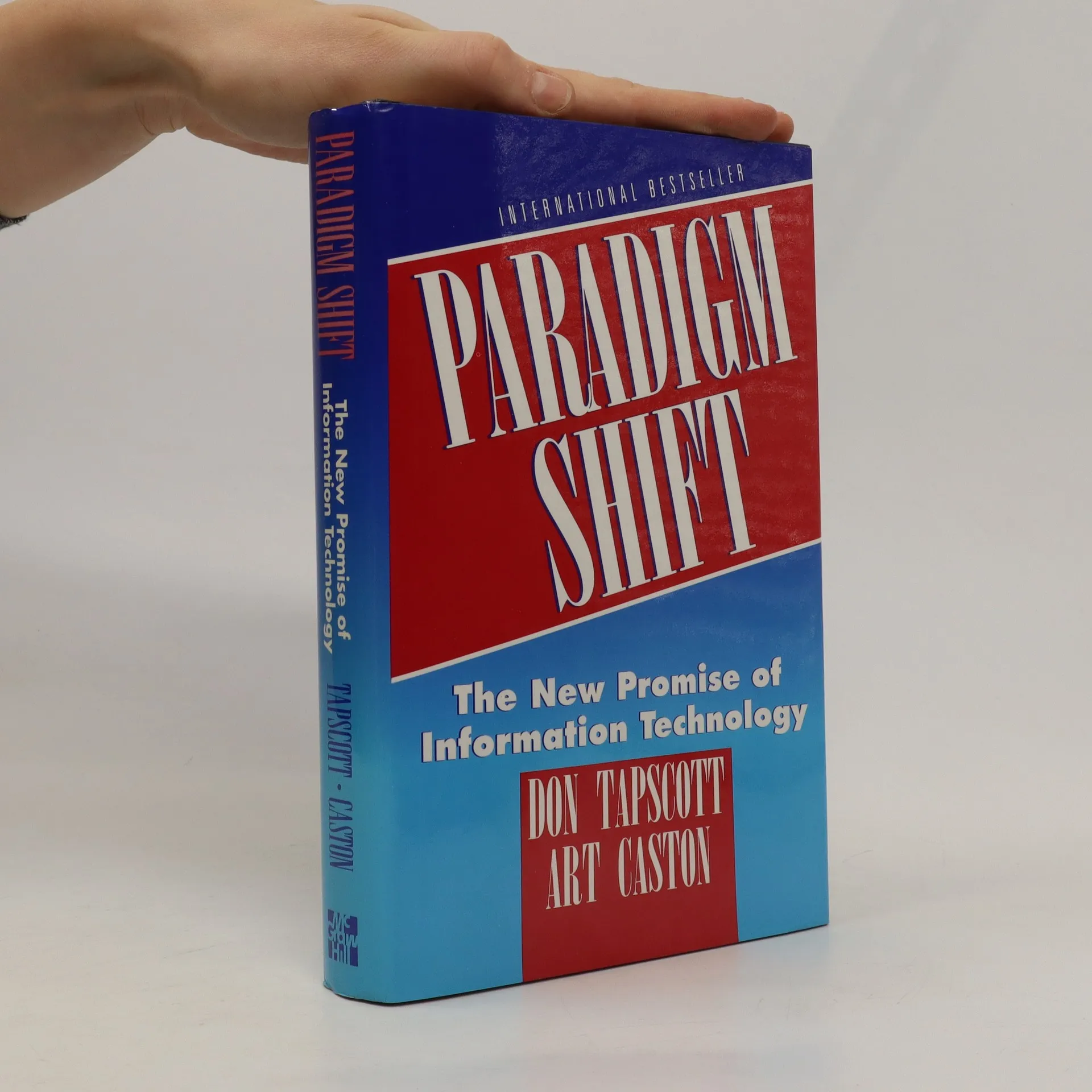
    Paradigm Shift
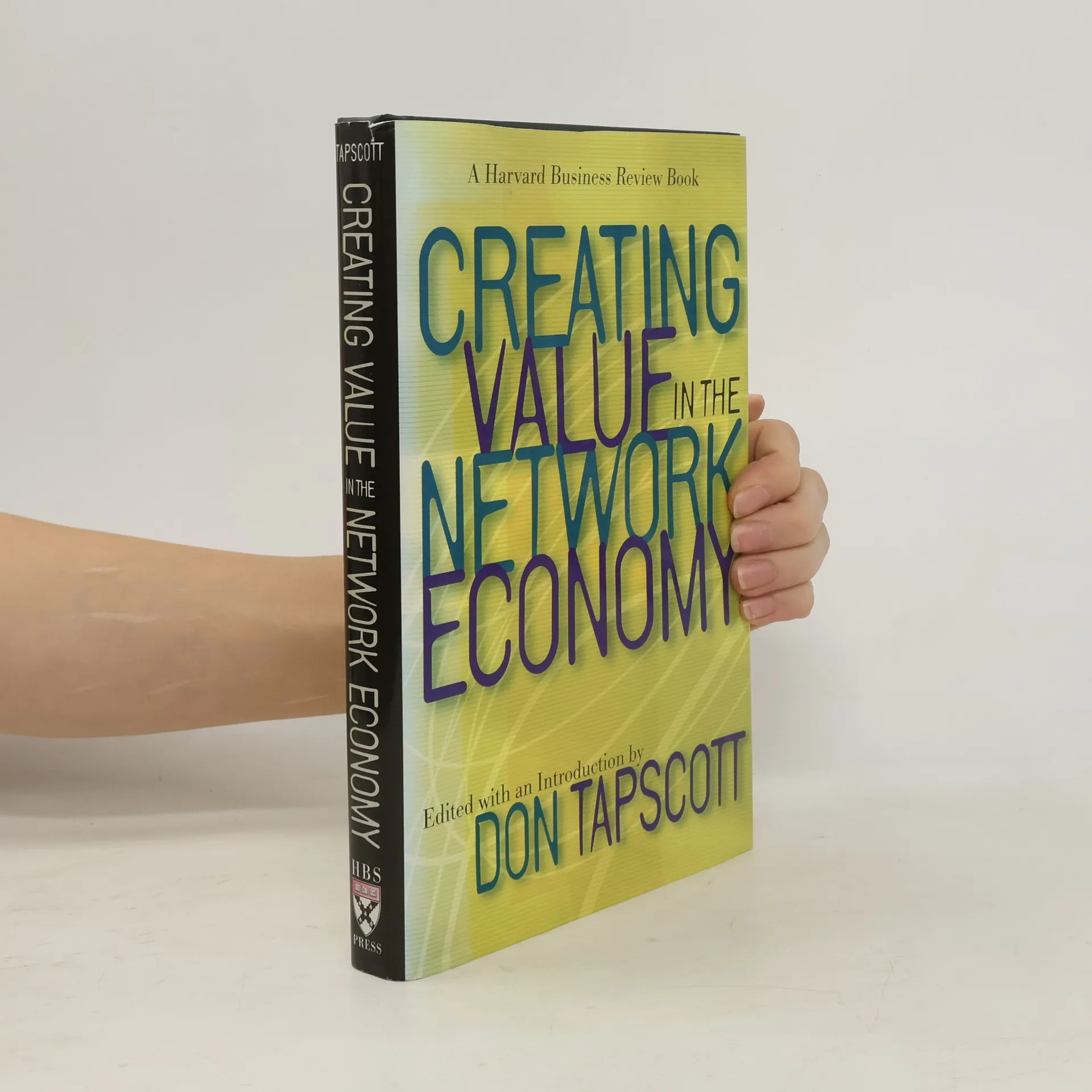
    Creating Value in the Network Economy
    The Talent Powered Organization
    Supply Chain Revolution: How Blockchain Technology Is Transforming the Global Flow of Assets
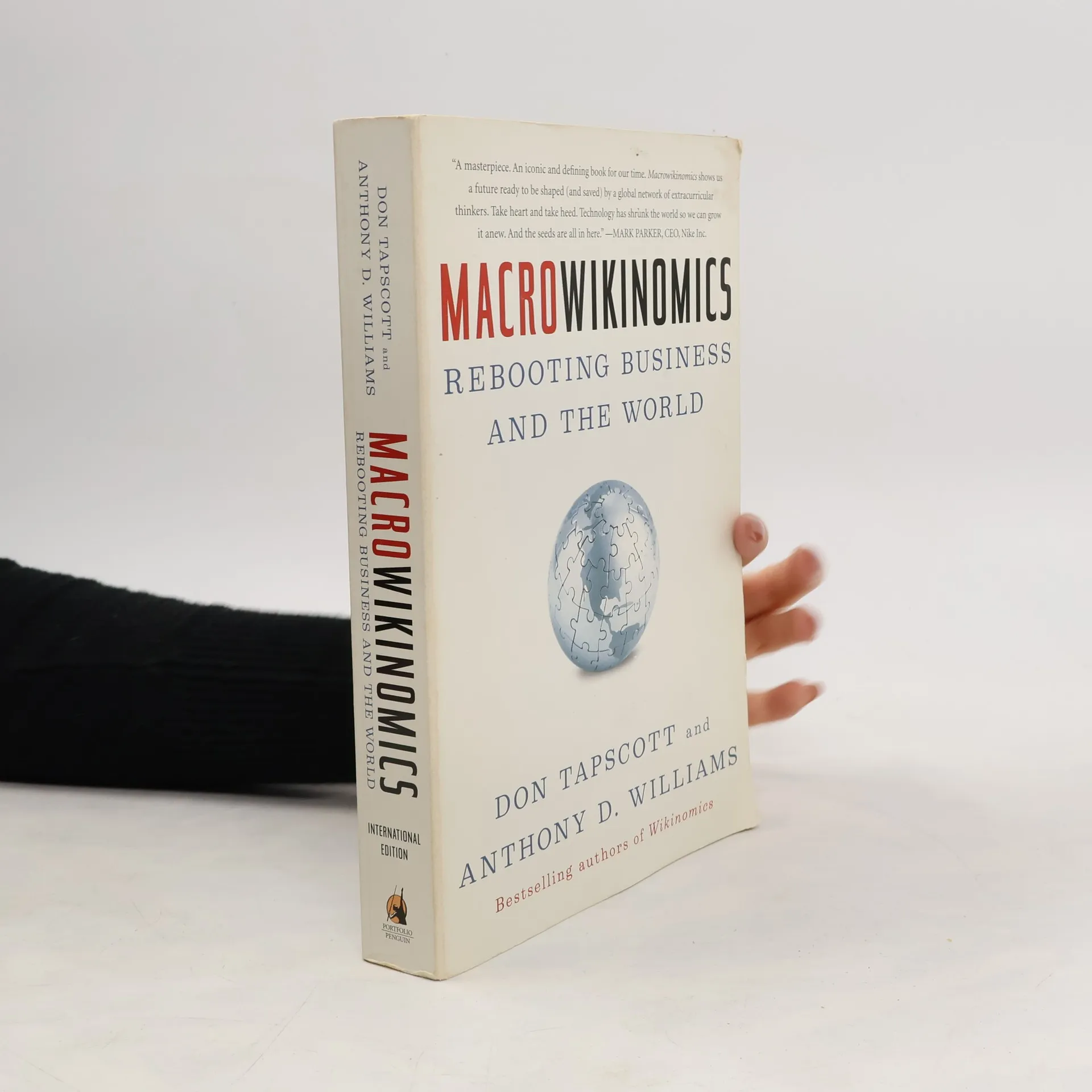
    MacroWikinomics
    • MacroWikinomics

      Rebooting Business and the World - International Edition

      The global financial crisis of 2008 highlighted the need for a new approach to governing the economy, emphasizing transparency, integrity, and collaboration in financial services. As the crisis spread to other sectors, including environmental and sovereign debt issues, it became evident that traditional institutions were struggling to adapt. However, amidst the turmoil, there is optimism as a new model of economic and social innovation emerges worldwide. This model empowers individuals with passion and expertise to leverage Web-based tools for creating a more prosperous, just, and sustainable world. Drawing parallels to collaborative projects like Wikipedia and Linux, there is a historic opportunity to harness collective human ingenuity to reshape institutions for future generations. This follow-up to a best-selling management book presents a game plan for addressing global challenges through collaborative innovation across various fields such as healthcare, education, and energy. It showcases dynamic innovators and movements that are transforming industries and argues that the potential for collaboration extends beyond software and media to include government, education, and healthcare. These opportunities are not mere fantasies but tangible possibilities enabled by the principles of wikinomics.

      MacroWikinomics
      4,1
    • The COVID-19 pandemic has exposed vulnerabilities in global supply chains, leading to significant loss of life and economic disruption. Manufacturers struggled to find new suppliers when Asian sources shut down, resulting in widespread shortages of essential goods. Blockchain technology offers a solution to mitigate such disruptions. This book features insights from leading experts on how blockchain, alongside innovations like additive manufacturing, artificial intelligence, and the Internet of Things, can tackle persistent issues that slow down and complicate the delivery of goods, particularly during crises. Current supply chains rely on a complex web of documents and intermediaries, obscuring the status and custody of goods. This lack of clarity can lead to consumer panic, as seen with toilet paper shortages during the pandemic. Blockchain, known as the Internet of Value, allows for digital peer-to-peer management and trading of assets, promising to revolutionize global commerce. It will enhance operations, logistics, procurement, transportation, customs, trade finance, manufacturing, and inventory management. The book outlines what leaders must do now to prepare for a decentralized future, offering valuable ideas for executives and entrepreneurs to engage with stakeholders and embrace the blockchain revolution.

      Supply Chain Revolution: How Blockchain Technology Is Transforming the Global Flow of Assets
      3,8
    • The Talent Powered Organization

      Strategies for Globalization, Talent Management and High Performance

      • 288pages
      • 11 heures de lecture

      Every day, workforce talent is becoming harder to gain and easier to lose. A mix of changing demographics, reduced engagement, and the need for new skills is forcing organizations to rethink their recruitment and retention strategies. Neglecting to manage and grow talent can lead to a significant decline in business performance. This book combines a strategic analysis of key issues with practical approaches to effectively recruit, manage, engage, and retain talent. The authors, experts from Accenture, draw on extensive international research to highlight trends impacting recruitment and retention, providing insights to help organizations secure the right talent. With the information provided, you will be able to place talent at the core of your business strategy, hold leaders accountable for employee engagement, build capabilities in learning and skills development, establish diversity as a strategic asset, and involve your entire organization in talent identification and nurturing. Featuring case studies, research findings, and practical tools, this book offers an objective platform for evaluating talent within your company. It empowers you to understand the forces affecting recruitment and retention, enabling you to leverage them for the long-term benefit of your organization and customers.

      The Talent Powered Organization
      3,8
    • Creating Value in the Network Economy

      • 229pages
      • 9 heures de lecture

      Don Tapscott organizes some of the Harvard Business Review's most insightful articles into a framework for understanding the new dynamics of value and wealth in the networked world.A rich mix of ideas and insights, Creating Value in the Network Economy explores all aspects of the interconnected business environment, from the importance of trust in the virtual organization and the changing nature of customer relationships to new ways that companies can generate returns from their intellectual assets. The real-world examples from companies such as Amazon.com, eBay, The Wall Street Journal, and Auto-by-Tel help managers to see more clearly the opportunities for transfiguring their business around the Internet.

      Creating Value in the Network Economy
      3,7
    • Paradigm Shift

      • 288pages
      • 11 heures de lecture

      Organizations are striving to reinvent themselves in response to today's volatile global business environment, but existing computing systems often hinder this transformation. These systems are limited, costly, and slow to adapt. This book outlines how a new era of technology can facilitate the transition to a more effective enterprise. It offers guidance for managers and professionals, regardless of technical expertise, on how to leverage technology for immediate benefits while positioning their organizations for long-term success. Based on extensive investigations of over 4,500 businesses and government entities, the text synthesizes the experiences of leading companies navigating this transition. It highlights the potential of new technology to create open, networked "client/server" enterprises, impacting various aspects of business operations. Key topics include work-group computing, business process reengineering, and enterprise computing, all aimed at fostering high-performance teams and enhancing integration with customers and partners. The book discusses significant shifts in information technology, such as the movement from proprietary to open systems, host-based to network-based systems, and software craft to manufacturing. Most importantly, it provides critical insights on successfully transitioning to a second-era enterprise, drawing on real-world examples from notable companies like Toys 'R' Us and Federal Expr

      Paradigm Shift
      3,8
    • Blueprint to the Digital Economy

      • 410pages
      • 15 heures de lecture

      Shows examples of how network and multimedia technology is affecting business

      Blueprint to the Digital Economy
      3,6
    • The bestselling book announcing the arrival of the Net Generation--those kids who are growing up digital--now in paperback. Heraled by Library Journal as one of the Best Business Books of 1997, Growing Up Digital tells how the N-Generation is learning to communicate, work, shop and play in profoundly new ways--and what implications this has for the world and business. Growing Up Digital offers an overview of the N-Generation, the generation of children who in the year 2000 will be between the ages of two and twenty-two. This group is a "tsunami" that will force changes in communications, retailing, branding, advertising, education, etc. Tapscott commends that the N-Generation are becoming so technologically proficient that they will "lap" their parents and leave them behind. The book also demonstrates the common characteristics of the acceptance of diversity, because the Net doesn't distinguish between racial or gender identities, curiosity about exploring and discovering new worlds over the Internet and assertiveness and self-reliance, which result when these kids realize they know more about technologythan the adults around them.

      Net Kids
      3,8
    • Evaluates the ways in which the global marketplace has significantly changed in recent years, revealing how wikinomics philosophies can be applied to everything from government and finance to education and health care.

      MacroWikinomics. Rebooting Business and the World
      3,8
    • Wikinomics

      How Mass Collaboration Changes Everything - Expanded Edition

      • 351pages
      • 13 heures de lecture

      In recent years, traditional collaboration methods have been overshadowed by large-scale collaborations involving thousands or even millions of contributors. This shift has led to the creation of complex products like encyclopedias, jetliners, and software. While some leaders may fear the rise of massive online communities, the insights presented here demonstrate that such fears are misplaced. Organizations can leverage collective intelligence to drive innovation and success. This essential guide explores a transformative change in business, challenging long-held beliefs about competitiveness in the modern era. Based on extensive research led by bestselling author Don Tapscott, it illustrates how individuals can engage in the economy like never before, contributing to diverse fields such as media, genomics, music, software development, and healthcare. Notable examples include Rob McEwen of Goldcorp, Inc., who revitalized his company through open-source strategies and online competitions, and established firms like Procter & Gamble that foster agile, trust-based partnerships with external collaborators. Additionally, thriving online communities such as Flickr, Second Life, and YouTube are highlighted for their innovative approaches to collaborative production. This insightful exploration serves as a roadmap for navigating business in the twenty-first century.

      Wikinomics
      3,8
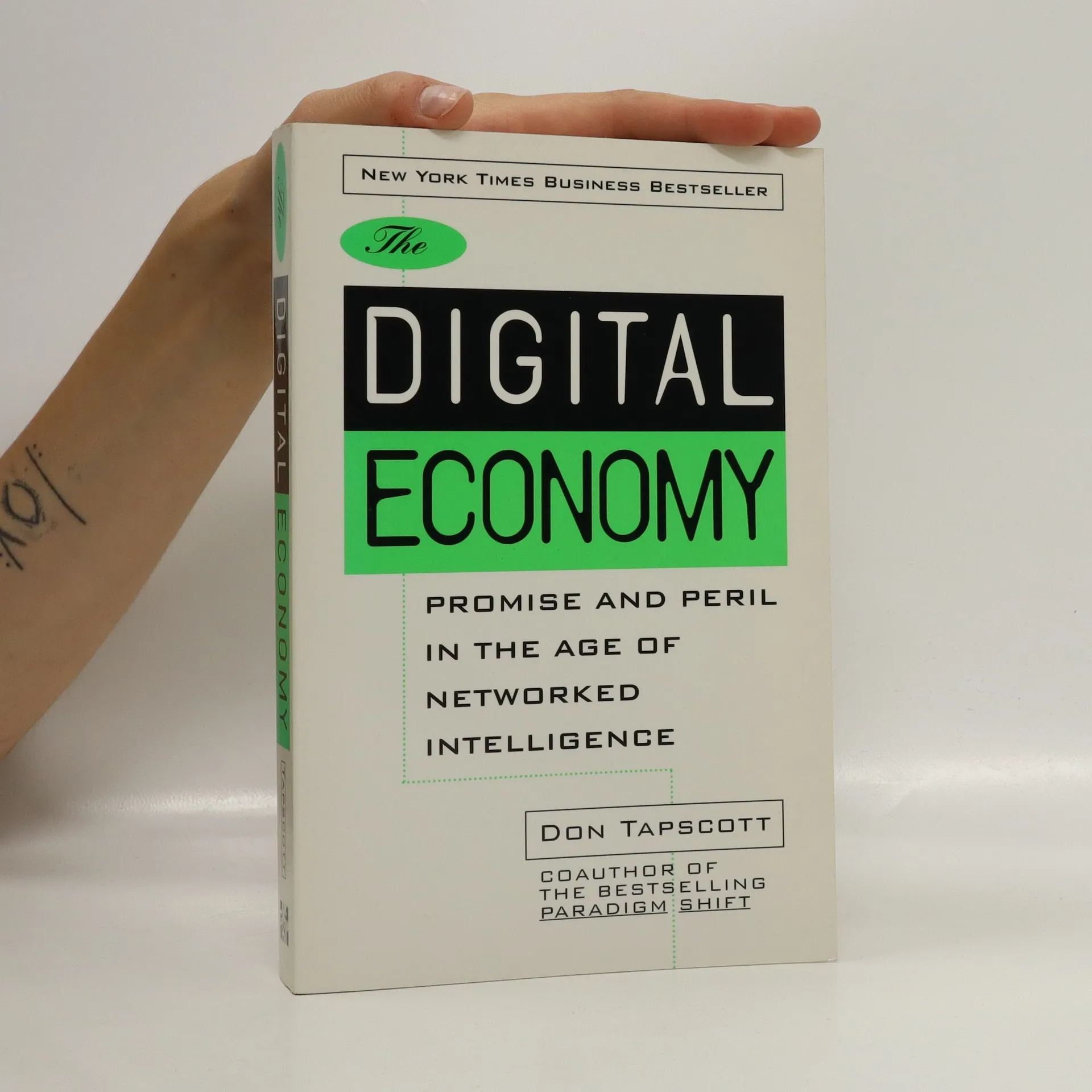
    • The Digital Economy

      • 342pages
      • 12 heures de lecture

      Looks at how the Internet is affecting businesses, education, and government, touching on the twelve themes of the new economy and privacy issues

      The Digital Economy
      3,5