
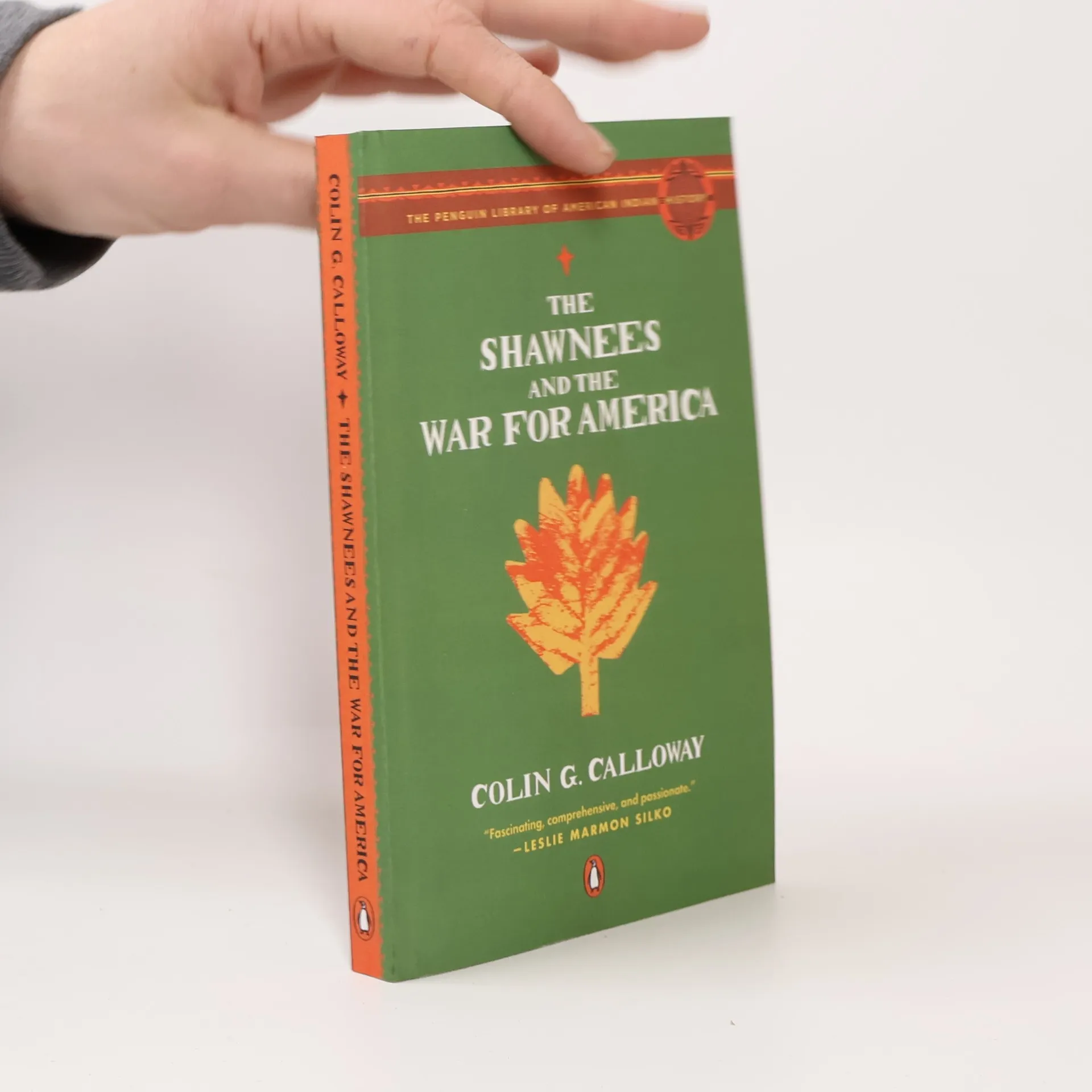
America's founding involved and required the melding of cultures and communities, a redefinition of "frontier" and boundaries in every possible sense. Using the accounts of Native leaders who visited cities in the Early Republic, Calloway's book reorients the story of that founding. Violent resistance was just one of many Native responses to colonialism. Peaceful interaction was far more the norm, and while less dramatic and therefore less covered, far more important in its effects.
Colin G Calloway Ordre des livres (chronologique)
Colin G. Calloway est un historien éminent et un spécialiste des études amérindiennes, dont l'œuvre explore en profondeur l'histoire et la culture des peuples autochtones d'Amérique. Son écriture se caractérise par une recherche méticuleuse et un engagement à dépeindre authentiquement ces récits souvent négligés. Calloway s'attache à donner une voix à ceux qui ont été réduits au silence dans les récits historiques, offrant ainsi aux lecteurs une perspective nouvelle sur l'histoire américaine. Son approche est ancrée dans un examen attentif des sources, visant à comprendre et à transmettre les complexités de la vie et de la résilience autochtones.


The Shawnees and the War for America
- 256pages
- 9 heures de lecture
The book explores the Shawnees' struggle for territorial and cultural preservation under the leadership of Tecumseh, highlighting their resilience in the face of political, legal, and military challenges. Historian Colin G. Calloway presents a nuanced portrayal of key figures like Tecumseh, Daniel Boone, and Andrew Jackson, examining the complexities of their actions. Beyond mere land defense, the Shawnees fought to uphold their way of life and their vision for their nation, reflecting a deep commitment to their cultural identity.
One Vast Winter Count
- 631pages
- 23 heures de lecture
Traces the histories of the Native people of the American West from their arrival thousands of years ago to the early years of the nineteenth century. Emphasizing conflict and change, this work offers a look at the early history of the region by blending ethnohistory, colonial history, and frontier history.