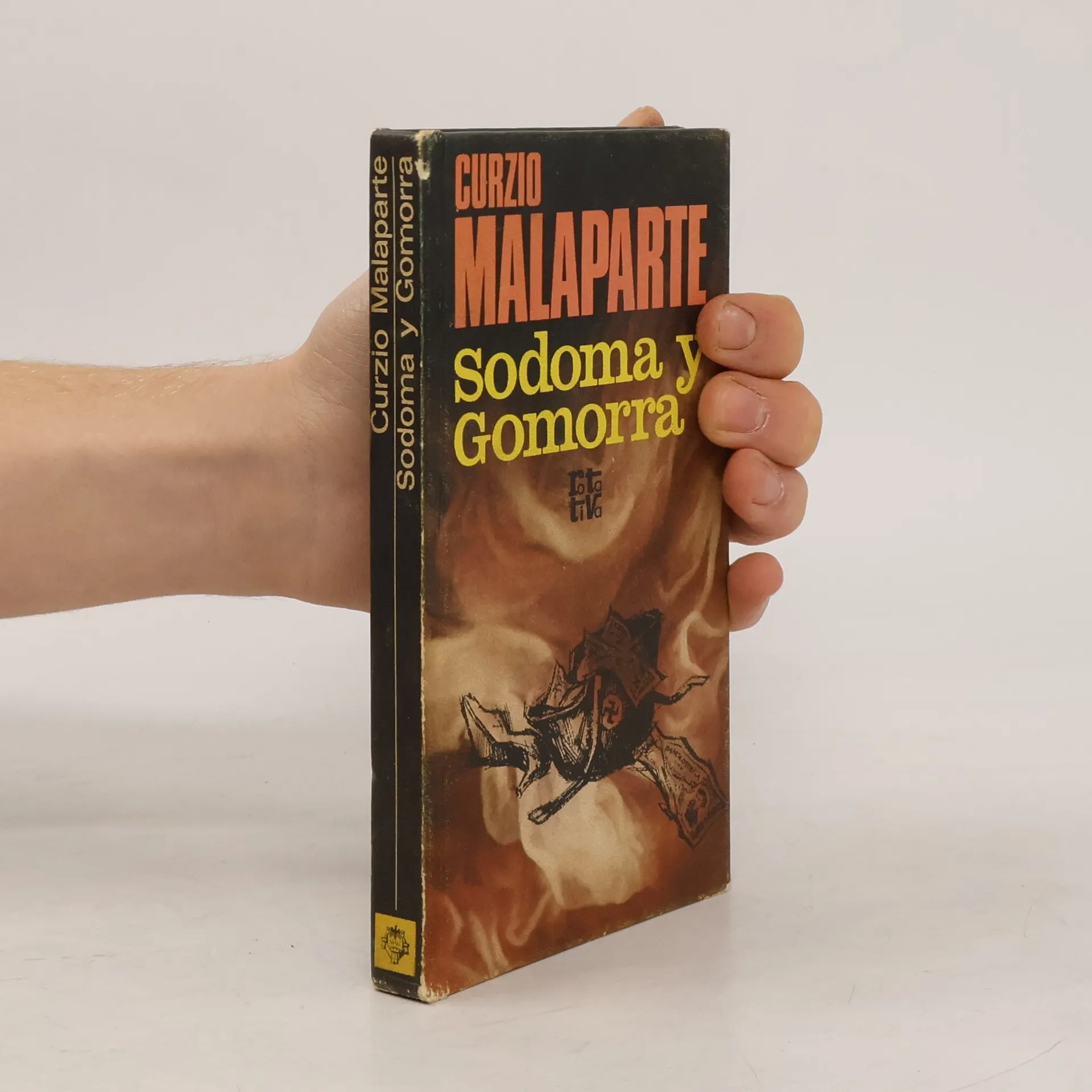
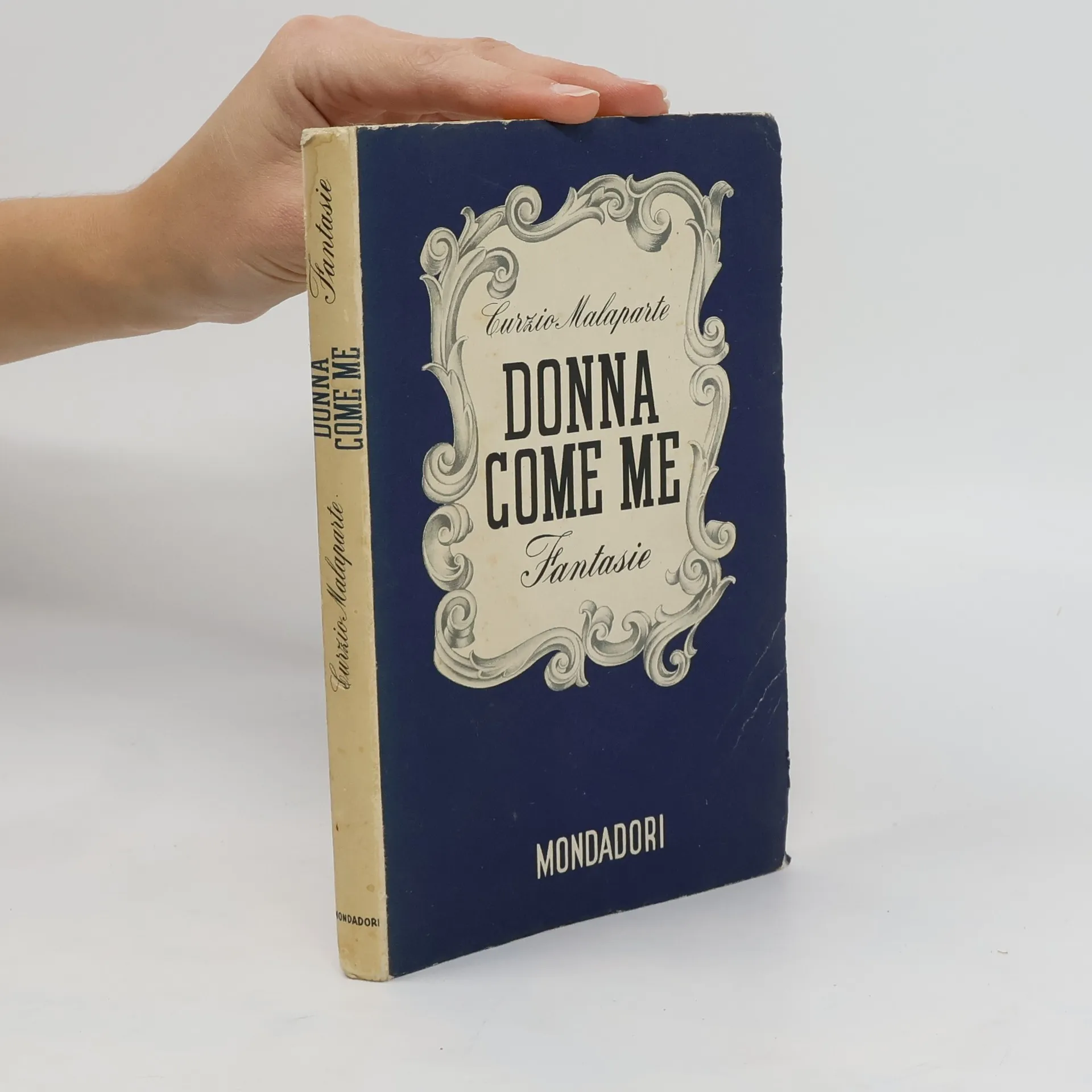
Coïncidant avec le début de l'offensive allemande contre la Russie, Curzio Malaparte a commencé à écrire Kaputt, une œuvre qui témoigne de son expérience en tant que correspondant de guerre durant la Seconde Guerre mondiale. Malaparte parcourt l'Europe occupée par les nazis comme un espion : il assiste à la triste impuissance du prince Eugène de Suède, endure l'arrogance des dirigeants nazis à Varsovie et est témoin de la brutalité des paysages froids de la Carélie ou de la noble ville de Iași, dévastés par la barbarie et la famine qui ont réduit l'Europe à un tas de ferraille. Avec Kaputt - un terme germanique évoquant ce qui est brisé et qui devient un qualificatif fidèle de ce qu'il reste d'un continent ravagé par des années de destruction - Malaparte tisse une œuvre littéraire saisissante sur la réalité, à la fois sauvage et grotesque, de la guerre sur le front.
Curzio Malaparte Livres
Cet auteur italien, connu pour ses observations percutantes et son écriture provocatrice, explore les aspects sombres de la nature humaine et les complexités de l'Europe de l'entre-deux-guerres. Ses œuvres, souvent ancrées dans ses expériences étendues en tant que journaliste et diplomate, offrent un regard sans complaisance sur la politique et la société. À travers un style distinctif, il capture les tensions et les ironies de l'époque, offrant aux lecteurs des réflexions incisives et troublantes. Son écriture demeure un témoignage puissant des complexités du monde et des motivations humaines.


"Deux dollars les garçons, trois dollars les filles !" est le cri glaçant des mères qui vendent leurs propres enfants aux soldats dans les rues. Naples, à la fin de la Seconde Guerre mondiale, après le débarquement des troupes américaines, est le cadre de la plus célèbre roman de Curzio Malaparte. Un Malaparte visionnaire qui, dans les pages de La peau, décrit ce qu'il voit, mais aussi la réalité qui se cache sous les apparences, une réalité complexe et historique, qui affleure et déborde dans des scènes dignes de Brueghel. Un dîner servi par un général américain, où l'on déguste un ragoût de sirène, du poisson et de la viande de femme, des perruques vaginales blondes fabriquées par des Napolitaines pour plaire aux soldats noirs qui n'aiment pas les prostituées brunes... Et au loin, le Vésuve, la baie de Naples, l'Histoire et la guerre. La peau conduit le lecteur de Naples à Rome et Florence dans un décor apocalyptique. Pitié, grandeur, honte, abjection, tendresse, fierté ou mépris émergent des pages d'un livre magistral.
The Kremlin Ball
- 223pages
- 8 heures de lecture
"Perhaps only the impeccably perverse imagination of Curzio Malaparte could have conceived of The Kremlin Ball, which might be described as Proust in the corridors of Soviet power. The book is set at the end of the 1920s, when the Great Terror may have been nothing more than a twinkle in Stalin's eye, but when the revolution was accompanied by a growing sense of doom. In Malaparte's vision it is from his nightly opera box, rather than the Kremlin, that Stalin surveys Soviet high society, its scandals and amours and intrigues among beauties and bureaucrats, including the legendary ballerina Marina Semyonova and Olga Kameneva, a sister of the exiled Trotsky, who though a powerful politician is so consumed by dread that everywhere she goes she gives off the smell of rotting meat. This extraordinary court chronicle of Communist life (for which Malaparte also contemplated the title God Is a Killer) was published posthumously and appears now in English for the first time"--
Diary of a Foreigner in Paris
- 360pages
- 13 heures de lecture
Every "diary" serves as a portrait, chronicle, or history, capturing moments that reflect a broader narrative. Unlike random notes, a true diary tells the story of a life, marked by beginnings, middles, and ends. Life itself unfolds like a tale, with a structured progression rather than mere chance. The subject of this diary revolves around my return to Paris after fourteen years, exploring a transformed France and its people. It captures a specific moment in the history of the French nation that aligns with a pivotal time in my own life. I do not claim to innovate within the diary genre; rather, I propose that a diary functions as a narrative, akin to a play. It embodies the essence of storytelling, where every element leads toward a conclusion, adhering to classical unity, while focusing on the character of "I." This diary represents a theatrical work brought to the page, echoing Kafka's concept of the "present moment" as it unfolds. Ultimately, my diary seeks to bridge the gap between narrative and theater, presenting a unique perspective on personal and national stories.
The Volga Rises In Europe
- 281pages
- 10 heures de lecture
Publisher: Birlinn Limited, 1951. Hardcover. Book Club Edition.
Legenda Lenina
- 232pages
- 9 heures de lecture
Malaparte, nel settembre del 1931, confida all'amico Halévy il suo obiettivo di presentare un Lenin diverso da come è percepito in Europa. La sua ambizione è mostrare Lenin attraverso gli occhi dei «Russi intelligenti», analizzando il fenomeno secondo la sua logica, come già fatto in precedenza. Il suo nuovo libro, pubblicato a Parigi nel 1932, avrà un impatto sorprendente. Qui, Lenin non è il Gengis Khan proletario, ma piuttosto un piccolo borghese, freddo e riflessivo, sedentario e burocratico. Con un'immaginazione meticolosa e una «crudeltà platonica», è ostile al romanticismo terrorista e incapace di agire al di fuori della teoria. Si sente più a suo agio nelle discussioni politiche e nelle faide personali che nel confronto con la realtà. Lenin appare come un europeo medio, un uomo violento e timido, un «funzionario puntuale e zelante del disordine», un fanatico e opportunista, per cui la rivoluzione è una questione interna di partito, frutto di calcoli ossessivi. Quando, una volta al potere, non può più osservare gli eventi da lontano, si trova costretto a confrontarsi con la realtà, decidendo di inventarla e imporla a se stesso, ai suoi collaboratori, al popolo russo, alla rivoluzione proletaria e al futuro dell'Europa.
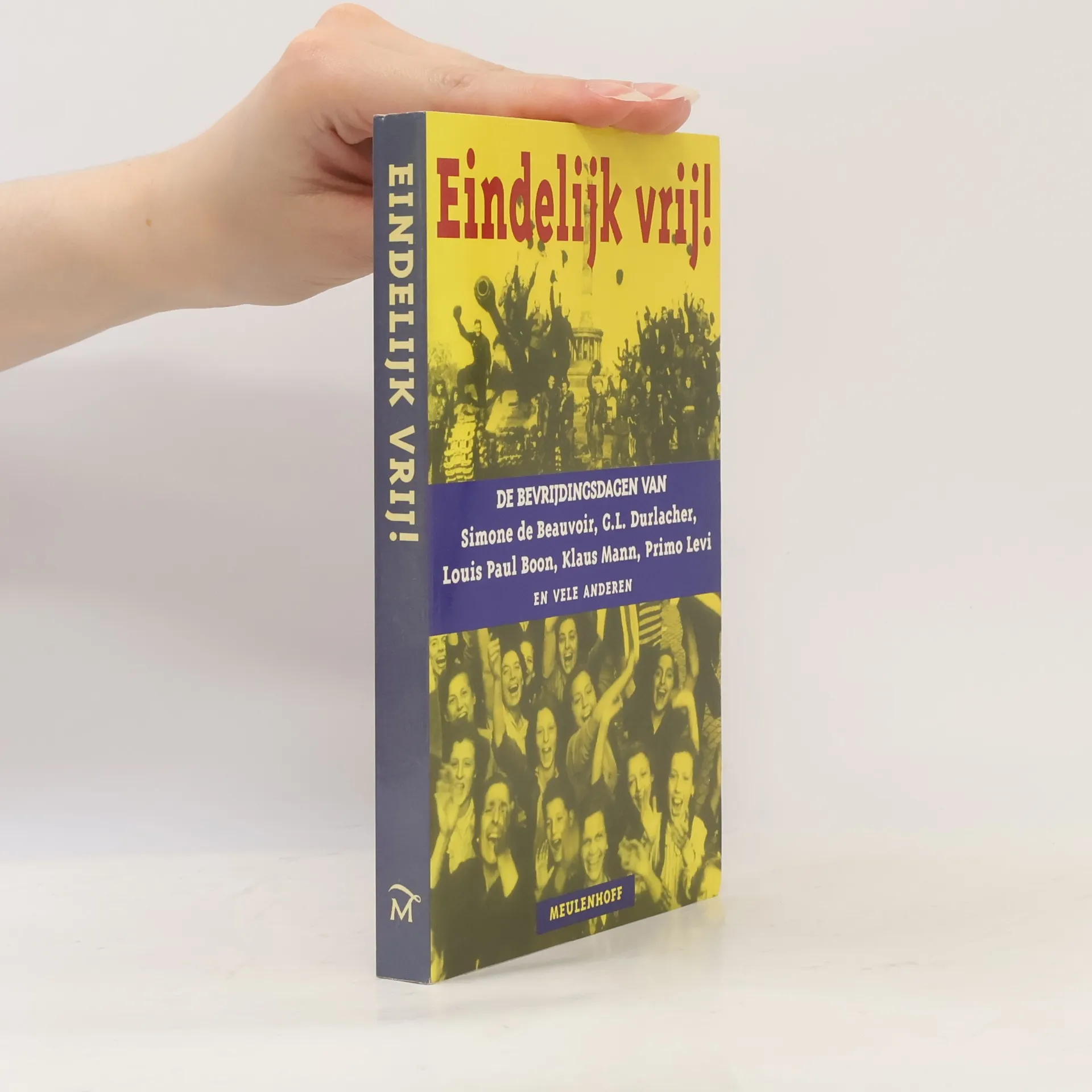
Eindelijk vrij!
de bevrijdingsdagen van Curzio Malaparte, Viktor Nekrasov, Simone de Beauvoir, Michel Tournier, Louis Paul Boon, Hans Koning, Anatoli Koeznetsov, Primo Levi en vele anderen (Meulenhoff pocket editie)
- 159pages
- 6 heures de lecture
Bundel verhalen over de bevrijdingsdagen in Europa 1944/1945.
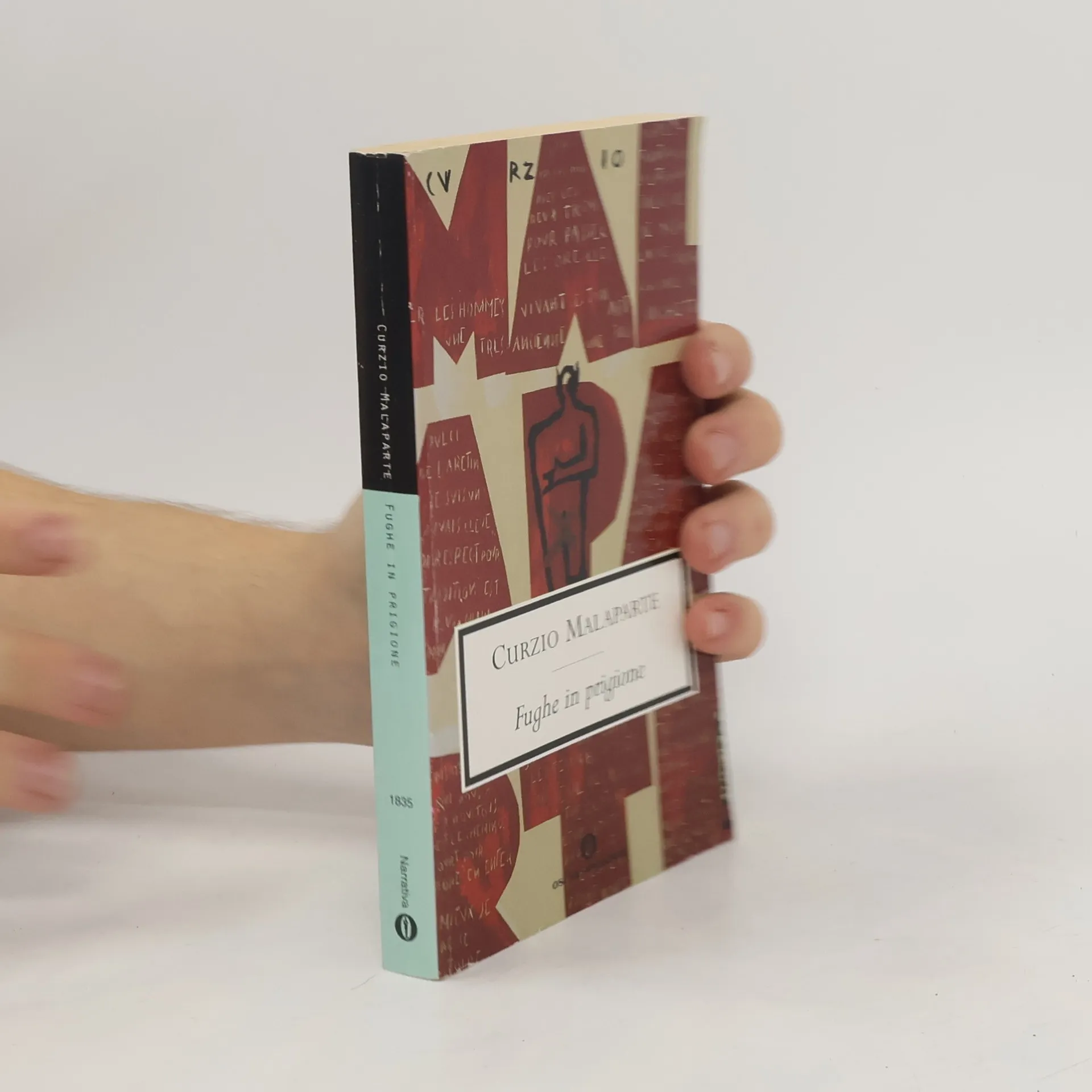
Fughe in prigione
- 289pages
- 11 heures de lecture
Pubblicate in varie edizioni, nel 1936, nel 1943 e, infine, nel 1954 (quella qui riproposta), queste "Fughe in prigione" sono state scritte durante i periodi trascorsi da Malaparte nel carcere romano di Regina Coeli e al confino di Lipari, dove venne inviato per i suoi atteggiamenti liberi, provocatori, non allineati al regime fascista, che anzi attaccò violentemente. A queste pagine del tempo di prigionia Malaparte volle aggiungere alcuni testi scritti in Francia e in Inghilterra poco prima dell'arresto. Si tratta di memorie, riflessioni di carattere culturale, studi letterari nei quali l'autore sembra cercare un rifugio e una via di fuga per lo spirito.
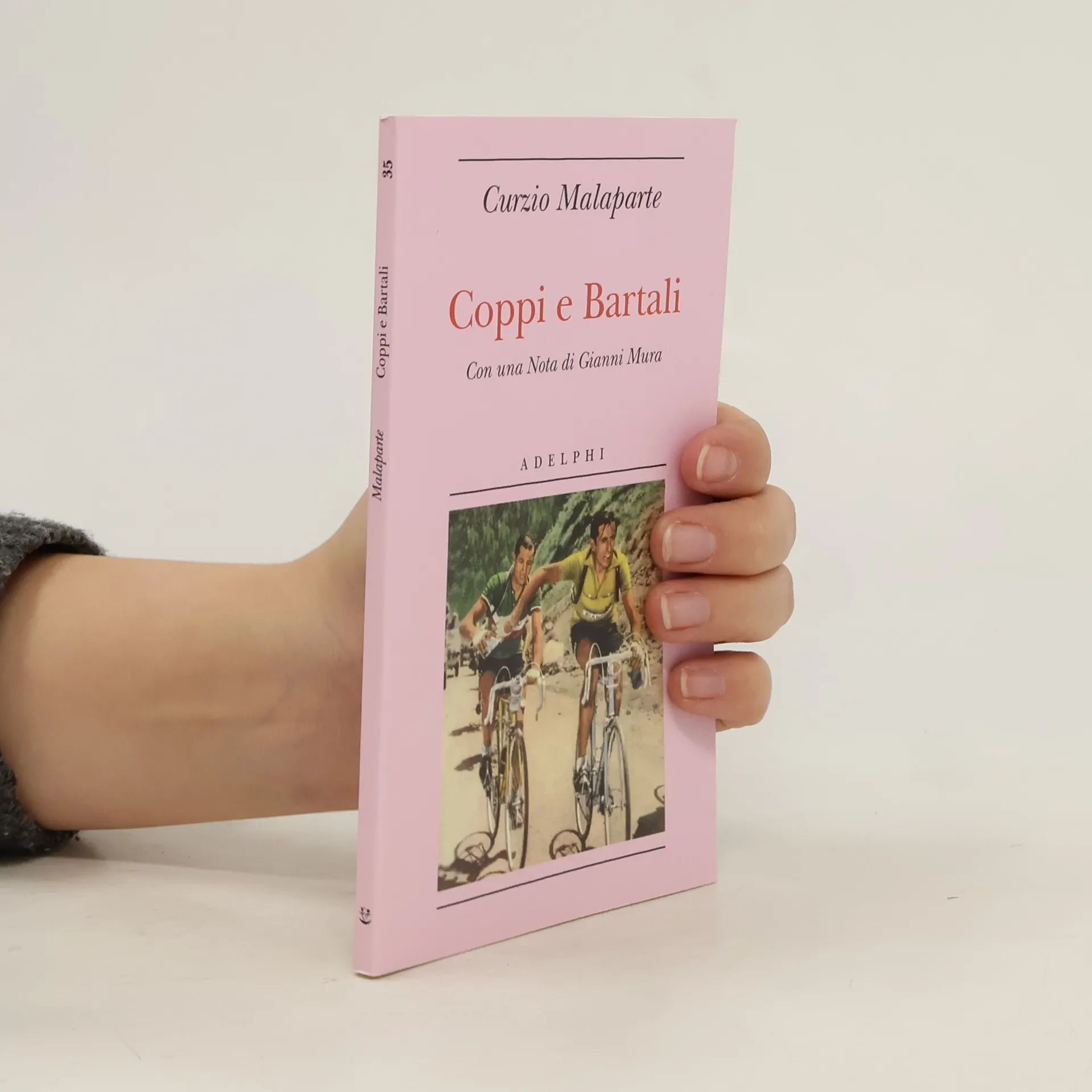
Coppi e Bartali
- 56pages
- 2 heures de lecture
La nobile lotta tra due campioni - e tra due volti immutabili del nostro paese.
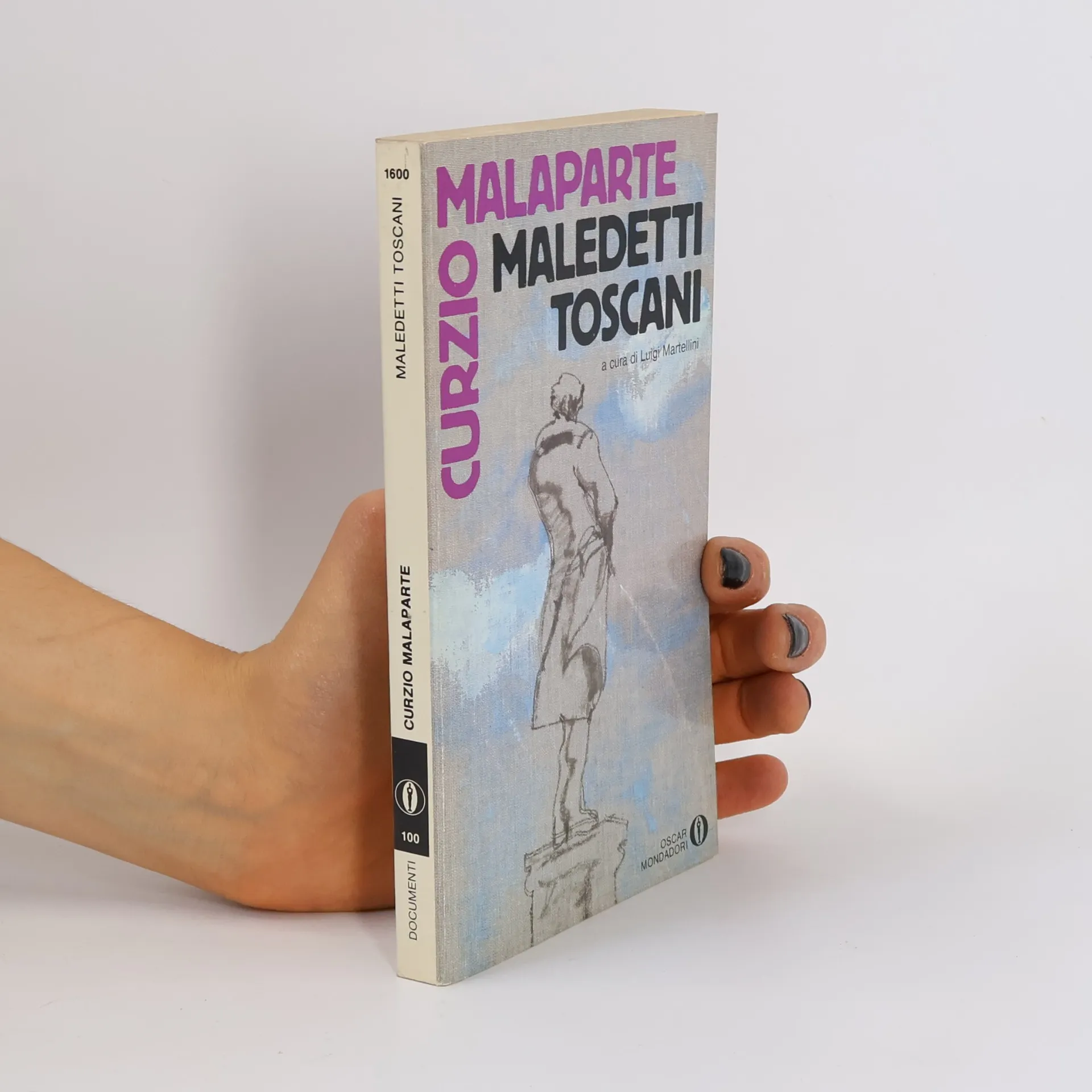
Piccola Biblioteca - 701: Maledetti toscani
- 220pages
- 8 heures de lecture
Perché, di fronte a un toscano, tutti si sentono a disagio? La risposta è chiara: il toscano è considerato di gran lunga più intelligente degli altri italiani e, in quanto tale, è libero. Questa libertà, legata all'intelligenza, si traduce in un atteggiamento spregiativo verso la stupidità umana. Il toscano è anche sboccato, insolente, crudele, cinico e ironico, ma possiede una virtù fondamentale: il senso della misura, che riflette l'armonia tra il mondo terreno e quello divino, come dimostra la Divina Commedia. Il pratese, in particolare, incarna questa essenza toscana: è diretto e rabbioso, nemico di ogni autorità e prosopopea. A Prato, tutto sembra confluire, dalla gloria alla vanità. Con un linguaggio brillante, l'autore ci guida attraverso i paesaggi, i popoli e la letteratura della Toscana, offrendo un ritratto incisivo degli italiani, che spesso si mostrano vili e pavidi, temendo la verità e invidiando i privilegi altrui. Dovrebbero imparare dai toscani a ribellarsi contro i potenti e a rivendicare la propria libertà e giustizia.
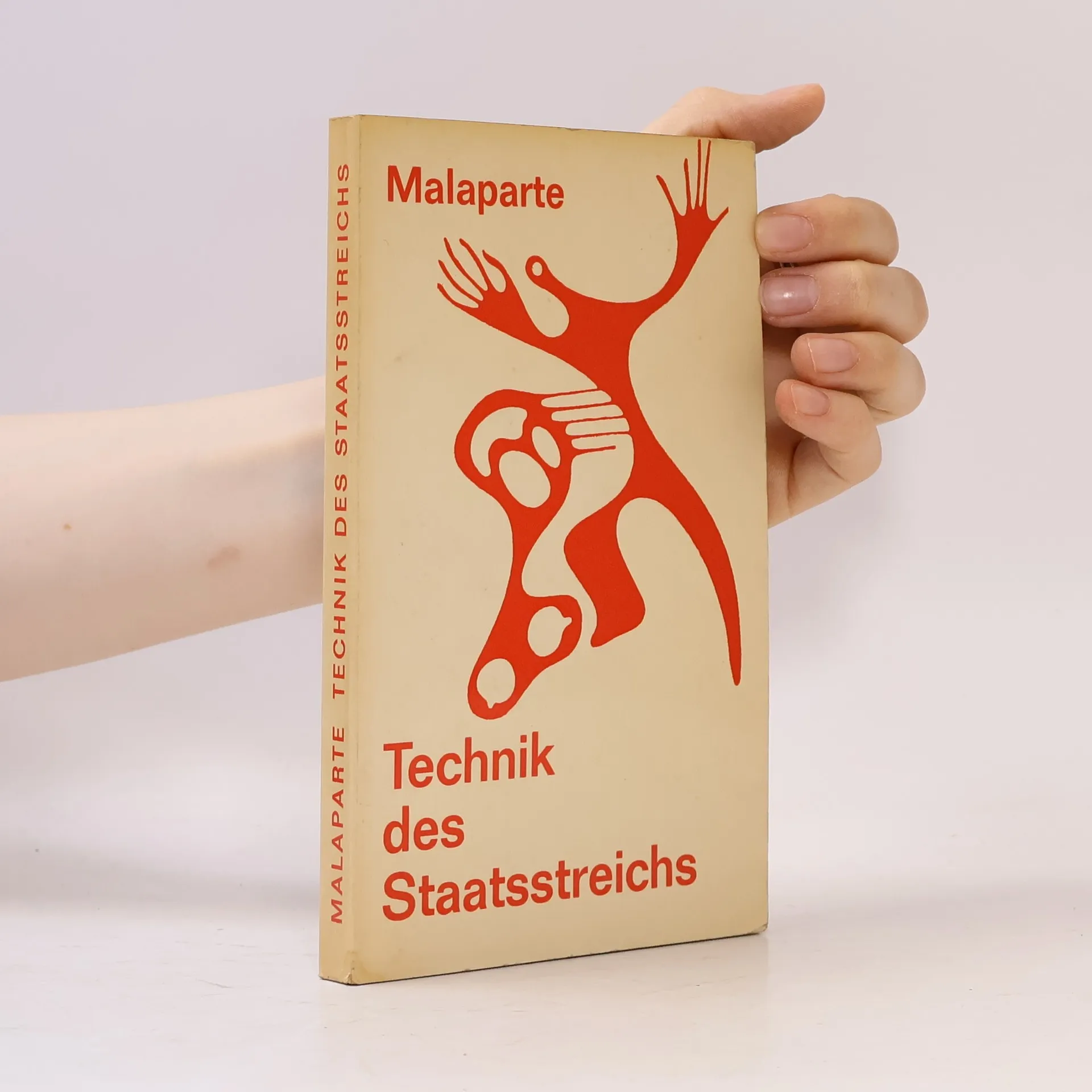
Wie man sich eines modernen Staates bemächtigt und wie man ihn verteidigt: Anhand von Beispielen aus der Geschichte (der 18. Brumaire von Bonaparte) oder aus der näheren Vergangenheit (der bolschewistische Staatsstreich von 1917, der Marsch auf Rom von Mussolini, der unaufhaltsame Aufstieg Hitlers) analysiert Malaparte die verschiedenen Methoden moderner Insurrektion. Der Duce ließ ihn für die Richtigkeit seiner Überlegungen mit mehreren Monaten Gefängnis und fünf Jahren Hausarrest bezahlen. Bei seiner Veröffentlichung im Jahr 1931 wurde Technik des Staatsstreichs weltweit als ein „Traktat über die Kunst, die Freiheit zu verteidigen“ gefeiert. Die fieberhafte Klarheit seiner taktischen Theorien, die Kunst des Porträts und die psychologische Finesse des Autors, angewandt auf das politische und militärische Personal, sind nicht veraltet und machen dieses Buch zu einem Klassiker.
Ein Haus wie ich - die Casa Malaparte auf Capri
- 63pages
- 3 heures de lecture
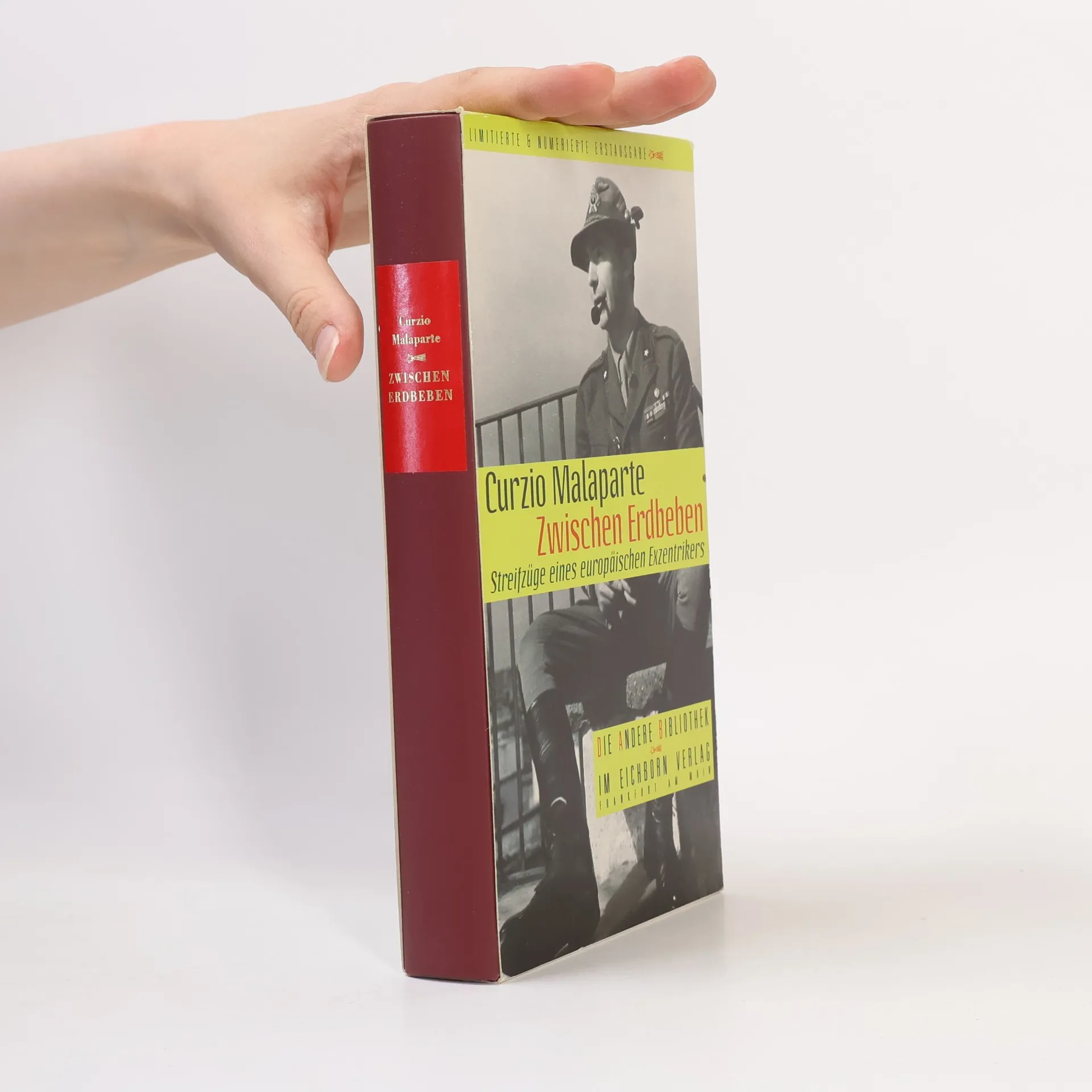
Zwischen Erdbeben. Streifzüge eines europäischen Exzentrikers - Limitierte & Nummerierte Erstausgabe
- 360pages
- 13 heures de lecture
Malaparte war Faschist, Kommunist, Wendehals, Egozentriker, Narziss, Dandy und Held und manchmal wirkt es, als habe Malaparte keine Sünde auslassen wollen, wie sie sich die Intellektuellen während der Totalitarismen des 20. Jahrhunderts haben zuschulden kommen lassen. Dass er aber zugleich ein großer Reisender, ein Kenner des alten Kontinents, einer der schärfsten Beobachter und originellsten Denker Europas war, ist kaum bekannt. Egal, ob er über die »englischen Manieren« oder die »schwedische Insel« schreibt, aus der Nachkriegsgesellschaft in Deutschland und Frankreich berichtet, oder ob er in den frühen fünfziger Jahren sich für die Welt der chilenischen Indios begeistert oder am Ende seines Lebens von Maos China fasziniert ist: Seine stilistisch unverwechselbaren Reisereportagen sind oft von einer überraschenden Weitsicht und noch in ihren Fehlurteilen erhellend. Erstmals ins Deutsche übersetzt, präsentieren sie einen ebenso eigenwilligen wie faszinierenden Beobachter der europäischen Katastrophe.
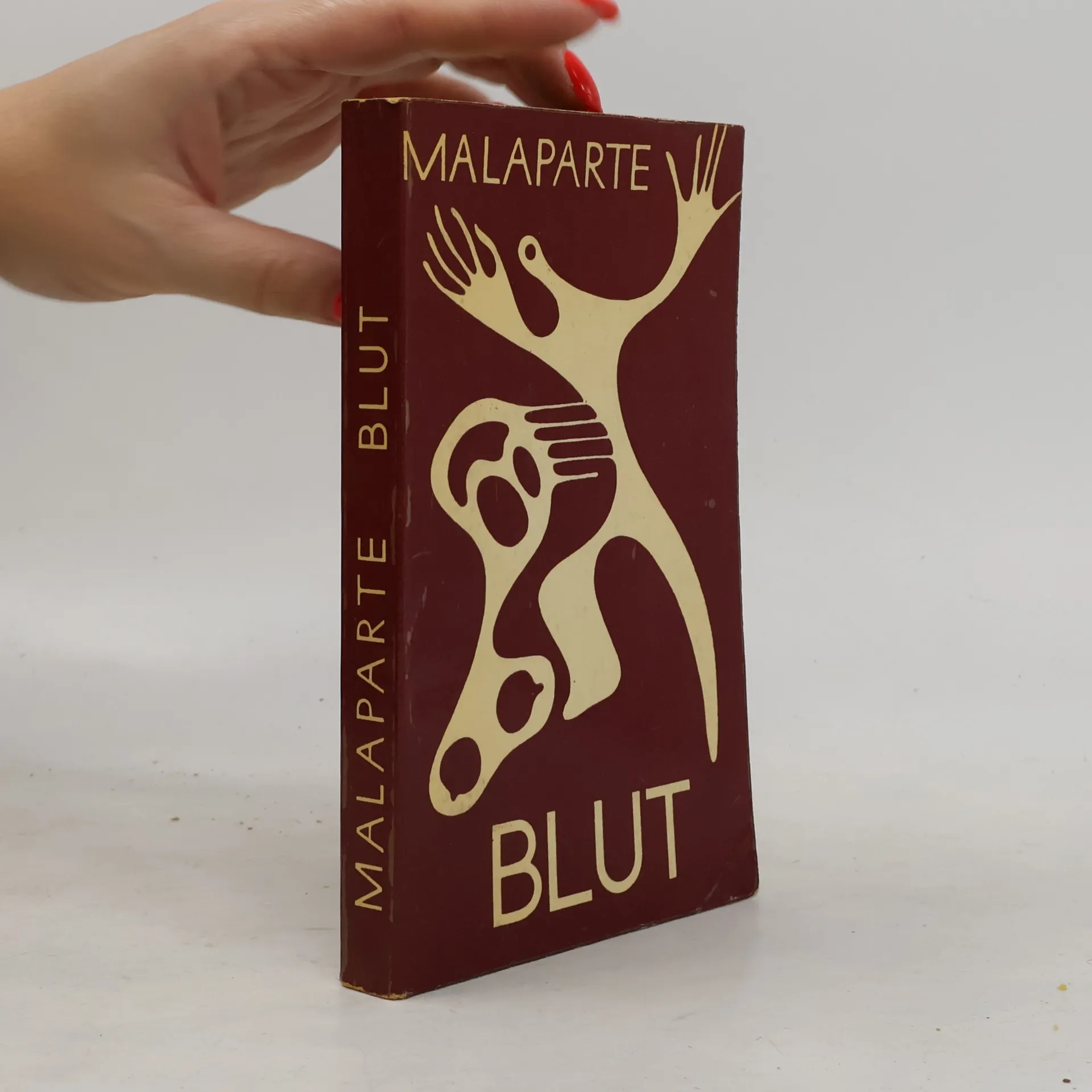
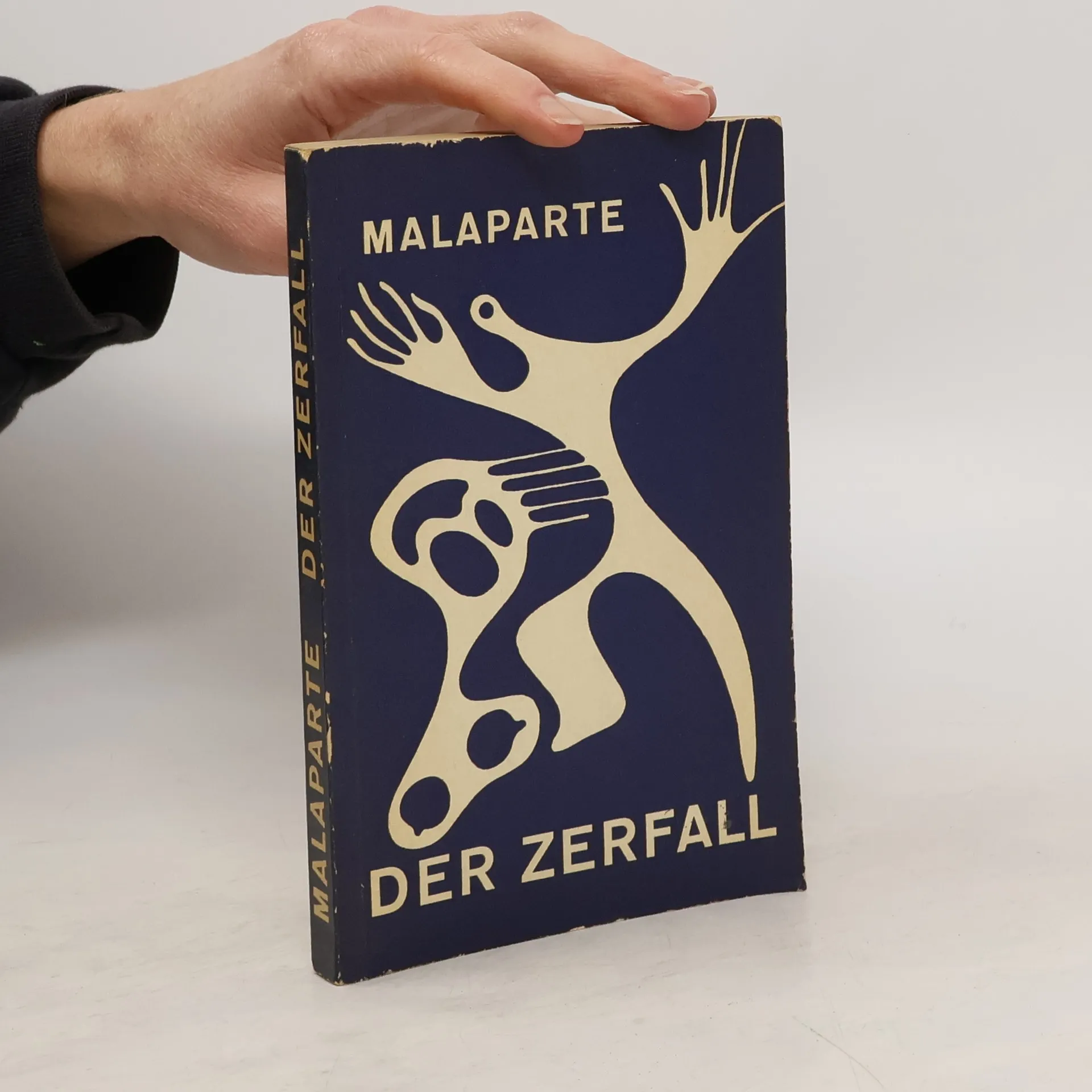
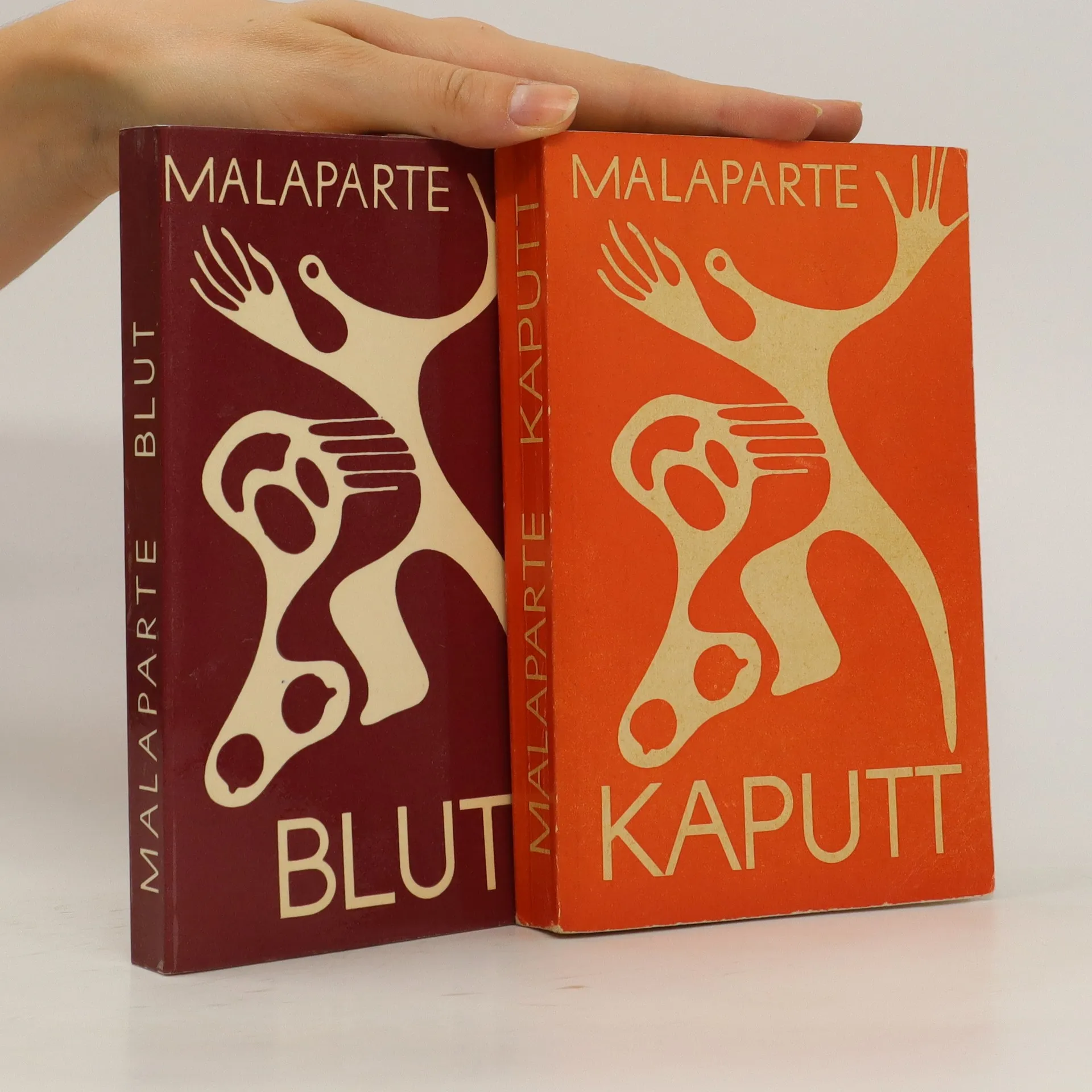
Blut; Kaputt
- 2volumes