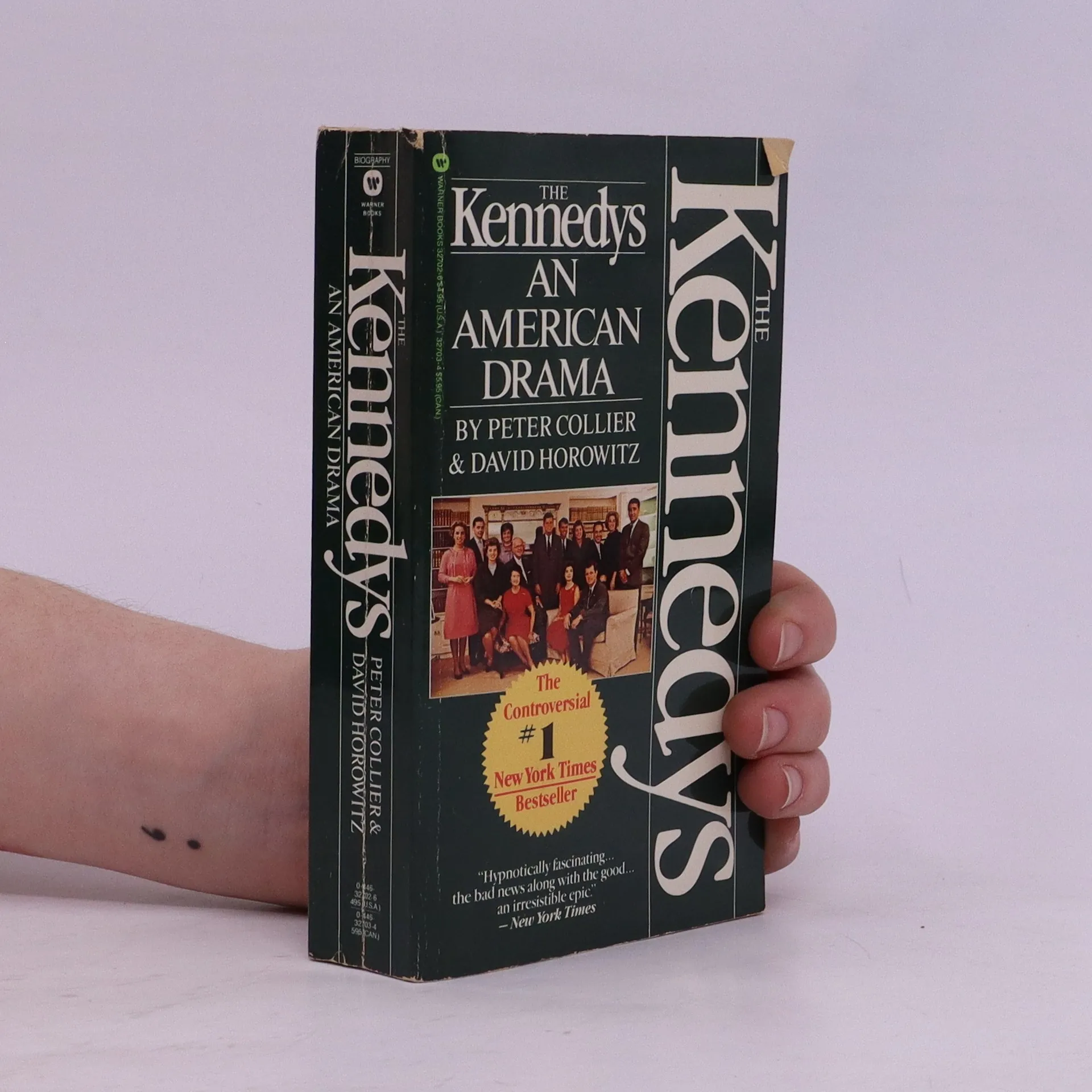
Les Kennedy, une dynastie américaine
- 567pages
- 20 heures de lecture






Germinal est un mois du calendrie républicain, il correspond au début du printemps et donc 224 la renaissance du monde. Dans cet ouvrage des dossiers culturels des exercices DELF des activités ludiques tr232s variées Th232mes Antagonisme des classes sociales Pauvreté Richesse Solidarité Révolte Amour Étienne, un mécanicien des…
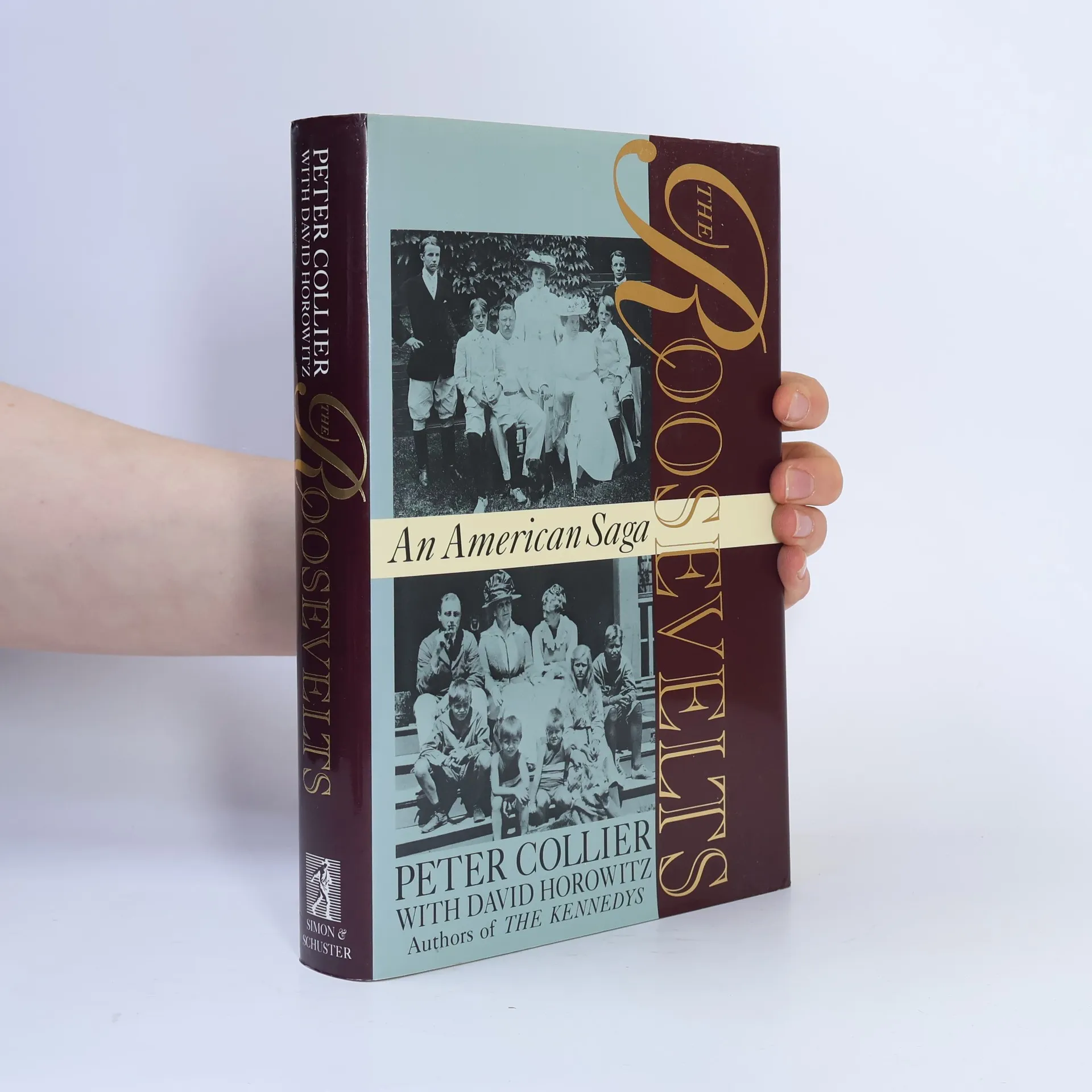
The story of the triumphs and disasters of the Roosevelt family from the arrival of the first Roosevelt from Holland in the early 19th century through to the presidencies of Theodore and Franklin.
The co-author of The Kennedys delivers a major biography of an extraordinary family, telling the powerful and painfully revealing story of one of America's most controversial Hollywood families, and its struggle for love and identity. 32 pages of photos.
The Father The Son The Brothers The Cousins Epilogue Bibliographical Note Notes The Family Acknowledgments Index Illustrations
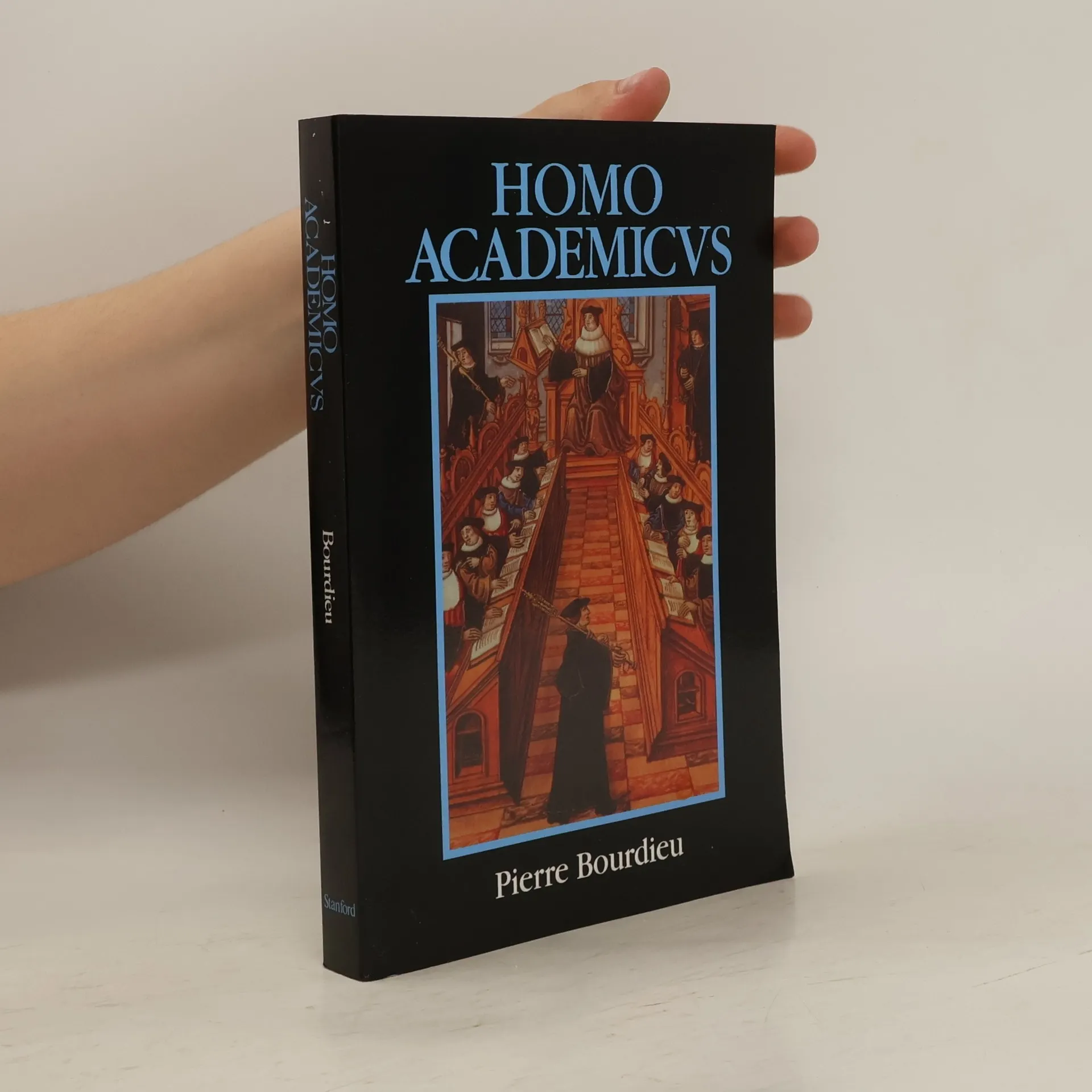
In this highly original work, Pierre Bourdieu turns his attention to the academic world of which he is part and offers a brilliant analysis of modern intellectual culture. The academy is shown to be not just a realm of dialogue and debate, but also a sphere of power in which reputations and careers are made, defended and destroyed. Employing the distinctive methods for which he has become well known, Bourdieu examines the social background and practical activities of his fellow academics―from Foucault, Derrida, and Lacan to figures who are lesser known but not necessarily less influential. Bourdieu analyzes their social origins and current positions, how much they publish and where they publish it, their institutional connections, media appearances, political involvements and so on. This enables Bourdieu to construct a map of the intellectual field in France and to analyze the forms of capital and power, the lines of conflict and the patterns of change, which characterize the system of higher education in France today. Homo Academicus paints a vivid and dynamic picture of French intellectual life today and develops a general approach to the study of modern culture and education. It will be of great interest to students of sociology, education and politics as well as to anyone concerned with the role of intellectuals and higher education today.
The Harts--an American family living an American legacy of love and violence in a brutal world where survival is all...From the raw, pioneering grit of the Dakota Badlands in the 1870's, to the revolutionary ferment of Berkeley in the 1960's, the Harts where the embodiment of the real America. Rebels, dreamers, idealists, their spirit moved restlessly over the land. But when that spirit was brutally violated, when savage hands reached out of the primeval dark to rape, to murder, to destroy one of their own, it was fit that Cabell, last of the Harts--like his great-Grandfather before him--should strike out for justice, should reaffirm his love...in dark vengeance and bitter blood.
Discusses the Kennedys and reveals the true stories behind America's most famous family.
This description reflects the writings of an MIT professor on linguistics from the 1950s, but his criticism of the Vietnam War in the 1960s shifted his reputation towards radical politics. Over the past four decades, he has garnered a devoted following in the U.S. and Europe for his increasingly vehement critiques of U.S. actions, often perceived as hysterical. Despite claiming neglect by mainstream media like the "New York Times," his numerous polemical works, including the best-seller "9-11," have established him as a central figure in a cult-like following. In this collection, editors Peter Collier and David Horowitz present essays that scrutinize his intellectual journey and the development of his anti-American sentiment. Topics include his controversial ties to Holocaust revisionism, his defense of Khmer Rouge leader Pol Pot, and his assertion that U.S. policies in 1980s Latin America mirrored Nazism. Scholar Paul Bogdanor critiques his stance on Israel, while Ronald Radosh and David Horowitz analyze his reaction to the September 11 attacks. Linguists Paul Postal and Robert Levine reassess his linguistic theories, identifying parallels with his political views: a profound disregard for truth, incoherence, and verbal aggression towards dissenters. This collection offers a compelling portrait of one of today's most influential public intellectuals.
A Coward's Chronicles. The Discovery of the Titanic. Woman in the Mists. The Fords
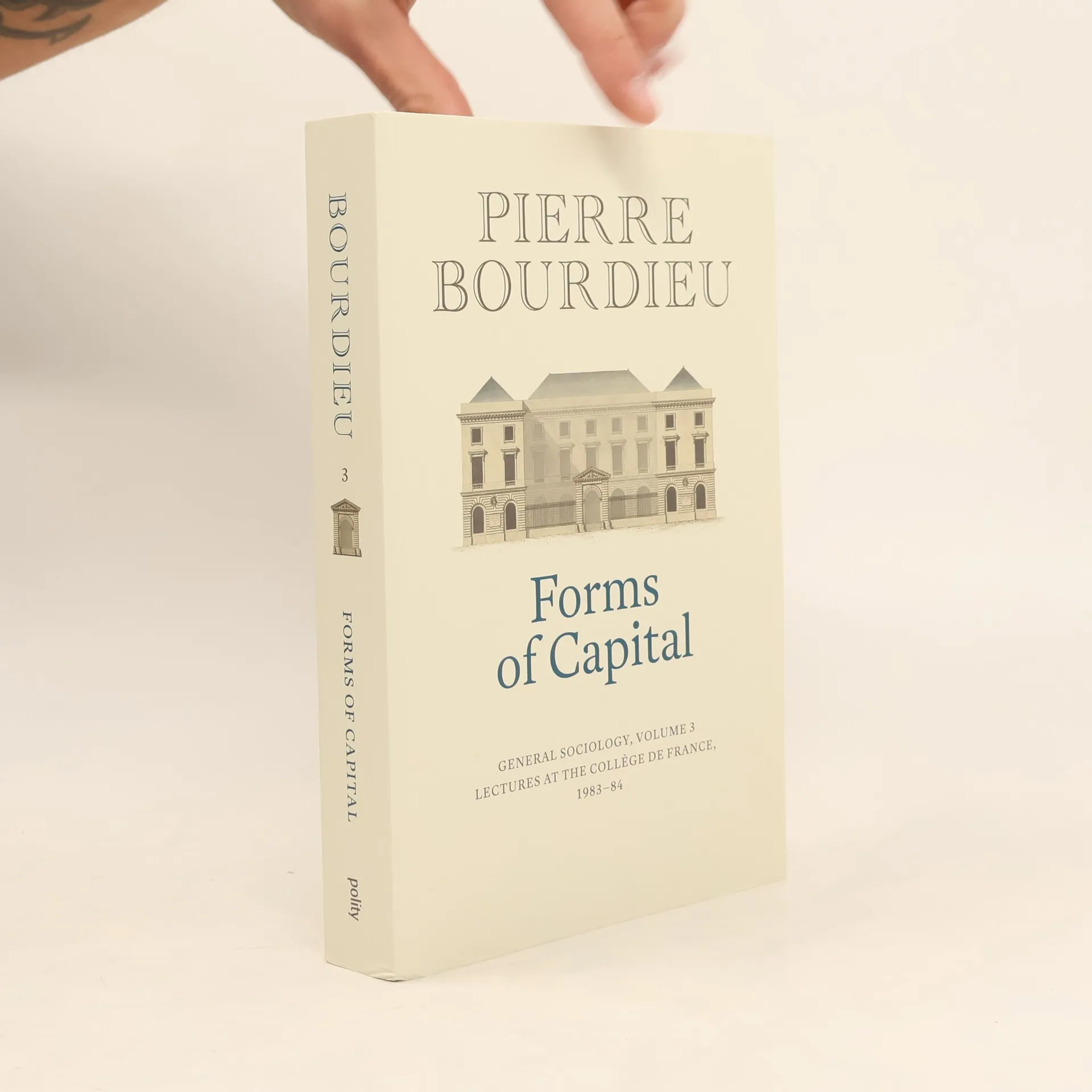
This third volume of five, based on Pierre Bourdieu's early 1980s lectures at the Collége de France, aims to define and defend sociology as an intellectual discipline. Bourdieu clarifies key concepts that have significantly influenced contemporary sociology. This volume centers on the concept of capital, part of his foundational trilogy: habitus, capital, and field. A field represents a social space characterized by enduring relationships between agents and institutions, serving as a site for specific investments that require particular forms of capital, yielding both material and symbolic profits. Among various forms of capital, economic and cultural capital are particularly vital across all social fields. These forms exist in relation to the fields they inhabit, with their distribution shaping the field's structure and conferring power over its mechanisms and the resulting profits, such as the transmission of cultural capital within education. This volume serves as an ideal introduction to one of Bourdieu's most significant concepts and will captivate students, scholars, and general readers interested in the work of a pivotal sociologist and social thinker of the twentieth century.
Beletrizující zpracování osudů rodiny Fordů na pozadí společensko-politických událostí v USA i ve světě.
Biografie herecké rodiny Fondů, od Henryho Fondy až po Bridget Fonda, vnučku Henryho
Die Formelsammlung enthält 218 Formeln aus allen für die IHK-Fortbildungsstudiengängen relevanten Gebieten. Ein ausführlicher Index hilft beim schnellen Suchen. Ideal zum konzentrierten Vorbereiten auf die IHK.-Prüfung.
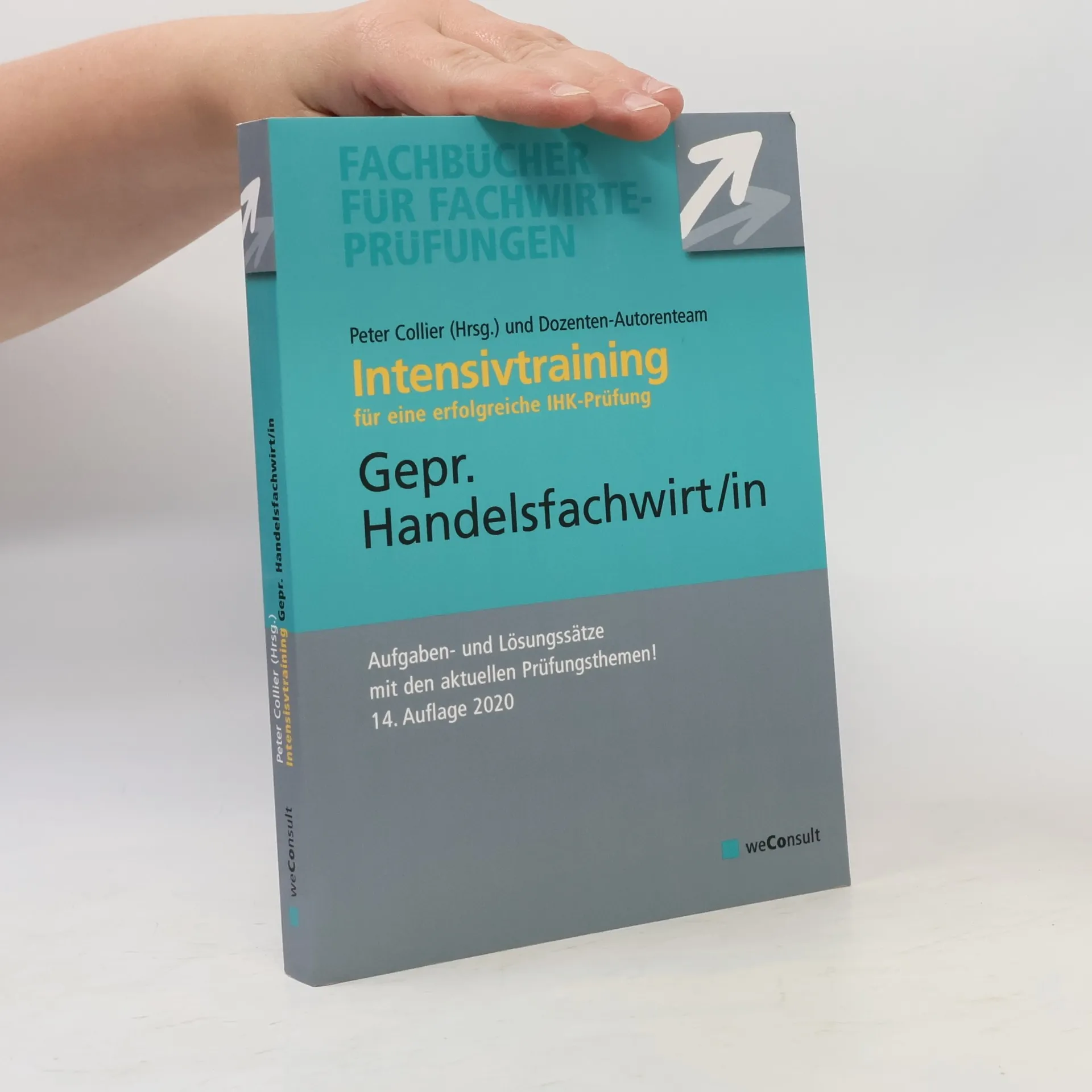
Aufgaben- und Lösungssätze mit den aktuellen Prüfungsthemen - 5., überarbeitete und erweiterte Auflage
Dieses Buch bereitet die angehenden Handelsfachwirte auf die IHK-Prüfung vor. Es enthält zwei Situationsbeschreibungen und jeweils vier Aufgaben- und Lösungssätze aus allen Handlungsbereichen. Stoff genug also für eine umfassende Vorbereitung. Eine Musterpräsentation und zahlreiche Prüfungstipps von Fachleuten helfen dabei, sich erfolgreich auf die Prüfung vorzubereiten. Mit den aktuellen Prüfungsthemen der letzten Prüfungen. Ergänzend dazu enthält das Buch das Thema Moderations- und Präsentationstechnik sowie zahlreiche Praxistipps.
Dieses Buch bereitet die Prüfungsteilnehmer mit wiederum aktualisierten Aufgabensätzen und Musterlösungen aus allen Handlungsbereichen auf die IHK-Prüfung zum Gepr. Fachwirt im Gesundheits- und Sozialwesen vor. Es enthält zwei Situationsbeschreibungen. Für jede davon findet der Leser vier verschiedene Aufgabensätze mit jeweils zwei Aufgabenstellungen. Stoff genug also für eine gründliche und umfassende Vorbereitung. Die Lösungen sind praxisnah und nachvollziehbar aufbereitet; es sind nicht nur „Lösungshinweise“. Ergänzend dazu enthält das Buch das Thema Moderations- und Präsentationstechnik sowie zahlreiche Praxistipps für die Prüfung.
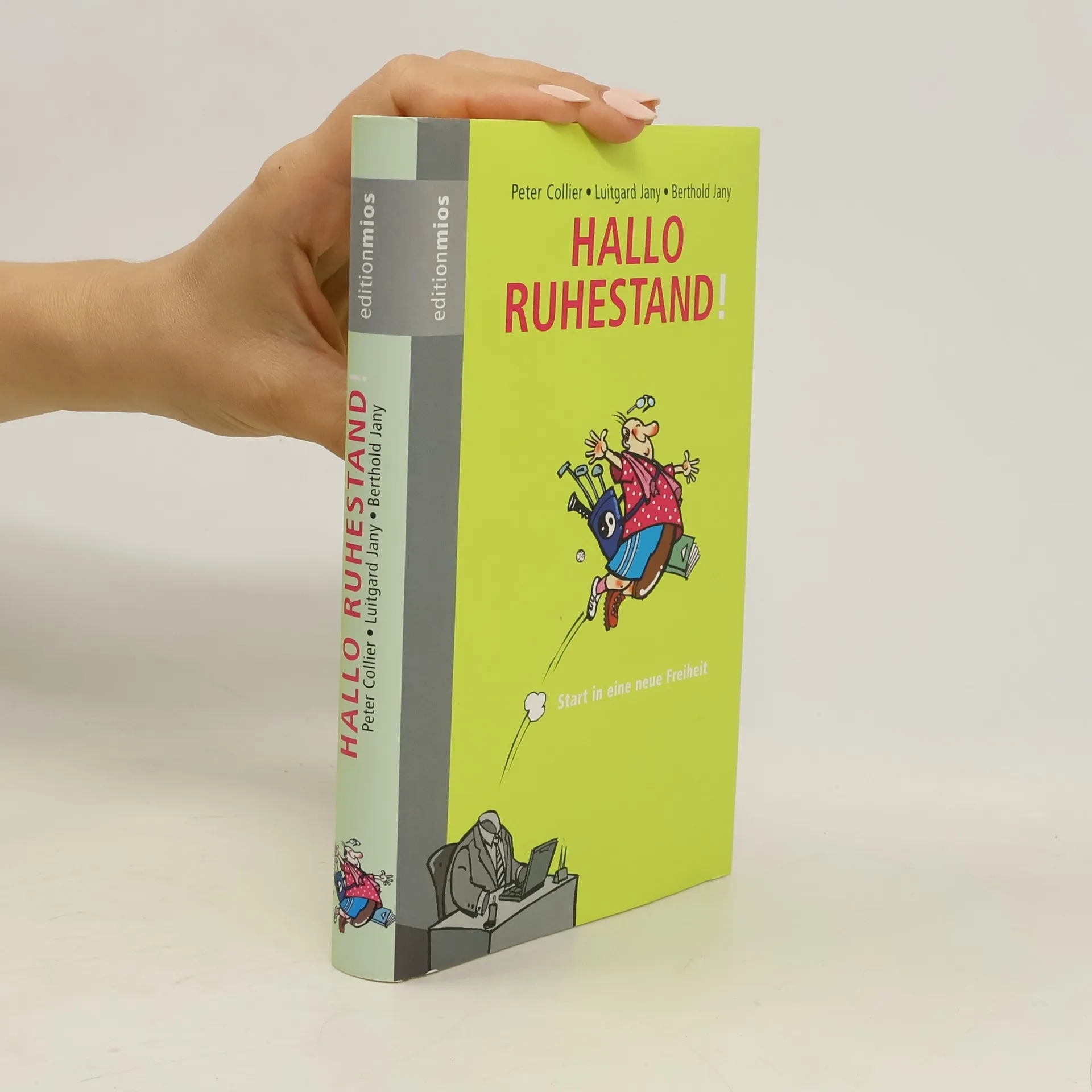
Der Eintritt in den Ruhestand ist zugleich der Start in eine neue Freiheit. Das ist die Philosophie von Peter Collier, Luitgard und Berthold Jany. Das Buch verbindet eine Erzählung mit fachlichen Beiträgen voller Lebenserfahrung. Ein fröhliches Buch, aber kein Witzbuch. Ein lebensbejahender Aufruf an alle, die es betrifft, ihre ganz persönliche "Ich-AG" zu gründen und damit einen faszinierenden Lebensabschnitt zu gestalten.Mit Cartoons von Haralds Klavinius
Das Buch enthält, aufgebaut wie die Prüfung, aus jedem Handlungsbereich vier Aufgaben- und Lösungssätze. Dazu eine Anleitung für die Präsentation, zahlreiche Tipps für die Prüfung, die Rechtsverordnung und die wesentlichen Inhalte des Rahmenplans. Über 20.000 angehende Handelsfachwirte haben sich mit den vorigen Auflagen auf die IHK-Prüfung vorbereitet. Die Verfasser haben seit Jahren Erfahrungen als Dozenten und IHK-Prüfer für Handelsfachwirte.
Aufgaben- und Lösungssätze zur Vorbereitung auf die IHK-Prüfung (VO 2014)
Das Buch enthält je vier Aufgaben- und Lösungssätze der Prüfung Gepr. Handelsfachwirt nach der Verordnung von 2014. Die Themenbereiche aus den aktuellen Prüfungen sind eingearbeitet. In einem gesonderten Kapitel bereitet es auch auf die mündliche Prüfung vor. Herausgeber und Autoren verfügen über langjährige Erfahrungen als Dozent und Prüfer.
Wirtschaftsbezogene sowie Handlungsbezogene Qualifikationen
Dieses Buch bereitet die angehenden Wirtschaftsfachwirte auf die beiden IHK-Prüfungen vor. Es enthält zum Prüfungsteil „Wirtschaftsbezogene Qualifikationen“ je vier Aufgaben- und Lösungssätze zu allen vier Handlungsbereichen. Zum Teil „Handlungsbezogene Qualifikationen“ enthält es zwei Situationsbeschreibungen und dazu jeweils vier Klausuren mit Lösungen. Bei den Aufgaben findet der Leser Hinweise, wann diese Themen in der Prüfung behandelt wurden; die aktuellen Aufgaben der IHK-Prüfung sind mit eingearbeitet. So können sich die angehenden Wirtschaftsfachwirte zielgerichtet auf die Themen vorbereiten, die besonders wichtig sind. Ergänzend dazu enthält das Buch das Thema Moderations- und Präsentationstechnik sowie zahlreiche Praxistipps für die Prüfung.
Das Buch enthält in kompakter Form alle Handlungsbereiche, die Inhalt der Prüfung zum Gepr. Handelsfachwirt sind. Mit Hilfe eines QR-Codes am Ende jedes Kapitels kann der Leser sich die ausführlichen Kapitel des Fachbuchs Collier, Geprüfter Handelsfachwirt bei Google Play herunterladen. Mi einem umfangreichen Index. Ideal zum Nacharbeiten der Seminare, zur Vorbereitung auf die Prüfung und zum Aufrufen der inhaltlichen Schwerpunkte dieser Weiterbildung.