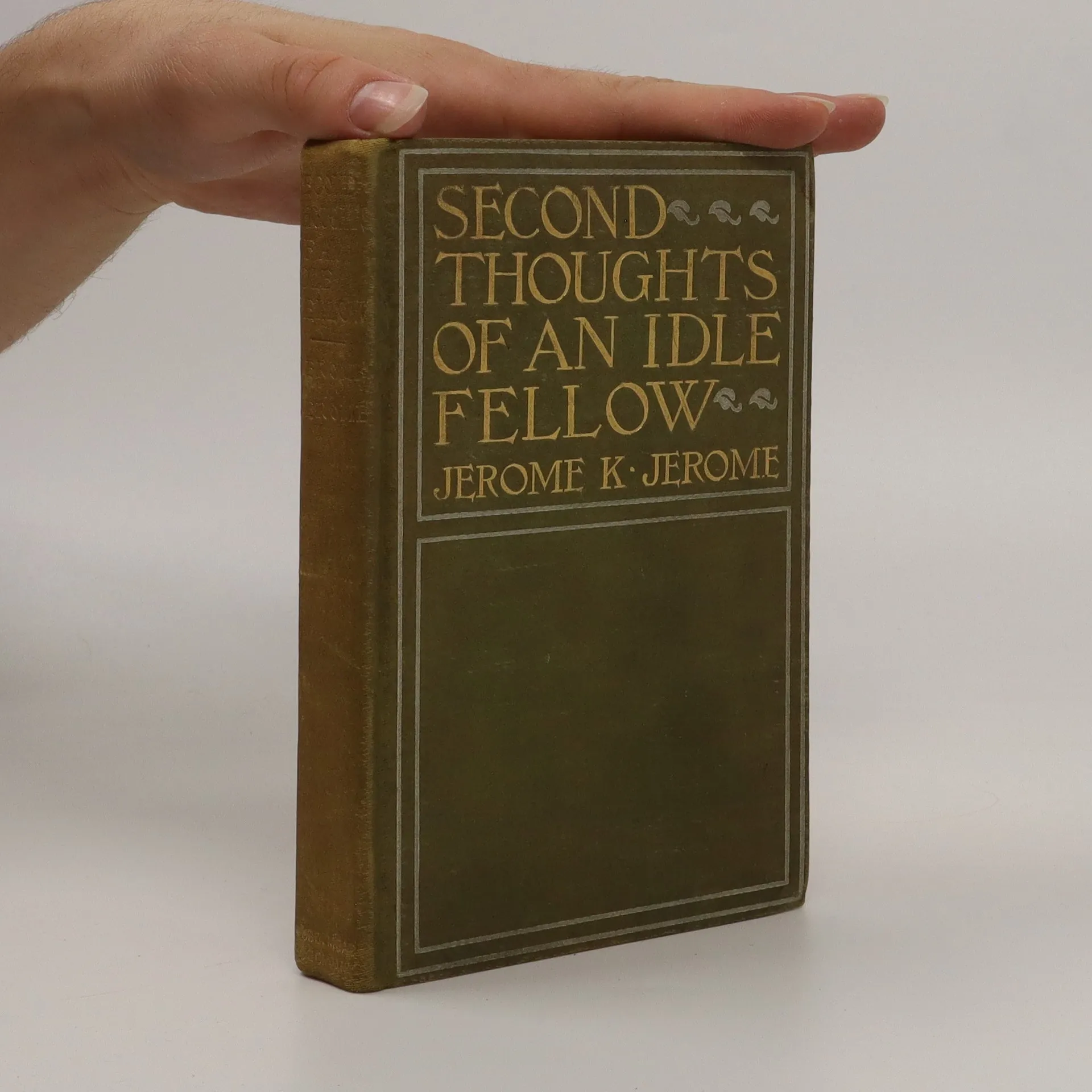
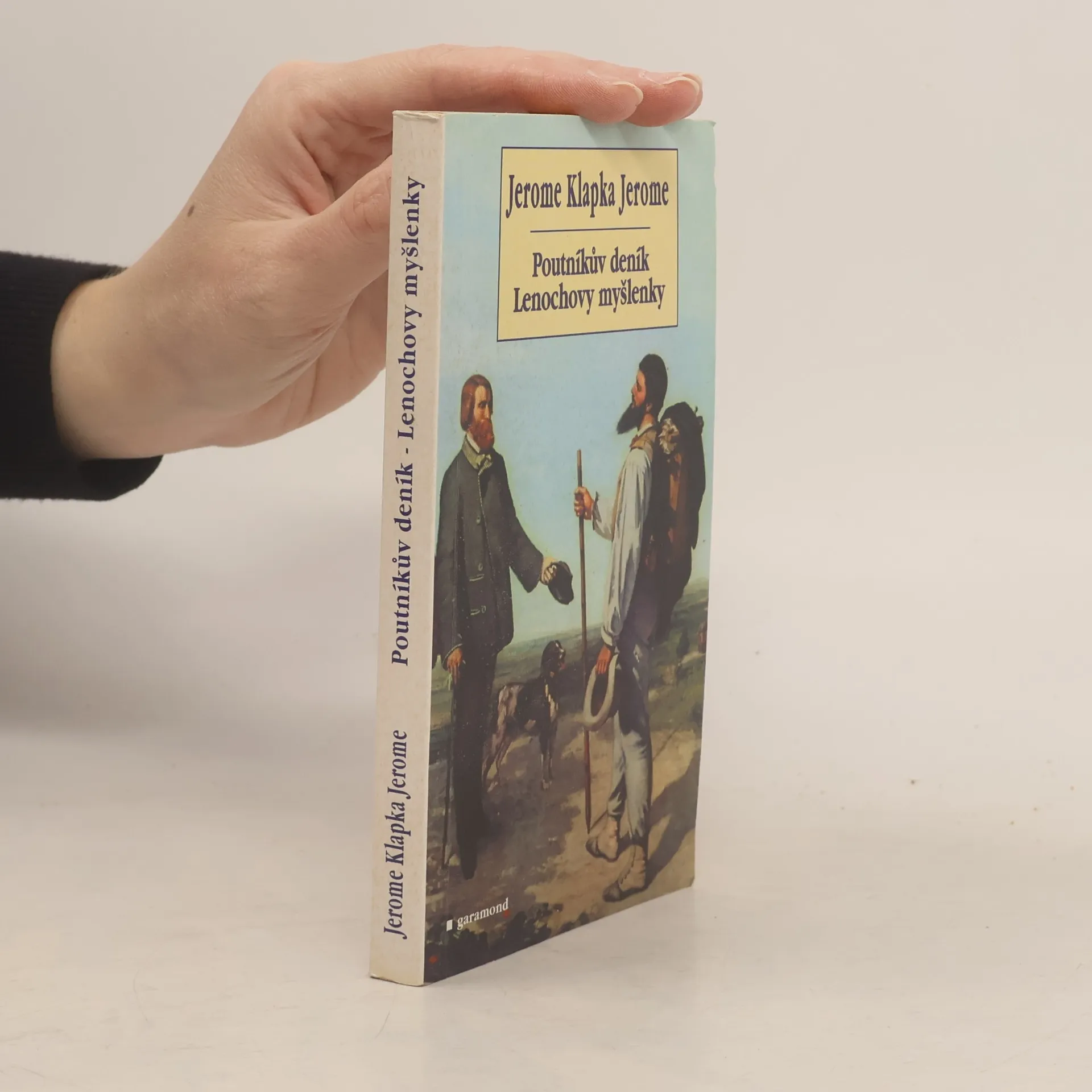
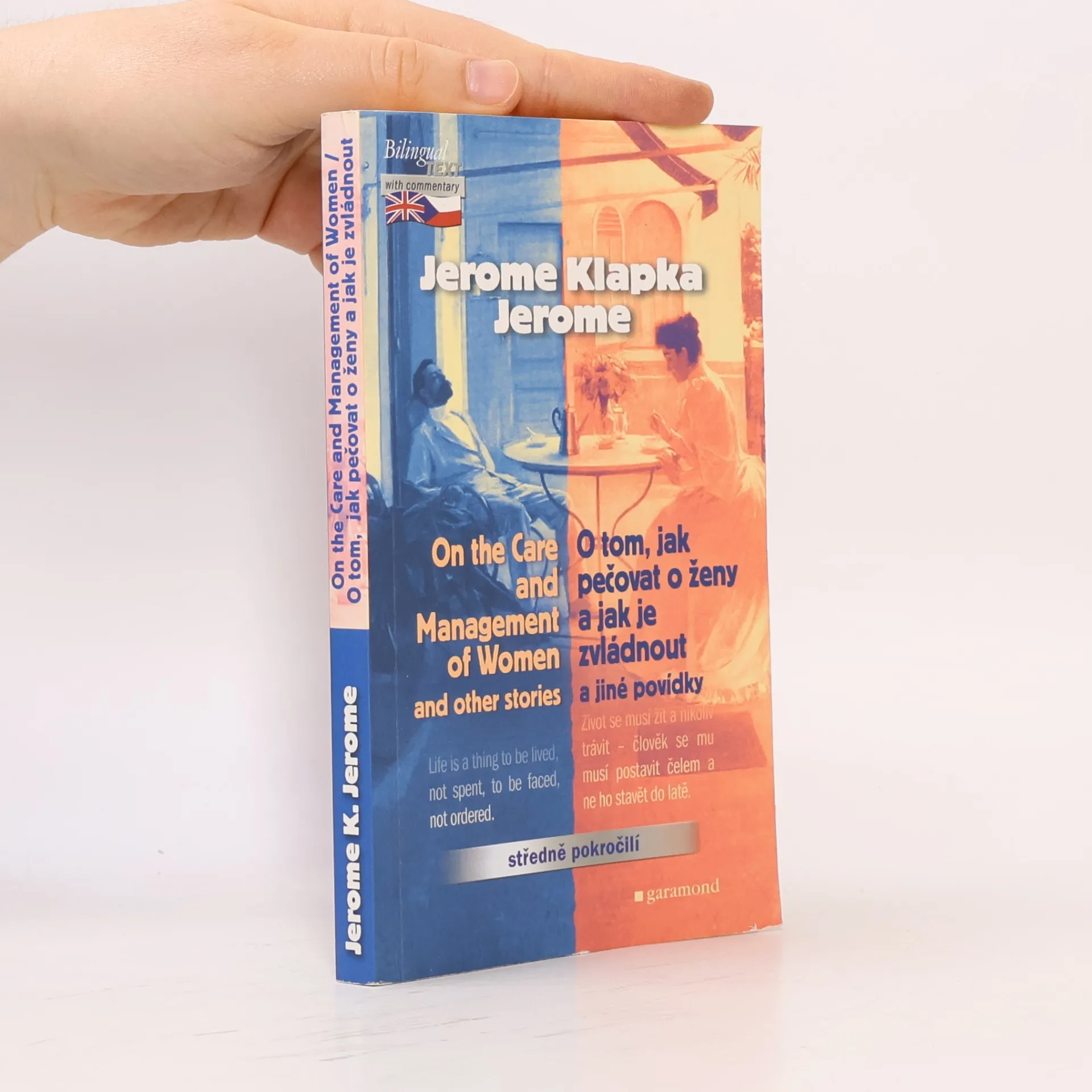
Vtipná zamyšlení autora povídek o mužích ve člunu a na toulkách tentokrát míří do vlastních řad. Jerome Klapka Jerome v nich podrobuje trefné kritice to, čeho si Angličané tolik váží – střídmý pohled na věc a racionální úsudek. Čtenář se dozví, jak Angličan zvládá různé životní situace, jaký je prospěch otroctví, jak pečovat o ženy a jak je zvládat. Dvojjazyčný text s gramatickým a lexikálním komentářem pod čarou. Pro středně pokročilé. Komentář Jana Nováková. Obsah: O tom, jak pečovat o ženy a jak je zvládnout O umění rozhodnout se O tom, že dělat věci s rozmyslem je ztráta času O naší ušlechtilosti
Petr Fantys Livres
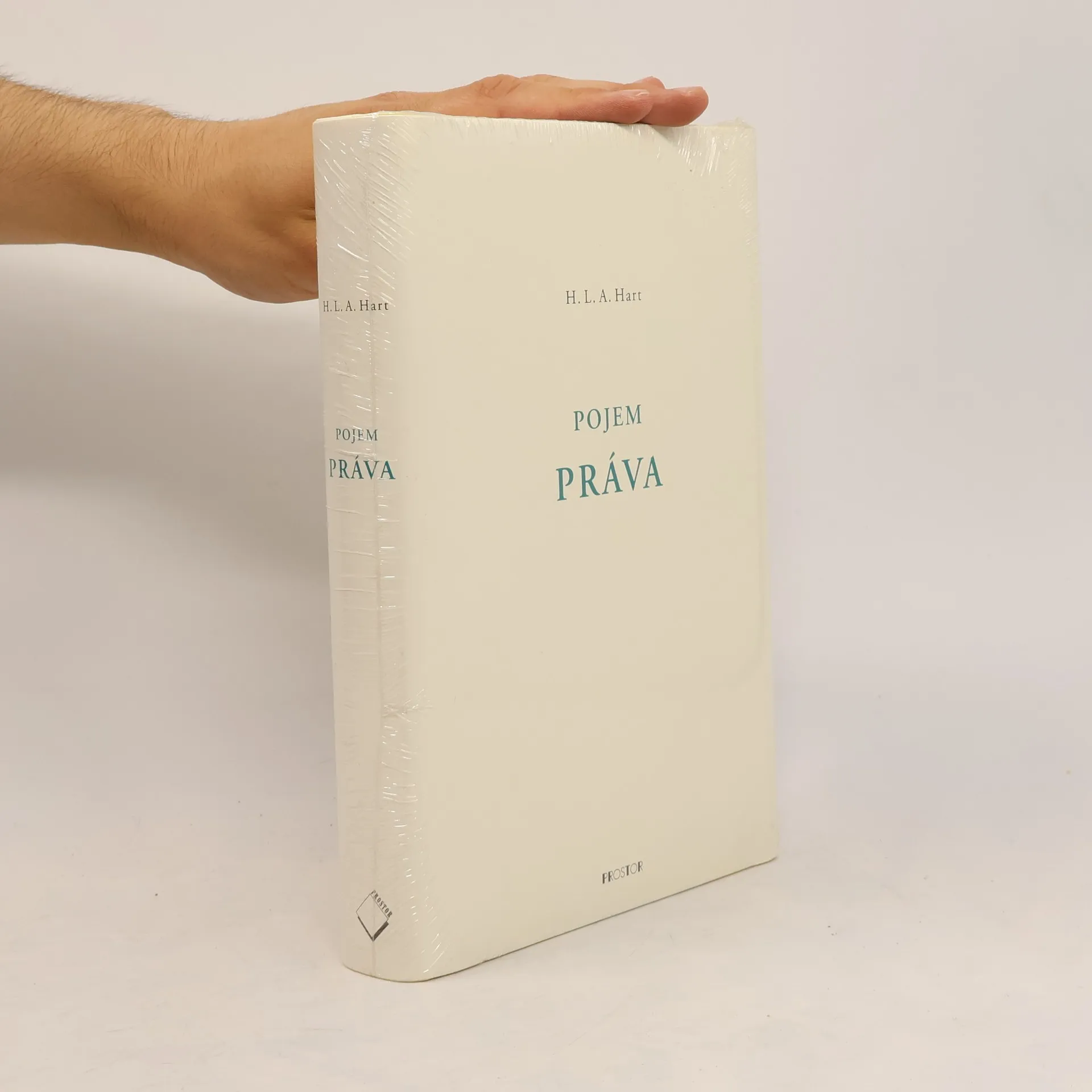
Pojem práva
- 312pages
- 11 heures de lecture
Herbert Lionel Adolphus Hart (1907–1992), někdejší profesor právní teorie Oxfordské univerzity, patří mezi nejvýznamnější postavy právní filozofie 20. století a jeho kniha Pojem práva radikálním způsobem změnila tradiční pohledy na právo a jeho vztah k morálce i politice, na pojem přirozeného práva a spravedlnosti i na právní metodologii.
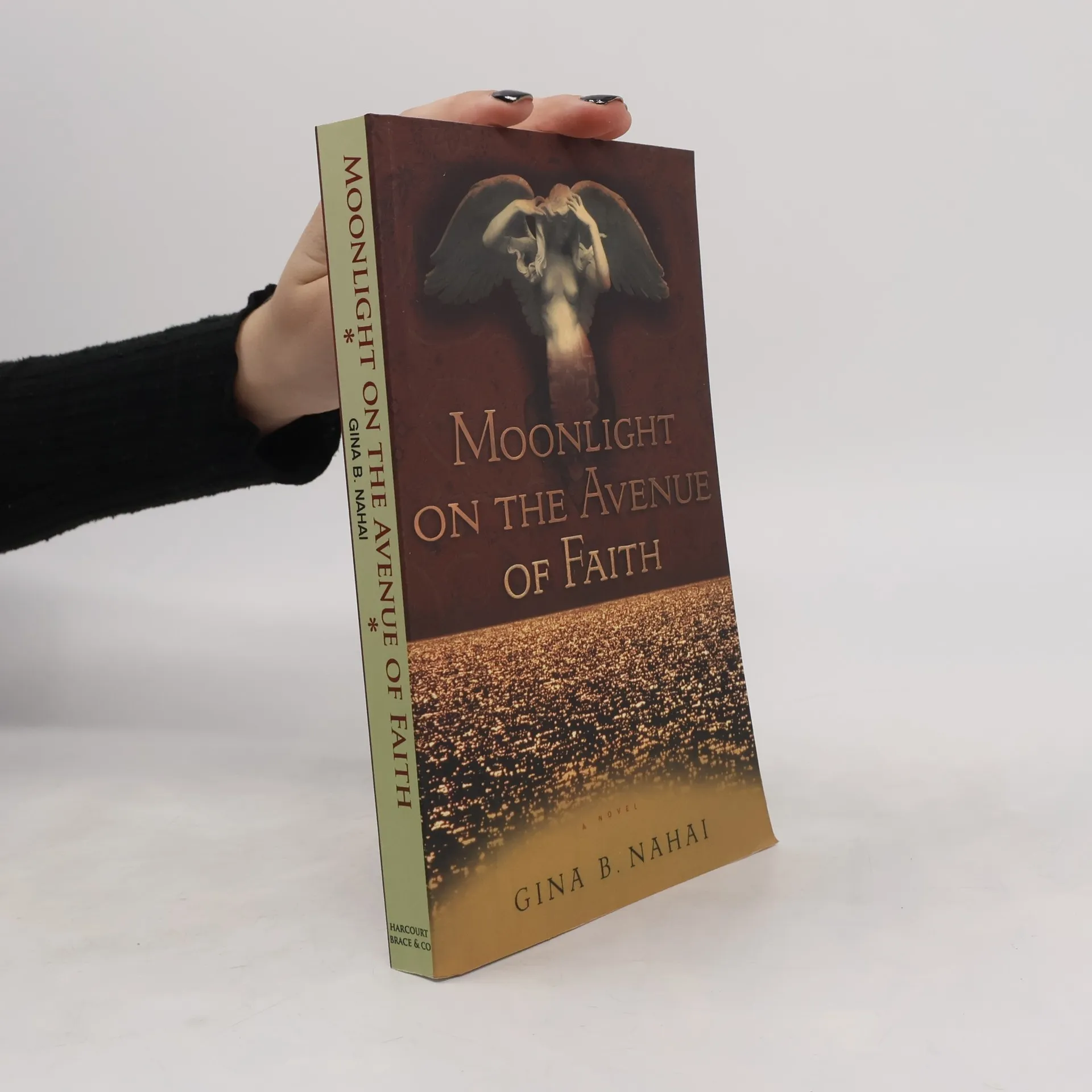
Moonlight on the Avenue of Faith
- 382pages
- 14 heures de lecture
"The first voice we hear in Gina B. Nahai's second novel is that of Lili, the grown daughter of a miraculous mother. When Lili was 5 and living in the Jewish ghetto of Tehran, her mother, Roxanna, "had grown wings, one night when the darkness was the color of her dreams, and flown into the star-studded night of Iran that claimed her." Thirteen years would pass, Lili informs us, before she would find her mother again. This short introduction serves as a framing device for the story of Roxanna's life, a life begun as a "bad-luck" child. According to her sister, Miriam the Moon, she "had been a runaway before she ever became a wife or a mother, before she came into existence or was even conceived."
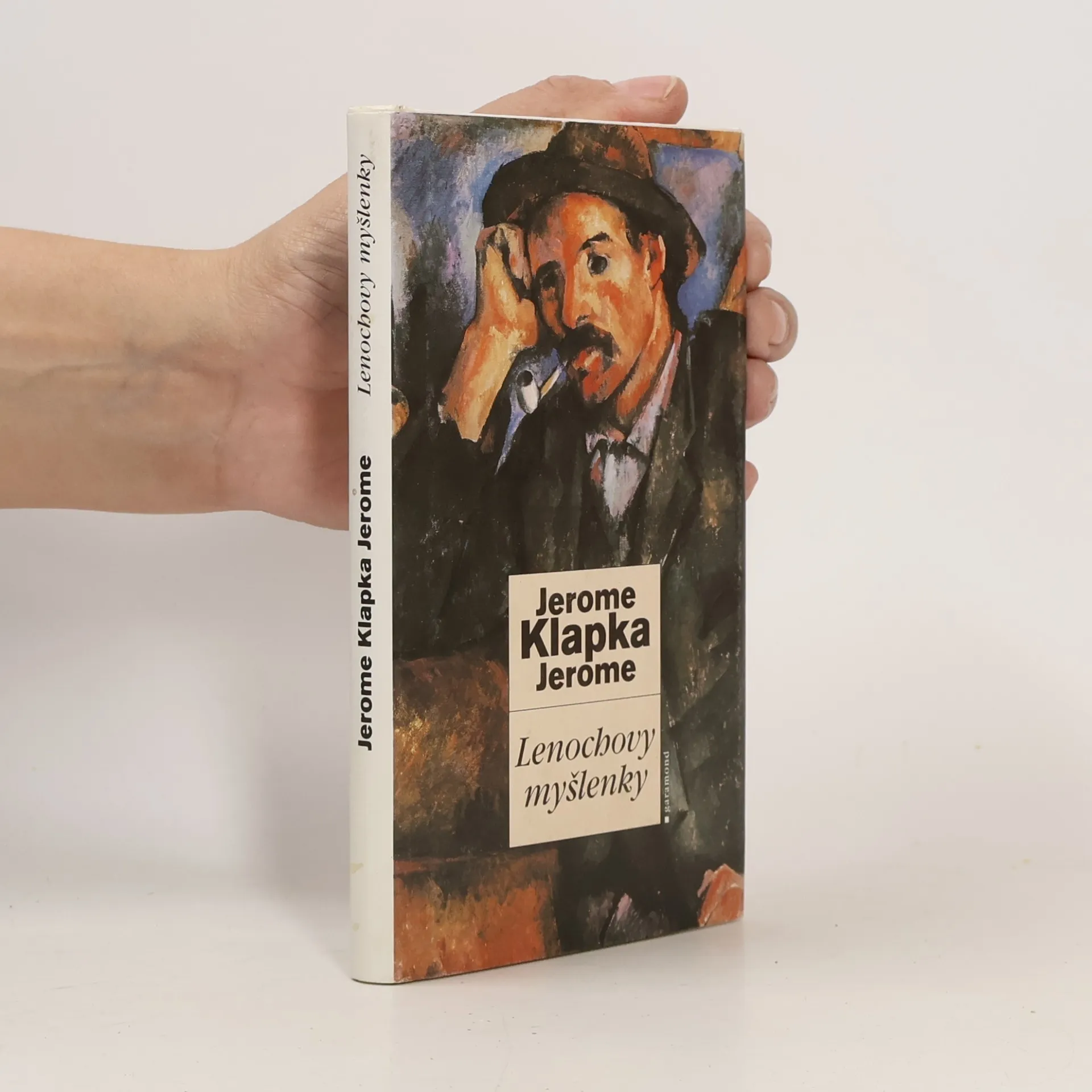
Lenochovy myšlenky
- 122pages
- 5 heures de lecture
Lenochovy myšlenky jsou pokračováním humorně laděných zamyšlení Jalové nápady lenivého člověka. Klapkův postřeh a vtip tentokrát míří takříkajíc do vlastních řad, když podrobují trefné kritice to, co je Angličanům tak drahé – střídmý a racionální úsudek. Čtenář se dozví, jak Angličan zvládá různé životní situace, jaké jsou například radosti a prospěch otroctví, jak pečovat o ženy a jak je zvládnout.
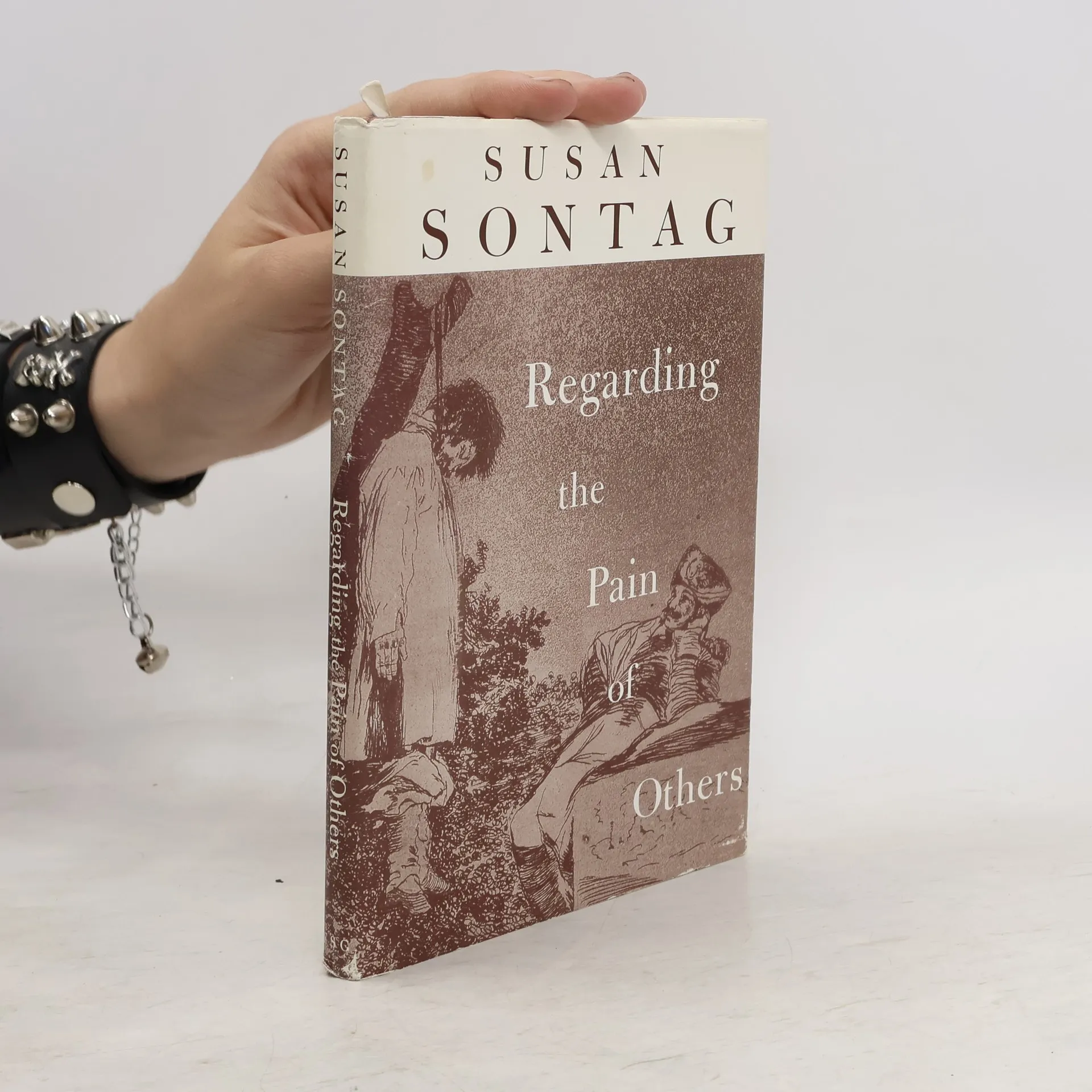
Watching the evening news offers constant evidence of atrocity--a daily commonplace in our "society of spectacle." But are viewers inured--or incited--to violence by the daily depiction of cruelty and horror? Is the viewer's perception of reality eroded by the universal availability of imagery intended to shock? In this investigation of the role of imagery in our culture, Susan Sontag cuts through circular arguments about how pictures can inspire dissent or foster violence as she takes a fresh look at the representation of atrocity--from Goya's The Disasters of War to photographs of the American Civil War, lynchings of blacks in the South, and Dachau and Auschwitz to contemporary horrific images of Bosnia, Sierra Leone, Rwanda, and New York City on September 11, 2001. Sontag's new book, a startling reappraisal of the intersection of "information", "news," "art," and politics in the contemporary depiction of war and disaster, will forever alter our thinking about the uses and meanings of images in our world
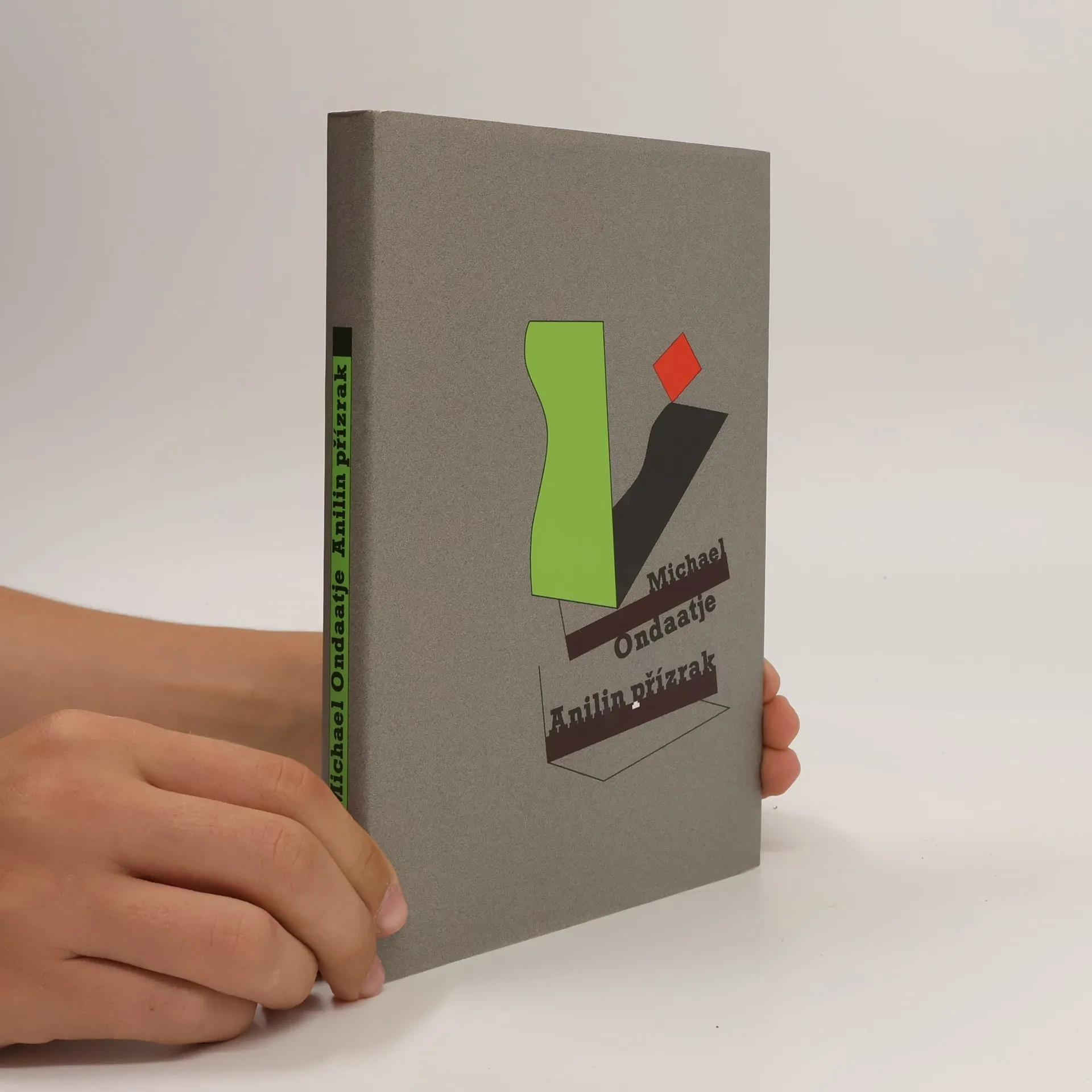
Anilin přízrak
- 230pages
- 9 heures de lecture
Kanadský autor se v tomto románu vrací do země svého dětství na Srí Lanku a konfrontuje minulost této exotické krajiny s její rozporuplnou současností. Hrdinkou je soudní lékařka, která se vrací do rodné země sužované občanskou válkou a politickým terorem, aby našla důkazy o vraždění civilistů. Při pátrání po pachatelích těchto zločinů se setkává s lidmi, kteří jí pomohou uvědomit si, že realita této země je mnohem složitější, než se jí po dlouhém odloučení na první pohled jeví, a že i pravda, o kterou usiluje, může mít více podob. Hrdinka, která se musí postupně vyrovnat se svými západem poznamenanými názory na dobro a zlo, nachází opět vřelý vztah ke své rodné zemi a dění na ostrově se stává již natrvalo součástí jejího života. Závažné politické téma je rámováno barvitým nekonvenčním obrazem země, jejích duchovních a přírodních tradic.
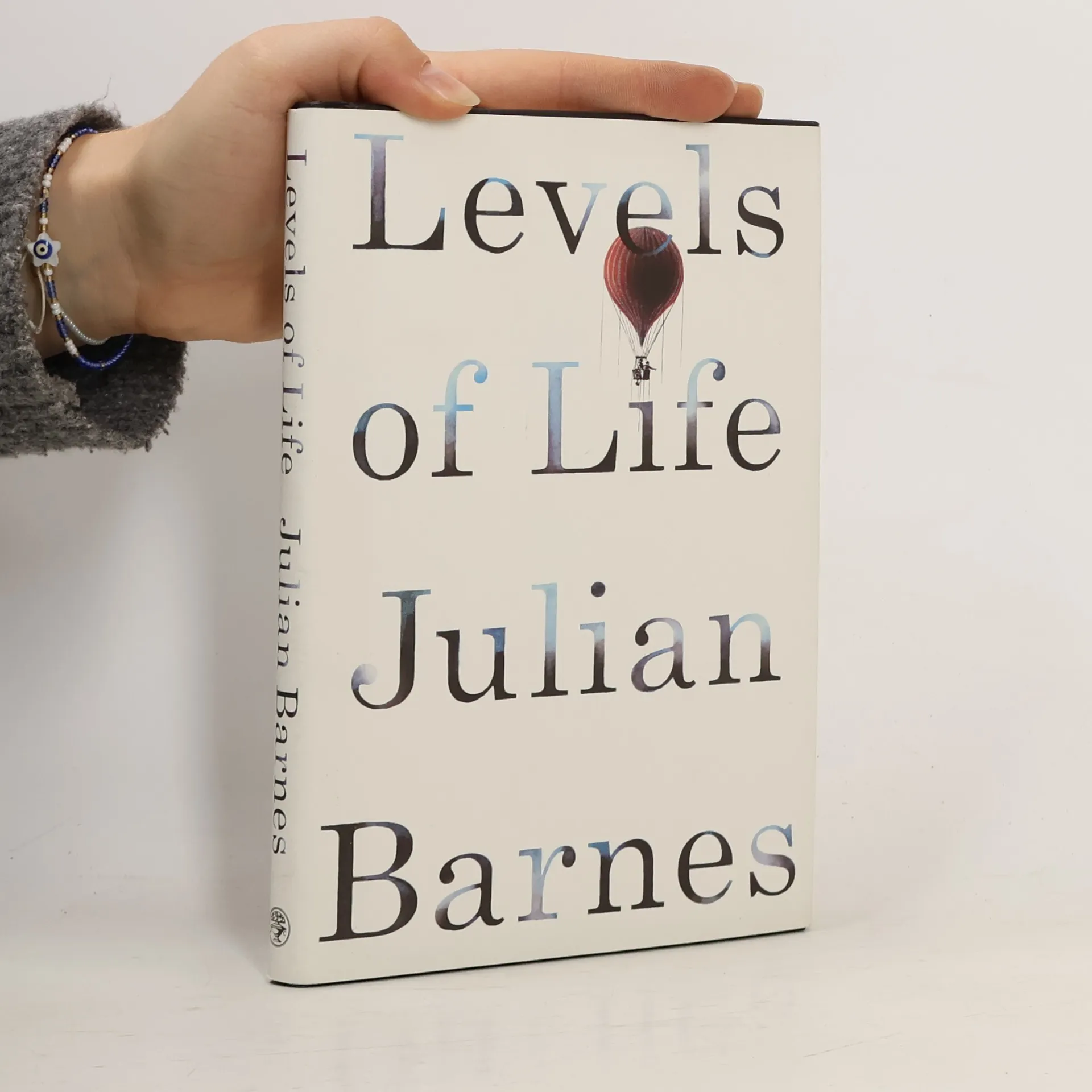
Levels of life
- 117pages
- 5 heures de lecture
'You put together two things that have not been put together before. And the world is changed ... ' Julian Barnes' new book is about ballooning, photography, love and grief; about putting two things, and two people, together, and about tearing them apart. One of the judges who awarded him the 2011 Man Booker Prize described him as 'an unparalleled magus of the heart'. This book confirms that opinion.
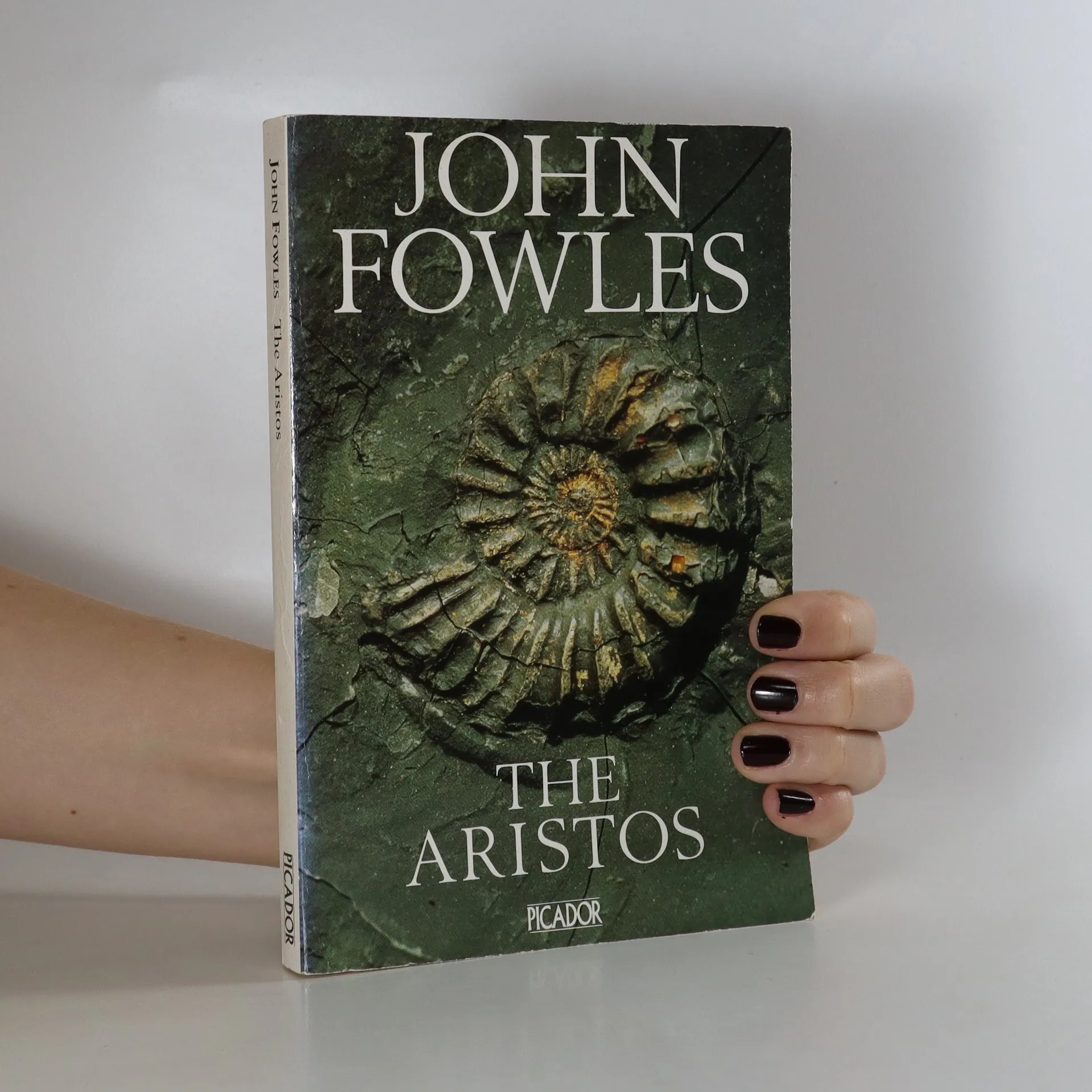
Two years after The Collector had brought him international recognition and a year before he published The Magus, John Fowles set out his ideas on life in The Aristos. The chief inspiration behind them was the fifth century BC philosopher Heraclitus. In the world he saw in constant and chaotic flux the supreme good was Aristos. unfree world. He called a materialistic and over-conforming culture to reckoning with his views on a myriad of subjects - pleasure and pain, beauty and ugliness, Christianity, humanism, existentialism and socialism.
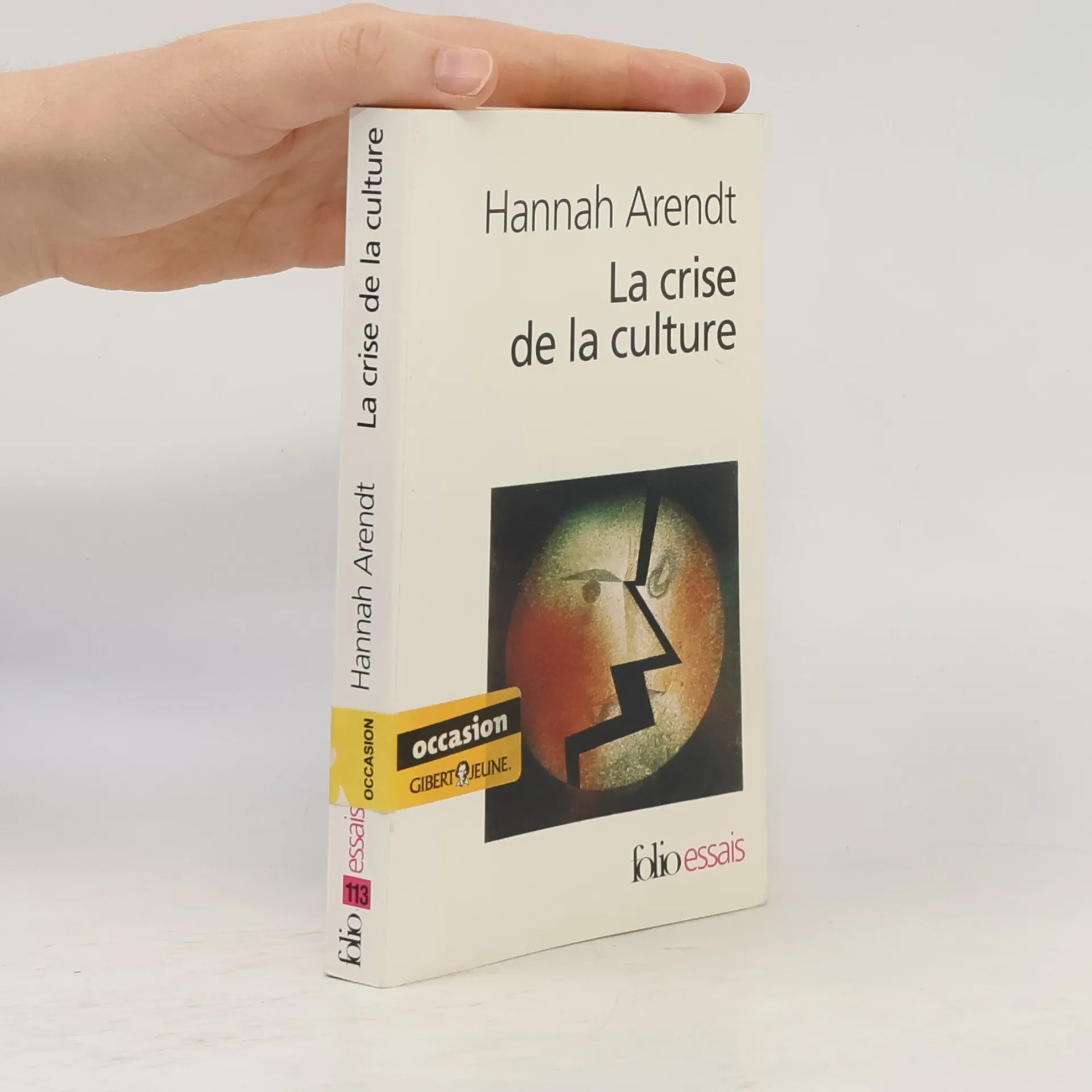
L'homme se tient sur une brèche, dans l'intervalle entre le passé révolu et l'avenir inconnu. Il ne peut s'y tenir que dans la mesure où il pense, brisant ainsi, par sa résistant aux forces du passé infini et du futur infini, le flux du temps indifférent. Chaque génération nouvelle, chaque homme nouveau, doit redécouvrir laborieusement l'activité de pensée. Longtemps, pour ce faire, on put recourir à la tradition. Or nous vivons, à l'âge moderne, l'usure de la tradition, la crise de la culture. Il ne s'agit pas de renouer le fil rompu de la tradition, ni d'inventer quelque succédané ultra-moderne, mais de savoir s'exercer à penser pour se mouvoir dans la brèche. Hannah Arendt, à travers ces essais d'interprétation critique - notamment de la tradition et des concepts modernes d'histoire, d'autorité et de liberté, des rapports entre vérité et politique, de la crise de l'éducation -, entend nous aider à savoir comment penser en notre siècle.
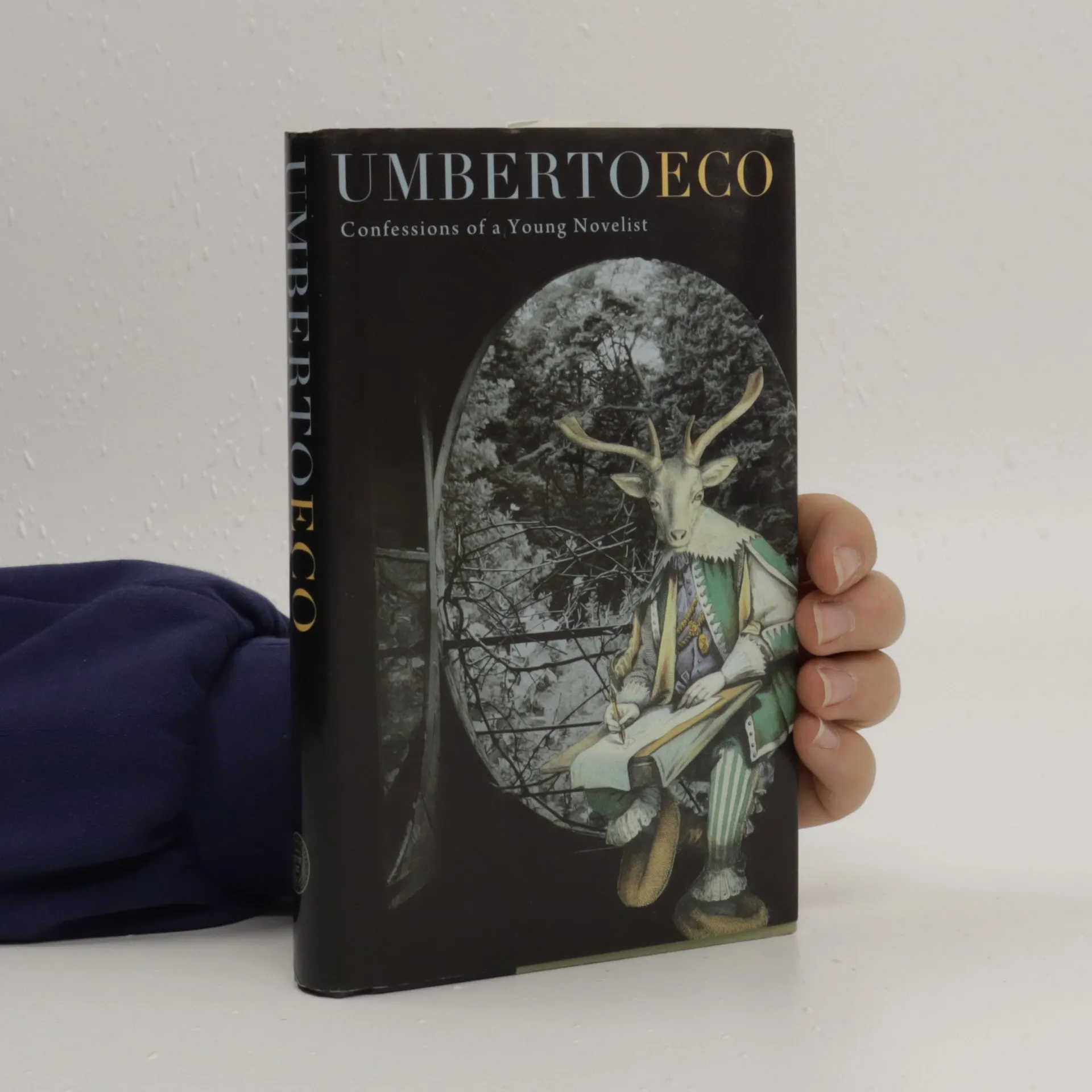
Umberto Eco published his first novel, The Name of the Rose, in 1980, when he was nearly fifty. In these “confessions,” the author, now in his late seventies, looks back on his long career as a theorist and his more recent work as a novelist, and explores their fruitful conjunction. He begins by exploring the boundary between fiction and nonfiction—playfully, seriously, brilliantly roaming across this frontier. Good nonfiction, he believes, is crafted like a whodunnit, and a skilled novelist builds precisely detailed worlds through observation and research. Taking us on a tour of his own creative method, Eco recalls how he designed his fictional realms. He began with specific images, made choices of period, location, and voice, composed stories that would appeal to both sophisticated and popular readers. The blending of the real and the fictive extends to the inhabitants of such invented worlds. Why are we moved to tears by a character’s plight? In what sense do Anna Karenina, Gregor Samsa, and Leopold Bloom “exist”? At once a medievalist, philosopher, and scholar of modern literature, Eco astonishes above all when he considers the pleasures of enumeration. He shows that the humble list, the potentially endless series, enables us to glimpse the infinite and approach the ineffable. This “young novelist” is a master who has wise things to impart about the art of fiction and the power of words.
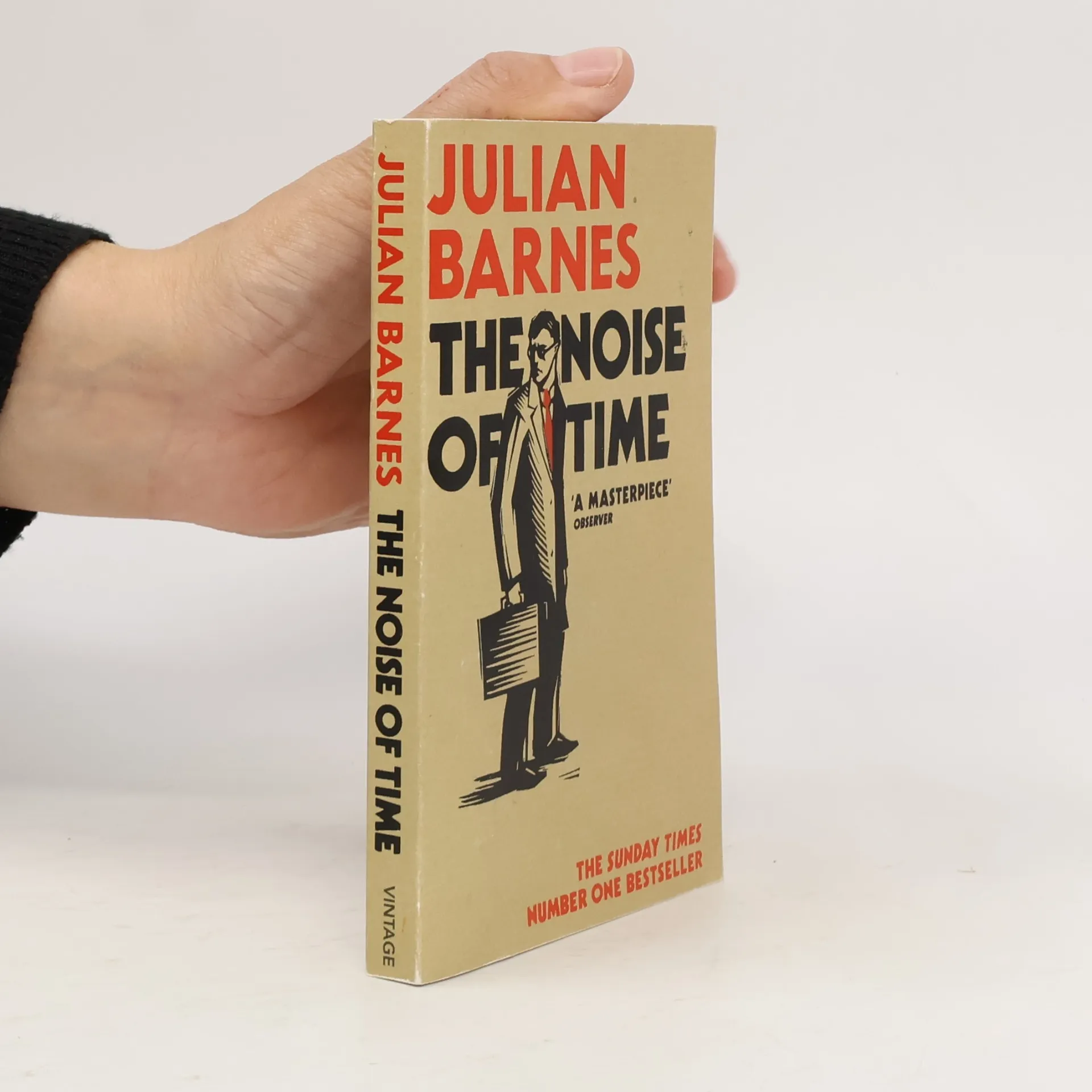
The noise of time
- 192pages
- 7 heures de lecture
** The Sunday Times Number One bestseller ** A Daily Telegraph / Financial Times / Guardian / Sunday Times / The Times / New Statesman / Observer Book of the Year 'BARNES'S MASTERPIECE.' - OBSERVER In May 1937 a man in his early thirties waits by the lift of a Leningrad apartment block. He waits all through the night, expecting to be taken away to the Big House. Any celebrity he has known in the previous decade is no use to him now. And few who are taken to the Big House ever return. So begins Julian Barnes's first novel since his Booker-winning The Sense of an Ending. A story about the collision of Art and Power, about human compromise, human cowardice and human courage, it is the work of a true master.
10:04
- 256pages
- 9 heures de lecture
In the past year, the narrator of 10:04 has enjoyed unexpected literary success, been diagnosed with a potentially fatal heart condition, and been asked by his best friend to help her conceive a child. Now, in a New York of increasingly frequent superstorms and political unrest, he must reckon with his biological mortality, the possibility of a literary afterlife, and the prospect of (unconventional) fatherhood in a city that might soon be under water. In prose that Jonathan Franzen has called 'hilarious...cracklingly intelligent...and original in every sentence', Lerner's new novel charts an exhilarating course through the contemporary landscape of sex, friendship, memory, art and politics, and captures what it is like to be alive right now.
Humorous essays with a philosophical undertone explore the value of possessions and the choices we face. Jerome K. Jerome, who faced personal hardships in his youth, gained fame with his witty observations on life, particularly in his renowned work, "Three Men in a Boat." This collection reflects his unique blend of humor and introspection, offering readers insightful commentary on everyday experiences. The new edition includes a biography that sheds light on Jerome's life and literary contributions.
La seule histoire
- 272pages
- 10 heures de lecture
"Préféreriez-vous aimer davantage, et souffrir davantage ; ou aimer moins, et moins souffrir ? C'est, je pense, finalement, la seule vraie question." Angleterre, années 1960. Paul a dix-neuf ans lorsqu'il rencontre Susan, une femme mariée de trente ans son aînée. Sur le court de tennis où ils disputent des parties en double, une passion se noue, totale, absolue. Ils la vivent fièrement, conscients de défier les conventions sociales. Mais les années passent, sans bruit, tandis que l'amour et la jeunesse de Paul se heurtent aux démons de Susan...
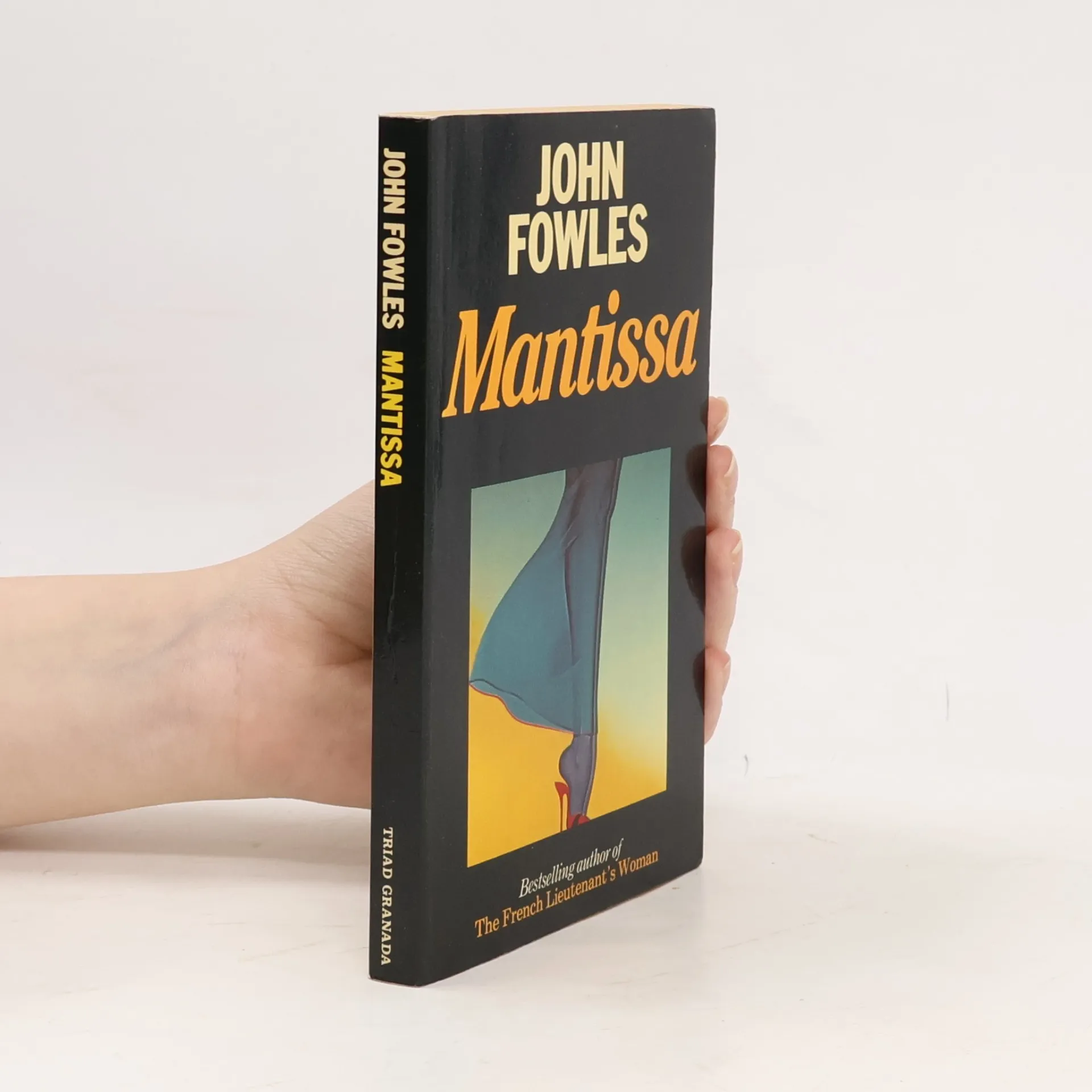
Mantissa
- 192pages
- 7 heures de lecture
In Mantissa (1982), a novelist awakes in the hospital with amnesia -- and comes to believe that a beautiful female doctor is, in fact, his muse.
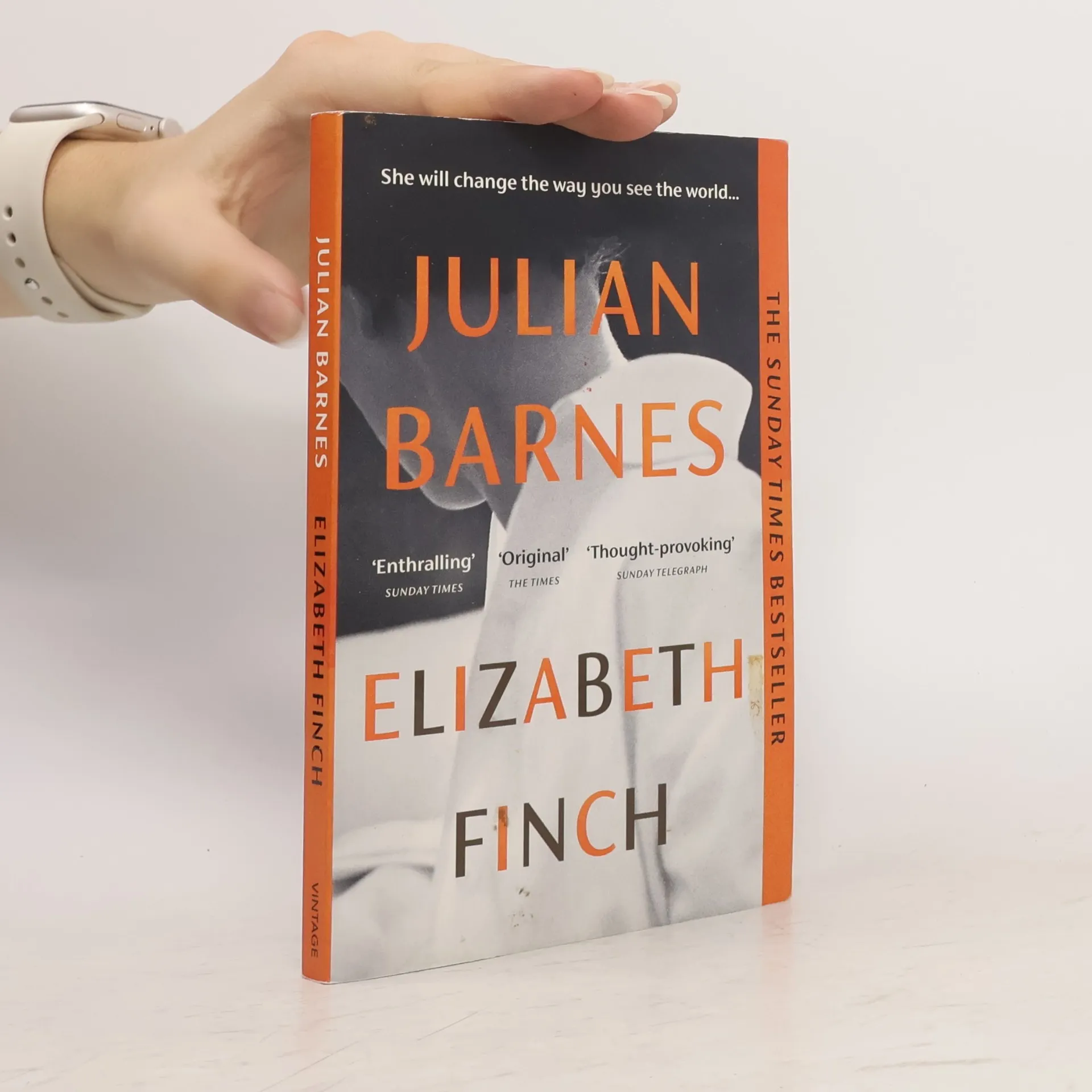
The Sunday Times Bestseller from the Winner of the Booker Prize She will change the way you see the world . . . 'I'll remember Elizabeth Finch when most other characters I've met this year have faded' The Times Elizabeth Finch was a teacher, a thinker, an inspiration. Neil is just one of many who fell under her spell during his time in her class. Tasked with unpacking her notebooks after her death, Neil encounters once again Elizabeth's astonishing ideas on the past and on how to make sense of the present. But Elizabeth was much more than a scholar. Her secrets are waiting to be revealed . . . and will change Neil's view of the world forever. 'Enthralling . . . A connoisseur and master of irony himself, [Barnes] fills this book with instances of its exhilarating power' Sunday Times 'A lyrical, thoughtful and intriguing exploration of love, grief and the collective myths of history' Booklist