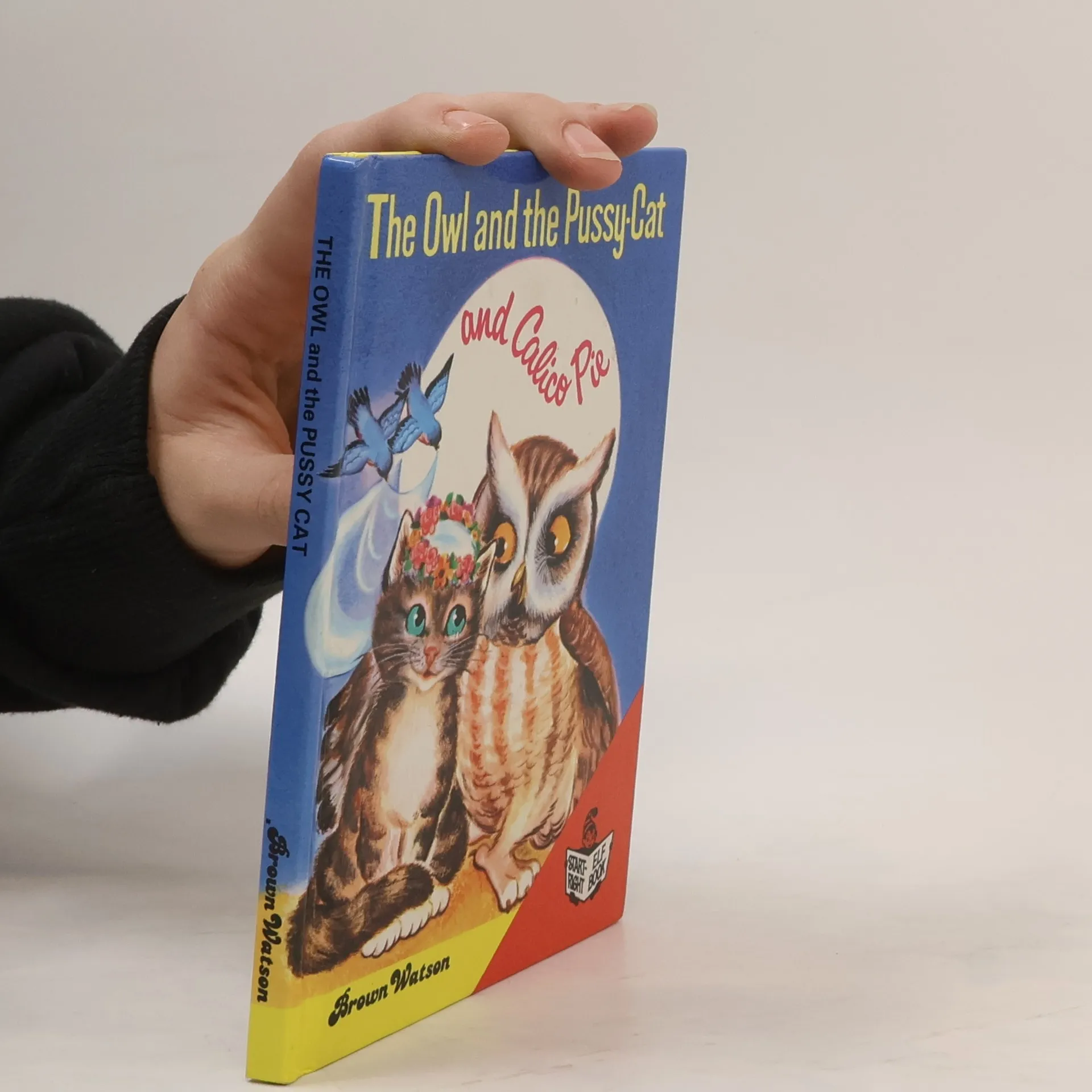
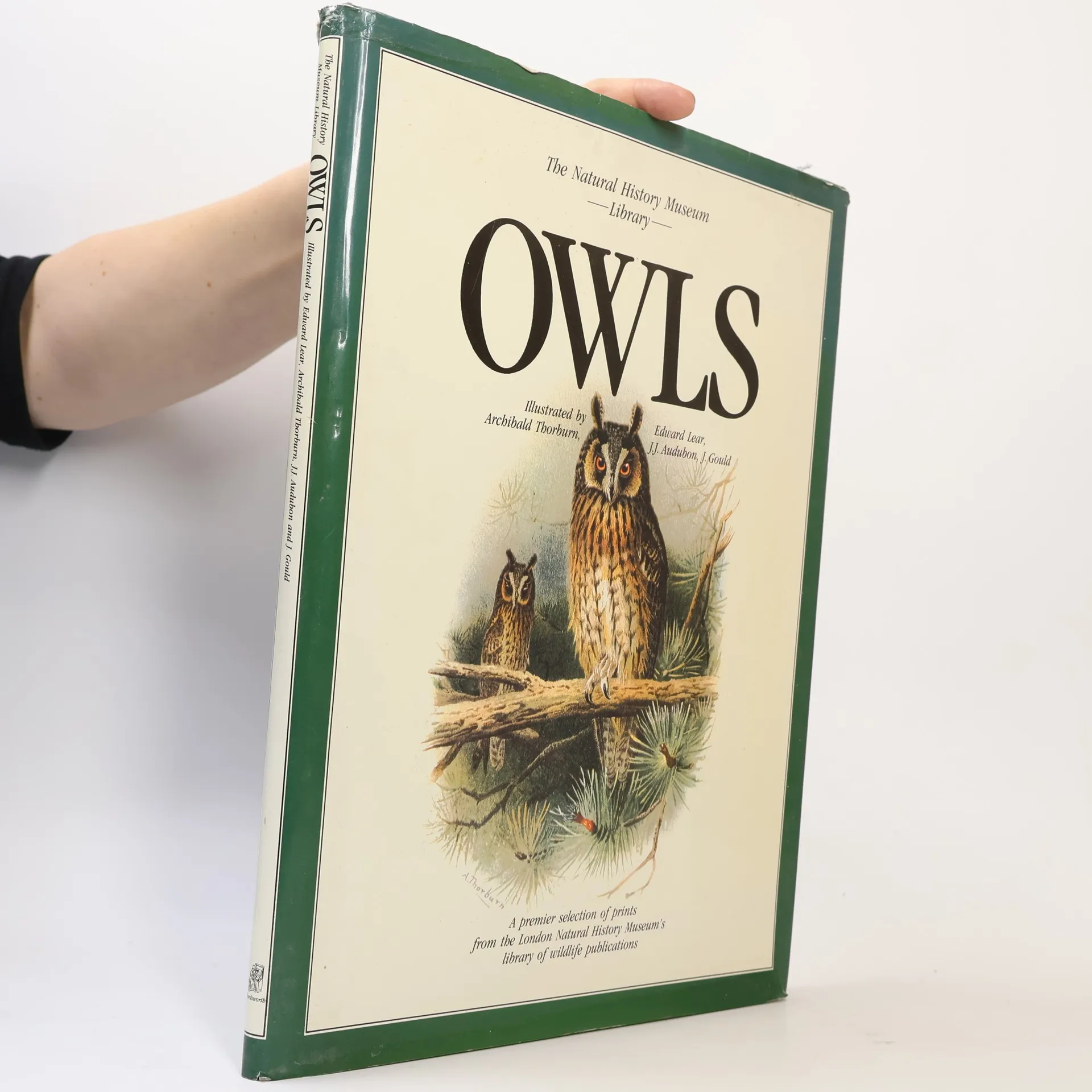
Edward Lear était un artiste, illustrateur et écrivain anglais, célébré pour son nonsens littéraire, exprimé tant en poésie qu'en prose. Il est particulièrement reconnu pour avoir popularisé la forme du limerick. Ses œuvres continuent d'être chéries pour leur caractère ludique et leur style linguistique distinctif. L'héritage de Lear réside dans sa capacité unique à trouver et à célébrer les absurdités qui jalonnent la vie quotidienne.
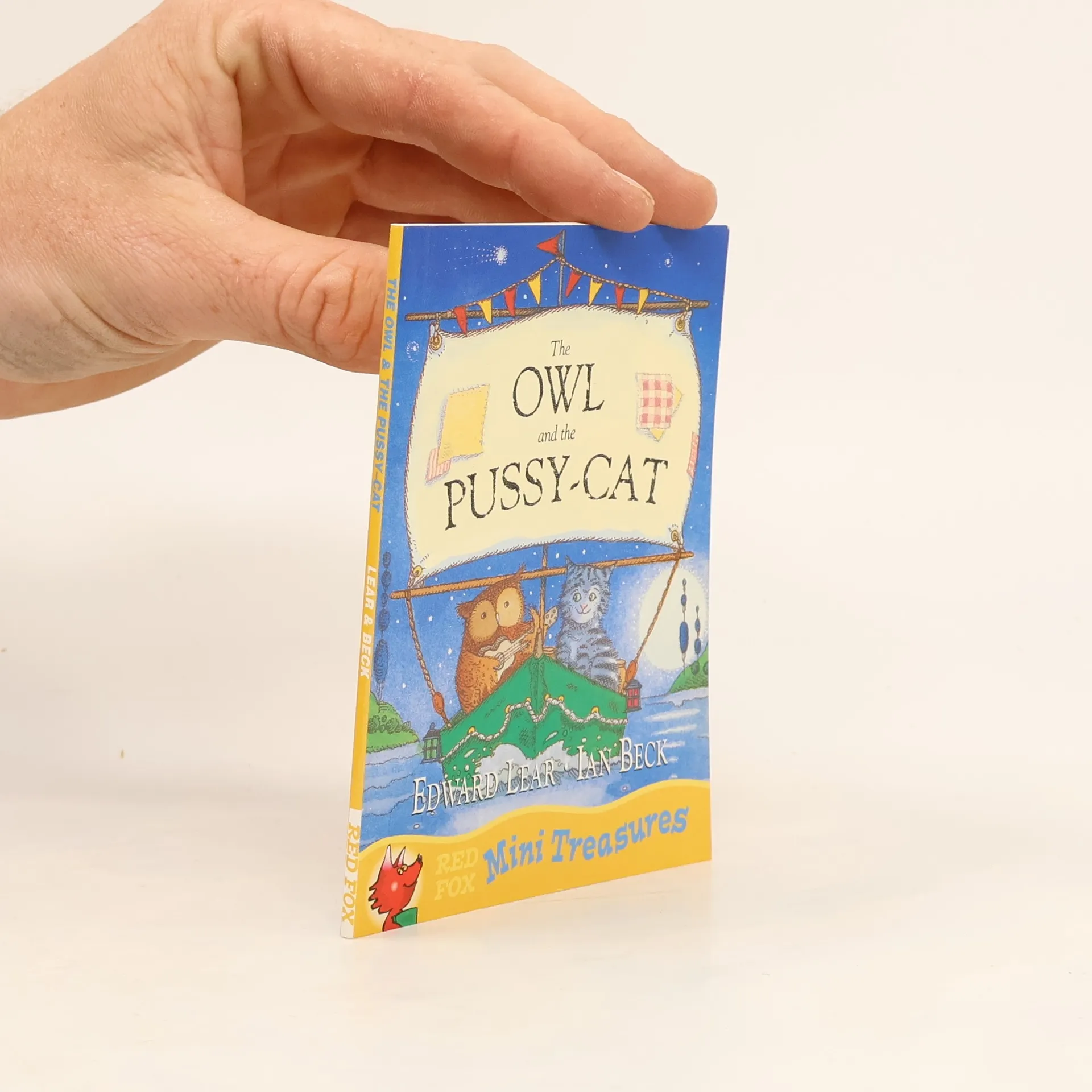
A magical version of this classic, much-loved rhyme. Edward Lear’s popular poem is accompanied by Ian Beck’s gloriously atmospheric illustrations. Full of humour and tenderness, this is a thoroughly enchanting book.
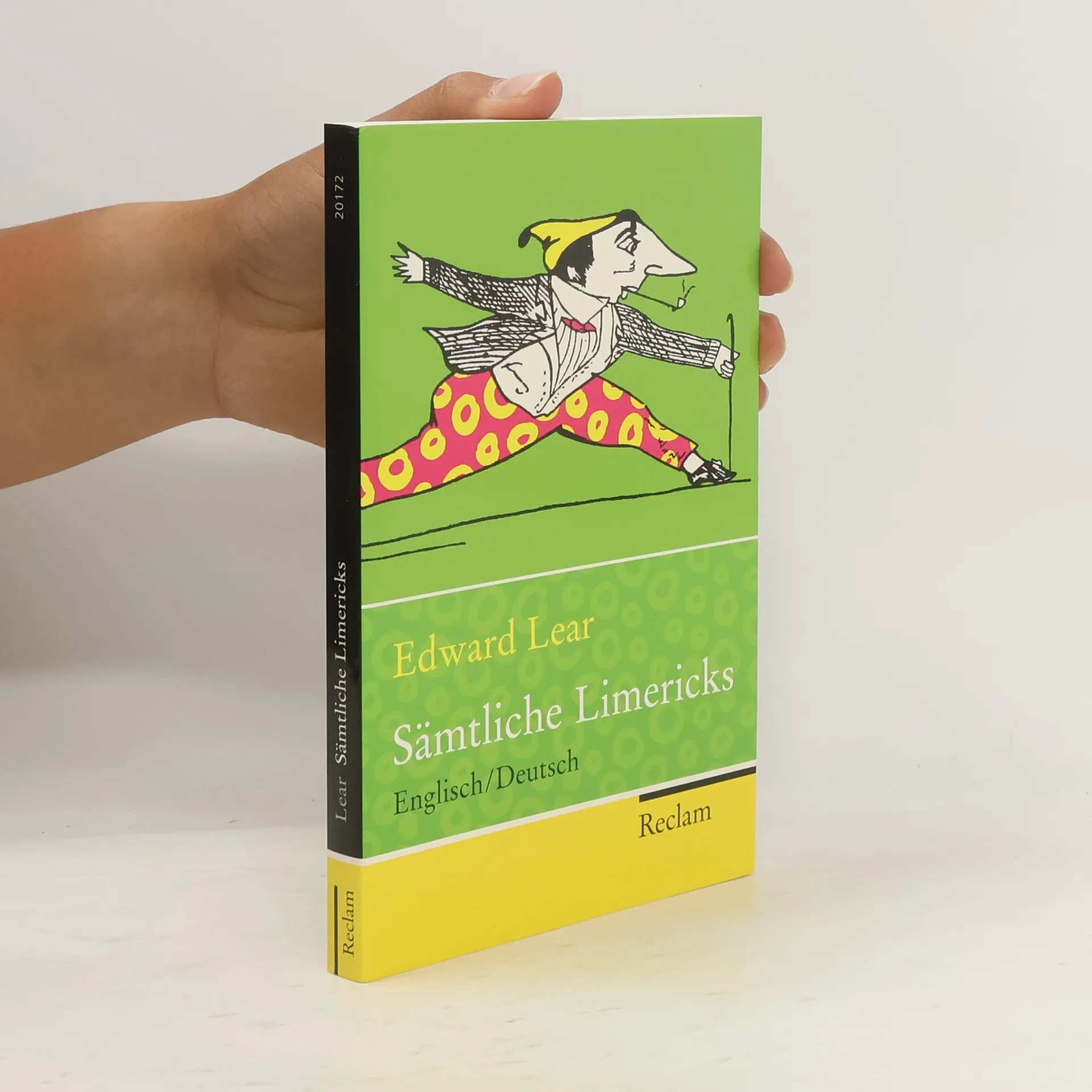
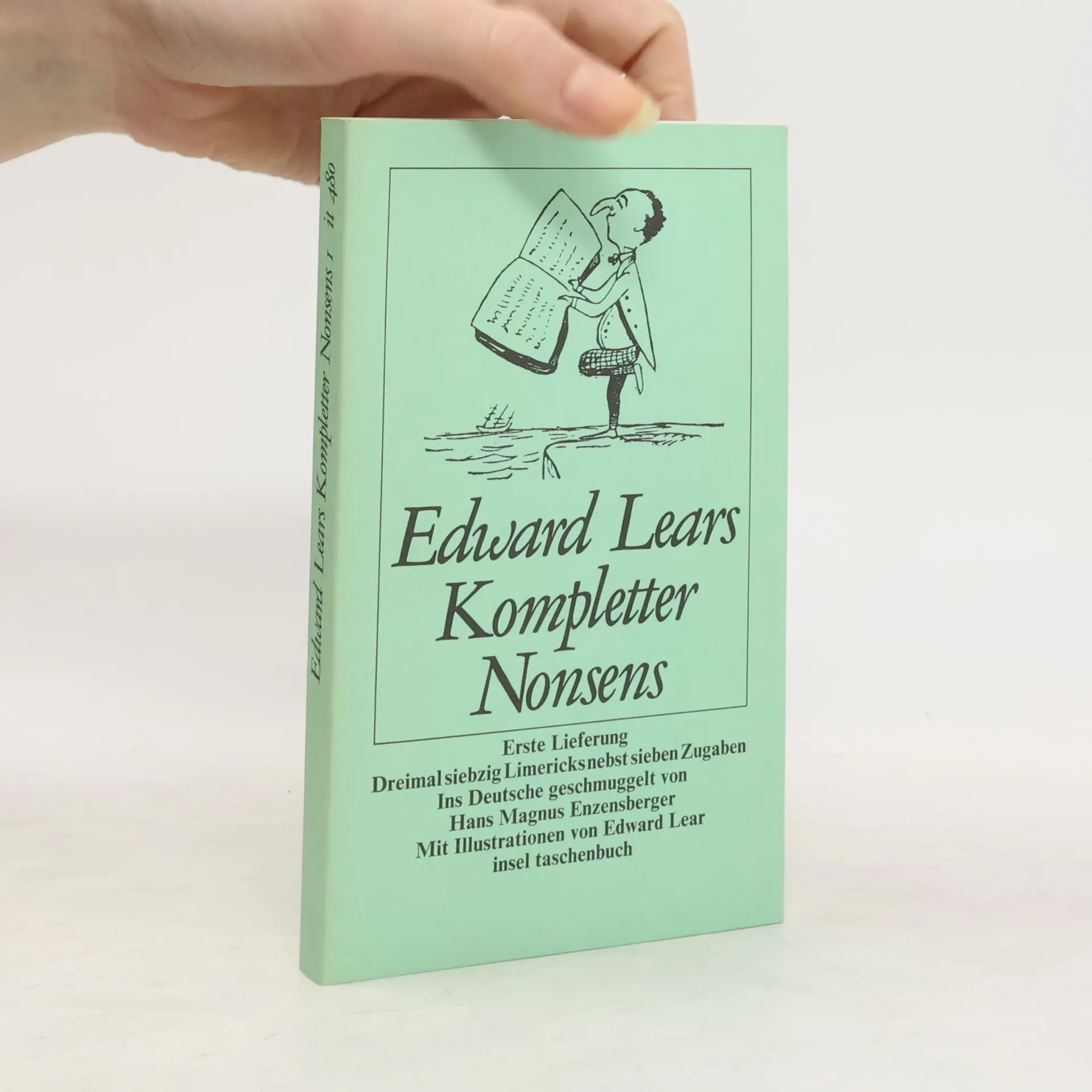
Edward Lear hat den Limerick nicht erfunden, aber er hat ihn mit seinem Book of Nonsense (1846) weltberühmt gemacht. Er war auch ein hervorragender Maler und Illustrator, zeitweilig Zeichenlehrer von Queen Victoria. Die zweisprachige Neuausgabe der Limericks bringt sämtliche Limericks mit allen Zeichnungen ihres Autors in der kongenialen Übersetzung des Mannheimer Anglisten Theo Stemmler.
A selection of letters written by Edward Lear to artists, painters, zoologists, politicians and his sister. The correspondence spans his writing life and includes descriptions of his travels to Europe and the Middle East. This book is published on the centenary of his death.
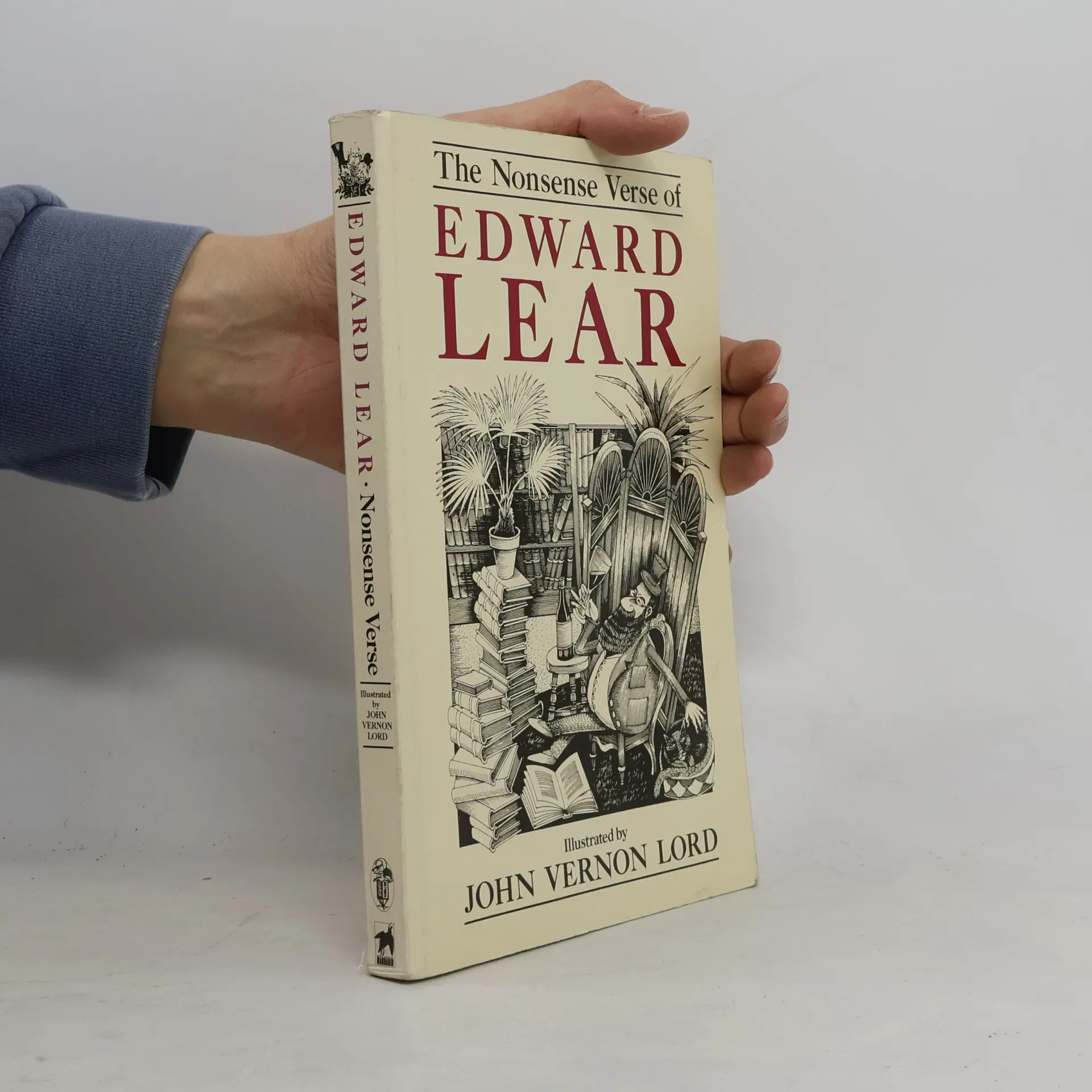
This marvellous collection features nearly all of Edward Lear's nonsense writings, enhanced by new illustrations from John Vernon Lord. Included are beloved pieces like "The Owl and the Pussy-cat," "The Dong with the Luminous Nose," and "The Jumblies," alongside 236 limericks sourced from Lear's four published volumes and some posthumous works. Lord provides an introduction that offers biographical and critical insights into Lear's life and work. His intricate and whimsical graphic style beautifully captures the essence and satirical humor of Lear's nonsense, reflecting his deep admiration for Lear's creativity. For those familiar with Lear's original illustrations, Lord's approach may come as a surprise, but the outcome justifies his artistic liberties. The collection is a visual and verbal feast, appealing to both adults and children. Lord dedicated three years to illustrating this work, elevating Lear's oeuvre to new heights of lunacy. Critics praise Lord's unique interpretation and detailed drawings, which resonate with Lear's original style while infusing a sense of complexity and emotional depth. This edition is celebrated for its visual delight and is regarded as a handsome tribute to Lear's legacy.
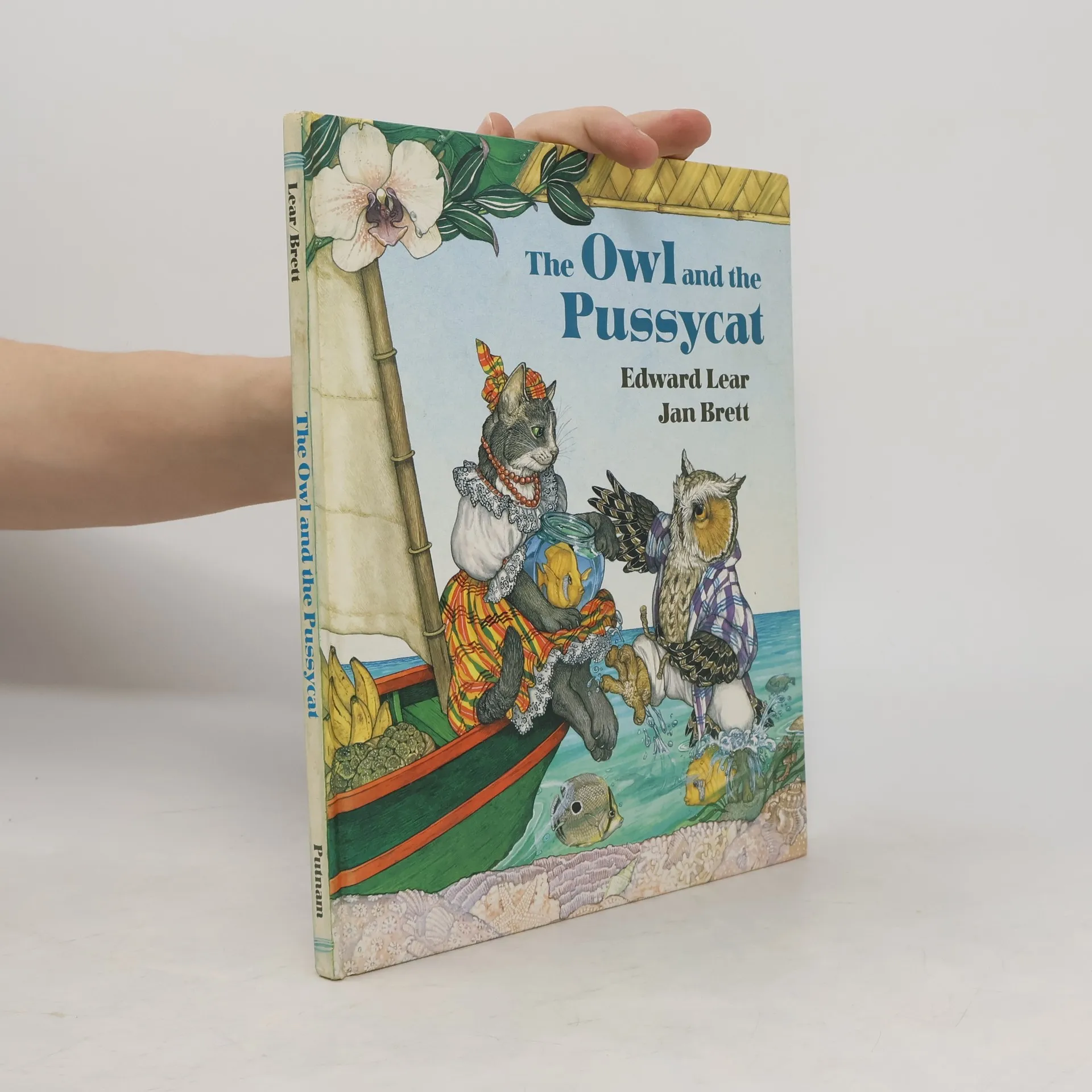
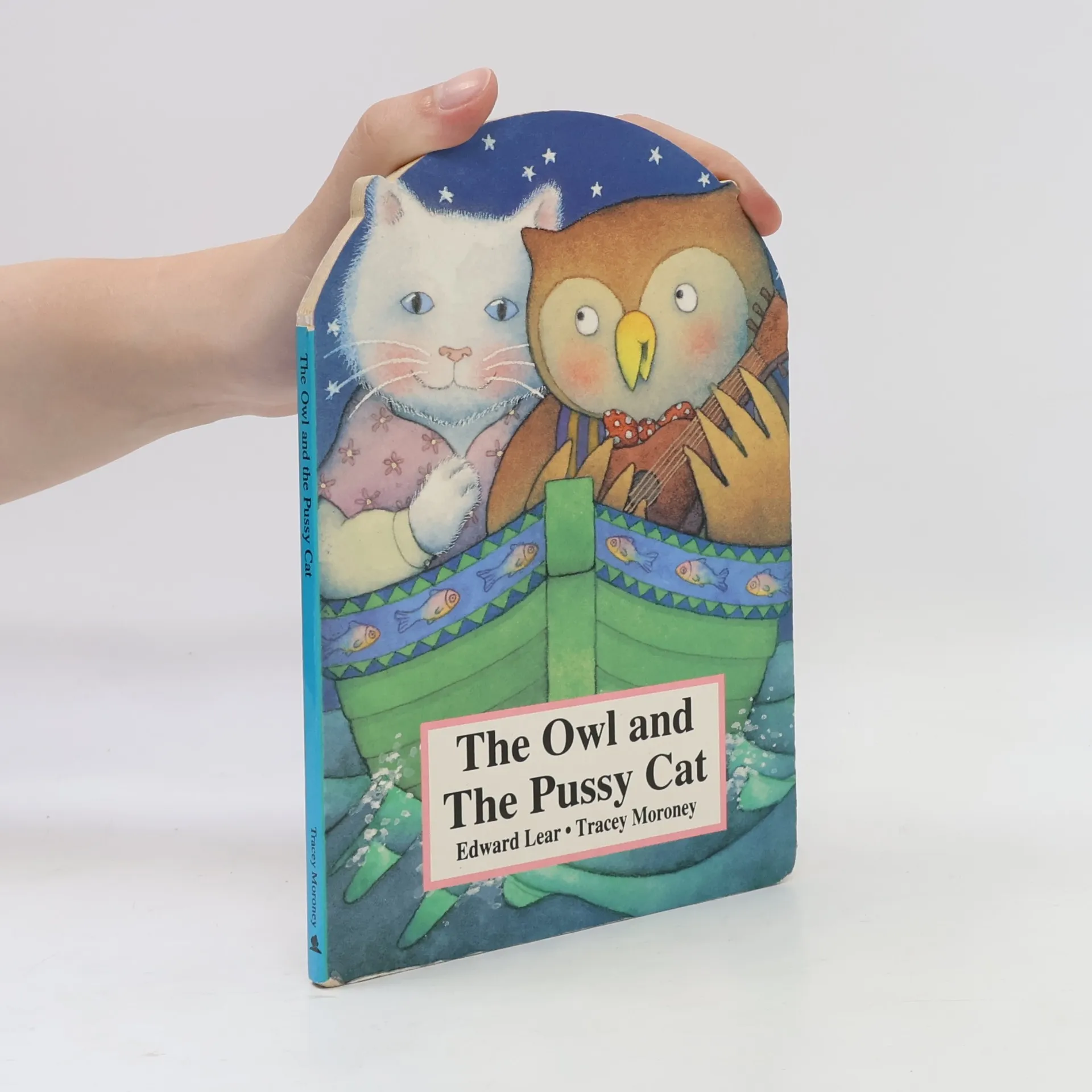
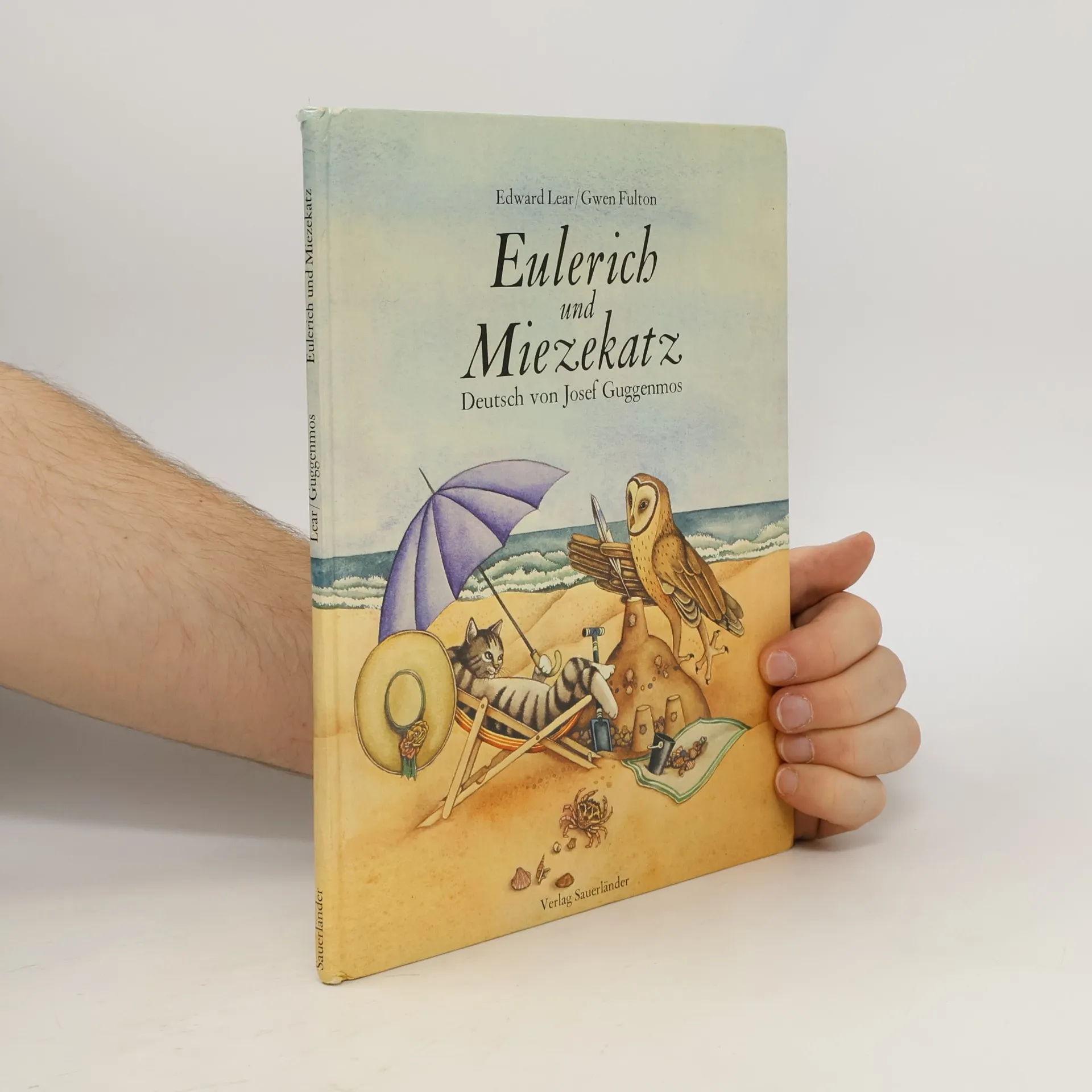
Owl sets out to woo Pussycat in a boat laden with fruit from their Caribbean island and with a guitar at his side, ready for serenading. As they sail off across the sea, another story unfolds in the water beneath the boat. One by one, exotic sea creatures swim into the picture and a small yellow fish seems to be looking for someone. Jan Brett brings the magic of the Caribbean to her exquisitely detailed illustrations of Edward Lear's charming poem.
Featuring the complete collection of Lear's whimsical nonsense verse, this edition is a delightful blend of poetry and art, appealing to both adults and children. It showcases his imaginative illustrations, enhancing the playful and fantastical nature of the texts. The book serves as a charming tribute to Lear's creativity, inviting readers to explore the joy and absurdity found in his unique literary world.
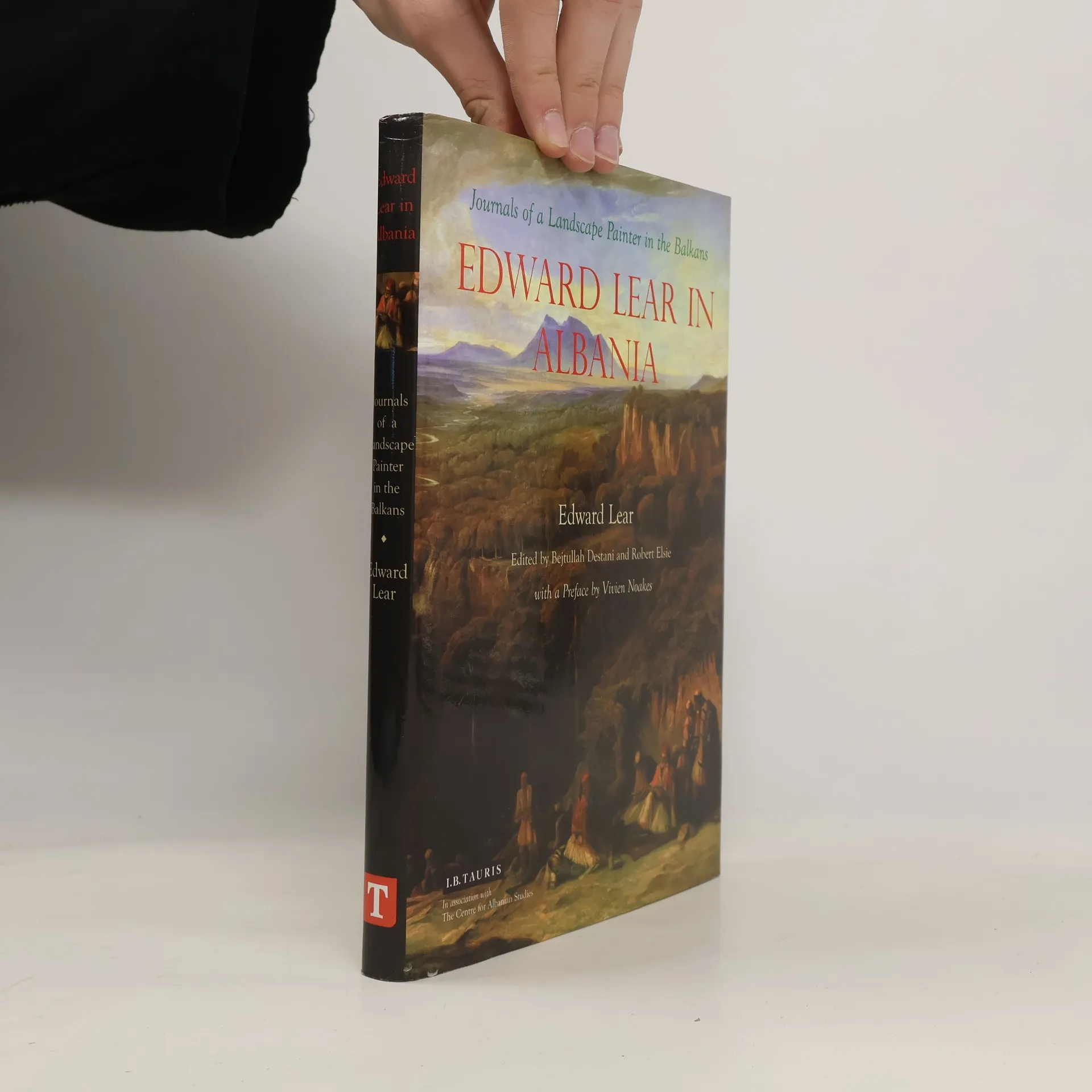
Edward Lear's journey through Albania and Macedonia in 1848 reveals the stark contrasts of the region, highlighting both its beauty and hardships. His detailed journals, prompted by a cholera outbreak, provide a rare glimpse into a place largely unexplored by foreigners. Through his unique observations, Lear captures the landscape, culture, and political climate, offering an intimate portrait of Albania. Lavishly illustrated with his own paintings, this work showcases the profound impact of the environment and its people on the artist's perspective.
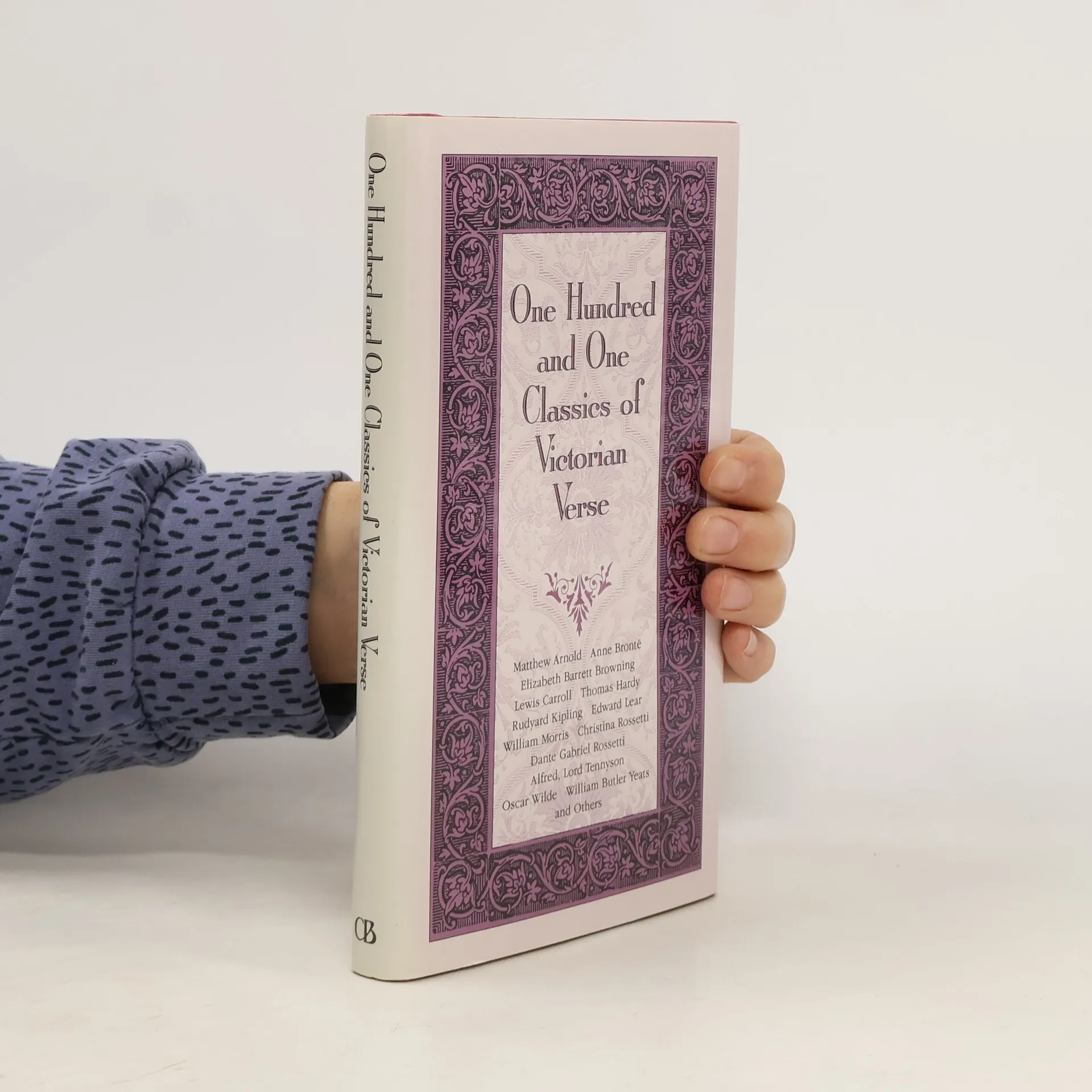
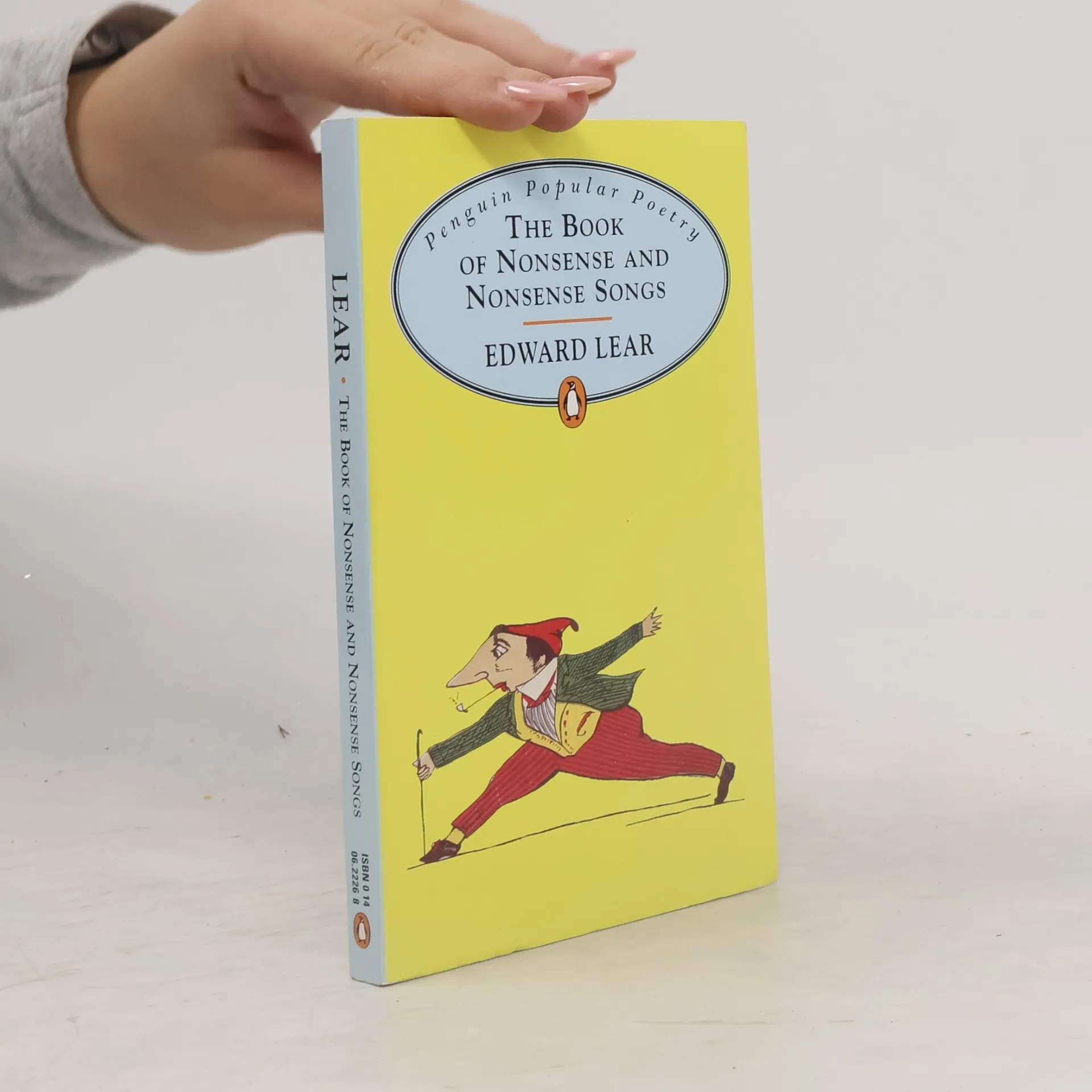
'Nonsense is the breath of my nostrils', wrote Edward Lear (1812-88), and this
collection demonstrates the varied ways in which he pursued his philosophy of
life. Gently pointing out human follies and the absurdities of the
conventional Victorian society in which he lived, Lear's nonsense has
enchanted children and adults alike for generations.
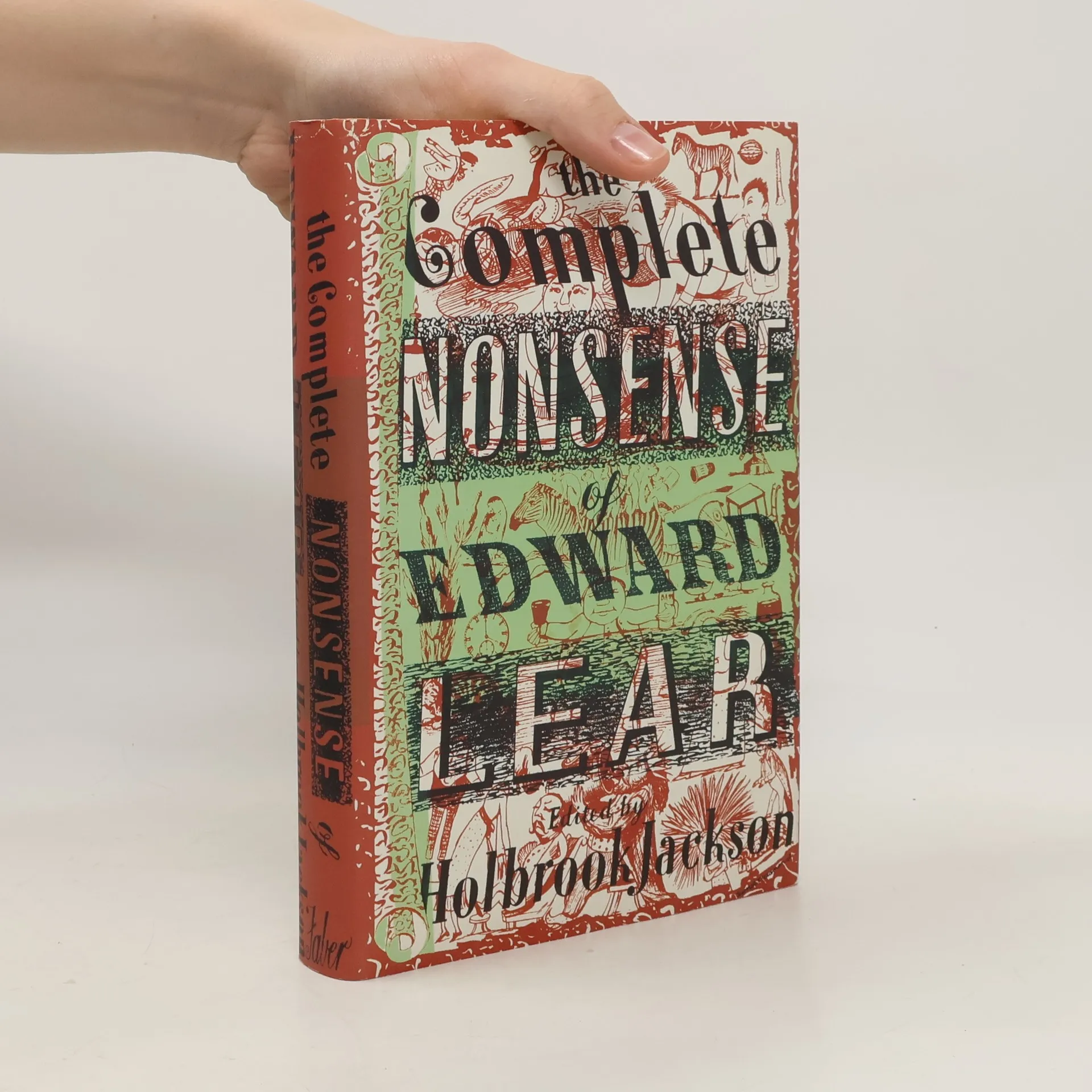
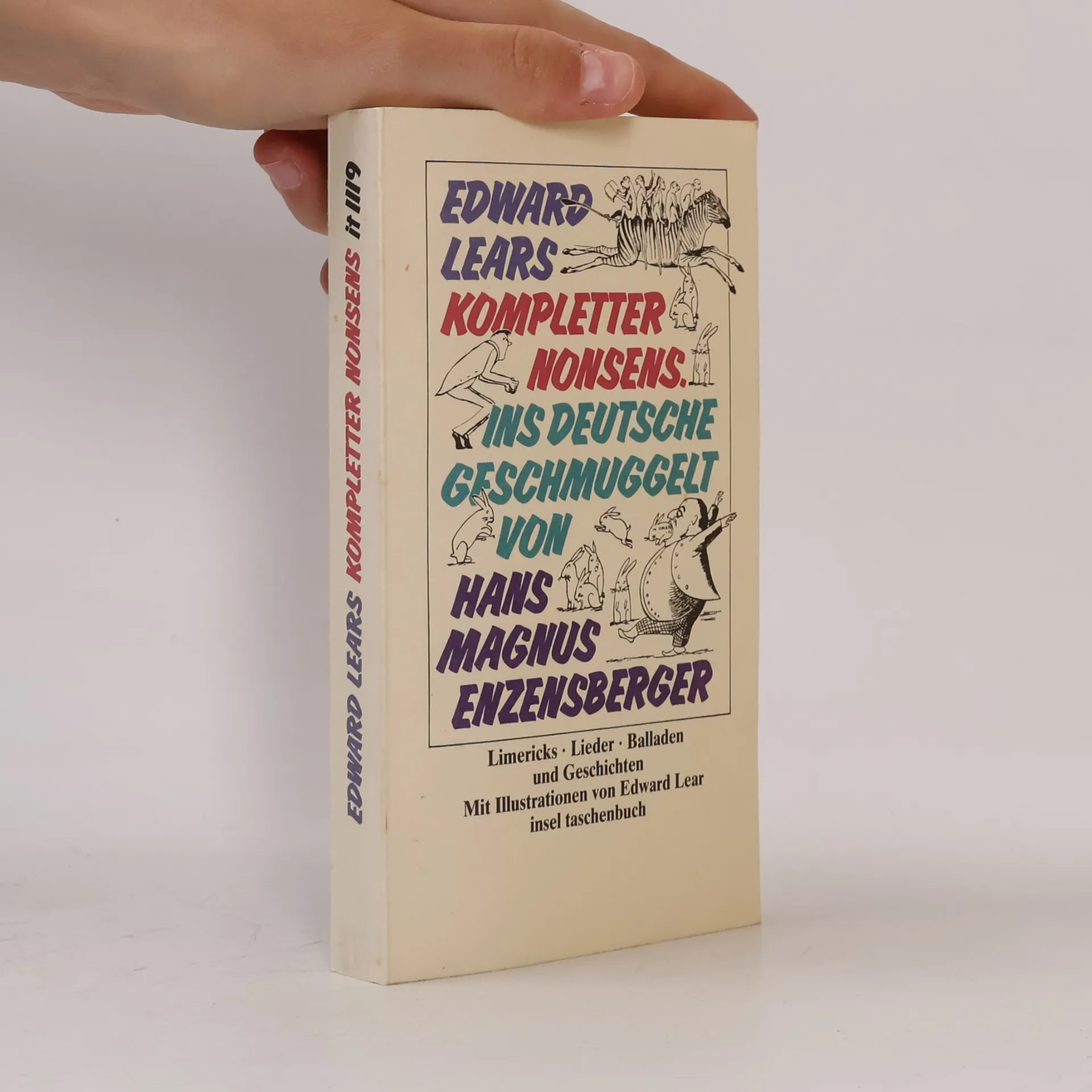
Edward Lear was the greatest nonsensicalist of all time. He was the inventor of the limerick and created the Jumblies and The Owl and the Pussycat. This complete edition of Lear's nonsense verse - including the limericks, longer verses, alphabets and his own illustrations - is lovingly restored and beautifully presented, for adults and children to enjoy together.
An in-depth volume celebrates a popular and witty children's author, providing a complete collection of his endearing limericks, wacky verses, and nonsense alphabets, and accompanying many with black-and-white illustrations.
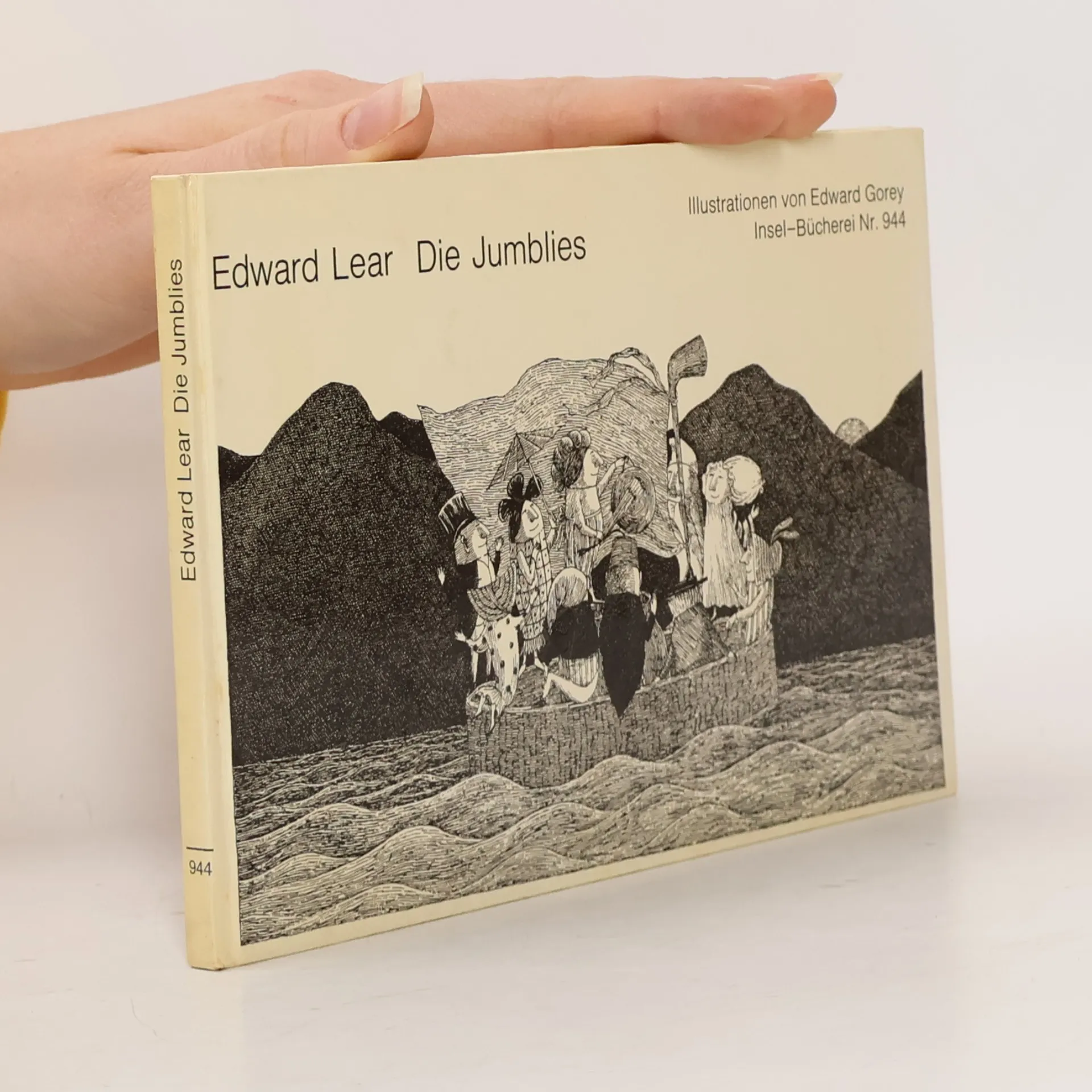
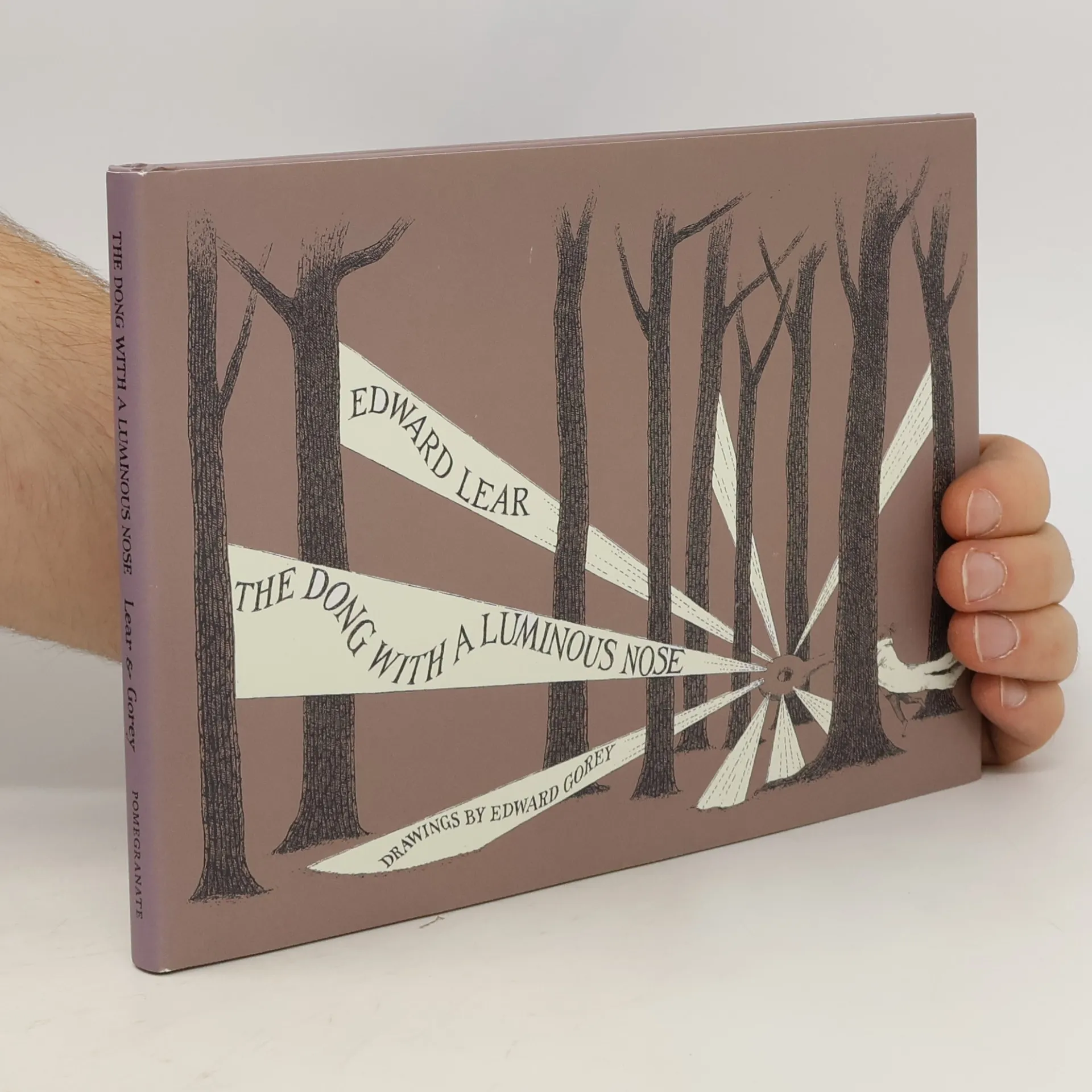
If you know the story of the Jumblies, that happy-go-lucky clan of sailors in a sieve, then you'll be eager to learn more of their saga in this charming love story poem, penned by the master of nonsense verse, Edward Lear (English, 1812-1888), and illustrated by the master of brilliant, offbeat images, Edward Gorey (American, 1925 2000). As it turns out, the Jumblies made at least one stop during their long journey, and there, on the Hills of the Chankly Bore, a passionate relationship was born--between a Jumbly girl and the Dong. The end of the story is sad but sweet, and it stars a nose that can light up a forest, light up the sky! The Dong is some kind of hero, certainly, and he can't help but win our hearts with that protuberant proboscis of his. The Dong with a Luminous Nose and The Jumblies (also published by Pomegranate Communications) present two of the most finely rendered suites of drawings ever created by Edward Gorey. With Edward Lear's irresistible verses, the books are timeless classics to be enjoyed through generations, by children of all ages, four to eighty-four. Text by Edward Lear; illustrated by Edward Gorey. 48 pages with 22 black-and-white illustrations. Smyth-sewn casebound book with jacket. Size: 8.5 x 6 inches.
Edward Lear (1812-1888) bývá často považován pouze za autora humorných nonsensových pětiverší, zvaných limeriky. Svůj groteskní humor však rozvíjel i v jiných slovesných žánrech a také jako zkušený a vyhledávaný kreslíř, takže všechny své knihy, nejen pro malé čtenáře, doprovázel ilustracemi. Jeden z jeho obrázků tzv. nesmyslné botaniky - Sviňule pyramidální - dal název našemu výboru. Podkladem pro tento malý výbor je rozsáhlá Velká kniha nesmyslů (Mladá fronta, 1998). Knihu tehdy sestavil autorův český dvorní překladatel Antonín Přidal, kterému se podařilo velmi úspěšně splnit nadmíru nelehký úkol vytvořil kongeniální překlad nonsensů.
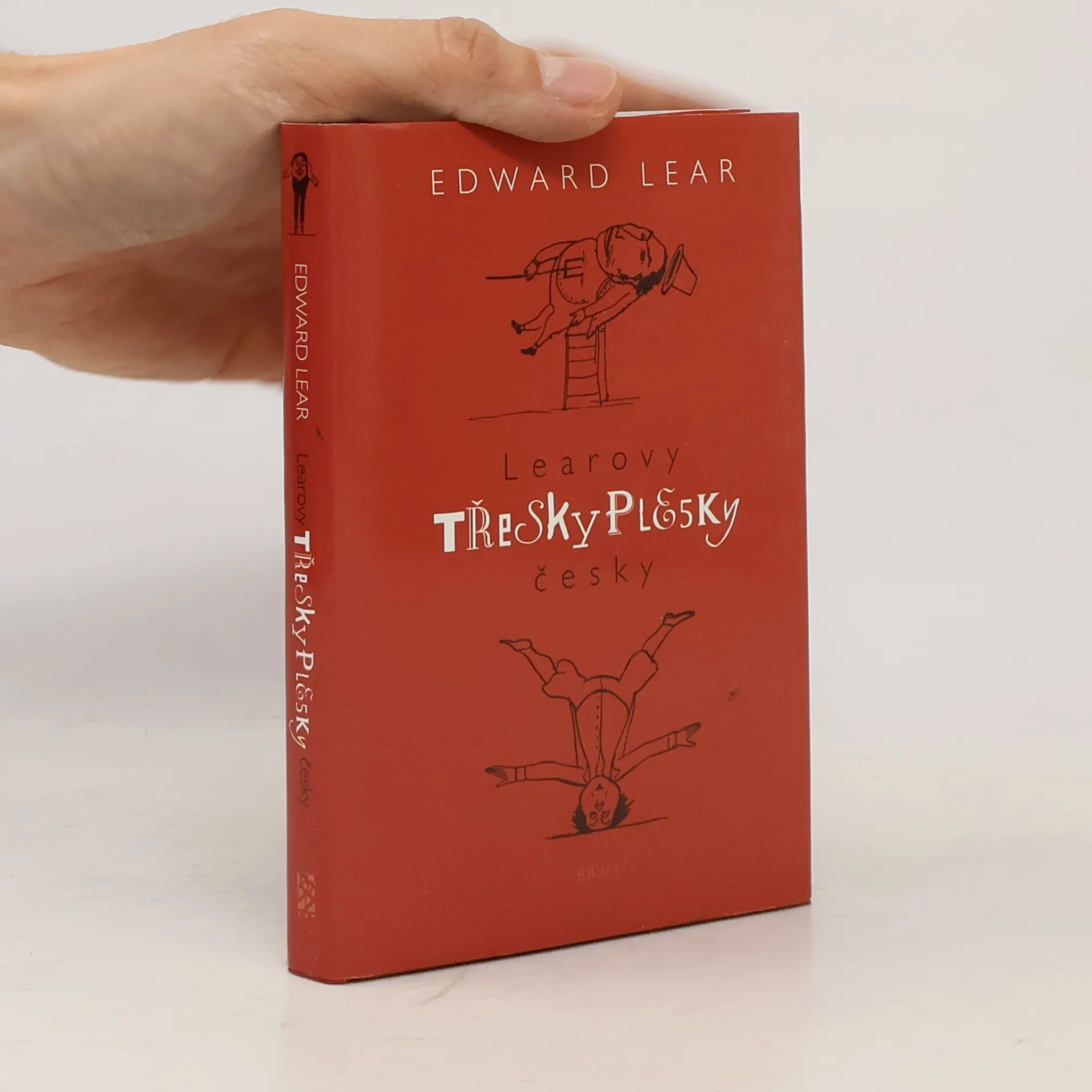
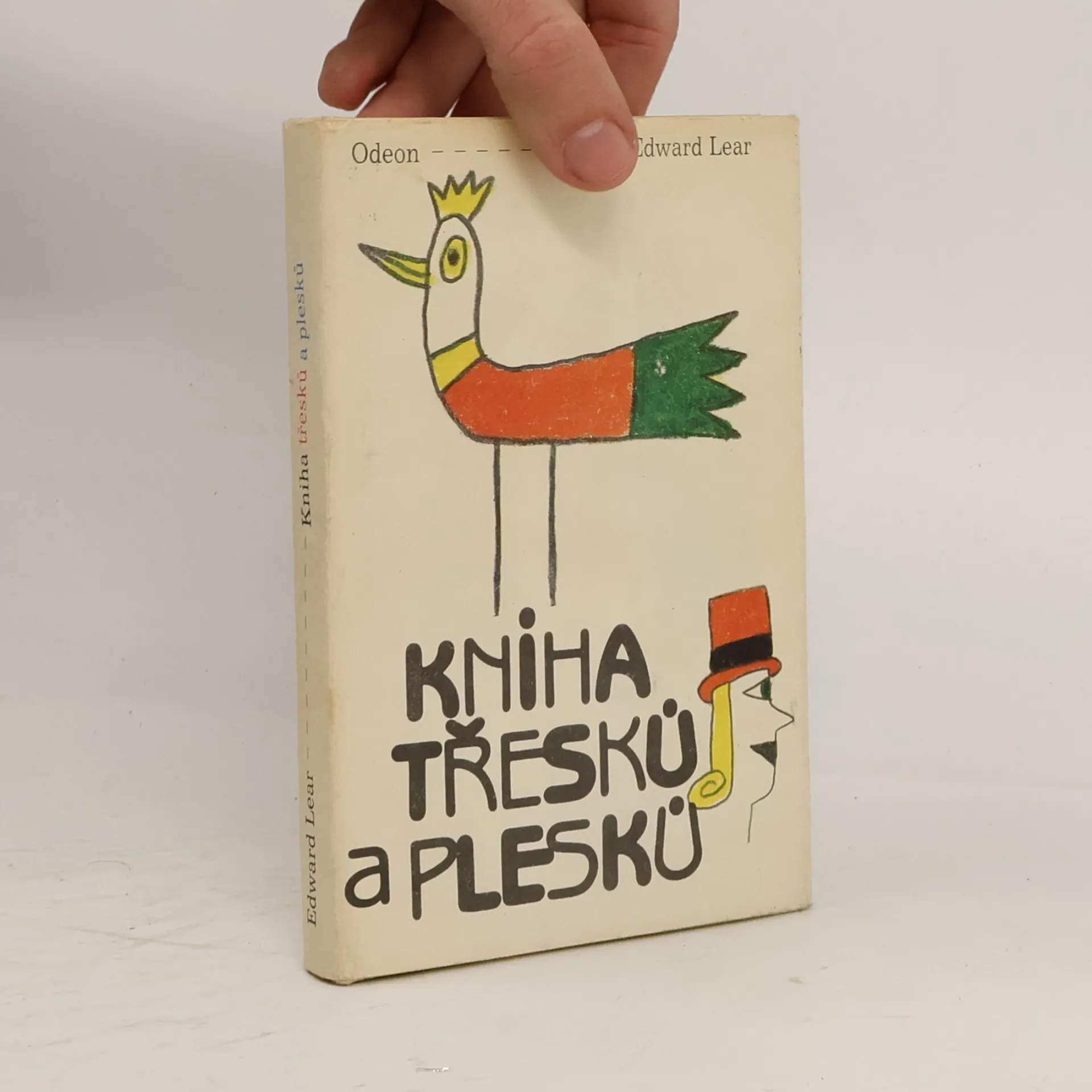
Soubor anglických nonsense verse Edwarda Leara, oněch u nás zdomácnělých absurdních třesků plesků, se dostává čtenářům do ruky v novém překladu Jana Vladislava, jenž vtipností a básnickou platností zdaleka překonává všechny předcházející pokusy.
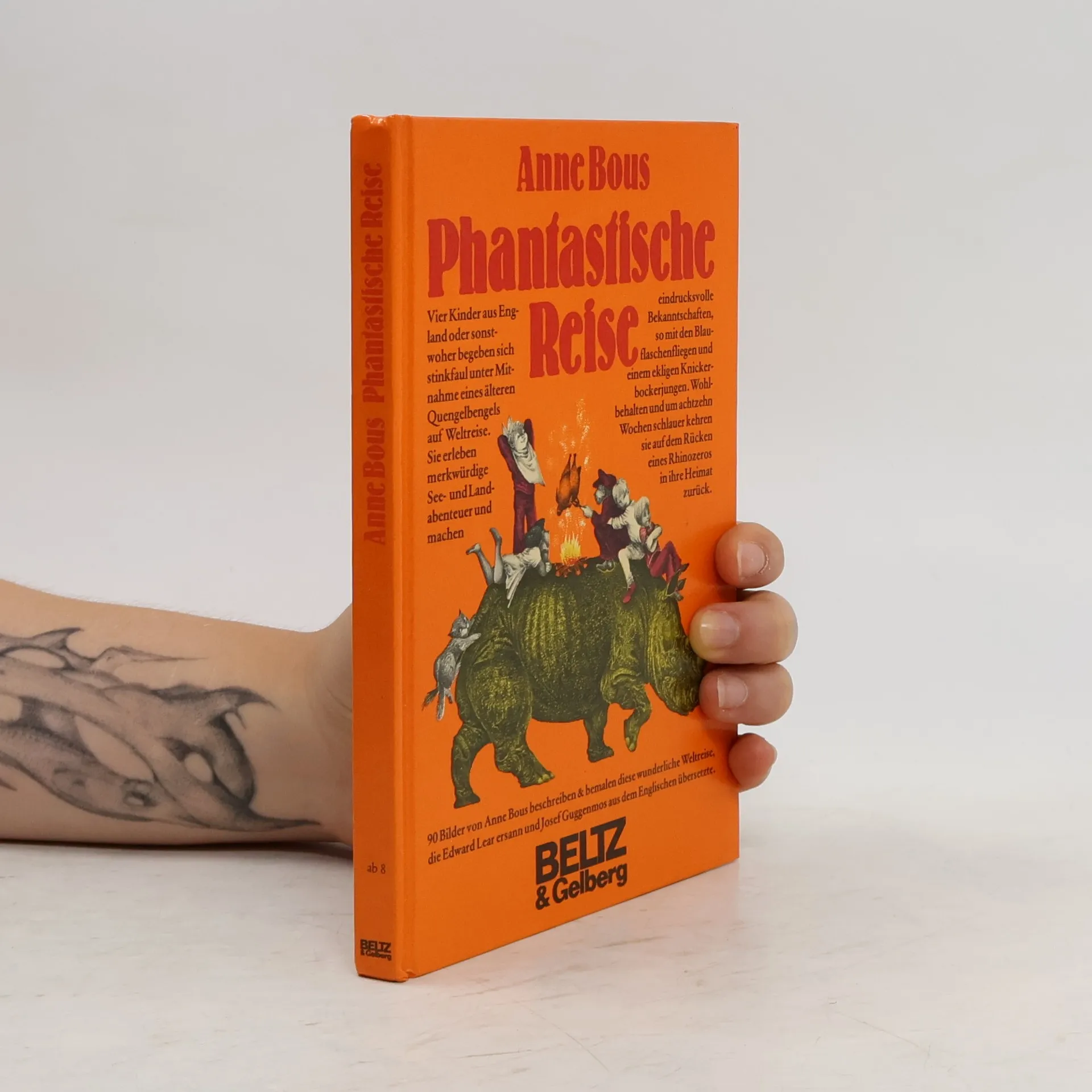
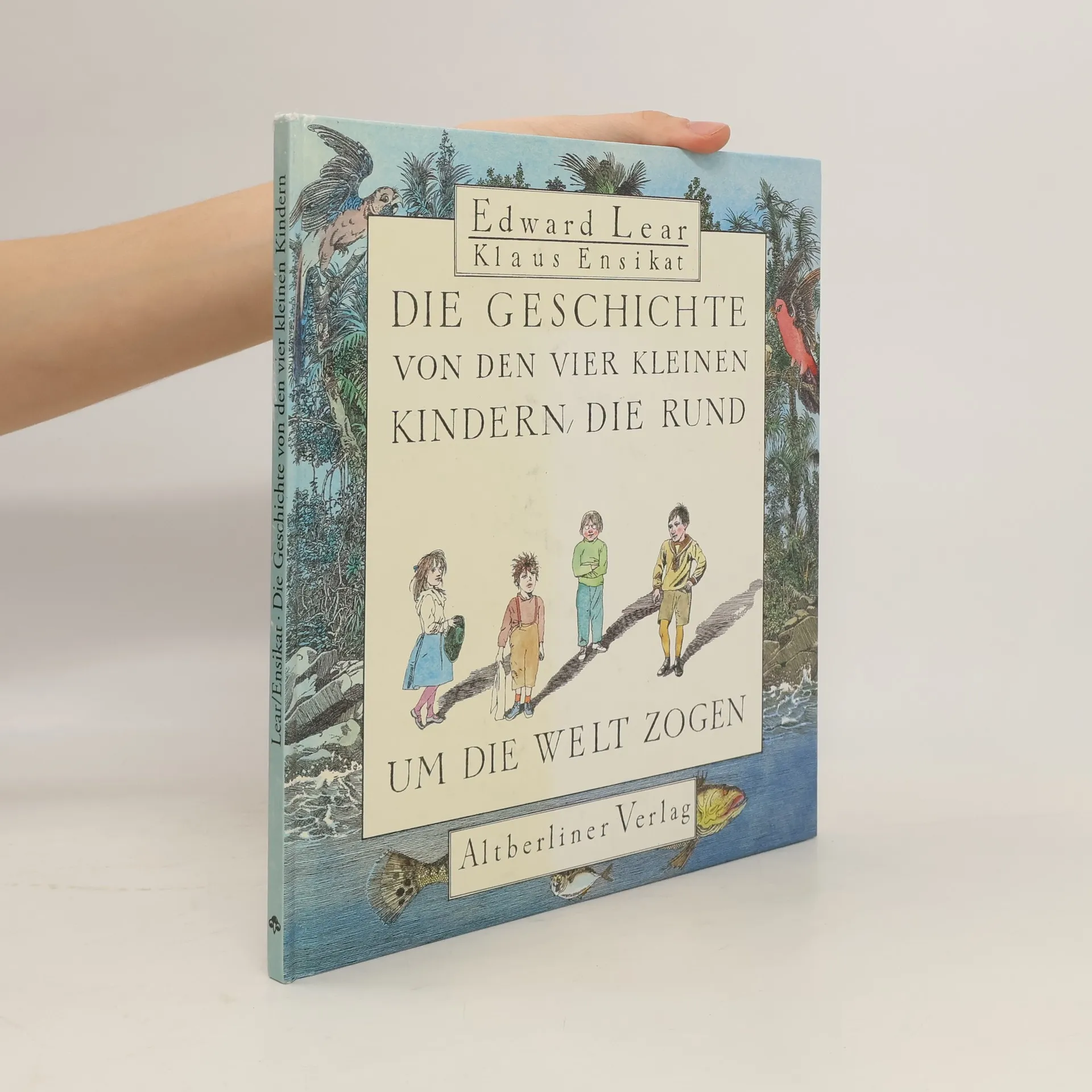
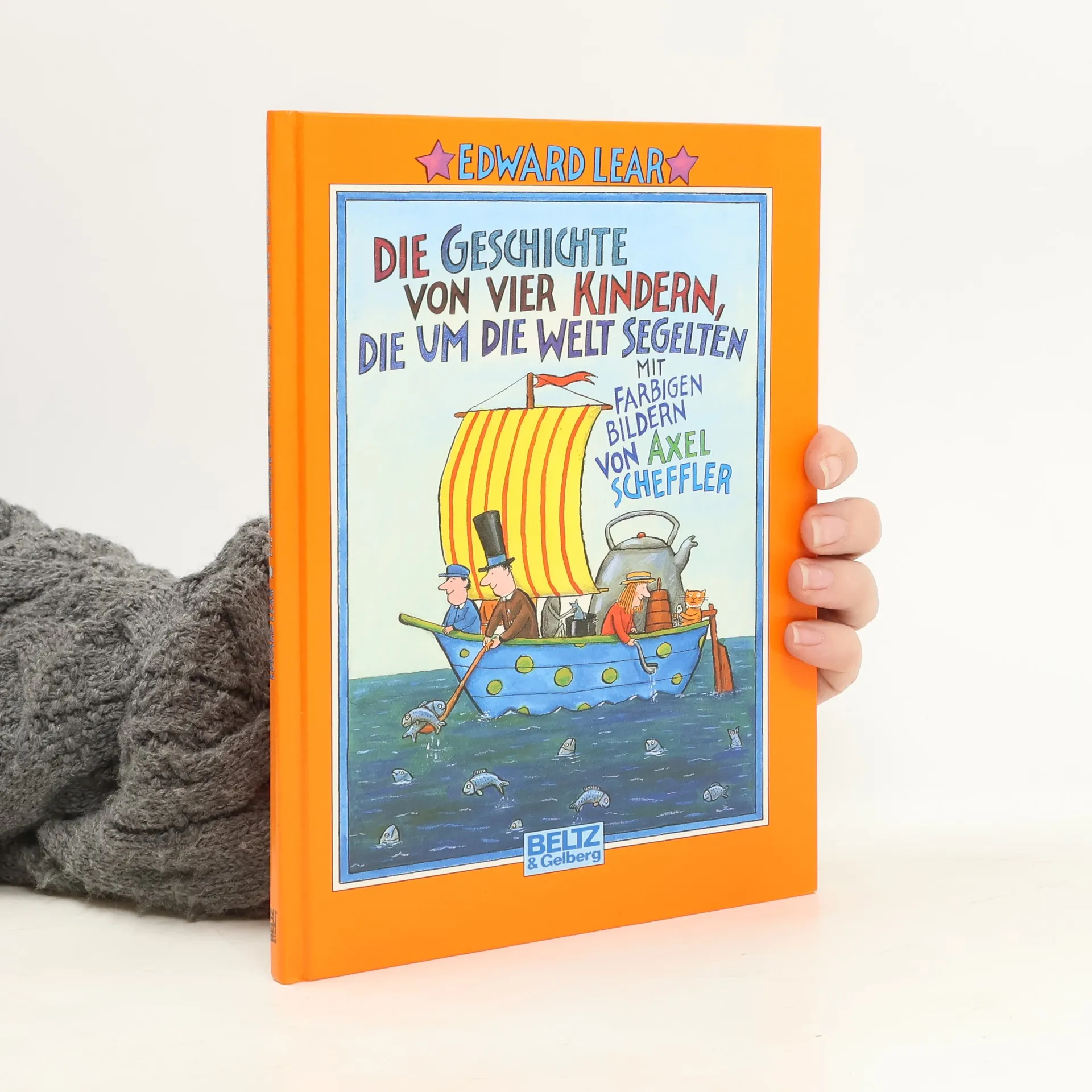
Eine Nonsens-Geschichte, großartig illustriert von Klaus Ensikat. Vier Kinder zieht es in die Welt hinaus. Mit ihrem Segelboot geht es los, zurück kommen sie auf einem Nashorn. Und dazwischen? Dazwischen liegen eine Menge denkwürdiger Abenteuer.
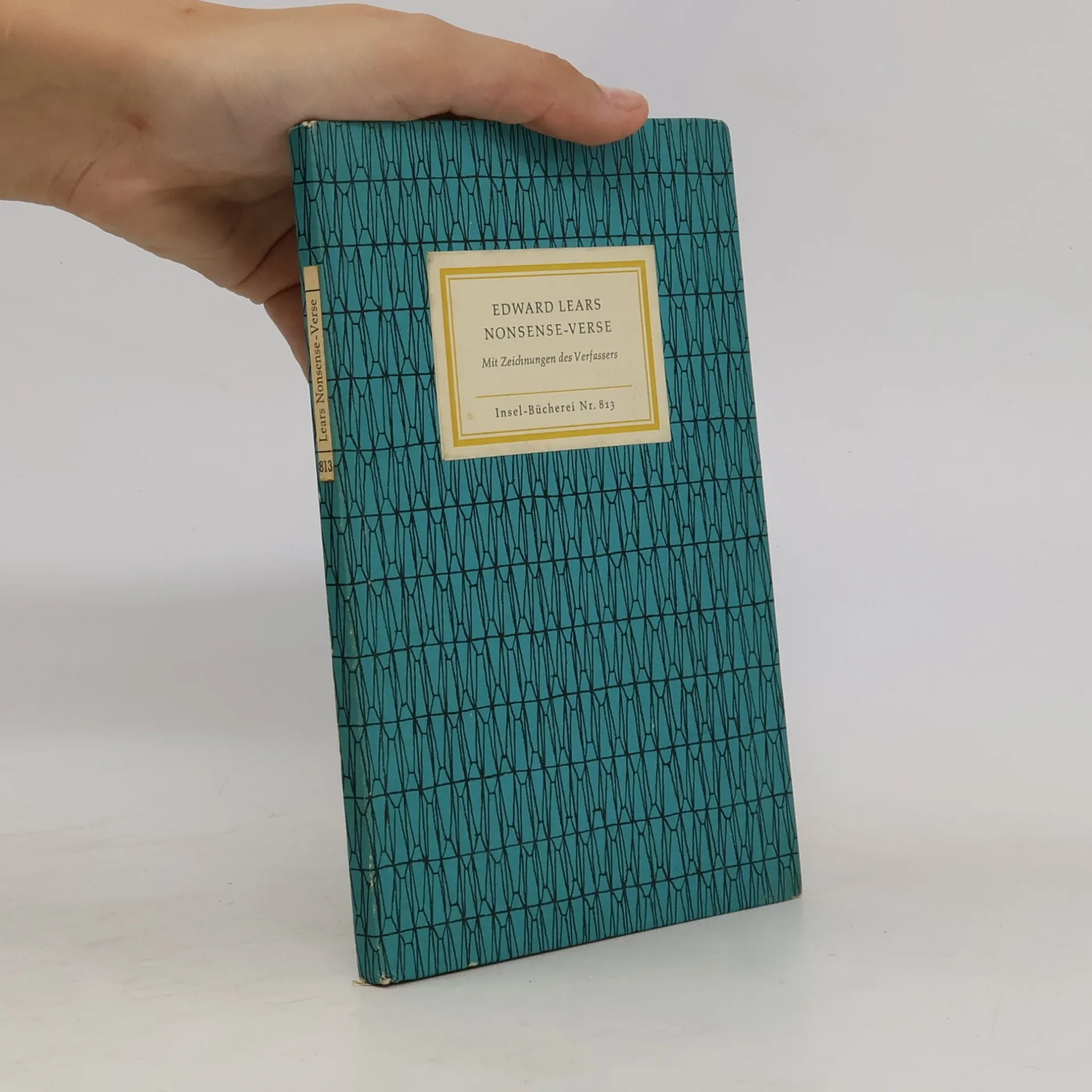
Edward Lear, der große Dichter, begeistert mit seinen Reimen und Zeichnungen. Er verzichtet auf langweilige Predigten und präsentiert stattdessen auf wunderbare Weise die schönsten Traumgesichter in Wort und Bild.
Poetická nonsensová pětiverší anglického básníka Edwarda Leara byla jen za jeho života vydána třicetkrát, úspěšně přešla do našeho století a téměř každoročně jsou vydávána dodnes, jako by v nich byl autor sestrojil opravdové perpetuum mobile humoru. Jeho hravé říkanky mají svůj předobraz v lidové slovesnosti, Lear je však obohatil v nových obsahových detailech a variantách a rozpoutal v nich báječný jazykový humor, plynoucí nejen z groteskních rýmů, ale také z kontrastu mezi pitvorností výpovědi a jejím vážným vyjádřením. Věříme, že první český překlad těchto smysluplných "nesmyslů", jednoho ze šťastných plodů anglické humoristické literatury, přispěje blahodárně k osvěžení mysli a citového zázemí našich čtenářů.