

The Psychology of Weather
- 94pages
- 4 heures de lecture
Explores our relationship with the weather, and how it can affect our mood, behaviour, and lifestyle


Explores our relationship with the weather, and how it can affect our mood, behaviour, and lifestyle
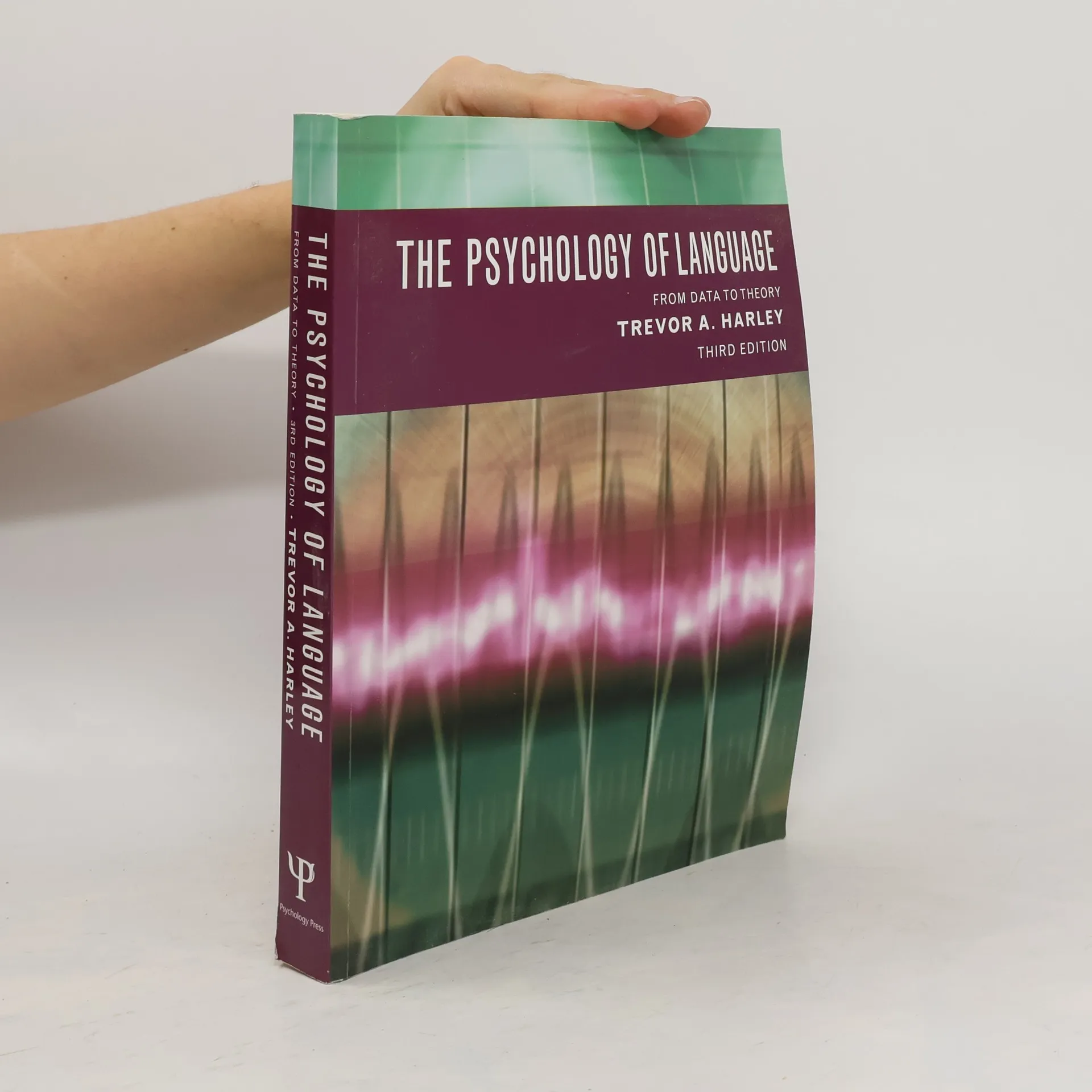
Now in full colour, this fully revised edition of the best-selling textbook provides an up-to-date and comprehensive introduction to the psychology of language for undergraduates, postgraduates, and researchers. It contains everything the student needs to know about how we acquire, understand, produce, and store language. Whilst maintaining both the structure of the previous editions and the emphasis on cognitive processing, this fourth edition has been thoroughly updated to include: the latest research, including recent results from the fast-moving field of brain imaging and studies updated coverage of key ideas and models an expanded glossary more real-life examples and illustrations. The Psychology of Language, Fourth Edition is praised for describing complex ideas in a clear and approachable style, and assumes no prior knowledge other than a grounding in the basic concepts of cognitive psychology. It will be essential reading for advanced undergraduate and graduate students of cognition, psycholinguistics, or the psychology of language. It will also be useful for those on speech and language therapy courses. The book is supported by a companion website featuring a range of helpful supplementary resources for both students and lecturers.
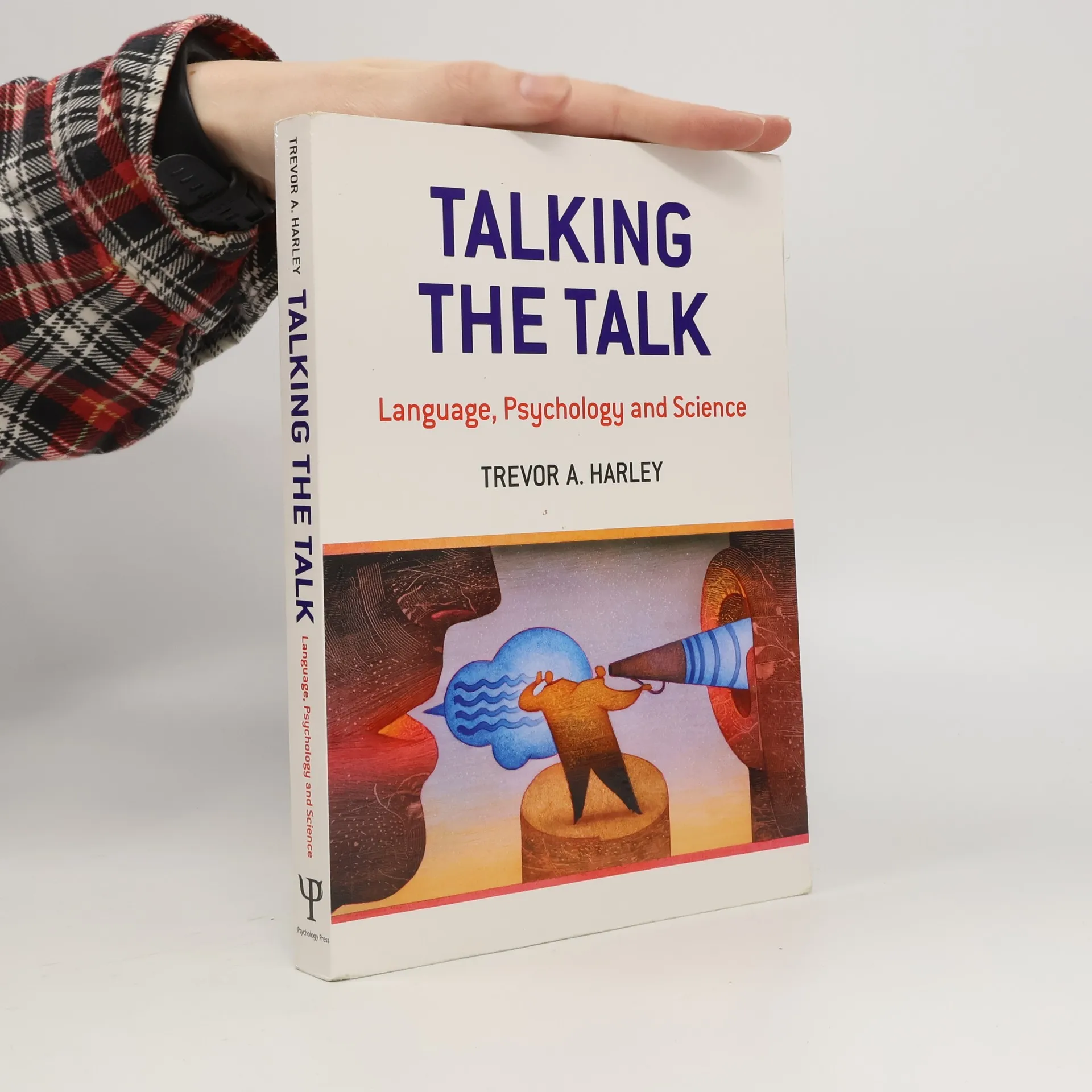
Language makes us human, but how do we use it and how do children learn it? Talking the Talk is an introduction to the psychology of language. Written for the reader with no background in the area or knowledge of psychology, it explains how we actually "do" language: how we speak, listen, and read. This book provides an accessible and comprehensive introduction to psycholinguistics, the study of the psychological processes involved in language. It shows how it's possible to study language experimentally, and how psychologists use these experiments to build models of language processing. The book focuses on controversy in modern psycholinguistics, and covers the all the main topics, including how children acquire language, how language is related to the brain, and what can go wrong – and what can be done when something does go wrong. Structured around questions that people often ask about language, the emphasis of Talking the Talk is how scientific knowledge can be applied to practical problems. It also stresses how language is related to other aspects of psychology, particularly in whether animals can learn language, and the relation between language and thought. Lively and amusing, the book will be essential reading for all undergraduate students and those new to the topic, as well as the interested lay reader.