

Environment and Sustainable Development answers the need for an introductory, comprehensive, yet critical, book that explores the challenges involved in the implementation of sustainable development.
Susan Baker Ordre des livres (chronologique)

Provincetown artist Susan Baker dramatically shifts her venue to follow and visually reproduce the trail of Marcel Proust through the areas of France that he lived in, loved, and made the site of the major segments of Remembrance of Things Past. In areas well known to generations of readers through that great novel -- for example, Combray, Balbec, and Guermantes, as well as the home of Monsieur Swann -- and also the areas in which Proust lived and vacationed such as Trouville, Deauville, Rouen, Amiens, and Illiers, not to mention Paris, Baker brilliantly captures the ambiance, buildings, and cathedrals that mark the beauty and the uniqueness of these locations. "Drawn in initially by the humor, then dazzled by the description, and finally obsessed by the genius, I decided to follow Proust -- just to stand where he stood," writes Baker. The colorful outcome of her quest is this rare gift to the world's legions of Francophiles, Proustians, art lovers, and travelers.
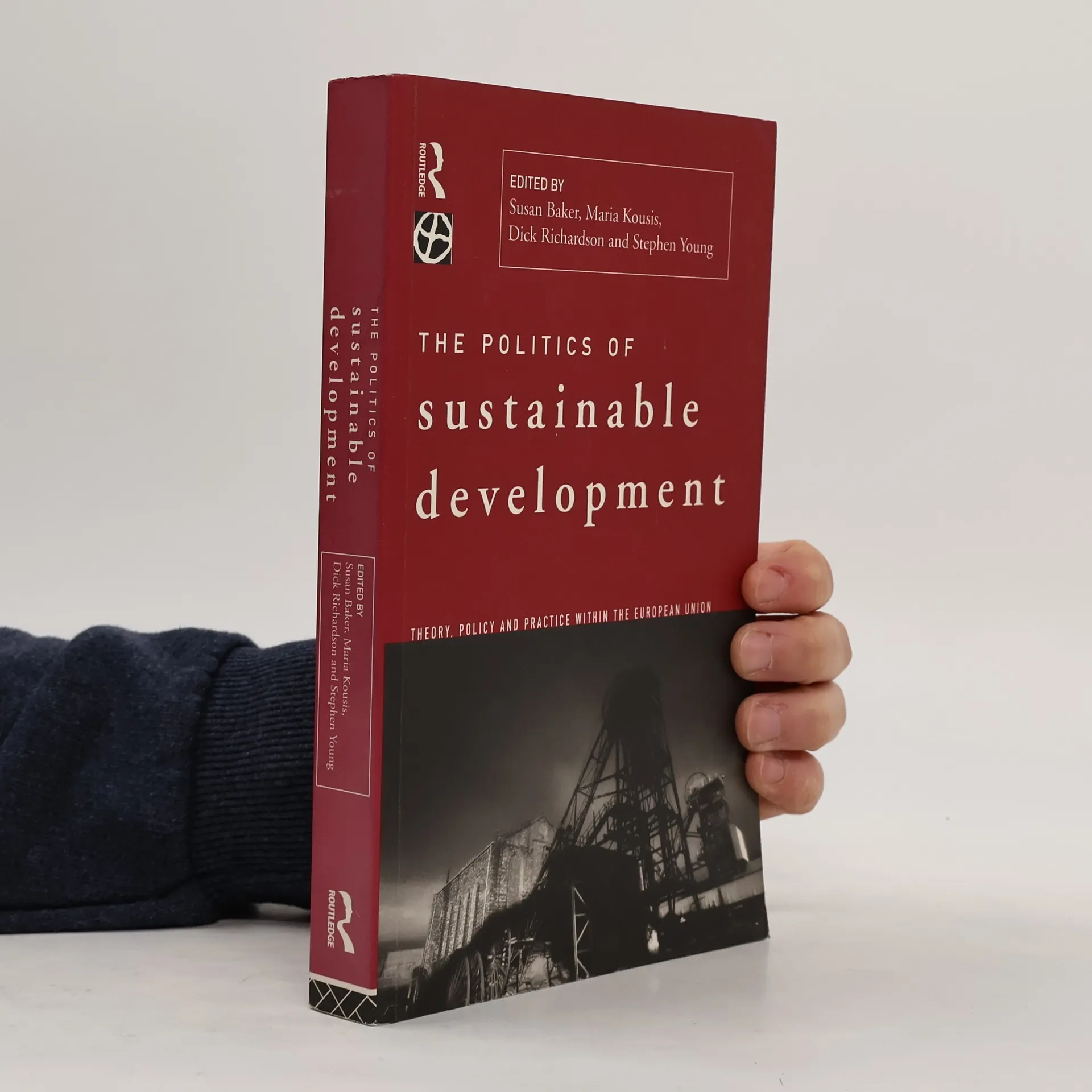
The Politics of Sustainable Development
Theory, Policy, and Practice within the European Union
- 276pages
- 10 heures de lecture
"The Politics of Sustainable Development" analyzes how the theory of sustainable development has been related to the practice and how it has been applied within Europe at all levels of government from the EU down to the sub-national local level. The essays included here begin with an analysis of the ambiguities inherent in sustainable development and the contestable nature of the concept. The contributors explore how far it is possible to reconcile economic growth with environmental needs, asking whether sustainable development can promote equity and development. The book breaks fresh ground in assessing the impact of deep ecological thought on sustainable development as part of a new typology of the concept. The second section examines how sustainable development has been interpreted at EU and sub-national levels within the member states, with examples drawn from the Mediterranean and Northern European countries. Contrasting interpretations of sustainable development are examined, considering political and administrative conflicts, the influence of cultural factors, and tensions between different levels of government. The ambiguity of sustainable development has led to extensive confusion and created the need for a clearer consensus among policy-makers as to how the concept should be interpreted.