Pocket: La Chute d'Arthur
- 244pages
- 9 heures de lecture



Tales told through the ages of quests and curses, enduring love and immeasurable tragedy “The power of Tolkien’s central characters—tragic, cursed Túrin; the lovers Beren and Lúthien—shines through.”—Library Journal Gathering together two of the most crucial stories in Tolkien’s world—those of Túrin, a hero living under a ruinous family curse, and Lúthien, an elven princess whose love for a mortal man is mirrored ages later in Arwen and Aragorn—The Lays of Beleriand sheds light on the creation of the mythology of Middle-earth. Journey through darkness with Túrin Turambar as he searches for his long-missing father in The Lay of the Children of Húrin, and join Beren and Lúthien on their quest to cut a Silmaril from Morgoth’s crown in The Lay of Leithian. Both narratives appear here in alliterative verse and are accompanied by Christopher Tolkien’s commentary on the evolution of the history of the Elder Days. Also included is critical analysis by C. S. Lewis of The Lay of Leithian.
Les Premiers jours du Monde étaient à peine passés quand Fëanor, le plus doué des elfes, créa les trois Silmarils. Ces bijoux renfermaient la Lumière des Deux Arbres de Valinor. Morgoth, le premier Prince de la Nuit, était encore sur la Terre du Milieu, et il fut fâché d'apprendre que la Lumière allait se perpétuer. Alors il enleva les Silmarils, les fit sertir dans son diadème et garder dans la forteresse d'Angband. Les elfes prirent les armes pour reprendre les joyaux et ce fut la première de toutes les guerres. Longtemps, longtemps après, lors de la Guerre de l'Anneau, Elrond et Galadriel en parlaient encore.
D'années en années, le culte jaloux qui entourait le Seigneur des Anneaux à sa publication dans les années 50 s'est transformé en succès universel. Les Hobbits, ce peuple effacé mais très ancien qui vivait quelque part au nord-ouest de l'Ancien Monde, nous sont devenus aussi familiers que les héros des contes de fées ou ceux des grandes épopées, avec Bilbo, Gandalf, Bombadil ou Galadriel, et tous les habitants de la Terre du Milieu. Magistralement restitués par son fils après la mort de J.R.R. Tolkien, les Contes et légendes inachevées du Troisième Âge prolongent et élargissent l'Œuvre de l'inépuisable conteur.
The Book of Lost Tales marks J.R.R. Tolkien's first major imaginative work, initiated in 1916-1917 at the age of twenty-five and left incomplete years later. It represents the foundation of Middle-earth and Valinor, serving as the initial form of the myths that would evolve into The Silmarillion. Set against a backdrop of English legend, the narrative follows a mariner named Eriel (or AElfwine) on a westward voyage to Tol Eressea, the Lonely Isle of the Elves, where he discovers their true history, the Lost Tales of Elfinesse. Within these tales are the earliest accounts of Gods, Elves, Dwarves, Balrogs, and Orcs, alongside the Silmarils and the Two Trees of Valinor, and the geography of this invented world. This work will be published in two volumes; the first includes the Tales of Valinor, while the second will feature stories like Beren and Luthien, Turin and the Dragon, the Necklace of the Dwarves, and the Fall of Gondolin. Each tale is accompanied by commentary and associated poems, with extensive information on names and early Elvish languages. Further volumes are planned to expand the history of Middle-earth, including additional writings, annals, maps, and more.
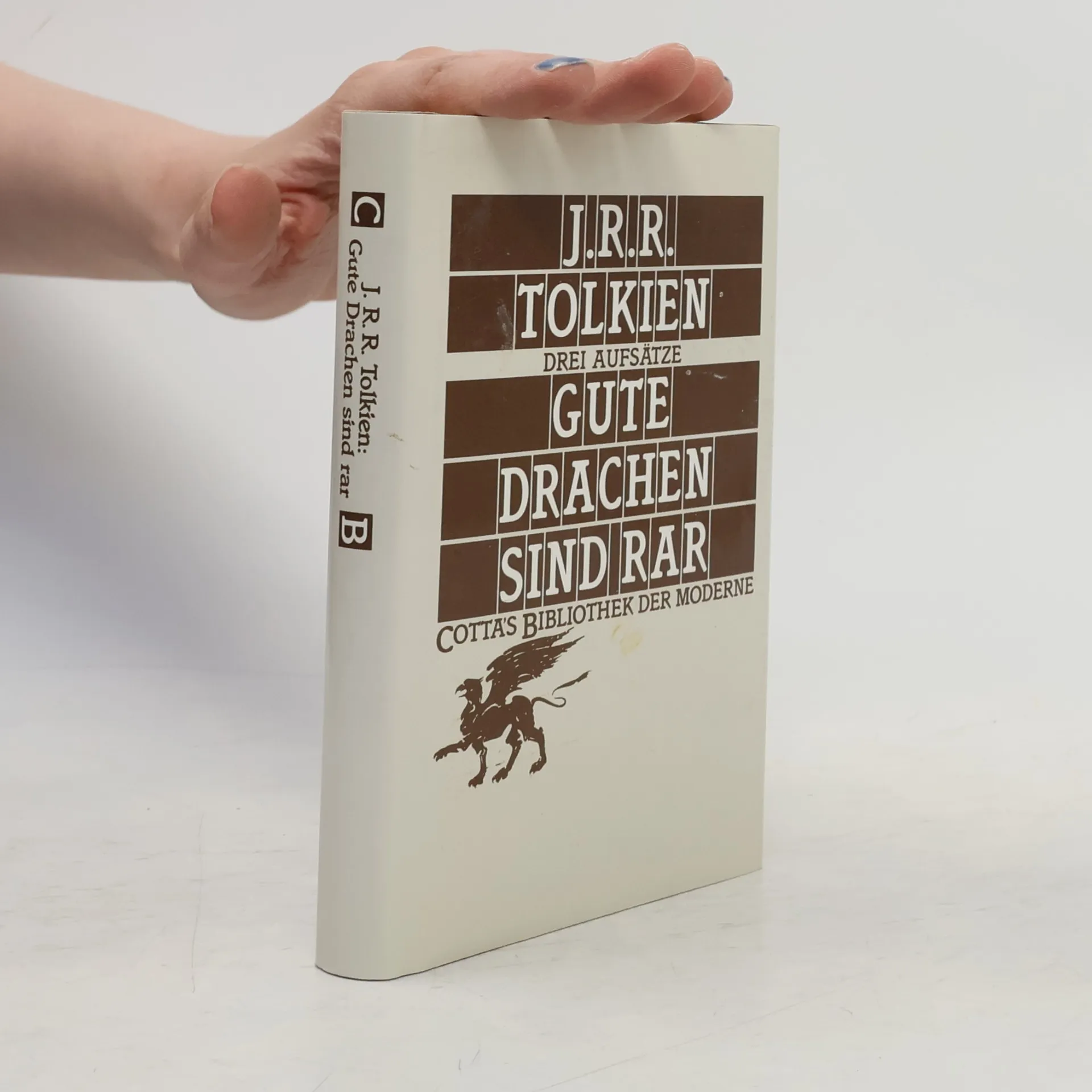
* Ein heimliches Laster* Über Märchen* Beowulf: Die Ungeheuer und ihre Kritiker
Selected letters discuss his books, their meanings, his interests and also reveal his view of the world.
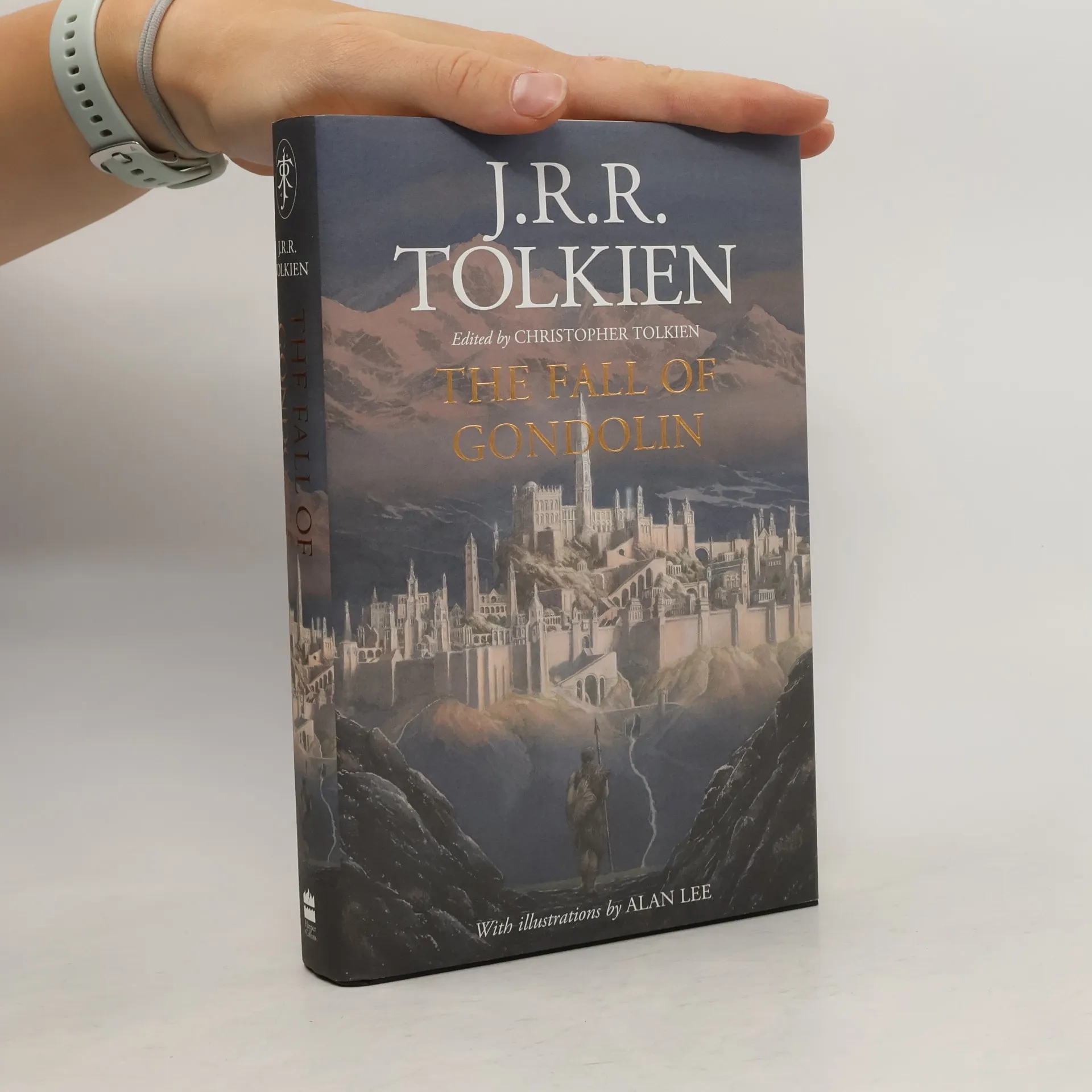
In the Tale of The Fall of Gondolin are two of the greatest powers in the world. There is Morgoth of the uttermost evil, unseen in this story but ruling over a vast military power from his fortress of Angband. Deeply opposed to Morgoth is Ulmo, second in might only to Manwë, chief of the Valar.
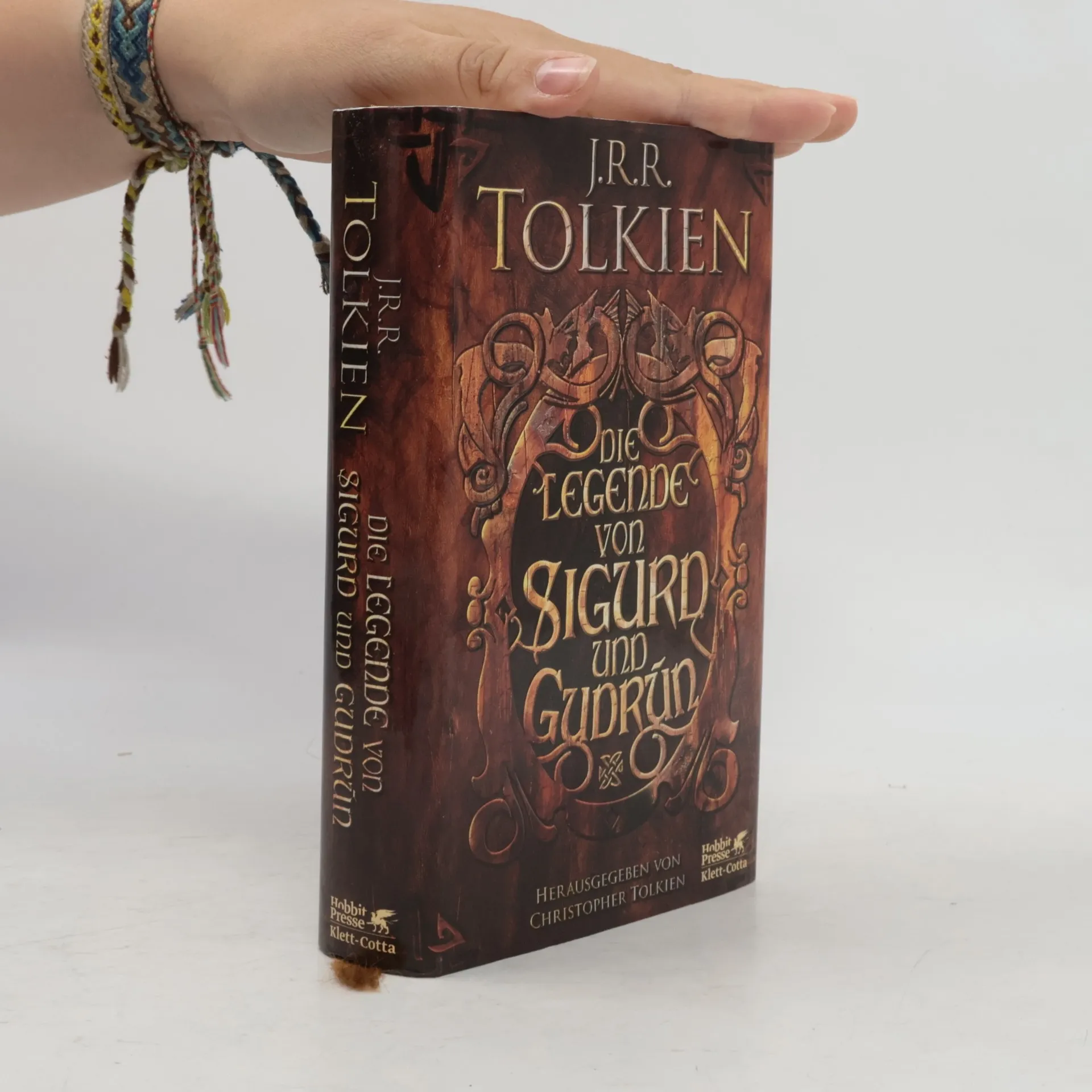
J.R.R. Tolkien dichtete selbst den ehernen Stoff der Edda und des Wölsungenlieds für unsere Zeit neu. Lesen Sie, wie Sigurd den fürchterlichen Drachen Fáfnir tötet. Wie er die schlafende Brynhild erweckt aus einem Feuerwall. Und wie am Hof der Nibelungen grosse Liebe entbrannte und auch grosser Hass.
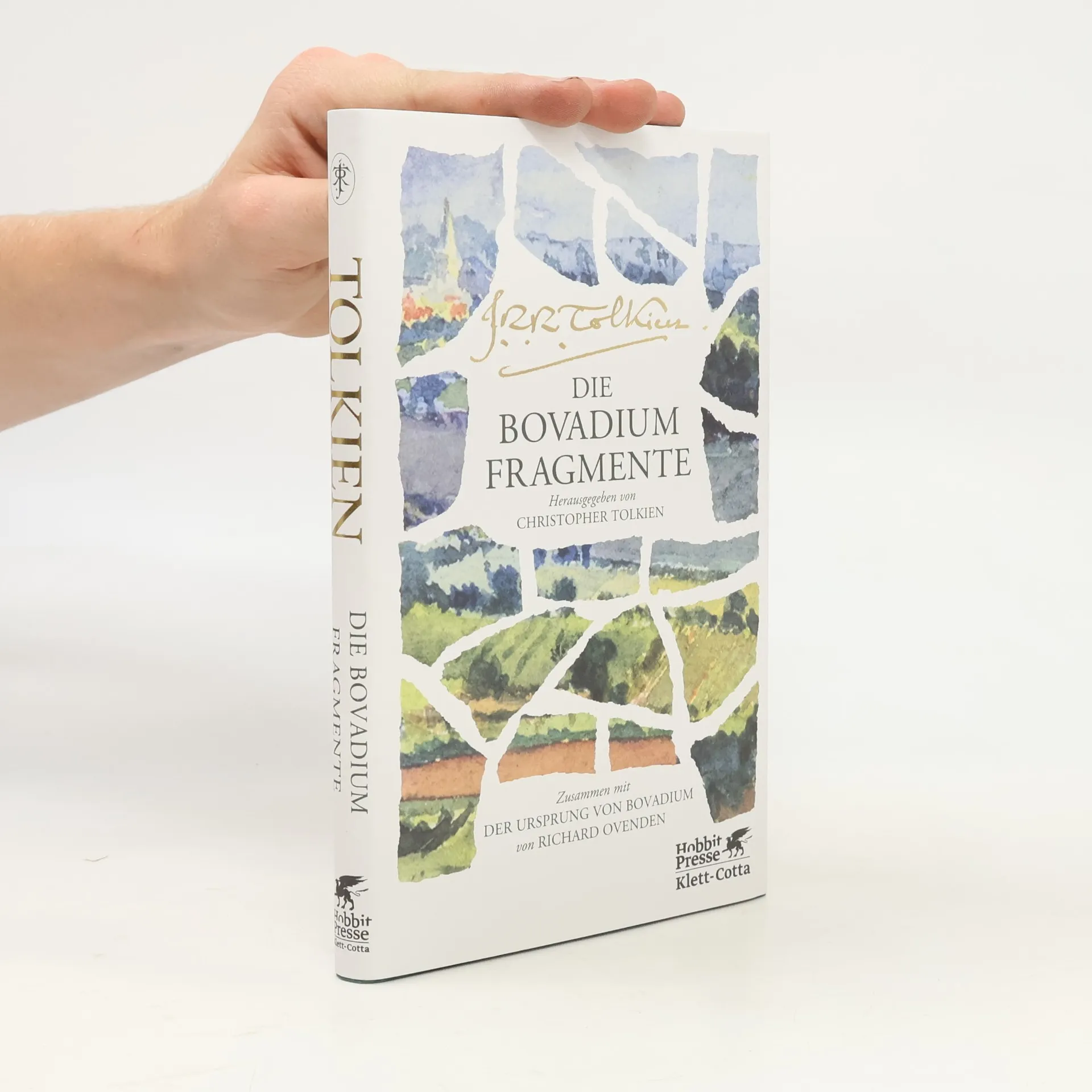
J.R.R. Tolkiens ganz persönlicher Kampf gegen die Zerstörung der Umwelt Mit Originalillustrationen von J.R.R. Tolkien Nahe der alten Stadt Bovadium erfand einst ein Daemon die Motores. Die begeisterten Menschen wurden bald zu ihren Sklaven. Mit diesem Buch beweist Tolkien, dass er erfasste, was die Menschen erst später begriffen: die Katastrophe, die mit der Automobilisierung von Städten auf uns zurollte. Anfang der 1950er Jahre tobte in Oxford eine Kontroverse, und mitten drin J.R.R. Tolkien. Die nahe gelegenen Morris-Automobilwerke hatten den Verkehr ins Unerträgliche ansteigen lassen, und neue Straßen drohten, den Charakter der Universitätsstadt zu zerstören. Als Reaktion darauf verfasste Tolkien eine satirische Fantasy-Geschichte – Die Bovadium Fragmente –, die erzählen, wie schreckliche Maschinen die Stadt erobern. Und die Motores verstopfen die Straßen mit Lärm und Gestank, bis alles Leben zum Stillstand kommt. Hier zeigt sich Tolkien von seiner ironischen, gelehrten und doch auch tragischen Seite. Die von Christopher Tolkien edierte Ausgabe aus Tolkiens Nachlass ist mit Bildern von seiner Hand, zeitgenössischen Fotos und Plänen versehen. Sie enthält einen exclusiven Essay von Richard Ovenden, dem Direktor der Bodleian Library, zur Geschichte Oxfords in der ersten Hälfte des 20. Jahrhunderts.