

A compelling exploration of rich diversity.
Michael Wheeler Livres
Michael Wheeler est un érudit et un praticien de premier plan dans le domaine de la négociation. En tant que professeur à la Harvard Business School, ses travaux explorent les complexités des processus de négociation et leur application pratique. Ses écrits font le pont entre la recherche universitaire et les stratégies du monde réel, offrant des perspectives précieuses aux professionnels de divers secteurs. L'expertise de Wheeler s'étend au-delà de la salle de classe, conseillant activement les entreprises, les organisations commerciales et les agences gouvernementales sur les questions de négociation.
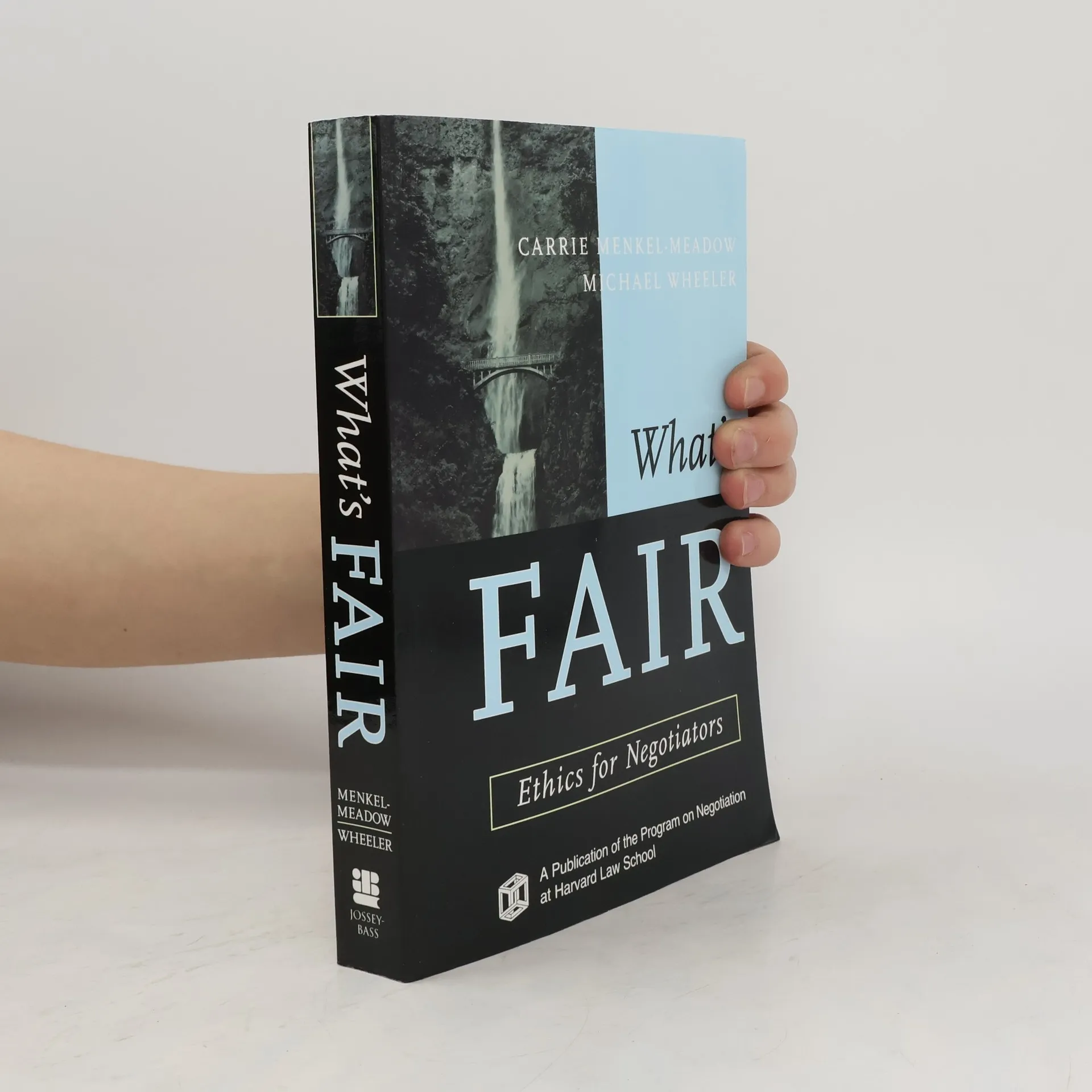

What's Fair
- 594pages
- 21 heures de lecture
What's Fair is a landmark collection that focuses exclusively on the crucial topic of ethics in negotiation. Edited by Carrie J. Menkel-Meadow and Michael Wheeler, What's Fair contains contributions from some of the best-known practitioners and scholars in the field including Roger Fisher, Howard Raiffa, and Deborah Kolb. The editors and distinguished contributors offer an examination of why ethics matter individually and socially, and explain the essential duties and values of negotiation beyond formal legal requirements. Throughout the book, these experts tackle difficult questions such as: What do we owe our counterparts (if anything) in the way of candor or disclosure? To what extent should we use financial or legal pressure to force settlement? Should we worry about whether an agreement is fair to all the parties, or the effects our negotiated agreements might have on others?
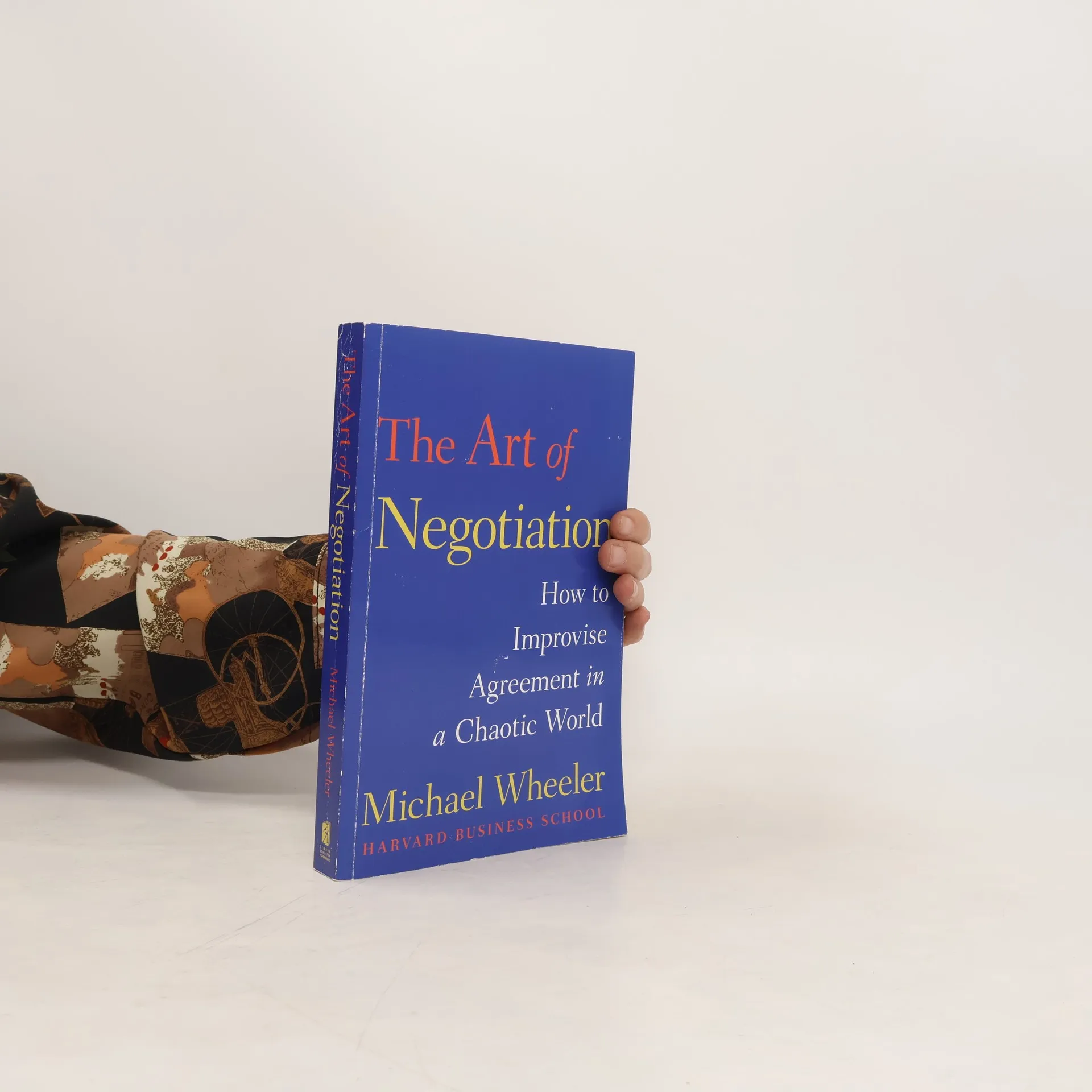
The Art of Negotiation
- 320pages
- 12 heures de lecture
Shedding new light on the improvisational nature of negotiation, explains how diplomats, deal-makers, and Hollywood producers apply their best practices to everyday transactions.
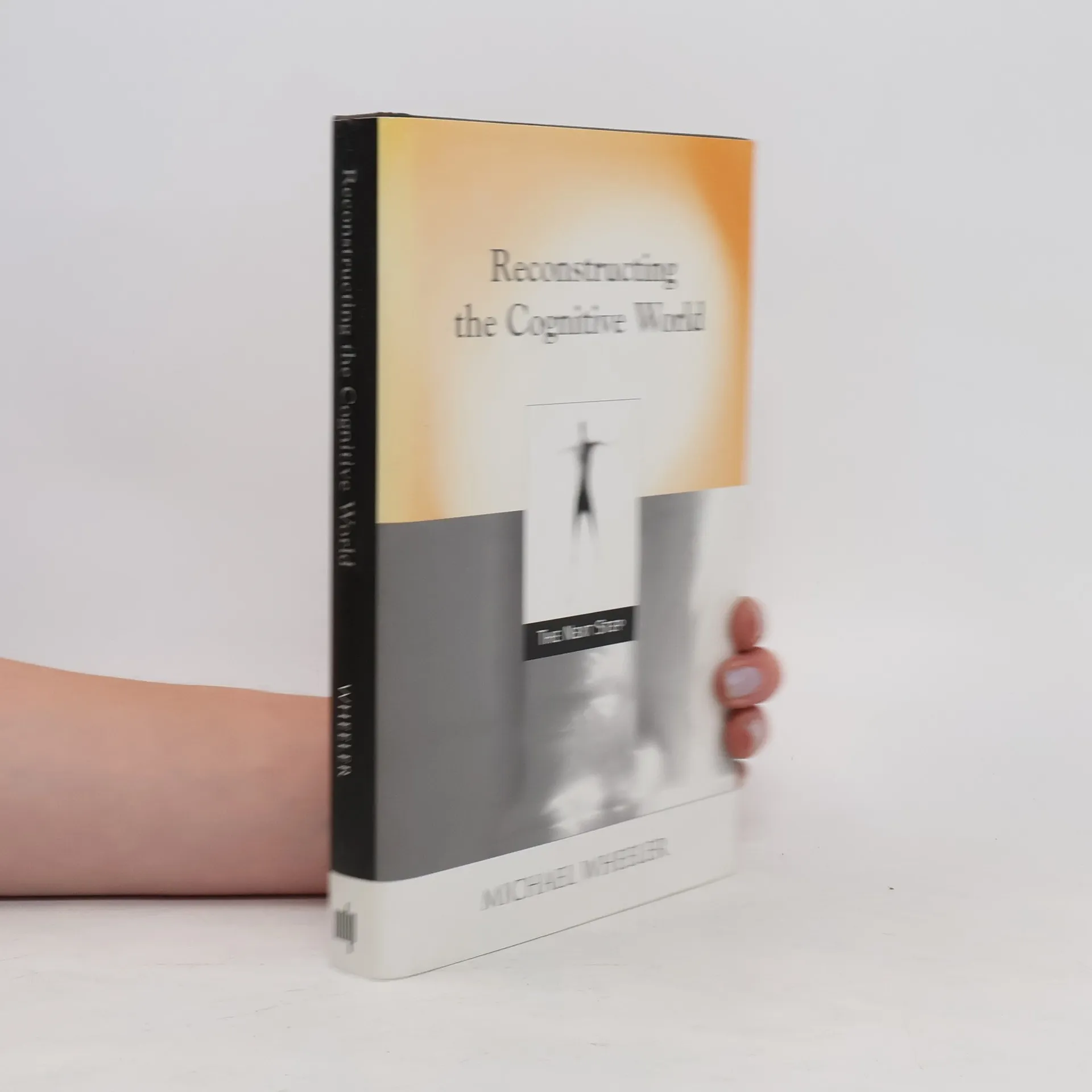
An argument for a non-Cartesian philosophical foundation for cognitive science that combines elements of Heideggerian phenomenology, a dynamical systems approach to cognition, and insights from artificial intelligence-related robotics.
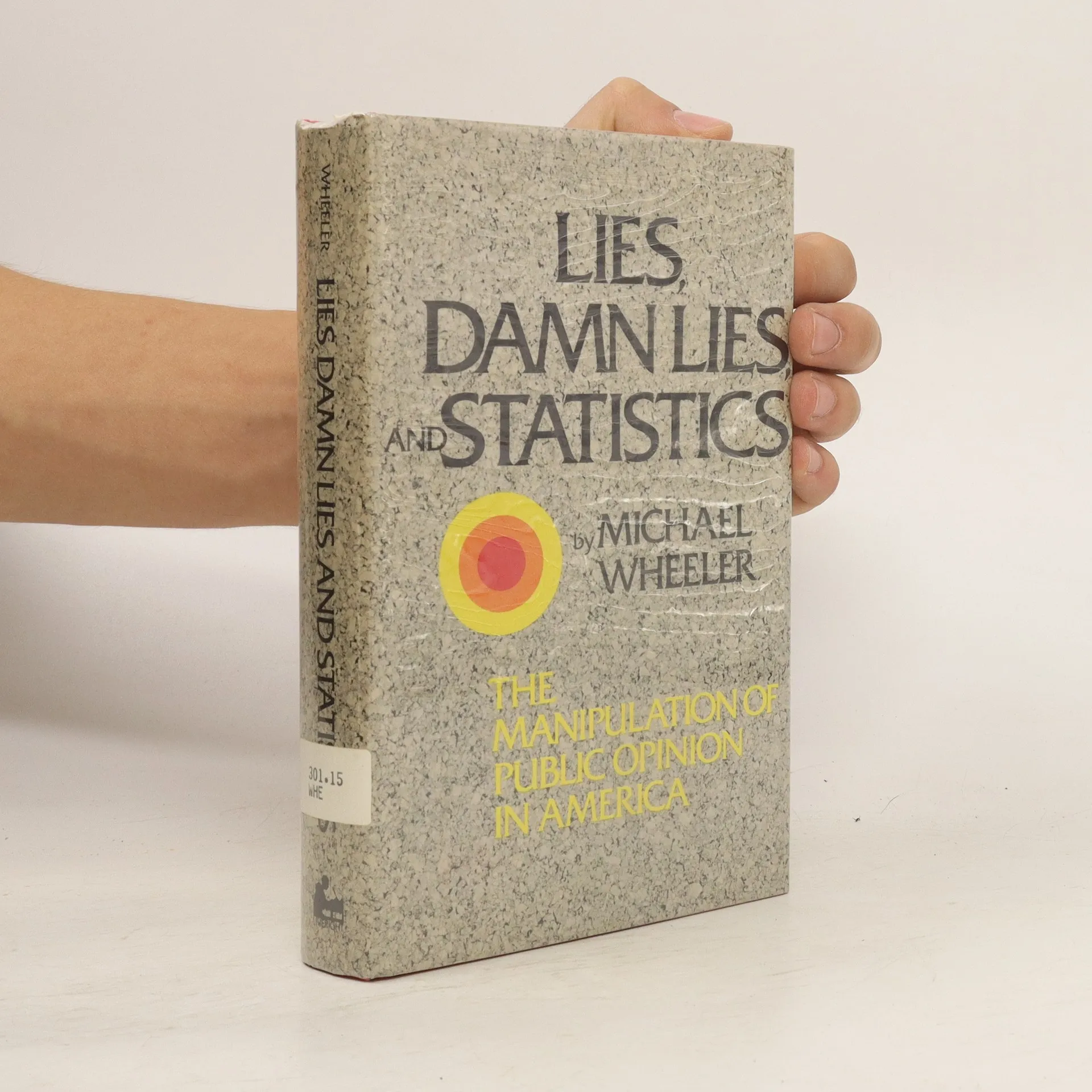
Lies, Damn Lies, and Statistics. The Manipulation of Public Opinion in America
- 300pages
- 11 heures de lecture
A book that discusses the general problems of poll taking.