


Bookbot

Joseph E. Stiglitz

    9 février 1943

    Joseph Stiglitz est un économiste éminent connu pour sa perspective critique sur la gestion de la mondialisation et de certaines institutions internationales. Son travail explore fréquemment des thèmes tels que les inégalités, les défaillances du marché et les impacts sociétaux des politiques économiques. La voix influente de Stiglitz dans le discours économique se caractérise par son insistance sur la nécessité de réglementation et de responsabilité sociale au sein de l'économie mondiale. Il est reconnu comme l'un des économistes les plus cités au monde, dont les analyses façonnent la compréhension contemporaine du développement international.

    Joseph E. Stiglitz
    Economics
    The Washington Consensus reconsidered
    Whither Socialism?
    Economics of the Public Sector
    Un autre monde
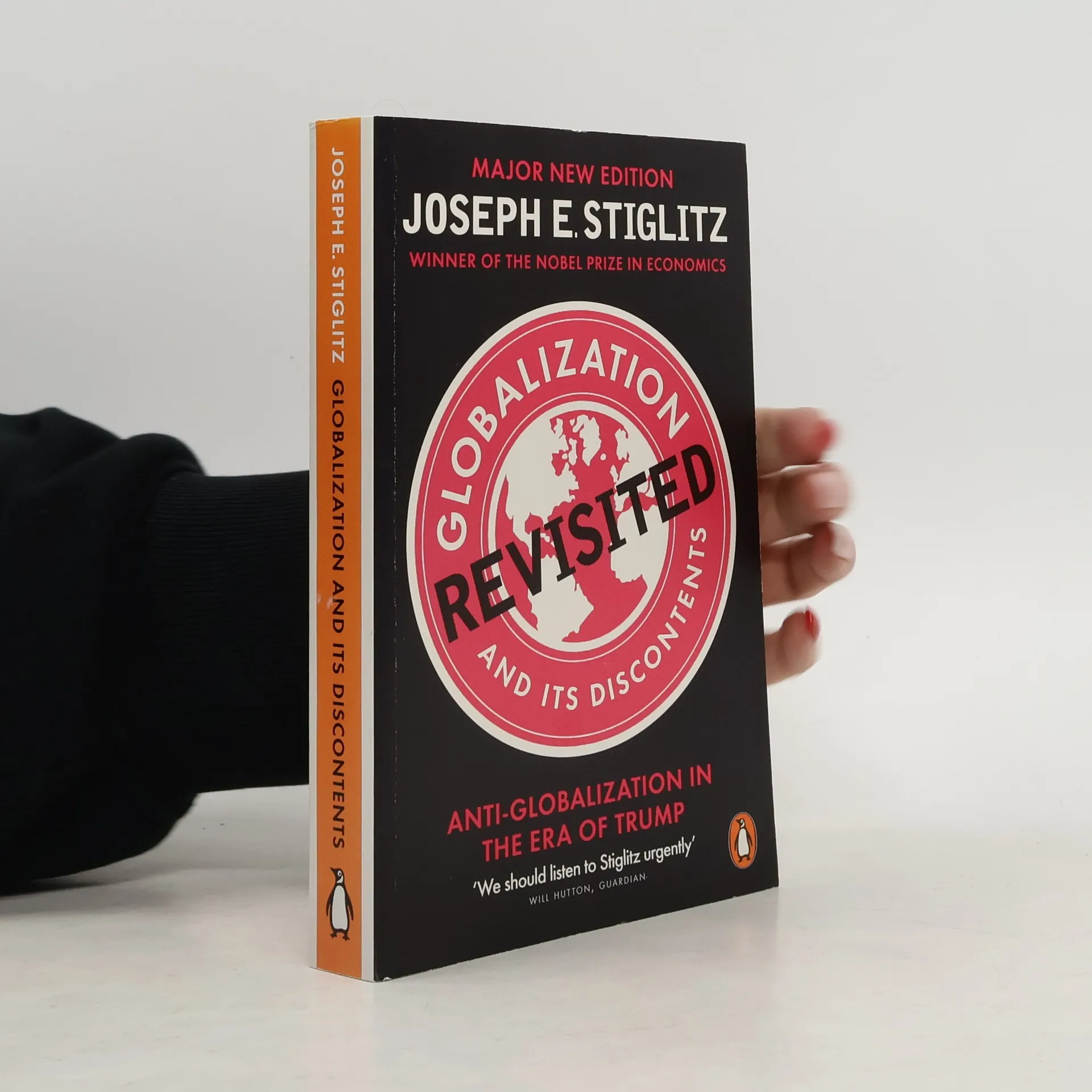
    La grande désillusion
    • La grande désillusion

      • 407pages
      • 15 heures de lecture

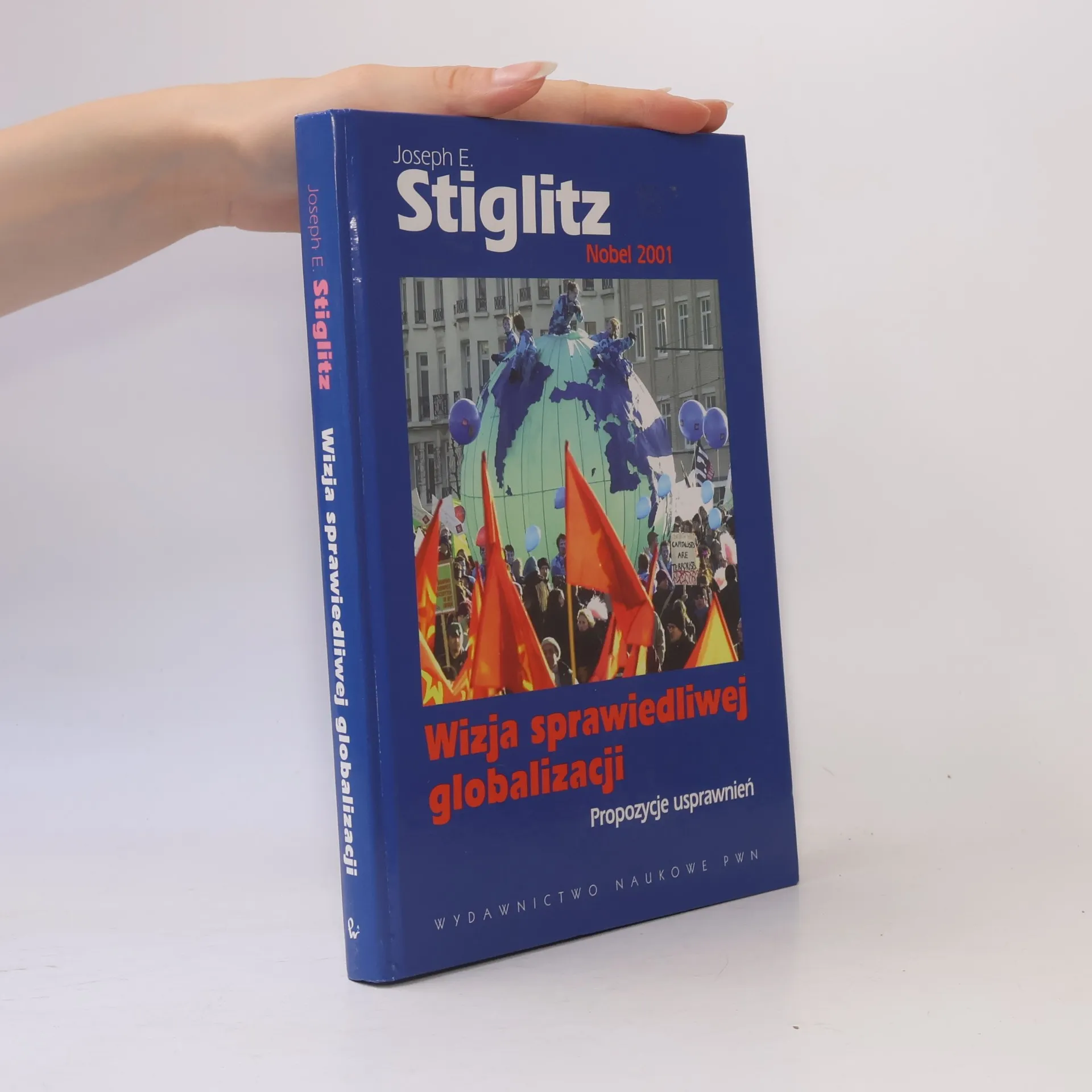
      " Aujourd'hui, la mondialisation, ça ne marche pas. Ça ne marche pas pour les pauvres du monde. Ça ne marche pas pour l'environnement. Ça ne marche pas pour la stabilité de l'économie mondiale. " L'auteur de ces lignes ? Le professeur Joseph Stiglitz, prix Nobel d'économie, ancien conseiller de Bill Clinton, qui en novembre 1999 a démissionné de son poste d'économiste en chef et de vice-président de la Banque mondiale : " Plutôt que d'être muselé, j'ai préféré partir ", expliquera-t-il. Son livre est un constat qui vaut réquisitoire : preuves à l'appui, il démontre que les règles du jeu économique mondial ne sont souvent fixées qu'en fonction des intérêts des pays industrialisés avancés - et de certains intérêts privés en leur sein -, et non de ceux du monde en développement. Politique d'austérité, libéralisation des marchés des capitaux et privatisations sont appliquées aveuglément, en dépit de leur échec avéré, à tous les pays, en particulier aux pays en transition et du Sud. A lire Joseph Stiglitz, on a le sentiment de comprendre les vrais enjeux du monde d'aujourd'hui, de saisir toute l'urgence d'une réforme en profondeur du statut et des politiques préconisées par les institutions financières internationales.
      La grande désillusion
      3,9
    • Les scandales des années 1990 ont jeté " la finance et le capitalisme de style américain " à bas du piédestal où ils se trouvaient depuis trop longtemps. Plus globalement, on a compris que la perspective de Wall Street, souvent à courte vue, était diamétralement opposée au développement, qui exige une réflexion et une planification à long terme. On se rend compte aussi qu'il n'y a pas une seule forme de capitalisme, une seule " bonne " façon de gérer l'économie. L'un des principaux choix auxquels toutes les sociétés sont confrontées concerne le rôle de l'État. Le succès économique nécessite de trouver le juste équilibre entre l'État et le marché. Dans ce livre, je vais démontrer que la mondialisation, telle qu'on l'a imposée, a empêché d'obtenir l'équilibre requis. Une mondialisation choisie, bien gérée, comme elle l'a été dans le développement réussi d'une grande partie de l'Asie orientale, peut beaucoup apporter aux pays en développement comme aux pays développés.

      Un autre monde
      3,8
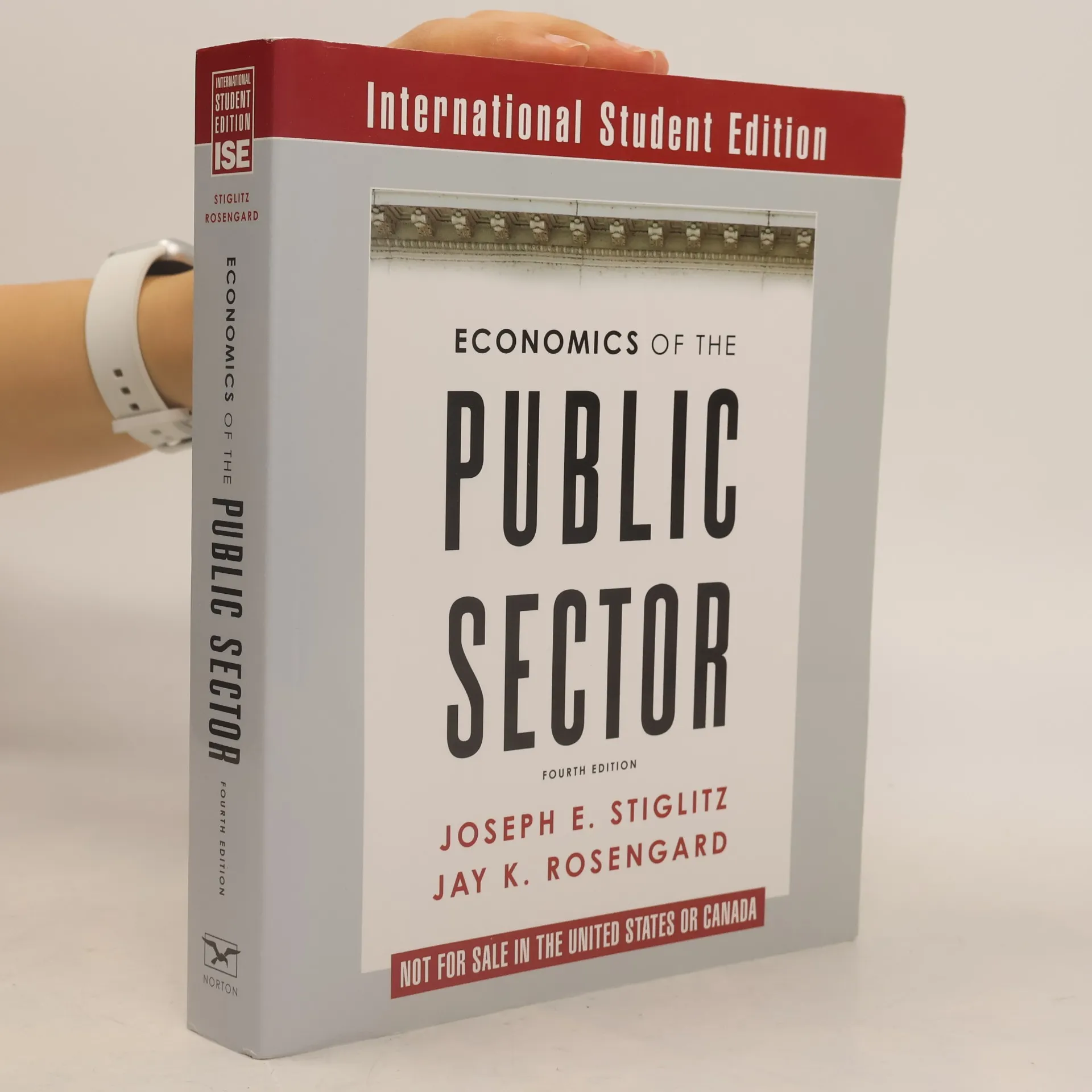
    • What should be the role of government in society? How should it design its programs? How should tax systems be designed to promote both efficiency and fairness? Nobel Laureate Joseph Stiglitz and new co-author Jay Rosengard use their first-hand policy-advising experience to address these key issues of public-sector economics in this modern and accessible Fourth Edition.

      Economics of the Public Sector
      4,0
    • Whither Socialism?

      • 354pages
      • 13 heures de lecture

      The book builds upon the Wicksell lectures delivered at the Stockholm School of Economics in April 1990, offering an in-depth exploration of economic theories and concepts. It delves into the implications of these lectures, providing insights into the development of economic thought and its relevance to contemporary issues. The content is enriched with analytical perspectives, making it a valuable resource for those interested in the evolution of economic ideas and their application in modern contexts.

      Whither Socialism?
      4,0
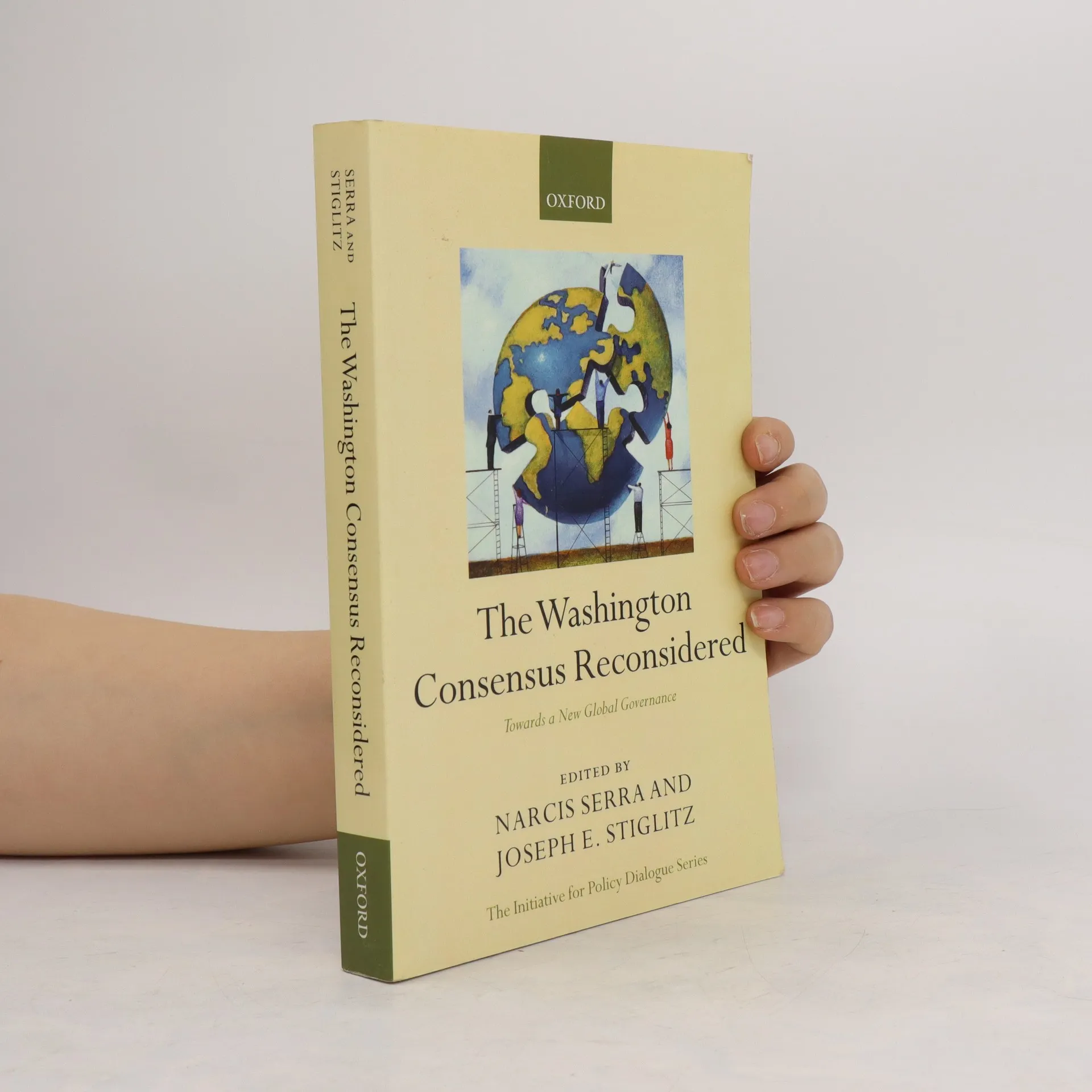
    • The Washington Consensus reconsidered

      • 382pages
      • 14 heures de lecture

      Introduction: From the Washington Consensus towards a new global governance / Narcís Serra, Shari Spiegel, Joseph E. Stiglitz -- A short history of the Washington Consensus / John Williamson -- Inequality and redistribution / Paul Krugman -- Is there a post-Washington Consensus consensus? / Joseph E. Stiglitz -- The Barcelona development agenda -- A broad view of macroeconomic stability / José Antonio Ocampo -- The wild ones : industrial policies in the developing world / Alice H. Amsden -- Sudden stop, financial factors, and economic collapse in Latin America : learning from Argentina and Chile / Guillermo A. Calvo, Ernesto Talvi -- Towards a new modus operandi of the international financial system / Daniel Cohen -- The world trading system and implications of external opening / Jeffrey A. Frankel -- The world trading system and development concerns / Martin Khor -- Reforming labor market institutions : unemployment insurance and employment protection / Olivier Blanchard -- International migration and economic development / Deepak Nayyar -- The future of global governance / Joseph E. Stiglitz -- Growth diagnostics / Ricardo Hausmann, Dani Rodrik, Andrés Velasco -- A practical approach to formulating growth strategies / Dani Rodrik.

      The Washington Consensus reconsidered
      4,0
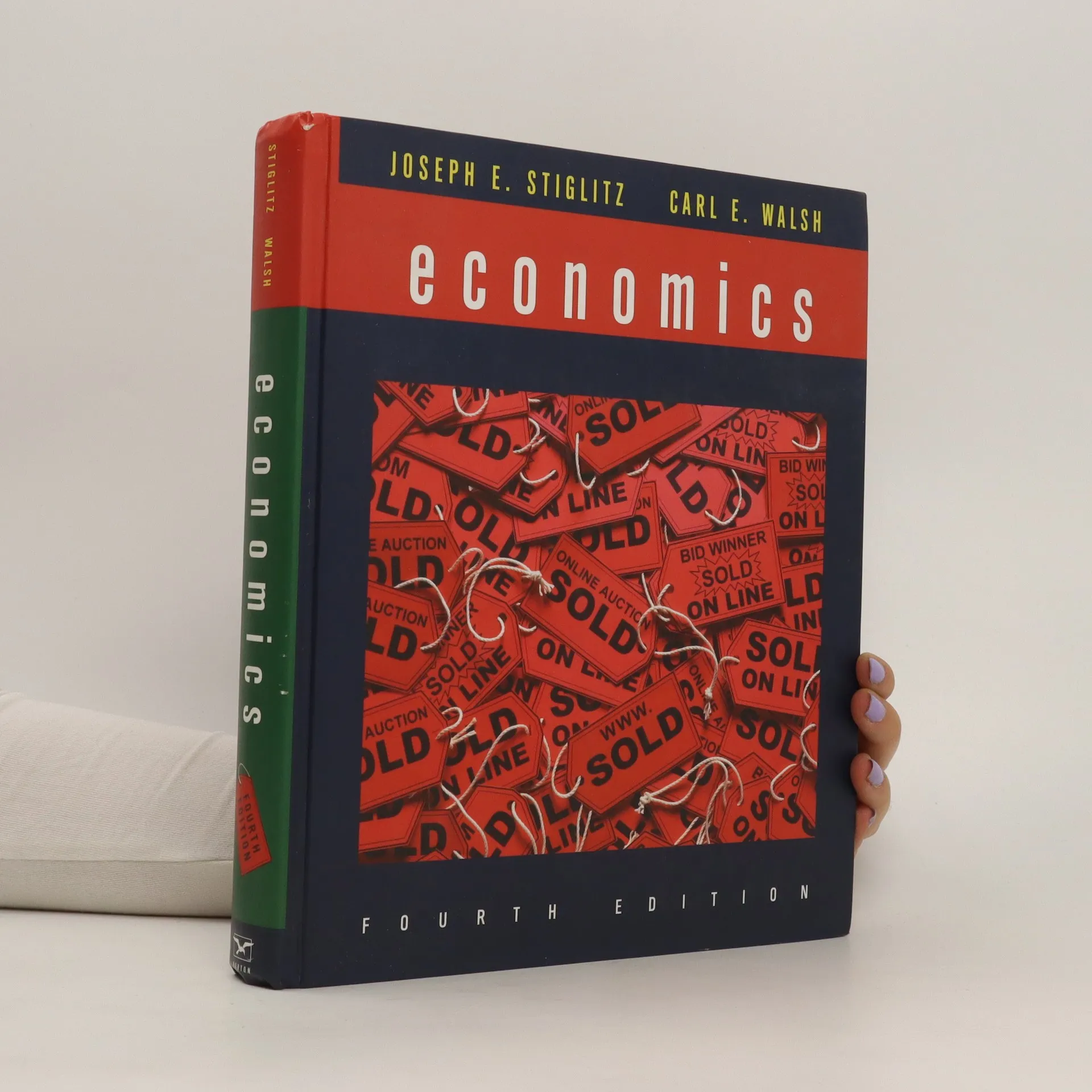
    • Integrates contemporary economics into the traditional curriculum. This book offers coverage of the economics of information and imperfect markets. It emphasises on the critical role of capital markets in the macro economy.

      Economics
      4,2
    • This book explores the insights and contributions of the Nobel Prize for Economics, highlighting key theories, influential economists, and the impact of their work on understanding economic principles and policies. It serves as a comprehensive overview of the evolution of economic thought through award-winning research.

      Towards a New Paradigm in Monetary Economics
      4,0
    • The Rebel Within

      • 300pages
      • 11 heures de lecture

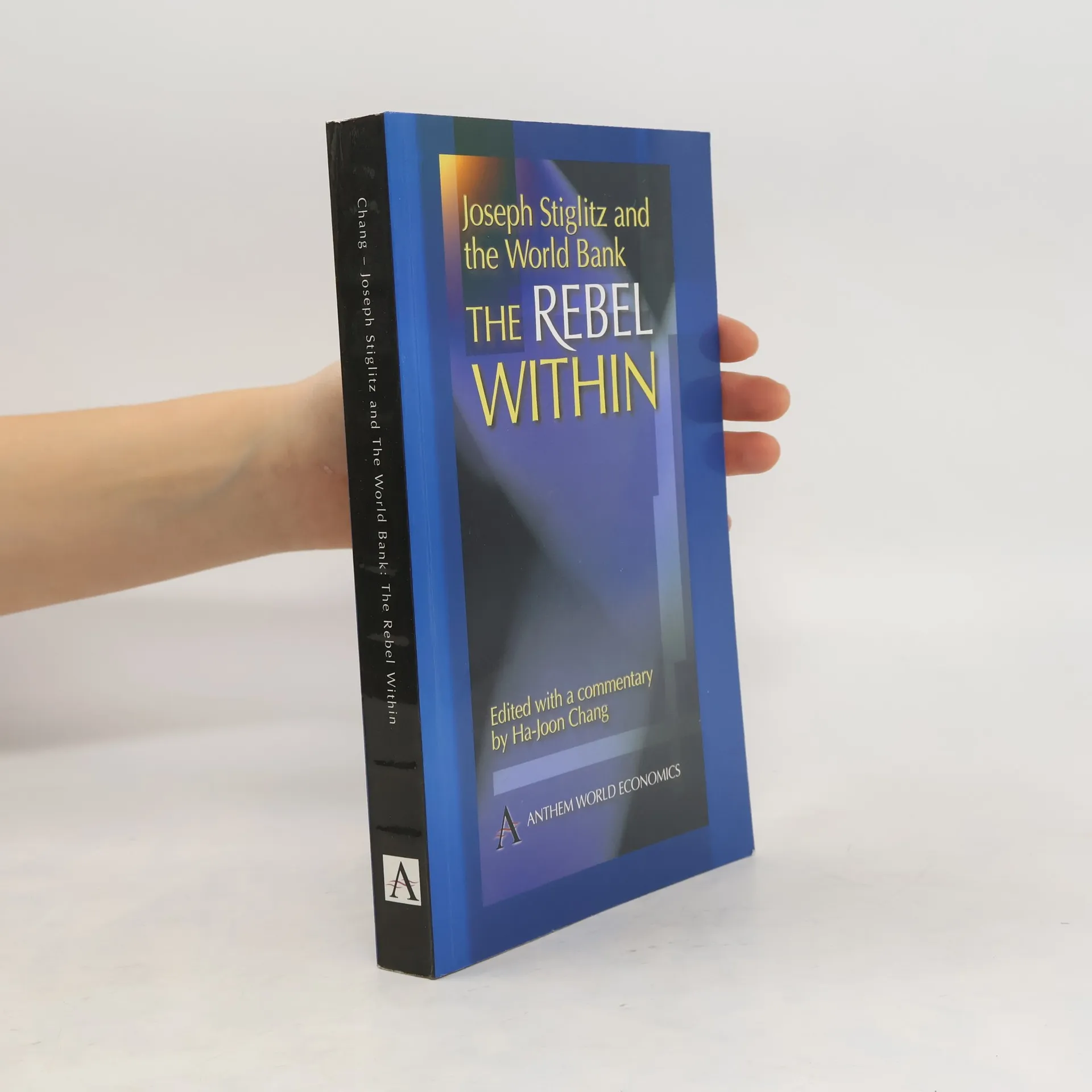
      In controversial speeches made around the world, Stiglitz has undone the conventional wisdom that dominated policy-making at the World Bank, the International Monetary Fund and the US Treasury Department. For the first time, Stiglitz's nine most revealing speeches have been gathered together, covering such topics as the failure of shock therapy and transition economics, the limits of capital market liberalization, the myopia of the Washington consensus, the role of knowledge in markets, the process of developing market institutions and the primacy of openness and worker participation. A landmark collection of material for economists everywhere.

      The Rebel Within
      3,9
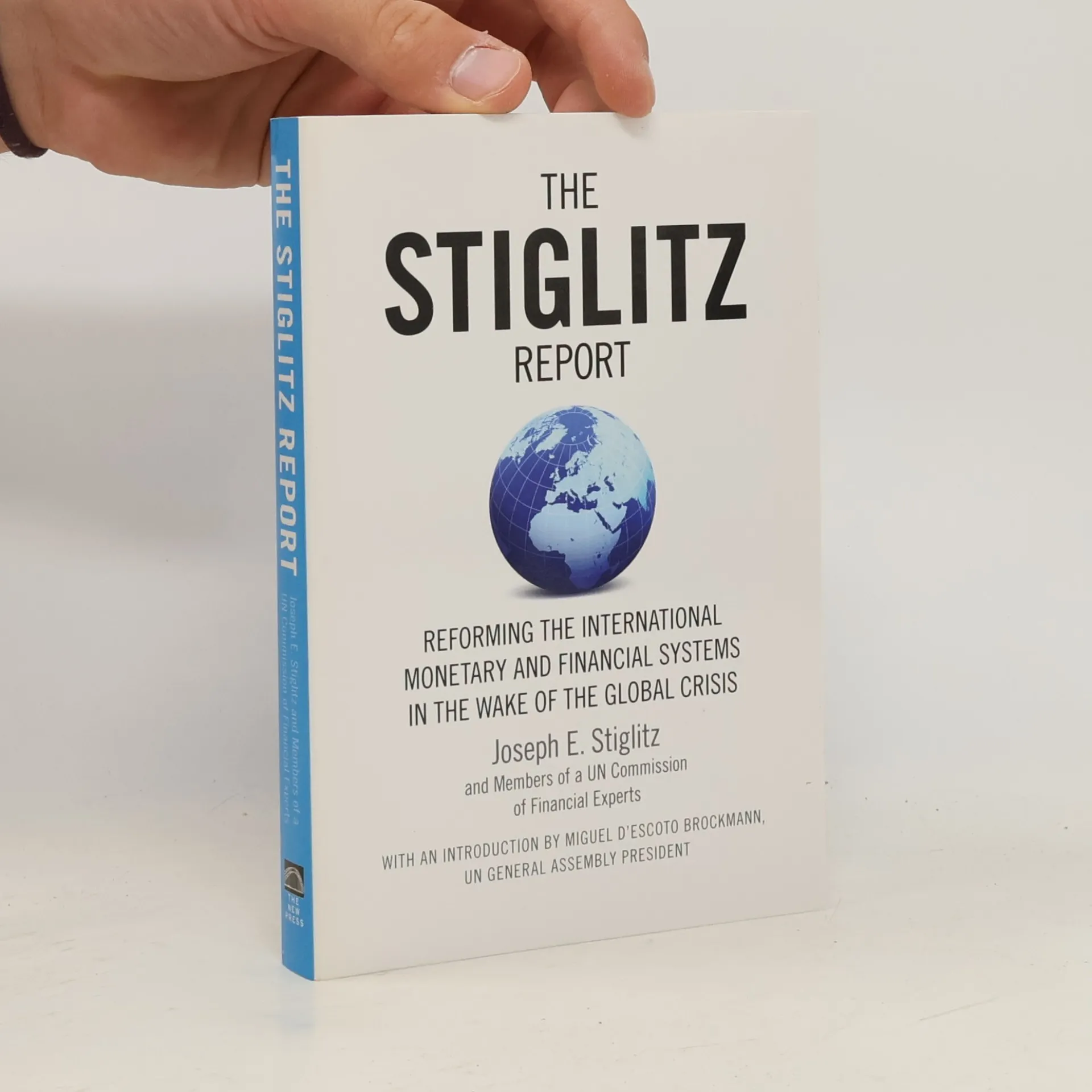
    • The Stiglitz Report

      • 204pages
      • 8 heures de lecture

      The fact that our global economy is broken may be widely accepted, but what precisely needs to be fixed has become the subject of enormous controversy. In 2008, the president of the United Nations General Assembly convened an international panel, chaired by Nobel Prize-winning economist Joseph Stiglitz and including twenty leading international experts on the international monetary system, to address this crucial issue.The Stiglitz Report , released by the committee in late 2009, sees the recent financial crisis as the latest and most damaging of several concurrent crises―of food, water, energy, and sustainability―that are tightly interrelated. The analysis and recommendations in the report cover the gamut from short-term mitigation to deep structural changes, from crisis response to reform of the global, economic, and financial architecture.The report establishes a bold agenda for policy change, that is sure to be the gold standard for understanding and contending with the international economy for many years to come. The Stiglitz Report is essential reading for anyone concerned about a secure and prosperous world.

      The Stiglitz Report
      4,0
    • The Road to Freedom

      • 384pages
      • 14 heures de lecture

      From a leading economist comes a compelling vision of personal and economic freedom. The nation was founded on the belief in individual liberty, yet since the mid-20th century, this idea has been distorted. Political forces on the Right have masked exploitation with rhetoric about freedom, resulting in pharmaceutical companies overcharging, unregulated Big Tech, and corporations polluting without consequence. This raises critical questions about whose freedom is prioritized and should be prioritized. In this work, Nobel laureate Joseph E. Stiglitz examines America's economic system and the political ideologies that shaped it, revealing their failures. Unfettered markets have led to crises like the financial collapse, the opioid epidemic, and growing inequality, benefiting a small elite while wages stagnate for the majority. Such exploitation has fueled populist movements that equate freedom with the abandonment of civic responsibility, posing a threat to genuine economic and political liberty. Drawing on his extensive experience as an advisor and chief economist, Stiglitz critiques the neoliberal agenda and challenges the ideas of influential economists. He advocates for a reevaluation of freedom that accounts for conflicts between individuals and emphasizes collective action through regulation and investment. The urgency of this task is paramount, making this work essential for anyone dedicated to fostering an economic and

      The Road to Freedom
      3,9