Multi-disciplines (histoire, sciences politiques, économie, sociologie, anthropologie), cette approche globale sur longue période, héritée de Braudel, est désormais incontournable pour penser la mondialisation. Pour la majorité des médias et des experts, la mondialisation et le terrorisme sont les traits majeurs, largement inédits, du monde actuel. En fait, seule la mise en perspective historique sur la longue période permet de comprendre les origines de ces deux phénomènes. C'est ce que montre l'analyse en termes de " systèmes-monde " qu'Immanuel Wallerstein développe depuis plus de trente ans et qui, bien plus que celui d'État-nation, permet de saisir les lignes de force qui façonnent l'évolution des sociétés. Brossant les étapes de construction du système-monde depuis le XVIe siècle, l'auteur explique comment celui-ci est d'abord une construction sociale, mobilisant des acteurs agissant à différents niveaux : nations, entreprises, familles, classes, groupes identitaires... Une introduction lumineuse pour discuter des outils de compréhension du monde contemporain et sortir de la vulgate médiatico-libérale dominante.
Immanuel Maurice Wallerstein Livres
N/A


Phases of the Moon
- 256pages
- 9 heures de lecture
While in-depth cultural histories have been devoted to such classic horror monsters as the vampire, the zombie and Frankenstein's tragic creature, the cinematic werewolf has long been considered little more than the 'beast within': a psychoanalytic analogue for the bestial side of man. This book, the first scholarly study of the werewolf in cinema, redresses the balance by exploring over one hundred years of werewolf films - from The Werewolf (1913) to WolfCop (2014) via The Wolf Man (1941) and An American Werewolf in London (1981) - to reveal the cultural significance of she-wolves and wolf-men as evolving metaphors for the cultural fears and anxieties of their times. In doing so, it illustrates how we can begin to understand one of our oldest mythical monsters as a rich and diverse cultural metaphor.
Overcoming Global Inequalities
- 238pages
- 9 heures de lecture
Focusing on the dynamics of global inequalities, this book features contributions from historical sociologists and geographers who analyze contemporary disparities in power, wealth, and income through a historical lens. The geographers explore the impact of geopolitics and warfare on the modern world-system, while sociologists address efforts to uplift impoverished communities and tackle sustainability challenges. This research aims to provide insights and strategies for addressing global inequality in the 21st century.
Trust-Based Observations
- 188pages
- 7 heures de lecture
Trust Based Observations teaches observers to build trusting relationships with teachers as they engage in frequent observations and reflective conversations with them. Using the manageable observation form and data driven goal setting, the result is teachers embrace risk-taking and take growth steps necessary for significant teaching improvement.
The Modern World-System I
- 440pages
- 16 heures de lecture
A panoramic reinterpretation of global history, this title traces the emergence and development of the modern world from the sixteenth to the twentieth century.
The Modern World-System IV
- 396pages
- 14 heures de lecture
Traces the emergence and development of the modern world from the sixteenth to the twentieth century. This title encompasses the nineteenth century from the revolutionary era of 1789 to the First World War.
The World-System and Africa
- 230pages
- 9 heures de lecture
Exploring the interconnectedness of Africa and the capitalist world-system over the past 500 years, the book delves into the structural crisis affecting both. Wallerstein examines the implications of identity politics, which has gained prominence globally, and its relevance to African political struggles. Additionally, he highlights the insights of African thinkers regarding contemporary issues within this context. Emphasizing the need for informed debate, Wallerstein advocates for Africa's significant role in addressing the modern world-system's challenges.
A panoramic reinterpretation of global history, this title traces the emergence and development of the modern world from the sixteenth to the twentieth century.
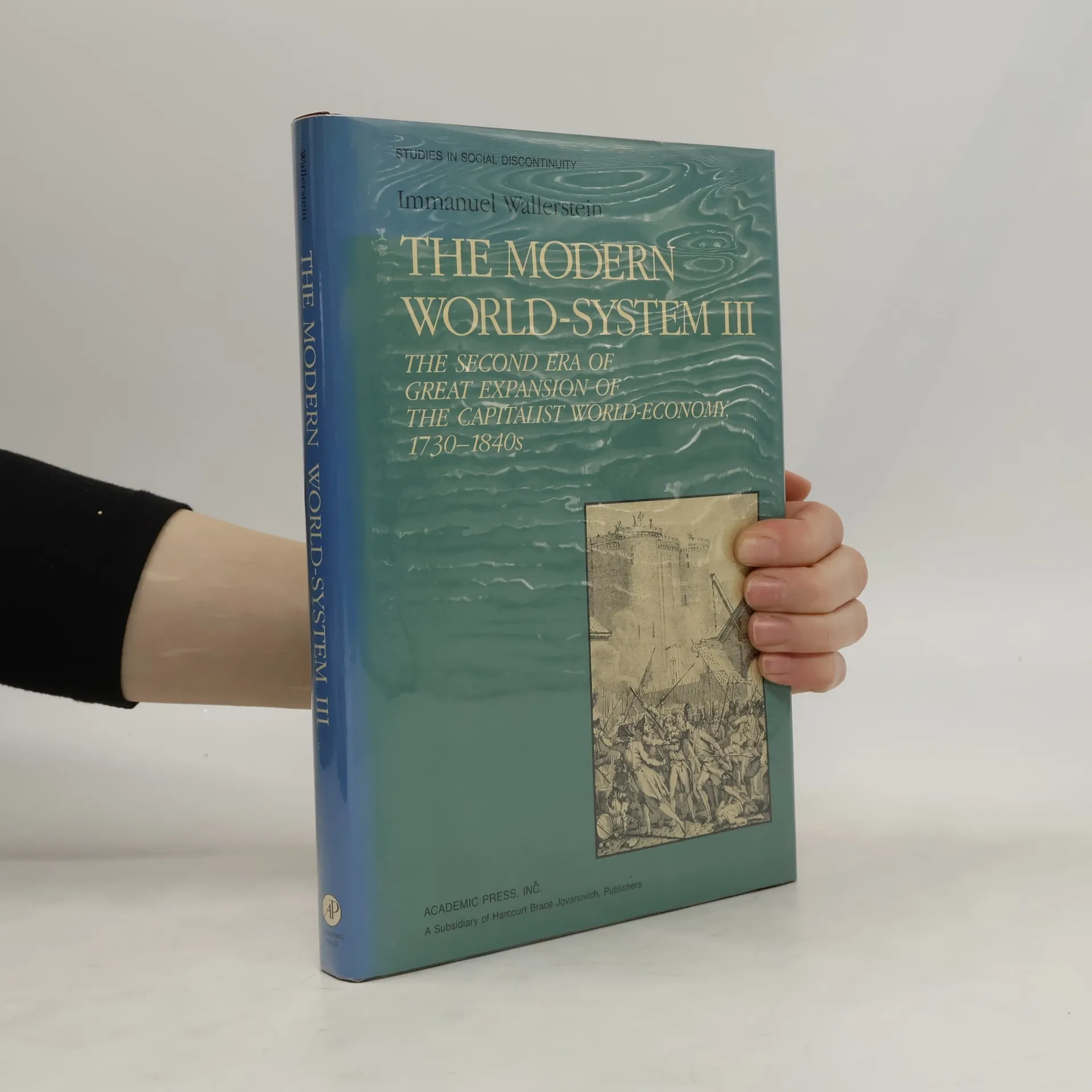
The modern world-system 3
The second era of great expansion of the capitalist world-economy, 1730-1840s
Immanuel Wallerstein's highly influential, multi-volume opus, The Modern World-System, is one of this century's greatest works of social science. An innovative, panoramic reinterpretation of global history, it traces the emergence and development of the modern world from the sixteenth to the twentieth century.
Drawing on extensive historical research, the author examines the implications of recent shifts in US foreign and economic policies. By analyzing long-term changes, he provides insights into how these developments may influence both national and global dynamics, offering a thought-provoking perspective on the current state of affairs.
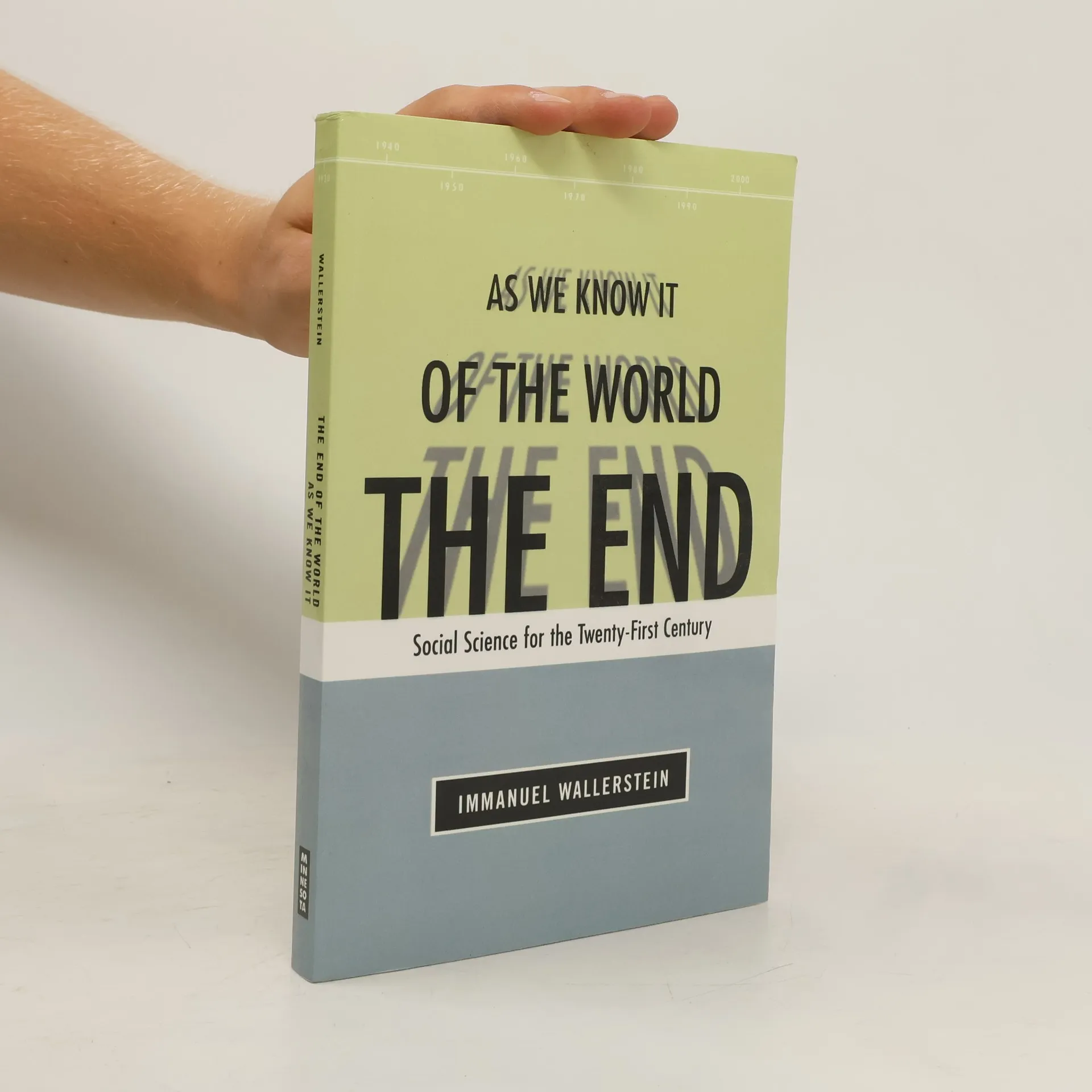
End of the World as We Know It
- 277pages
- 10 heures de lecture
This book is nothing short of a state-of-the-world address, delivered by a scholar uniquely suited to the task. Immanuel Wallerstein, one of the most prominent social scientists of our time, documents the profound transformations our world is undergoing. With these transformations, he argues, come equally profound changes in how we understand the world. Wallerstein begins his work with an appraisal of significant recent events -- the collapse of the Leninist states, the exhaustion of national liberation movements, the rise of East Asia, challenges to national sovereignty, dangers to the environment, debates about national identity, and the marginalization of migrant populations. Wallerstein places these events and trends in the context of the changing modern world-system as a whole and identifies the historic choices they put before us. The End of the World As We Know It concludes with a crucial analysis of the momentous intellectual challenges to social science as we know it today and suggests possible responses to them.
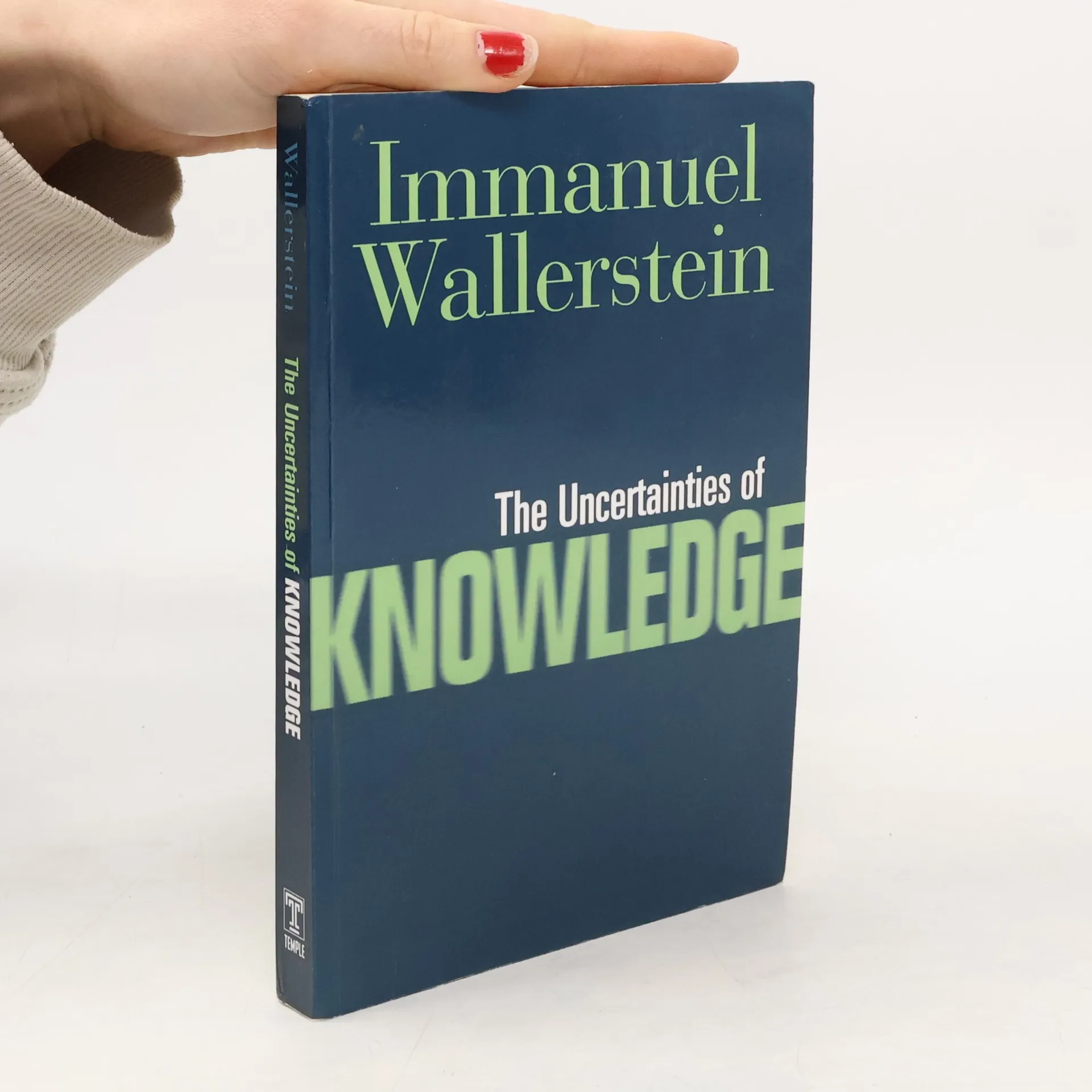
Politics, History, and Social Change: Uncertainties of Knowledge
- 224pages
- 8 heures de lecture
Argues that the disciplinary divisions of academia have trapped us in a paradigm that assumes knowledge is a certainty and that it can help us explain the social world. This work offers a fresh conception of the social sciences, one whose methodology allows for uncertainties.
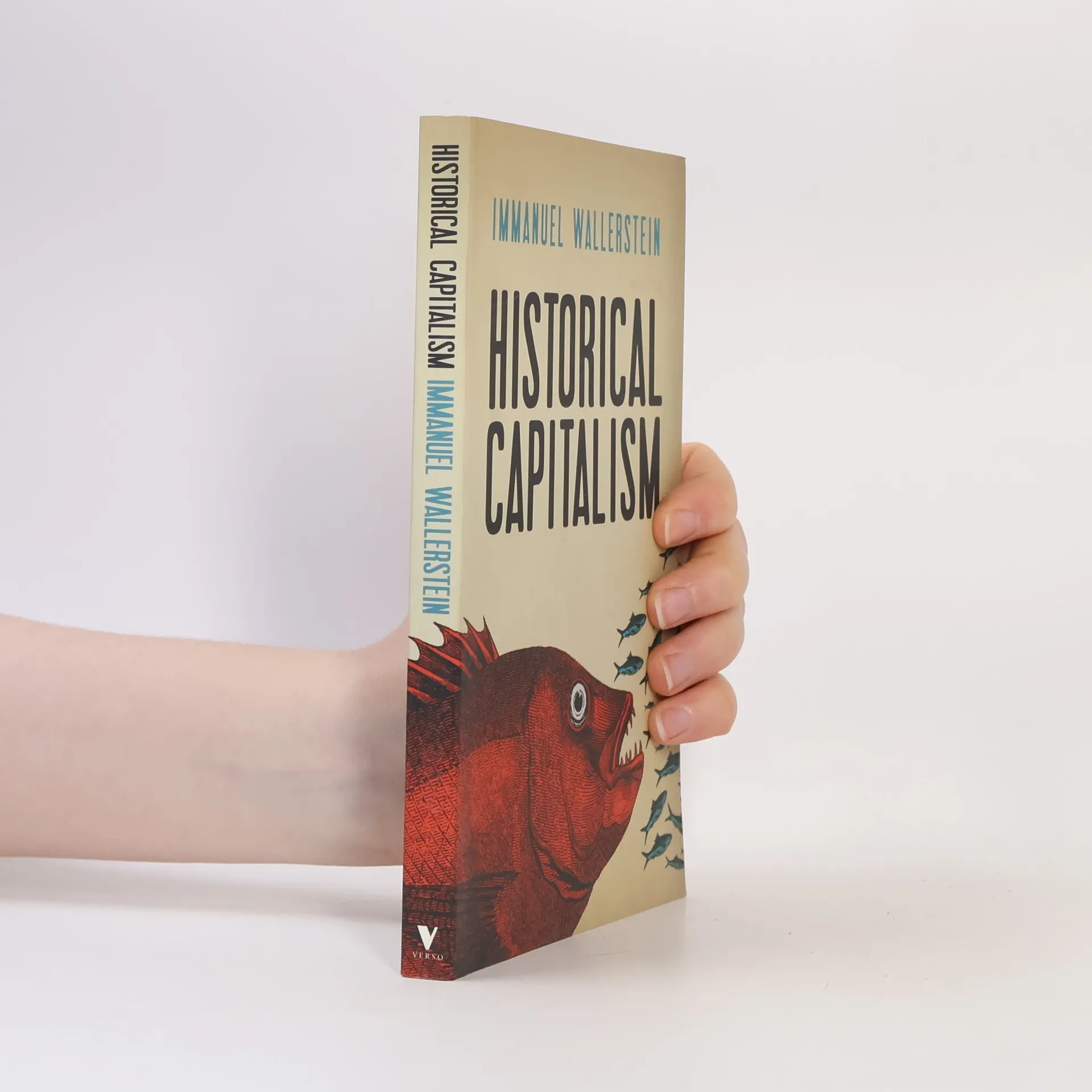
Historical Capitalism with Capitalist Civilization
- 176pages
- 7 heures de lecture
In this short, highly readable book, the master of world-systems theory provides a succinct anatomy of capitalism over the past five hundred years. Considering the way capitalism has changed and evolved over the centuries, and what has remained constant, he outlines its chief characteristics. In particular, he looks at the emergence and development of a world market, and of labor; in doing so, he argues that capitalism has brought about immiseration in the Global South. As long as they remain within a framework of world capitalism, Wallerstein concludes, the economic and social problems of developing countries will remain unresolved. Historical Capitalism , published here with its companion essay Capitalist Civilization , is a concise, compelling beginners’ guide to one of the most challenging and influential assessments of capitalism as a world-historic mode of production.
Craig Calhoun, Dilip Gaonkar, and Charles Taylor argue that democracies have embraced individual freedom at the expense of equality and solidarity, economic growth at the expense of democracy. Rebuilding local communities and large-scale institutions is now crucial, with attention to the public good beyond private advantage or ingroup loyalty.
In After Liberalism , the distinguished historian and political scientist Immanuel Wallerstein examines the process of disintegration of our modern world-system and speculates on the changes that may occur during the next few decades. He explores the historical choices before us and suggests paths for reconstructing our world-system on a more rational and socially equitable basis.
Argues that a more nuanced evaluation of recent history reveals that America has been fading as a global power since the end of the Vietnam War, and, in the long term, its response to the terrorist attacks of September 11 may well hasten that decline. [back cover].
Chaotic Uncertainty
- 288pages
- 11 heures de lecture
Immanuel Wallerstein is one of the most important and yet controversial thinkers and activists of our time, writing on a wide range of topics from global economics and international politics. To Wallerstein, capitalist world-system, which was created over the last five hundred years, and whose main ideology was liberalism, has been going through a deep structural crisis since the 1970s. He maintains that this system will be replaced by other and perhaps better systems in the mid or long run. In his works in last few decades, Wallerstein has devoted almost all of his energy and time analyzing and explaining how the capitalist system could be replaced by a better system. In that regards, he considers Islamism as one of the most important dissenting movements in the World-System, but necessarily as a powerful force to replace it. This volume contains his articles and commentaries on Islam, the Middle East and the World-System, all of which were published since the Arab Spring.
The Cold War & the University
Toward an Intellectual History of the Postwar Years
- 304pages
- 11 heures de lecture
Leading intellectuals discuss the effects of the Cold War on academic freedom, intellectual life, and dissent in the academy.
Exploring anti-systemic movements and the challenges faced by the left amid the modern world-system's structural crisis, this collection features essays from prominent thinkers like Etienne Balibar and John K. Galbraith. The contributors engage with Wallerstein's core concepts, offering insights into political action tactics and the dilemmas confronting contemporary leftist movements. The dialogue among these scholars provides a critical examination of current socio-political dynamics and potential pathways for change.
Creating & Transforming Househ
- 320pages
- 12 heures de lecture
Exploring the intricate relationship between household micro-structures and the broader capitalist world-economy, this book offers a systematic and original perspective. It delves into how domestic dynamics influence and are influenced by economic systems, highlighting the interconnectedness of personal and global economic structures. Through this lens, the author provides insights into the complexities of social and economic interactions, making it a valuable resource for understanding contemporary economic issues.
Unthinking Social Science: Limits of 19th Century Paradigms
- 296pages
- 11 heures de lecture
Wallerstein critiques the legacy of nineteenth-century social science, arguing that foundational ideas like "development" hinder contemporary understanding of social dynamics. He advocates for a radical rethinking of these concepts, emphasizing the importance of geography and chronology in social transformations. The book applies these insights across various theoretical frameworks and historical contexts, engaging with influential figures such as Marx and Braudel. In its conclusion, it revises world-systems analysis, offering a fresh perspective on social scientific thought for the new millennium.
Midair
- 248pages
- 9 heures de lecture
Midair is a true account of one of the most remarkable tales of survival in the history of aviation - a midair collision at 30,000 feet by two bomb-laden B-52s over a category 5 super typhoon above the South China Sea during the outset of the Vietnam War - and the subsequent story of what happened to the surviving pilot when he bailed out in the middle of the typhoon.
From his solitary jail cell, Abdullah Ocalan has penned daring works that give profuse evidence of his position as one of the most significant thinkers of our day. His prison writings have mobilised tens of thousands of people and inspired a revolution in the making in northern Syria, while also penetrating the walls of academia triggering debate and reflection among countless scholars. So how do you engage in a meaningful dialogue with Abdullah Ocalan when he has been held in total isolation since April 2015? You compile a book of essays written by a diverse cast of luminaries, send it to Ocalan's jailers and hope that they deliver it to him.
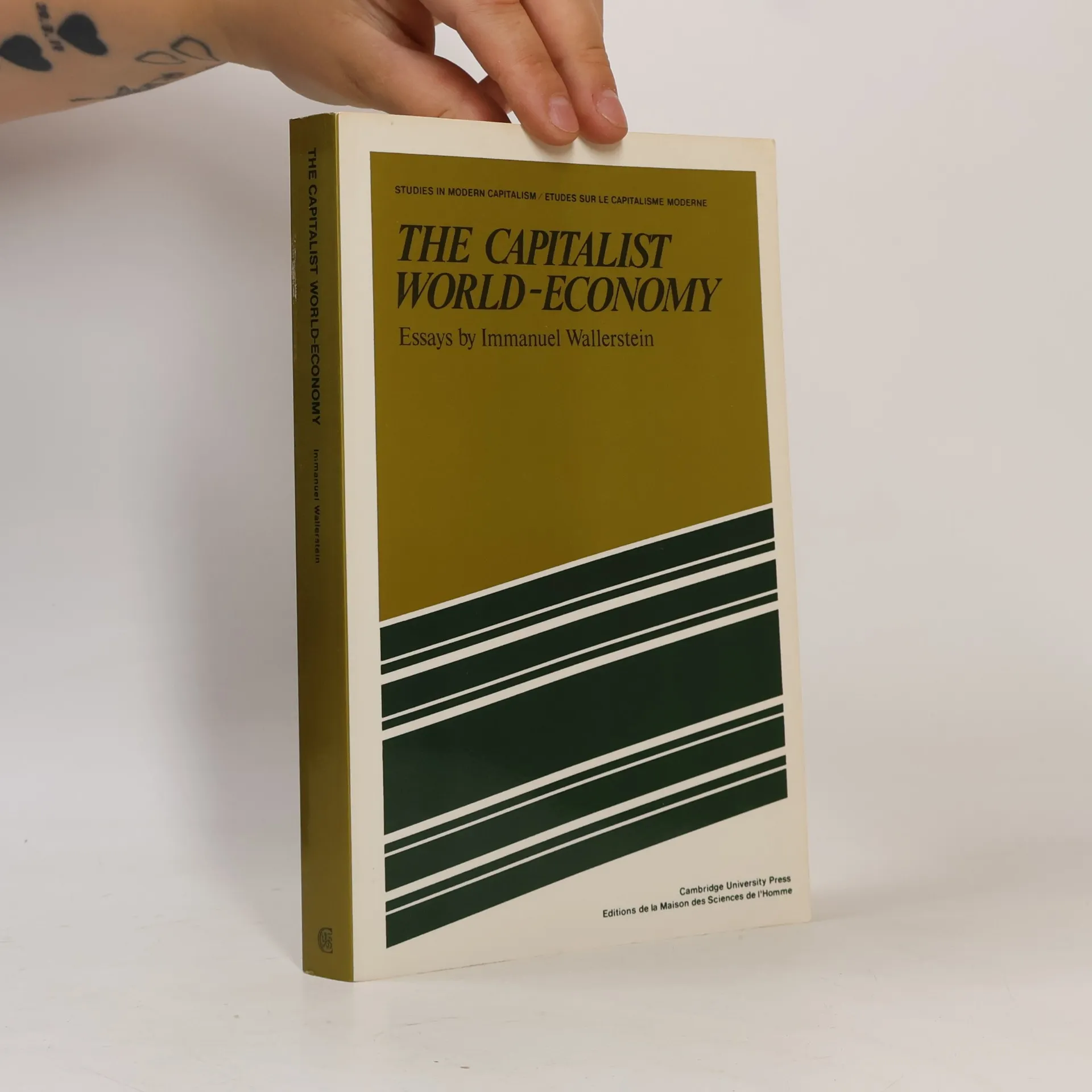
Studies in Modern Capitalism: The Capitalist World-Economy
- 320pages
- 12 heures de lecture
The author explores the dual conflicts inherent in capitalism: the struggle between bourgeois and proletarian classes, and the dynamics between core and periphery nations. By analyzing these tensions, the book delves into the cyclical patterns and long-term changes within capitalism, presenting it as a unified world-system that shapes global interactions and economic relationships.
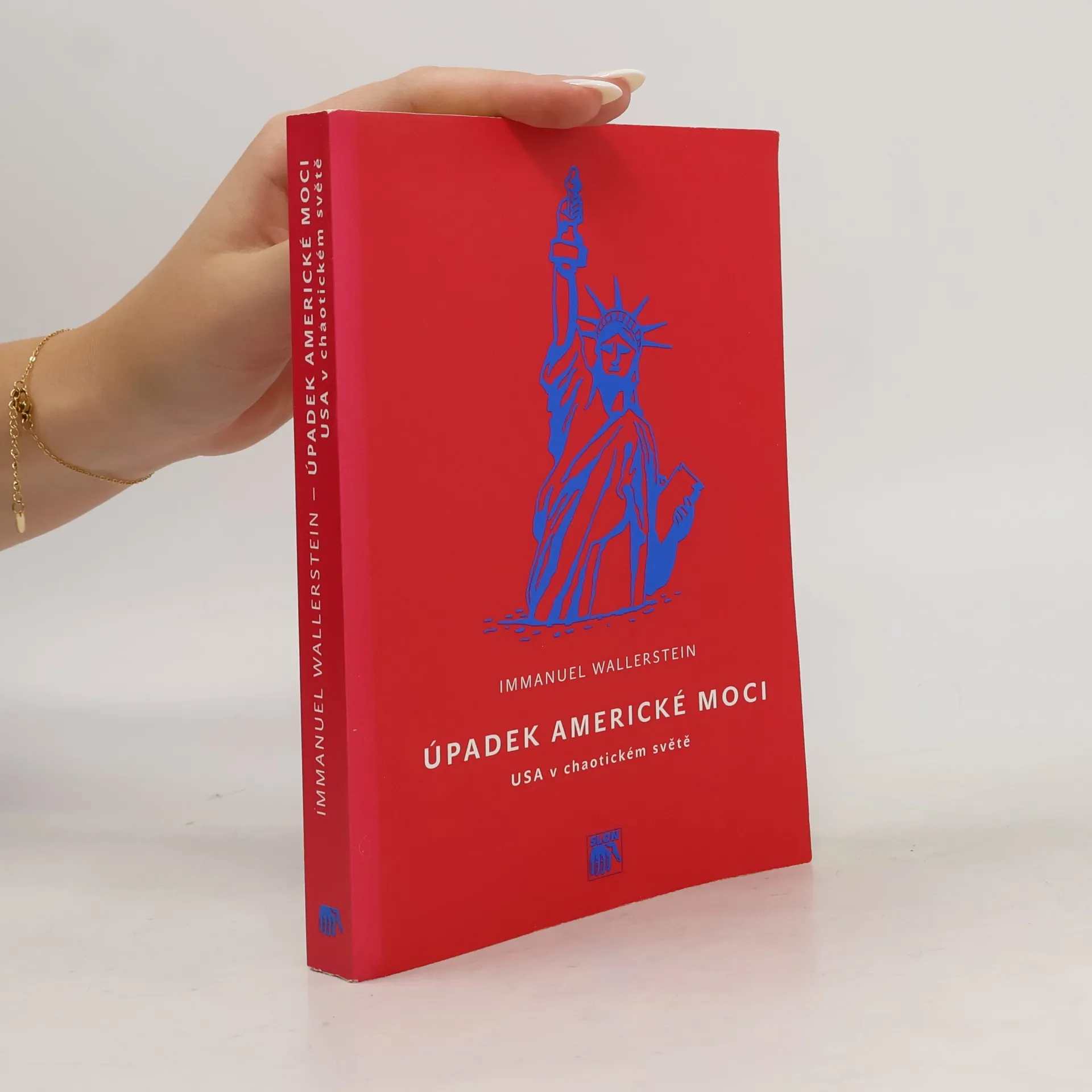
Úpadek americké moci: USA v chaotickém světě
- 286pages
- 11 heures de lecture
Kniha je souborem esejů a přednášek, které nabízejí sociologicky a historicky promyšlený pohled na současný světový vývoj. Immanuel Wallerstein, uznávaný sociální vědec, analyzuje historický vývoj kapitalismu od jeho počátků v 15. století a vychází přitom z koncepce "světosystému", kterou vytvořil v 60. a 70. letech. Zkoumá kořeny dominantního postavení Spojených států v 70. letech 19. století, kdy USA začaly přebírat roli vůdčí světové mocnosti po Velké Británii. Autor strhujícím způsobem popisuje trajektorii moderních dějin USA, od vzestupu přes úspěchy ve dvou světových válkách až po vrchol jejich síly v 50. a 60. letech a současný začátek úpadku. Wallersteinova novátorská teoretická koncepce mu umožňuje analyzovat hlavní celosvětové problémy a trendy. Nebojí se vyjadřovat k budoucím událostem a hodnotit současné dění, což považuje za povinnost vědce. Od počátku byl kritikem války v Iráku jako nepřiměřené reakce na útok 11. září. Tato kniha představuje důstojný protějšek známých prací Fukuyamy a Huntingtona a nabízí české veřejnosti podnětný pohled na klíčové problémy současného světa. Překlad z angličtiny: Rudolf Převrátil.
Má kapitalismus budoucnost?
- 258pages
- 10 heures de lecture
Nadcházející desetiletí přinesou překvapivé otřesy a obrovské výzvy. Některé budou vypadat nově, některé docela staře. Mnohé z nich budou doprovázeny nebývalými politickými dilematy s obtížným rozhodováním. V příštích desetiletích se také naskytnou příležitosti k tomu, aby se věci dělaly jinak, než jak to činily předchozí generace. Pětice autorů v této knize na základě svých sociologických znalostí světových dějin zkoumá, jaké asi tyto výzvy budou, a diskutuje o nich.
Zerfallserscheinungen der Demokratie
| Drei führende Denker analysieren die Erosion der sozialen Grundlagen der Demokratie
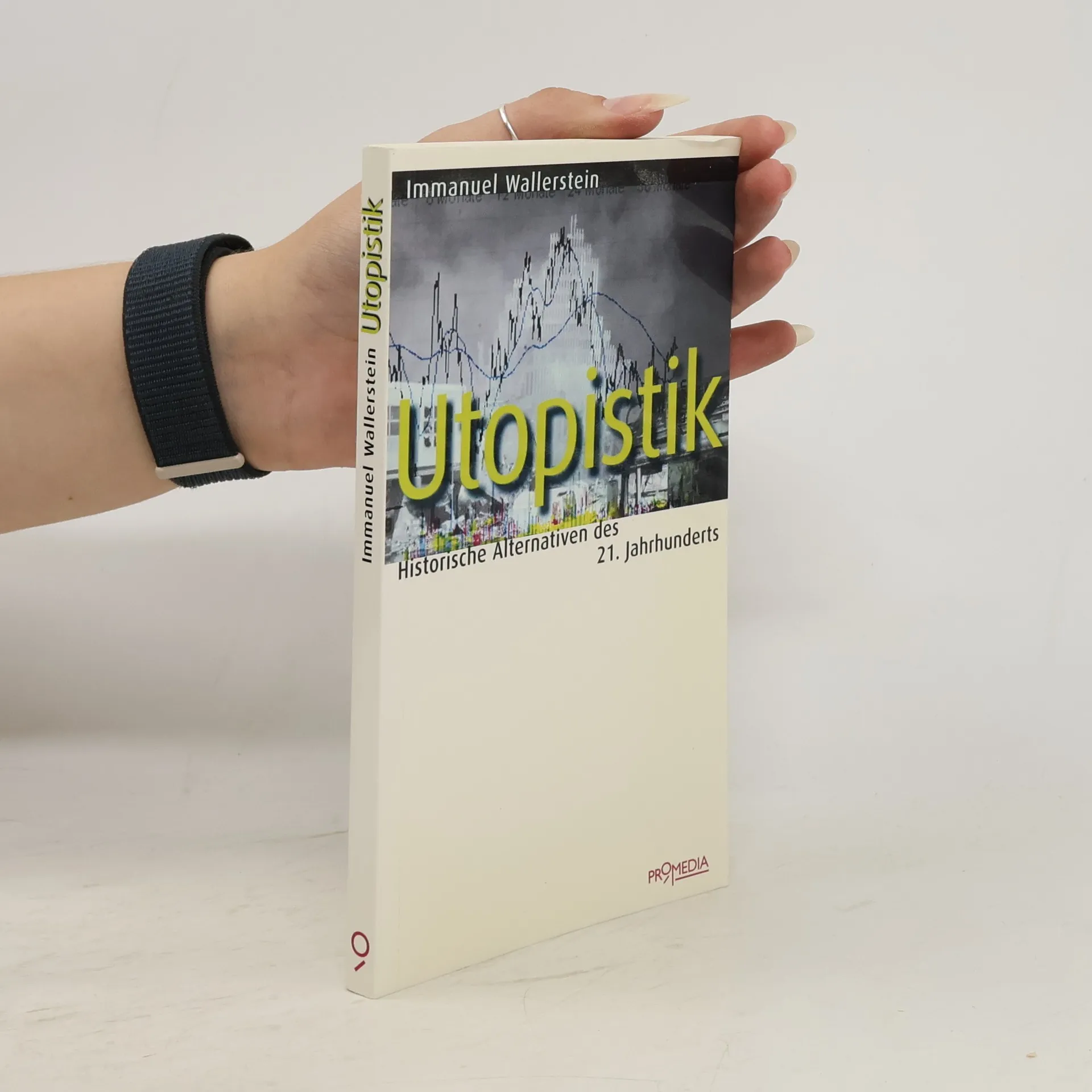
Utopistik
Historische Alternativen des 21. Jahrhunderts
Ein Plädoyer für eine post-kapitalistische Gesellschaft. Ein Buch, das einen gleichermaßen faszinierenden und provokanten Blick in unsere kollektive politische Zukunft wirft. „Lucid, informed, and insightful.“ The New York Times zur amerikanischen Ausgabe Die Zeitschrift "Freitag" am 30.8.2002: "Wallerstein zu lesen ist selbst dort intellektuell befruchtend, wo er wahrscheinlich irrt." "Die Presse" am 20.7.2002: "Wallerstein fordert deshalb eine Überprüfung der Strukturen unseres Wissens und dessen, was wir über die Mechanismen der Gesellschaft wissen."
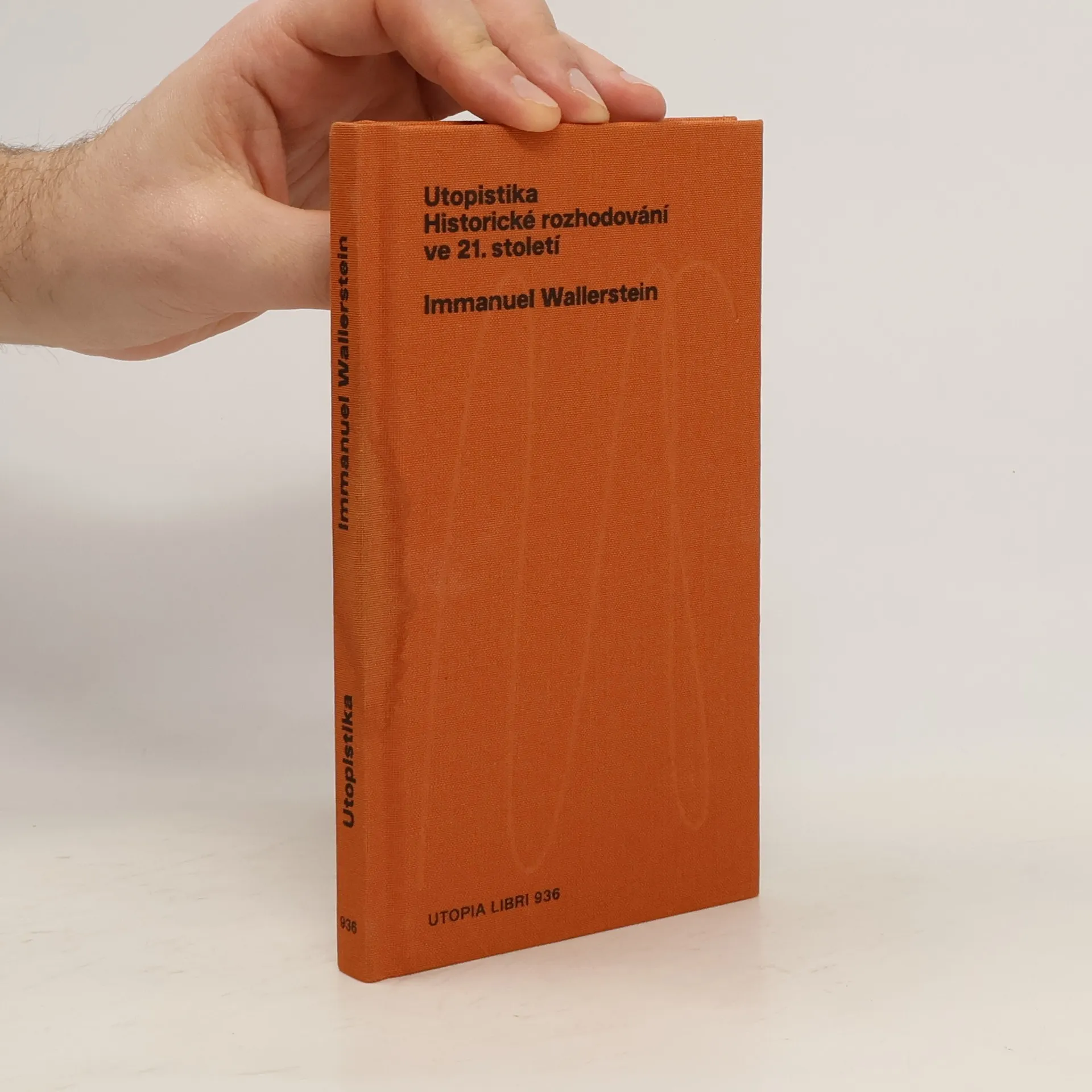
Utopistika: historické rozhodování ve 21. století
- 112pages
- 4 heures de lecture
Kapitalistický systém se podle sociologa Immanuela Wallersteina dostává v celosvětovém měřítku do strukturální krize, jejímž výsledkem může, avšak nemusí být spravedlivější a demokratičtější uspořádání společnosti. Wallersteinova Utopistika nabízí realistickou analýzu současné situace a perspektiv pro takovou společenskou změnu, jež bude zároveň žádoucí i možná. Nesnaží se tedy navazovat na tradice utopického myšlení a konstruovat ideální, avšak sotva uskutečnitelnou budoucnost. Namísto toho usiluje o vyvolání diskuse o tom, jaké společenské struktury by nám všem mohly lépe vyhovovat a jaké strategie by nás mohly vést tímto směrem.
Die Barbarei der anderen
Europäischer Universalismus
Ein engagierter Mahnruf in einer Zeit, in der Interventionen im Namen von Demokratie und Menschenrechten wieder ins Zentrum der Weltpolitik rücken: Europa und die von europäischer Kultur geprägten westlichen Mächte gehen seit jeher von der globalen Geltung ihrer Grundsätze und Regeln aus. Sie betrachten es als ihr selbstverständliches Recht, in anderen Regionen der Welt zu intervenieren und den dort lebenden Menschen – notfalls auch mit Gewalt – ein Leben nach den Maßstäben der abendländischen Kultur zu vermitteln. War es seinerzeit eine gottgefällige Christianisierung, die dem europäischen missionarischen Eifer als Deckmantel diente, ist es in unserer Zeit der Anspruch, Demokratie und Menschenrechte zu verbreiten. Ein heute ebenso fragwürdiges Unterfangen wie im Mittelalter, findet Immanuel Wallerstein, da es letztlich immer nur darum geht, schwachen Ländern einen fremden Willen aufzuzwingen. Einer global agierenden Politik, die hehre Überzeugungen benutzt, um machtpolitisch handfeste wirtschaftliche Interessen durchzusetzen, stellt er überzeugend seine Vorstellung einer nur im weltweiten Zusammenwirken zu erreichenden friedlichen Entwicklung entgegen.
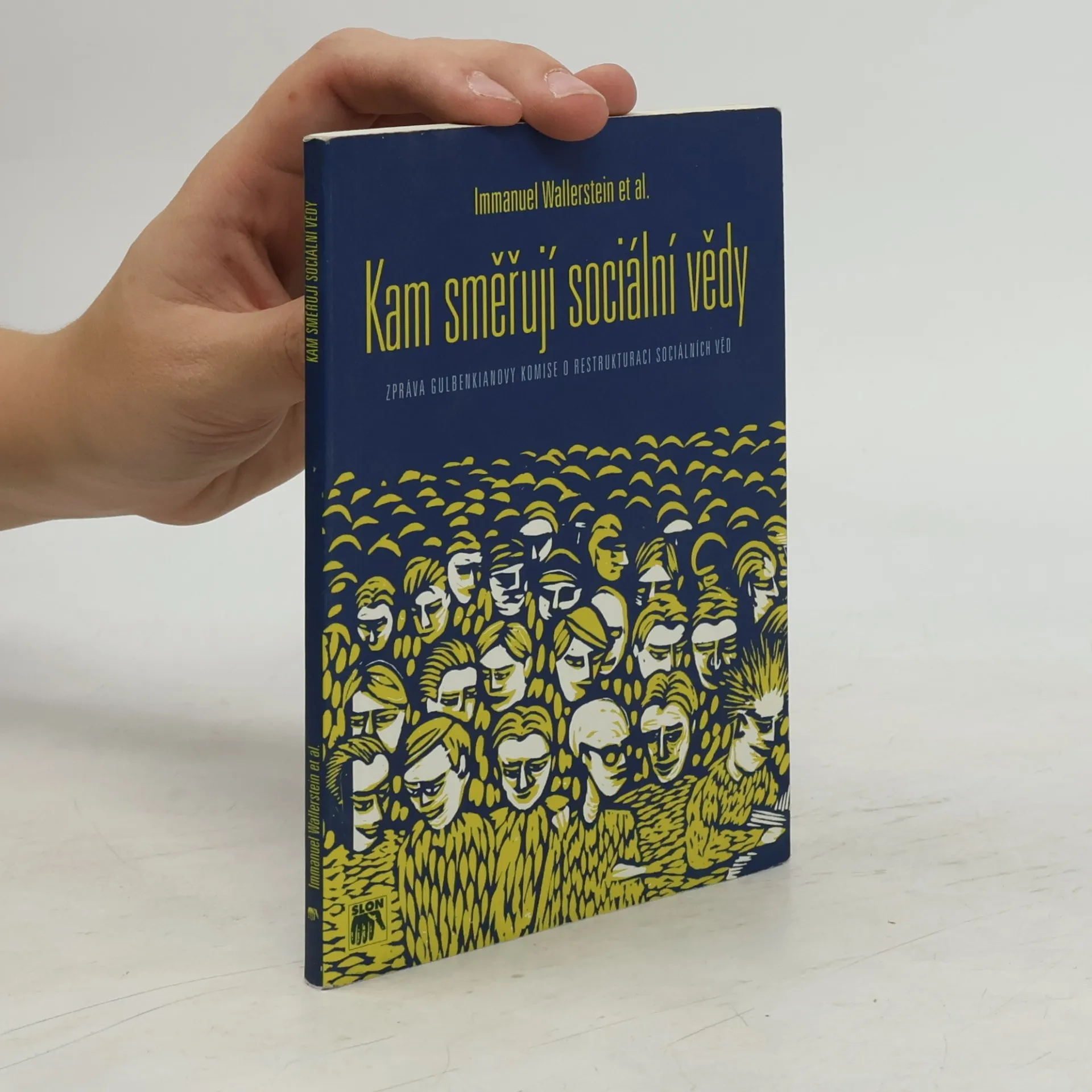
Kam směřují sociální vědy : zpráva Gulbenkianovy komise o restrukturaci sociálních věd
- 112pages
- 4 heures de lecture
Zpráva Gulbenkianovy komise k otázkám restrukturace sociálních věd. Komise byla ustavena v roce 1993 a sešli se v ní význační vědci z celého světa (Immanuel Wallerstein - předseda komise, Calestous Juma, Evelyn Fox Keller, Jürgen Kocka, Dominique Lecourt, Valentin Y. Mudimbe, Kinhide Mushakoji, Ilya Prigogine, Peter J. Taylor, Michel-Rolph Trouillot). Text je uvozen přehledem vývoje sociálních věd od 18. století do roku 1945. Poté prozkoumává cesty, jimiž se sociální vědy ubíraly od roku 1945, zejména jak vývoj světa v tomto období otevřel otázky intelektuální dělby práce a zpochybnil dělicí čáry, které strukturovaly sociální vědy na konci 19. století.
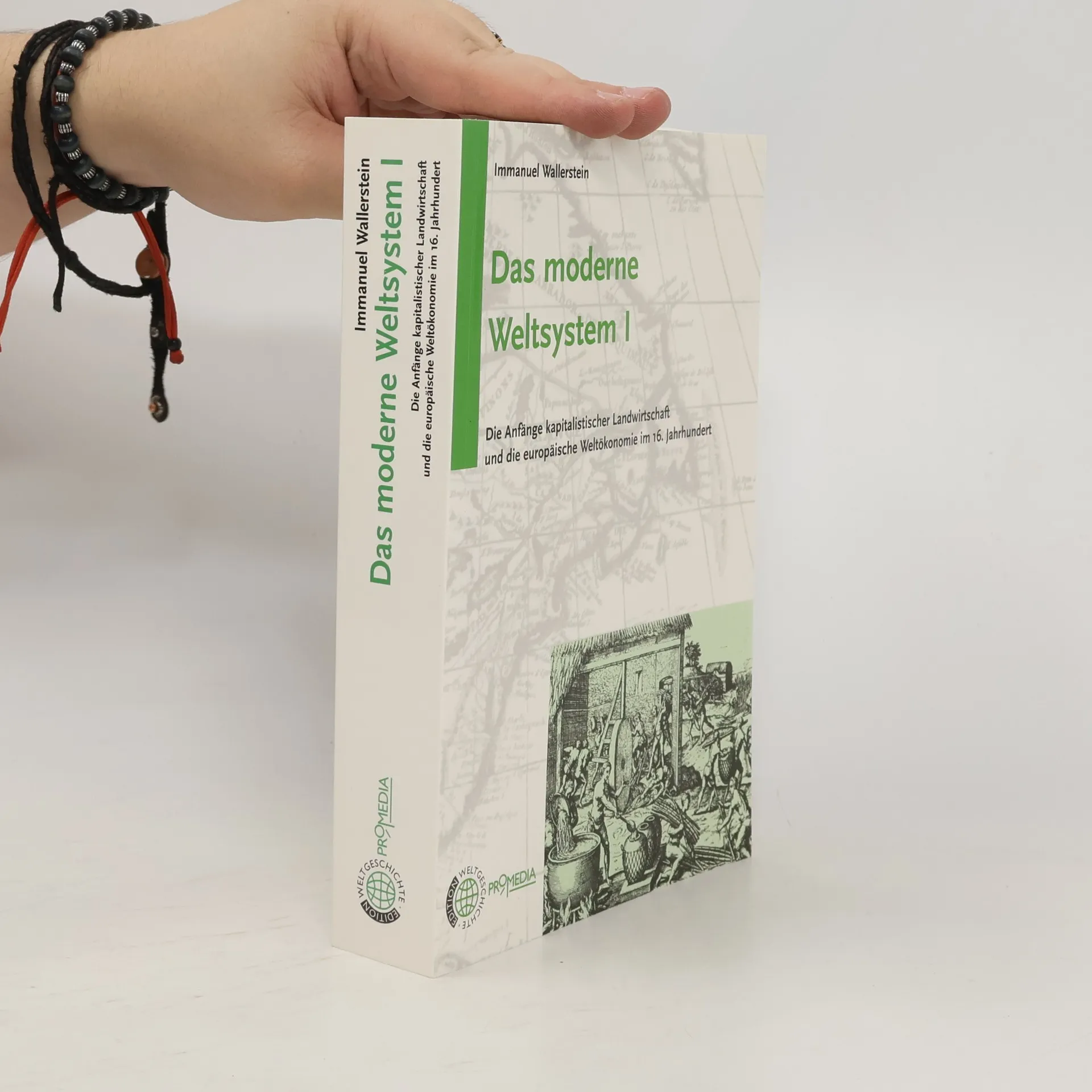
Das moderne Weltsystem I-IV
- 1900pages
- 67 heures de lecture
"Das moderne Weltsystem" bietet eine chronologische Analyse der Entwicklung des kapitalistischen Weltsystems. Die Bände behandeln die Entstehung im 16. Jahrhundert, die Konsolidierung unter niederländischer Hegemonie im 17. Jahrhundert, die wirtschaftliche Ausweitung im 18. und frühen 19. Jahrhundert sowie die Bildung der liberalen Mitte im 19. Jahrhundert.
Die Sozialwissenschaften öffnen
- 113pages
- 4 heures de lecture
Dieser Bericht beleuchtet zunächst, wie die Sozialwissenschaften als Wissensform historisch entstanden sind und warum sie sich zwischen dem ausgehenden 18. Jahrhundert und 1945 als System relativ standardisierter Disziplinen herausgebildet und entwickelt haben. Doch globale Entwicklungen nach 1945 haben diese Form der wissenschaftlichen Arbeitsteilung zum Problem werden lassen und die Frage nach der Zweckmäßigkeit dieser organisatorischen Gliederung wieder neu aufgeworfen. Der Bericht erörtert dann eine Reihe von grundsätzlichen Fragen, die zum Gegenstand einer aktuellen Diskussion um die Sozialwissenschaften geworden sind. Ziel des Berichtes ist es, Wege aufzuzeigen, wie sich die Sozialwissenschaften den globalen Herausforderungen unserer Zeit öffnen und zu diesem Zweck restrukturiert werden können. Autoren: In der Gulbenkian-Kommission, eingesetzt von der Calouste Gulbenkian-Stiftung Lissabon, wirkten unter der Federführung von Immanuel Wallerstein (USA) mit: Calestous Juma (Kenia), Evelyn Fox Keller (USA), Jürgen Kocka (Deutschland), Dominique Lecourt, (Frankreich), Valentin Y. Mudimbe (Zaire), Kinhide Mushakoji (Japan), Ilya Prigogine (Belgien), Peter J. Taylor (Großbritannien) und Michel-Rolph Trouillot (Haiti).
Die Sozialwissenschaft "kaputtdenken"
- 356pages
- 13 heures de lecture
Edition Weltgeschichte Wallersteins „langes 16. Jahrhundert“, wie er es als Ausgangspunkt des kapitalistischen Weltsystems beschreibt, ist bereits mehreren Generationen von Historikern und Ökonomen zu einem selbstverständlichen Erklärungsansatz für Akkumulation geworden. Der Klassiker der Wirtschafts- und Sozialgeschichte ist nach einer Übernahme aus dem Syndikat-Verlag nun im Promedia Verlag wieder lieferbar.
Stirbt der Kapitalismus?
- 241pages
- 9 heures de lecture
Das ökonomische System des Kapitalismus wird kollabieren, weil negative Konjunkturzyklen und politische Krisen zusammentreffen und Wachstum an Grenzen stößt. Umweltkrisen werden den Kapitalismus massiv unter Druck setzen, ebenso wie globale Machtkämpfe und der Kampf um Ressourcen. Die Mittelklassen werden ihre Arbeit an IT-Services verlieren und nicht mehr so konsumieren können wie heute. Eine wichtige Frage wird sein, ob eine internationale politische Steuerung den Marktliberalismus wird beeinflussen können. Fünf herausragende Sozialforscher diskutieren in diesem Buch die Optionen wirtschaftlicher und sozialer Entwicklung in den nächsten 30 Jahren. Historische Systemumbrüche und gegenwärtige Machtverhältnisse im Blick, entwerfen sie fünf Zukunftsszenarien für das 21. Jahrhundert und führen ihre Ergebnisse in einer Synthese zusammen.
Systemkrise: und was jetzt?
- 51pages
- 2 heures de lecture
Wir befinden uns an der Weggabelung des systemischen Prozesses, wo nicht mehr die Frage im Vordergrund steht, wie das kapitalistische System sich erholen kann, sondern was an dessen Stelle treten wird. Diese Zeit der systemischen Krise kann als ein Kampf um die Zukunft des Systems betrachtet werden. Das Ergebnis ist ungewiss, aber der Charakter des Kampfes ist klar: Wir haben alternative Möglichkeiten. Kollektiv könnten wir uns für ein neues, stabiles System entscheiden, das die gegenwärtigen hierarchischen, ausbeuterischen und polarisierenden Merkmale beibehält. Alternativ könnten wir uns für ein radikal anderes System entscheiden, das demokratischer und egalitärer ist als alles, was es bisher gab. In dieser neuen Situation ist eine Praxis der politisch-ökonomischen Transformation erforderlich. Emanzipatorische Kräfte können sich nicht mehr mit den einfachen Richtungsanzeigen einer 'sozialistischen Idee' begnügen. Zukünftige gesellschaftliche Bewegungen werden sich vielstimmig und ohne zentrale Führung formieren und sich in einem emanzipatorischen, transformatorischen Prozess wiederfinden, hoffentlich mit einem klareren Bewusstsein für ihr Engagement.