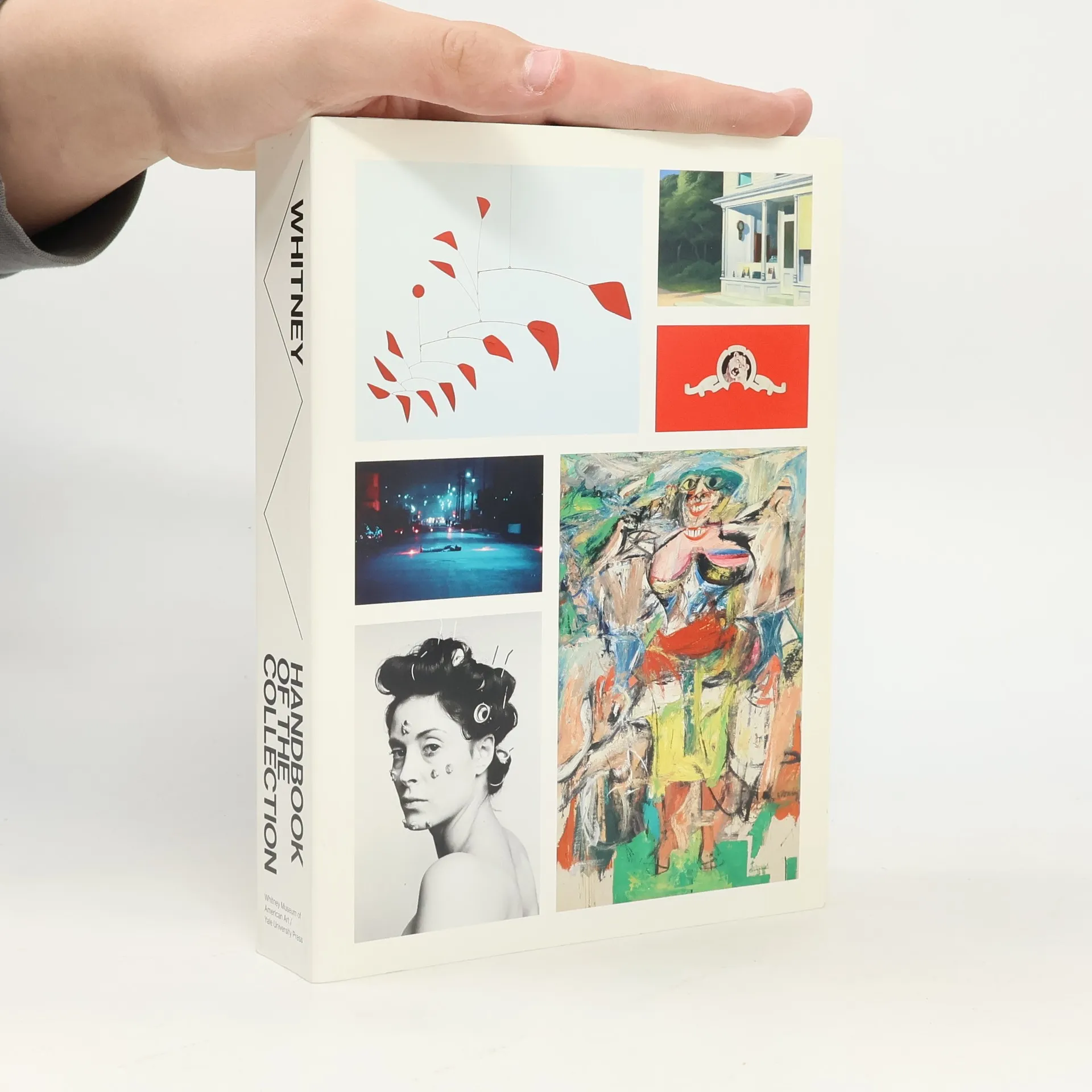
The Whitney Museum in New York stands out as a leading institution dedicated to 20th-century American art, highlighting significant works and artists that define this transformative period. It serves as a vital cultural hub, providing insight into the evolution of American artistic expression and its impact on the broader art world. The museum's collection and exhibitions reflect diverse styles and movements, making it an essential destination for art enthusiasts and scholars alike.
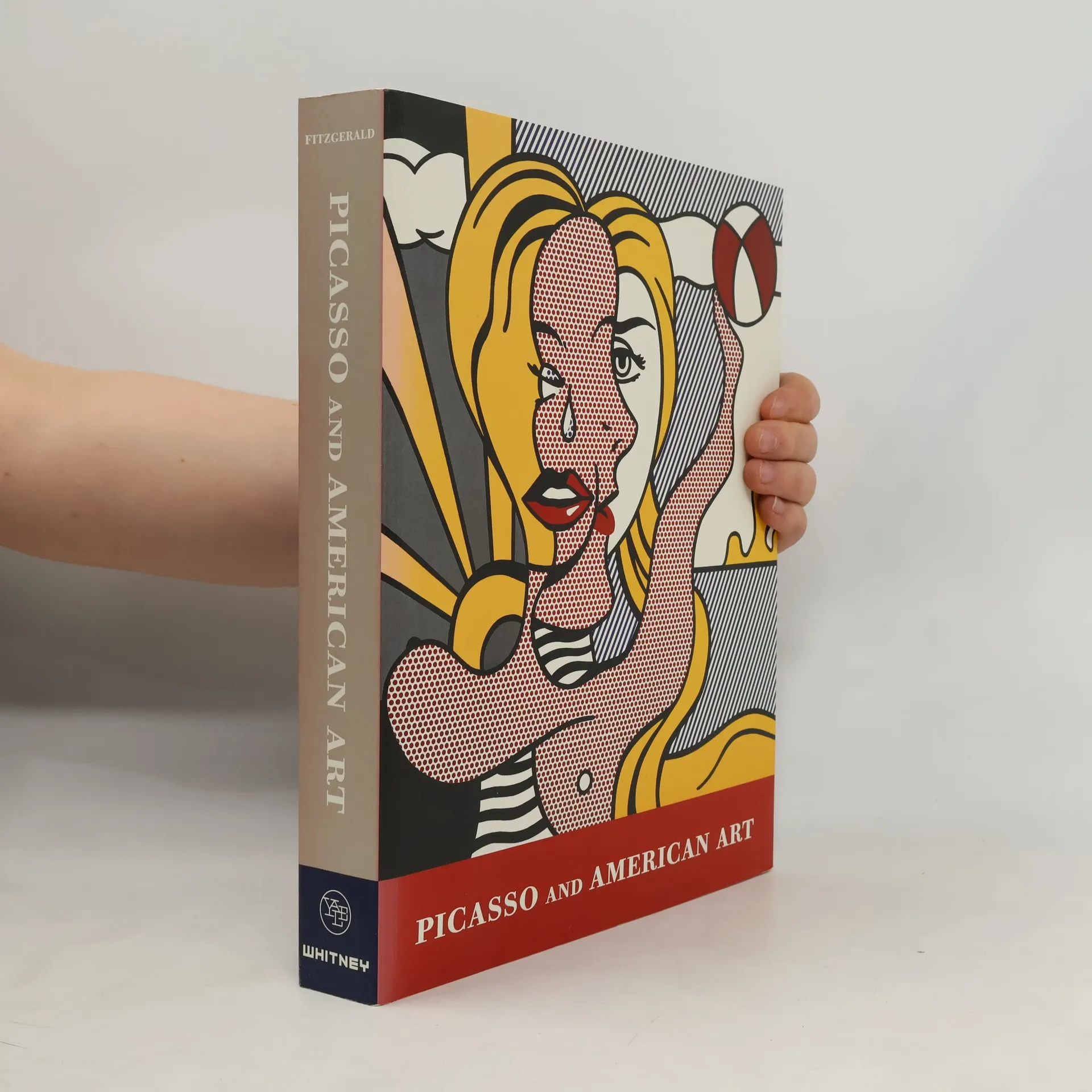
Many American artists throughout the 20th century designated Pablo Picasso as the central figure of the modern movement and defined their own artistic achievements through their absorption, critique, or rejection of his example. Picasso and American Art is a groundbreaking publication juxtaposing works by Picasso with the paintings, sculptures, and drawings created in response by an extremely diverse group of his contemporaries and successors, including Max Weber, Stuart Davis, Arshile Gorky, John Graham, Willem de Kooning, Jackson Pollock, David Smith, Roy Lichtenstein, and Jasper Johns. Based on extensive research, Michael FitzGerald's text provides valuable new information on the fundamental role that Picasso played in the development of modern American art--both through his friendships with individual artists and through the dissemination of his evolving work. This book also documents, for the first time, the accessibility of Picasso's work in the United States between 1911 and 1957 in exhibitions, collections, and publications through a comprehensive chronology. This unique book is essential for anyone interested in either Picasso or American art of the 20th century.
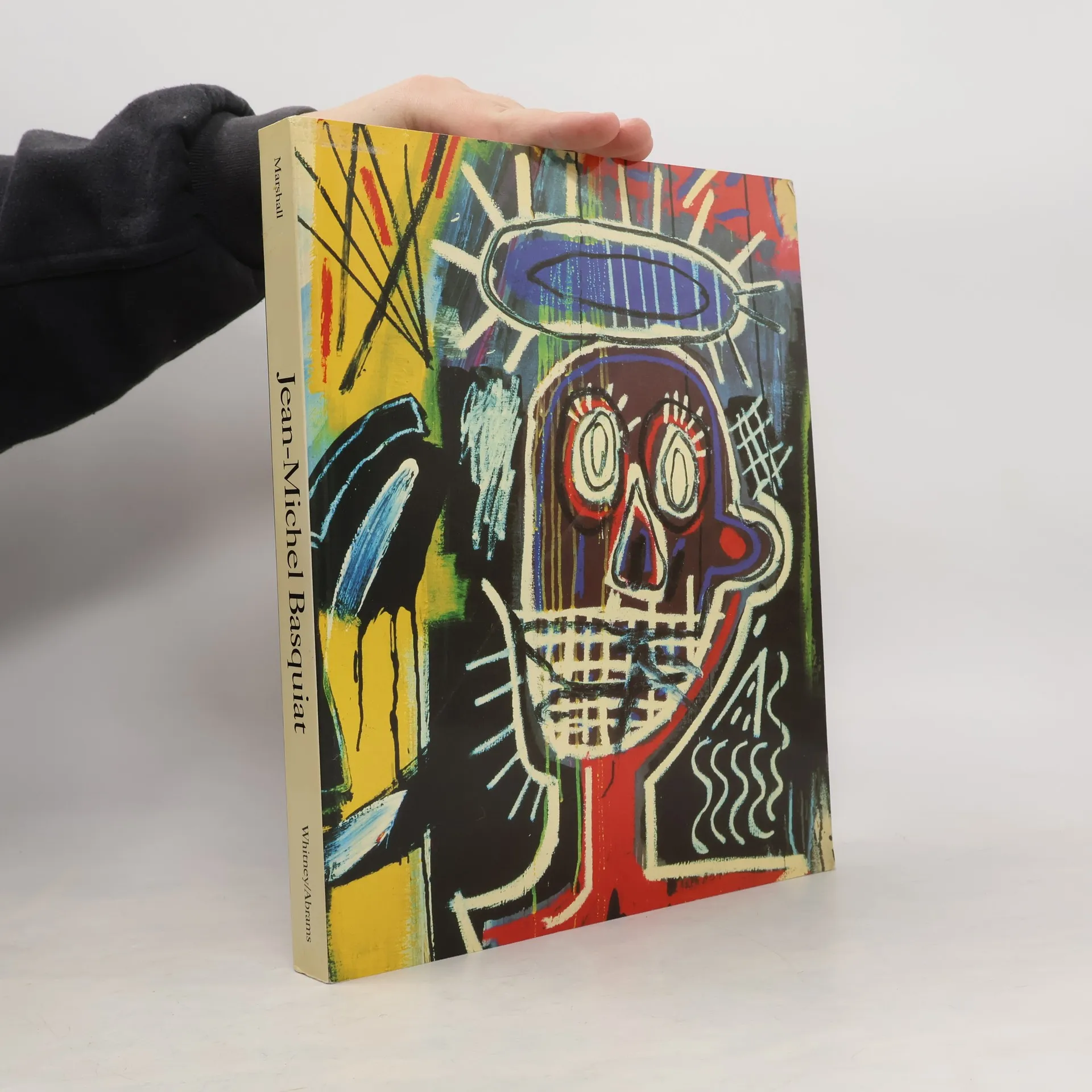
This is the first complete survey of the work of Jean-Michel Basquiat, a key member of a group of New York artists that included Keith Haring and Kenny Scharf, who used the powerful images of graffiti to create a new expressive language. Essays by Dick Hebdige, Klaus Kertess and others. 200 illustrations, including 160 colorplates.
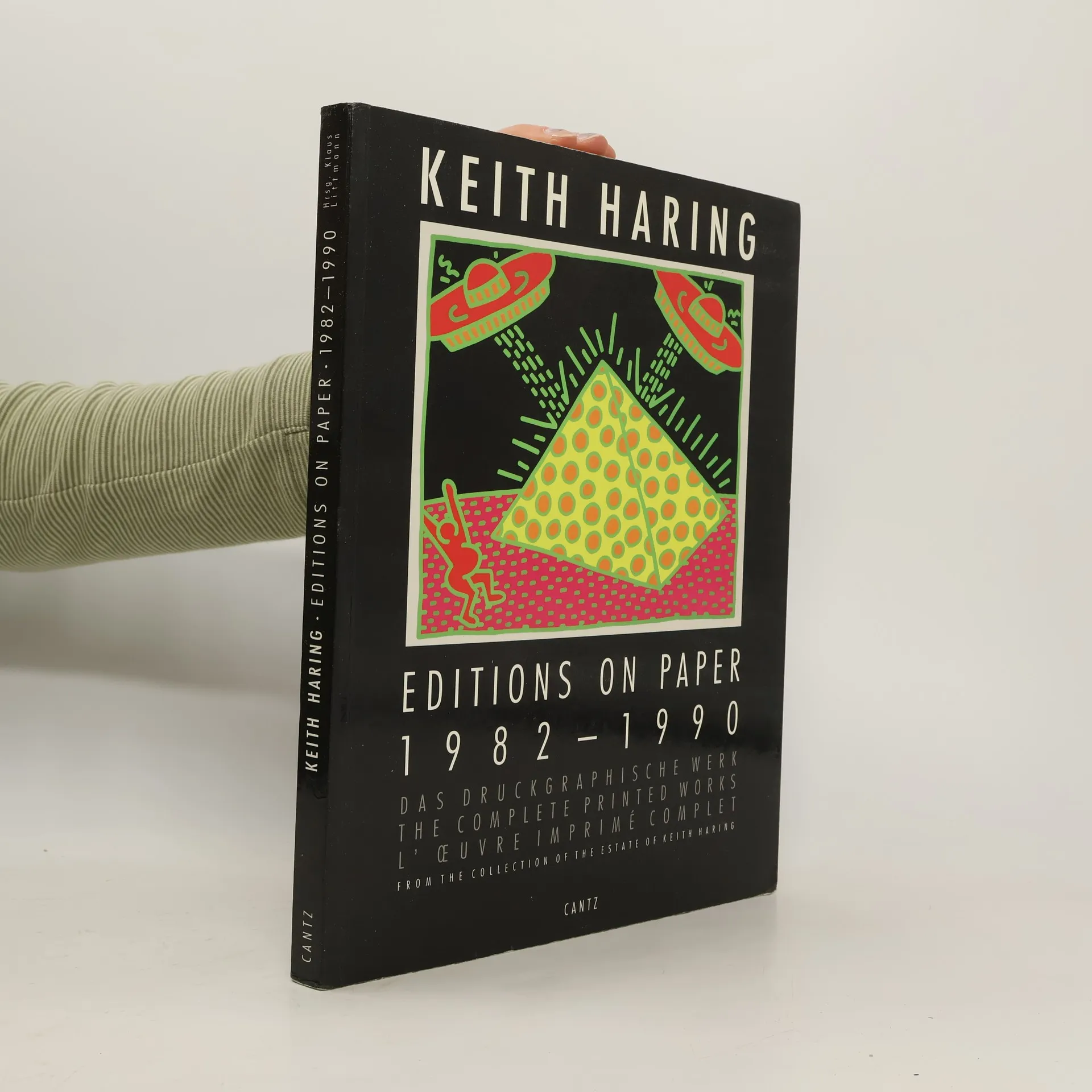
Keith Haring (1958–1990) était une figure clé du monde de l'art new-yorkais des années 1980, devenant une star internationale grâce à son style distinctif influencé par le graffiti et l'art de la bande dessinée. Ses interventions publiques, sculptures et œuvres sur toile et papier sont devenues des icônes de la culture visuelle du XXe siècle, ses bonhommes et symboles réduits se retrouvant sur des boutons, cartes postales, T-shirts, tasses et affiches en millions d'exemplaires. Haring était un habile auto-promoteur, mais aussi un homme conscient des enjeux sociaux. Ses œuvres, malgré leur imagerie frappante, abordaient souvent des thèmes sociopolitiques tels que le racisme, le capitalisme, le fondamentalisme religieux et les impacts croissants du sida sur la scène gay new-yorkaise, maladie à laquelle il succomba en 1990. De ses premières œuvres à la craie dans le métro new-yorkais à son emblématique "Radiant Baby", en passant par ses commandes pour Swatch et Absolut Vodka, son œuvre se caractérise par une immense diversité. Ce volume invite à découvrir un artiste qui trouvait le monde de l'art terriblement ennuyeux et dont les créations sont devenues partie intégrante d'une culture pop mondiale.
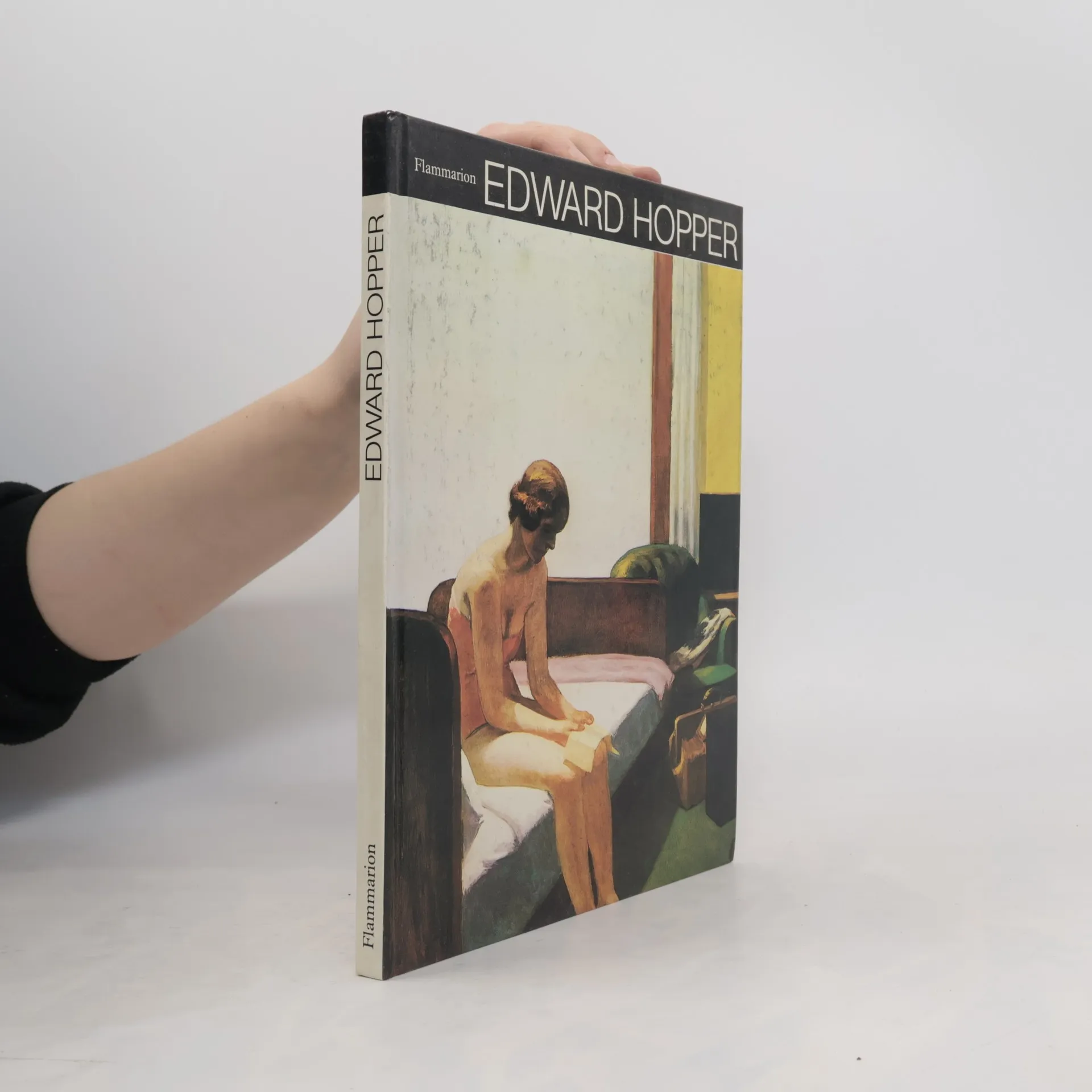
Les toiles d'Edward Hopper sont peuplées d'espaces dépouillés et d'une lumière implacable, de paysages évocateurs et des aspects solitaires des hommes et des femmes apparemment isolés dans leur environnement. Quel type d'homme avait cette vision troublante, et quel type de vie a engendré cet art ? L'historienne de l'art Gail Levin, auteur et conservatrice des études et expositions majeures sur l'œuvre de Hopper, est la mieux placée pour répondre à ces questions. Dans cette biographie intime, elle révèle la véritable nature et la personnalité de l'homme lui-même, ainsi que celle de la femme qui a partagé sa vie, l'artiste Josephine Nivison.
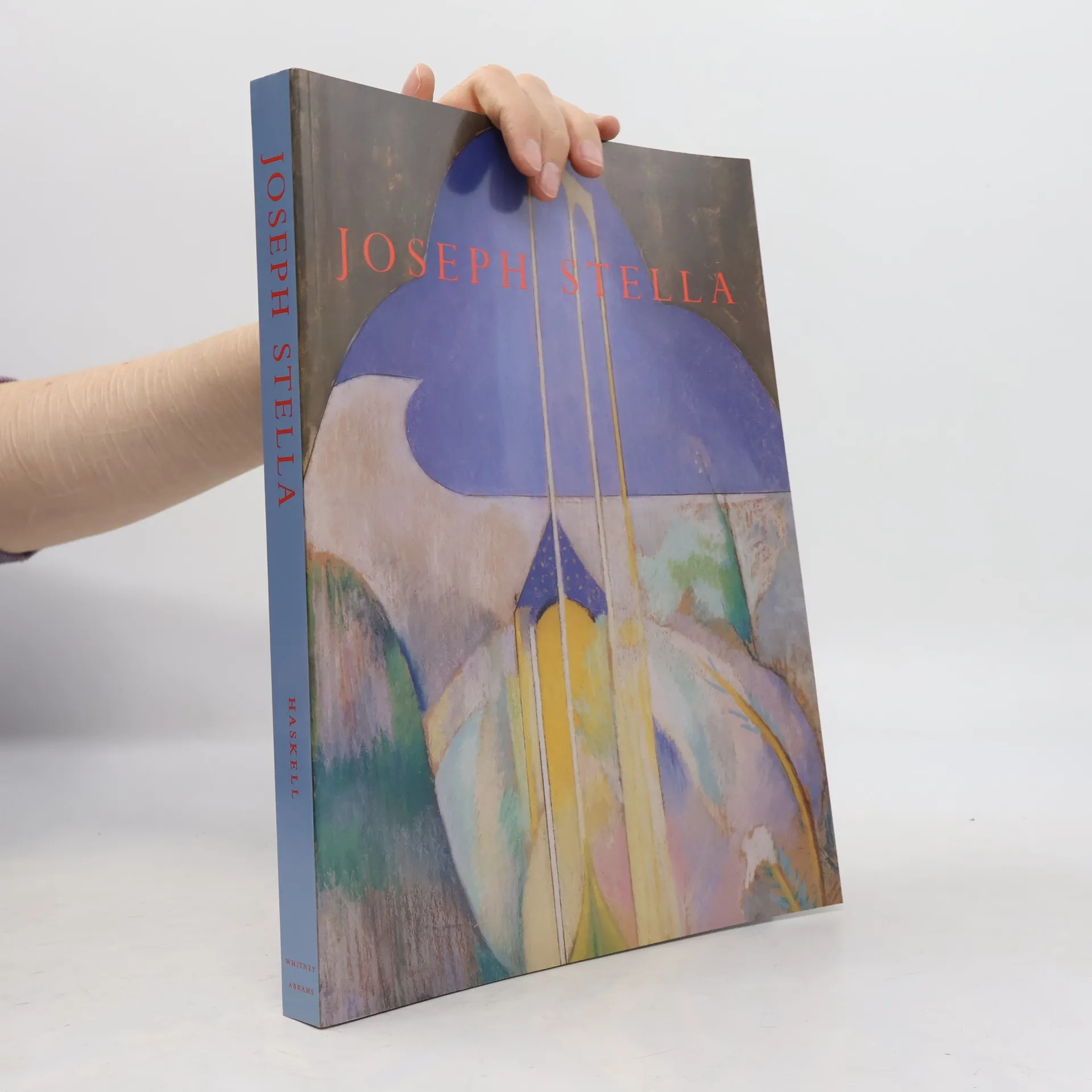
Joseph Stella (1877-1946) is best known for his Futurist-inspired paintings of New York, especially those of the Brooklyn Bridge, which remain symbols of the machine age in America. This book accompanies the first museum retrospective devoted to Stella in more than 30 years.
An exciting guide to, and celebration of, the Whitney Museum and its outstanding collection of American art This all-new handbook, a fresh look at the Whitney Museum of American Art's collection, highlights the museum's extraordinary holdings and its fascinating history. Featuring iconic pieces by artists such as Calder, Hopper, Johns, O'Keeffe, and Warhol--as well as numerous works by under-recognized individuals--this is not only a guide to the Whitney's collection, but also a remarkable primer on modern and contemporary American art. Beautifully illustrated with abundant new photography, the book pairs scholarly entries on 350 artists with images of some of their most significant works. The museum's history and the evolution of its collection, including the Whitney's important distinction as one of the few American museums founded by an artist, and the notion of "American" in relation to the collection, are covered in two short essays. Published to coincide with the Whitney's highly anticipated move to a new facility in downtown New York in the spring of 2015, this book celebrates the museum's storied past and vibrant present as it looks ahead to its future.