
Comment faire les bons choix
Une démarche efficace en 4 étapes pour prendre de meilleures décisions
- 351pages
- 13 heures de lecture
Dan Heath est un auteur respecté qui se concentre sur les applications pratiques de la psychologie et de la sociologie dans le monde réel. Son travail explore comment les individus et les organisations parviennent à des changements significatifs et durables. En mettant l'accent sur la clarté et les principes vérifiables, Heath offre aux lecteurs des outils pour comprendre des problèmes complexes et concevoir des solutions. Son approche repose sur une compréhension approfondie du comportement humain et de son impact sur l'action collective.


Une démarche efficace en 4 étapes pour prendre de meilleures décisions
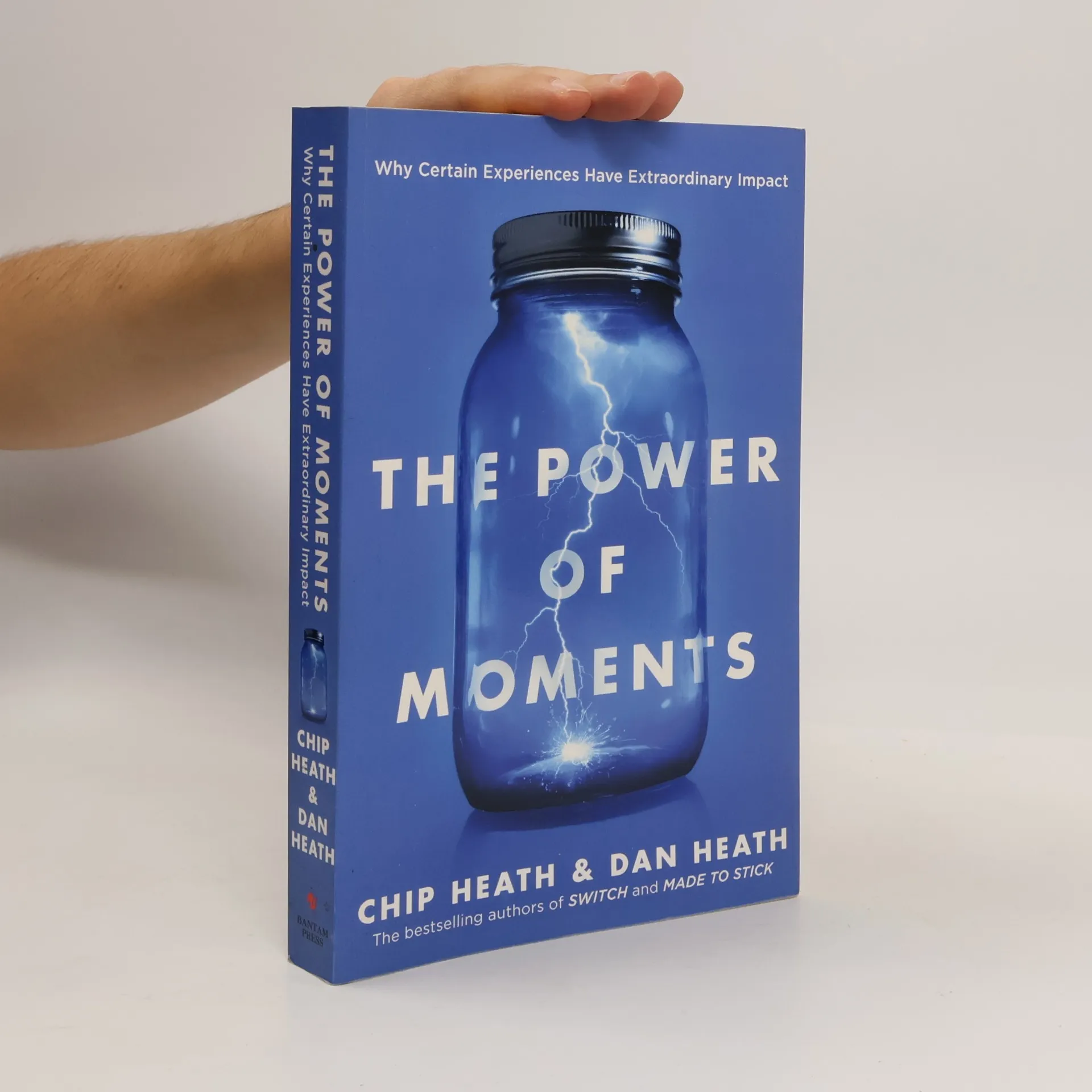
The New York Times bestselling authors of Switch and Made to Stick explore why certain brief experiences can jolt, elevate and change us - and how we can learn to create such extraordinary moments in our life and work. What if a teacher could design a lesson that he knew his students would remember twenty years later? What if a doctor or nurse knew how to orchestrate moments that would bring more comfort to patients? What if you had a better sense of how to create memories that matter for your children? Many of the defining moments in our lives are the result of accident or luck - but why leave our most meaningful, memorable moments to chance when we can create them? In The Power of Moments, Chip and Dan Heath explore the stories of people who have created standout moments, from the owners who transformed an utterly mediocre hotel into one of the best-loved properties in Los Angeles by conjuring moments of magic for guests, to the scrappy team that turned around one of the worst elementary schools in the country by embracing an intervention that lasts less than an hour. Filled with remarkable tales and practical insights, The Power of Moments proves we all have the power to transform ordinary experiences into unforgettable ones.
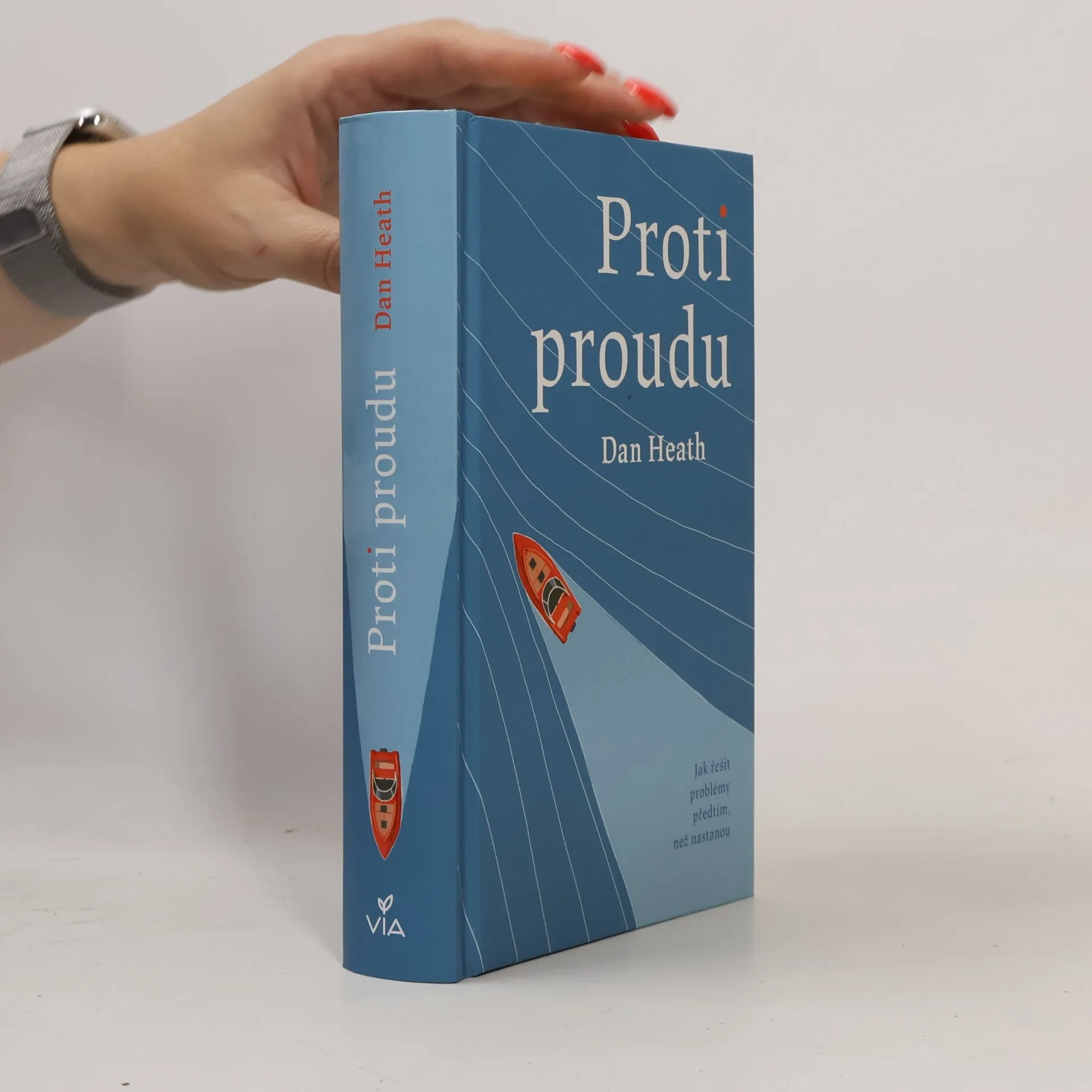
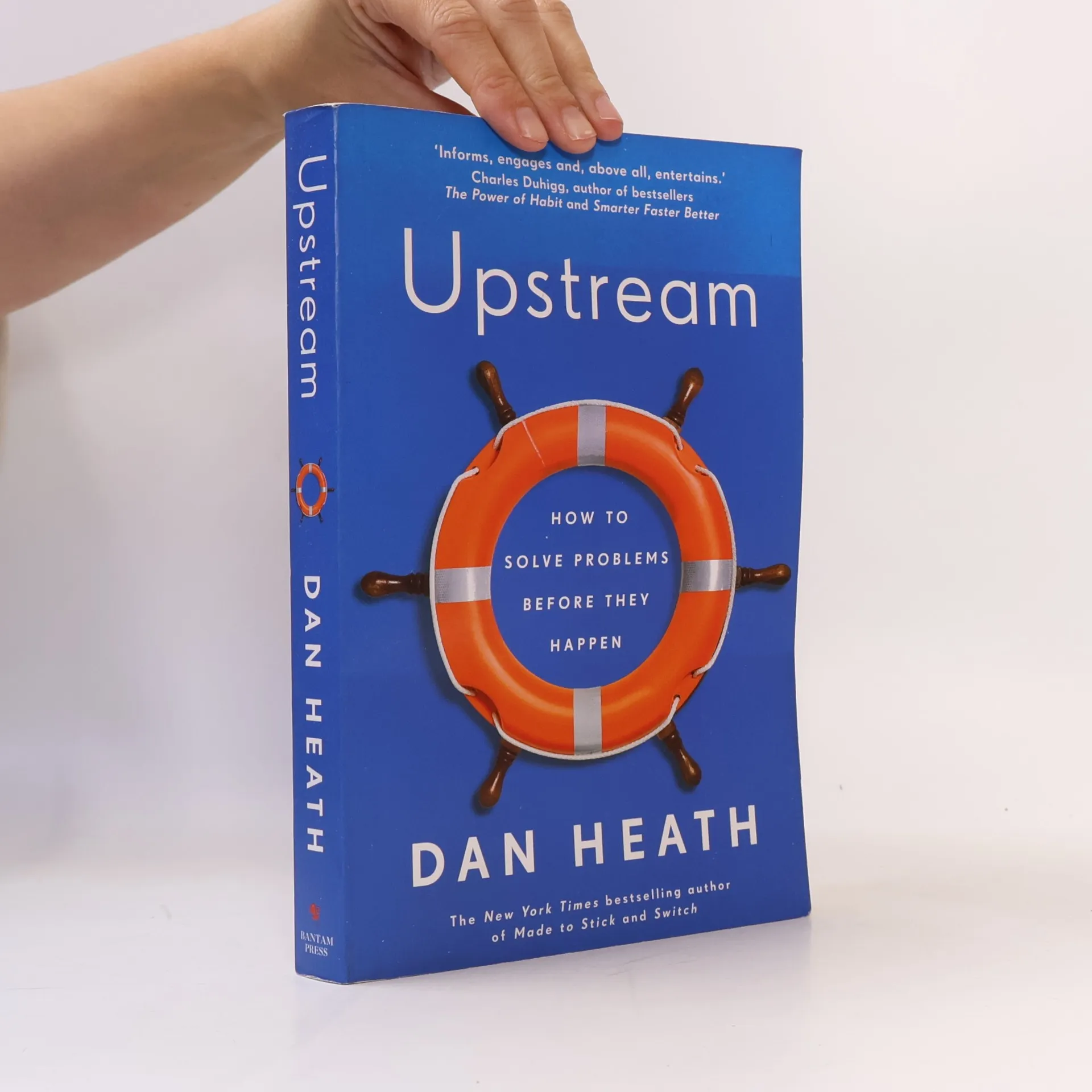
Moving upstream -- Section 1. The three barriers to upstream thinking -- Section 2. Seven questions for upstream leaders -- Section 3. For upstream.
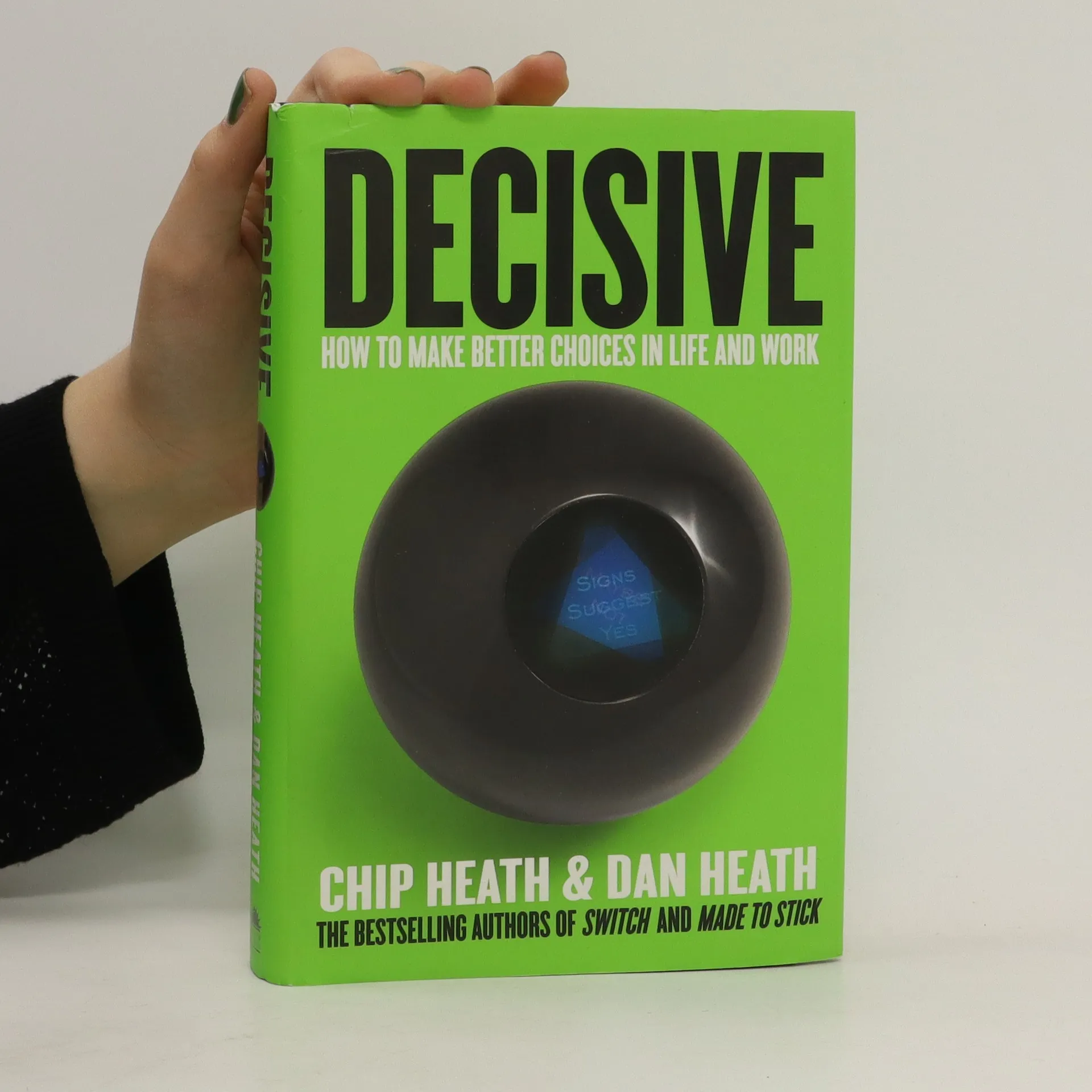
The four principles that can help people overcome the brain's natural biases to make better, more informed decisions. The Heaths, the bestselling authors of "Made to Stick" and "Switch," tackle the thorny problem of how to overcome natural biases.
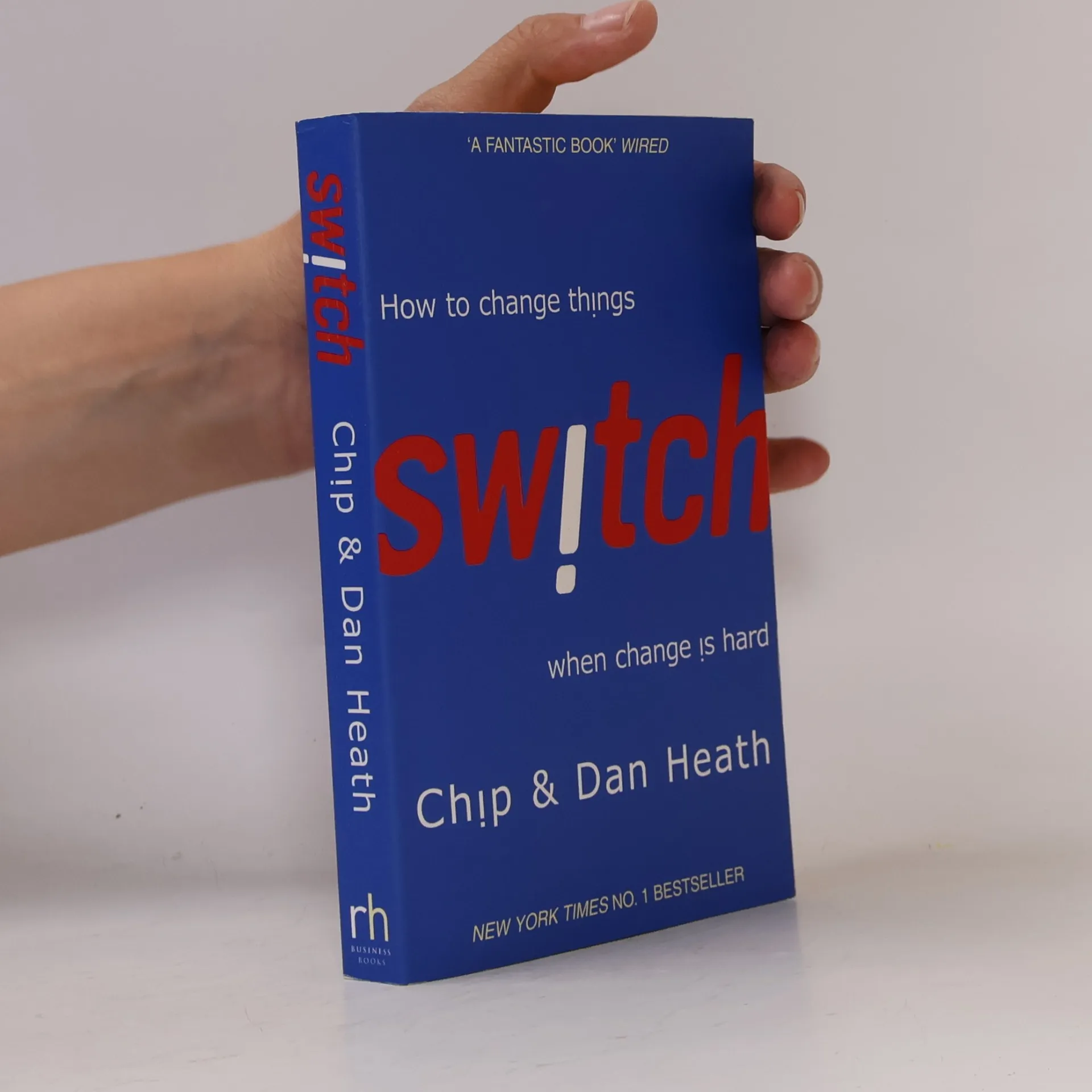
How To Change Things When Change Is Hard
I want to change my boss's mind, but he won't listen. I want to change the way we operate around here, but there are too many obstacles. I want to make some changes in my life, but I'm scared they might not work out. All too often our desire to improve things is undermined by the scepticism of others and by our own caution and fear. In Switch, best-selling authors Chip and Dan Heath delve deep inside the human psyche to explain why this should be so, but they also argue that once we understand how our minds function, there are practical steps we can take to overcome our inbuilt resistance to change. And the results can be extraordinary.
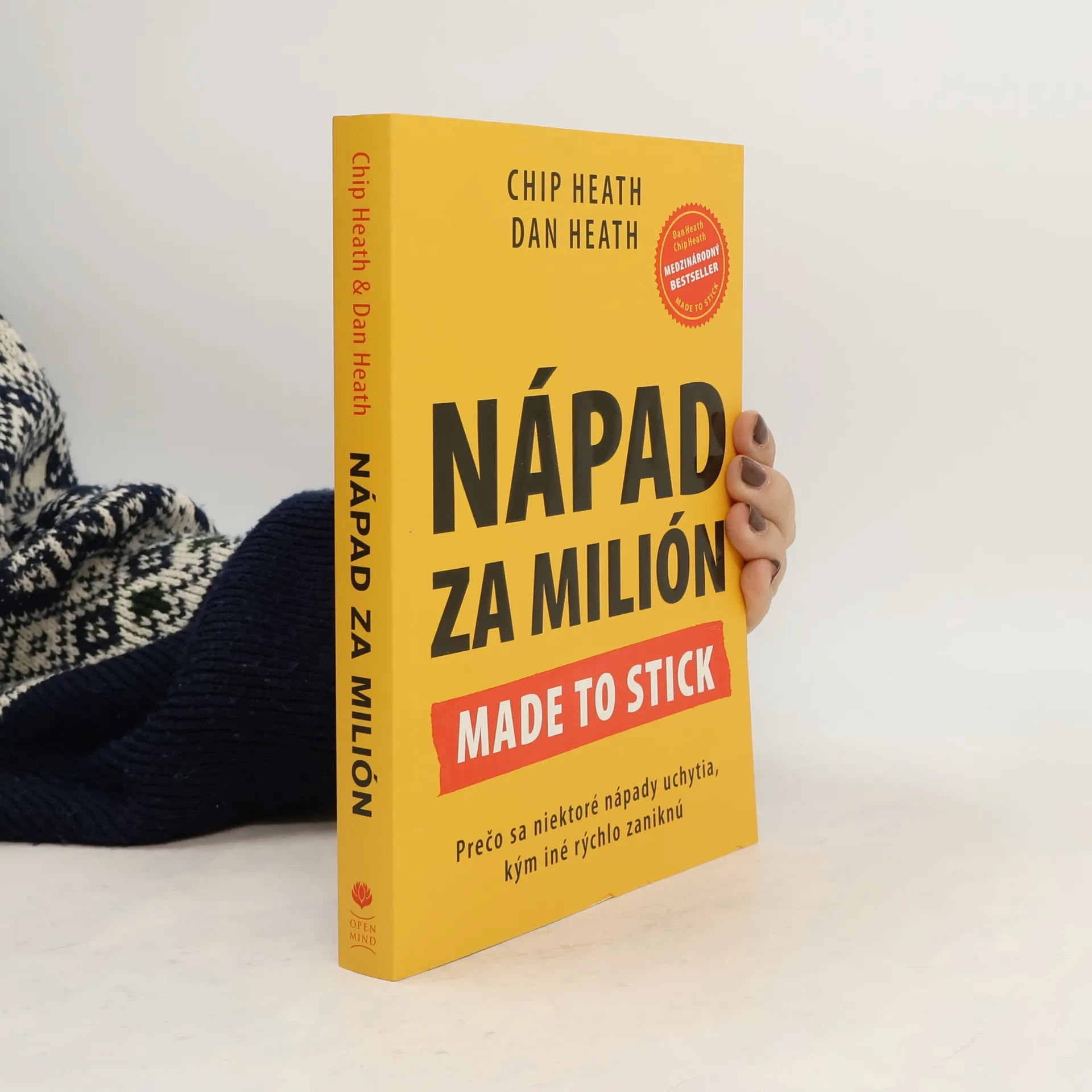
Urban legends, conspiracy theories, and bogus public-health scares circulate effortlessly. Meanwhile, people with important ideas--business people, teachers, politicians, journalists, and others--struggle to make their ideas "stick." Why do some ideas thrive while others die? And how do we improve the chances of worthy ideas? Educators and idea collectors Chip and Dan Heath reveal the anatomy of ideas that stick and explain ways to make ideas stickier, such as applying the "human scale principle," using the "Velcro Theory of Memory," and creating "curiosity gaps." In this fast-paced tour of success stories (and failures), we discover that sticky messages of all kinds--from the infamous "kidney theft ring" hoax to a coach's lessons on sportsmanship to a vision for a new product at Sony--draw their power from the same six traits. This book that will transform the way you communicate ideas.--From publisher description.
The authors present a four-step process aimed at mitigating the biases that infiltrate our decision-making. Psychological research shows that our choices are often hindered by various biases and irrationalities: we tend to be overconfident, seek confirming information while ignoring contradictory data, and let short-term emotions cloud our judgment. Simply recognizing these flaws is insufficient, much like knowing one is nearsighted doesn't improve vision. The key question addressed is: How can we enhance our decision-making? Drawing from extensive research in the field, the authors outline a four-step method to combat these biases. The narrative includes compelling examples, from a rock star's clever decision-making technique to a CEO's unfortunate acquisition, and highlights a pivotal question that can clarify complex personal dilemmas. Readers will discover answers to essential questions, such as how to break the cycle of indecision, make group decisions free from toxic politics, and avoid missing valuable opportunities for change. This work provides actionable strategies and tools to help us make more informed choices, emphasizing that the right decision at the right time can significantly impact our lives.
How to Change What's Not Working
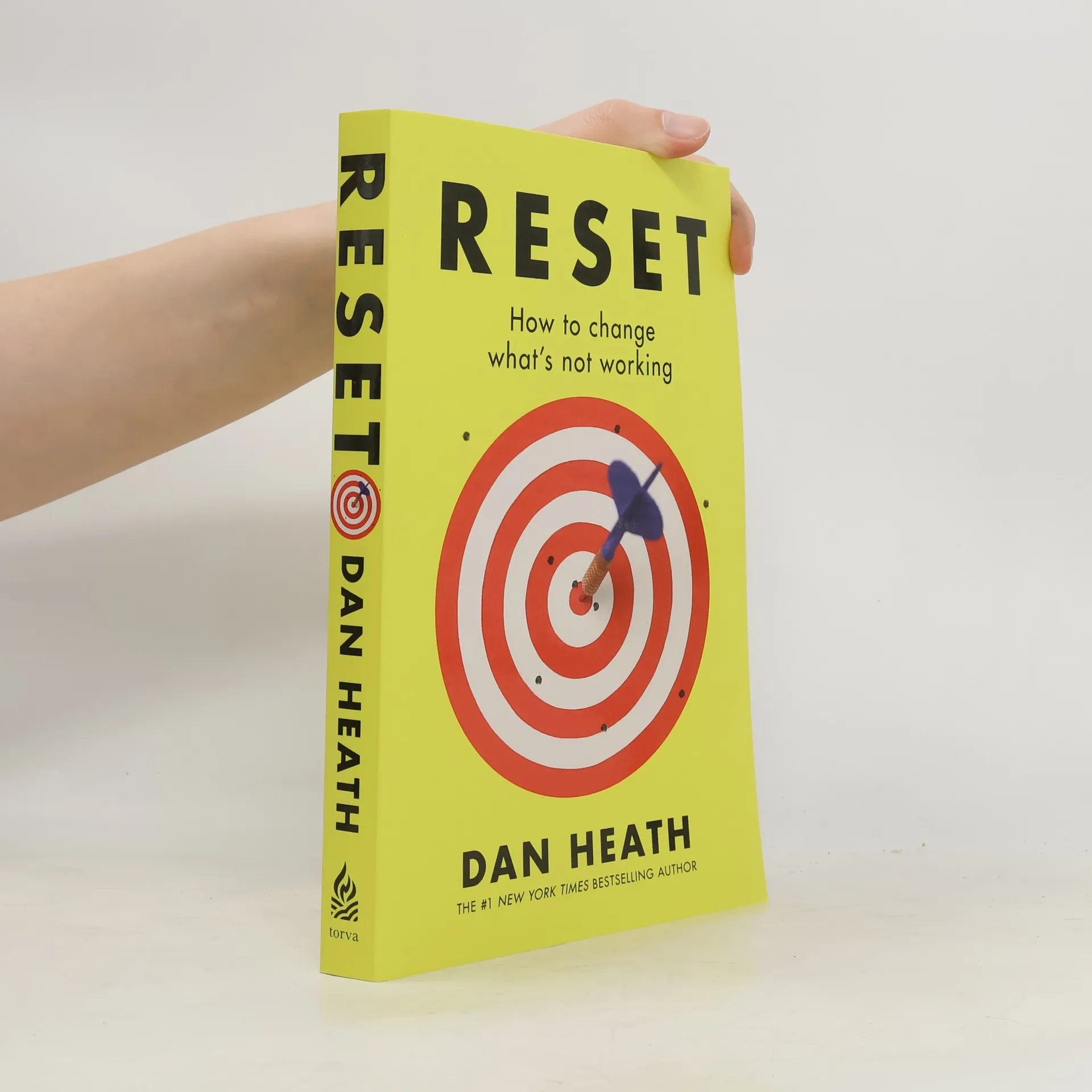
From the #1 New York Times bestselling author of Made to Stick, Switch, and The Power of Moments comes a revolutionary guide to fixing what’s not working in systems, organizations, and our daily lives by identifying leverage points and concentrating resources to achieve our goals. Changing how we work can feel overwhelming, like trying to budge an enormous boulder. We're often stifled by the gravity of established methods and spend too much time fighting fires and colleagues, leaving little energy for change. However, with the right strategy, we can move that boulder. This framework helps us get unstuck and make meaningful changes by finding “leverage points,” where minimal effort can yield significant returns. The author presents captivating examples, from an efficient fast-food drive-thru to a couples therapy trick and an inspiring campaign that saved a million cats. Key insights include why the feeling of progress is crucial for accelerating change, how leaders can eliminate wasteful activities, and the importance of avoiding common motivational pitfalls. The book examines why the middle of a change effort is often the toughest and how inefficiencies can sometimes spur progress. Ultimately, it challenges the notion of needing more resources to achieve better results, suggesting that with the same people and assets, we can unlock significant forward movement.
Proč děláme špatná kariérní rozhodnutí, vrháme se do nevhodných vztahů nebo chybujeme při investicích? Naše mozky jsou často ovlivněny silnými předsudky a zbožnými přáními. Abychom činili lepší rozhodnutí, musíme pochopit, jak funguje naše předpojatost, a naučit se ji ovládat. Kniha nabízí inovativní strategie a praktické techniky pro správné a sebevědomé volby. Čtenář se dozví, jak: - identifikovat čtyři nejškodlivější sabotéry rozhodování - vybudovat efektivní rozhodovací proces - překonat krátkozraké uvažování - vyhnout se rozhodovací paralýze - nalézt nové alternativy řešení - odhalit slepé uličky. Magazín Forbes označil knihu za jednu z nejvíce užitečných novinek v oblasti byznysu, vyzdvihující její čtivost, srozumitelnost a pronikavý pohled na osobní i firemní chování. Autoři, bratři Heathové, jsou renomovaní odborníci, kteří se věnují podnikové strategii a organizaci. Jejich předchozí bestsellery, jako "Jak zaujmout hned napoprvé" a "Proměna", získaly mezinárodní uznání. Tato kniha je cenným zdrojem pro každého, kdo chce zlepšit své rozhodovací schopnosti.