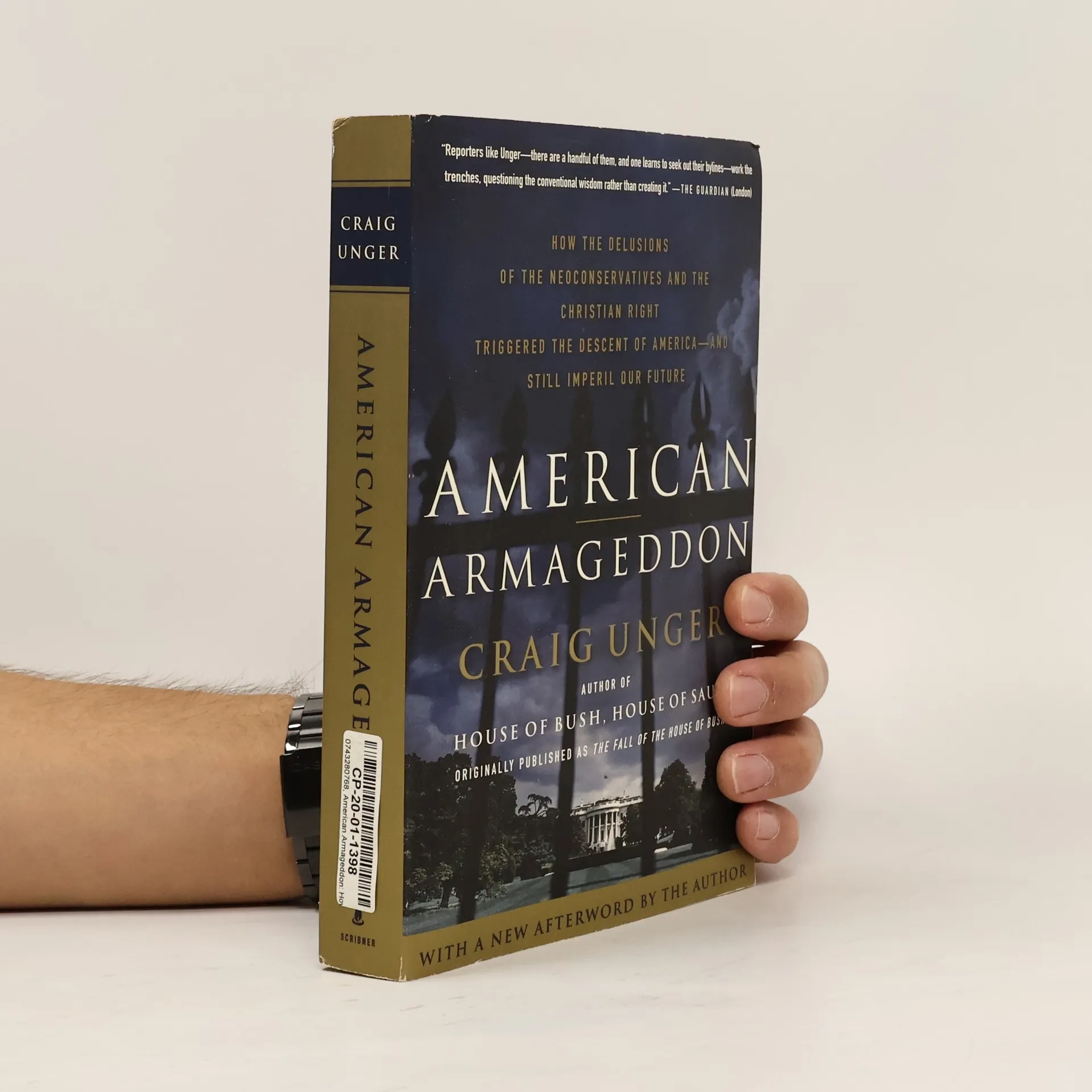
The book explores the troubling alliance between neoconservative policymakers and the Christian Right, revealing how their collaboration has significantly influenced U.S. foreign policy. This partnership is depicted as a driving force behind America's involvement in the Middle East, leading to disastrous consequences. The author provides a critical examination of the motivations and impacts of this relationship, offering insights into the complexities of American political dynamics and their implications for international relations.
Craig Unger Livres
25 mars 1949
Craig Unger est un journaliste et écrivain américain dont le travail explore les complexités de la politique et des dynamiques de pouvoir. Ses reportages et ses livres plongent dans les rouages internes des familles politiques et leur influence sur la politique étrangère américaine. Avec un regard critique, il examine la convergence de groupes puissants et leur impact sur la trajectoire présente et future des États-Unis. Son style est reconnu pour son enquête approfondie et la découverte de connexions cachées.


Blue Blood
- 432pages
- 16 heures de lecture
A biography of Rebekah Harkness, Standard Oil heiress, who captivated New York's high society in the 1960s and 1970s with her philanthropy and eccentric personality.
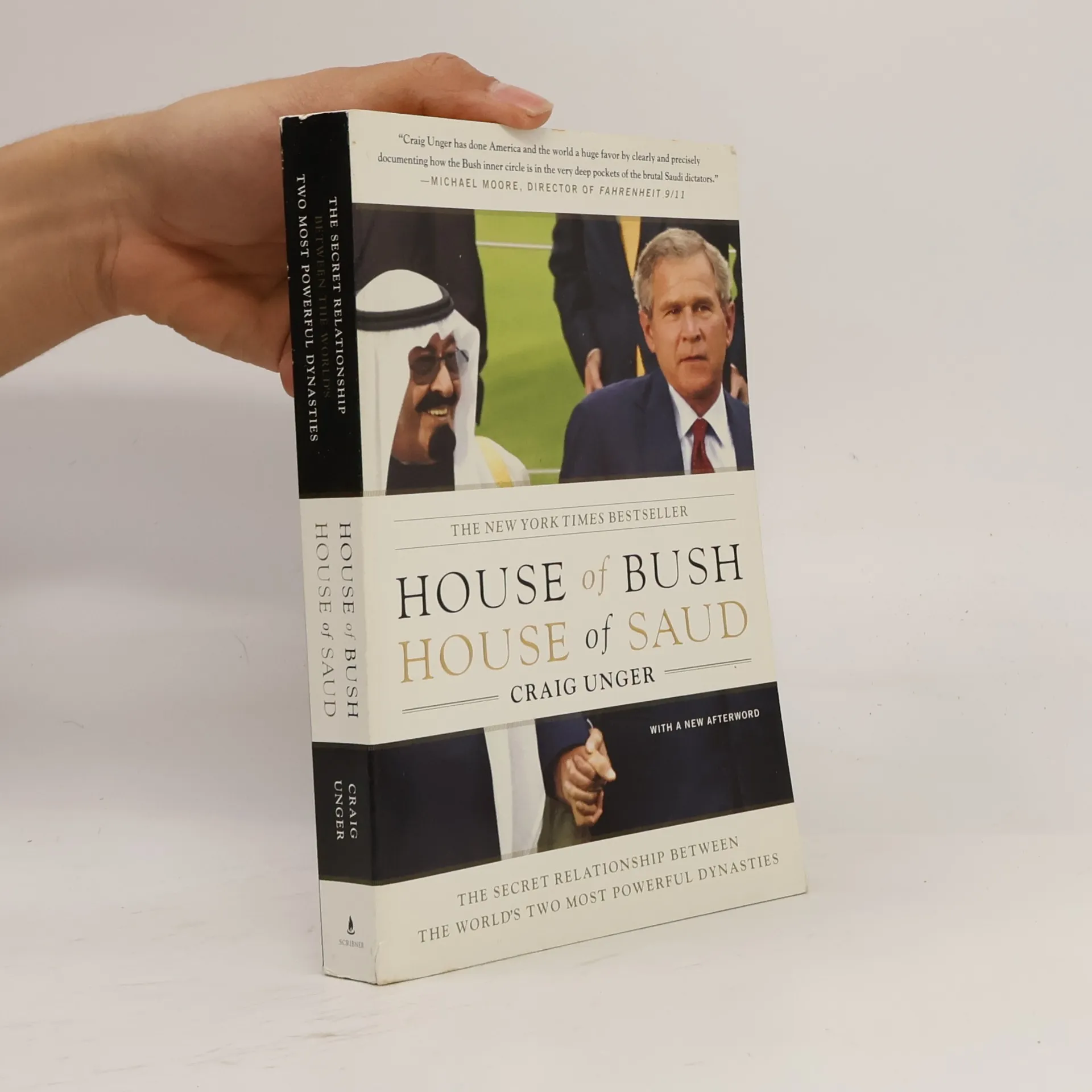
House of Bush, House of Saud
- 370pages
- 13 heures de lecture
"House of Bush, House of Saud" reveals the intricate, thirty-year relationship between the Bush family and the House of Saud, exploring its influence on U.S. foreign policy and national security. Investigative journalist Craig Unger uncovers how this connection shaped events like 9/11 and the Gulf Wars, providing exclusive insights from key intelligence figures.
Den of Spies
Reagan, Carter and the Secret History of the Treason that Stole the White House
The investigation delves into the alleged collusion between Ronald Reagan's 1980 campaign and Iran, suggesting a conspiracy to delay the release of American hostages for political gain. This operation, orchestrated by campaign manager Bill Casey, involved secret arms deals and created a shadow foreign policy that ensured Reagan's victory. Unger, an investigative journalist, faced significant backlash while uncovering the truth behind the October Surprise, revealing a complex web of espionage, political maneuvering, and the consequences of foreign interference in elections.
House of Trump, House of Putin
- 368pages
- 13 heures de lecture
The explosive, news-breaking story of how Putin's Russia came to control the White House.
American Kompromat
- 352pages
- 13 heures de lecture
"American Kompromat tells the story of the unimaginably corrupt, dissolute, and decadent subculture of the most powerful people in the world and how they have orchestrated, obtained, and used kompromat--Russian for compromising information--as leverage to achieve their political goals"-- Provided by publisher
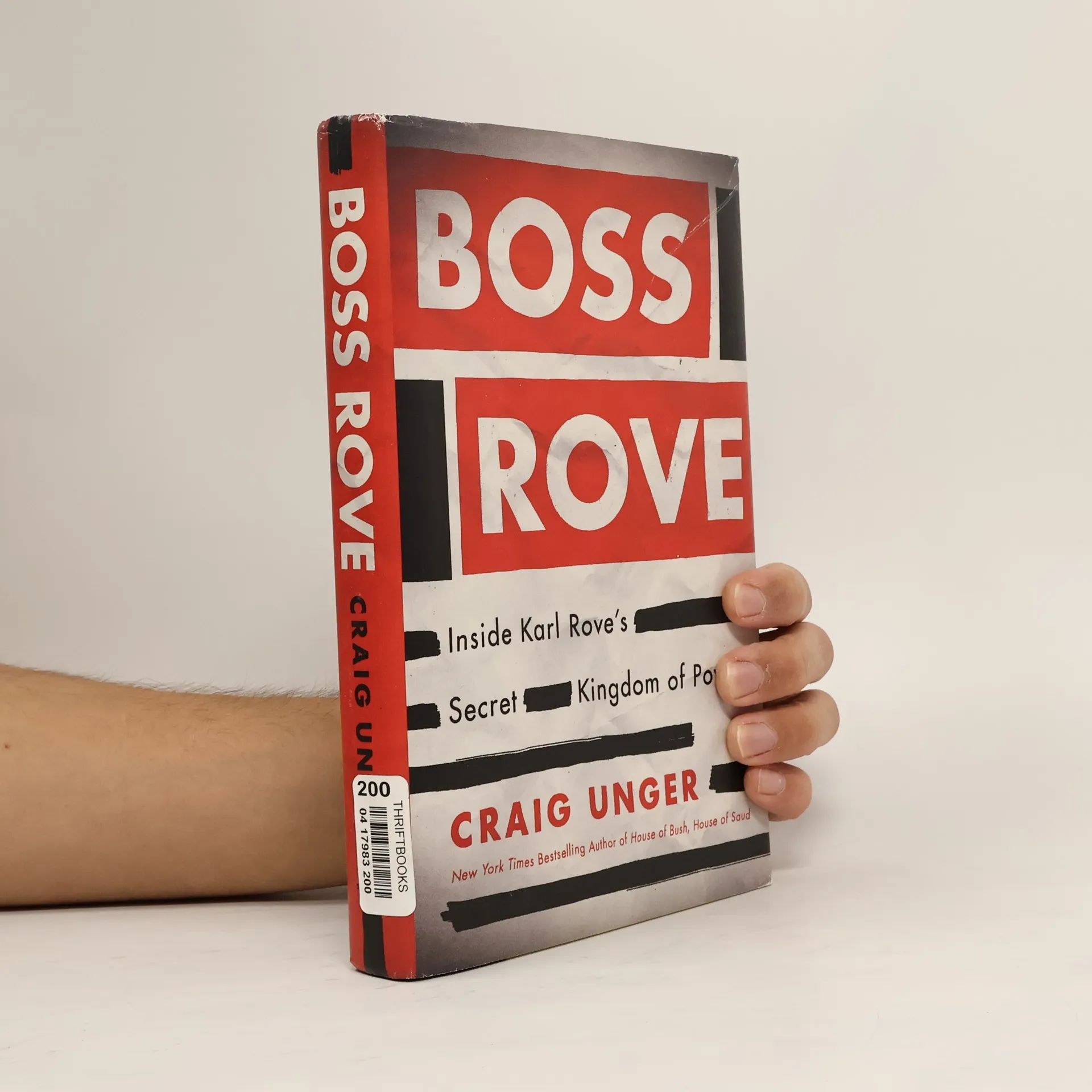
This detailed and timely account by investigative journalist Craig Unger reveals Karl Rove's significant role in the 2012 presidential election. Rove, known for his scorched-earth partisanship and labeled “Bush’s Brain,” made a stunning comeback after leaving the Bush administration in disgrace. Unger meticulously explores how Rove, the mastermind behind George W. Bush's rise and a key figure in major scandals, became the most powerful Republican power broker in the country. His influence extends beyond his roles as a Fox News commentator and Wall Street Journal columnist; he mobilizes vast sums of money through the SuperPAC American Crossroads to support Republican candidates. Unger investigates Rove’s controversial past, including his involvement in the Valerie Plame Wilson affair and the U.S. attorneys scandal, revealing their relevance to his current activities. He examines Rove's strategies during the 2012 Republican primary process, his interactions with candidates like Rick Perry and Michele Bachmann, and his complex relationship with the Tea Party. As Rove regained control of GOP strategy and funding, pressing questions arose about his influence and future prospects, regardless of the election outcome. Combining incisive reporting with a compelling narrative, this work sheds light on Rove's vital behind-the-scenes role in the election and the broader implications for American democracy.
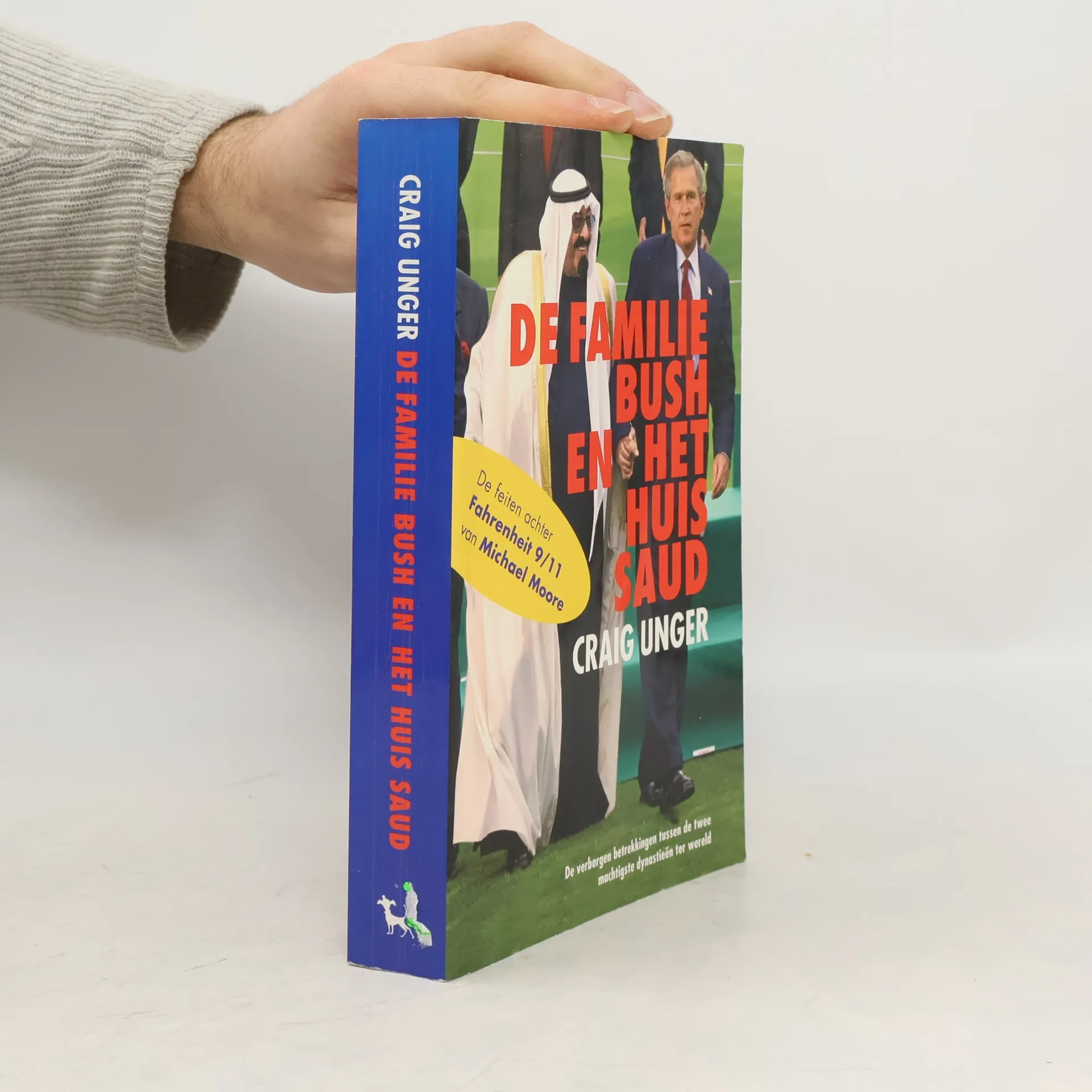
De familie Bush en het huis Saud
De verborgen betrekkingen tussen de twee machtigste dynastieën ter wereld
- 366pages
- 13 heures de lecture