Prime Movers of Globalization
- 272pages
- 10 heures de lecture
The story of how diesel engines and gas turbines, used to power cargo ships and jet airplanes, made today's globally integrated economy possible.


Václav Smil est un savant distingué dont le travail explore la relation complexe entre l'énergie, la civilisation et le progrès technologique. Ses écrits abondants examinent les forces fondamentales qui façonnent les sociétés humaines et l'avenir de la planète. Grâce à une analyse rigoureuse et à une perspective unique, Smil offre des aperçus profonds sur des systèmes complexes, encourageant les lecteurs à reconsidérer leur compréhension de la vie moderne et de ses dépendances.


The story of how diesel engines and gas turbines, used to power cargo ships and jet airplanes, made today's globally integrated economy possible.
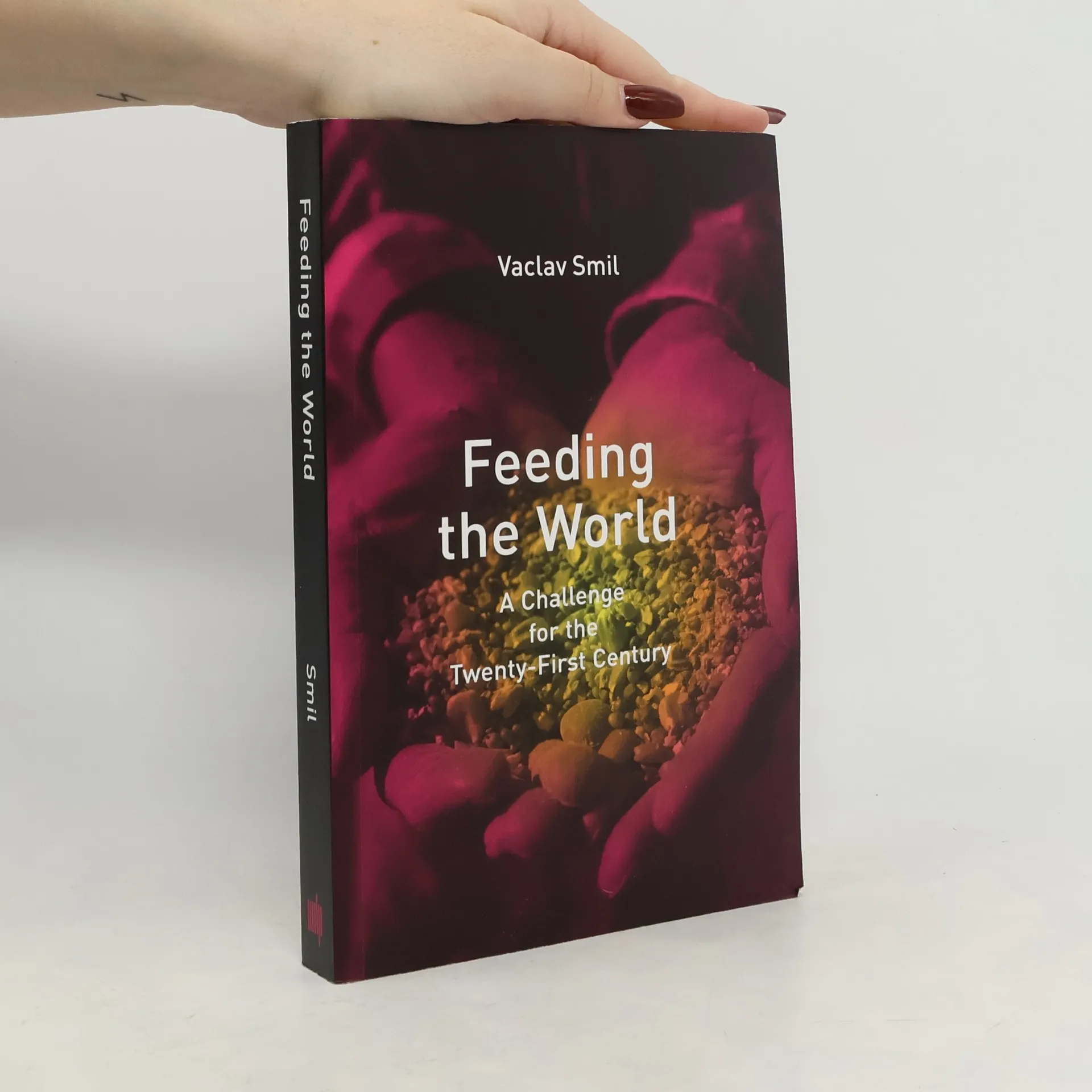
A realistic yet encouraging look at how society can change in ways that will allow us to feed an expanding global population. schovat popis
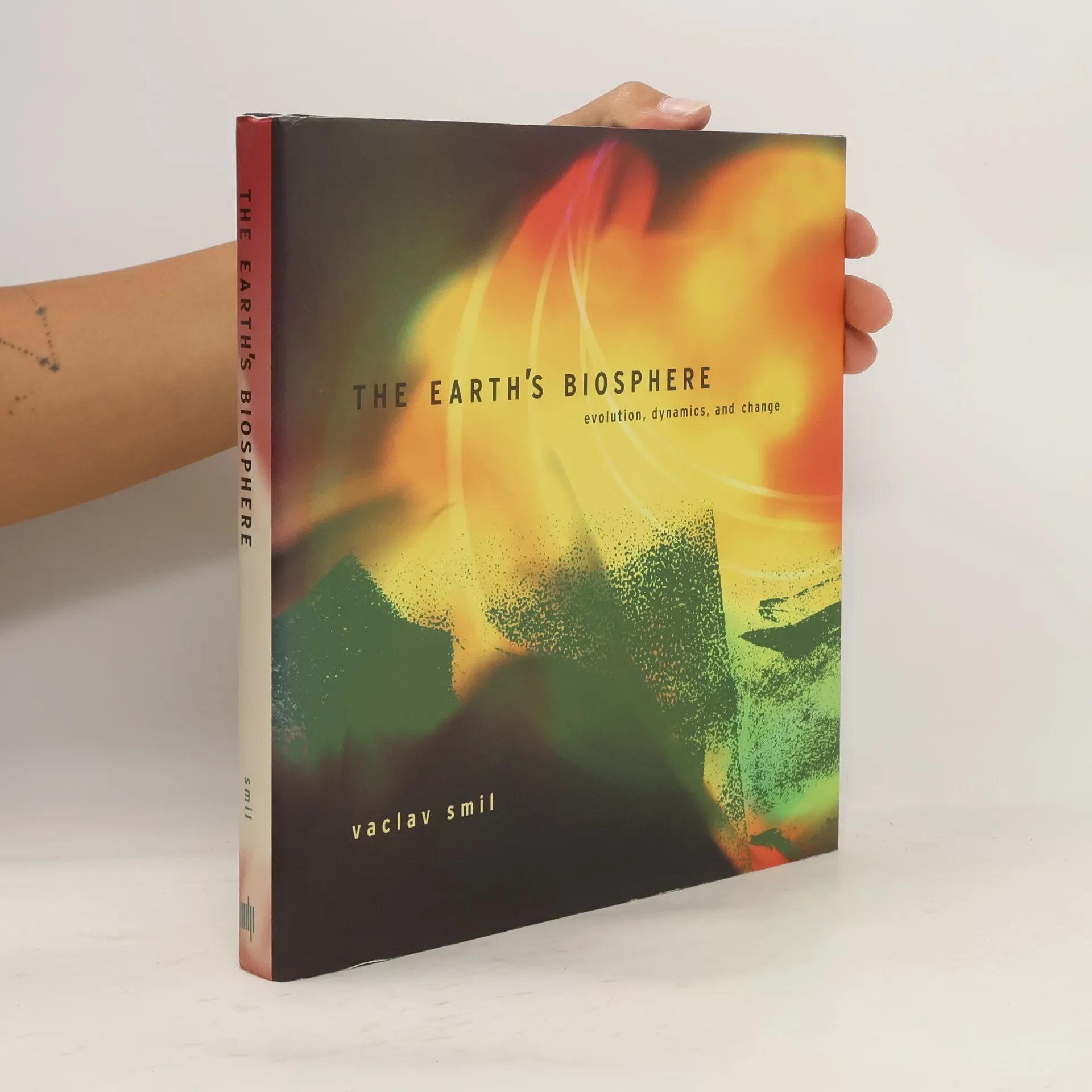
Examines the Earth's biosphere, including its workings, interactions, and complexity.
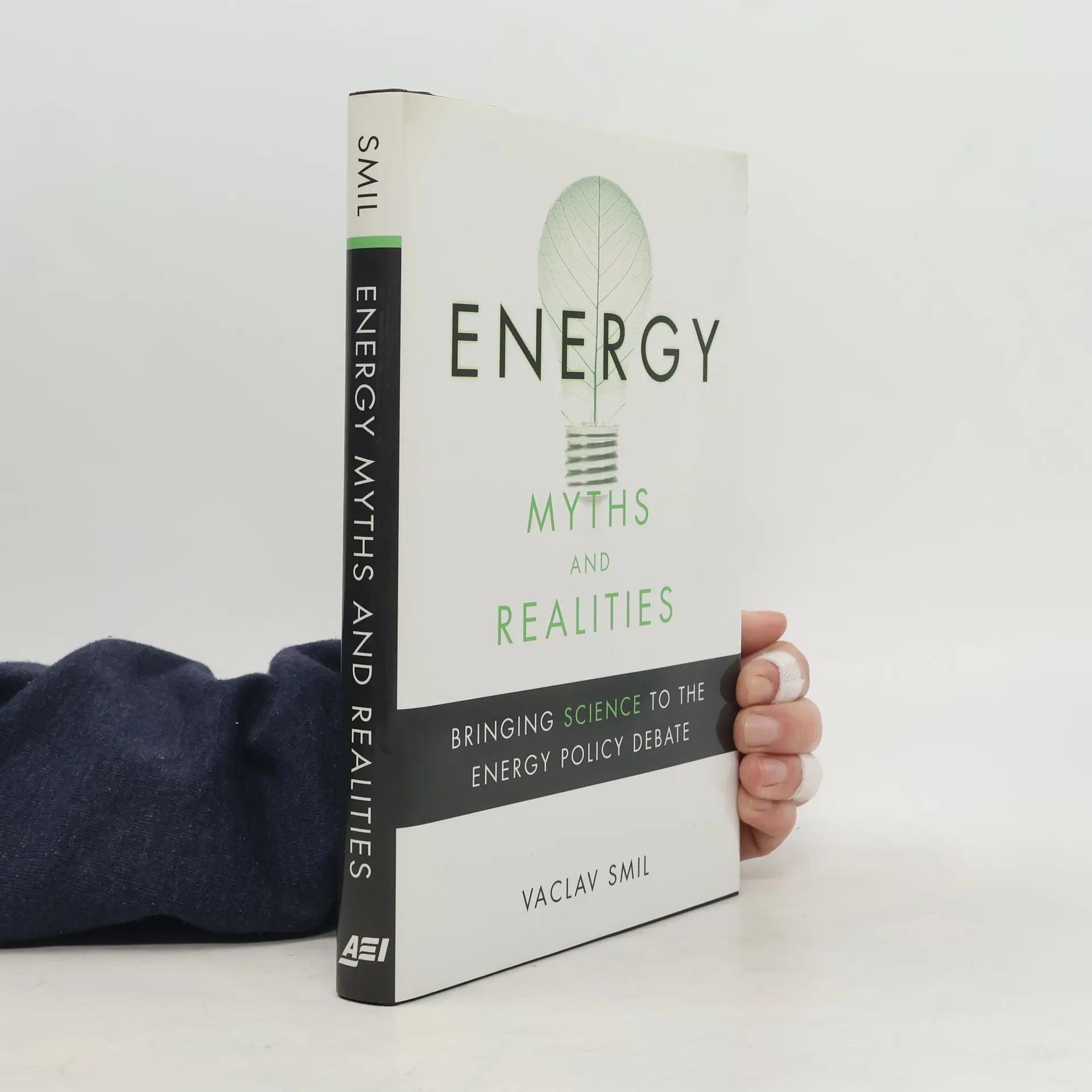
The book presents a compelling argument about the complexities and lengthy nature of energy transitions, emphasizing that underestimating these factors leads to unrealistic expectations regarding the rapid reduction of fossil fuel dependency in the U.S. and other economies. It challenges prevailing narratives and explores the implications of this misunderstanding for future energy policies and global economic strategies.
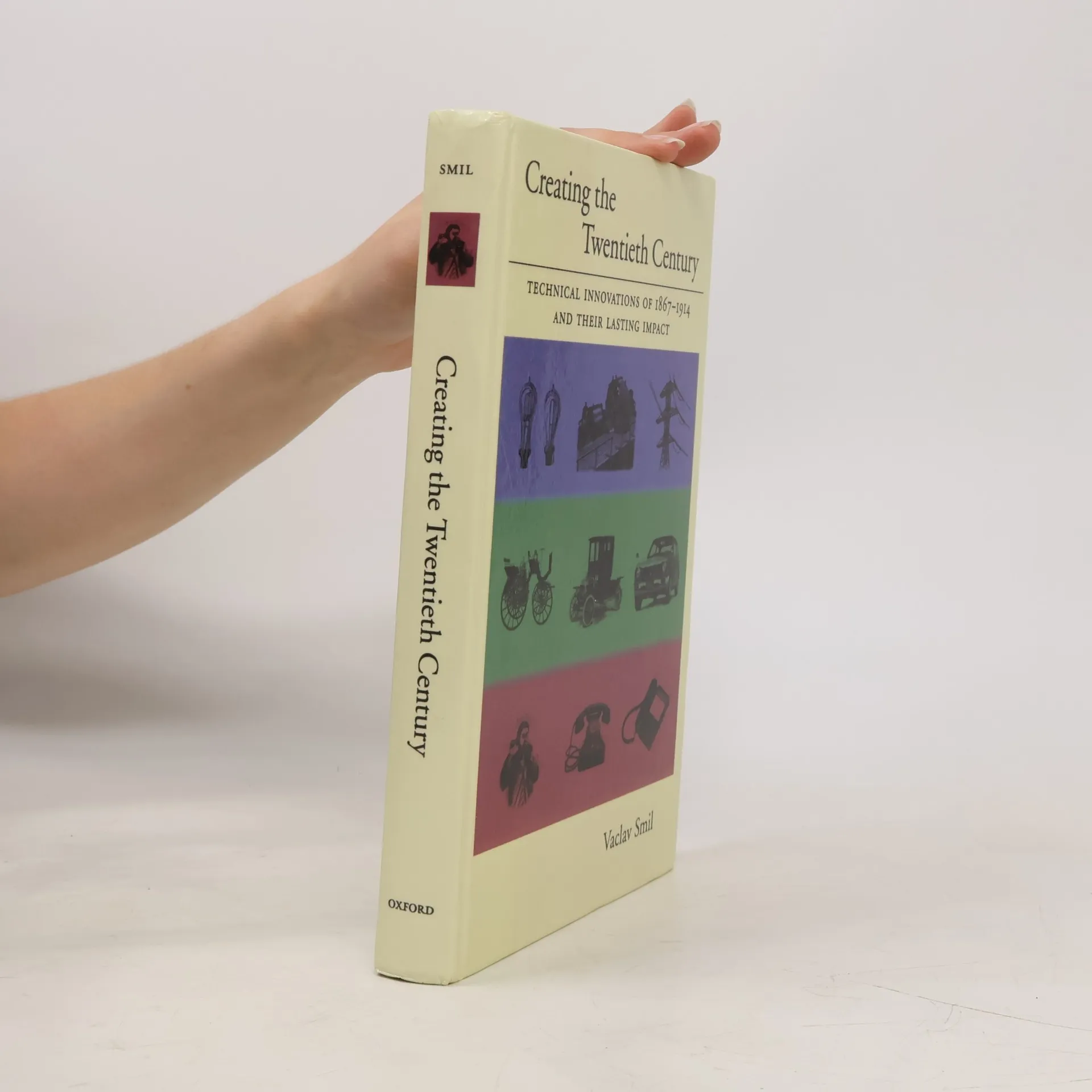
The transformative period from 1867 to 1914 marked a pivotal moment in history, characterized by the rise of a civilization fueled by innovative technologies and scientific advancements. Key developments, such as the invention of dynamite, played a crucial role in shaping industries and societies. This era laid the groundwork for modernity, highlighting the synergy between energy sources and technological progress, which fundamentally altered human life and set the stage for future advancements.
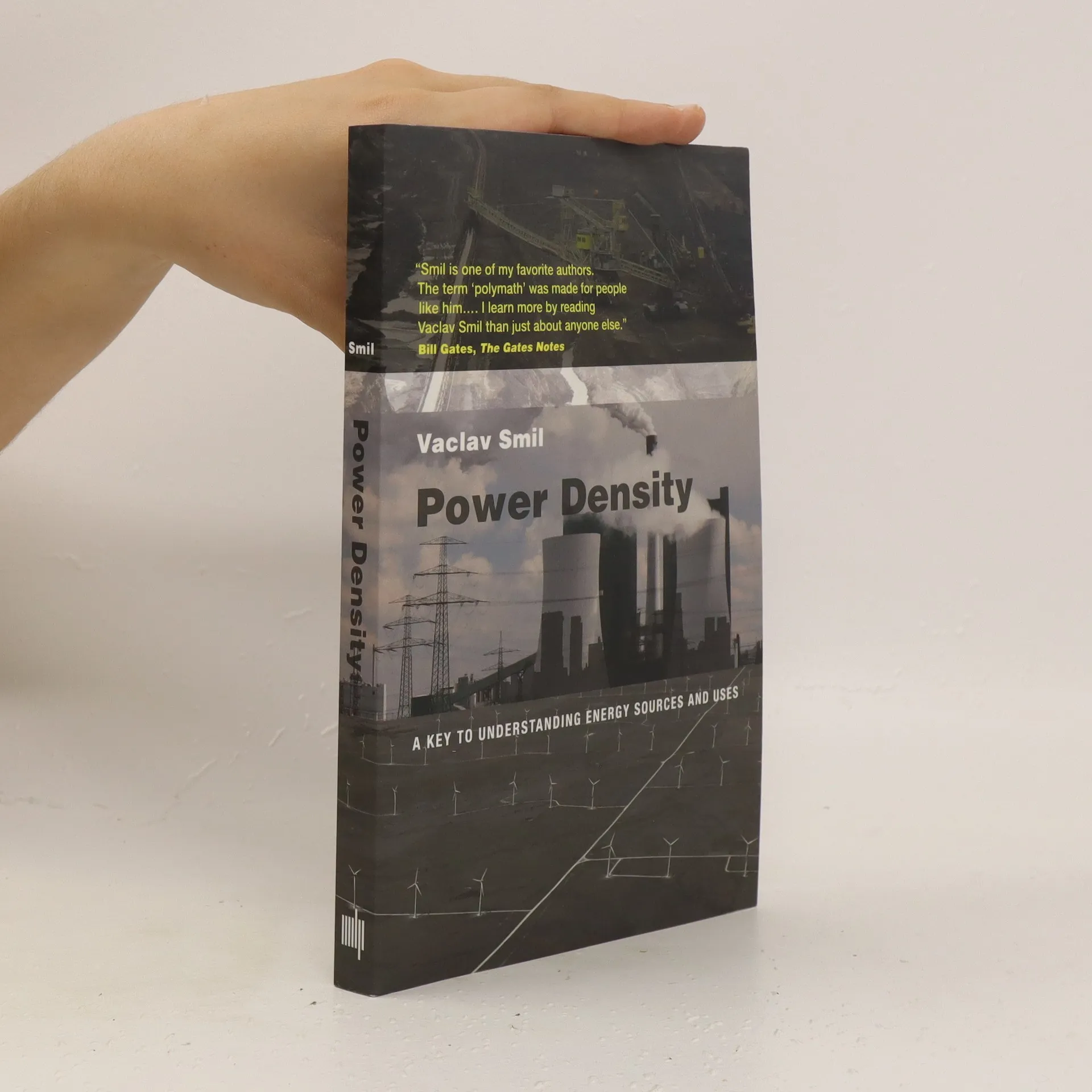
In this book, Vaclav Smil argues that power density is a key determinant of the nature and dynamics of energy systems. Any understanding of complex energy systems must rely on quantitative measures of many fundamental variables. Power density -- the rate of energy flux per unit of area -- is an important but largely overlooked measure. Smil provides the first systematic, quantitative appraisal of power density, offering detailed reviews of the power densities of renewable energy flows, fossil fuels, thermal electricity generation, and all common energy uses. Smil shows that careful quantification, critical appraisals, and revealing comparisons of power densities make possible a deeper understanding of the ways we harness, convert, and use energies. Conscientious assessment of power densities, he argues, proves particularly revealing when contrasting the fossil fuel--based energy system with renewable energy conversions. Smil explains that modern civilization has evolved as a direct expression of the high power densities of fossil fuel extraction. He argues that our inevitable (and desirable) move to new energy arrangements involving conversions of lower-density renewable energy sources will require our society -- currently dominated by megacities and concentrated industrial production -- to undergo a profound spatial restructuring of its energy system
Fritz Haber, Carl Bosch, and the Transformation of World Food Production
The book highlights the critical role of ammonia synthesis in supporting global population growth, emphasizing its significance over other technological advancements like airplanes and nuclear energy. Dr. Smil, a leading expert on nitrogenous fertilizers, explores how this industrial process has fundamentally transformed agriculture and society, enabling the world’s population to expand from 1.6 billion in 1900 to six billion today.
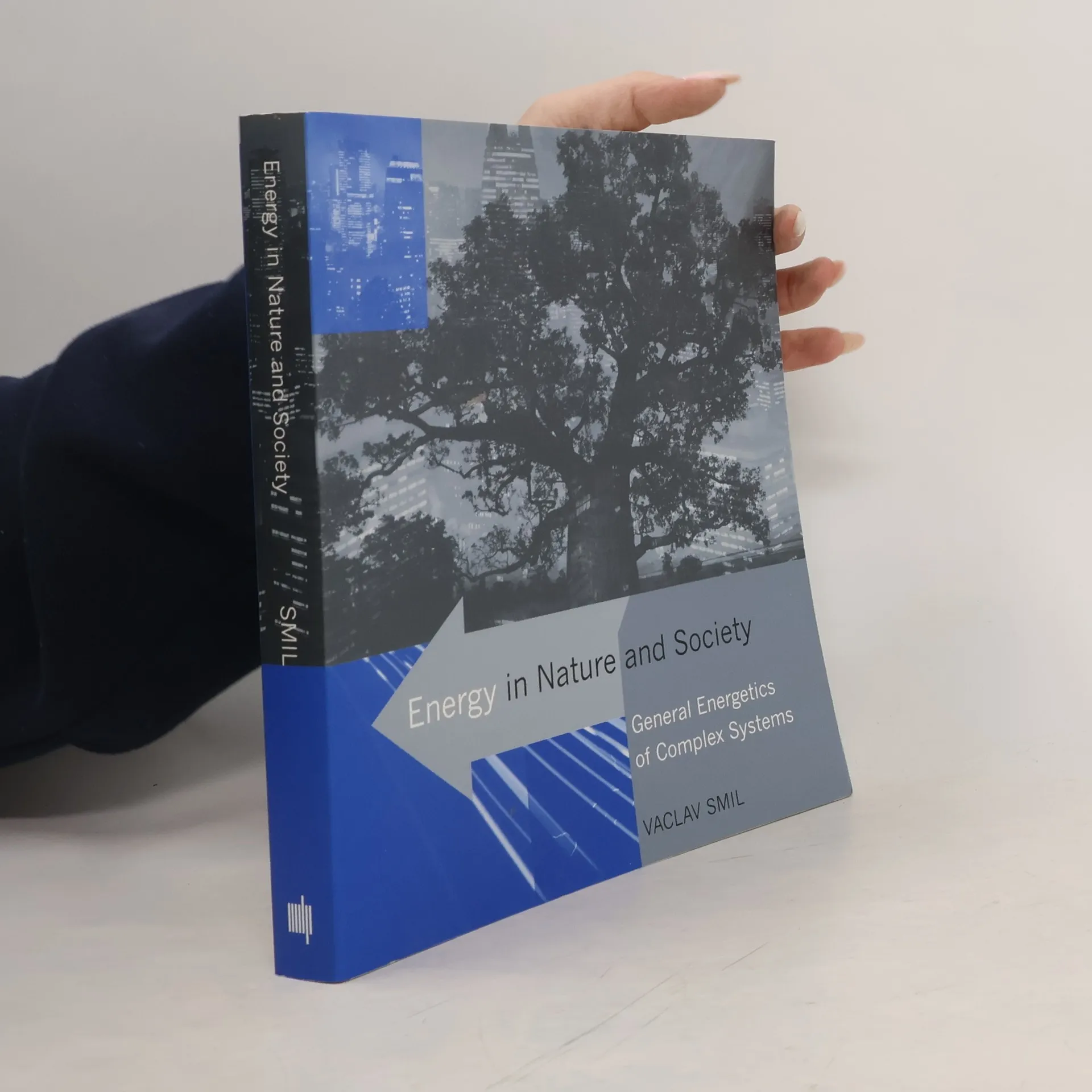
A comprehensive, systematic, analytically unified, and interdisciplinary treatment of energy in nature and society, from solar radiation and photosynthesis to our fossil fuelled civilization and its environmental consequences.
An interdisciplinary and quantitative account of human claims on the biosphere's stores of living matter, from prehistoric hunting to modern energy production.
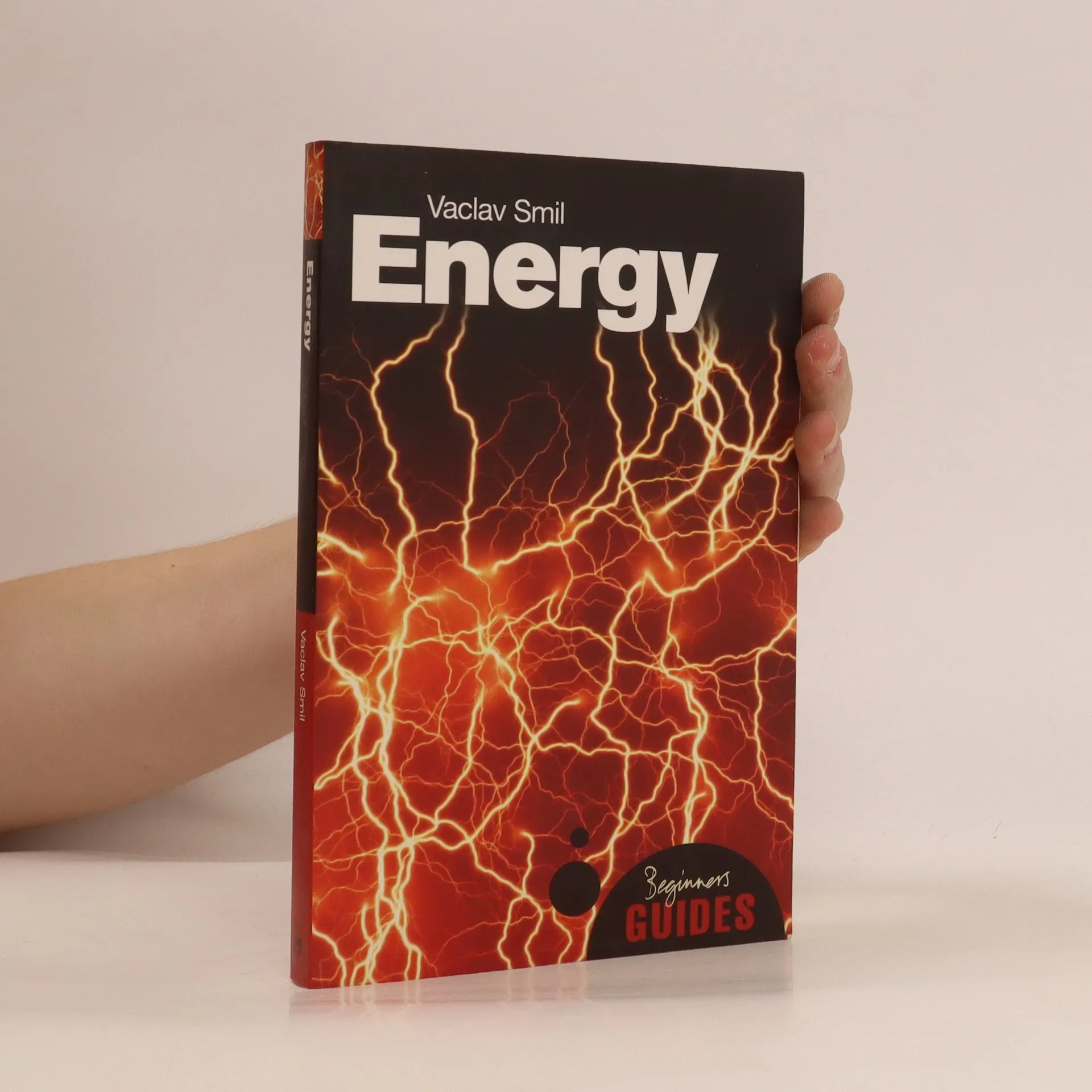
As Einstein pointed out in his famous equation, E=MC2, all matter can be described as energy. It is everywhere; it is everything. In this engaging book, prolific author and academic Vaclav Smil provides an introduction to the far-reaching term and gives the reader a greater understanding of energy's place in both past and present society. Starting with an explanation of the concept, he goes on to cover such exciting topics as the inner workings of the human body, and the race for more efficient and environmentally friendly fuels. With global warming becoming a mainstream political issue, this guide will help shed light on the science behind it and efforts to prevent it, and how our seemingly insignificant daily decisions affect energy consumption. Whether you're after insight or dinner table conversation, "Energy: A Beginner's Guide" will amaze and inform, uncovering the science behind one of the most important concepts in our universe.
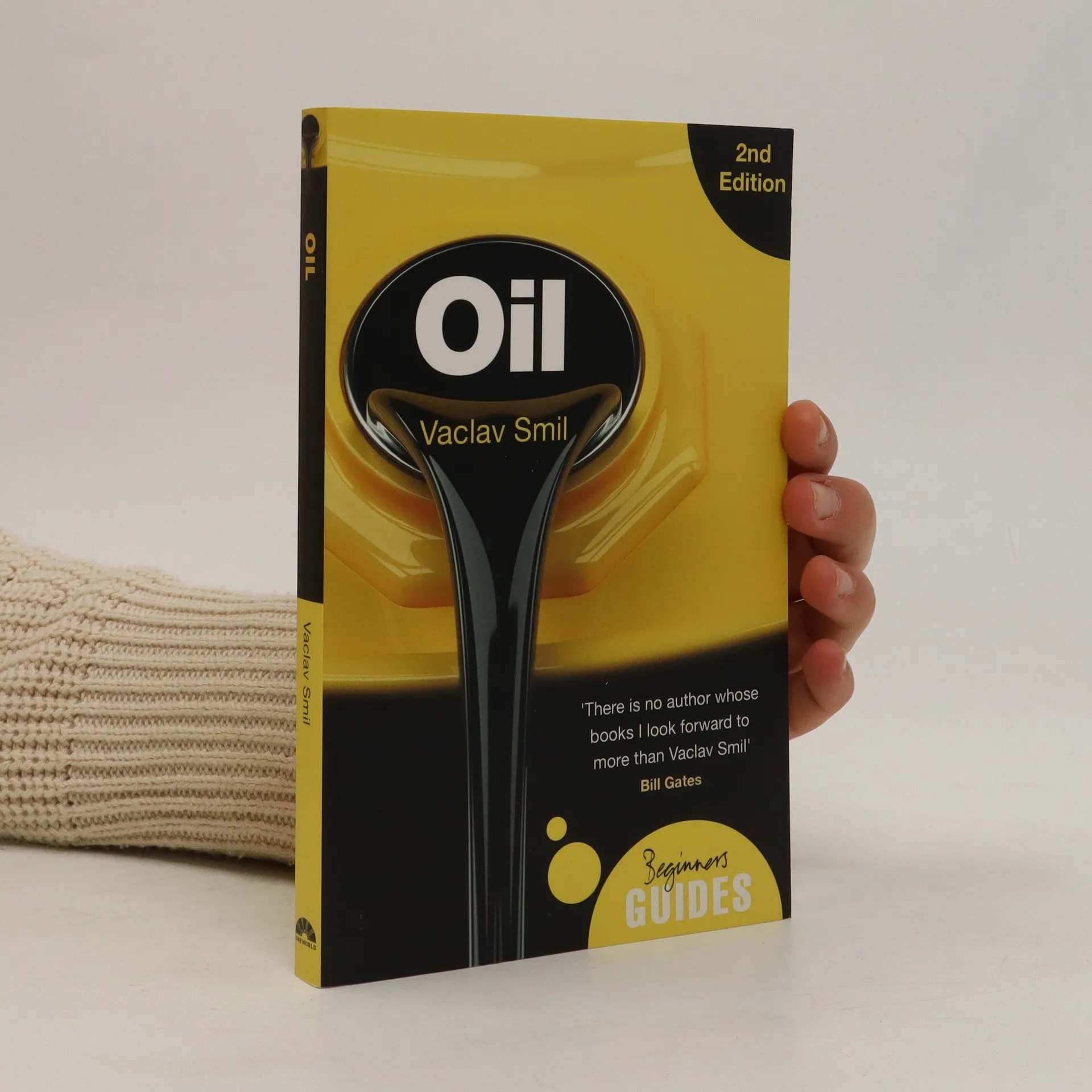
In this fully revised and updated edition, world acclaimed scientist Vaclav Smil reveals everything there is to know about nature's most sought-after resource.
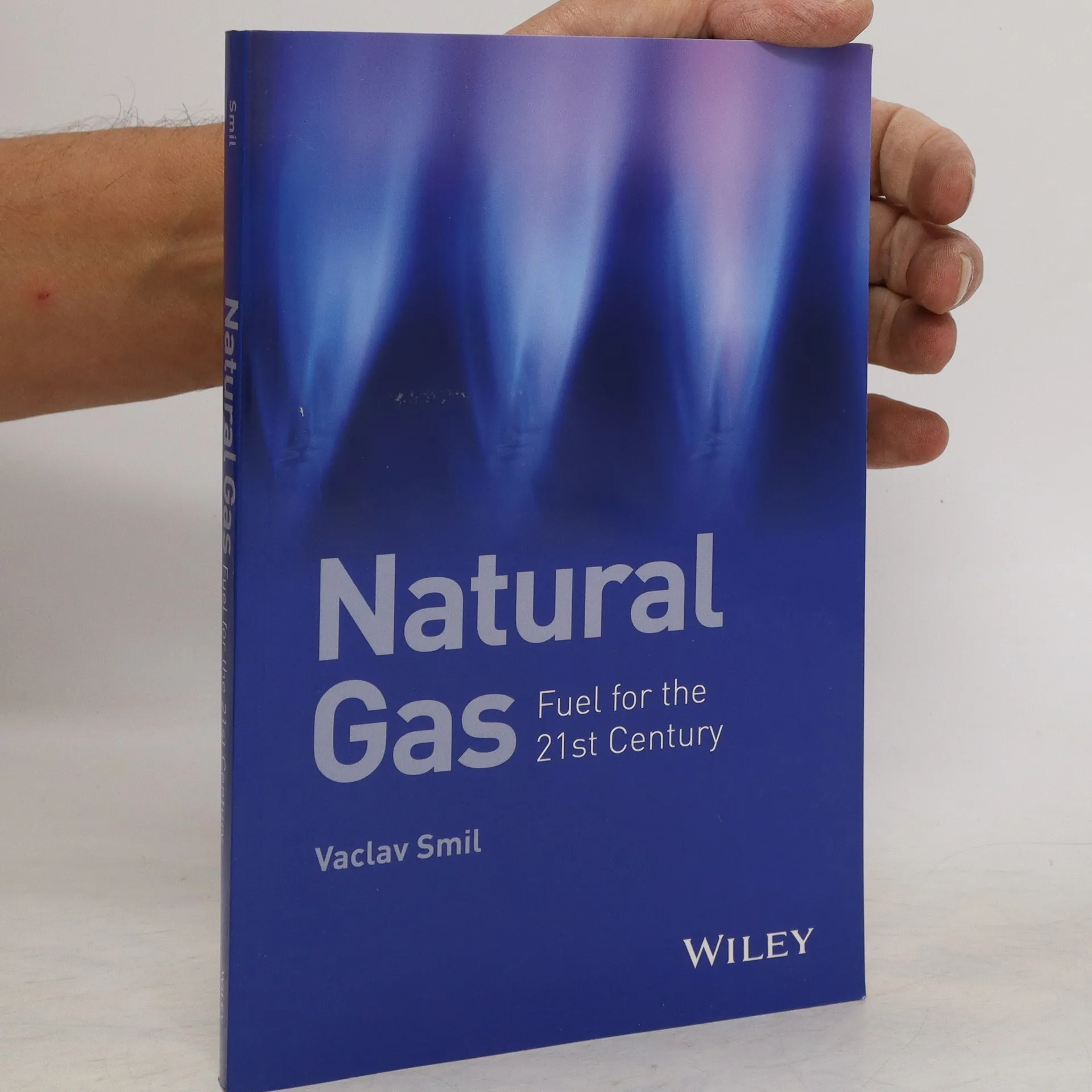
Natural gas is the world’s cleanest fossil fuel; it generates less air pollution and releases less CO2 per unit of useful energy than liquid fuels or coals. With its vast supplies of conventional resources and nonconventional stores, the extension of long-distance gas pipelines and the recent expansion of liquefied natural gas trade, a truly global market has been created for this clean fuel. Natural Gas: Fuel for the 21st Century discusses the place and prospects of natural gas in modern high-energy societies. Vaclav Smil presents a systematic survey of the qualities, origins, extraction, processing and transportation of natural gas, followed by a detailed appraisal of its many preferred, traditional and potential uses, and the recent emergence of the fuel as a globally traded commodity. The unfolding diversification of sources, particularly hydraulic fracturing, and the role of natural gas in national and global energy transitions are described. The book concludes with a discussion on the advantages, risks, benefits and costs of natural gas as a leading, if not dominant, fuel of the 21st century. This interdisciplinary text will be of interest to a wide readership concerned with global energy affairs including professionals and academics in energy and environmental science, policy makers, consultants and advisors with an interest in the rapidly-changing global energy industry.
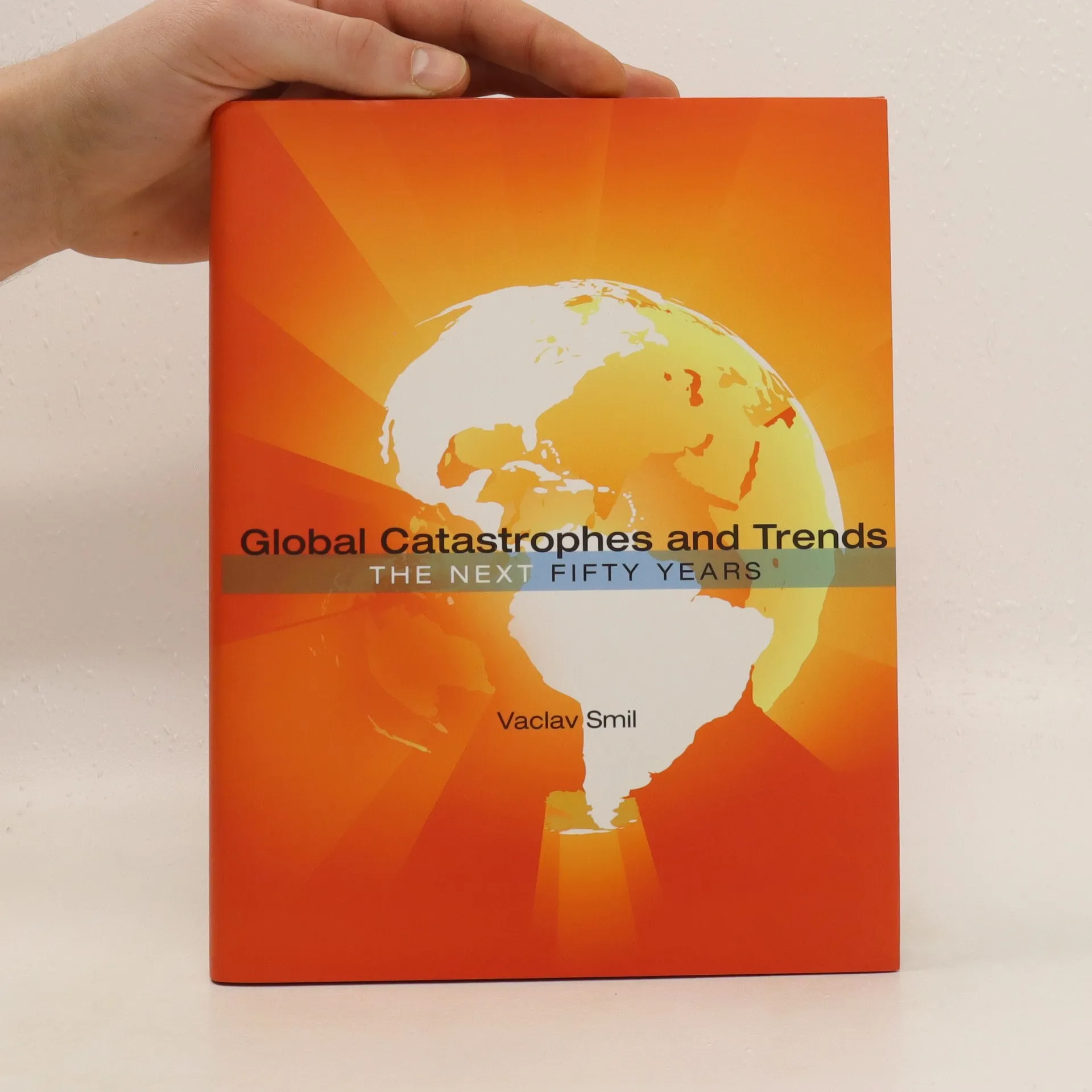
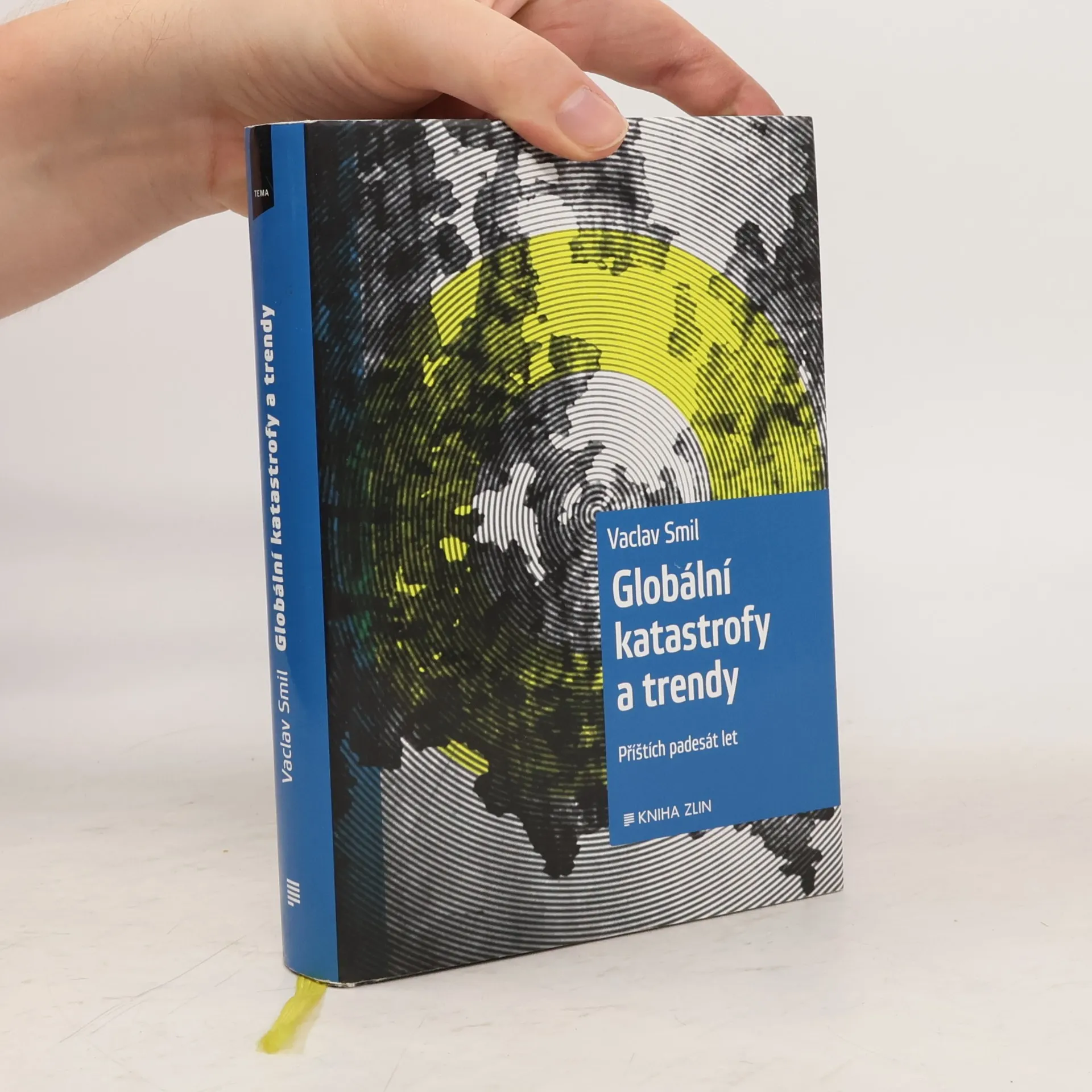
In this book, the author takes a wide-ranging interdisciplinary look at the catastrophes and trends the next fifty years may bring. The author looks at rare but cataclysmic events, both natural and human-produced, then at trends of global importance: the transition from fossil fuels to other energy sources; demographic and political shifts in Europe, Japan, Russia, China, the United States, and Islamic nations; the battle for global primacy; and growing economic and social inequality. He also considers environmental change and assesses the often misunderstood complexities of global warming.
Epochal transitions -- Populations -- Agricultures and diets -- Energies -- Economies -- Environment -- Outcomes and outlooks.
The book explores the significant environmental challenges posed by China's vast population of 1.3 billion people, highlighting the immense strain on the country's natural resources. Authored by a leading scholar on the earth's biosphere, it offers a comprehensive analysis of the ecological issues confronting China, making it a vital resource for understanding the intersection of population dynamics and environmental sustainability.
This text considers the 21st century's crucial question: how to reconcile the modern world's unceasing demand for energy with the absolute necessity to preserve the integrity of the biosphere
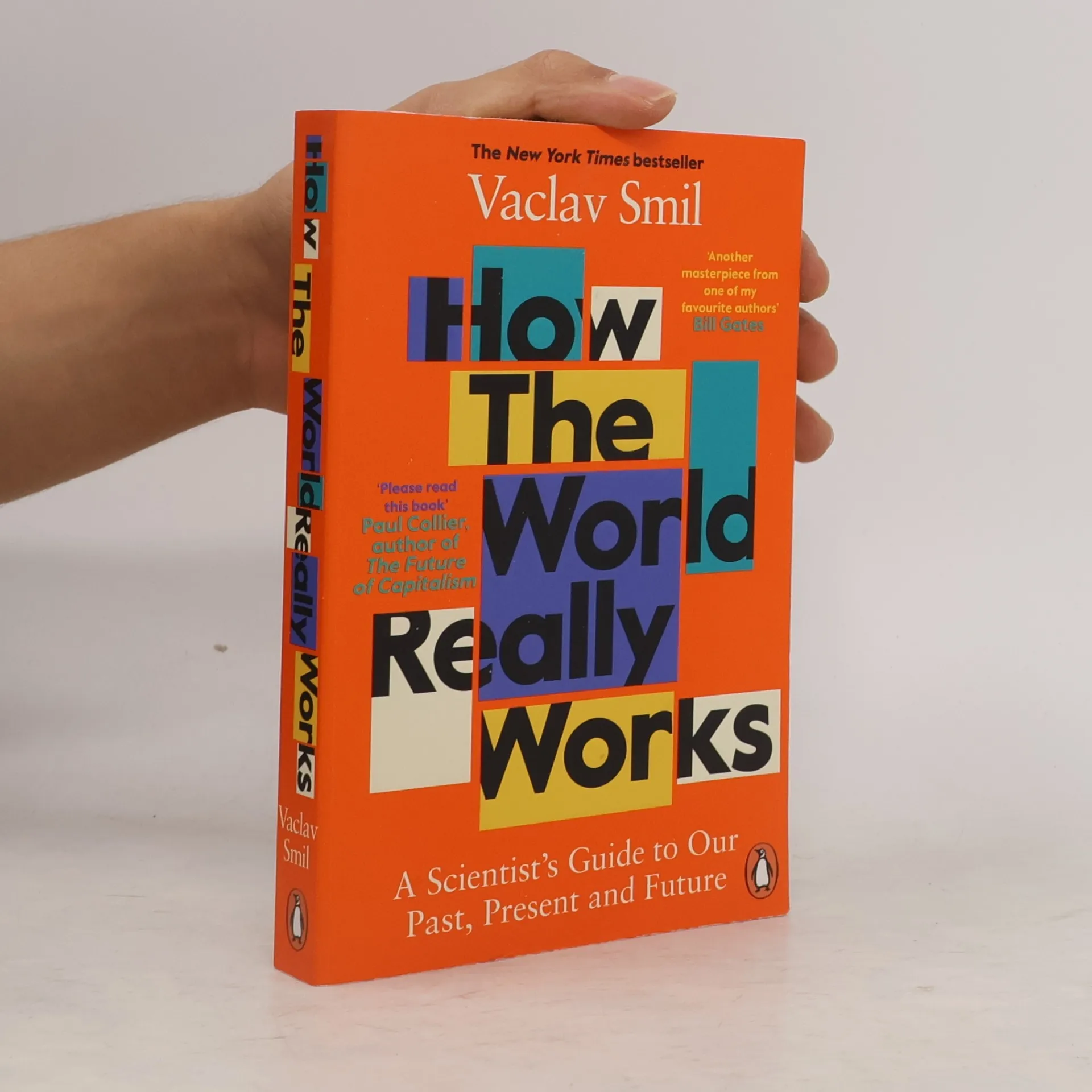
We have never had so much information at our fingertips and yet most of us don't know how the world really works. This book explains seven of the most fundamental realities governing our survival and prosperity. From energy and food production, through our material world and its globalization, to risks, our environment and its future, How the World Really Works offers a much-needed reality check - because before we can tackle problems effectively, we must understand the facts. In this ambitious and thought-provoking book we see, for example, that globalization isn't inevitable and that our societies have been steadily increasing their dependence on fossil fuels, making their complete and rapid elimination unlikely. Vaclav Smil is neither a pessimist nor an optimist, he is a scientist; he is the world-leading expert on energy and an astonishing polymath. This is his magnum opus and is a continuation of his quest to make facts matter. Drawing on the latest science, including his own fascinating research, and tackling sources of misinformation head on - from Yuval Noah Harari to Noam Chomsky - ultimately Smil answers the most profound question of our age- are we irrevocably doomed or is a brighter utopia ahead?
Reality: Comprehensive energy transitions take several generations. --
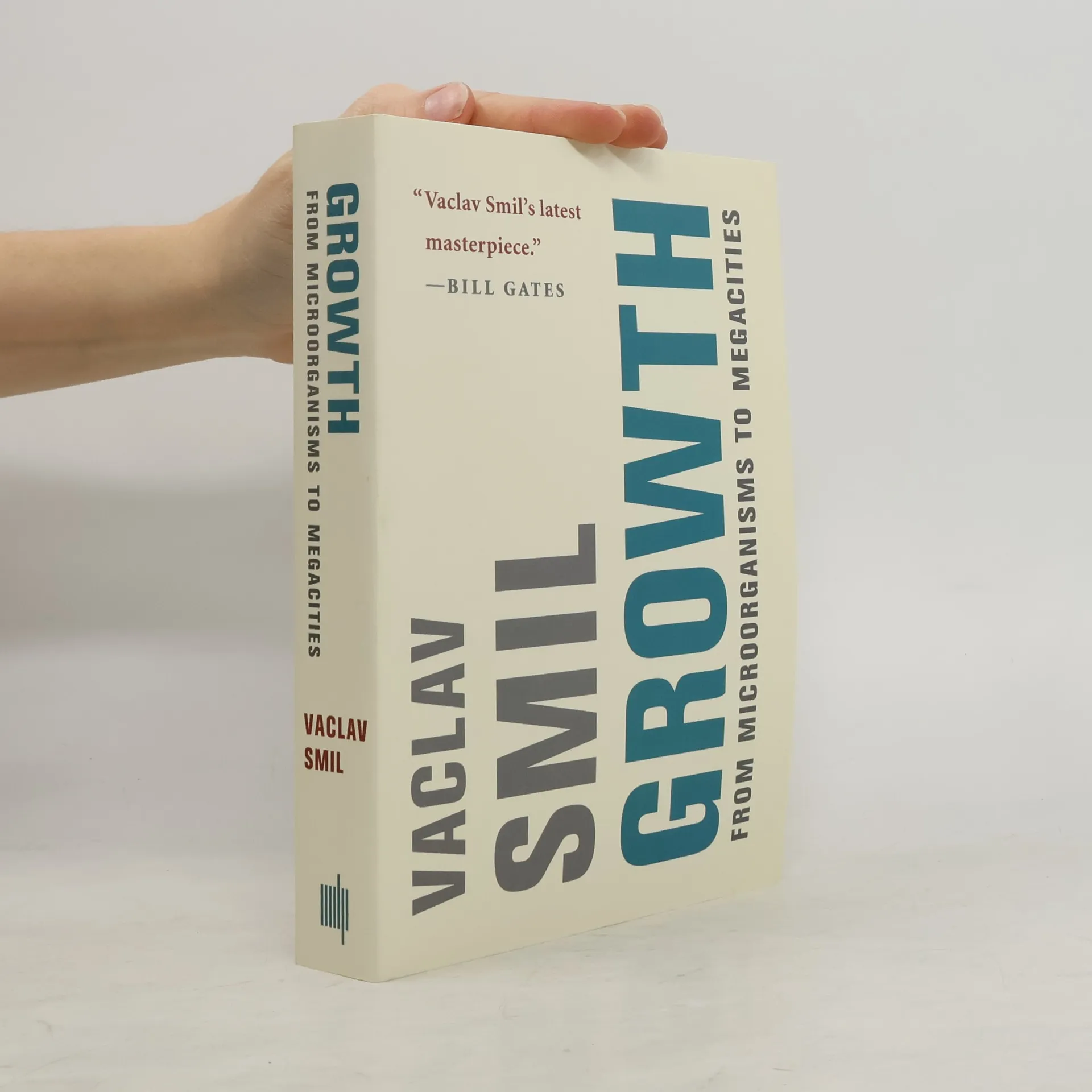
Growth is a fundamental aim of our individual and collective endeavors, influencing everything from microorganisms to galaxies, and shaping our economies and brain capabilities. It is evident in various forms, such as the annual increments of continental crust, rising GDP, children's growth charts, and the spread of cancer cells. This comprehensive exploration delves into growth in both nature and society, encompassing everything from tiny organisms to the trajectories of empires. The author examines the growth of organisms, including disease-causing microbes and staple crops, as well as human development from infancy to adulthood. Additionally, the book addresses the growth of energy conversions and man-made objects that are crucial for economic activities, highlighting their significance to civilization. The narrative progresses to complex systems, focusing on human population growth and urban expansion. It tackles the challenges of analyzing the growth of empires and civilizations, noting that while organism growth can be charted over time, societal and economic progress is less linear, often involving cycles of decline and renewal. Ultimately, the trajectory of modern civilization, shaped by the tension between material growth and biospheric limits, remains uncertain.
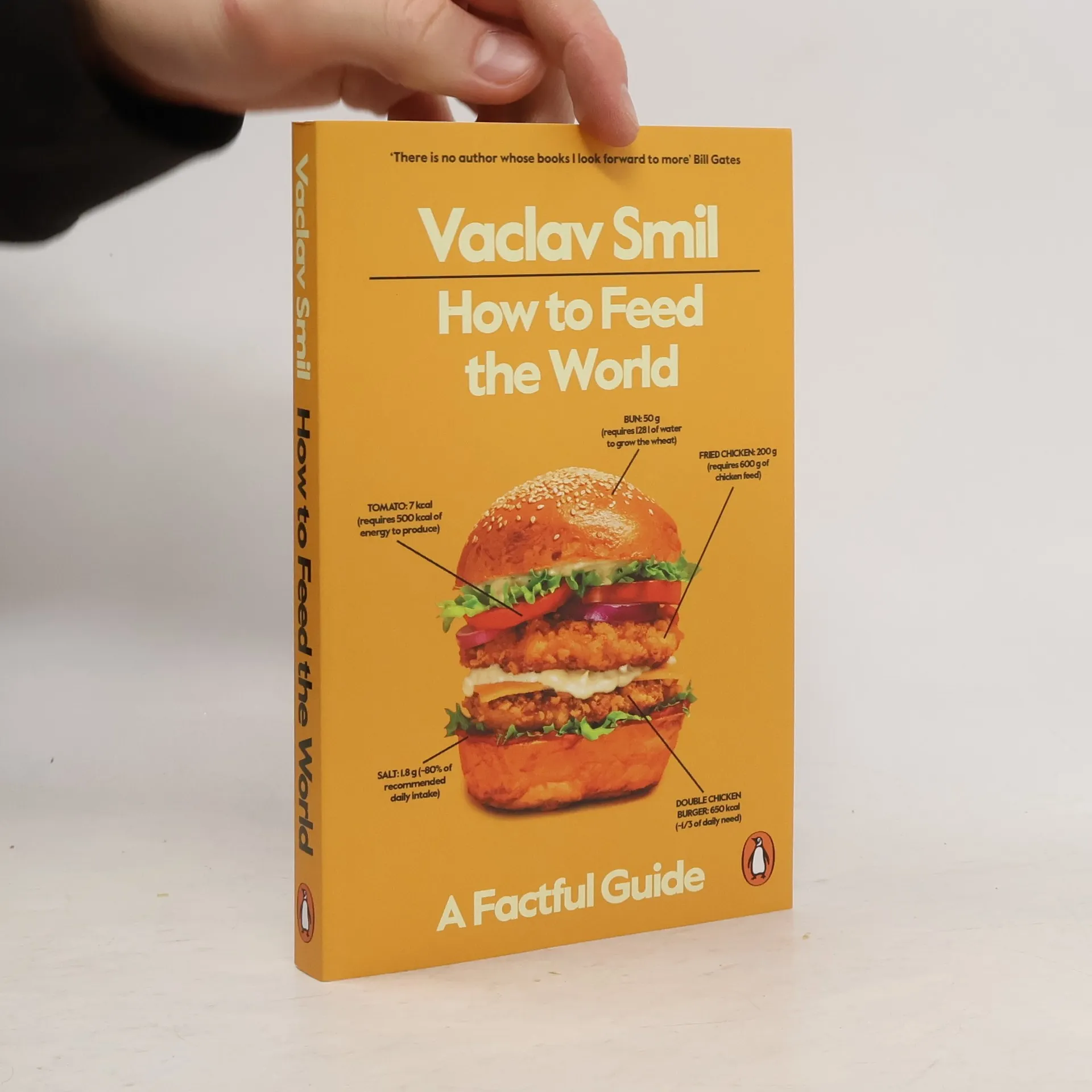
'There is no author whose books I look forward to more' Bill Gates 'A fascinating deep dive...a wonderful fact-based tour of our food system, past and present. It opens up plenty of interesting debates on what to do next to feed 10 billion people without wrecking the planet' Hannah Ritchie, author of Not the End of the World In this ambitious, myth-busting book, leading scientist and internationally bestselling author Vaclav Smil investigates many of the burning questions facing the world today: Why are some of the world's biggest food producers also the countries with the most undernourished populations? Why is food waste a colossal 1,000kcal per person daily, and how can we solve that? Could we all go vegan and be healthy? Should we? How will we feed the ballooning population without killing the planet? How Food Really Works shows how we misunderstand the essentials of where our food really comes from, how our dietary requirements shape us, and why this impacts our planet in drastic ways. Ultimately, this data-based, rigorously researched guide explains how we will survive and thrive long into the future.
Exploring the evolution of human creativity, this volume delves into significant breakthroughs and the accompanying failures that have shaped our progress. The author, a New York Times bestseller, examines pivotal moments in innovation, highlighting how ingenuity drives society forward while also leading to unexpected consequences. Through engaging narratives, the book offers insights into the complex relationship between invention and its impact on humanity.
Is flying dangerous? How much do the world's cows weigh ? And what makes people happy ? From Earth's nations and inhabitants, through the fuels and foods that energize them, to the transportation and inventions of our modern world - and how all of this affects the planet itself - in Numbers Don't Lie, Professor Vaclav Smil takes us on a fact-finding adventure, using surprising statistics and illuminating graphs to challenge lazy thinking. Smil is on a mission to make facts matter, because after all, numbers may not lie, but which truth do they convey ?
An argument that America's economy needs a strong and innovative manufacturing sector and the jobs it creates.
How much further should the affluent world push its material consumption? This question, among others, is explored in a comprehensive examination of modern material dependence. The modern world relies on unprecedented flows of materials, and even the most efficient production and recycling processes may not suffice to counteract the rising demand driven by population growth and increasing living standards. The text delves into the costs associated with this dependence and the potential for significant dematerialization in modern economies. It reviews the principal materials used throughout history—wood, stone, metals, alloys, plastics, and silicon—detailing their extraction, production, and primary applications. Additionally, it analyzes the evolving efficiencies in material extraction, processing, and distribution, alongside the energy costs and environmental impacts of escalating material consumption. The book concludes with a forward-looking perspective on dematerialization prospects and potential constraints on materials. This interdisciplinary work offers valuable insights for readers from various fields, including resource economics, environmental studies, energy analysis, mineral geology, industrial organization, manufacturing, and material science.
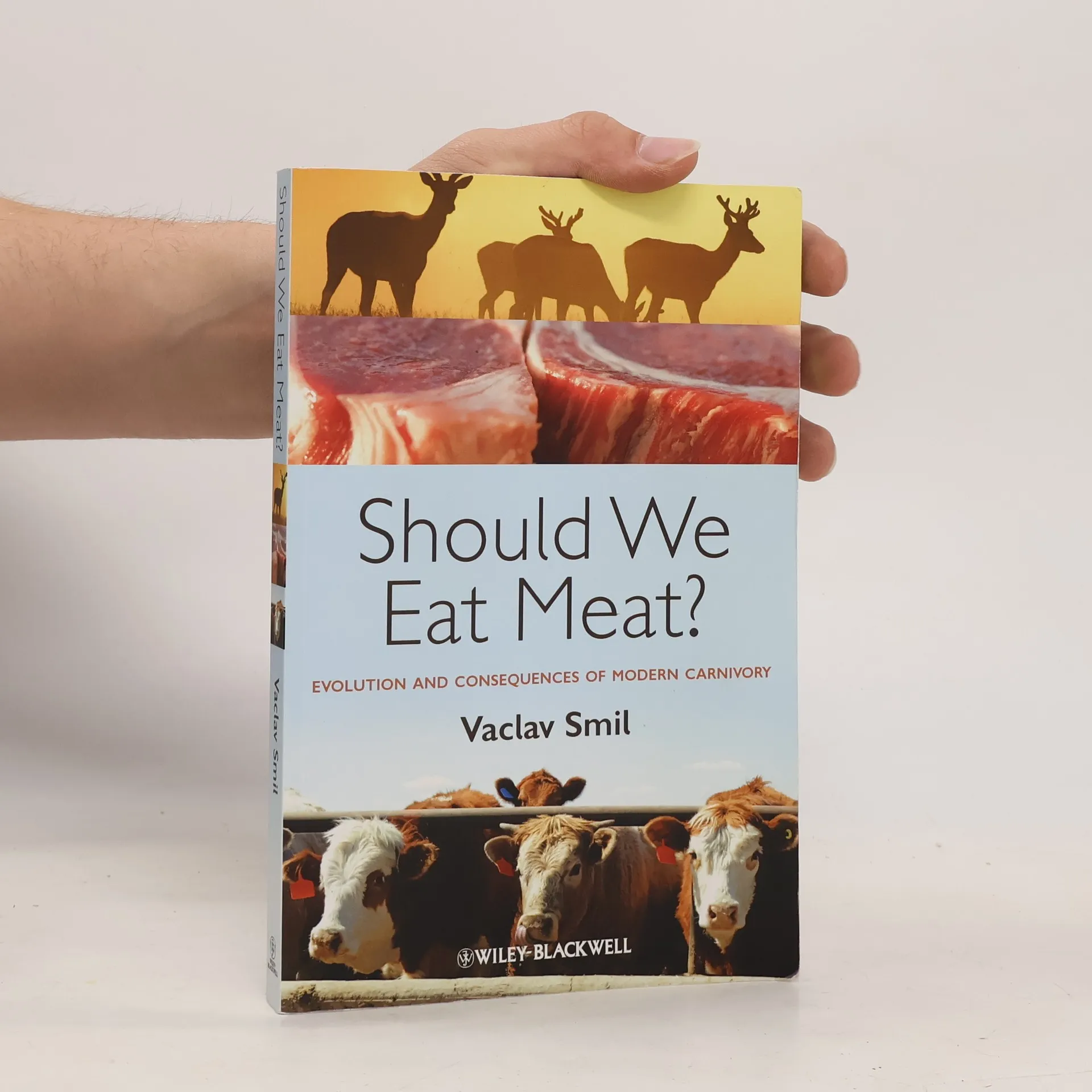
Meat eating is often a contentious subject, whether considering the technical, ethical, environmental, political, or health-related aspects of production and consumption. This book is a wide-ranging and interdisciplinary examination and critique of meat consumption by humans, throughout their evolution and around the world.
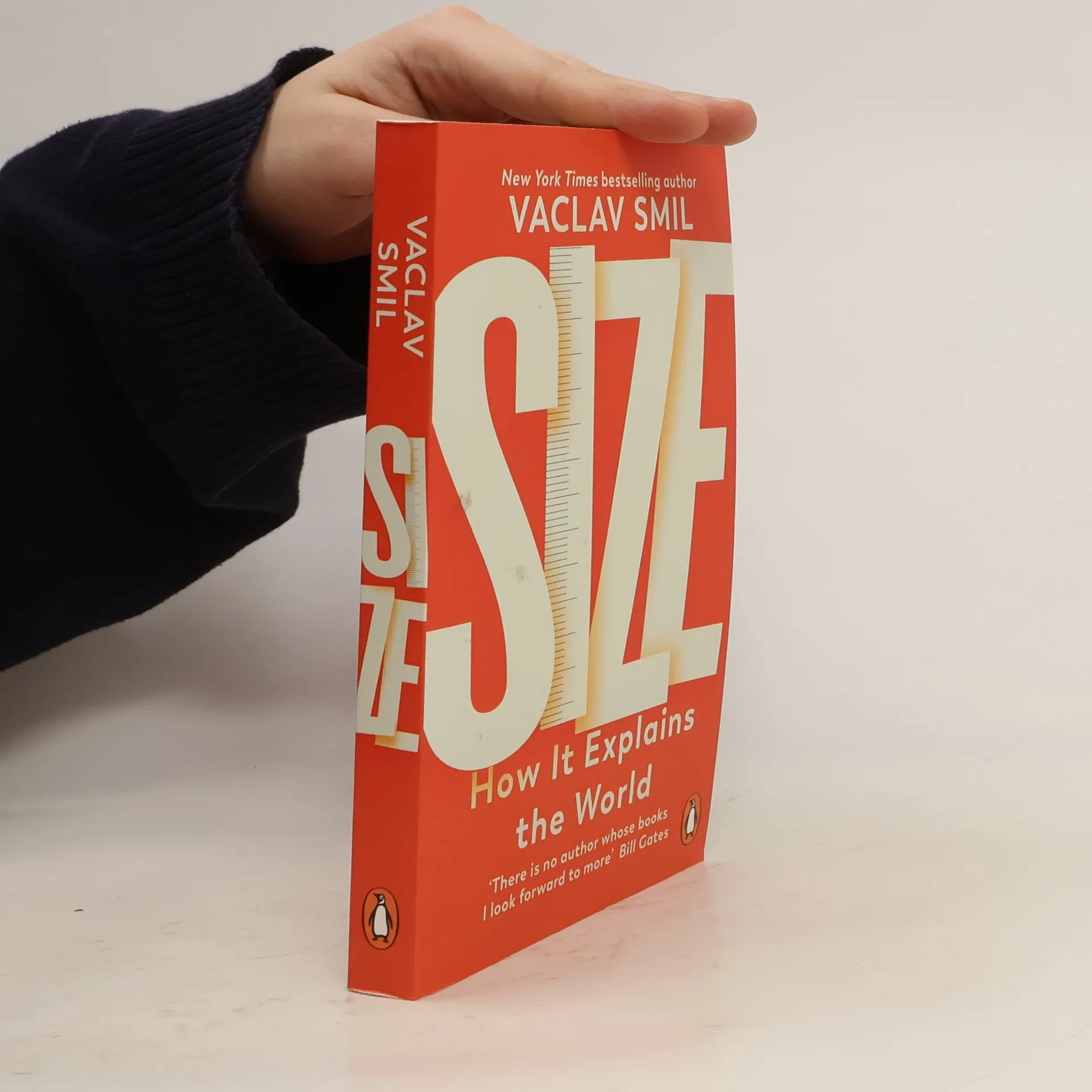
'There is no author whose books I look forward to more' Bill Gates The New York Times bestselling author returns with a mind-opening exploration of how size defines life on Earth. Explaining the key processes shaping size in nature, society and technology, Smil busts myths around proportions - from bodies to paintings and the so-called golden ratio - tells us what Jonathan Swift got wrong in Gulliver's Travels - the giant Brobdingnagian's legs would buckle under their enormous weight - and dives headfirst into the most contentious issue in ergonomics: the size of aeroplane seats. It is no exaggeration to say this fascinating and wide-ranging tour de force will change the way you look at absolutely everything. 'Vaclav Smil is a phenomenon with an appetite for facts over prejudice and fashion. Essential reading for anyone who cares about the future' Lord Norman Foster
Exploring the evolution of energy throughout history, this book examines the transition from human and animal power in early societies to the development of hydraulic techniques and the rise of fossil fuels in contemporary civilization. It highlights how energy sources have shaped social structures, economies, and technological advancements across different eras, providing a nuanced understanding of their impact on world history.
The exploration of biomass energy is framed within the broader context of renewable energies, particularly as a response to the 1973 oil crisis. The author reflects on the disparity between wealthy nations' reliance on fossil fuels and the poorer regions' dependence on biomass, which often leads to environmental and social challenges. Critical analysis reveals that the optimistic portrayal of renewable resources may not align with reality. The book emphasizes the need for a balanced understanding of biomass's potential and the responsibilities of scientists in addressing these complex issues.
Fundamentální změny probíhají nejčastěji buďto jako „fatální diskontinuita“ - náhlá katastrofická událost s potenciálem změnit svět – nebo jako vytrvalý, postupný trend. Ke globálním katastrofám patří vulkanické erupce, virové pandemie, války a rozsáhlé teroristické útoky; trendy jsou demografické, environmentální, ekonomické a politické posuny, které se časem rozvíjejí. Vědec Vaclav Smil v této provokativní knize přináší rozmanitý, interdisciplinární pohled na katastrofy a trendy, které může přinést příštích padesát let. Nejde o knihu předpovědí nebo scénářů. Kniha nám připomíná, abychom věnovali pozornost důsledkům zjevně nepředvídatelných událostí a definitivnímu směřování dlouhodobých trendů a počítali s nimi. Smil se nejprve zamýšlí nad ojedinělými, ale kataklyzmatickými událostmi jak přírodního původu, tak vyvolanými člověkem, a posléze nad trendy globálního významu včetně přechodu z fosilních paliv na jiné energetické zdroje a rostoucí ekonomické a sociální nerovnosti. Zvažuje rovněž environmentální změny – svým způsobem kombinaci náhlých diskontinuit a postupných změn – a hodnotí často mylně pochopené spletitosti globálního oteplování. Globální katastrofy a trendy se nestaví na stranu scénářů záhuby a zmaru ani na stranu technoeuforie. Smil namísto toho argumentuje, že pochopení změn nám pomůže zvrátit negativní trendy a minimalizovat riziko katastrofy.
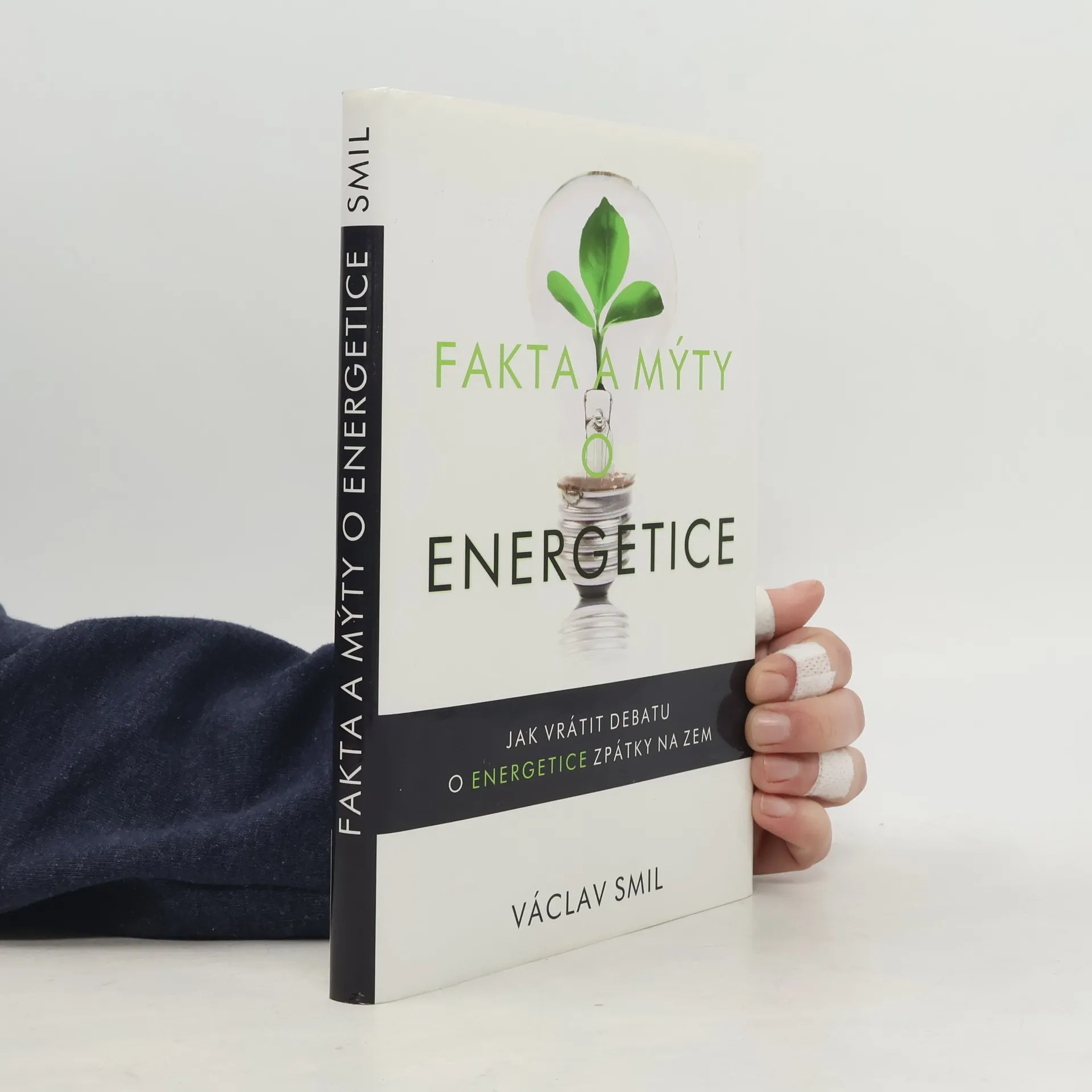
V knize profesor Smil s úžasnou pečlivostí a neuvěřitelnou pílí přináší statistická čísla bořící mýty o rozumnosti využití různých nepřipravených technologií pro výrobu elektrické energie. Rozebírá jednotlivé zdroje od jaderné energetiky přes fotovoltaiku a větrné elektrárny až po decentralizovanou energetiku.
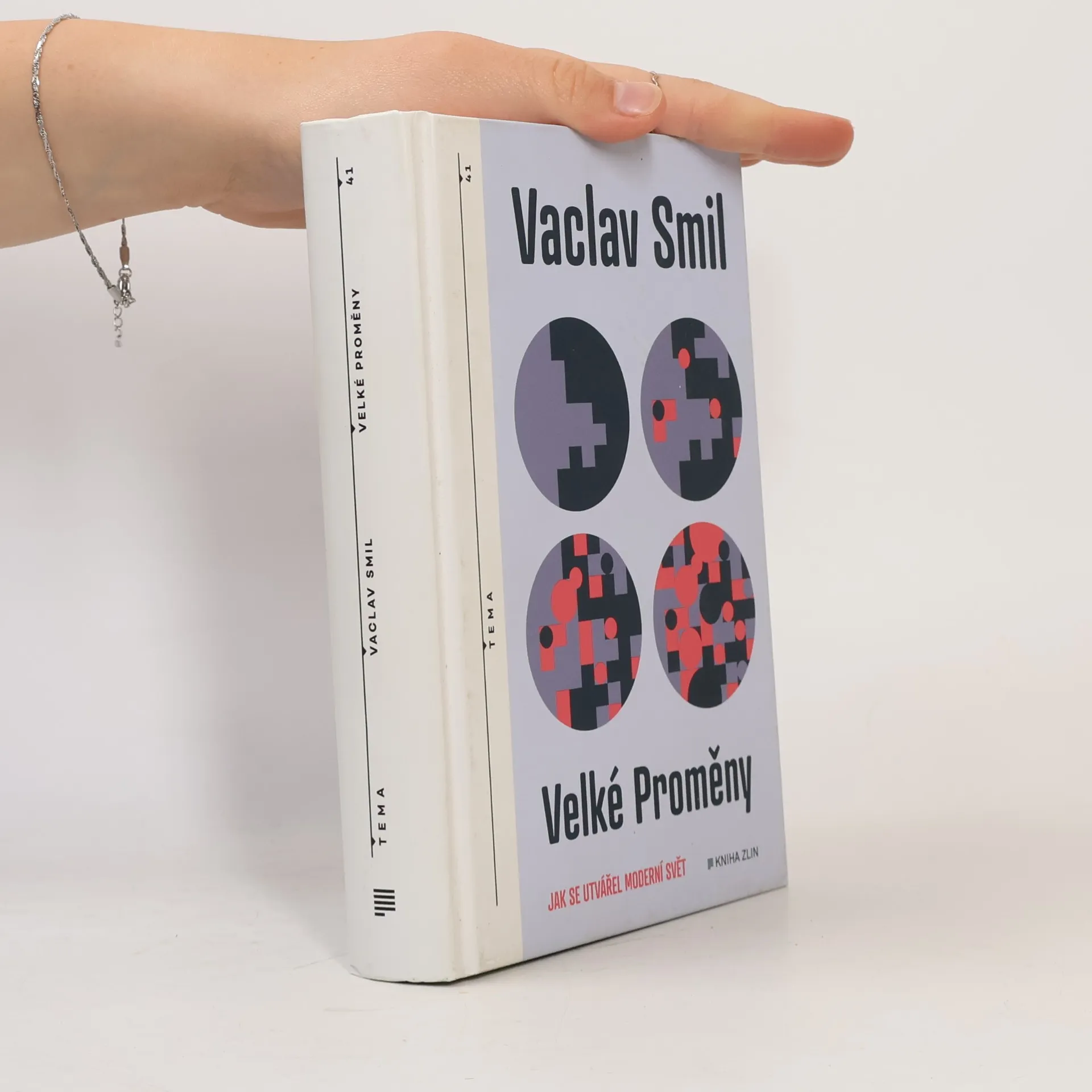
Demografie, zemědělství, energie a hospodářství – to jsou čtyři „velké civilizační přechody“, jež zcela proměnily náš způsob života. Ačkoli jimi mnoho společností prošlo, na Zemi stále žijí stovky milionů lidí, kteří jsou tímto vývojem nedotčeni. Co to pro planetu znamená a kam tato nerovnováha lidstvo v blízké budoucnosti zavede? Mezinárodně uznávaný vědec Václav Smil představuje největší výzvy současnosti, které už nyní formují podobu našeho světa.
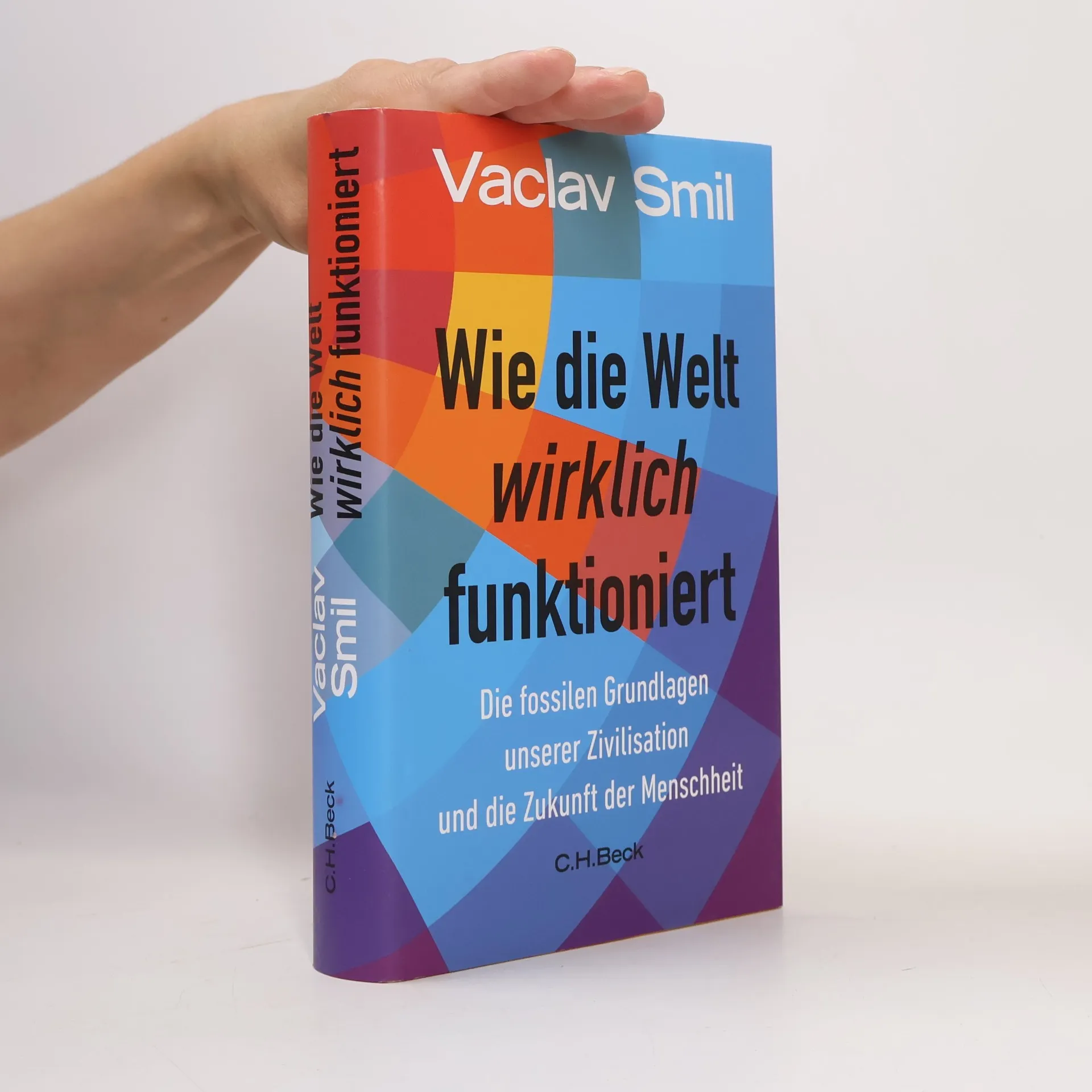
Die fossilen Grundlagen unserer Zivilisation und die Zukunft der Menschheit
Der tschechisch-kanadische Wissenschaftler Vaclav Smil, ein führender Experte für Energiefragen, unterzieht die Hoffnung auf eine schnelle Umstellung auf erneuerbare Energien einem Realitätscheck. Er konfrontiert politische Ziele mit wissenschaftlicher Realität und weist darauf hin, dass unser modernes Leben auf materiellen Grundlagen beruht, von denen wir weiterhin stark von fossilen Brennstoffen abhängig sind. Wichtige Materialien wie Stahl, Zement, Ammoniak und Plastik sind der Kern unserer Zivilisation, nicht nur Datenflüsse. Um die Welt zu verändern, ist es entscheidend, zu verstehen, wie sie funktioniert. Trotz des angesammelten Wissens der Menschheit haben viele Menschen nur oberflächliche Kenntnisse über die Produktion von Nahrungsmitteln, Rohstoffen und Gütern, was zu Fehleinschätzungen führt. Die Vorstellung, dass wir schnell von fossilen Brennstoffen auf erneuerbare Energien umstellen können, ist irreführend. Es geht nicht nur um nachhaltige Stromproduktion, sondern auch um alternative Verfahren zur Herstellung von Zement, Stahl, Plastik und Dünger. Technische Innovationen müssen kommerziell funktionieren und global implementiert werden. Wer sich um die Zukunft des Planeten sorgt, sollte die Fakten kennen, die Smil liefert.
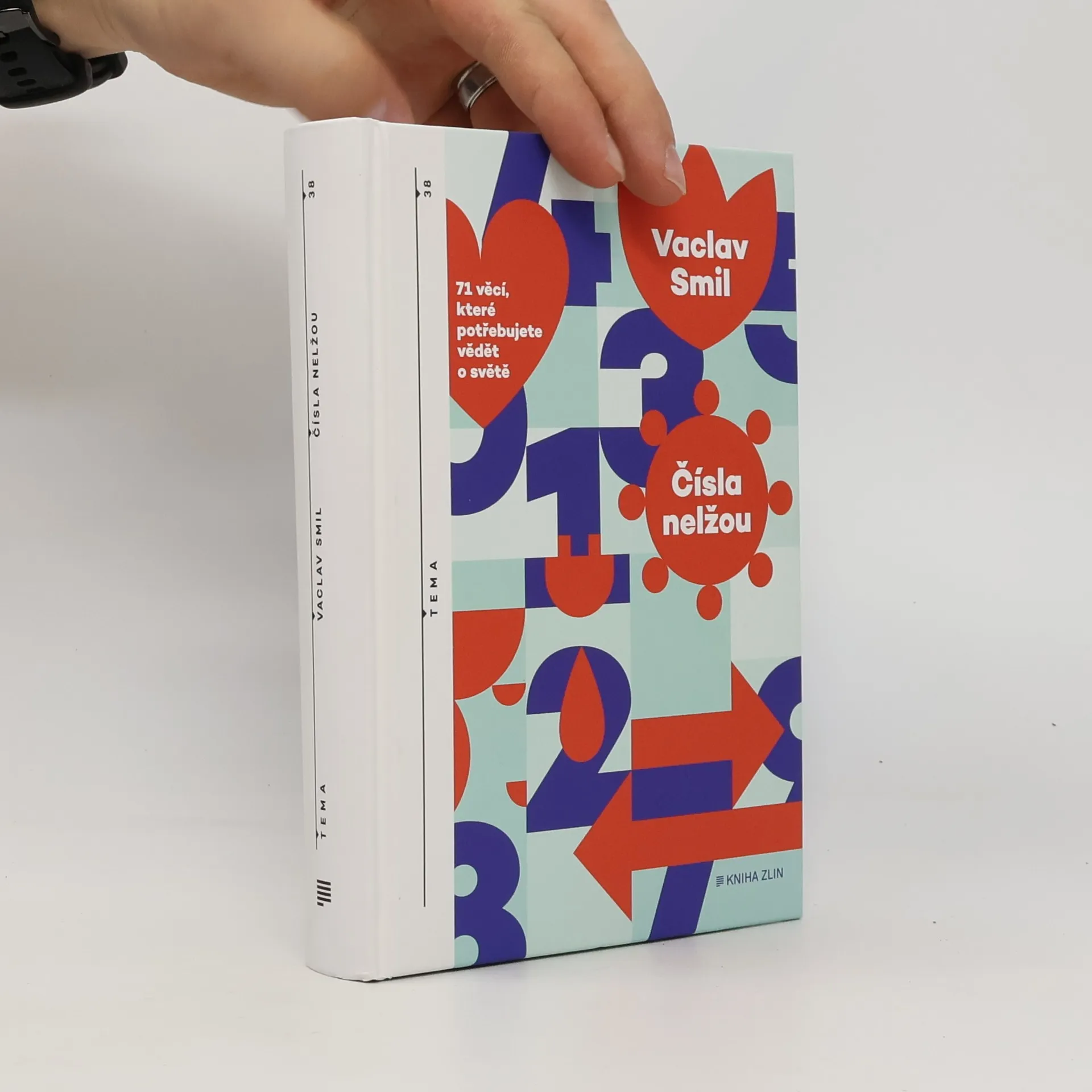
71 věcí, které byste měli vědět o světě. Jakou pravdu čísla sdělují? A jak je interpretovat? Celosvětově uznávaný kanadský vědec českého původu Vaclav Smil nás ve své knize bere na faktografickou výpravu za poznáním, na níž pomocí překvapivých statistik a názorných grafů zpochybňuje naše mnohdy pohodlné myšlení a vyvrací novodobé mýty o tom, jak svět funguje. 71 tematických kapitol přináší kromě nových informací a fascinujících příkladů z energetiky, dopravy či ekologie také odpovědi na otázky typu: Proč elektrická auta zatím nejsou šetrná k životnímu prostředí? Proč je těžké předpovědět, jak zlá bude probíhající pandemie? A jak lidstvo a vynálezy moderního světa ovlivňují život na naší planetě?
Eine kurze Geschichte des Hypes und des Scheiterns
Welche Erwartungen sind realistisch? Was dürfen wir hoffen? Erfindungen wie Luftschiffe, Kernspaltung und Überschallgeschwindigkeit galten einst als bahnbrechend, konnten jedoch ihren hohen Erwartungen oft nicht gerecht werden und wurden mittlerweile von Alternativen überholt. Der renommierte Umweltwissenschaftler und Energieexperte Vaclav Smil untersucht Technologien, die trotz erheblicher Investitionen nicht das gehalten haben, was sie versprachen, oder sogar negative Auswirkungen mit sich brachten. Er bietet ein Korrektiv zu den überzogenen Versprechungen, die mit neuen Entdeckungen und Erfindungen einhergehen, von Heilmitteln über Kernfusion bis hin zu künstlicher Intelligenz. Smil erinnert uns daran, dass selbst bei weit fortgeschrittenen Entwicklungen die tatsächliche Anwendung fraglich bleiben kann. Zudem stellt er eine Wunschliste von dringend benötigten Erfindungen auf, um die Herausforderungen des 21. Jahrhunderts zu bewältigen. Angereichert mit spannenden Beispielen und pragmatischen Ansätzen zeigt das Werk die oft unrealistischen Erwartungen an menschliche Innovationen und bietet Wege, diese besser mit der Realität in Einklang zu bringen. Smil beleuchtet drei Arten von Erfindungen: unerwünschte Innovationen wie verbleites Benzin, Technologien, die nicht den erwarteten Einfluss hatten, sowie solche, auf die wir noch warten.
Žijeme v přesvědčení, že se moderní svět zrychluje bezprecedentním tempem. Je tomu ale skutečně tak? Renomovaný vědec Vaclav Smil v knize Rychlost analyzuje fenomén rychlosti od evoluce organismů a geologických procesů až po vteřinové burzovní obchody, vysokorychlostní vlaky či okamžité doručování informací do mobilních telefonů. Pomocí nekompromisních dat a překvapivých souvislostí boří mýty o moderním tempu a ukazuje, kde narážíme na pevné fyzikální a biologické limity.
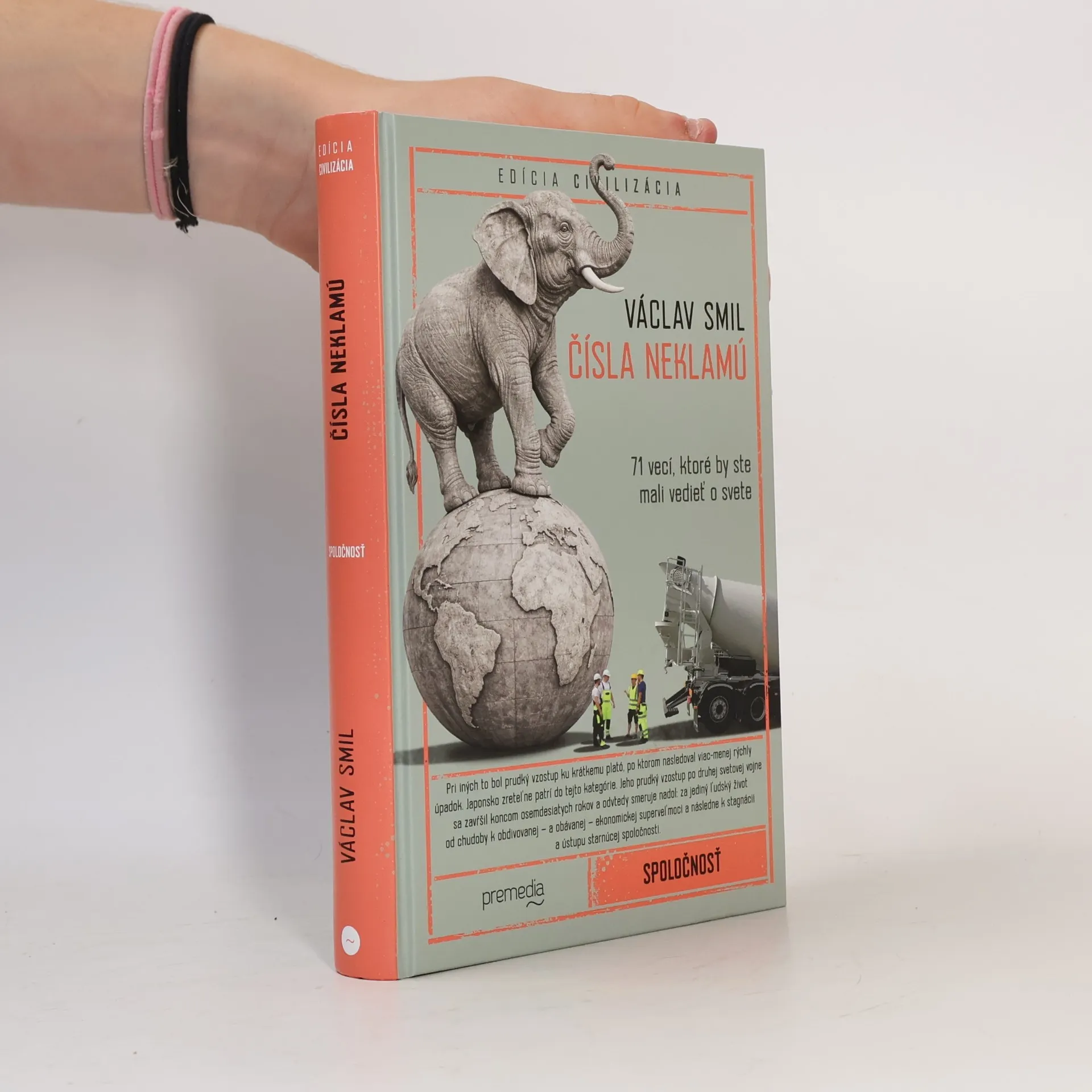
Mali by ste veriť číslam o nezamestnanosti? Je vzostup Číny nezastaviteľný? A čo je horšie pre životné prostredie: vaše auto alebo mobilný telefón? To je len niekoľko z otázok, ktoré si profesor Václav Smil kladie v knihe, ktorá prináša úžasnú zmes vedy a histórie. Autor preberá množstvo tém, od národov a obyvateľov Zeme cez palivá a potraviny, ktoré im dodávajú energiu, až po dopravu a vynálezy nášho moderného sveta – a ako to všetko vplýva na samotnú planétu. V knihe Čísla neklamú nás vezme na dobrodružnú cestu za faktami, pričom pomocou prekvapivých štatistík a poučných grafov spochybňuje povrchné myslenie. Bez náznaku pesimizmu či optimizmu a bez strachu z veľkých otázok Smil vysvetľuje, prečo sú výzvy na vyhlásenie antropocénu možno predčasné, alebo prečo klimatické dohody nezachádzajú dostatočne ďaleko. Tieto otázky nie sú jednoznačné a pokrok trvá dlhšie, než by ste si mysleli, ale so Smilom ako našim autoritatívnym a zábavným sprievodcom dostávame zdravú dávku realizmu.
Renomovaný vědec Vaclav Smil nabízí střízlivý, na faktech postavený pohled na globální potravinové systémy. Ukazuje, že svět sice produkuje dost kalorií, ale selhává v jejich distribuci a omezení plýtvání. Věnuje se dopadům živočišné výroby, limitům ekologického zemědělství, roli biotechnologií i významu fotosyntézy. Místo ideologických řešení nabízí postupné, vědecky podložené kroky. Tato kniha je určena všem, kdo chtějí chápat potravinovou realitu dnešního světa – bez zjednodušení a s vizí do budoucnosti.