
Bookbot

Joby Warrick

    Joby Warrick est un journaliste américain dont le travail explore les complexités de la sécurité nationale et des affaires internationales. Sa couverture examine méticuleusement la prolifération des armes de destruction massive et le fonctionnement interne des communautés de renseignement. Le style de Warrick se caractérise par des recherches approfondies et une analyse incisive qui révèle des liens et des conséquences cachés. Son écriture éclaire souvent les aspects sombres de la politique mondiale et l'impact des décisions sur les événements mondiaux.

    Joby Warrick
    Zwarte vlaggen
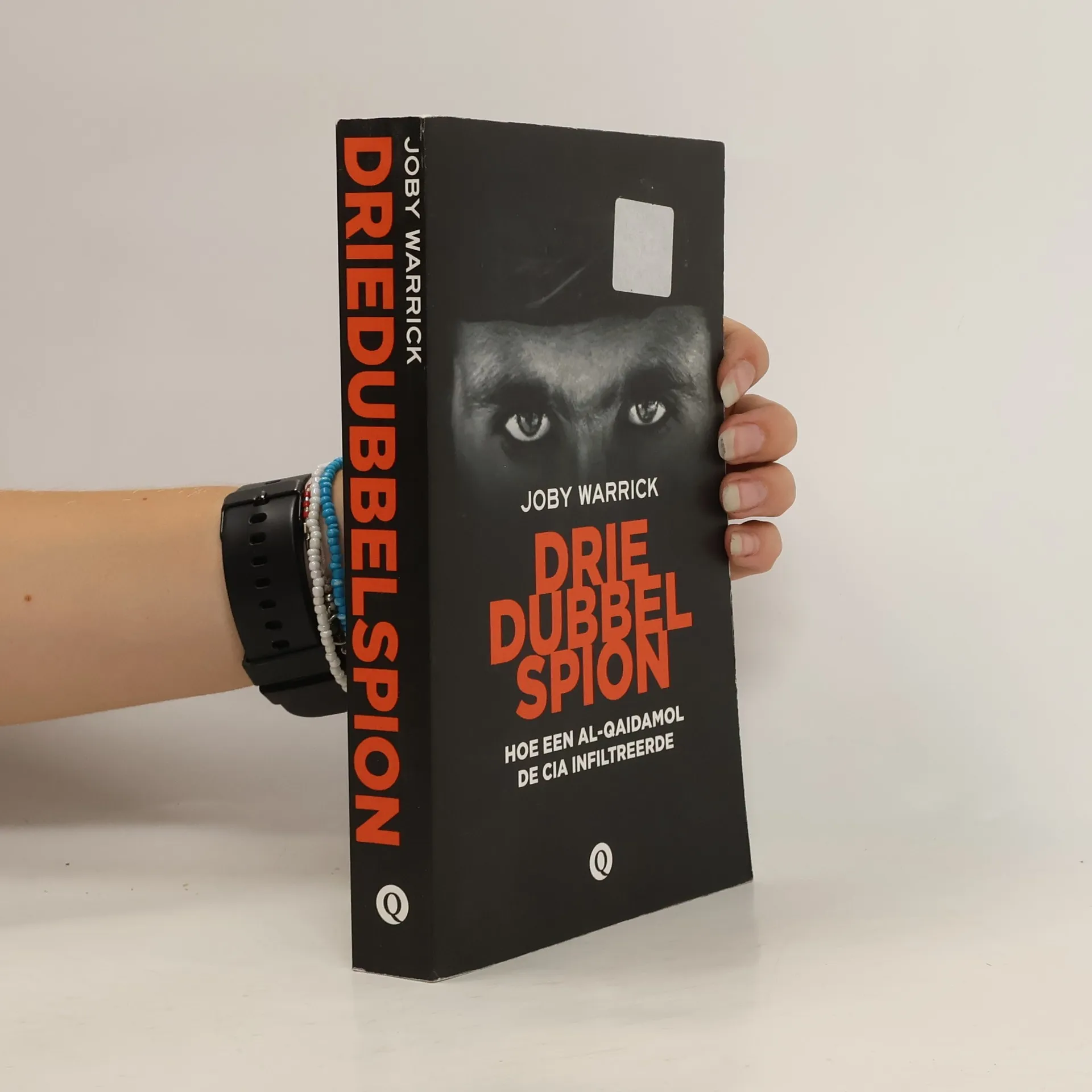
    Driedubbelspion
    The Triple Agent
    Red Line
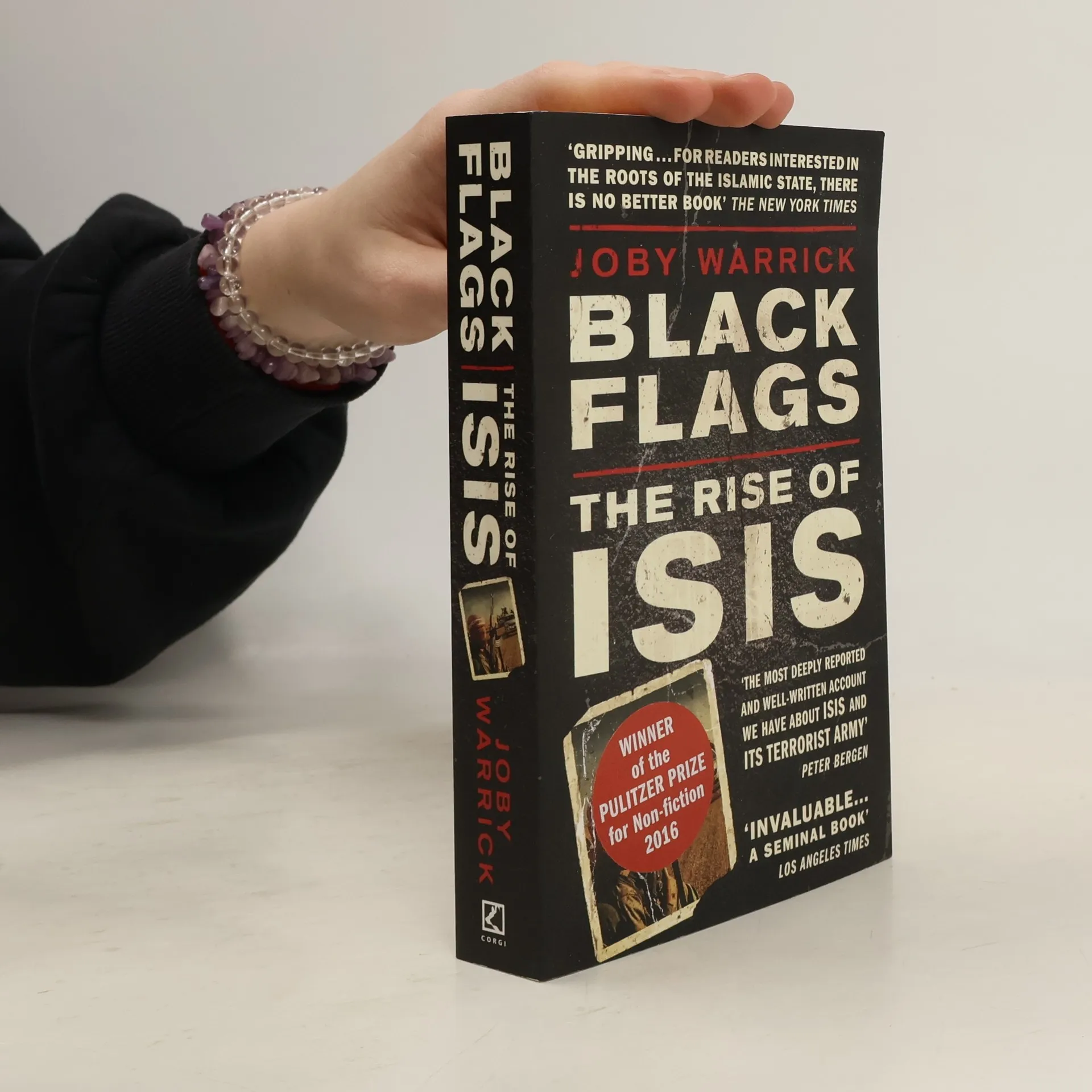
    Black Flags: The Rise of ISIS
    • Black Flags: The Rise of ISIS

      • 480pages
      • 17 heures de lecture
      4,3(458)Évaluer

      In a thrilling dramatic narrative, Pulitzer Prize-winning reporter Joby Warrick traces how the strain of militant Islam behind ISIS first arose in a remote Jordanian prison and spread to become the world's greatest threat. When the government of Jordan granted amnesty to a group of political prisoners in 1999, it little realized that among them was Abu Musab al-Zarqawi, a terrorist mastermind and soon the architect of an Islamist movement bent on dominating the Middle East. In Black Flags, an unprecedented character-driven account of the rise of ISIS, Joby Warrick shows how the zeal of this one man and the strategic mistakes of Presidents Bush and Obama led to the banner of ISIS being raised over huge swaths of Syria and Iraq. Zarqawi began by directing terror attacks from a base in northern Iraq, but it was the American invasion in 2003 that catapulted him to the head of a vast insurgency

      Black Flags: The Rise of ISIS
    • In August 2012, Syrian president Bashar al-Assad faced a brutal civil war, prompting international concerns about his potential use of chemical weapons. The world warned that any such action would cross a "red line," leading to military intervention. When Assad unleashed sarin gas on Ghouta the following year, killing hundreds, global leaders grappled with the dilemma of honoring their threats without entering another unpopular Middle Eastern conflict. Russia's offer to store Syria's chemical weapons seemed to provide a solution, initiating a race to locate, remove, and destroy 1,300 tons of these weapons amid the chaos of civil war. This initial effort appeared to be a tactical success for the West, but soon revealed Russia's ulterior motives: using UN cover to bolster Assad’s regime. As ISIS gained ground, it threatened to seize Syria’s chemical arsenal, leading to dire consequences. The narrative unfolds with a cast of characters, including weapons hunters, politicians, commandos, diplomats, and spies, illustrating the complexities of the situation. Through original reporting and firsthand accounts, the author exposes how a well-meaning initiative to protect Syrian lives inadvertently empowered a dictator, fueled a terrorist movement, triggered a refugee crisis, and complicated U.S. foreign policy, while strengthening Russia and Iran's influence in the region.

      Red Line
    • The Triple Agent

      • 252pages
      • 9 heures de lecture
      4,1(95)Évaluer

      In December 2009, a group of the CIAs top terrorist hunters gathered at a secret base in Afghanistan to greet a rising superspy: Humam Khalil al-Balawi, a Jordanian who had infiltrated the upper ranks of al-Qaeda. For months, he had sent shocking revelations from inside the terrorist network and now promised to help the CIA assassinate Osama bin Ladens top deputy. Instead, as he stepped from his car, al-Balawi detonated a thirty-pound bomb, instantly killing seven CIA operatives and giving the agency its worst loss of life in decades

      The Triple Agent
    • Zwarte vlaggen

      De opkomst van IS

      In maart 1999 eindigde in Jordanië de periode van veertig dagen rouw na de dood van Koning Hoessein. Er werd voor die gelegenheid amnestie gegeven aan een grote groep gevangen. Een van hen was Abu Musab al-Zarqawi. Deze man werd de spil in het terrorisme in de regio en een drijvende kracht achter het radicale Islamitische gedachtengoed. In 2003 vielen de Amerikanen Irak binnen en Zarqawi werd onterecht gelinkt aan Bin Laden. Daarmee werd hij onbedoeld een boegbeeld voor de radicalen, vele extremisten schaarden zich achter hem. In 2006 werd al-Zarqawi gedood bij een luchtaanval, maar zijn radicale gedachtengoed had al veel aanhangers. Het begon bij Al Qaida in Irak, maar splitste zich na een tijd af als IS. Toen de burgeroorlog in Syrië uitbrak, greep IS de mogelijkheid om Zarqawi’s droom, een ultra-conservatief kalifaat, na te jagen.

      Zwarte vlaggen