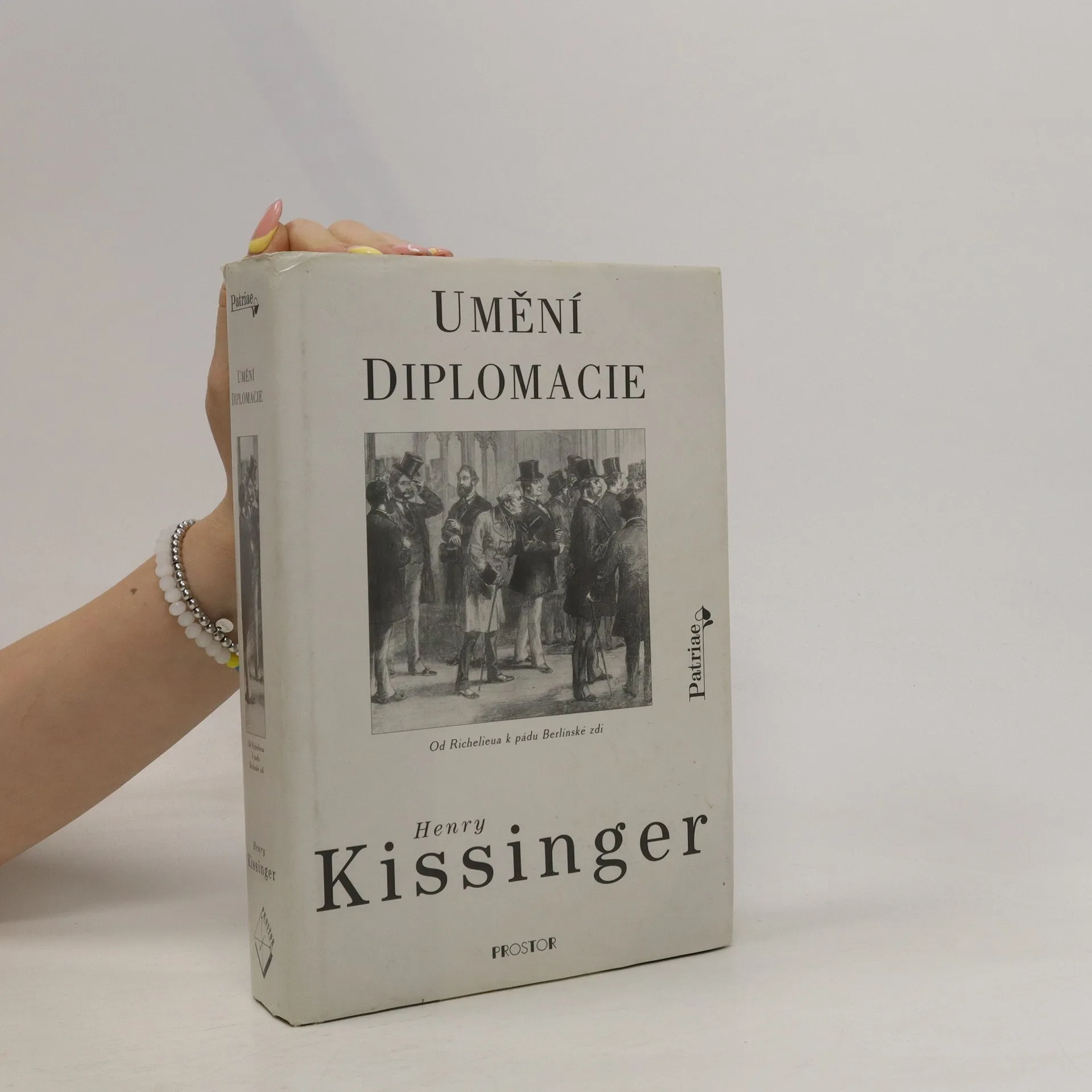
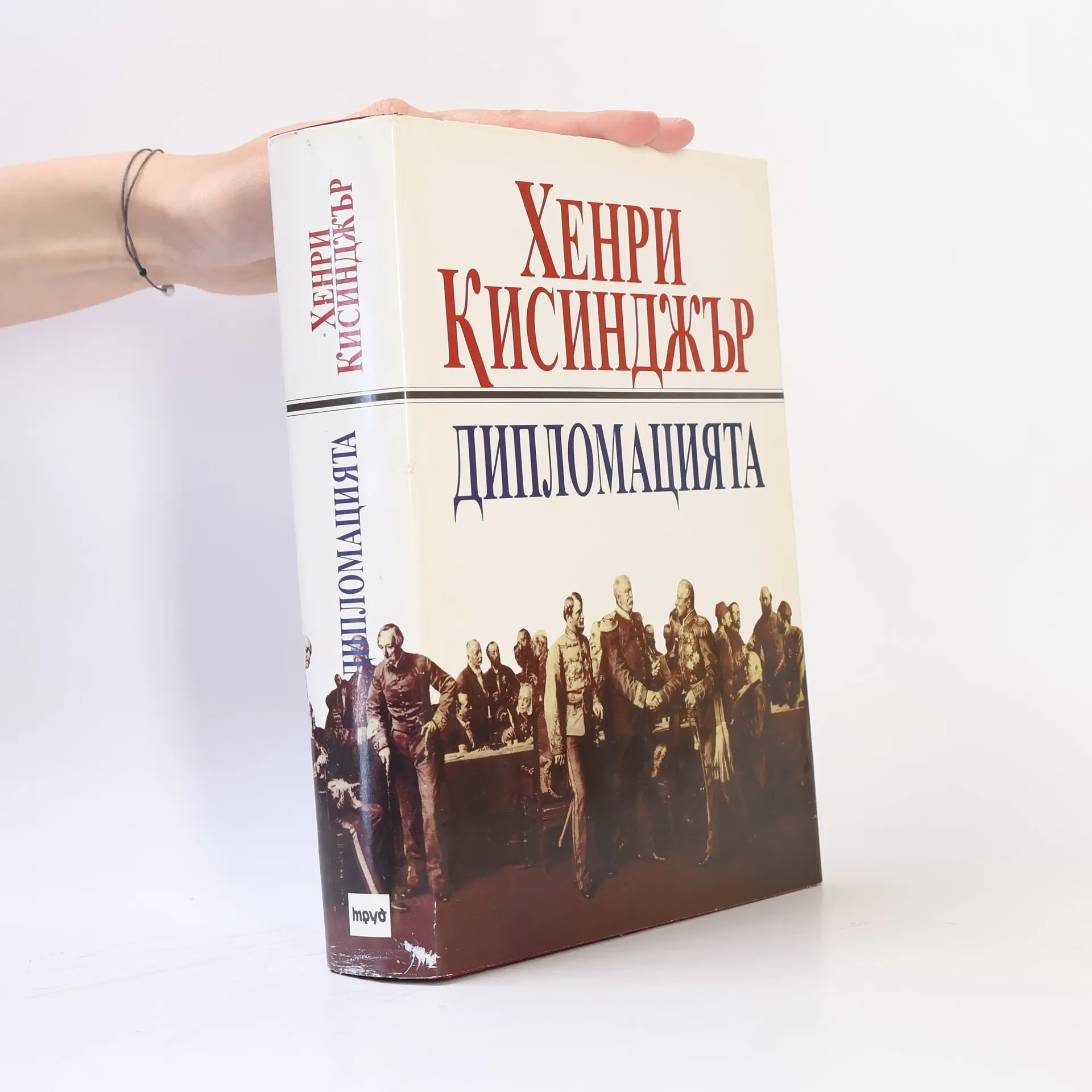
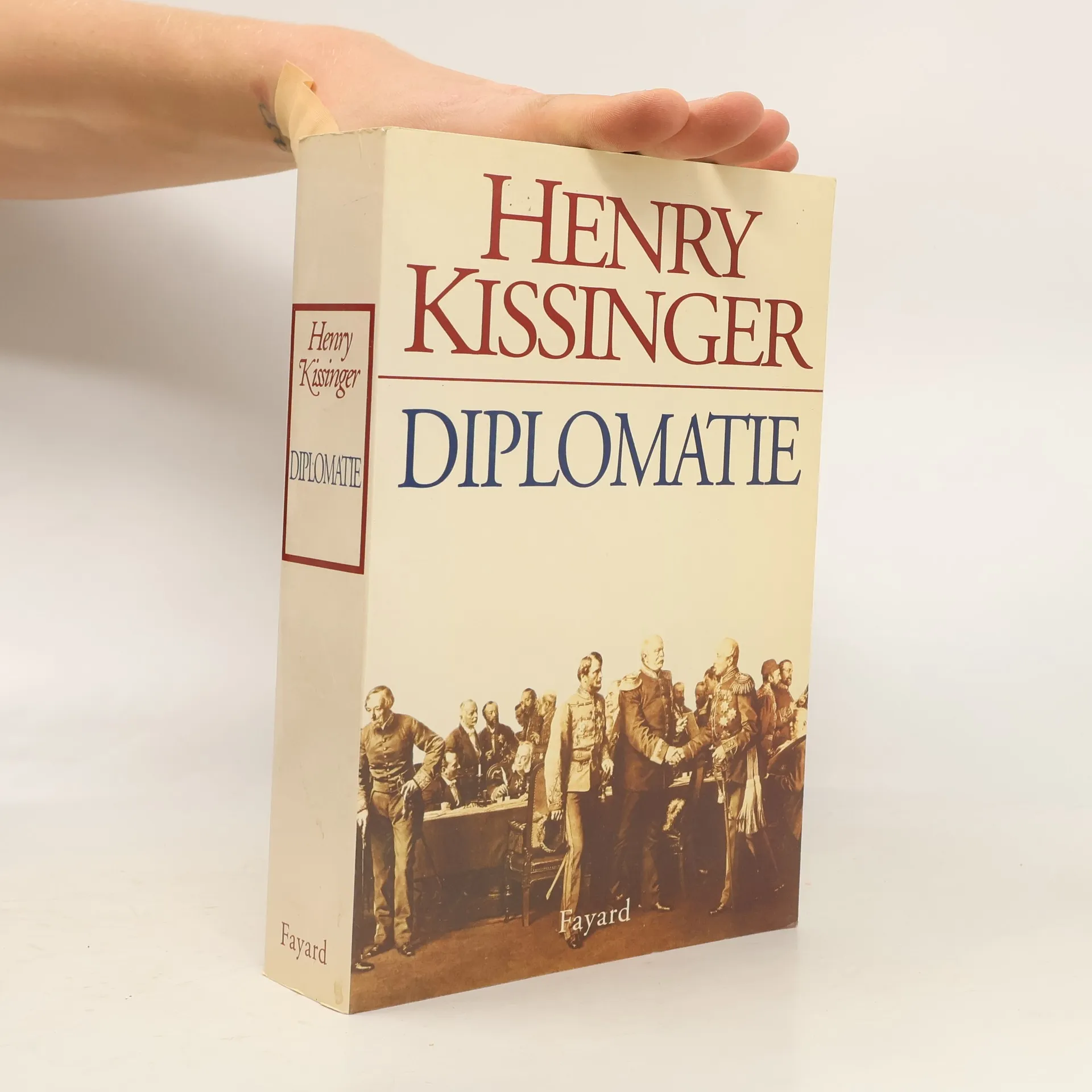
Diplomatie
- 860pages
- 31 heures de lecture
Une histoire de la diplomatie du 17e siècle à nos jours.


Cet auteur a été une figure centrale de la politique étrangère américaine, défendant la doctrine de la Realpolitik. Son approche de la diplomatie, particulièrement sous les administrations Nixon et Ford, a laissé une marque indélébile. Il a été le pionnier de la politique de détente, façonnant les relations internationales pendant des années. Son influence a été si significative qu'elle a suscité de fortes réactions, tant de la gauche anti-guerre que de la droite anticommuniste.



Une histoire de la diplomatie du 17e siècle à nos jours.
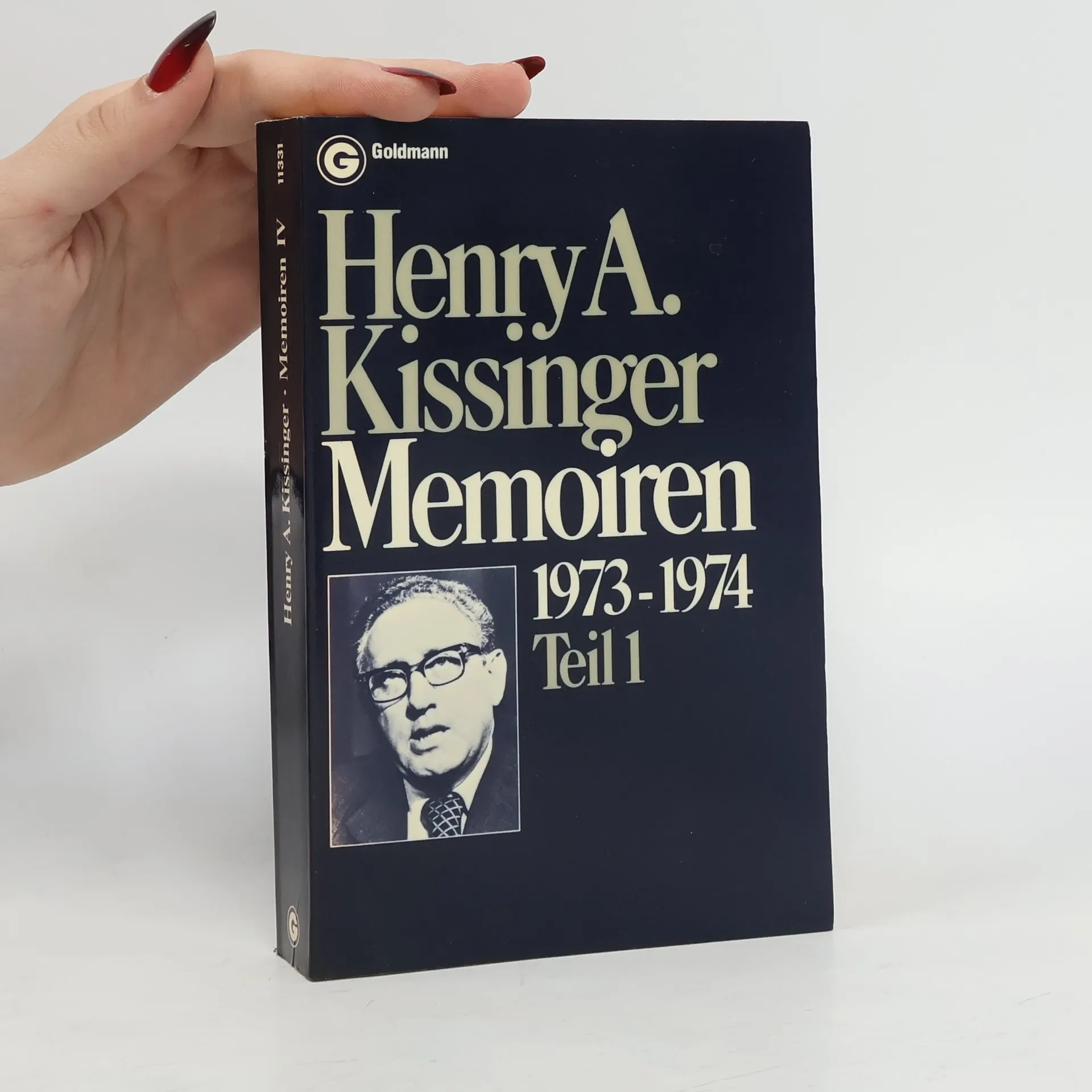
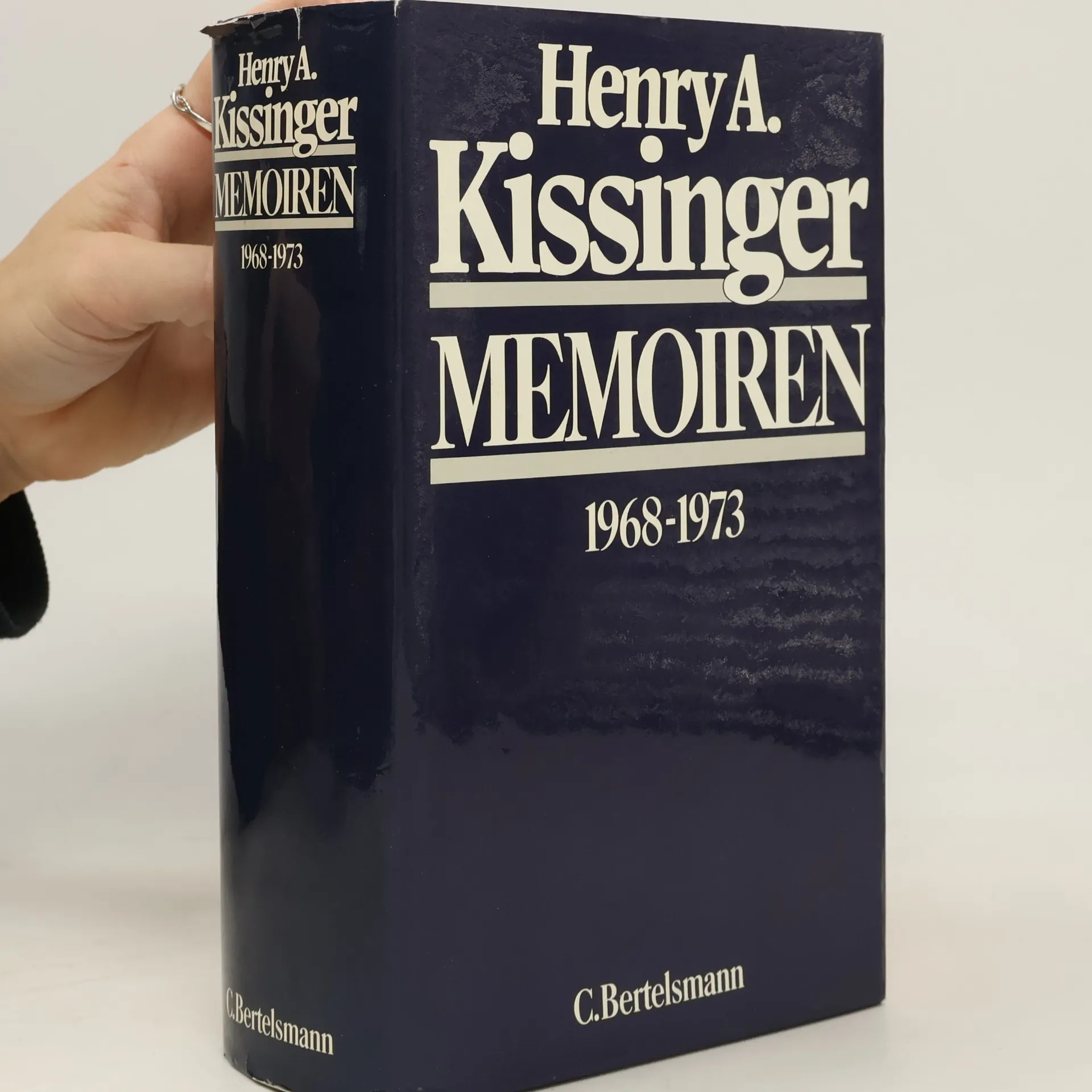
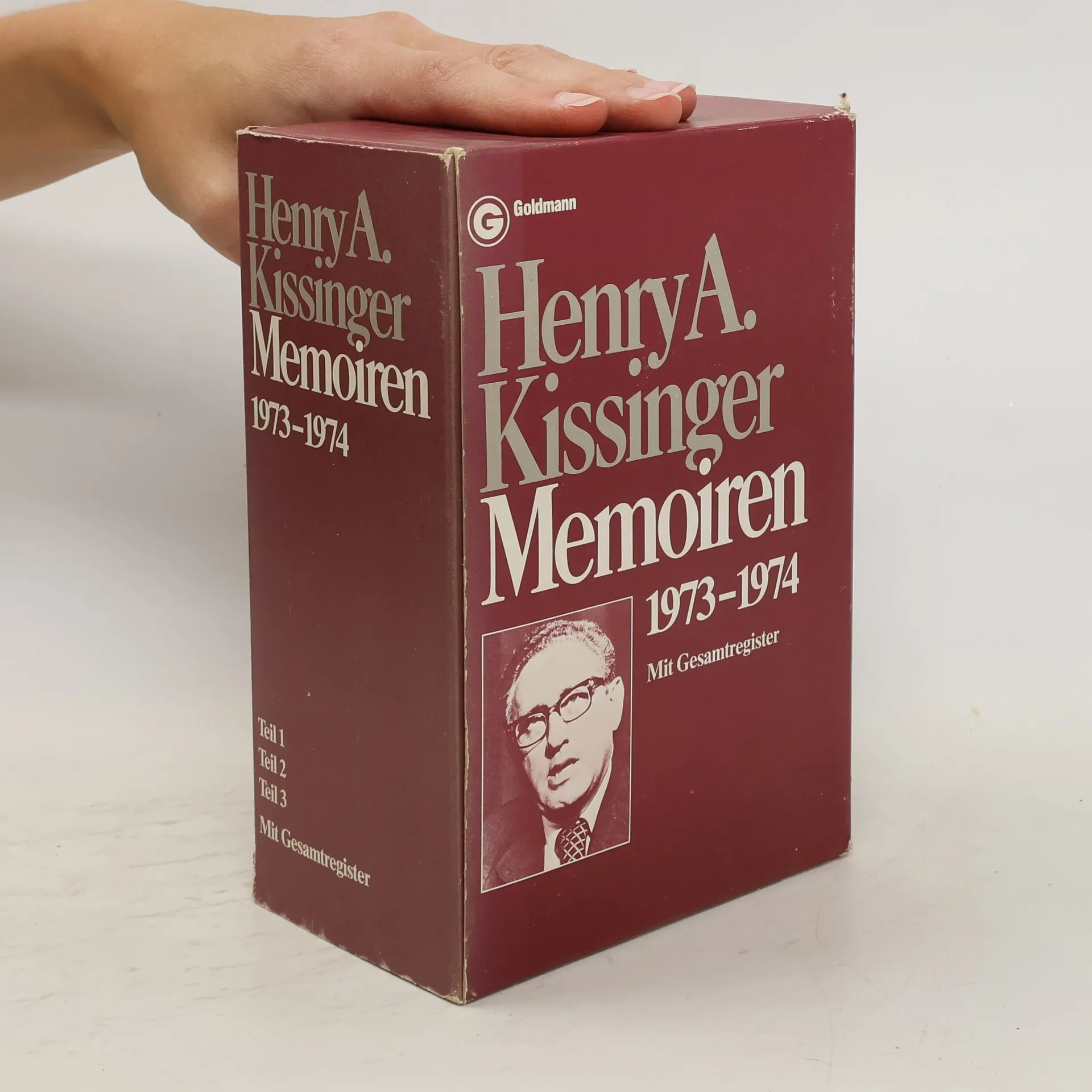
Dans ce premier volume de ses mémoires, le Dr Kissinger couvre ses quatre premières années (1969-1973) en tant qu'Assistant du Président pour les affaires de sécurité nationale et conseiller de Nixon en politique étrangère. Ce livre est l'ouvrage le plus significatif issu de l'administration Nixon. Parmi les moments marquants, le Dr Kissinger évoque sa première rencontre avec Nixon, son voyage secret en Chine, la première négociation SALT, la crise jordanienne de 1970, la guerre Inde-Pakistan de 1971, et les sommets historiques à Pékin et à Moscou. Il aborde les controverses majeures concernant la politique en Indochine, y compris les événements au Laos, le renversement du prince Sihanouk au Cambodge, ses négociations secrètes avec les Nord-Vietnamiens à Paris, et l'effondrement des pourparlers qui ont conduit au bombardement de Noël de 1972. Ses réflexions sur les conflits au Moyen-Orient, la rupture de Sadate avec les Soviétiques, l'élection de Salvador Allende au Chili, ainsi que des questions de stratégie de défense et de relations avec l'Europe et le Japon, sont également présentées. D'autres points forts incluent sa relation avec Nixon, des portraits de dirigeants étrangers majeurs, et ses opinions sur la gestion des crises et l'art de la diplomatie. Ce témoignage constitue une contribution inestimable à l'histoire de cette période cruciale.
Les Mémoires de Kissinger s'annoncent comme un témoignage incontournable pour les historiens, comparable à ceux de De Gaulle. Chaque page révèle une capacité d'analyse et de jugement exceptionnelle, offrant un portrait coloré et puissant des événements marquants. Ce récit constitue un code pour comprendre non seulement le passé, mais aussi l'actualité internationale. Il s'agit d'un ouvrage extraordinairement riche, accessible grâce à des touches d'humour et d'ironie, rendant la lecture à la fois soutenue et plaisante. Kissinger évite le ton professoral et maintient l'intérêt du lecteur en présentant son récit sous des formes captivantes, parfois proches du roman policier. Bien que l'on puisse ne pas apprécier son personnage, l'intérêt de son livre est indéniable. Ses portraits de figures emblématiques comme Nixon et Rockefeller sont mémorables et marqueront les anthologies. En somme, les Mémoires de Kissinger se posent comme une référence essentielle pour les grands dossiers de l'Histoire, un document dont on continuera à se référer longtemps.
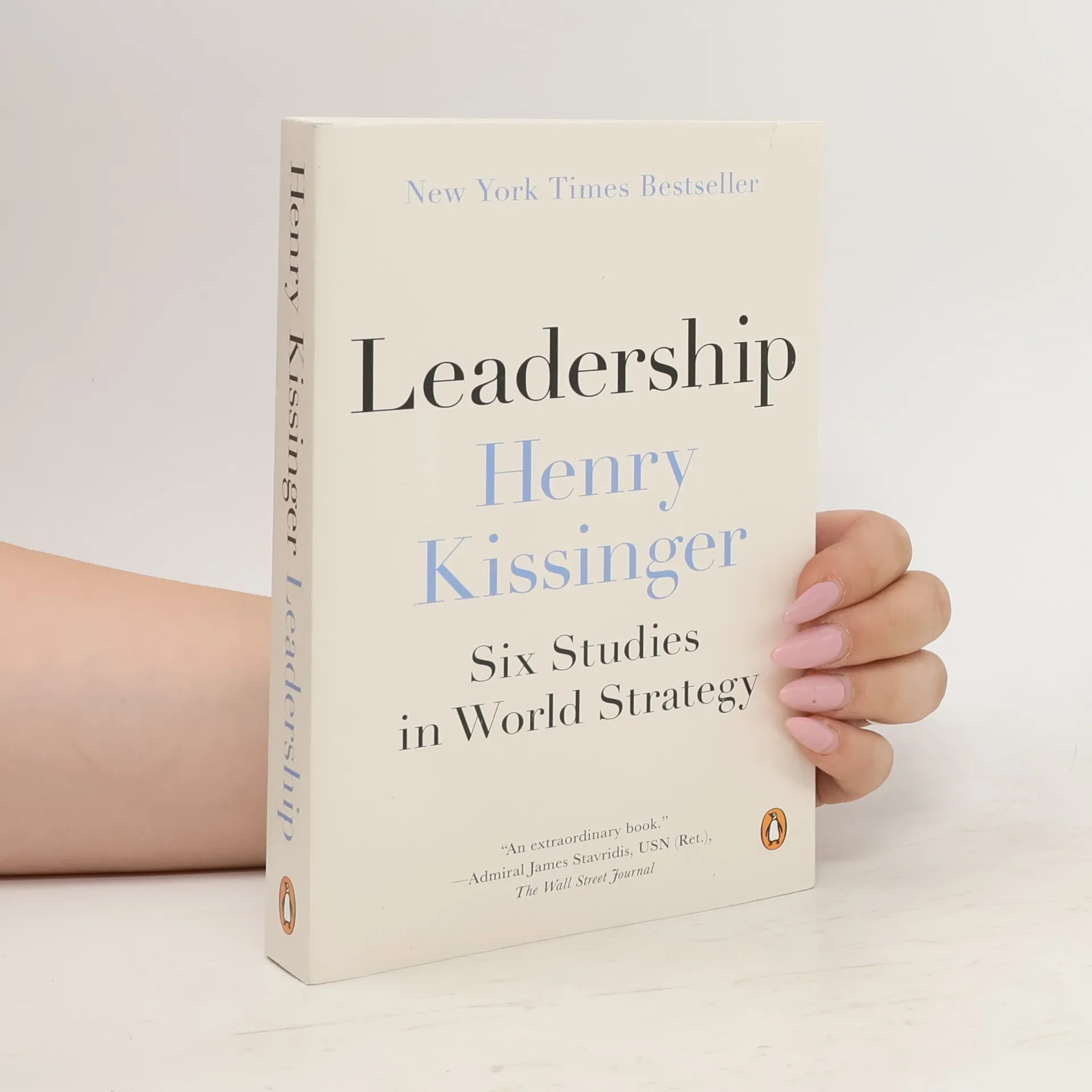
Six Studies in World Strategy
The book offers a gripping narrative that captivates readers with its intricate plot and well-developed characters. It explores profound themes of love, loss, and resilience, set against a vivid backdrop that enhances the emotional depth of the story. With a blend of suspense and heartfelt moments, the author crafts a compelling journey that keeps readers engaged from start to finish. The writing style is both evocative and accessible, making it a standout choice for fans of contemporary fiction.
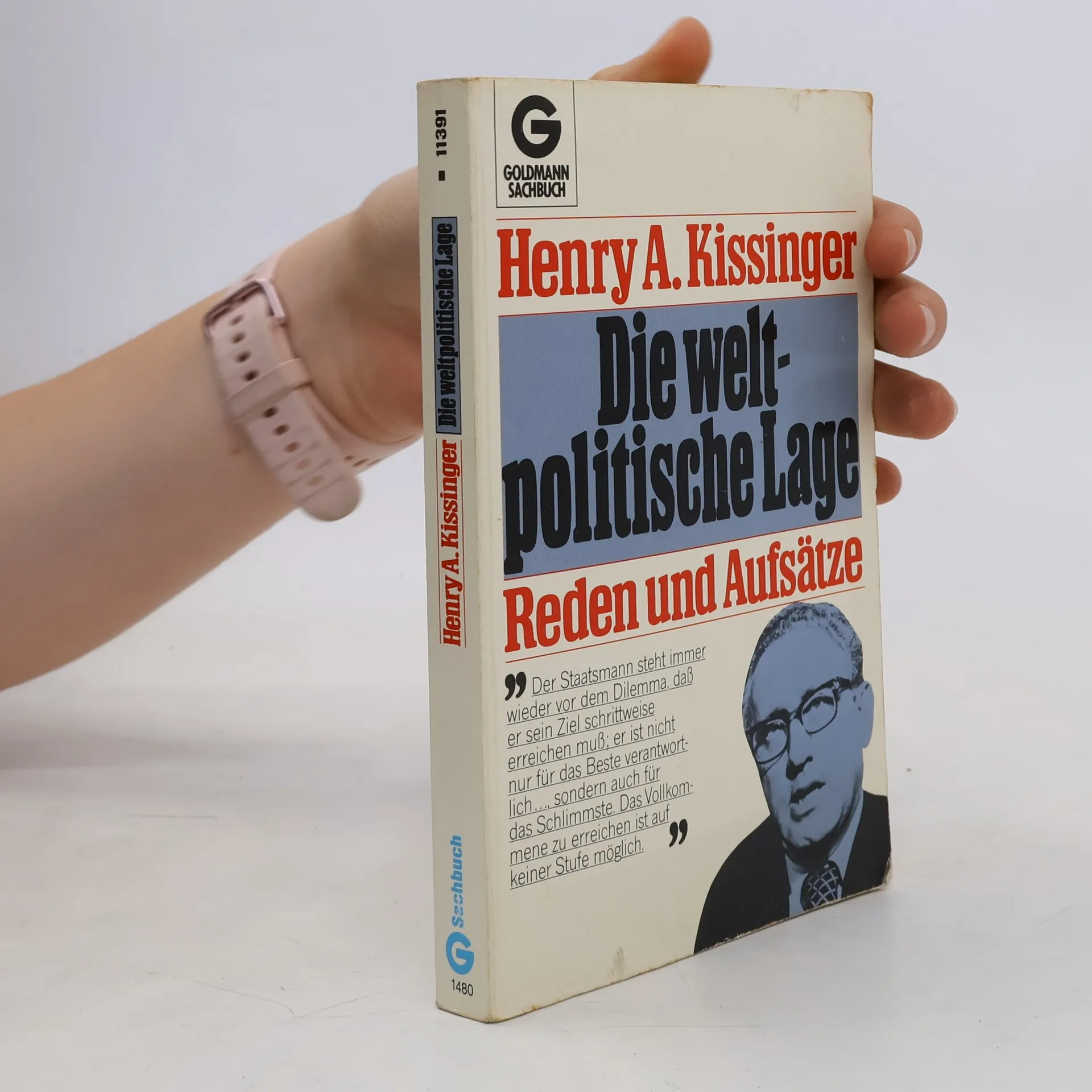
The initial two essays, "Domestic Structure and Foreign Policy" and "Central Issues of American Foreign Policy," appeared in the original edition of this volume and have been retained as backdrops for fifteen major addresses delivered by Mr. Kissinger over the past four years. The new selections include a statement to Congress that traces the main lines of d�tente policy; a review of the step-by-step process of negotiations in the Middle East; an analysis of efforts to achieve accords, with the Soviet Union on strategic arms limitation without imperiling American national security; a speech to the United Nations on the imperative of establishing a balanced global approach to economic development and resource conservation; several papers that candidly appraise prospects for new ties between the United States and the nations of Asia, Africa, and Latin America; and one that sets forth measures to strengthen the bonds among the industrial democracies. In their scope and detail, these documents constitute a remarkable set of designs, blueprints, and working drawings by a master architect of foreign policy.
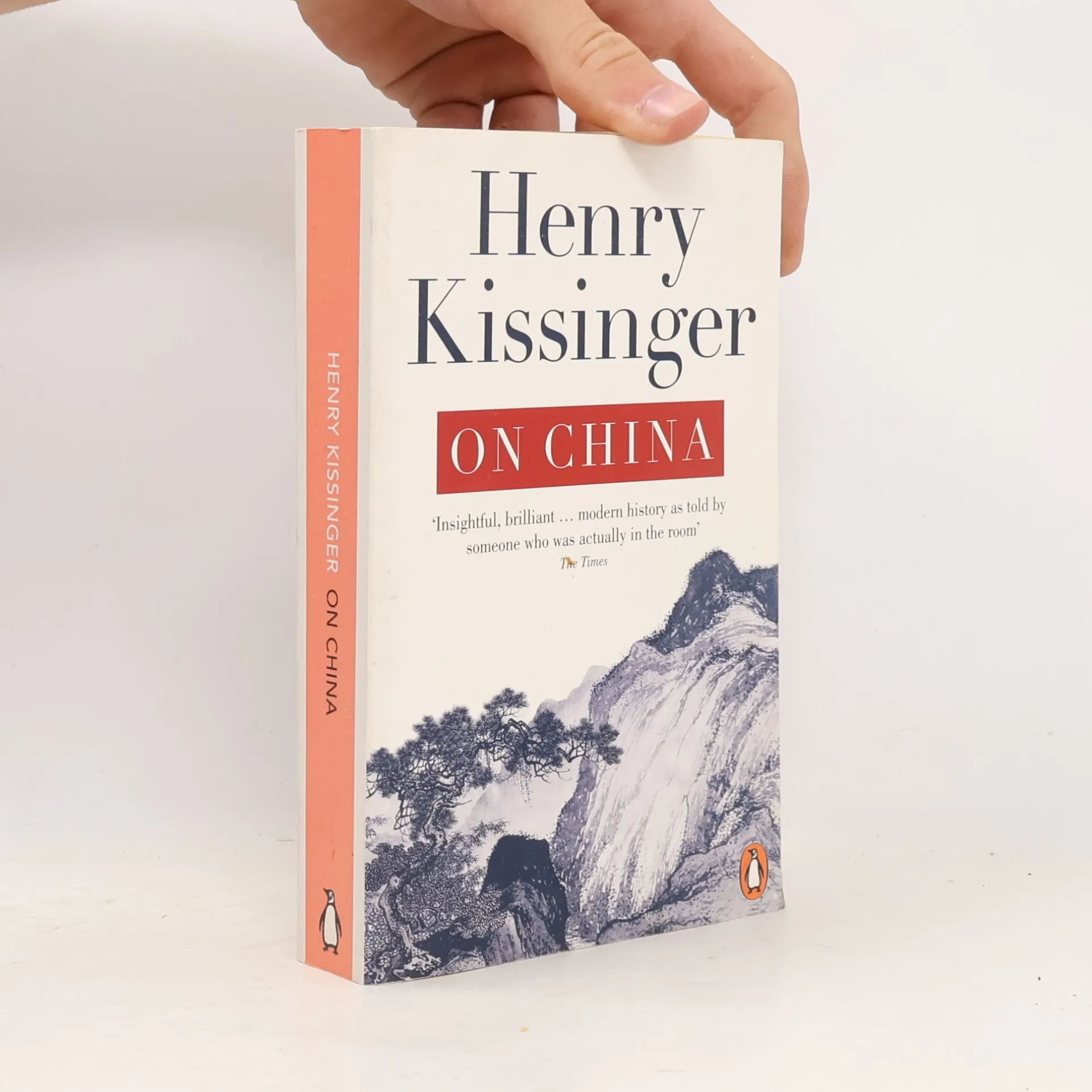
Henry Kissinger writes about the country he has known intimately for decades & whose relations with the West he helped shape. Drawing on historical records as well as his conversations with Chinese leaders, Kissinger examines how China has approached diplomacy, strategy, & negotiation throughout its history.
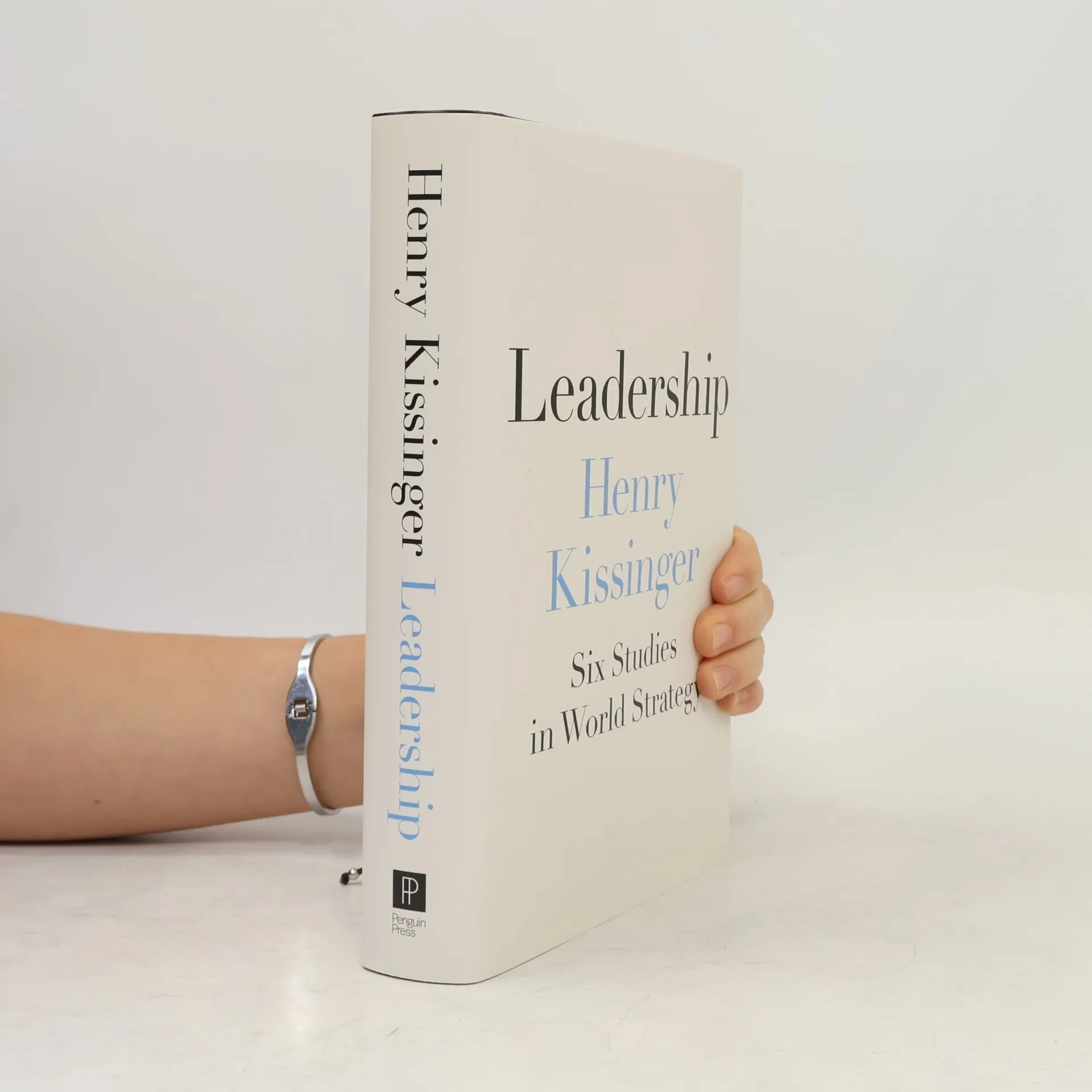
Henry Kissinger, a distinguished diplomat and statesman, explores the leadership strategies of six influential twentieth-century figures, presenting a cohesive theory of leadership and diplomacy. He asserts that leaders operate at the intersection of two axes: the past and the future, and the core values of those they lead. This balance of historical knowledge and future intuition allows leaders to set objectives and devise strategies. Kissinger examines six remarkable leaders through their unique approaches to statecraft. After World War II, Konrad Adenauer utilized "the strategy of humility" to reintegrate a defeated Germany into the global community. Charles de Gaulle employed "the strategy of will" to align France with the victorious Allies and restore its grandeur. Richard Nixon's "strategy of equilibrium" during the Cold War provided the U.S. with a geostrategic advantage. Anwar Sadat’s "strategy of transcendence" envisioned peace in the Middle East after decades of conflict. Lee Kuan Yew’s "strategy of excellence" transformed Singapore into a thriving city-state. Finally, Margaret Thatcher revitalized Britain’s morale and international standing through "the strategy of conviction." Kissinger draws on historical insight, personal experience, and his relationships with these leaders, culminating in reflections on the importance of leadership in today's world.
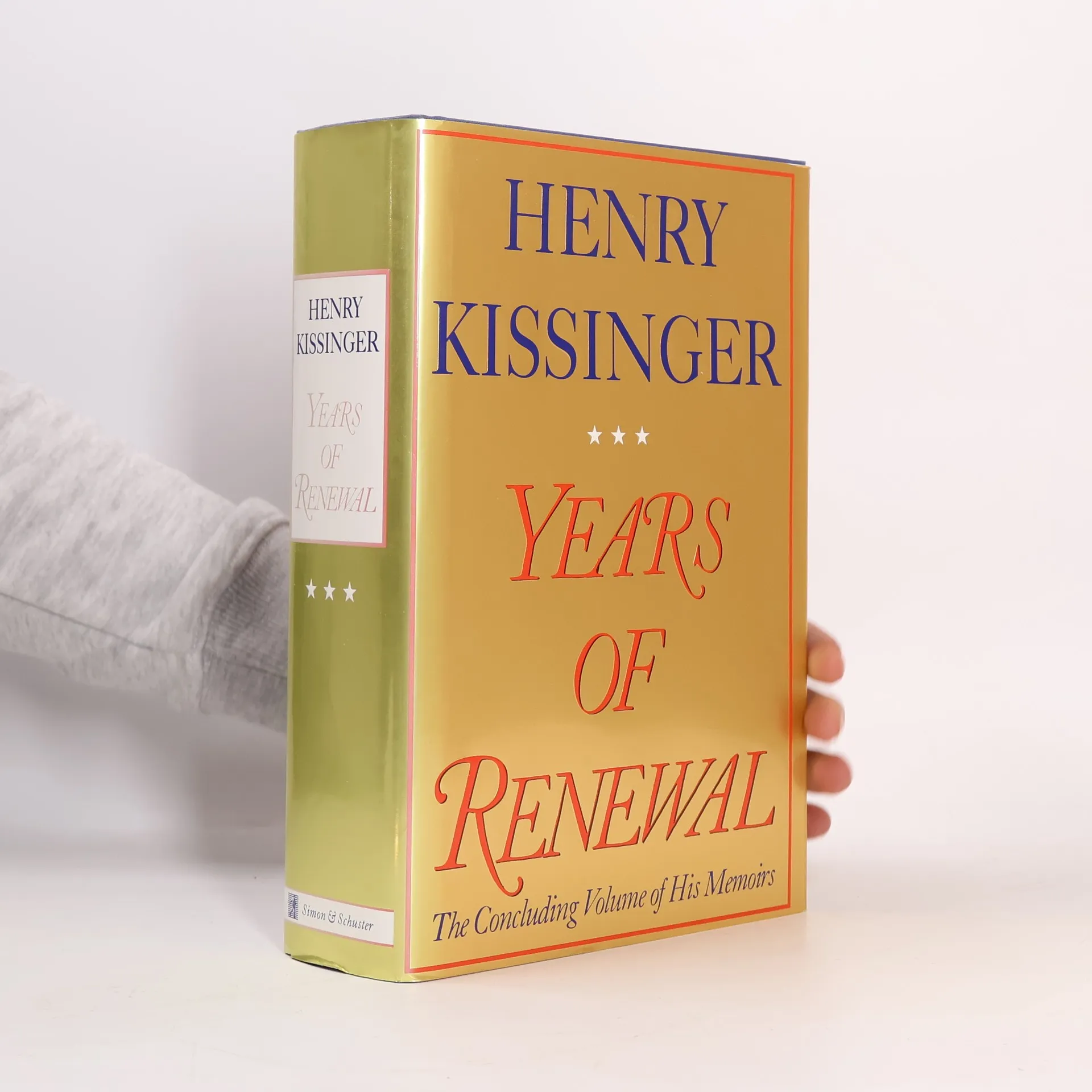
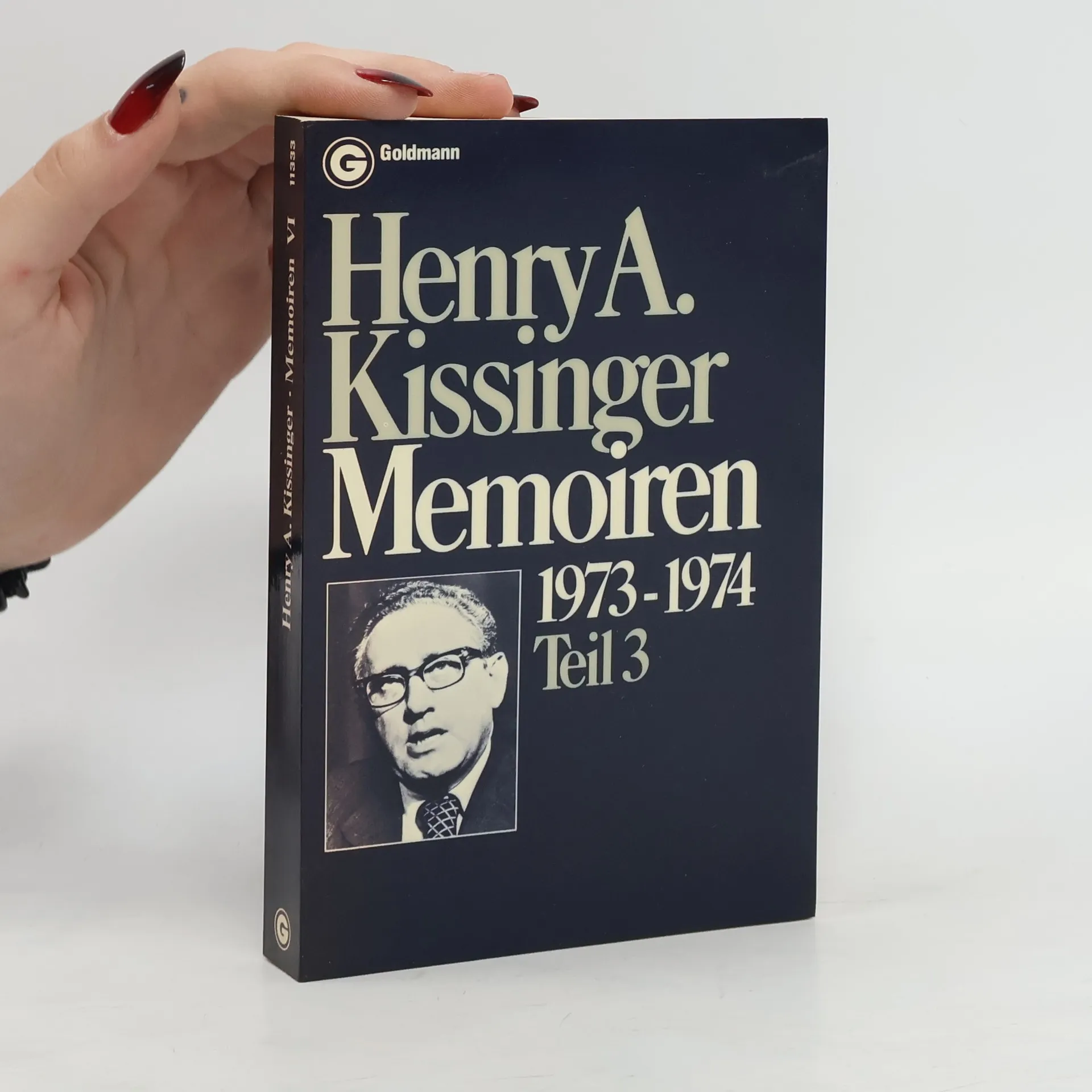
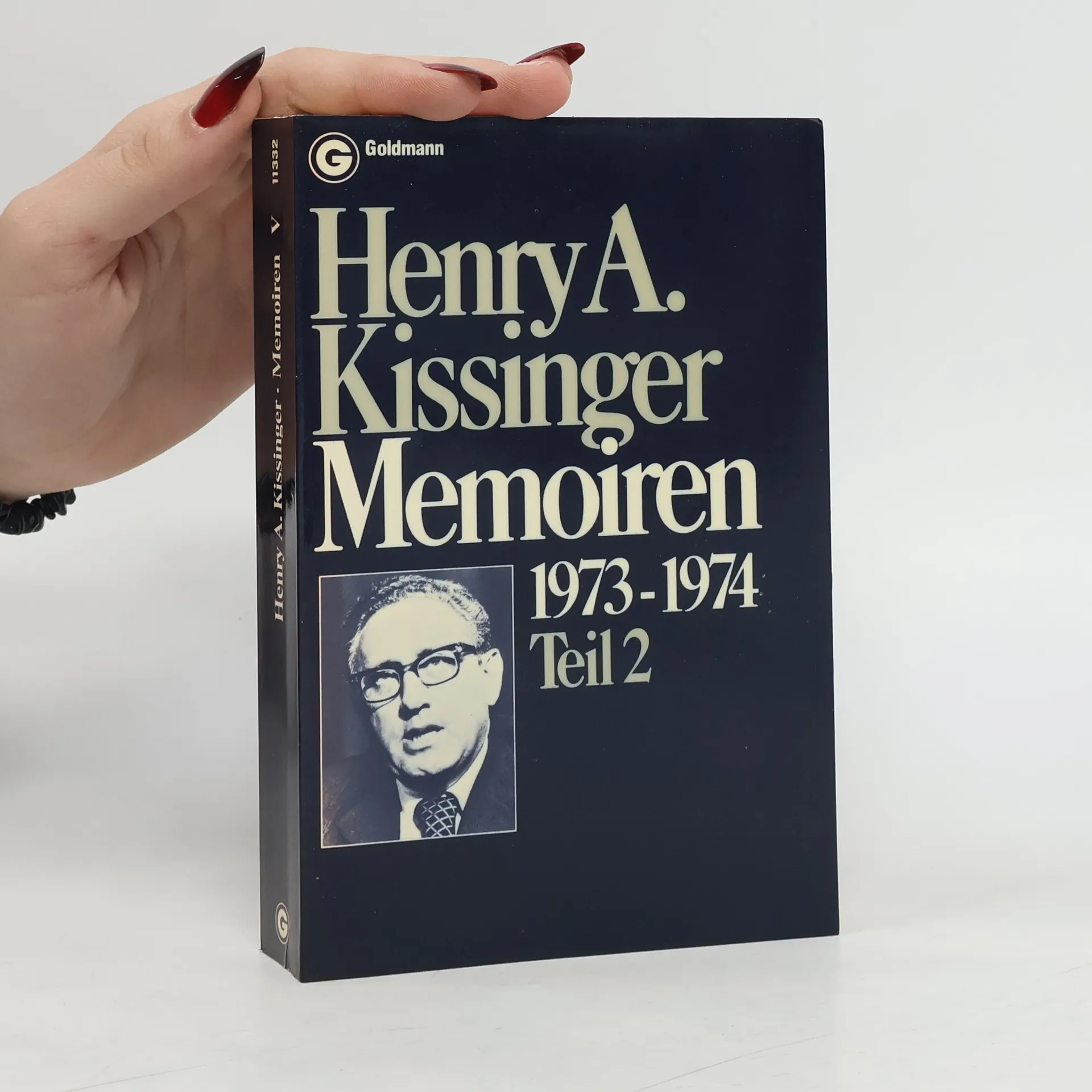
Henry Kissinger, a prominent American diplomat and Nobel Peace Prize winner, is a key figure in contemporary history and American foreign policy. The final volume of his memoirs serves as both a historical document and a compelling narrative filled with insights and candor. It begins with Nixon's resignation, offering Kissinger's assessment of Nixon's complex personality and the tragedy that marked his presidency, which briefly elevated Kissinger to immense power. The narrative then explores Gerald Ford's administration, portraying him as a man of decency and courage who guided the nation through renewal. Kissinger reflects on the painful U.S. withdrawal from Vietnam amidst a hostile Congress and a weakened intelligence community, presenting a vivid account of crises such as the fall of Cambodia and South Vietnam, the Mayaguez incident, and tensions between Greece and Turkey. He details pivotal moments in American foreign policy during Ford's era, including his shuttle diplomacy that fostered peace between Egypt and Israel, the Vladivostok meeting with Brezhnev on nuclear limitations, and the complex U.S.-China dialogue. The memoir also covers Kissinger's initiatives in Africa and U.S. policies in the Americas, offering candid portraits of global leaders, from Mao Zedong to Brezhnev. This work combines scholarship, wisdom, and firsthand experience, making it a profound exploration of Cold War history and diplomacy, solidifyi
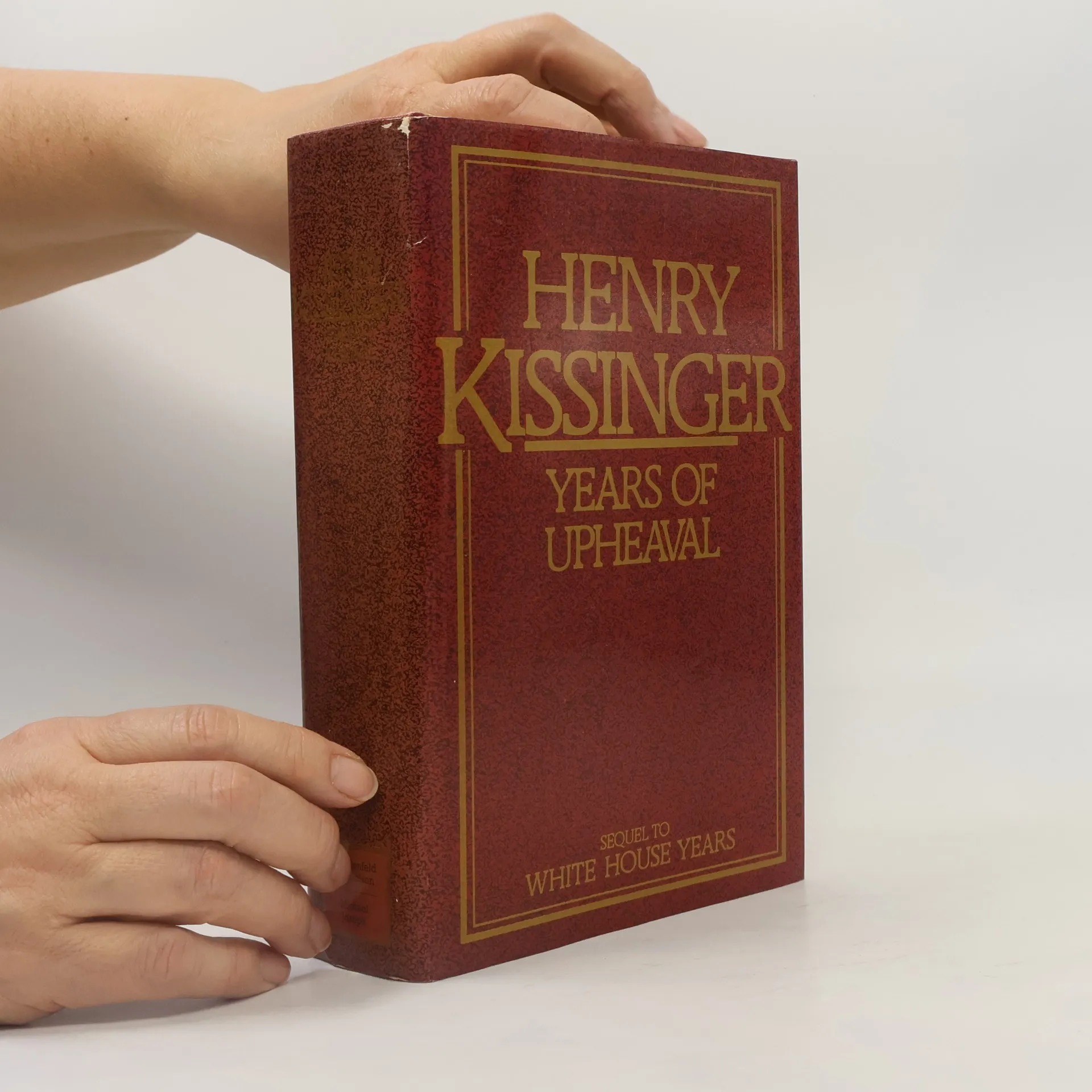
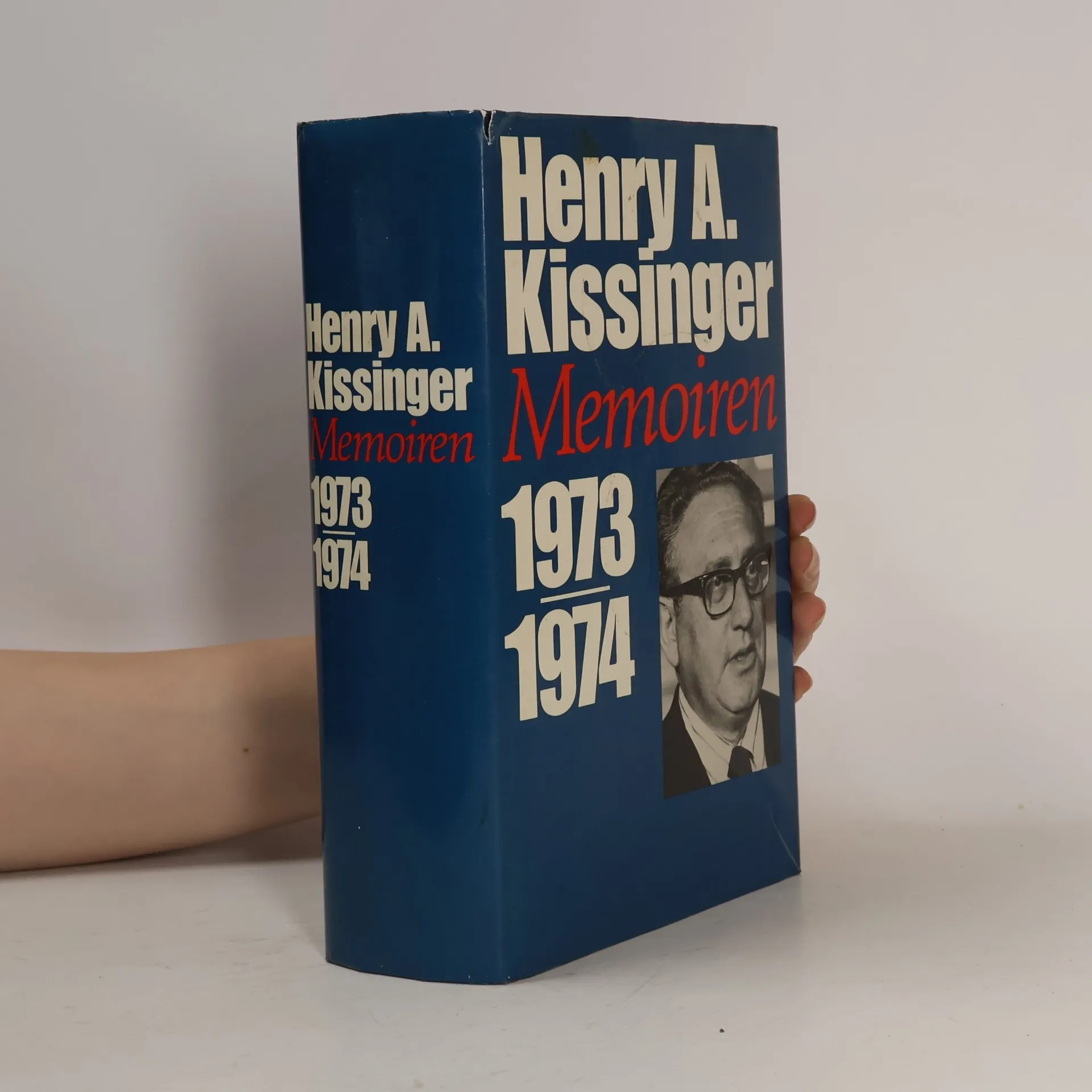
In Years of Upheaval Henry Kissinger recalls the turbulent years of the second Administration of Richard Nixon, which began on 20 January 1973. Two momentous events and their consequences dominate this account: the Watergate scandal, and the 1973 October war in the Middle East. The books opens at the Western White House on a summer afternoon in August of that year, when Dr Kissinger is told by the President during a poolside conversation that he is to become Secretary of State. The memories that follow are a rich compendium of his experiences in the months before and after appointment: an eerie trip to Hanoi shortly after the Vietnam cease-fire; efforts to settle the war in Cambodia; two Nixon-Brezhnev summits and the controversy over detente; the Shah of Iran; the oil crisis and the efforts to covercome it; the US airlift to Israel and the military alert during the Middle East war; the origins of shuttle diplomacy; the fall of Salvador Allende in Chile; and the events sur rounding Nixon's resignation. His frank portrait of Nixon's last days is perhaps the most perceptive to date At once illuminating, fascinating, and profound, Years of Upheaval is a lasting contribution to the his
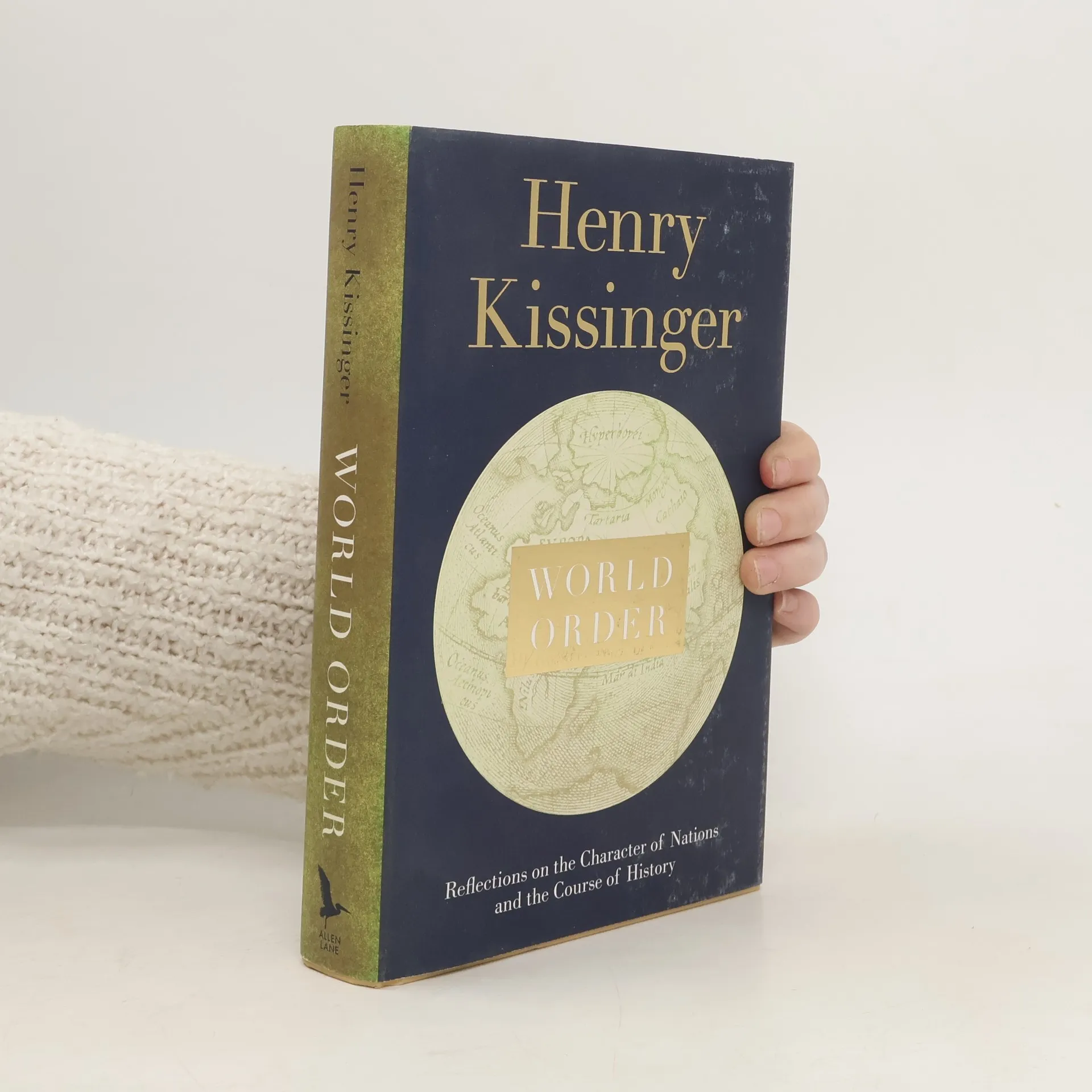
Reflections on the character of nations and the course of history
In this monumental investigation, Henry Kissinger explores the 'tectonic plates' of global history and state relations. This work encapsulates his insights on history, strategy, and statecraft, examining the motivations of nations from the formation of Europe to the present. Kissinger identifies four significant 'world orders': European, Islamic, Chinese, and American. Since the end of Charlemagne's empire and particularly after the Peace of Westphalia in 1648, Europeans have sought balance in international affairs, first continentally and then globally. Islamic states have aimed for expansion into regions inhabited by non-believers, a stance exemplified by contemporary Iran. For over 2000 years, China has viewed its influence as paramount, with all under Heaven tributary to its Emperor. In contrast, America sees itself as a 'city on a hill', promoting universal values. Kissinger addresses how these attitudes have evolved, their historical impacts, and their interactions. He examines the balance of legitimacy and power through time and assesses their current conditions and influence on international relations. Drawing from a lifetime of historical study and experience as a statesman, Kissinger provides a compelling narrative filled with observations on historical change and leadership. This work is a masterful blend of analysis and portraits of influential historical figures.
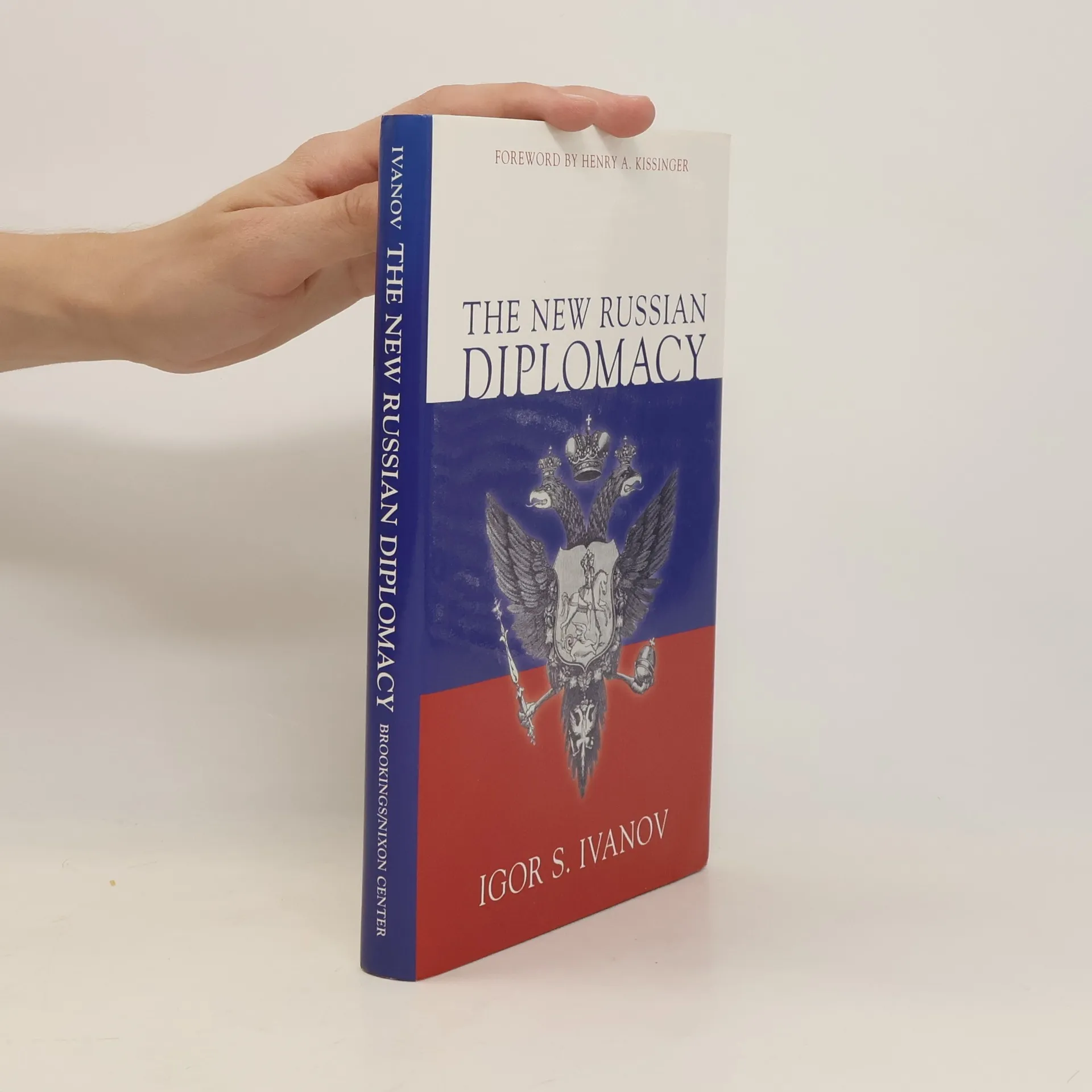
In this engaging book, foreign minister Igor S. Ivanov explores the evolution of Russian foreign policy since the Soviet Union's collapse. Drawing on Russia's diplomatic history, he analyzes how a newly democratic Russia has redefined its foreign policy amid significant transformation over the past decade. The text includes Russia's Foreign Policy Concept, a document from the Putin administration that outlines the government's daily activities and aims to provide transparency regarding Russia's foreign policy agenda. This Concept seeks to balance Russia's global role with internal demands for domestic stability. Ivanov emphasizes that the radical changes have necessitated a complete overhaul of how foreign policy is crafted, implemented, and communicated. He details the role of parliament in foreign policy decisions and the relationship between legislative and executive branches, as well as the distribution of authority among the president, government, and regional authorities. He also highlights the need to modernize Russia's diplomatic service, rooted in a tradition of professional diplomats since Peter the Great. While acknowledging the desire to create a new foreign policy during times of upheaval, Ivanov underscores the importance of continuity, linking contemporary challenges to the rich legacy of Russian and Soviet diplomacy and referencing the philosophies of historical leaders. This edition includes a new introduction
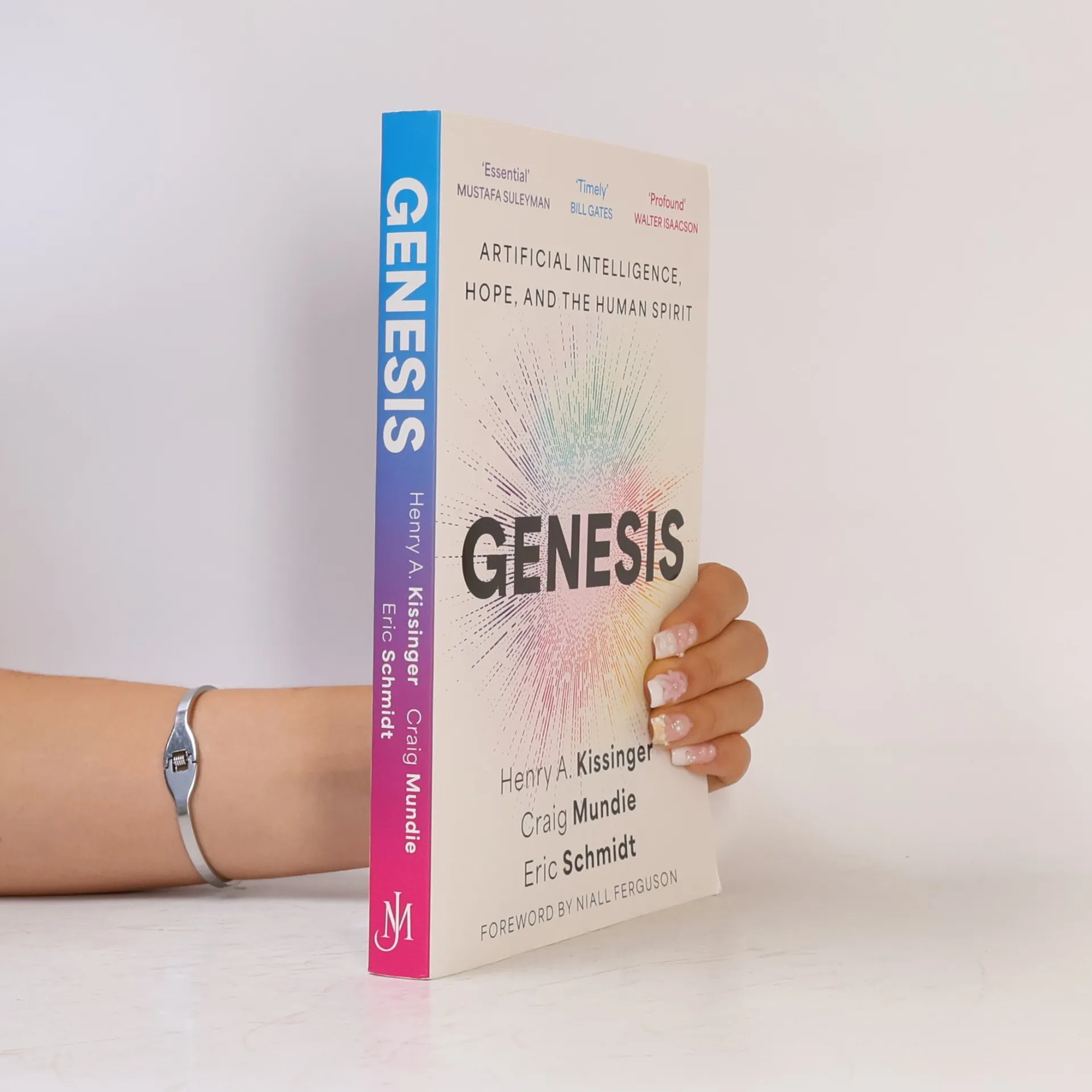
THE FOLLOW UP TO THE INTERNATIONAL BESTSELLER THE AGE OF AIThree pioneering thinkers offer a powerful guide to our future amid AI's rapid acceleration.Artificial intelligence is advancing at an alarming rate. Our responses to them could transform the nature of truth and our relationship to reality, the exploration of knowledge, the physical evolution of humanity, the conduct of diplomacy and war, and the international system. These are the crucial issues of the coming decades.Future Al will facilitate enormous advances in education, healthcare and basic sciences. They could discover new medicines, or new materials to produce cleaner energy. They could predict the occurrence of earthquakes and design evacuation strategies, or revolutionize the availability of education in every language. Powers we have not yet imagined are set to infuse our daily lives - and come with technical and human risks. Today's technologies function in ways that their inventors did not predict, and that pattern is likely to continue. Their future capabilities, running at inhuman speeds, will require a fundamentally new form of control.Al seems to compress human timescales. Objects in the future are closer than they appear.Genesis is a powerful and intelligent guide to the years of change ahead.
Introduction -- The continental statesman -- The insular statesman -- Metternich and the definition of the political equilibrium -- The formation of the coalition -- The testing of the alliance -- The crisis of the coalition -- The Treaty of Chaumont and the nature of peace -- The Congress of Vienna -- The Holy Alliance and the nature of security -- Metternich and the conservative dilemma -- The Congress of Aix-La-Chapelle and the organization of the peace -- The Carlsbad Decrees and the domination of Central Europe -- The Congress of Troppau and the organization of Europe -- The Congress of Laibach and the government of Europe -- The Greek insurrection -- The nature of statesmanship
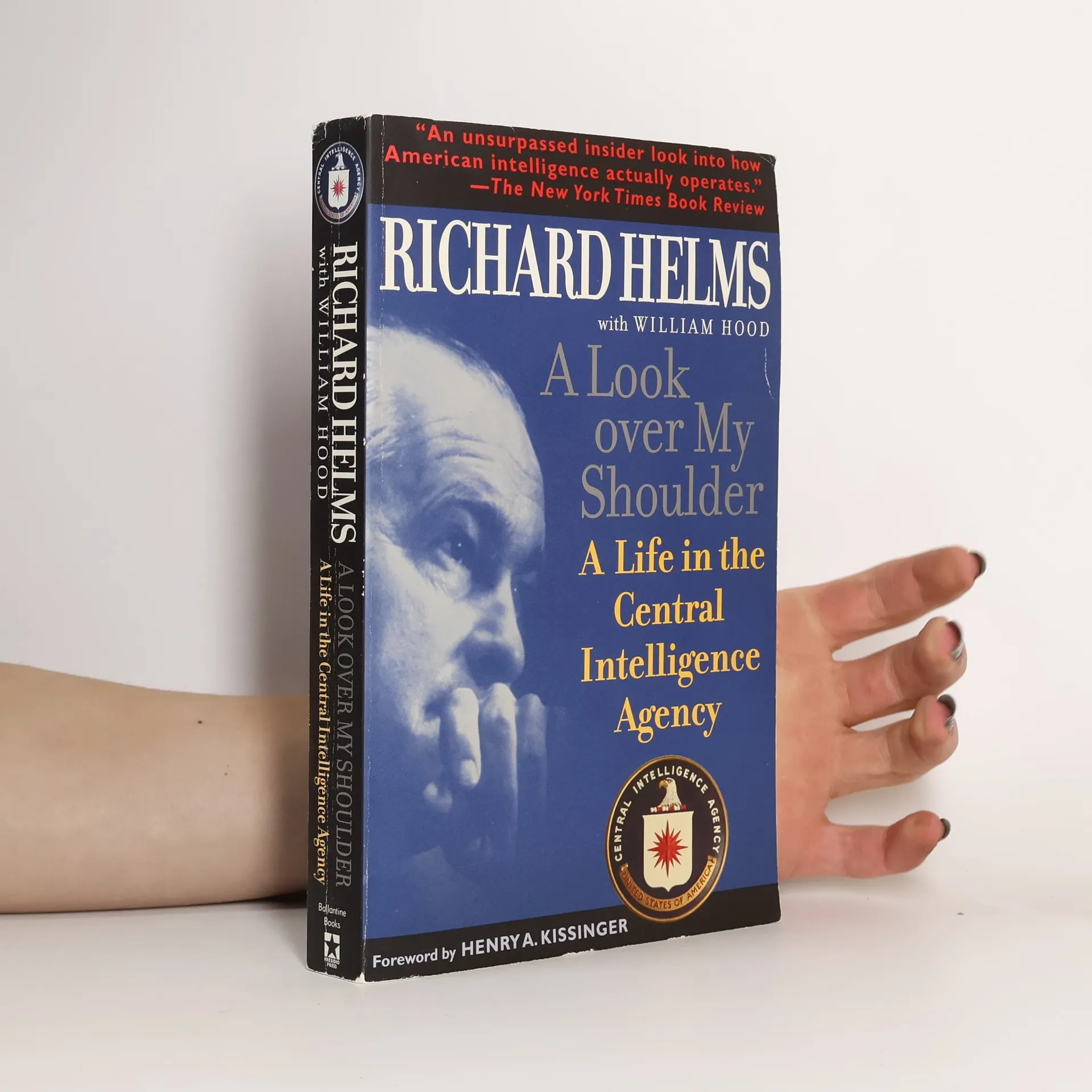
A Look over My Shoulder begins with President Nixon’s attempt to embroil the Central Intelligence Agency, of which Richard Helms was then the director, in the Watergate cover-up. Helms then recalls his education in Switzerland and Germany and at Williams College; his early career as a foreign correspondent in Berlin, during which he once lunched with Hitler; and his return to newspaper work in the United States. Helms served on the German desk at OSS headquarters in London; subsequently, he was assigned to Allen Dulles’s Berlin office in postwar Germany.On his return to Washington, Helms assumed responsibility for the OSS carryover operations in Germany, Austria, and Eastern Europe. He remained in this post until the Central Intelligence Agency was formed in 1947. At CIA, Helms served in many positions, ultimately becoming the organization’s director from 1966 to 1973. He was appointed ambassador to Iran later that year and retired from government service in January 1977. It was often thought that Richard Helms, who served longer in the Central Intelligence Agency than anyone else, would never tell his story, but here it is–revealing, news-making, and with candid assessments of the controversies and triumphs of a remarkable career.
A History of America's Involvement in and Extrication from the Vietnam War
Offering a comprehensive exploration of its subject, this account delves into pivotal events and key figures that shaped its narrative. It combines meticulous research with engaging storytelling, providing readers with a deep understanding of the context and implications of the events discussed. The work stands out for its balanced perspective, presenting multiple viewpoints and fostering critical thinking about the subject matter. Ideal for both enthusiasts and newcomers, it serves as a definitive resource for anyone seeking to grasp the complexities involved.
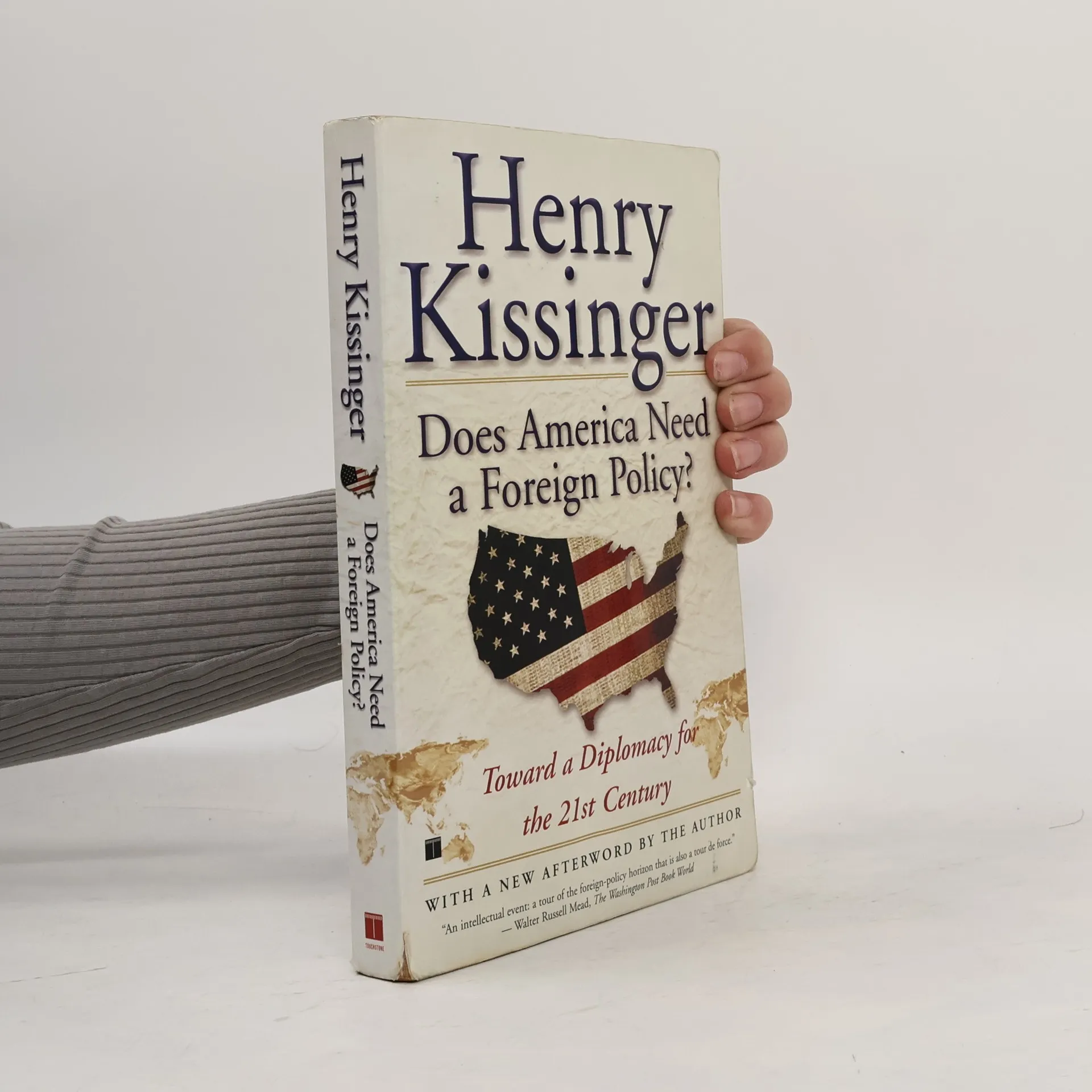
In this timely, thoughtful, and important book, at once far-seeing and brilliantly readable, America's most famous diplomatist explains why we urgently need a new and coherent foreign policy and what our foreign policy goals should be in this new millennium. In seven accessible chapters, Does America Need a Foreign Policy? provides a crystalline assessment of how the United States' ascendancy as the world's dominant presence in the twentieth century may be effectively reconciled with the urgent need in the twenty-first century to achieve a bold new world order. With a new Afterword by the author that addresses the situation in the aftermath of September 11, Does America Need a Foreign Policy? asks and answers the most pressing questions of our nation today.
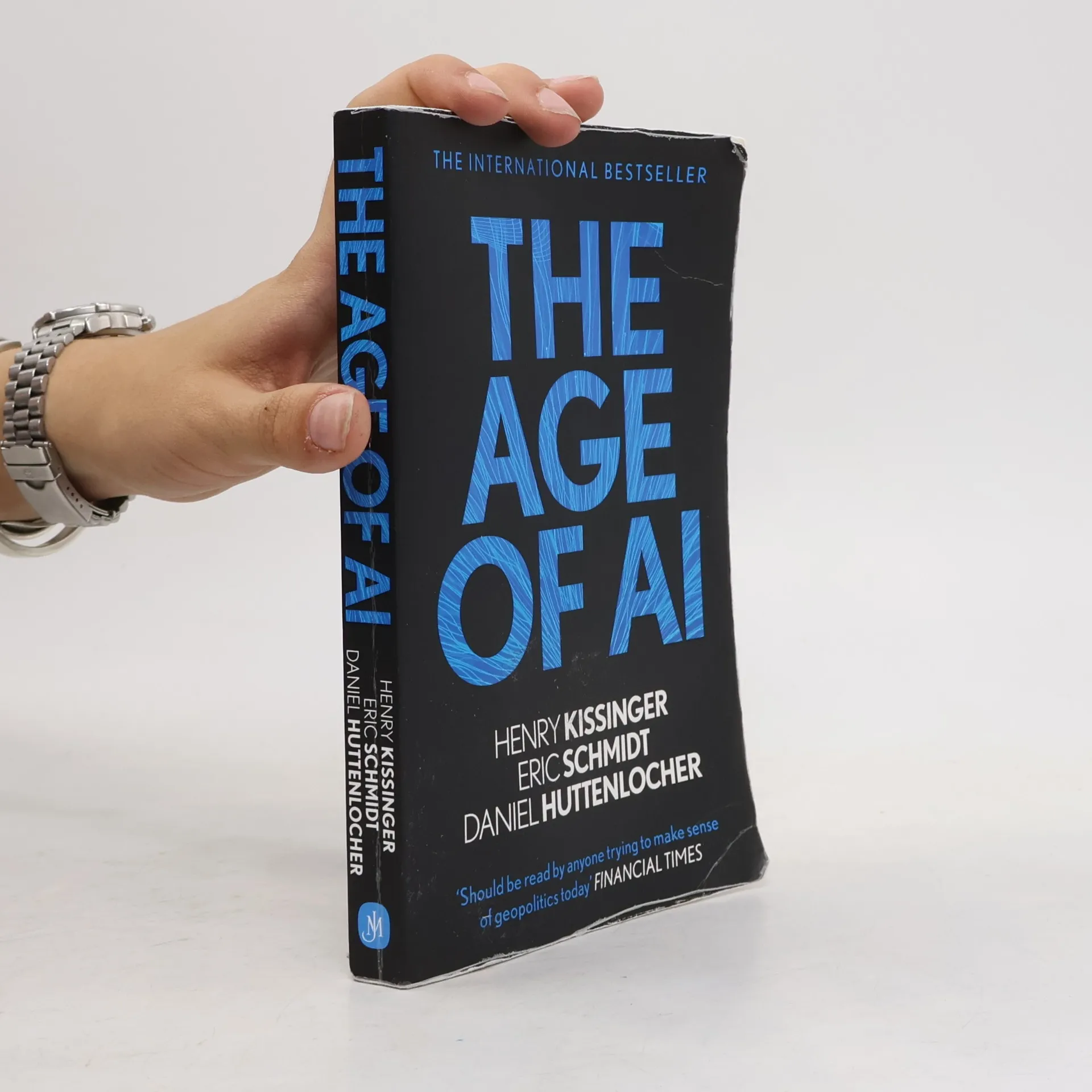
THE WAY HUMANS NAVIGATE THE WORLD IS ALTERING, FOREVER. THIS IS YOUR ESSENTIAL AI ROADMAP. AI is revolutionizing how we approach security, economics, order and even knowledge itself. It is changing how we experience reality, and our role within it. Three of our most accomplished and deep thinkers explore what this means for our present and our future, tackling the questions that will affect as all: What will it mean to be human? What are the key frontier risks? What AI ethics are we going to need? How is AI impacting politics, defence, medicine and education? 'Absolutely masterful . . . the book we all need' Fareed Zakaria 'A muscular contribution to one of the 21st century's most pressing debates' The Economist Henry Kissinger was the 56th Secretary of State and winner of the Nobel Peace Prize; Eric Schmidt, Google's former CEO, lead the company's growth for over a decade and Daniel Huttenlocher is dean of the MIT Schwarzman College of Computing.
The Meaning of History is the senior thesis written by Henry Kissinger at Harvard university in 1950, when he was twenty-seven. More than 70 years later it is now being published for the first time. The thesis explores the thought of three distinct but important thinkers in the canon of Western philosophical and historical thought, in a way that also reflected Kissinger's own transition from the Continental world to the Atlantic. Oswald Spengler (1880-1936) was a German historian and philosopher; Arnold Toynbee (1889-1975) a British historian and philosopher and Immanuel Kant (1724-1804), a Prussian of the European Enlightenment era and one of the most important moral and political philosophers to emerge from his time. The study is intimidatingly long and weighty in its own right; at almost four hundred typed pages, it wrestles with some of the first-order dilemmas of Western political, philosophical, and moral thought. Its scope ranges from the Enlightenment through to the midpoint of the twentieth century - an era scourged by two world wars and the advent of the nuclear age. Equally important, it provides great insight into the conceptual perspective of its author, Henry Kissinger, who was to become the most influential American scholar statesman of the post 1945 period.
This book describes the impact of nuclear weapons on U.S. foreign policy and attempts to modify assumptions about war, diplomacy and the nature of peace. It sets the considerations on which policy and strategy may be based and the pitfall of traditional concepts about the nature of security.
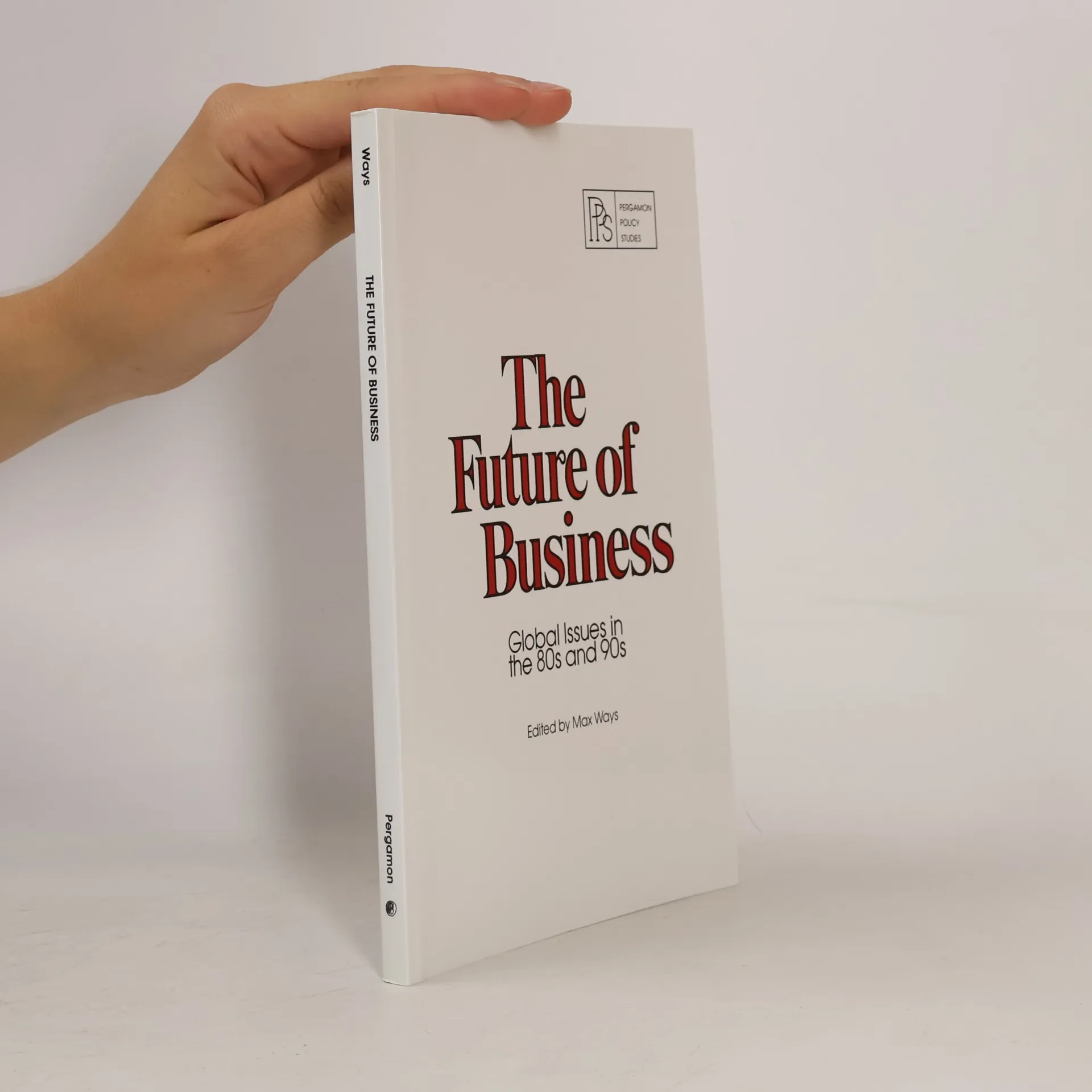
This examination of the future material, social, and intellectual vigor of business in the United States analyzes the opportunities and challenges ahead. It emphasizes the fundamental forces and trends—both internal and external—that will shape business in the coming decades and their broader societal implications. The book is structured into five chapters, starting with the assertion that corporations must articulate guiding principles that connect their actions to a range of human aspirations beyond mere economic gain. The subsequent chapter forecasts the future of business in light of its international context and its interactions with various societal elements. It discusses the role of multinational corporations in the post-1945 expansion of international trade, termed "the new imperialism," and examines the reciprocal relationship between business and government. Additionally, it addresses the implications of transitioning from fixed-age to flexible-age retirement and the evolving dynamics of business-government relations. The concluding chapter delves into various economic issues, their political ramifications, the necessity for international cooperation, and the role of business in addressing these challenges. This monograph will appeal to business professionals, consumers, employees, politicians, and the general public.
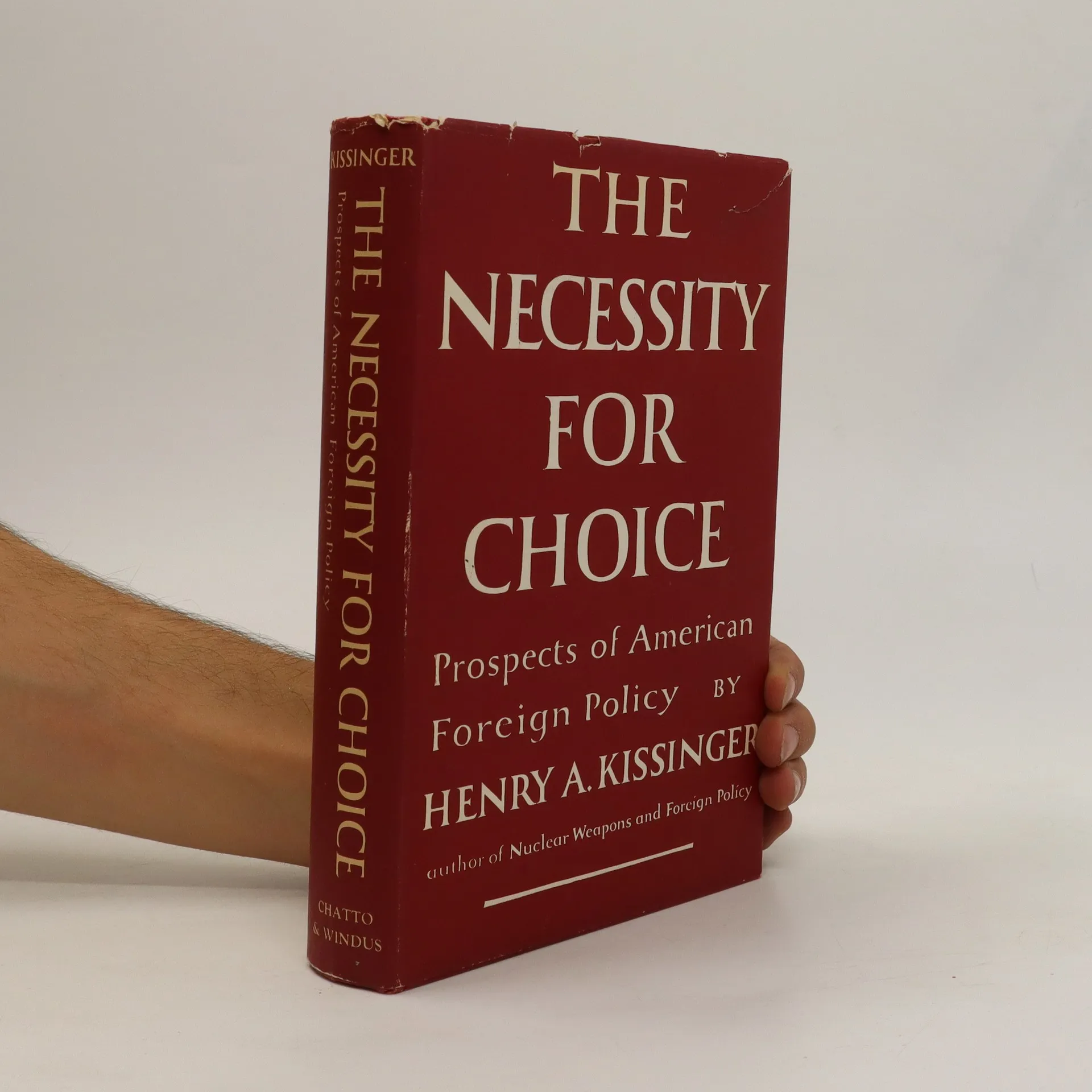
In this book Professor Kissinger examines the framework of our foreign policy, the stresses to which that framework is being subjected, and the prospects for world order in an era of high international tension. The three essays were written before Professor Kissinger took leave from Harvard to serve as Assistant to President Nixon for National Security Affairs.
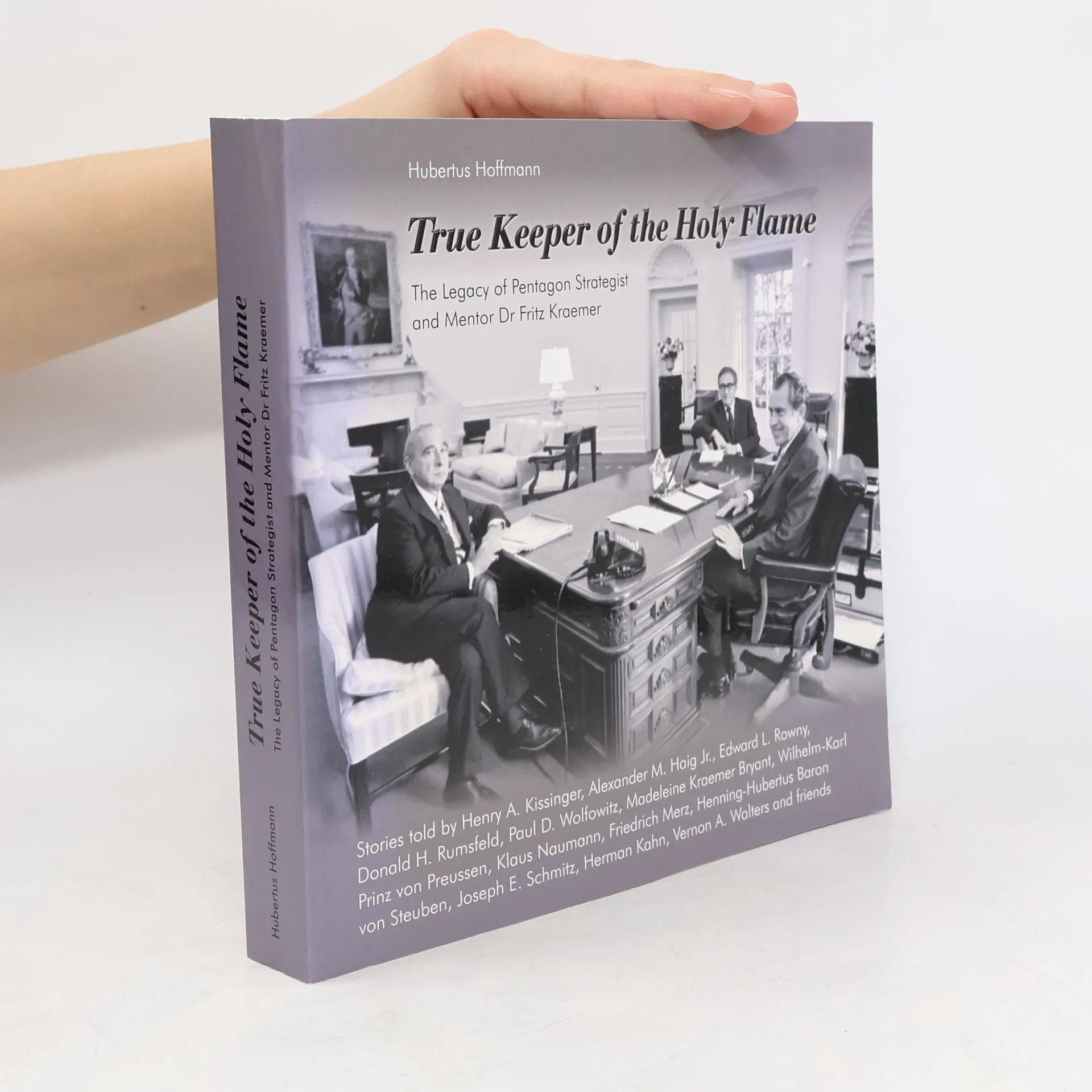
Missionary, Mentor and Pentagon Strategist
The Legacy of Pentagon Strategist and Mentor Dr Fritz Kraemer
Über 40 Jahre lang, von 1948 bis nach seiner Pensionierung 1978, war Dr. Fritz G. A. Kraemer (1908-2003) eine einflussreiche Figur in der Außen- und Sicherheitspolitik der USA. Als Top-Berater im Pentagon prägte der in Essen geborene Deutschamerikaner die Entscheidungen zahlreicher Verteidigungsminister und beeinflusste hochrangige Politiker, Diplomaten, Militärs und Wissenschaftler. Henry Kissinger, Friedensnobelpreisträger und ehemaliger US-Außenminister, bezeichnete Kraemer als „die größte Einzelperson, die meinen prägenden Jahren Einfluss gab“. Auch Alexander M. Haig verdankt seine Karriere wesentlich Kraemers Förderung. Aus dem Kreis der von Kraemer Unterstützten entwickelte sich in den 1970er und 1980er Jahren die Neocon-Bewegung, die seine Ideen teilte. Obwohl eine wissenschaftliche Biographie über Kraemer noch aussteht, bietet dieses Buch einen tiefen Einblick in das Denken des Politikwissenschaftlers und Juristen, der keine eigenen Werke hinterlassen hat, abgesehen von seinen Dissertationen. Der Autor, Dr. Hubertus Hoffmann, wurde durch einen Artikel auf Kraemer aufmerksam und wurde dessen Hauptförderer für 25 Jahre. Die von Hoffmann mit Kraemers Unterstützung gegründete „World Security Network Foundation“ vereint zahlreiche Experten der Außen- und Sicherheitspolitik, die sich seinen Ideen verpflichtet fühlen. Dieses Buch schließt eine wichtige Lücke in der Literatur zur internationalen Politik des 20. Jahrhunderts.
Quando si discute di globalizzazione, emergono atteggiamenti contrastanti: da un lato opportunità e crescita, dall'altro oppressione e mercificazione. Questo fenomeno suscita dibattiti tra studiosi e cittadini, generando sia speranze che timori. È davvero nuovo, o rappresenta una sfida rinnovata alla conoscenza e al progresso, simile a rivoluzioni passate? Se non è innovativo, come possiamo garantire che i benefici siano equamente distribuiti tra i popoli? Il mondo si sta espandendo: commerci, relazioni economiche, politiche e culturali si intrecciano, portando con sé valori e aspirazioni. Tuttavia, sorgono interrogativi su cosa non funzioni in questo processo e su cosa debba essere corretto. È giusto fermare l'espansione o continuare a promuoverla? Le lezioni raccolte nella Sala Zuccari di Palazzo Giustiniani affrontano queste tematiche, presentando contributi di figure di spicco come Giovanni Agnelli, Henry Kissinger, Václav Havel, Valéry Giscard d’Estaing, Bill Gates e Bernard Lewis. Insieme, offrono una prospettiva preziosa e originale sul fenomeno della globalizzazione, esplorando le sue dimensioni economiche, politiche, culturali e storiche.
Úvahy o diplomacii, strategickém výhledu a umění vést. Legendární diplomat Henry Kissinger, poradce amerických prezidentů Richarda Nixona a Geralda Forda, stál uprostřed nejdůležitějších jednání studené války. Je rovněž autorem mnoha rozsáhlých publikací o mezinárodních vztazích, vnichž precizně rozebírá detaily a analyzuje relevantní historické paralely. Kniha Kissinger podle Kissingera je jiná. Je to záznam rozhovorů, které s Kissingerem vedl jeho blízký spolupracovník Winston Lord. Ze vzpomínání obou veteránů vzniklo koncentrované a názorné svědectví o umění diplomacie. Znalci Kissingerova díla ocení osobní zkušenost z hvězdných hodin americké politiky, ostatním kniha poslouží jako čtivý úvod do Kissingerova brilantního uvažování.
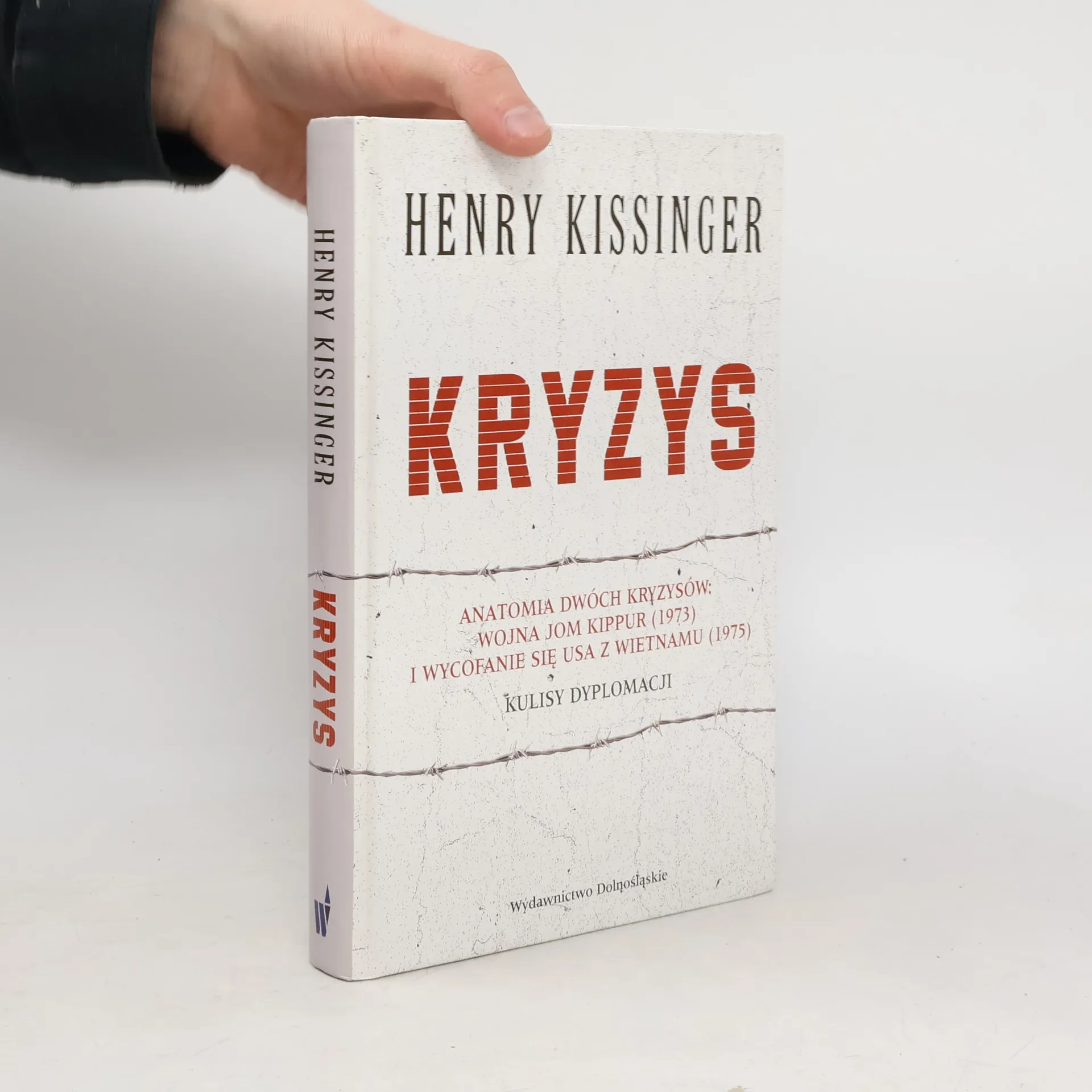
Jde o zcela originální zpracování dvou klíčových událostí - války na Středním východě v říjnu roku 1973 a závěrečné fáze vietnamské války, tj. stažení amerických jednotek z území Indočíny, jež se odehrálo mezi 27. březnem a 29. dubnem 1975. Henry Kissinger poprvé zveřejnil záznamy telefonických rozhovorů, které vedl během krizí mj. s americkým prezidentem Nixonem (později i Fordem) a s významnými členy kongresu, ale rovněž s představiteli arabských států , s ministerskou předsedkyní Izraele Goldou Meierovou, s velvyslancem Sovětského svazu Dobryninem, s vysokými vojenskými důstojníky armády USA a dalšími osobnostmi.
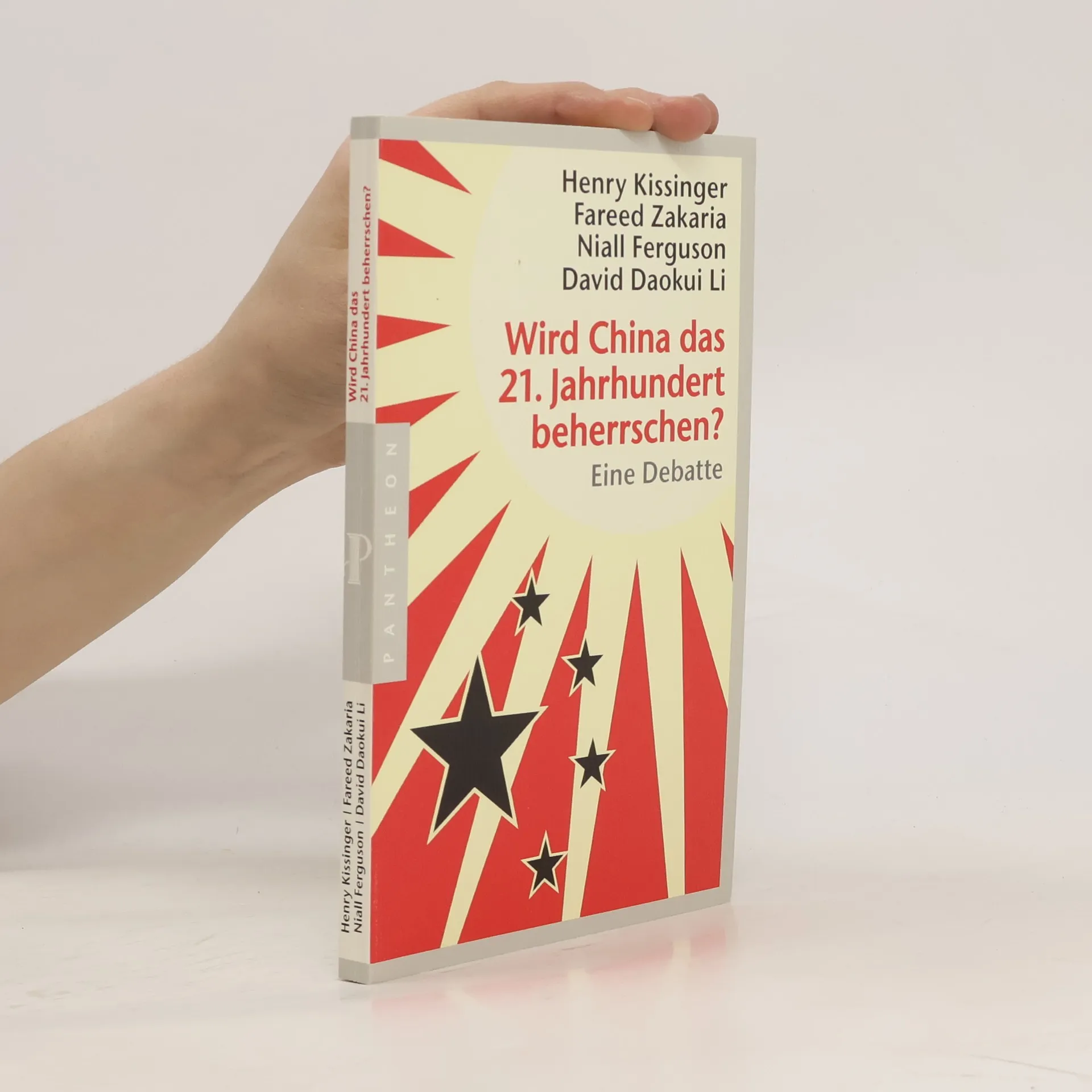
Wer regiert die Welt? Vier prominente Köpfe diskutieren die Frage, ob China das 21. Jahrhundert beherrschen wird. David Li und Niall Ferguson bejahen dies und argumentieren, dass Chinas wirtschaftliche und geopolitische Macht die westliche Welt übertreffen wird. Im Gegensatz dazu halten Henry Kissinger und Fareed Zakaria dagegen, dass China mit zahlreichen internen Problemen konfrontiert ist und daher in naher Zukunft keine dominante Rolle einnehmen kann. Die Debatte dieser führenden Experten beleuchtet, ob Chinas Aufstieg unaufhaltsam ist. Mit einem Humankapital von 1,3 Milliarden Menschen, technologischem Fortschritt und einem effizienten, staatlich kontrollierten Kapitalismus scheinen die Voraussetzungen für eine Supermacht gegeben. Dennoch steht China vor erheblichen Herausforderungen: begrenzte Energieressourcen, mangelndes Umweltbewusstsein und latente politische Unruhen könnten den Aufstieg abrupt stoppen. Die Diskussion über die Vor- und Nachteile von Chinas Vormachtstellung wird auf unterhaltsame Weise von Kissinger, Zakaria, Ferguson und Li geführt. Dieses Buch richtet sich an alle, die sich kompetent und informiert an der Debatte über Chinas Rolle im 21. Jahrhundert beteiligen möchten.
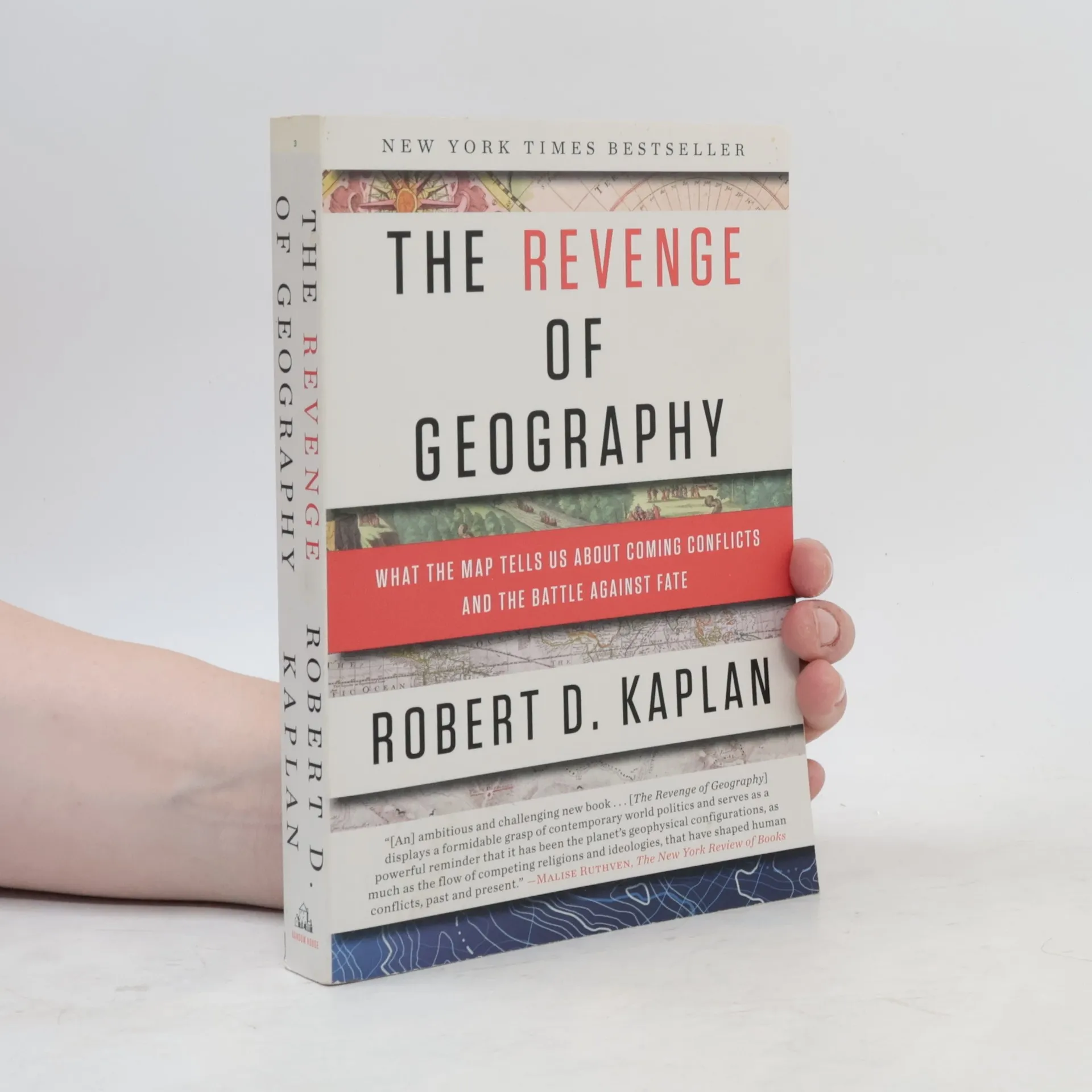
The insights, discoveries and theories of great geographers and geopolitical thinkers of the past look back at critical pivotal events in history and then look forward at the evolving global scene
Роздуми про характер націй в історичному контексті
Ve své první práci o dějinách mezinárodní politiky z roku 1957 se Kissinger zaměřuje na diplomatickou historii Evropy od Napoleonovy porážky v Rusku až po protiturecké povstání v Řecku v roce 1822, které ukončilo britskou účast na evropské politice. Hlavními aktéry jsou rakouský kancléř Metternich a britský ministr zahraničí lord Castlereagh, jejichž osudy a názory ilustrují, jak se habsburská monarchie odklání od Francie a přebírá vůdčí roli v evropské diplomacii, zatímco Británie prosazuje svou vizi rovnováhy v Evropě. Evropské státy se snažily vybudovat nový mezinárodní řád na troskách ponapoleonské Evropy, založený na pravidelných konzultacích a hledání jednotících politických principů. Kissinger tuto situaci analyzuje s ohledem na nedávno skončenou druhou světovou válku, která přinesla podobné výzvy jako napoleonské války. Autor vyjadřuje sympatie k pragmatické politice Metternicha a Castlereaghe, která usiluje o stabilní mezinárodní řád založený na rovnováze sil. Historická fakta slouží Kissingera jako podnět k hlubšímu zamyšlení nad událostmi a jejich protagonisty. Vyniká schopností psychologické analýzy, ať už se věnuje Metternichovi, Castlereaghovi, ruskému carovi Alexandru nebo Napoleonovi.
Freundschaften bereichern unser Leben und machen uns glücklicher. Und gerade in Zeiten, in denen sich traditionelle Bindungen auflösen, werden Freunde zunehmend wichtiger. Freundschaft hat viele Formen. Es gibt Freunde fürs Leben, die von klein auf zusammenhalten, und es gibt Freunde, die wie eine Familie zusammenleben. Es gibt Freundschaften, die Grenzen überwinden, Kontinente überspannen oder Generationen verbinden, und es gibt andere, die nur in den sozialen Netzwerken des Internets bestehen. Für den vorliegenden Band hat Richard Riess mehr als fünfzig namhafte Autoren aus allen Bereichen von Gesellschaft, Politik, Wissenschaft und Kultur versammelt, die ihre persönliche Sicht auf die Freundschaft darlegen. Zu den Autoren gehören u. a. Dietrich Grönemeyer, Henry Kissinger, Jens Jessen, Rüdiger Safranski, Uwe Timm und Eva Zeller. Sie alle zeigen, wie wichtig die Freundschaft für uns ist und machen das Buch zu einem einzigartigen Leseerlebnis.
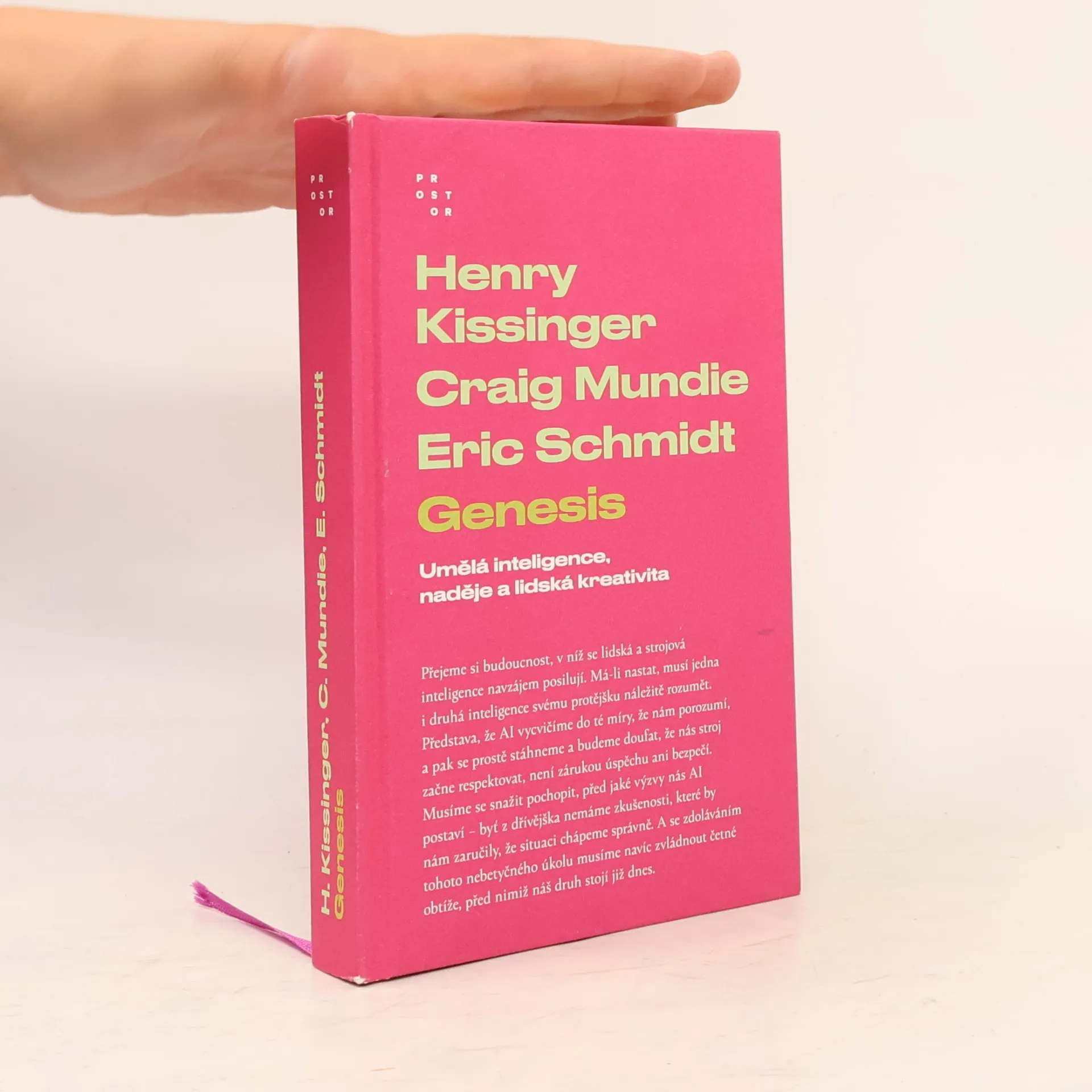
Optimismus für die nächsten Schritte der MenschheitIn seinem letzten Buch erforscht Politik-Legende Henry Kissinger zusammen mit dem ehemaligen Google-CEO Eric Schmidt und dem früheren Microsoft-Topmanager Craig Mundie die epochalen Herausforderungen und Chancen der Revolution der künstlichen Intelligenz. KI wird uns helfen, enorme Krisen zu bewältigen – vom Klimawandel über geopolitische Konflikte bis hin zur Einkommensungleichheit. Aber sie bedroht auch unser unabhängiges Urteilsvermögen und unsere Handlungsfähigkeit. Dieses Buch zeichnet einen Weg jenseits von blindem Glauben und ungerechtfertigter Angst und skizziert eine wirksame Strategie, um das Zeitalter der KI zu meistern.
German
Soubor úvah Genesis, zahrnující celé spektrum názorů na AI od zaslepené víry ve všemocné technologie až po neopodstatněný strach z jakékoli mechanické náhrady člověka, nastiňuje účinnou strategii pro orientaci v divočině pokročilého věku informací. Filozofická závěť vynikajícího amerického státníka Henryho Kissingera, sepsaná ve spolupráci s IT specialisty Ericem Schmidtem a Craigem Mundiem, připravuje dnešní rozhodující činitele – nás všechny bez výjimky – na nelehké volby zítřka. Radí nám obezřetně využít příležitostí, jež umělá inteligence nabízí, aniž bychom se stali obětí temných sil, které její příchod vyvolal.